
Red Sea Crisis Drives 210% Freight Surge for Smart Irrigation Pump Stations
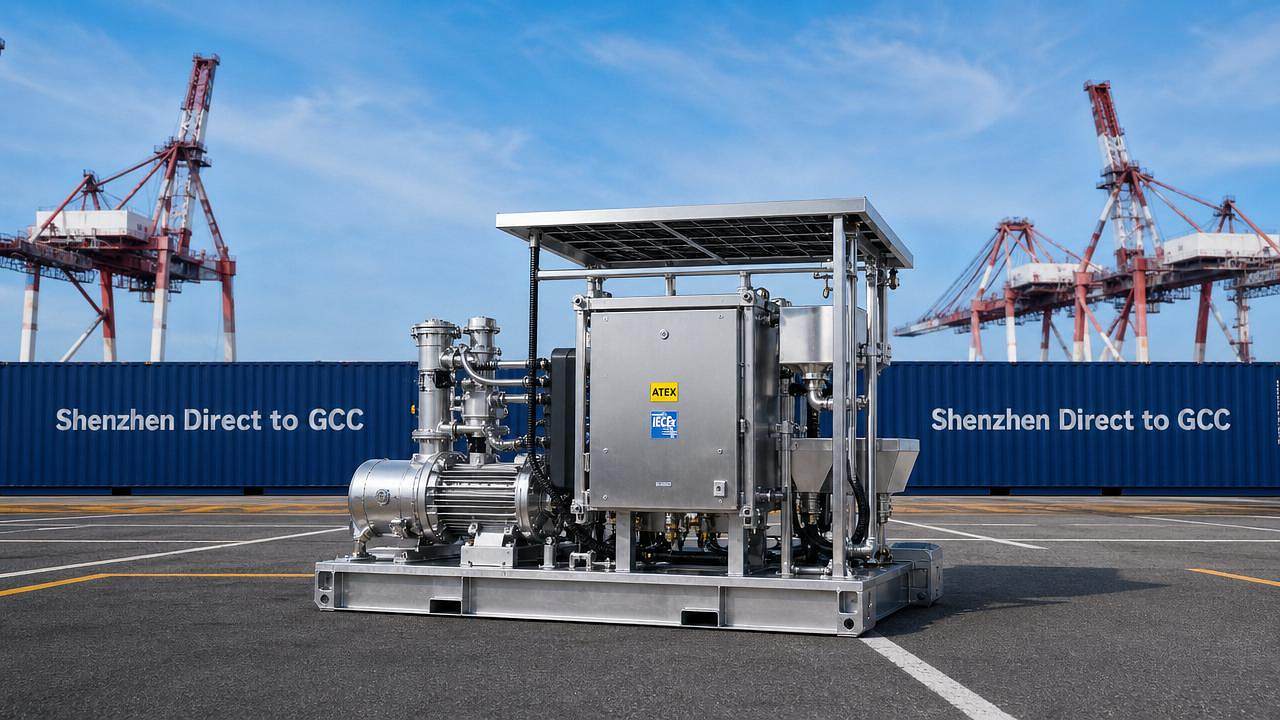




Red Sea tensions have triggered a sharp escalation in maritime freight costs for specialized agricultural equipment, with spot rates on the Asia–Europe container route exceeding $12,800/FEU as of Drury’s weekly report dated May 9, 2026. Smart irrigation pivot system core units—requiring explosion-proof certification—are now subject to an additional $3,200 surcharge. Importers in the UAE and Saudi Arabia are urgently shifting procurement to direct shipments from manufacturing hubs in Shenzhen and Foshan, prioritizing ‘South China direct dispatch + local customs clearance’ solutions to secure first deliveries by end-June. This development warrants close attention from agricultural equipment exporters, logistics providers, and irrigation system integrators operating across Middle Eastern markets.
Event Overview
According to Drury Shipping Consultants’ weekly report issued on May 9, 2026, containerized freight rates on the Asia–Europe corridor have risen sharply due to ongoing Red Sea instability. The spot rate for a 40-foot equivalent unit (FEU) has surpassed $12,800. For smart center pivot irrigation pump stations—classified as special cargo due to explosion-proof certification requirements—an additional fee of $3,200 applies. In response, importers based in the United Arab Emirates and Saudi Arabia are actively negotiating direct procurement from manufacturers in Shenzhen and Foshan, specifying delivery no later than late June 2026 to avoid transshipment delays and extra duties associated with routing via Egypt.
Which Subsectors Are Affected
Direct Exporters of Agricultural Equipment
These firms face immediate pressure to restructure shipping terms and documentation workflows. Because smart pivot pump stations require certified handling and regulatory compliance (e.g., ATEX or IECEx equivalents), delays at traditional transshipment hubs like Port Said increase risk of non-compliance and demurrage. The shift toward direct South China port departures means exporters must verify vessel availability, booking lead times, and inland transport coordination—not just factory output capacity.
Manufacturers of Center Pivot Systems & Components
Suppliers in Guangdong—including those producing control units, hydraulic pumps, and motorized drive systems—face revised demand timing and order packaging expectations. Buyers now prioritize ‘ready-to-ship’ configurations compatible with direct port loading, rather than bulk shipment requiring post-arrival assembly. This affects inventory planning, testing protocols (e.g., pre-shipment functional validation), and certification labeling formats for GCC markets.
Logistics Service Providers Supporting Agri-Exports
Firms offering freight forwarding, customs brokerage, or last-mile delivery in the GCC must adapt to accelerated timelines and tighter documentation standards. With buyers demanding full visibility from factory gate to destination warehouse—and insisting on local GCC customs clearance under importer-led processes—providers need updated knowledge of UAE and Saudi tariff classifications (e.g., HS code 8413.70 for self-propelled irrigation units) and local conformity assessment requirements (e.g., SASO IECEE CB Scheme).
Regional Distributors & System Integrators in the Middle East
These stakeholders are experiencing compressed project cycles and heightened inventory risk. To meet June delivery deadlines, many are placing early, non-cancellable orders—potentially straining working capital. Simultaneously, they must reconcile new origin declarations (‘Made in China, shipped direct from Shenzhen’) with existing tender specifications that may reference prior sourcing patterns or Egyptian transshipment clauses.
What Relevant Businesses or Practitioners Should Focus On
Monitor official updates from Suez Canal Authority and IMO regarding navigation advisories and insurance coverage changes
Current freight volatility stems directly from rerouting decisions and marine insurance premium adjustments—not tariff policy shifts. Stakeholders should track formal notices (not media summaries) to distinguish operational constraints from long-term trade barrier developments.
Verify HS code alignment and GCC conformity documentation for smart pump units shipped direct from South China ports
Explosion-proof certification must be traceable to recognized bodies (e.g., UL, TÜV, or SGS-accredited labs) and accompany each consignment. Misalignment between factory-issued certificates and GCC import requirements—especially for embedded electronics or battery-powered controllers—can trigger hold-ups at Jebel Ali or King Abdulaziz Port.
Assess inland transport capacity and terminal slot availability at Yantian, Shekou, and Nansha ports for mid-May to late-June bookings
With concentrated demand for June deliveries, space allocation and cut-off dates for FEU bookings are tightening. Manufacturers and forwarders should confirm vessel sailing schedules, ETD windows, and container weight limits—particularly since smart pivot units often exceed standard payload thresholds due to reinforced casings and integrated power modules.
Prepare dual-sourcing contingency plans for critical subcomponents reliant on Red Sea–transited shipments
While final assemblies shift to direct South China dispatch, some electronic controllers or sensors may still originate from European or Korean suppliers using Suez routes. Delays in those upstream deliveries could bottleneck final assembly—making buffer stock or alternative component qualification essential through June.
Editorial Perspective / Industry Observation
Observably, this is not merely a short-term freight spike but an inflection point in regional supply chain architecture for precision irrigation equipment. The UAE and Saudi importers’ pivot to direct South China shipments reflects both urgency and strategic recalibration—not just cost avoidance, but also reduced exposure to third-country customs interventions and documentation mismatches. Analysis shows the 210% freight increase applies specifically to certified smart pump units, not generic agricultural machinery; this underscores how regulatory classification increasingly drives logistics economics more than commodity type alone. It is better understood as an emerging operational signal—not yet a settled market structure—because its persistence depends on Red Sea security duration and whether GCC customs authorities formalize expedited clearance pathways for direct-origin agri-tech imports.
This development signals growing sensitivity to certification-driven cargo segmentation within global agricultural trade. It does not indicate a broad decoupling from Egyptian logistics infrastructure, nor does it imply permanent relocation of manufacturing. Rather, it reveals how niche compliance requirements (e.g., explosion-proofing) can rapidly redefine routing logic, carrier selection, and buyer–supplier contracting terms—even within established trade corridors.
The current situation is best interpreted as a stress test for end-to-end traceability and regulatory agility in cross-border agri-tech distribution. Its significance lies less in absolute freight figures and more in the speed and specificity with which buyers are adapting documentation, certification, and delivery expectations—highlighting certification readiness and port-level execution capability as new competitive differentiators.
Information Source: Drury Shipping Consultants Weekly Report, May 9, 2026. Ongoing monitoring is recommended for updates on Suez Canal transit advisories, GCC customs procedural notices, and vessel schedule reliability metrics for South China–GCC services.
Related News

When Does Agricultural Machinery Leasing Cost Less Than Owning Equipment?
Agricultural machinery leasing can lower farm costs when use is seasonal or uncertain. Compare utilization, maintenance, cash flow, and risk to make a smarter equipment decision.

How to Evaluate Precision Fertilization System Suppliers for Farm-Scale Deployment
Precision fertilization systems suppliers: learn how to compare accuracy, integration, uptime, service, and total cost for confident farm-scale deployment.

ISOBUS for Smart Agriculture: How It Connects Tractors, Implements, and Farm Data
ISOBUS for smart agriculture connects tractors, implements, terminals, and farm data—helping growers improve precision, documentation, and smarter field decisions.
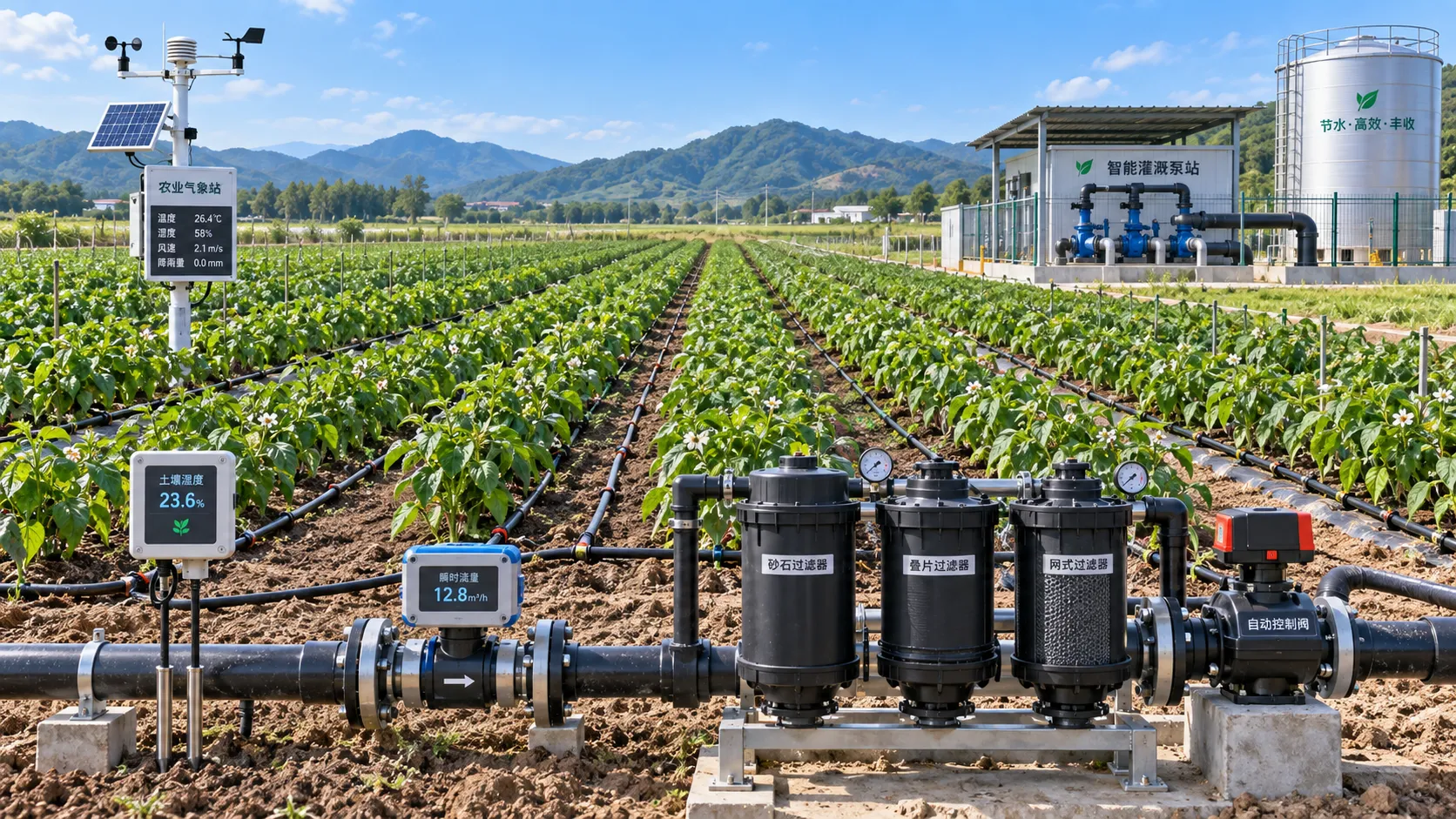
Automated Water-Saving Irrigation: How to Cut Water Use Without Reducing Crop Yields
Automated water-saving irrigation helps farms cut water use, protect crop yields, improve scheduling, and gain reliable control with sensors, flow monitoring, and smart zones.

Selecting Grain Farm Equipment by Acreage, Crop Mix, and Harvest Window
Agricultural equipment selection for grain farming: match machinery to acreage, crop mix, and harvest windows to improve uptime, efficiency, and returns.
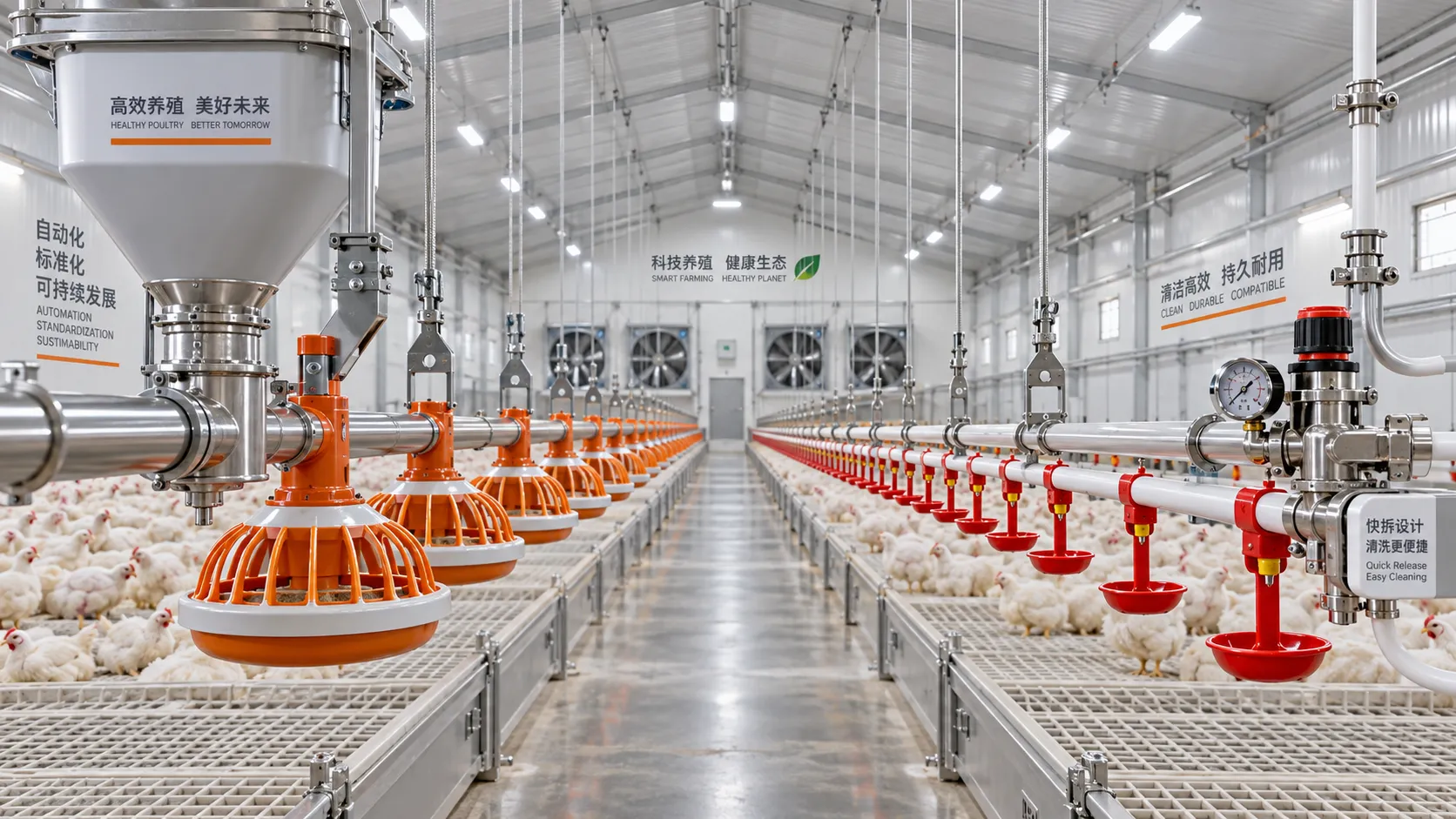
Poultry Equipment Selection: Evaluating Durability, Cleaning, and Compatibility
Poultry equipments selection guide: evaluate durability, cleaning access, and system compatibility to improve hygiene, reduce downtime, and support efficient flock management.

How to Select Heavy-Duty Farm Implements for High-Acreage, High-Horsepower Operations
Heavy duty farm implements: learn how to match draft, hydraulics, hitch capacity, frame strength, and field conditions for reliable high-acreage performance.
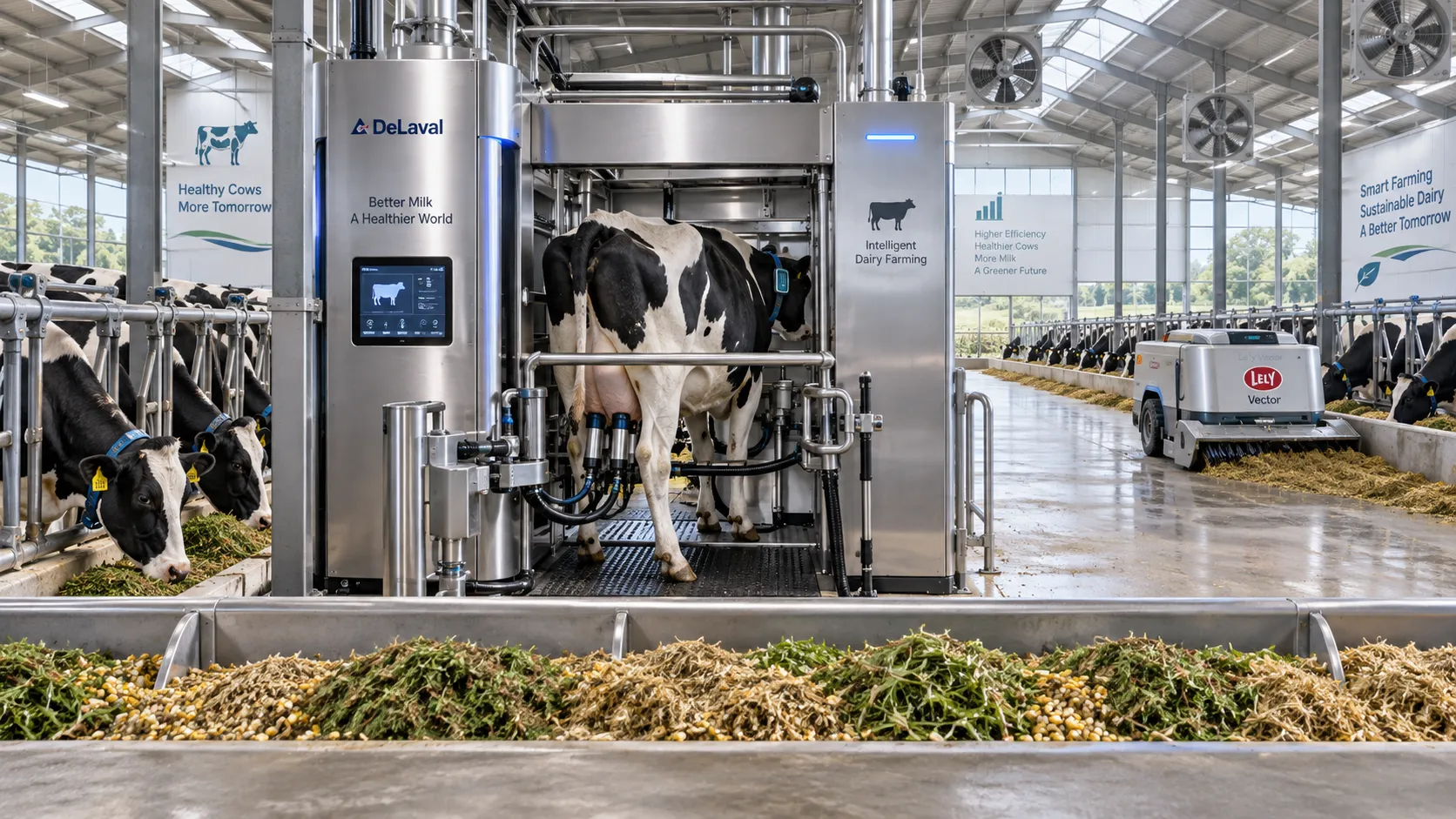
Smart Farming Technology for Dairy Farms: Where Automation Delivers Measurable ROI
Smart farming technology for dairy farms delivers measurable ROI through automation, precision feeding, health monitoring, and data-driven cost control.

How to Select a Heavy-Duty Seeder for Large Acreage and High-Residue Fields
Heavy duty seeders for large acreage: compare residue handling, depth control, downforce, metering accuracy, and precision features to select the right model.
Related News
- 00
0000-00
India Opens Duty Relief for Center Pivot Imports - 00
0000-00
What to Check Before Working With a Precision Irrigation Systems Factory - 00
0000-00
Red Sea Shock Tightens CPS Capacity, Rates Jump 37% - 00
0000-00
Red Sea Escalation Tightens Center Pivot Shipping - 00
0000-00
Red Sea Disruption Extends Center Pivot Transit to 42 Days
Popular Tags
Hydrological Resource Strategist
Weekly Insights
Stay ahead with our curated technology reports delivered every Monday.