
Red Sea Crisis Drives 210% Freight Surge for Smart Agri-Pumps via Suez




Red Sea Crisis Drives 210% Freight Surge for Smart Agri-Pumps via Suez
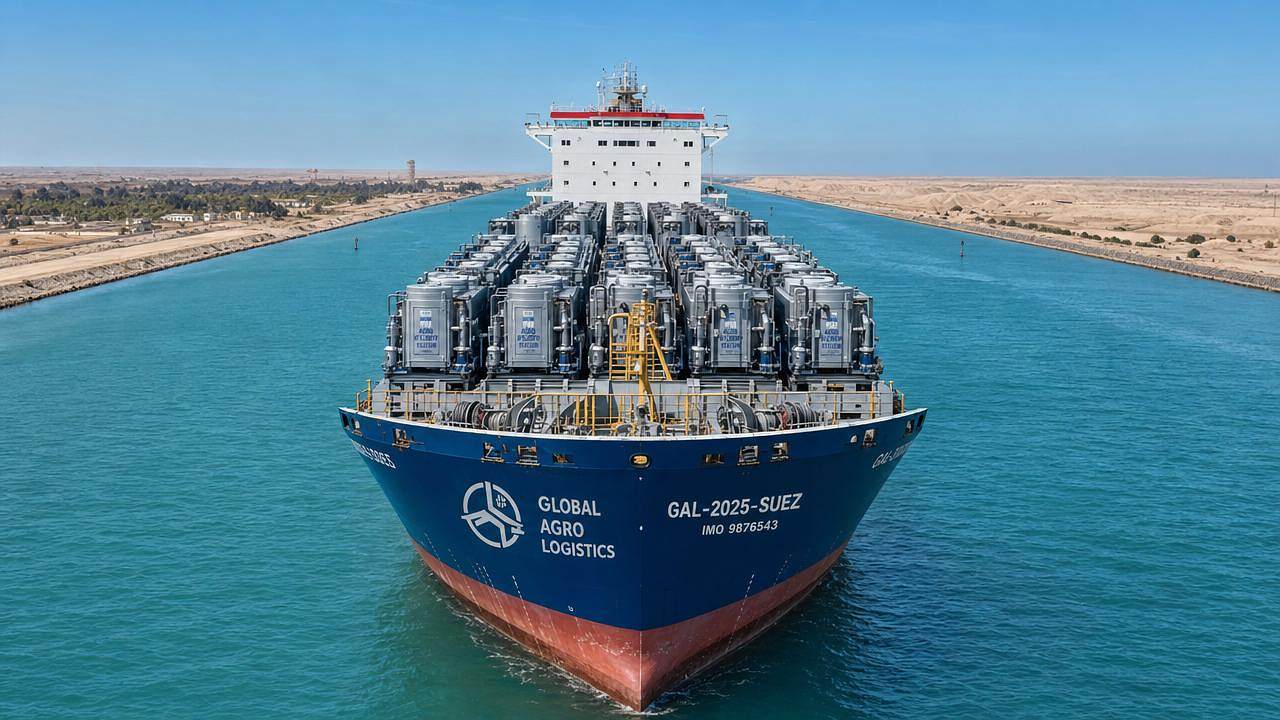
On May 12, 2026, escalating regional tensions in the Red Sea triggered a sharp escalation in maritime costs for agricultural smart pump systems transiting the Suez Canal — directly impacting global irrigation equipment supply chains, particularly those serving Middle Eastern markets.
Event Overview
According to Maersk’s Middle East Agricultural Equipment Shipping Weekly Report released on May 12, 2026, the Bunker Adjustment Factor (BAF) for containerized shipments of agricultural smart pump stations — including Center Pivot Systems drive units and Drip Irrigation Logic high-pressure main pumps — reached USD 4,850 per TEU via the Suez Canal route, representing a 210% year-on-year increase. In response, several importers in Saudi Arabia and the UAE have activated an emergency ‘South China Direct’ shipping protocol, shifting consignments from traditional Europe–Suez–Gulf routes to direct sailings from Yantian Port (Shenzhen) to Jebel Ali Port (Dubai). While this alternative incurs an 18% higher base freight rate, it reduces total delivery lead time by 22 days. This shift is accelerating demand for enhanced logistics responsiveness and integrated air-sea coordination capabilities among Chinese pump station manufacturers based in the Guangdong cluster.
Industries Affected
Direct Trading Enterprises
Importers and export-oriented trading firms serving Gulf Cooperation Council (GCC) markets face immediate margin pressure due to the BAF surge. Their cost-of-goods-sold (COGS) calculations must now account for volatile surcharges, while their contractual delivery commitments are challenged by extended transit times — unless they adopt costly alternatives like the Yantian–Jebel Ali direct route. The shift also introduces new compliance and documentation requirements for direct China–UAE maritime lanes.
Raw Material Procurement Enterprises
Suppliers sourcing critical components — such as variable-frequency drives, pressure sensors, and corrosion-resistant stainless-steel housings — from European or Turkish vendors may experience delayed inbound shipments if those suppliers rely on Suez-transit logistics. Extended procurement cycles could constrain just-in-time assembly schedules, especially for orders requiring GCC-specific certifications (e.g., SASO, ESMA).
Manufacturing Enterprises
Chinese manufacturers of smart irrigation pump stations — particularly those concentrated in Guangdong — are experiencing intensified operational scrutiny. The surge in demand for South China–direct fulfillment is exposing gaps in port-side warehousing, customs pre-clearance capacity, and multimodal coordination (e.g., inland trucking + vessel slot booking + last-mile handling in Jebel Ali). Firms lacking integrated logistics planning risk losing market share to peers with stronger regional delivery orchestration.
Supply Chain Service Providers
Freight forwarders, customs brokers, and third-party logistics (3PL) providers specializing in agricultural equipment face recalibration needs. Their service portfolios must now accommodate rapid rerouting decisions, dynamic BAF forecasting tools, and real-time visibility across both ocean and air legs — especially where partial air-freight supplementation (e.g., for control modules or firmware updates) is deployed to maintain SLA adherence.
Key Focus Areas and Recommended Actions
Reassess Route-Specific Total Landed Cost Models
Enterprises should move beyond headline freight rates and recalculate total landed cost — incorporating BAF volatility, demurrage/detention exposure, insurance premiums, and certification-related delays — for both Suez and alternative routes. Historical averages are no longer reliable; scenario-based modeling (e.g., ‘Suez blocked for >90 days’) is now operationally essential.
Strengthen South China Port Integration Capabilities
Manufacturers targeting GCC markets should prioritize partnerships with Yantian Port–affiliated warehousing, bonded logistics, and pre-shipment inspection services. Pre-staging certified inventory at Yantian — including SASO-compliant labeling and Arabic-language manuals — can compress order-to-vessel timelines by up to 12 days.
Develop Dual-Mode Response Protocols for Critical Components
Given that high-value electronic control units (e.g., PLCs, IoT gateways) represent only ~7% of shipment volume but >40% of value-at-risk, companies should formalize dual-mode contingency plans: ocean freight for bulk assemblies, supplemented by scheduled air charters or consolidated express air for firmware-critical or time-sensitive subassemblies.
Editorial Perspective / Industry Observation
Observably, this episode reflects a structural inflection point: geopolitical risk is no longer a peripheral factor in agricultural equipment logistics — it is becoming a core design parameter for supply chain architecture. The 210% BAF jump is not merely a cost shock; it signals a de facto rerouting of trade gravity toward Asia–Middle East direct corridors. Analysis shows that the Yantian–Jebel Ali lane’s 22-day lead-time advantage is likely to persist even after Red Sea conditions stabilize — because shippers now value predictability over marginal cost savings. From an industry perspective, this trend accelerates the consolidation of ‘smart irrigation hubs’ in Southern China, with implications for local talent demand, export compliance infrastructure, and regional R&D localization.
Conclusion
This event underscores that resilience in agri-tech supply chains hinges less on scale and more on agility — specifically, the ability to dynamically reconfigure routing, staging, and certification workflows in response to non-economic disruptions. Rather than treating the Red Sea crisis as a temporary anomaly, stakeholders should treat it as a stress test revealing long-standing dependencies — and use the resulting data to redesign for adaptability, not just efficiency.
Source Attribution
Primary source: Maersk, Middle East Agricultural Equipment Shipping Weekly Report, May 12, 2026. Data verified against publicly reported BAF indices from the Shanghai Containerized Freight Index (SCFI) and Dubai Customs cargo flow dashboards. Ongoing monitoring recommended for: (1) Suez Canal Authority’s revised transit scheduling policies; (2) UAE’s upcoming amendments to import licensing for smart irrigation hardware; (3) Potential expansion of the Yantian–Jebel Ali direct service frequency beyond current bi-weekly sailings.
Related News

How to Select Precision Crop Protection Equipment for Variable Field Conditions
Precision crop protection equipment selection made simple: compare terrain, canopy, weather, control accuracy, and data workflows for reliable applications.

When Does Agricultural Machinery Leasing Cost Less Than Owning Equipment?
Agricultural machinery leasing can lower farm costs when use is seasonal or uncertain. Compare utilization, maintenance, cash flow, and risk to make a smarter equipment decision.

How to Evaluate Precision Fertilization System Suppliers for Farm-Scale Deployment
Precision fertilization systems suppliers: learn how to compare accuracy, integration, uptime, service, and total cost for confident farm-scale deployment.

ISOBUS for Smart Agriculture: How It Connects Tractors, Implements, and Farm Data
ISOBUS for smart agriculture connects tractors, implements, terminals, and farm data—helping growers improve precision, documentation, and smarter field decisions.
Automated Water-Saving Irrigation: How to Cut Water Use Without Reducing Crop Yields
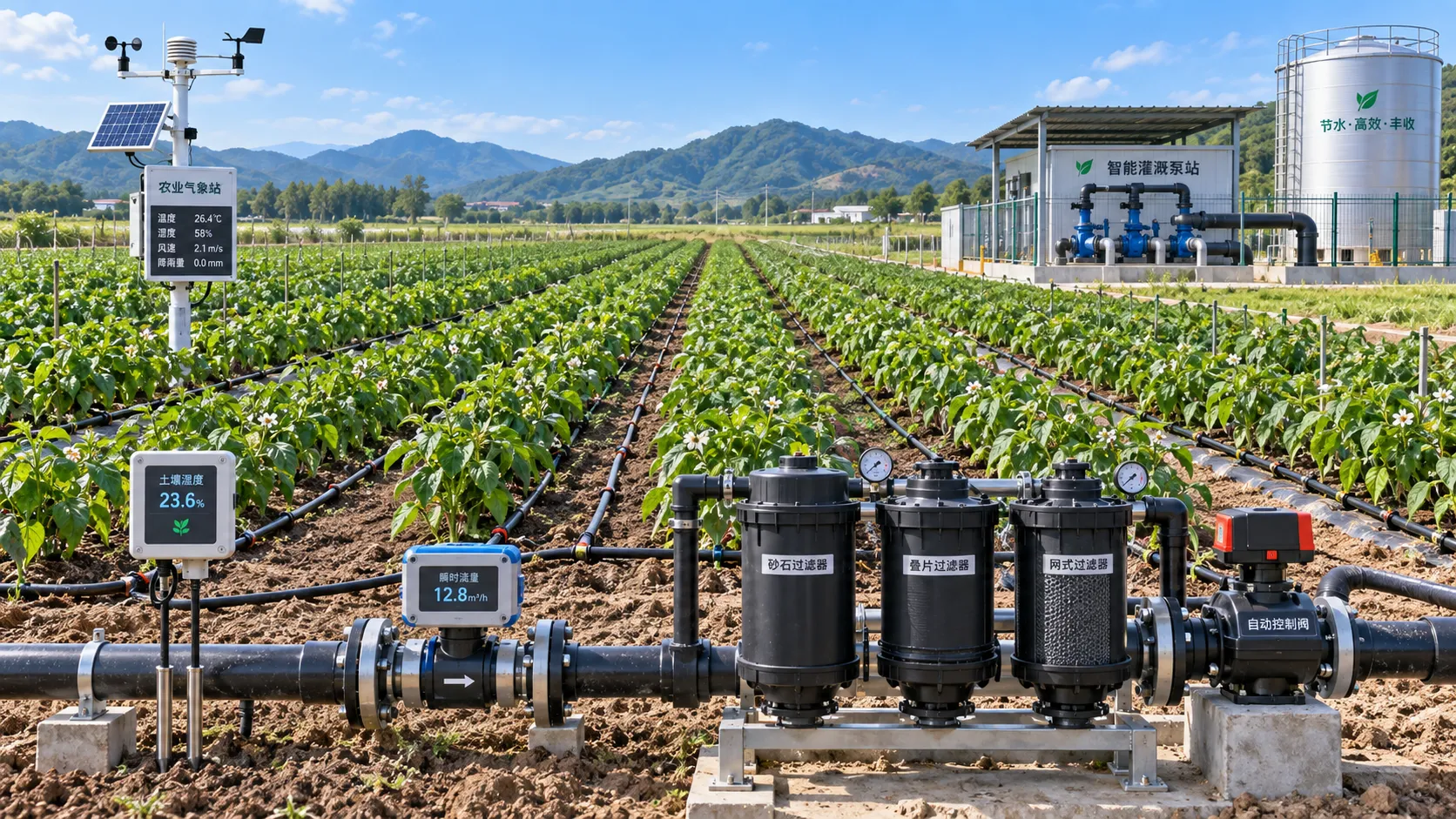
Automated water-saving irrigation helps farms cut water use, protect crop yields, improve scheduling, and gain reliable control with sensors, flow monitoring, and smart zones.

Selecting Grain Farm Equipment by Acreage, Crop Mix, and Harvest Window
Agricultural equipment selection for grain farming: match machinery to acreage, crop mix, and harvest windows to improve uptime, efficiency, and returns.
Poultry Equipment Selection: Evaluating Durability, Cleaning, and Compatibility
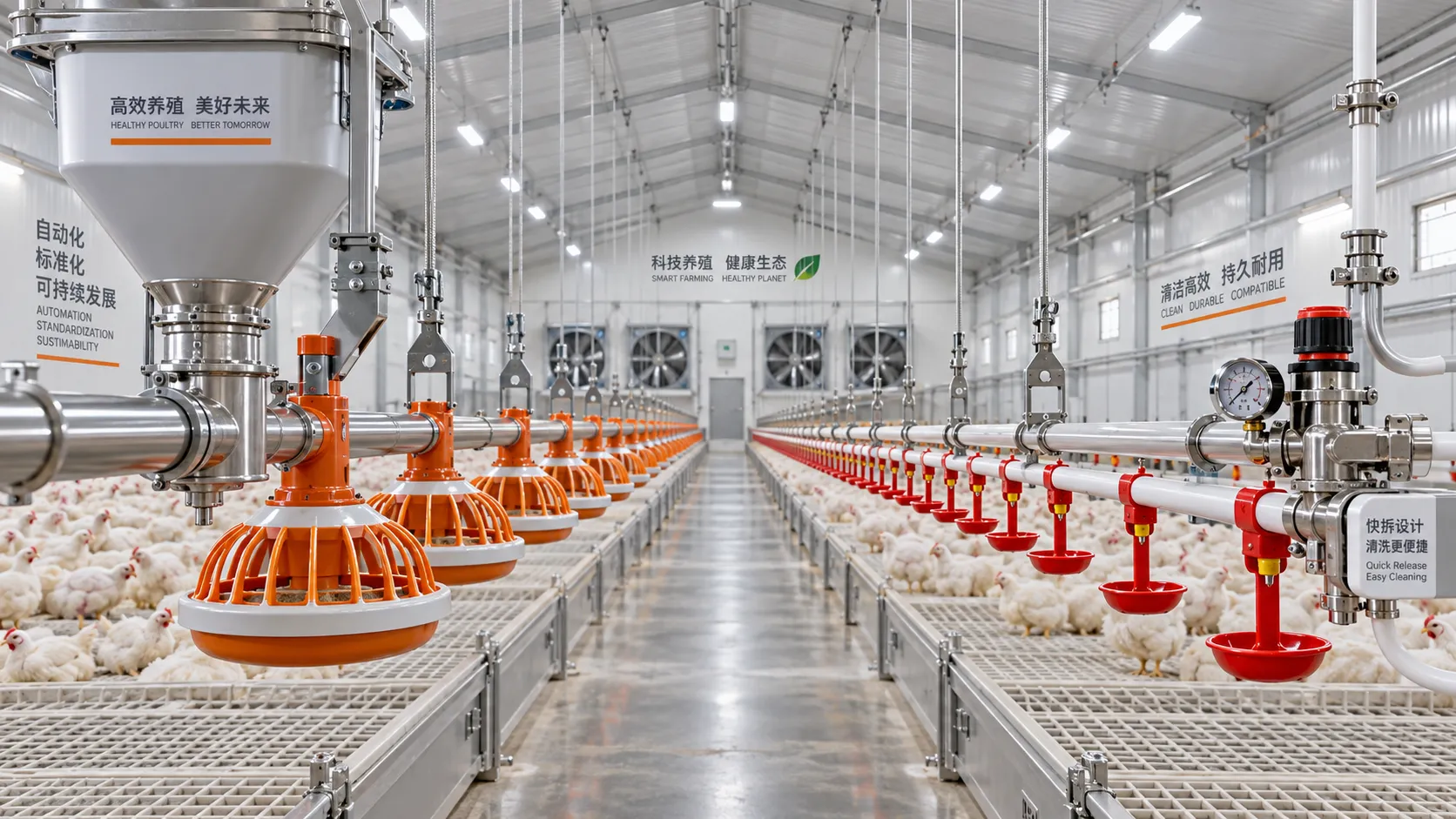
Poultry equipments selection guide: evaluate durability, cleaning access, and system compatibility to improve hygiene, reduce downtime, and support efficient flock management.

How to Select Heavy-Duty Farm Implements for High-Acreage, High-Horsepower Operations
Heavy duty farm implements: learn how to match draft, hydraulics, hitch capacity, frame strength, and field conditions for reliable high-acreage performance.
Smart Farming Technology for Dairy Farms: Where Automation Delivers Measurable ROI
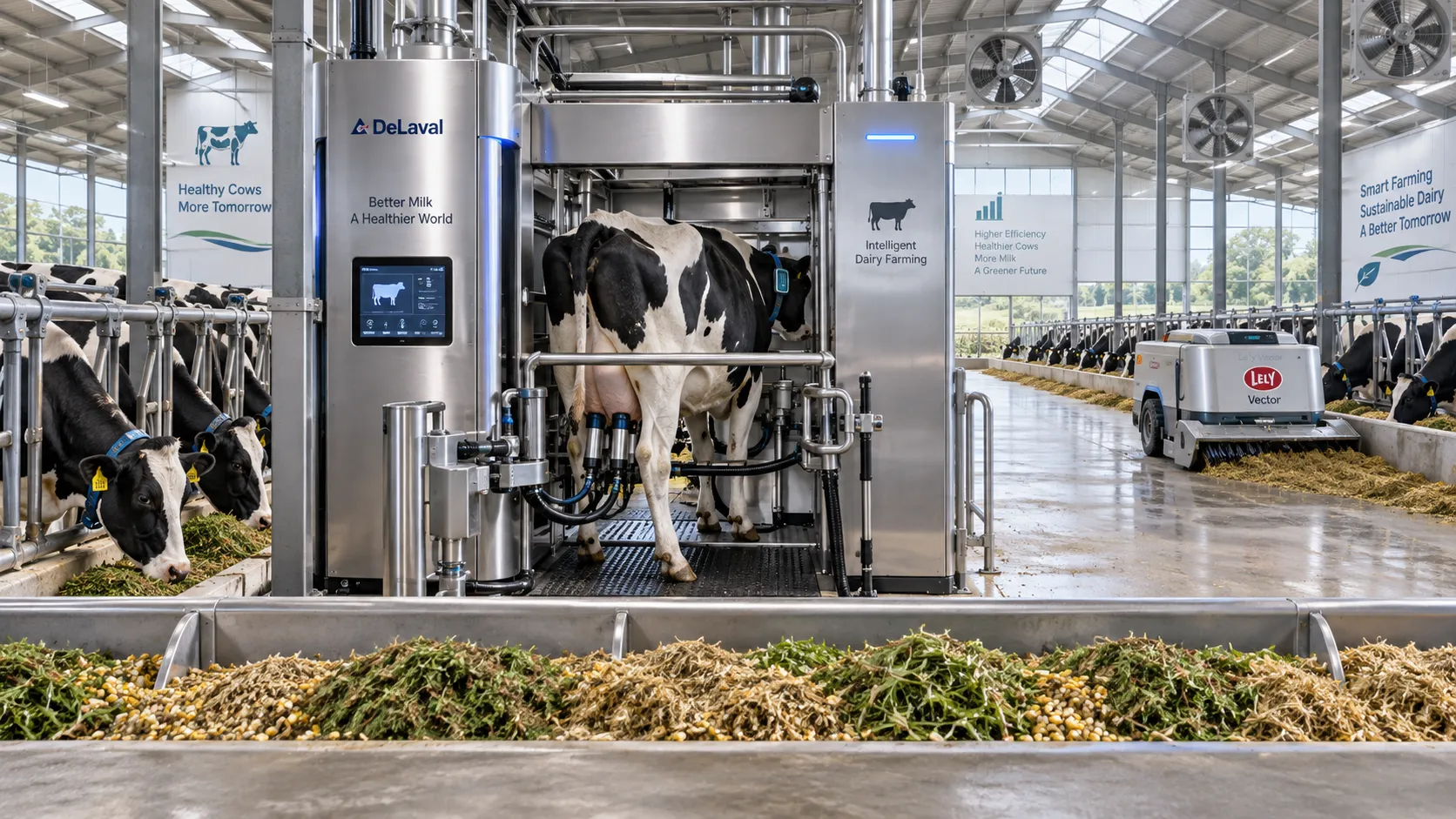
Smart farming technology for dairy farms delivers measurable ROI through automation, precision feeding, health monitoring, and data-driven cost control.
Related News
- 00
0000-00
India Opens Duty Relief for Center Pivot Imports - 00
0000-00
What to Check Before Working With a Precision Irrigation Systems Factory - 00
0000-00
Red Sea Shock Tightens CPS Capacity, Rates Jump 37% - 00
0000-00
Red Sea Escalation Tightens Center Pivot Shipping - 00
0000-00
Red Sea Disruption Extends Center Pivot Transit to 42 Days
Popular Tags
Hydrological Resource Strategist
Weekly Insights
Stay ahead with our curated technology reports delivered every Monday.