
U.S.-Iran Ceasefire Continues, Hormuz Strait Transit Frozen, Smart Irrigation Pump Shipments Delayed
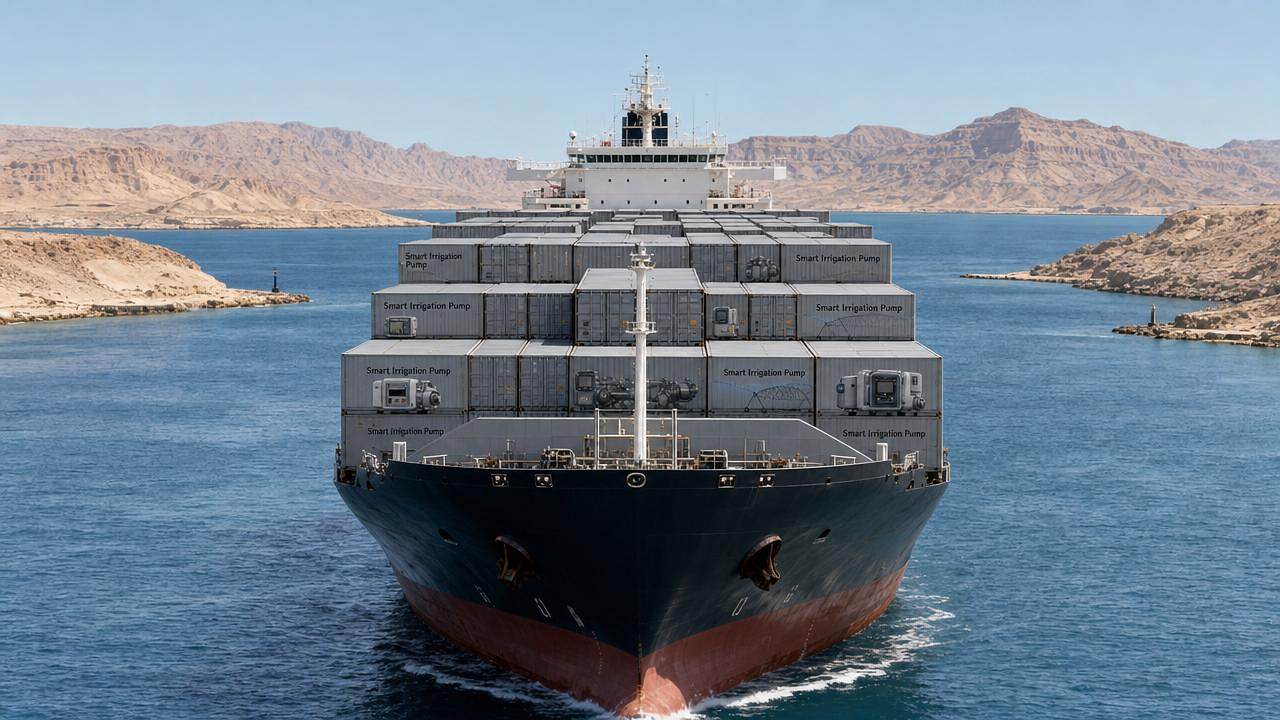




Amid an ongoing U.S.-Iran ceasefire—but with continued Iranian Revolutionary Guard Corps (IRGC) coordination of transit through the Strait of Hormuz—vessel waiting times on the Persian Gulf–Red Sea route rose to 72 hours on average starting in May. Combined with a 12% increase in Suez Canal transit fees, maritime freight costs for Chinese-made center pivot systems and drip irrigation logic pump units exported to Middle Eastern and North African markets have increased by 18%–22%. Major container lines have implemented dynamic surcharges for June cargo space allocations. This development warrants close attention from agricultural equipment exporters, irrigation system integrators, and global supply chain managers serving arid-region water infrastructure projects.
Event Overview
As confirmed in available reports, since May, average vessel waiting time at the Strait of Hormuz has reached 72 hours due to IRGC-managed transit coordination, despite the broader U.S.-Iran ceasefire. Concurrently, Suez Canal Authority raised transit fees by 12%. These developments have driven up sea freight costs for key smart irrigation pump station components—including center pivot systems and drip irrigation logic pump units manufactured in China and destined for Middle Eastern and North African markets—by 18%–22%. Leading shipping lines have introduced dynamic pricing mechanisms for June 2024 container allocations.
Impact on Specific Industry Segments
Direct Exporters of Irrigation Equipment
Exporters of center pivot systems and drip irrigation logic pump units face immediate cost pressure due to higher freight charges and potential schedule slippage. The 18%–22% freight cost increase directly compresses export margins, particularly for price-sensitive tenders in Gulf Cooperation Council (GCC) and Maghreb markets. Delivery timelines are also subject to extended port call durations and reduced slot availability.
Manufacturers Relying on Just-in-Time Component Imports
Domestic manufacturers assembling smart irrigation stations using imported controllers, sensors, or high-efficiency motors may experience delayed inbound shipments if those components transit via the affected corridor. While the reported impact centers on finished pump units, any upstream parts sourced through Red Sea–Suez routes—or transshipped via Dubai or Jeddah—may encounter similar delays and cost escalations.
International Project Integrators & EPC Contractors
Contractors executing irrigation infrastructure projects under turnkey or design-build contracts in Saudi Arabia, UAE, Egypt, or Morocco face revised logistics assumptions. Extended vessel wait times and unpredictable freight pricing complicate lead-time forecasting and working capital planning, especially where contracts specify fixed delivery windows or liquidated damages for delay.
Freight Forwarders & Logistics Service Providers
Forwarders managing agricultural equipment shipments to the region must now factor in both the IRGC-coordinated transit regime and dynamic carrier surcharging. Real-time monitoring of vessel position, canal slot allocation status, and alternative routing options (e.g., Cape of Good Hope) is becoming operationally necessary—not optional—for accurate quoting and service level commitments.
What Relevant Companies or Practitioners Should Monitor and Do Now
Track official updates on Strait of Hormuz navigation protocols
Monitor statements from the Iranian Ports and Maritime Organization, IRGC Naval Force, and International Maritime Organization (IMO) for formal changes in transit authorization, documentation requirements, or escort procedures—any shift could materially alter wait times or insurance conditions.
Review shipment schedules and contractual terms for Q2/Q3 deliveries to MENA
Identify all active orders scheduled for June–August 2024 delivery to Middle Eastern and North African destinations. Cross-check Incoterms (especially FOB vs. CIF), delivery deadlines, and penalty clauses to assess exposure to delay-related liabilities or cost pass-through feasibility.
Evaluate alternative routing and multimodal options—not just as backups, but as near-term operational contingencies
While Cape of Good Hope routing adds 7–10 days and increases fuel surcharges, it avoids Hormuz and Suez bottlenecks entirely. Preliminary cost–time modeling for key SKUs (e.g., 20ft/40ft containers carrying pivot drive units or logic controllers) should be completed before finalizing June bookings.
Engage proactively with carriers and forwarders on surcharge transparency and validity
Request written justification for any dynamic surcharge applied—per IMO guidelines, such fees must be disclosed pre-booking and tied to verifiable cost drivers. Document all communications to support future audit or dispute resolution, especially for government-funded irrigation projects requiring procurement compliance.
Editorial Perspective / Industry Observation
Observably, this situation reflects a structural disjunction: diplomatic de-escalation (the ceasefire) has not yet translated into normalized maritime operations in a critical chokepoint. Analysis shows the current constraints are less about active conflict and more about procedural uncertainty—i.e., ad hoc coordination replacing predictable regulatory frameworks. From an industry standpoint, this is best understood not as a short-term disruption but as an early signal of heightened operational volatility in energy- and agriculture-critical corridors. It signals that geopolitical risk assessment must now include *navigation governance*—not just sanctions or force majeure—as a core logistics variable. Continuous monitoring is warranted because the IRGC’s role remains formally uncodified, and Suez fee adjustments may be followed by further revisions depending on regional stability indicators.
Concluding, this development underscores how localized maritime access conditions—rather than outright conflict—can propagate measurable cost and timing impacts across global agri-tech supply chains. It is neither a transient anomaly nor a full-scale trade blockade, but a persistent friction point requiring calibrated, data-informed response. Currently, it is more accurately interpreted as an operational stress test for irrigation equipment exporters’ resilience planning—highlighting dependencies previously assumed stable.
Source Disclosure: Information derived exclusively from publicly reported maritime advisories and freight market bulletins issued by major container lines and regional port authorities in May 2024. Ongoing developments—including IRGC navigation policy updates or Suez Canal Authority fee announcements beyond May—are subject to continuous observation and not reflected in this summary.
Related News

How to Select Precision Crop Protection Equipment for Variable Field Conditions
Precision crop protection equipment selection made simple: compare terrain, canopy, weather, control accuracy, and data workflows for reliable applications.

When Does Agricultural Machinery Leasing Cost Less Than Owning Equipment?
Agricultural machinery leasing can lower farm costs when use is seasonal or uncertain. Compare utilization, maintenance, cash flow, and risk to make a smarter equipment decision.

How to Evaluate Precision Fertilization System Suppliers for Farm-Scale Deployment
Precision fertilization systems suppliers: learn how to compare accuracy, integration, uptime, service, and total cost for confident farm-scale deployment.

ISOBUS for Smart Agriculture: How It Connects Tractors, Implements, and Farm Data
ISOBUS for smart agriculture connects tractors, implements, terminals, and farm data—helping growers improve precision, documentation, and smarter field decisions.
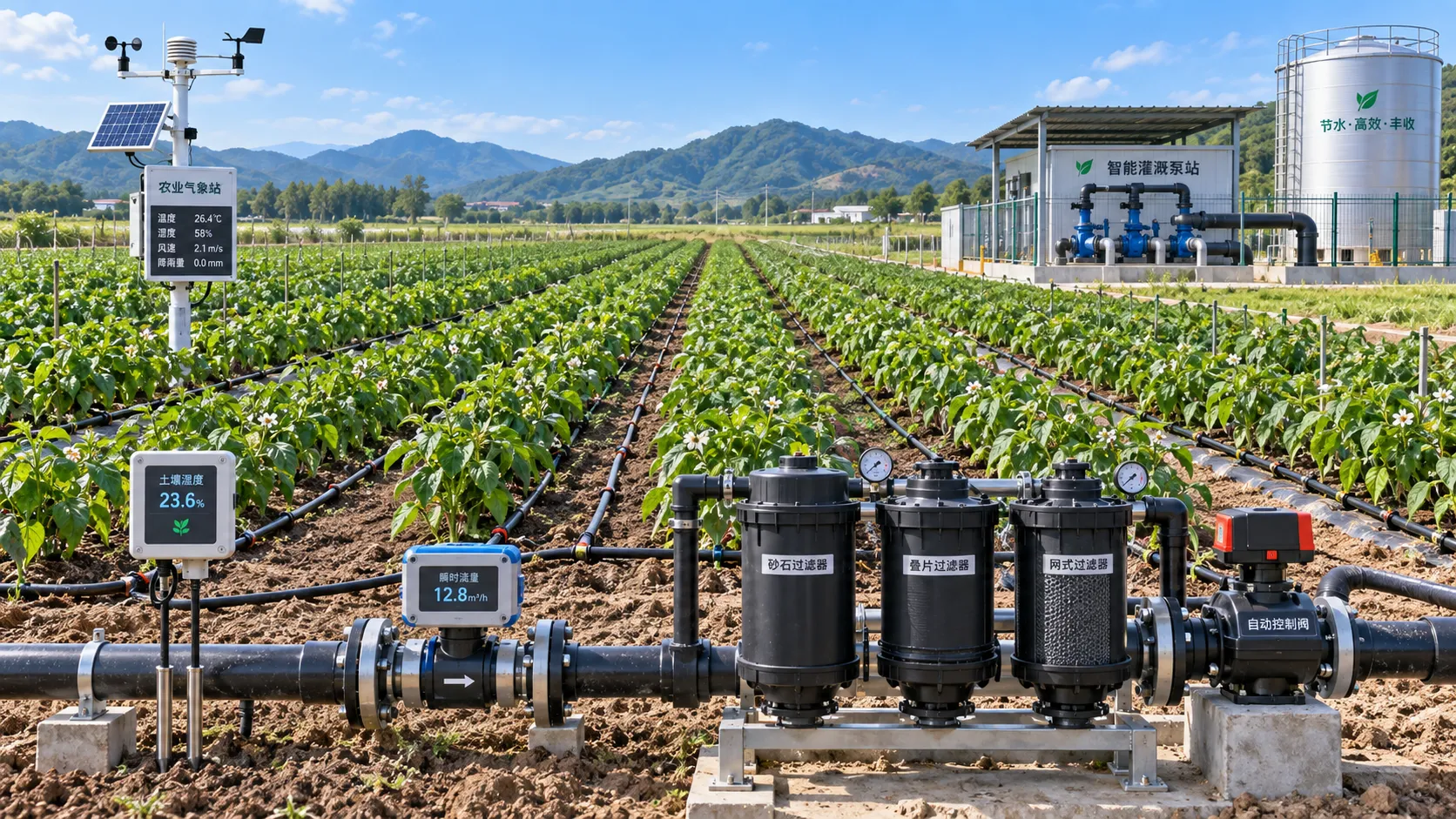
Automated Water-Saving Irrigation: How to Cut Water Use Without Reducing Crop Yields
Automated water-saving irrigation helps farms cut water use, protect crop yields, improve scheduling, and gain reliable control with sensors, flow monitoring, and smart zones.

Selecting Grain Farm Equipment by Acreage, Crop Mix, and Harvest Window
Agricultural equipment selection for grain farming: match machinery to acreage, crop mix, and harvest windows to improve uptime, efficiency, and returns.
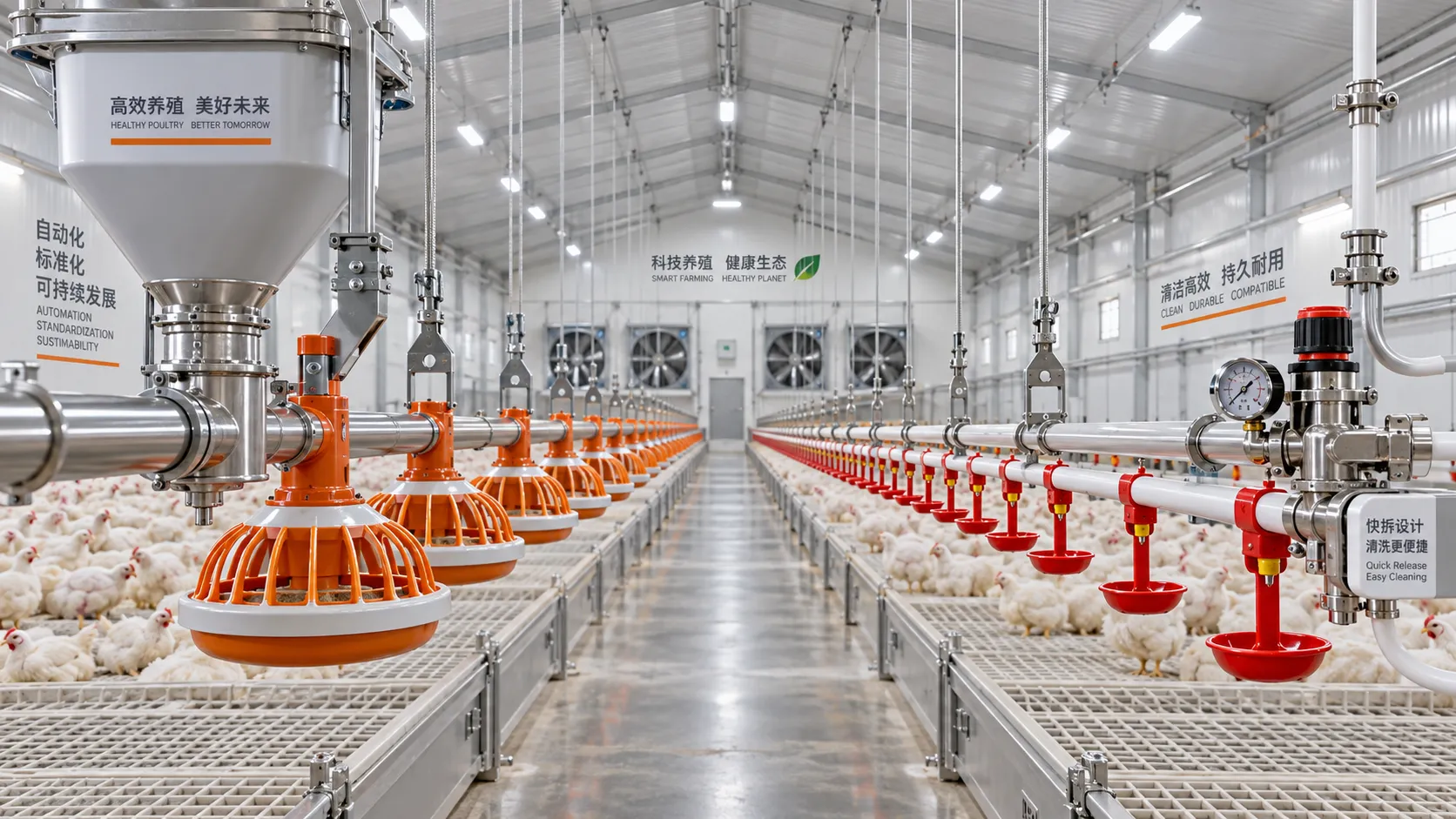
Poultry Equipment Selection: Evaluating Durability, Cleaning, and Compatibility
Poultry equipments selection guide: evaluate durability, cleaning access, and system compatibility to improve hygiene, reduce downtime, and support efficient flock management.

How to Select Heavy-Duty Farm Implements for High-Acreage, High-Horsepower Operations
Heavy duty farm implements: learn how to match draft, hydraulics, hitch capacity, frame strength, and field conditions for reliable high-acreage performance.
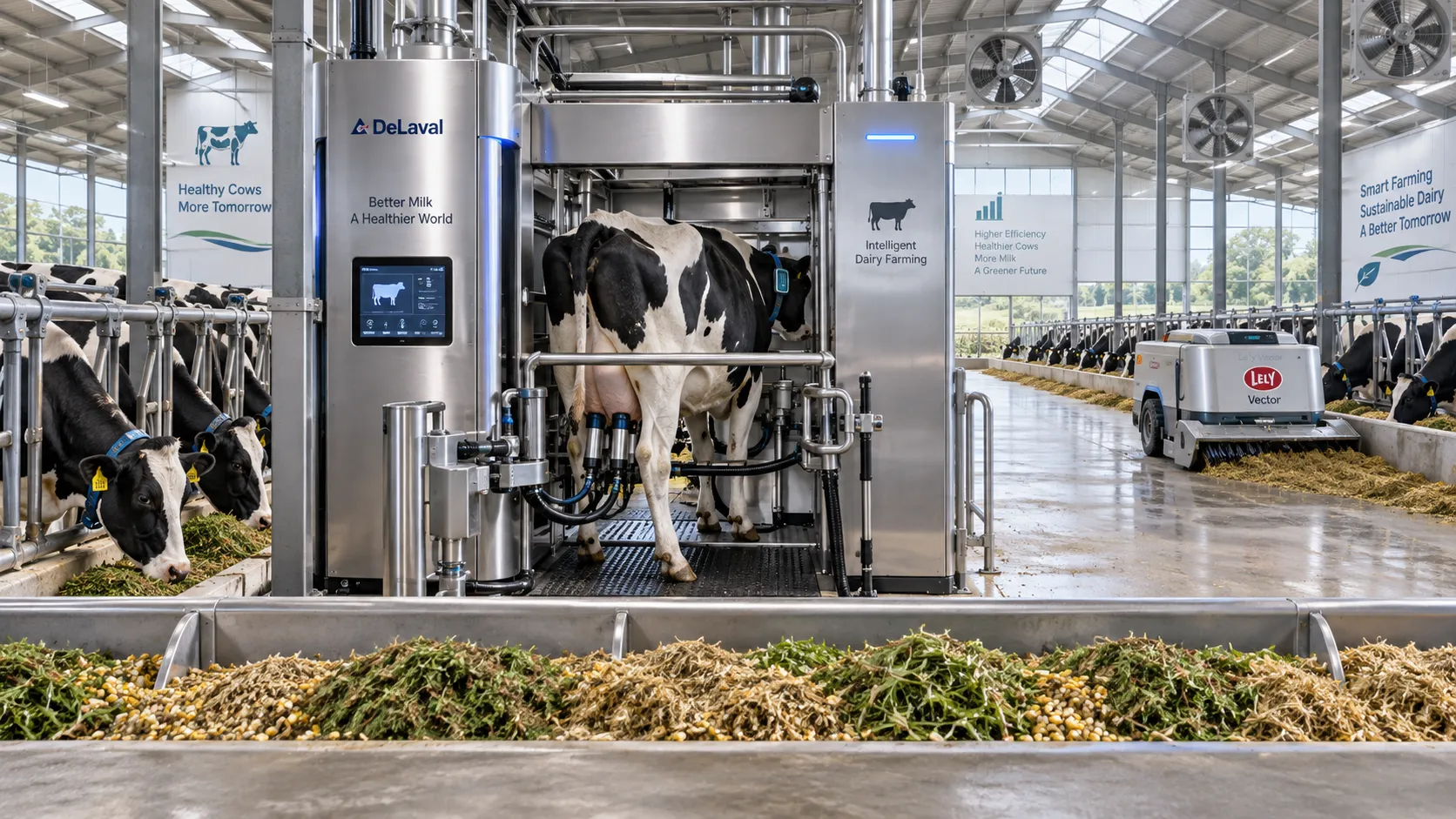
Smart Farming Technology for Dairy Farms: Where Automation Delivers Measurable ROI
Smart farming technology for dairy farms delivers measurable ROI through automation, precision feeding, health monitoring, and data-driven cost control.
Related News
- 00
0000-00
India Opens Duty Relief for Center Pivot Imports - 00
0000-00
What to Check Before Working With a Precision Irrigation Systems Factory - 00
0000-00
Red Sea Shock Tightens CPS Capacity, Rates Jump 37% - 00
0000-00
Red Sea Escalation Tightens Center Pivot Shipping - 00
0000-00
Red Sea Disruption Extends Center Pivot Transit to 42 Days
Popular Tags
Hydrological Resource Strategist
Weekly Insights
Stay ahead with our curated technology reports delivered every Monday.