
4th National Energy Week: Solar-Drip Irrigation in Green Power Incentive List
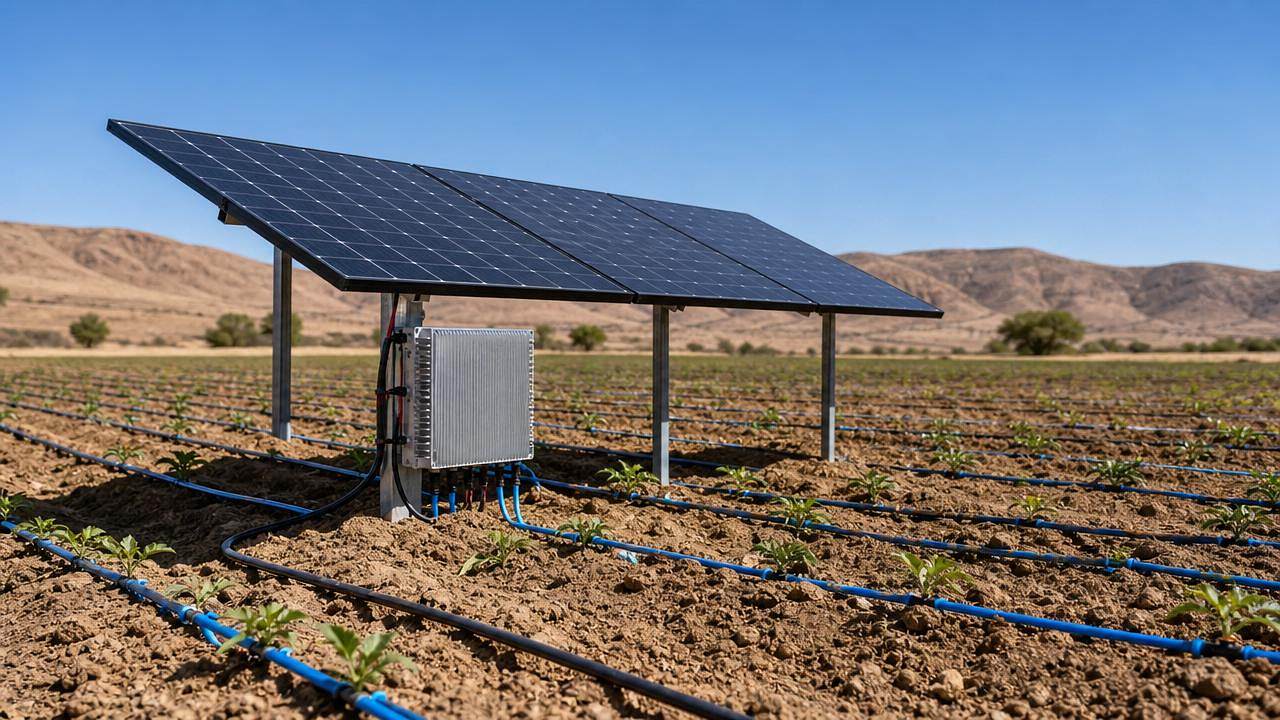




The 4th National Energy Week, opening on May 19, 2026, has added photovoltaic-direct-drive + AI-enabled smart drip irrigation systems and center-pivot sprinkler units to the Green Electricity Consumption Incentive Catalogue. This policy grants export tax rebate add-ons of 15% and port inspection green-channel access. Importers from the Middle East and Africa report a ~6.2% reduction in landed cost for Chinese-made Solar-Drip systems — accelerating displacement of diesel-powered pumping systems. Stakeholders in agricultural equipment export, renewable energy integration, and irrigation technology supply chains should monitor implications closely.
Event Overview
The 4th National Energy Week commenced on May 19, 2026. It officially announced inclusion of PV-direct-drive + AI-optimized smart drip irrigation systems and center-pivot sprinkler units in the Green Electricity Consumption Incentive Catalogue. Confirmed benefits include a 15% export tax rebate add-on and priority port customs clearance. Market feedback from importers in the Middle East and Africa indicates a ~6.2% decline in landed cost for Solar-Drip systems as a result.
Industries Affected by Segment
Direct Exporters of Irrigation Equipment
These firms face immediate changes in export cost structure and documentation requirements. The 15% tax rebate add-on directly improves gross margin on qualifying units, while the port green channel shortens lead time and reduces demurrage risk. However, eligibility requires verification of PV-direct-drive architecture and embedded AI control logic — not merely solar-panel-assisted operation.
Manufacturers of Smart Irrigation Hardware
Producers supplying core components — such as MPPT controllers, low-voltage DC motors, or edge AI modules for real-time soil moisture prediction — may see revised demand signals. The policy explicitly favors integrated system-level compliance, meaning component suppliers must align technical specifications with catalogued system architecture to remain in upstream procurement pipelines.
Distribution & Channel Partners in Target Markets
Firms operating in the Middle East and Africa face shifting competitive dynamics. With landed cost reductions confirmed by regional importers, price sensitivity among end-users (e.g., large-scale farms, agri-cooperatives) is likely to increase. Channel partners may need to adjust quoting frameworks and financing terms to reflect new total-cost-of-ownership benchmarks versus diesel alternatives.
Supply Chain Service Providers (Logistics, Certification, Customs Brokers)
Eligibility for the port green channel requires documented proof of catalog listing at time of declaration. Logistics and customs service providers must verify that shipment documentation references the official catalog entry number and includes technical validation records — not just product names — to avoid clearance delays.
Key Points for Enterprises and Practitioners to Monitor and Act On
Track official updates to the Incentive Catalogue’s technical annex
The current announcement confirms inclusion but does not publish full technical criteria (e.g., minimum AI inference frequency, PV conversion efficiency thresholds, or data logging requirements). Enterprises should monitor the National Energy Administration’s official notices for annex revisions, which will define operational eligibility.
Validate product alignment with catalog-defined system architecture — not just labeling
Inclusion applies specifically to systems combining PV direct drive *and* AI-based irrigation scheduling. Standalone solar pumps without closed-loop AI control, or retrofitted diesel units with PV backup, do not qualify. Firms should audit current BOMs and firmware logic against the stated architecture before pursuing certification.
Distinguish between policy signal and enforceable implementation
While the incentive is effective as of May 19, 2026, rollout of port green-channel procedures varies across customs districts. Early adopters report inconsistent document interpretation at non-pilot ports. Companies should confirm local customs bureau guidance before scheduling high-volume shipments.
Prepare for increased scrutiny of origin and technical documentation
The 15% rebate add-on triggers enhanced verification. Exporters should ensure traceability of PV module sourcing, controller firmware version logs, and AI algorithm validation reports — all subject to post-clearance audit per current Ministry of Finance guidelines.
Editorial Perspective / Industry Observation
Observably, this policy shift signals a deliberate move toward linking domestic green electricity policy tools with export competitiveness in climate-resilient agriculture infrastructure. It is not yet a broad-based subsidy program, but rather a targeted incentive focused on verifiably integrated hardware-software systems. Analysis shows the landed-cost impact reported by Middle Eastern and African importers reflects actual tariff and logistics adjustments — not theoretical modeling — suggesting early operational traction. From an industry perspective, the inclusion functions less as a one-off promotion and more as an early marker of how China’s green power consumption framework may increasingly shape overseas market access conditions for energy-integrated industrial equipment.
Conclusion
This development marks a concrete linkage between national green electricity policy and international trade mechanics for smart irrigation systems. Its significance lies not in scale alone, but in its specificity: it rewards verifiable integration of generation, control, and application — setting a precedent for future incentive design. Currently, it is best understood as an operational lever for qualified exporters and a technical benchmark for manufacturers — not a blanket market stimulus.
Information Sources
Primary source: Official announcement issued during the 4th National Energy Week (May 19, 2026).
Market feedback cited: Verified statements from importers in the Middle East and Africa, as reported in event briefing materials.
Note: Technical annex details, district-level green-channel implementation timelines, and audit protocols remain under observation and are not yet publicly standardized.
Related News

When Does Agricultural Machinery Leasing Cost Less Than Owning Equipment?
Agricultural machinery leasing can lower farm costs when use is seasonal or uncertain. Compare utilization, maintenance, cash flow, and risk to make a smarter equipment decision.

How to Evaluate Precision Fertilization System Suppliers for Farm-Scale Deployment
Precision fertilization systems suppliers: learn how to compare accuracy, integration, uptime, service, and total cost for confident farm-scale deployment.

ISOBUS for Smart Agriculture: How It Connects Tractors, Implements, and Farm Data
ISOBUS for smart agriculture connects tractors, implements, terminals, and farm data—helping growers improve precision, documentation, and smarter field decisions.
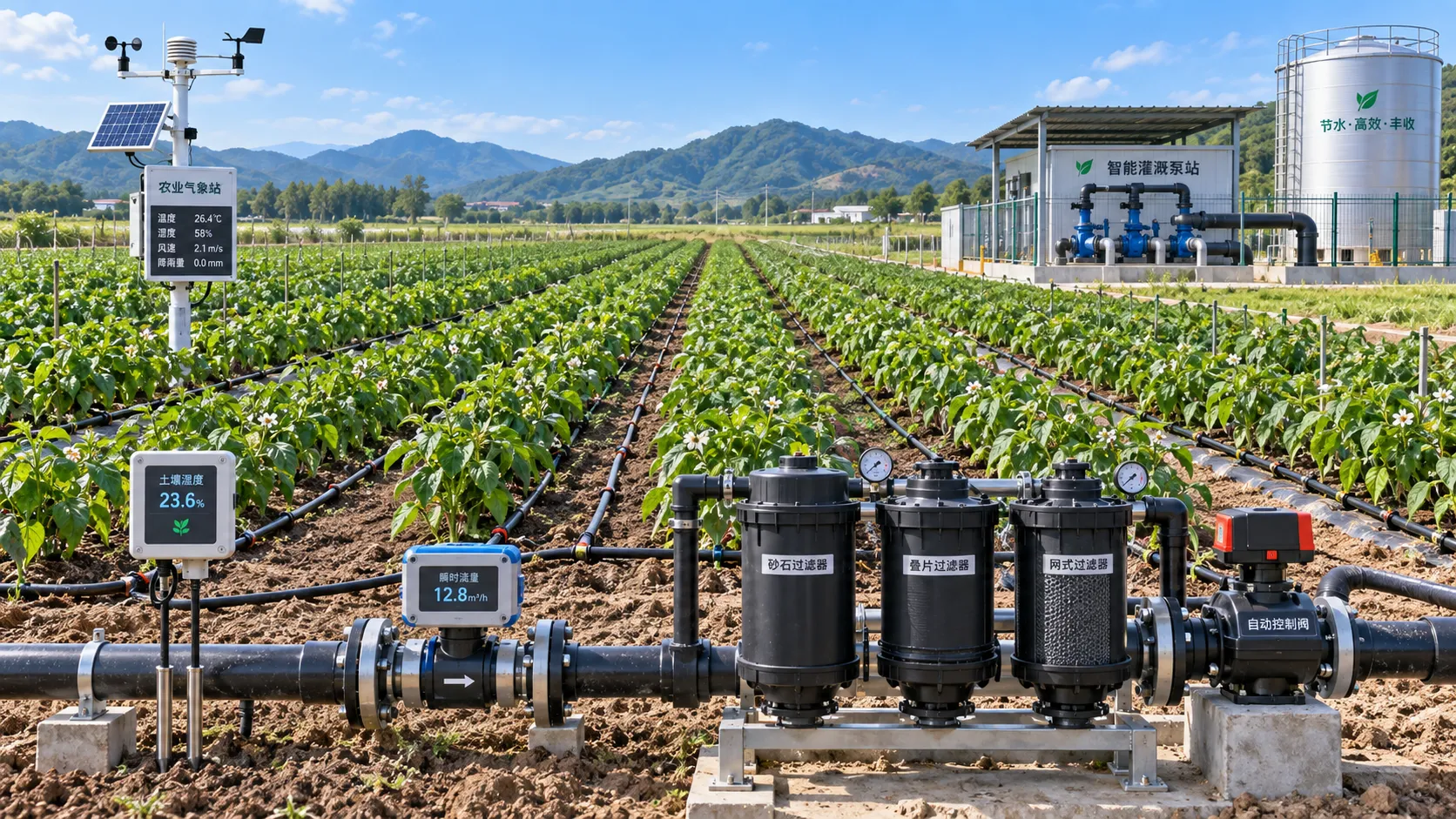
Automated Water-Saving Irrigation: How to Cut Water Use Without Reducing Crop Yields
Automated water-saving irrigation helps farms cut water use, protect crop yields, improve scheduling, and gain reliable control with sensors, flow monitoring, and smart zones.

Selecting Grain Farm Equipment by Acreage, Crop Mix, and Harvest Window
Agricultural equipment selection for grain farming: match machinery to acreage, crop mix, and harvest windows to improve uptime, efficiency, and returns.
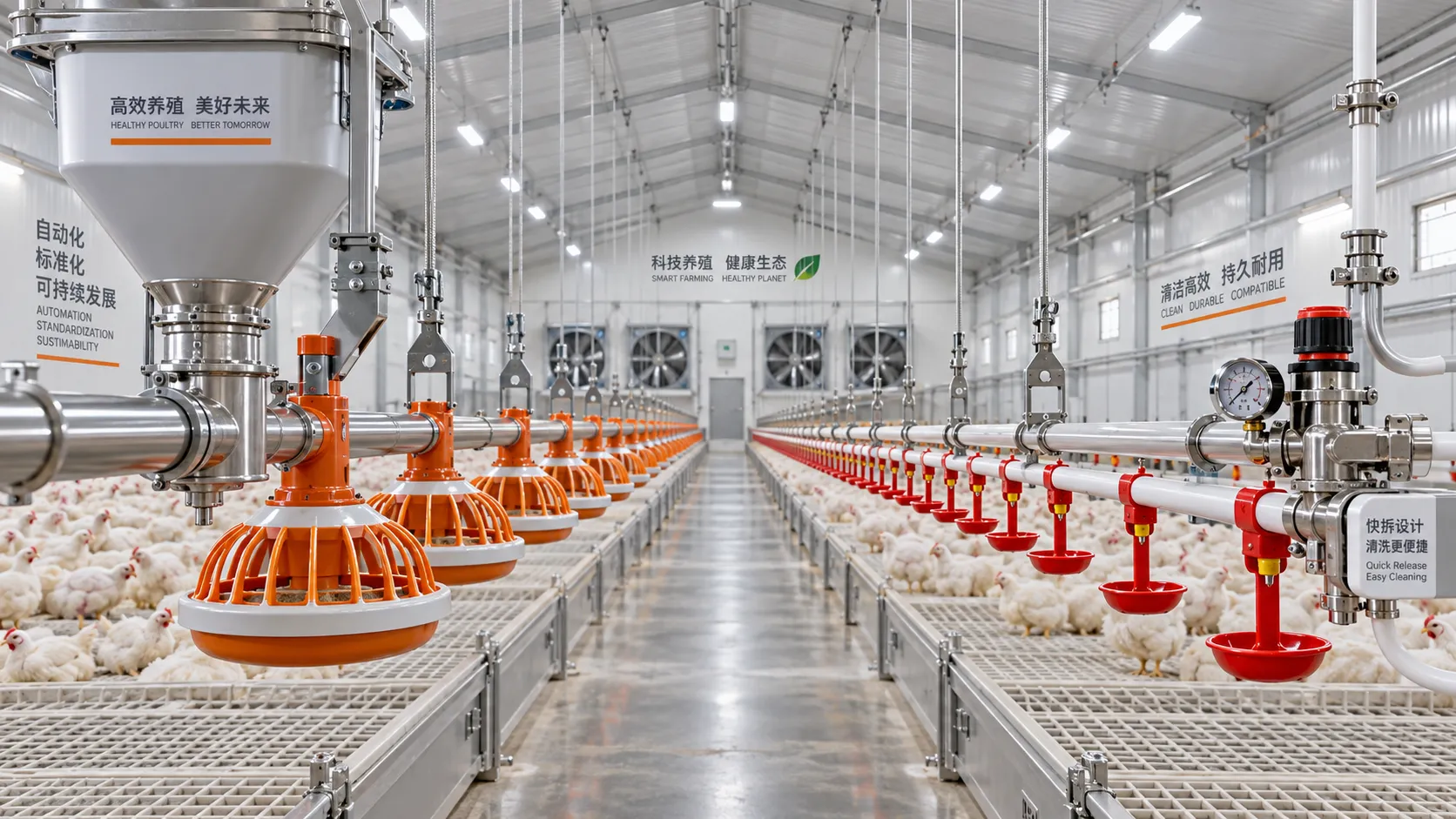
Poultry Equipment Selection: Evaluating Durability, Cleaning, and Compatibility
Poultry equipments selection guide: evaluate durability, cleaning access, and system compatibility to improve hygiene, reduce downtime, and support efficient flock management.

How to Select Heavy-Duty Farm Implements for High-Acreage, High-Horsepower Operations
Heavy duty farm implements: learn how to match draft, hydraulics, hitch capacity, frame strength, and field conditions for reliable high-acreage performance.
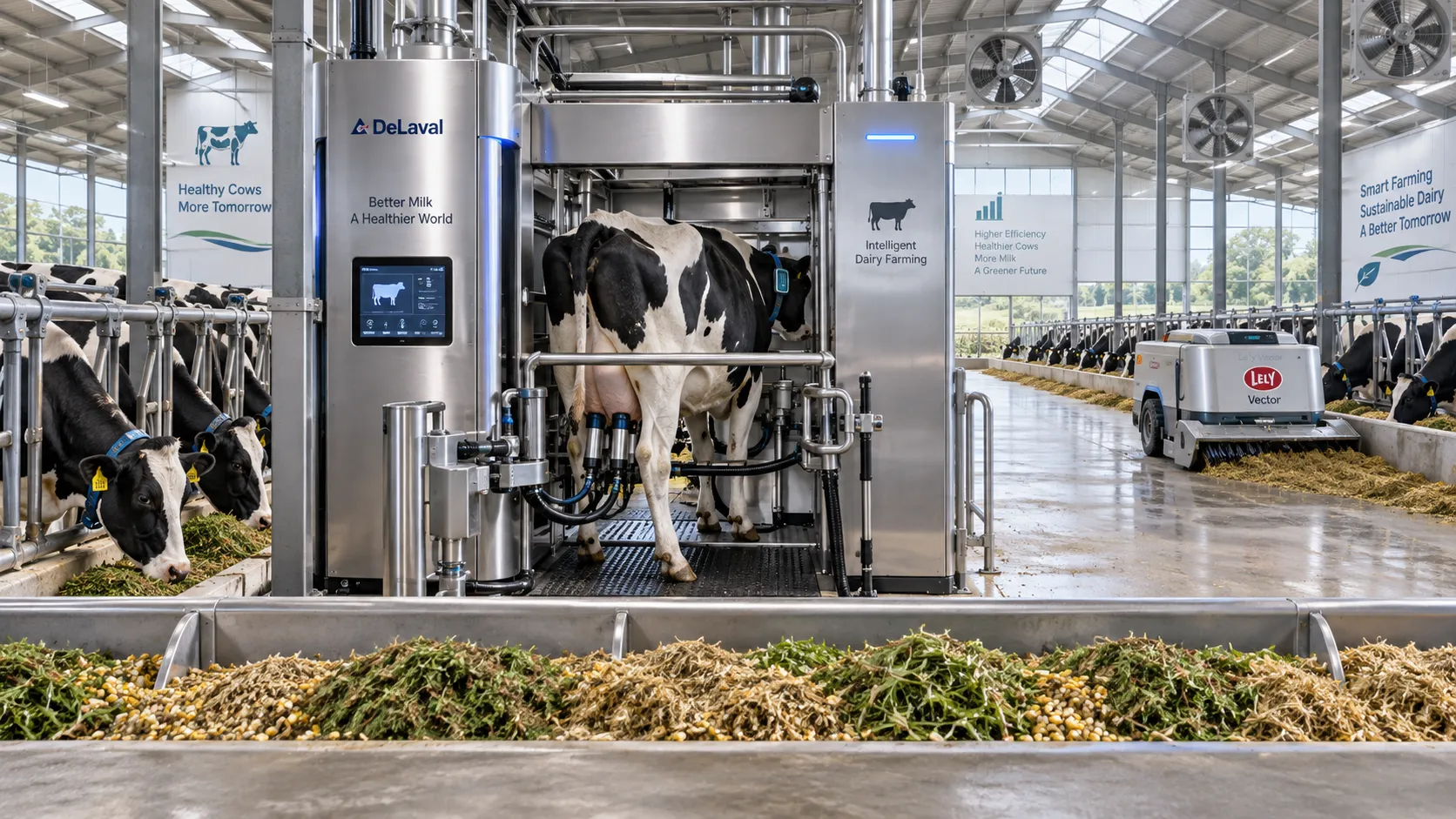
Smart Farming Technology for Dairy Farms: Where Automation Delivers Measurable ROI
Smart farming technology for dairy farms delivers measurable ROI through automation, precision feeding, health monitoring, and data-driven cost control.

How to Select a Heavy-Duty Seeder for Large Acreage and High-Residue Fields
Heavy duty seeders for large acreage: compare residue handling, depth control, downforce, metering accuracy, and precision features to select the right model.
Related News
- 00
0000-00
India Opens Duty Relief for Center Pivot Imports - 00
0000-00
What to Check Before Working With a Precision Irrigation Systems Factory - 00
0000-00
Red Sea Shock Tightens CPS Capacity, Rates Jump 37% - 00
0000-00
Red Sea Escalation Tightens Center Pivot Shipping - 00
0000-00
Red Sea Disruption Extends Center Pivot Transit to 42 Days
Popular Tags
Hydrological Resource Strategist
Weekly Insights
Stay ahead with our curated technology reports delivered every Monday.