
Red Sea Crisis Drives 210% Surge in Suez Canal Smart Irrigation Pump Freight
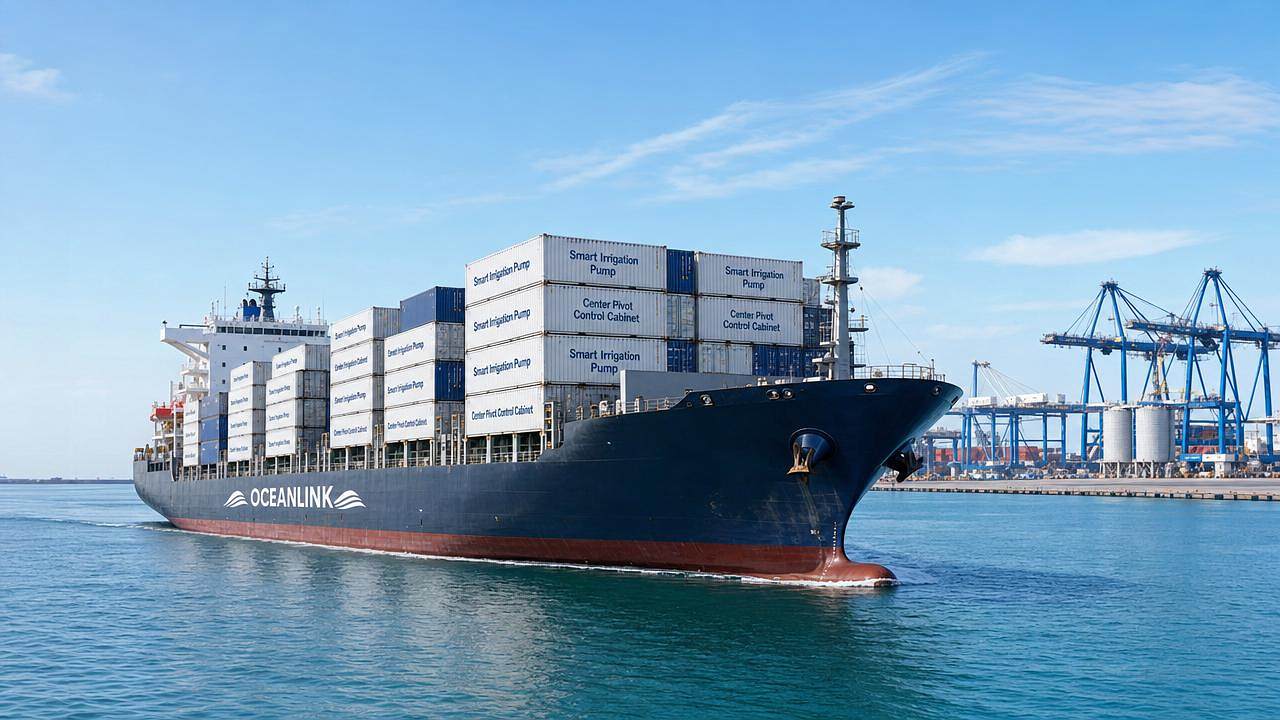




Red Sea shipping disruptions have triggered a 210% year-on-year increase in container freight rates from South China ports (Shenzhen/Nansha) to Jebel Ali Port, UAE — reaching $6,850 per 40HQ unit as of May 10, 2026, according to Drewry’s latest shipping index. This development directly impacts manufacturers and exporters of smart irrigation pump stations, particularly those supplying center pivot control cabinets and hydraulic lift execution units to Middle Eastern engineering contractors — prompting urgent order rerouting from Suez-bound shipments to direct South China departures with compressed 28-day delivery windows. Irrigation equipment OEMs, agricultural infrastructure EPC firms, and logistics service providers serving the Gulf region should closely monitor cascading cost and lead-time implications.
Event Overview
According to Drewry Shipping Consultants’ published freight index dated May 10, 2026, the all-inclusive 40HQ container freight rate from South China ports (Shenzhen/Nansha) to Jebel Ali Port, UAE, stands at $6,850 — a 210% increase year-on-year. The primary drivers cited are vessel rerouting around the Cape of Good Hope due to Red Sea insecurity, resulting in reduced effective capacity on the Asia–Middle East corridor and sharply elevated bunker adjustment factors. Multiple Middle Eastern irrigation engineering contractors have shifted previously scheduled orders for smart irrigation pump stations — including Center Pivot Systems main control cabinets and Hydraulic Lift Systems execution units — from Suez Canal transshipment routes to direct shipments from South China, with target delivery timelines now compressed to within 28 days.
Impact on Specific Industry Segments
Smart Irrigation Equipment OEMs
OEMs producing center pivot controllers and hydraulic lift modules face immediate pressure on landed cost competitiveness in the Gulf market. The 210% freight surge directly erodes export margins unless absorbed or passed through — yet pricing flexibility is constrained by competitive tender processes common in regional irrigation EPC projects.
Middle Eastern Irrigation Engineering Contractors (EPCs)
EPC firms managing large-scale agricultural infrastructure projects in the UAE and neighboring GCC states are experiencing material procurement delays and cost volatility. The shift to direct South China shipments shortens transit time but increases per-unit ocean freight exposure and reduces buffer for customs clearance or port congestion at Jebel Ali — raising risk of schedule slippage on turnkey contracts tied to fixed milestones.
Asia–Middle East Logistics Service Providers
Freight forwarders and NVOCCs specializing in dry cargo between South China and the Gulf must adapt to tighter booking windows and higher documentation scrutiny. With demand concentrated on limited direct sailings, slot allocation prioritization and real-time visibility into vessel ETAs become critical operational differentiators — especially for time-sensitive irrigation system components requiring coordinated inland transport post-discharge.
What Relevant Enterprises or Practitioners Should Monitor and Do Now
Track official updates on Red Sea security and Suez Canal Authority advisories
While current rerouting is driven by de facto operational risk, any formal suspension of Suez transits — or conversely, verified resumption of safe passage — would trigger rapid freight recalibration. Monitoring statements from the Suez Canal Authority, IMO, and regional naval task forces remains essential for scenario planning.
Assess exposure across specific product lines and destination ports
The 210% rate applies specifically to 40HQ containers from South China to Jebel Ali. Companies should audit whether their current irrigation hardware shipments fall under this lane — and whether alternative ports (e.g., Dammam, Salalah) or container types (e.g., 20GP, reefer for temperature-sensitive electronics) offer viable cost or reliability trade-offs.
Validate inland transport readiness at Jebel Ali
Direct South China shipments reduce sea transit but concentrate arrival volumes at Jebel Ali. Delays in chassis availability, yard congestion, or customs processing bottlenecks could offset time savings. Confirming pre-arranged trucking slots and bonded warehouse access ahead of shipment is now operationally advisable.
Review contractual force majeure and price adjustment clauses
For ongoing EPC contracts or OEM supply agreements, verify whether freight cost surges qualify under existing force majeure or cost escalation provisions. Documented evidence of the Drewry index and rerouting rationale may support renegotiation where delivery terms are FOB or CIF-based.
Editorial Observation / Industry Perspective
Observably, this freight surge is not merely a transient cost spike but signals structural recalibration in the Asia–GCC agricultural infrastructure supply chain. The decision by multiple Middle Eastern EPCs to abandon Suez routing — even temporarily — reflects growing tolerance for higher freight in exchange for predictable lead times and reduced geopolitical transit risk. Analysis shows this shift favors suppliers with flexible production scheduling and proximity to South China ports, while increasing pressure on inland logistics coordination at destination. It is better understood as an early-stage supply chain adaptation signal rather than a fully settled new equilibrium — given that Red Sea conditions remain fluid and carrier capacity deployment is still adjusting.
Conclusion: This freight development underscores how maritime security events can rapidly reshape cross-border equipment logistics far beyond shipping lanes — affecting tender competitiveness, contract performance, and regional supplier selection. It is best interpreted not as a standalone anomaly, but as a stress test revealing dependencies in the global smart irrigation value chain — particularly where just-in-time delivery intersects with high-value, low-volume engineered systems.
Source: Drewry Shipping Consultants — Global Container Freight Index, May 10, 2026. Note: Ongoing monitoring is recommended for updates to Red Sea navigation advisories and subsequent Drewry index revisions.
Related News

When Does Agricultural Machinery Leasing Cost Less Than Owning Equipment?
Agricultural machinery leasing can lower farm costs when use is seasonal or uncertain. Compare utilization, maintenance, cash flow, and risk to make a smarter equipment decision.
How to Evaluate Precision Fertilization System Suppliers for Farm-Scale Deployment
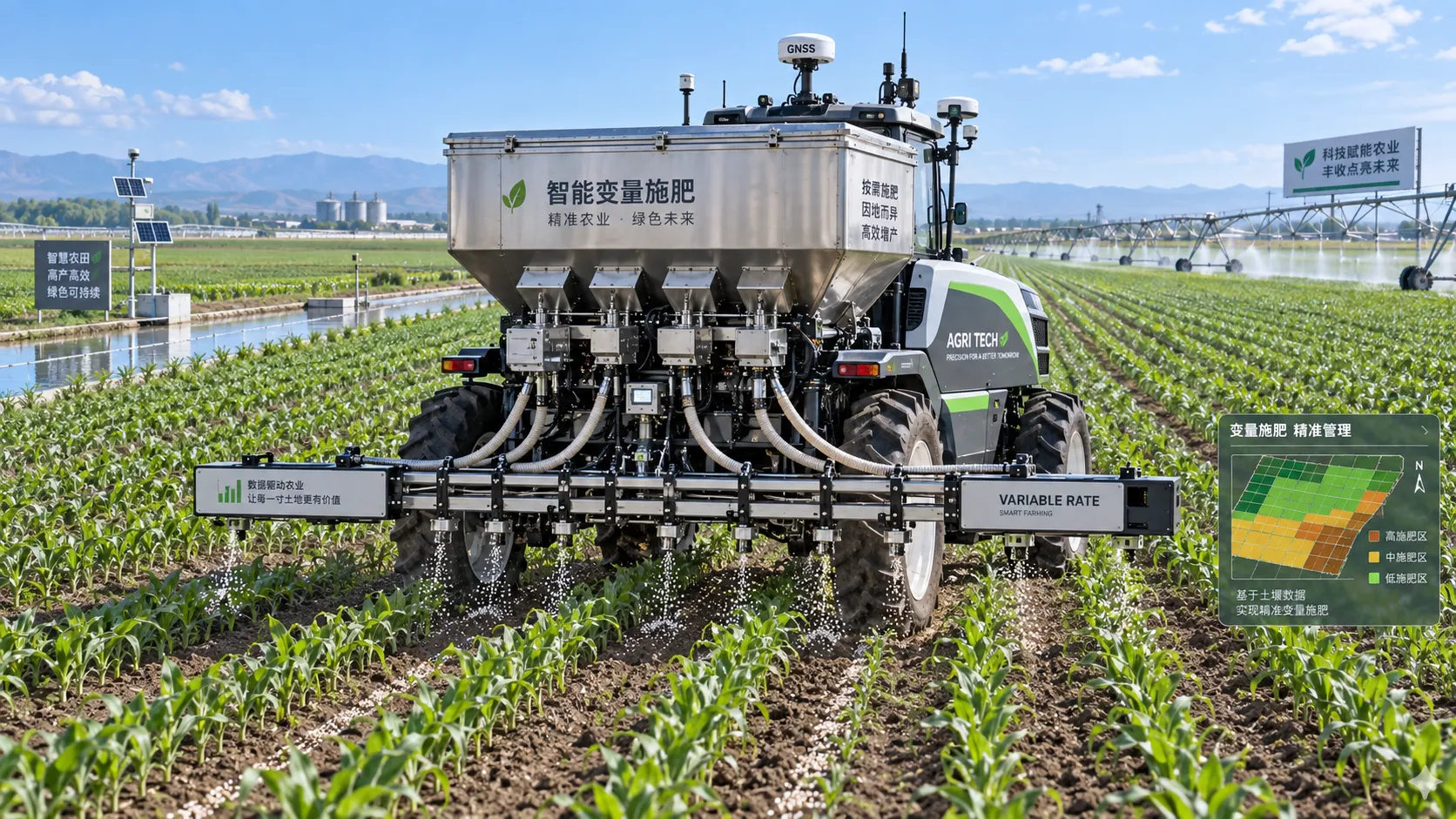
Precision fertilization systems suppliers: learn how to compare accuracy, integration, uptime, service, and total cost for confident farm-scale deployment.
ISOBUS for Smart Agriculture: How It Connects Tractors, Implements, and Farm Data
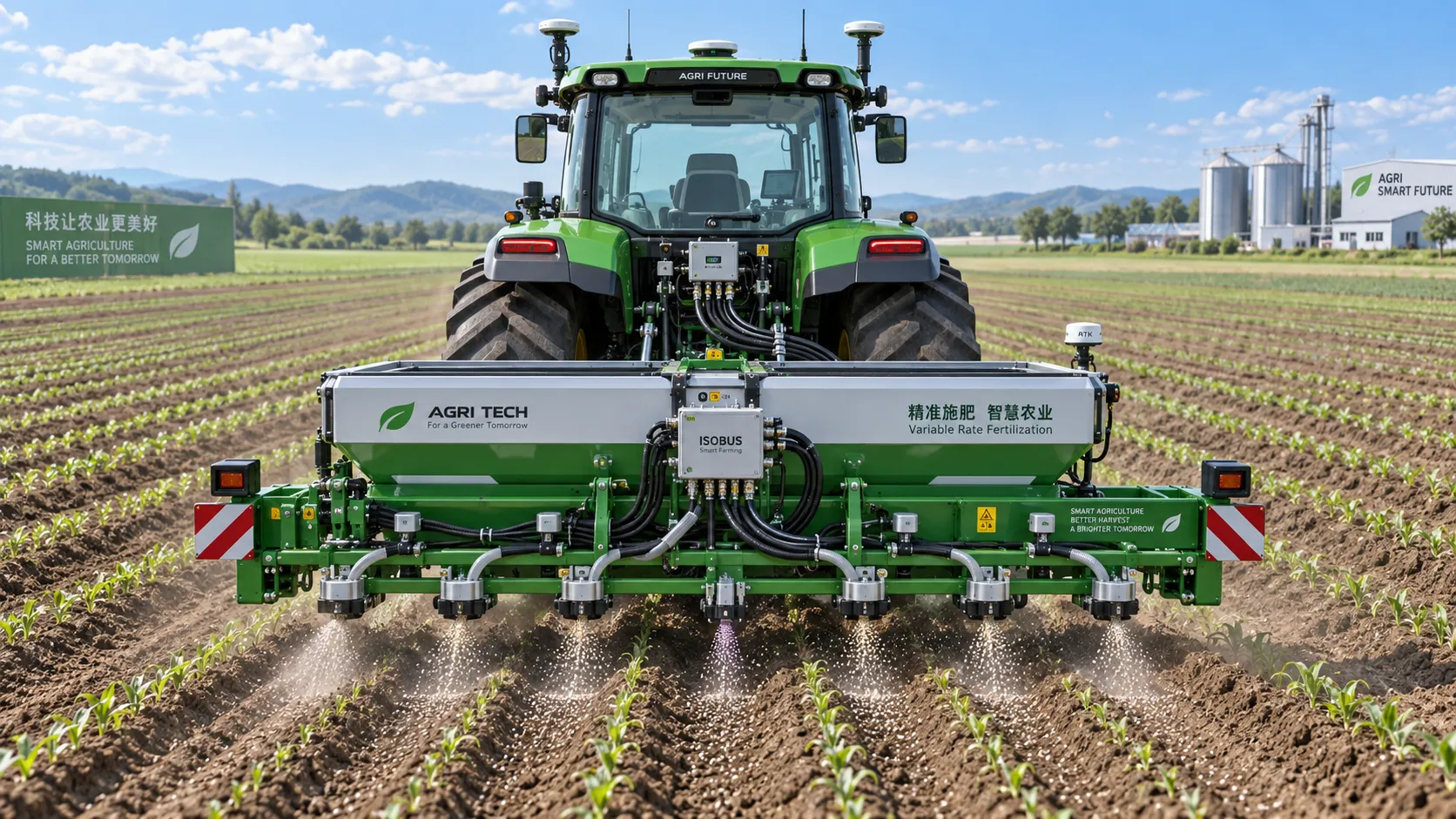
ISOBUS for smart agriculture connects tractors, implements, terminals, and farm data—helping growers improve precision, documentation, and smarter field decisions.
Automated Water-Saving Irrigation: How to Cut Water Use Without Reducing Crop Yields
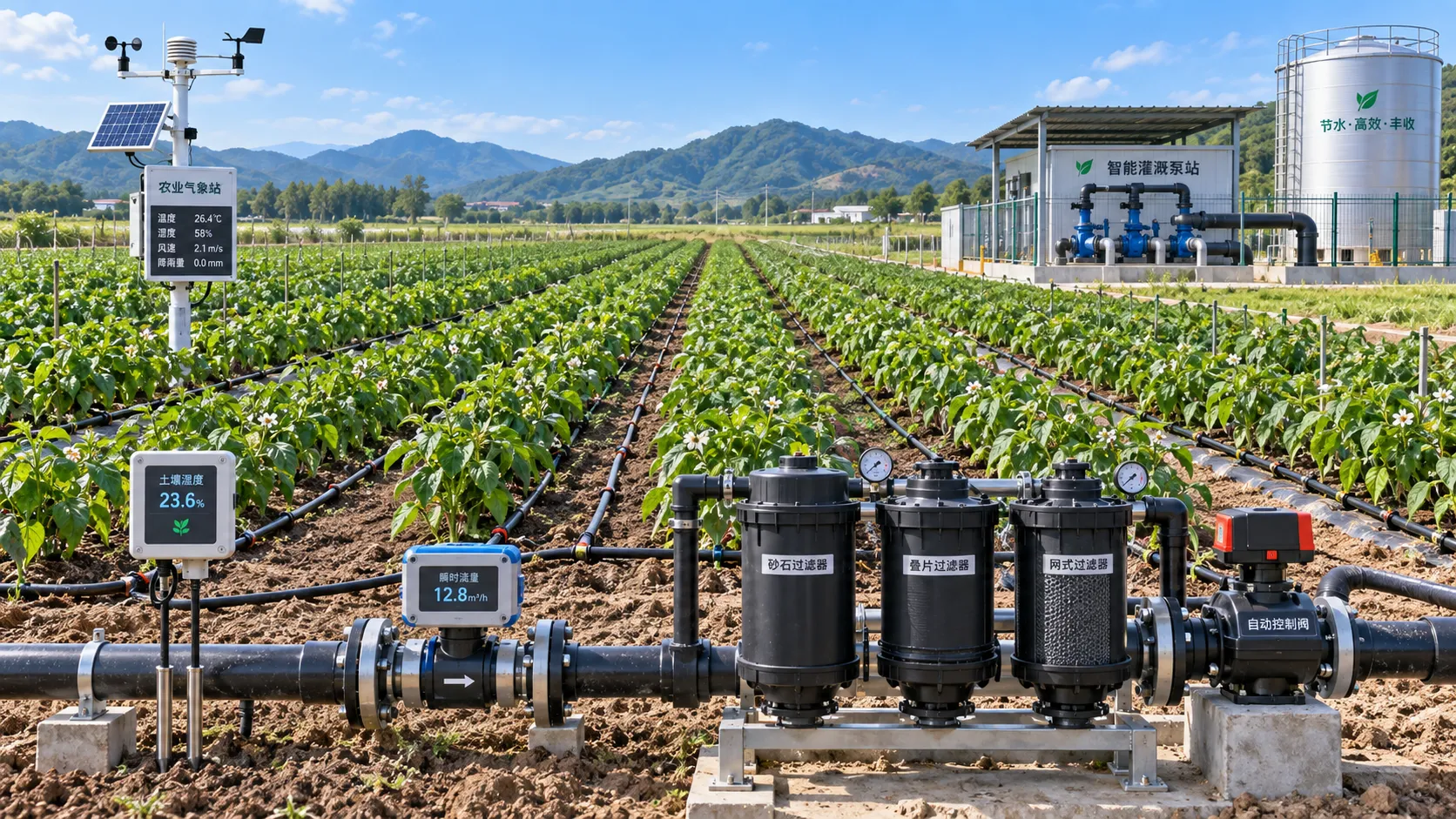
Automated water-saving irrigation helps farms cut water use, protect crop yields, improve scheduling, and gain reliable control with sensors, flow monitoring, and smart zones.

Selecting Grain Farm Equipment by Acreage, Crop Mix, and Harvest Window
Agricultural equipment selection for grain farming: match machinery to acreage, crop mix, and harvest windows to improve uptime, efficiency, and returns.
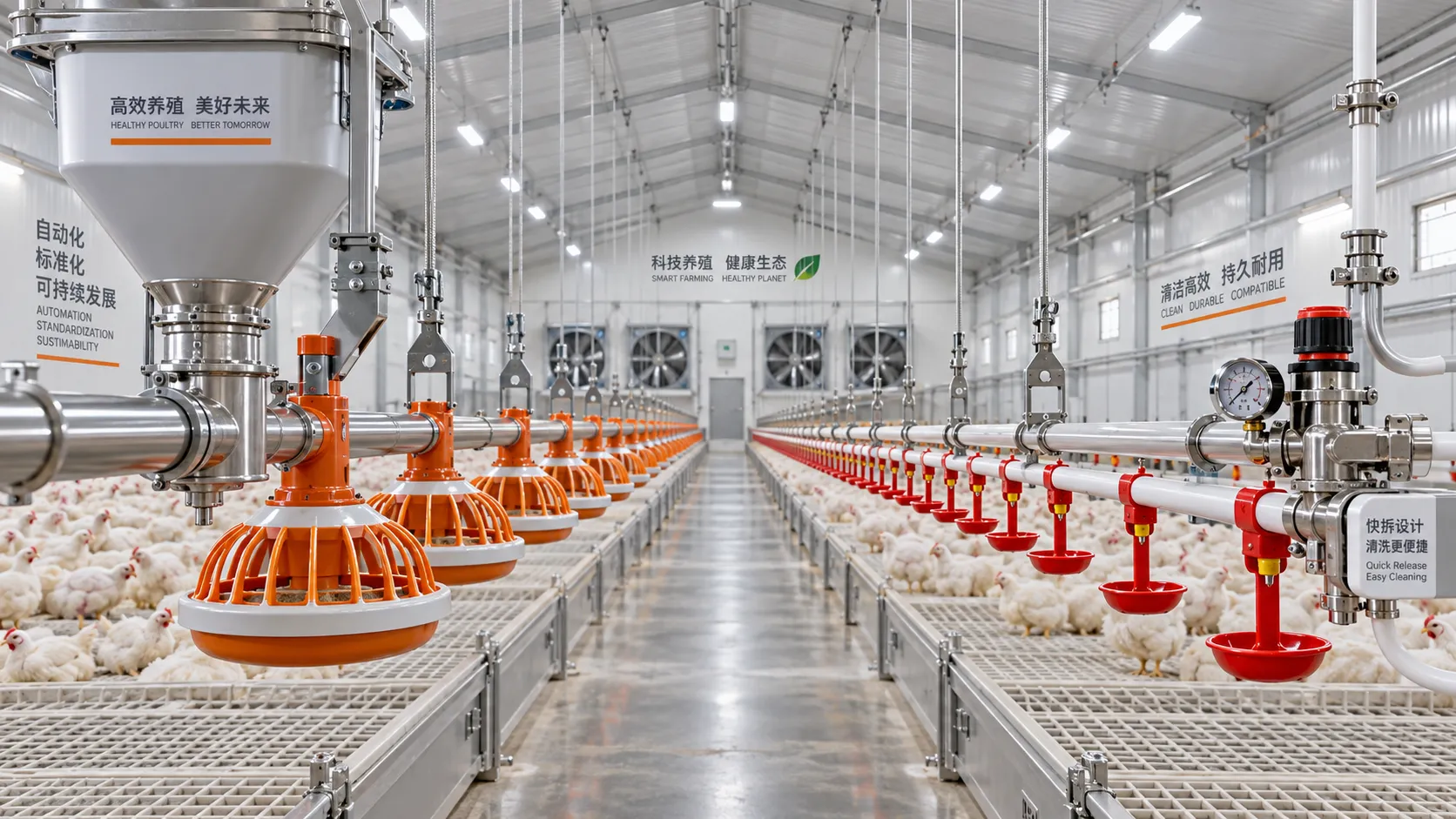
Poultry Equipment Selection: Evaluating Durability, Cleaning, and Compatibility
Poultry equipments selection guide: evaluate durability, cleaning access, and system compatibility to improve hygiene, reduce downtime, and support efficient flock management.

How to Select Heavy-Duty Farm Implements for High-Acreage, High-Horsepower Operations
Heavy duty farm implements: learn how to match draft, hydraulics, hitch capacity, frame strength, and field conditions for reliable high-acreage performance.
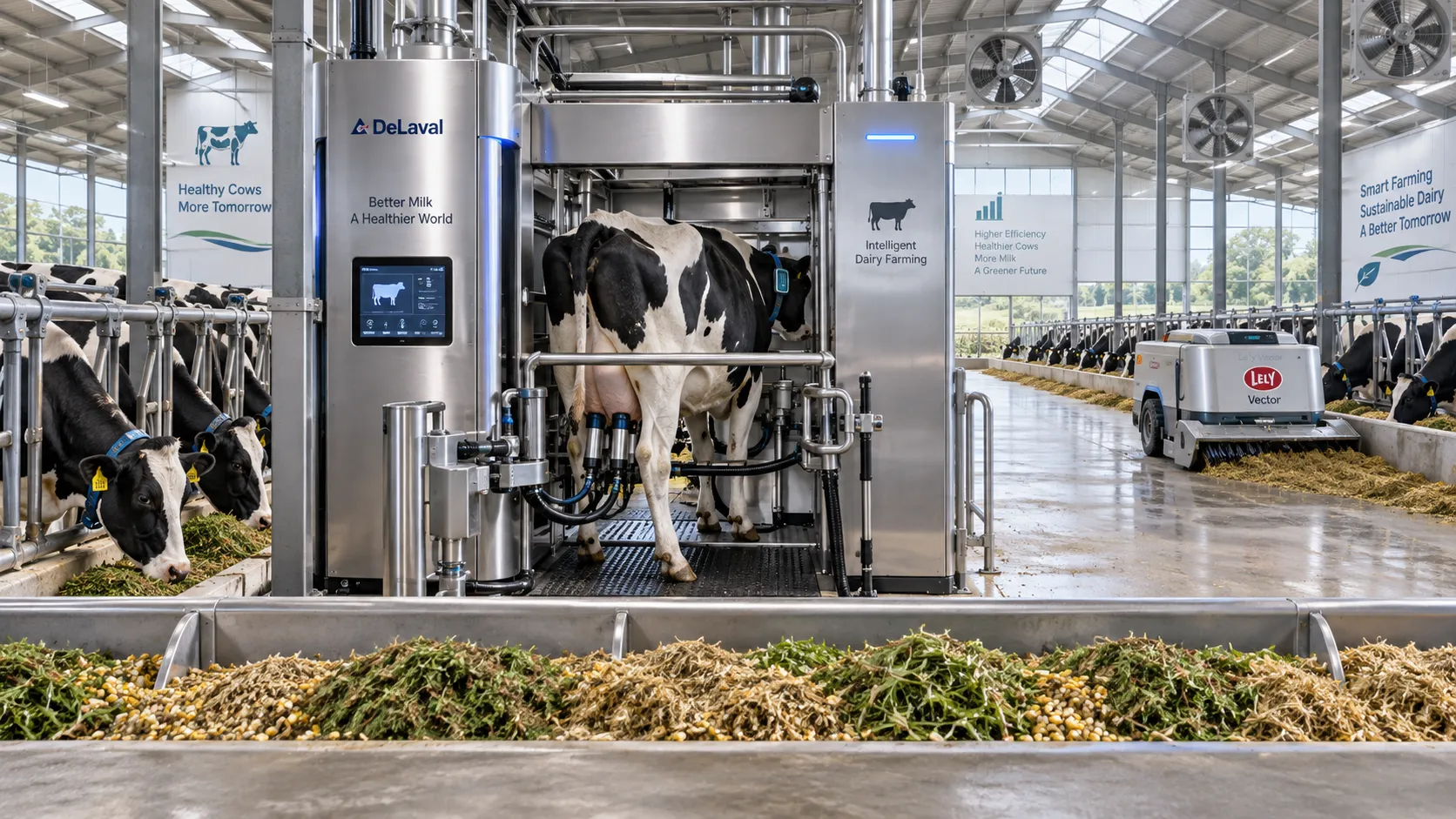
Smart Farming Technology for Dairy Farms: Where Automation Delivers Measurable ROI
Smart farming technology for dairy farms delivers measurable ROI through automation, precision feeding, health monitoring, and data-driven cost control.

How to Select a Heavy-Duty Seeder for Large Acreage and High-Residue Fields
Heavy duty seeders for large acreage: compare residue handling, depth control, downforce, metering accuracy, and precision features to select the right model.
Related News
- 00
0000-00
India Opens Duty Relief for Center Pivot Imports - 00
0000-00
What to Check Before Working With a Precision Irrigation Systems Factory - 00
0000-00
Red Sea Shock Tightens CPS Capacity, Rates Jump 37% - 00
0000-00
Red Sea Escalation Tightens Center Pivot Shipping - 00
0000-00
Red Sea Disruption Extends Center Pivot Transit to 42 Days
Popular Tags
Hydrological Resource Strategist
Weekly Insights
Stay ahead with our curated technology reports delivered every Monday.