
Why precision ag scientists now rely on cleaner field data
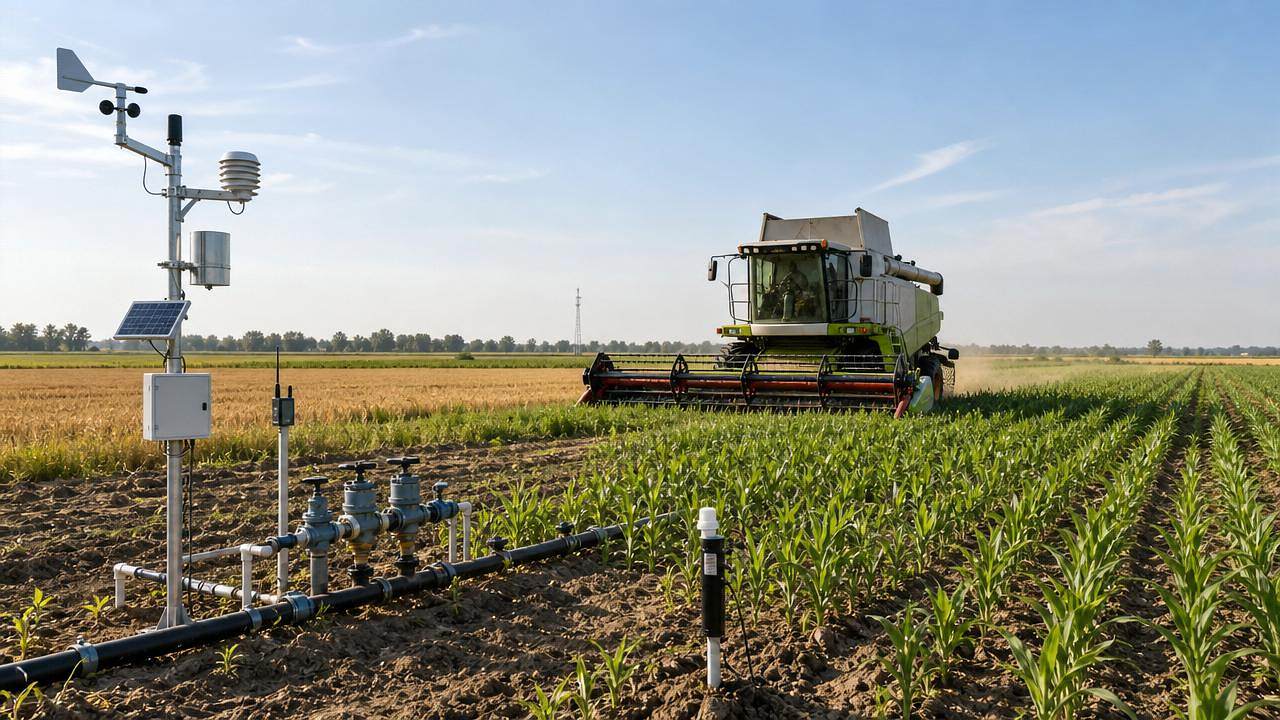




Why do precision ag scientists care so much about cleaner field data now?
As farms become more sensor-driven and algorithm-dependent, precision ag scientists are putting cleaner field data at the center of every evaluation.
From harvester loss analysis to irrigation modeling and equipment benchmarking, unreliable inputs can distort decisions and weaken returns.
This article explores why higher-quality field data now matters more than ever for technical assessors tracking performance, efficiency, and scalable agricultural intelligence.
The change is not cosmetic. It affects machine settings, agronomic prescriptions, capital planning, and sustainability reporting across the agricultural value chain.
For precision ag scientists, cleaner field data means fewer hidden errors, stronger comparisons, and more dependable recommendations.
What counts as cleaner field data in precision agriculture?
Cleaner field data is not just more data. It is data that is accurate, consistent, complete, timely, and traceable.
Precision ag scientists usually assess data quality through five practical tests:
- Does the data match real field conditions?
- Is the sampling method repeatable across dates and zones?
- Are timestamps, locations, and machine records aligned?
- Were missing values, outliers, and sensor drifts identified?
- Can another analyst verify where the numbers came from?
A yield map may look detailed but still be dirty. Calibration gaps, overlap errors, and delayed signal correction can quietly undermine conclusions.
The same applies to soil moisture curves, machine telematics, weather stations, spray logs, and irrigation flow records.
In Agriculture 4.0 systems, one flawed source can contaminate the rest. That is why precision ag scientists increasingly prioritize data cleaning before analysis.
Common sources of dirty field data
- Uncalibrated yield monitors
- GPS drift during passes or turns
- Blocked sensors and poor maintenance
- Inconsistent field naming and boundary files
- Manual entry mistakes in agronomic logs
- Different file formats across equipment brands
How does poor data hurt equipment analysis and agronomic decisions?
Poor data creates false confidence. Dashboards still produce charts, but the charts may describe noise instead of performance.
For combine harvesting, a dirty loss dataset can misrepresent cleaning shoe efficiency, rotor settings, or throughput under varying crop moisture.
That leads to weak benchmarking. A machine may appear inefficient when the real issue is sensor lag or inconsistent sampling zones.
In irrigation, poor field data can distort evapotranspiration estimates, soil recharge timing, and pressure variation across networks.
Then water application becomes reactive rather than optimized. Energy costs rise, crop stress increases, and sustainability targets become harder to verify.
Precision ag scientists also use cleaner field data to compare tractor chassis performance, hydraulic response, and implement compatibility under actual load conditions.
If the field logs are fragmented, those comparisons lose value. Decisions on fleet upgrades or tool integration become riskier.
Practical consequences of poor data
- Wrong prescriptions for seeding, fertilization, or irrigation
- Misleading machine efficiency benchmarks
- Unclear return on technology investment
- Weak compliance evidence for environmental reporting
- Reduced trust in analytics platforms and advisory outputs
Which field applications depend most on cleaner data?
Nearly every digital agriculture workflow benefits, but some applications are especially sensitive to data quality.
1. Harvester loss and throughput analysis
Precision ag scientists need synchronized crop, speed, moisture, and loss measurements to judge machine settings fairly.
Cleaner field data helps separate operator behavior from machine capability and crop variability.
2. Variable-rate input prescriptions
Prescription maps depend on valid zones. If yield or soil layers are noisy, the resulting rates can be economically harmful.
3. Smart irrigation scheduling
Water-saving systems require trustworthy flow, pressure, and moisture data. Small errors can expand across large acreages.
4. Autonomous and semi-autonomous equipment validation
Navigation models and task automation rely on clean geospatial references. Inconsistent field data can trigger poor path planning or overlap losses.
5. Sustainability and resource reporting
Cleaner field data supports credible claims on water use, fuel efficiency, nutrient performance, and land productivity.
How can precision ag scientists judge whether field data is trustworthy?
Trustworthy data rarely appears by accident. It comes from a disciplined validation process.
A useful starting point is a simple verification checklist covering source, method, timing, calibration, and interoperability.
Precision ag scientists often combine statistical filters with agronomic sense. Not every outlier is an error, but every outlier deserves context.
It also helps to preserve raw files. Over-cleaning can erase meaningful variability that reflects genuine field behavior.
What are the biggest mistakes when trying to improve field data quality?
One common mistake is assuming that modern equipment automatically produces clean information. Automation reduces labor, not uncertainty.
Another mistake is cleaning data only after a season ends. By then, many errors cannot be traced back to field events.
Precision ag scientists also warn against mixing datasets with incompatible definitions. A moisture reading from one system may not match another method.
There is also a governance problem. Without naming standards and version control, teams can compare the wrong files.
Mistakes to avoid
- Skipping seasonal sensor calibration
- Ignoring metadata and field notes
- Relying on one data stream without validation
- Applying uniform cleaning rules to different crops and tools
- Treating visualization quality as data quality
How should organizations build a cleaner field data workflow?
The best workflow starts before planting and continues after harvest. Cleaner field data is a process, not a one-time correction.
A practical framework includes preparation, capture, validation, integration, and review.
- Standardize field names, boundaries, and machine identifiers.
- Calibrate monitors and sensors before critical operations.
- Check live data during operations, not only afterward.
- Flag anomalies quickly and record contextual notes.
- Store raw and cleaned datasets separately.
- Review seasonal findings to refine next-cycle protocols.
For platforms like AP-Strategy, cleaner field data supports stronger strategic intelligence across machinery performance, irrigation systems, and agronomic decision models.
That intelligence becomes more useful when it connects machine realities with market pressures, resource constraints, and long-cycle equipment planning.
FAQ summary table: what should be prioritized first?
Cleaner field data is now a strategic requirement, not a technical luxury.
As precision ag scientists evaluate machines, models, and resource systems, input quality increasingly determines outcome quality.
The strongest next step is simple: review one critical workflow, identify its weak data points, and build a repeatable cleaning standard around them.
With better field data, agricultural intelligence becomes more credible, more scalable, and far more useful in the field.
Related News
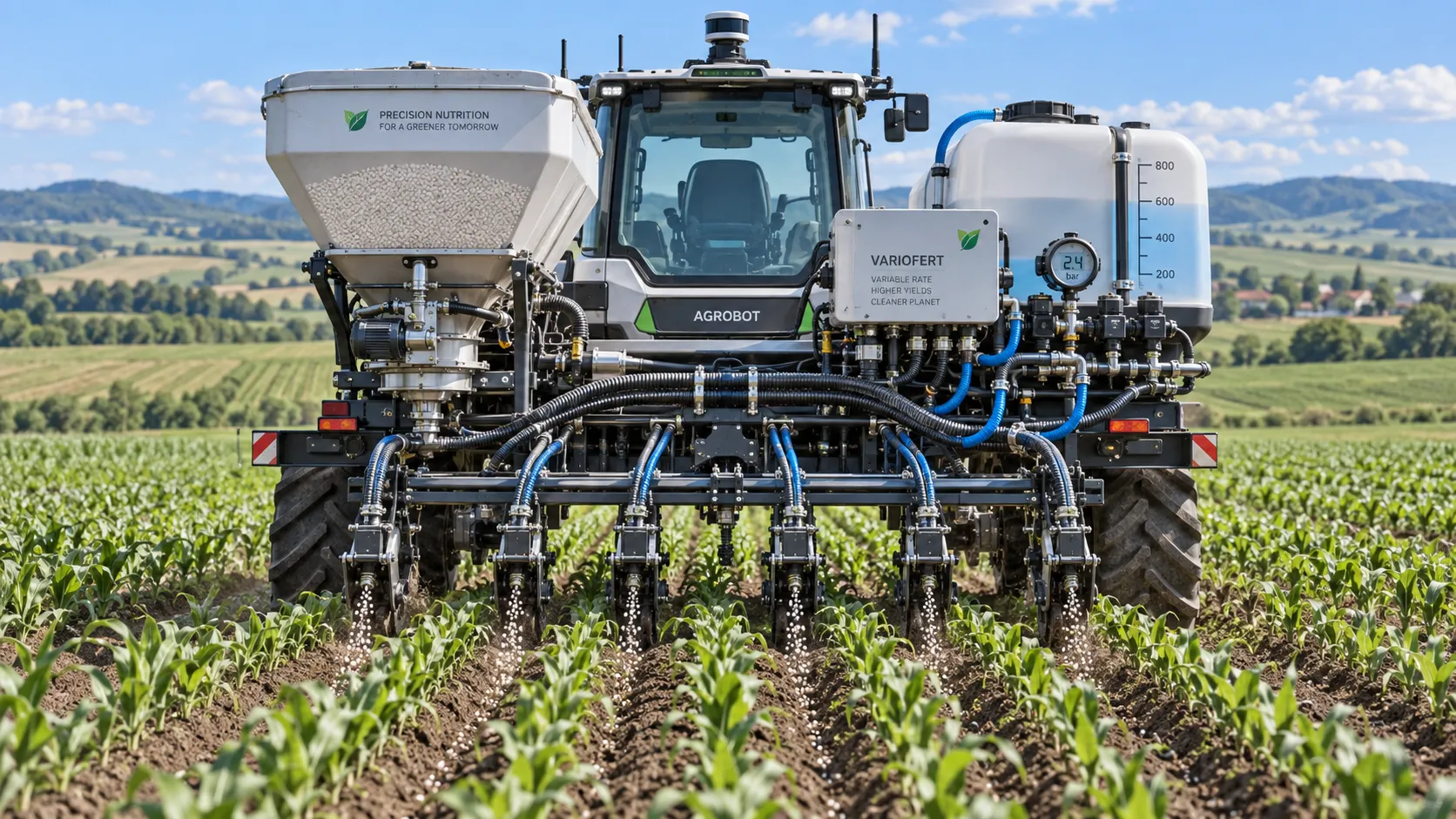
How Sensor Feedback Enables Accurate Variable-Rate Fertilization in Field Conditions
Precision fertilization systems with sensor feedback improve variable-rate accuracy by verifying flow, managing latency, and ensuring reliable field application.
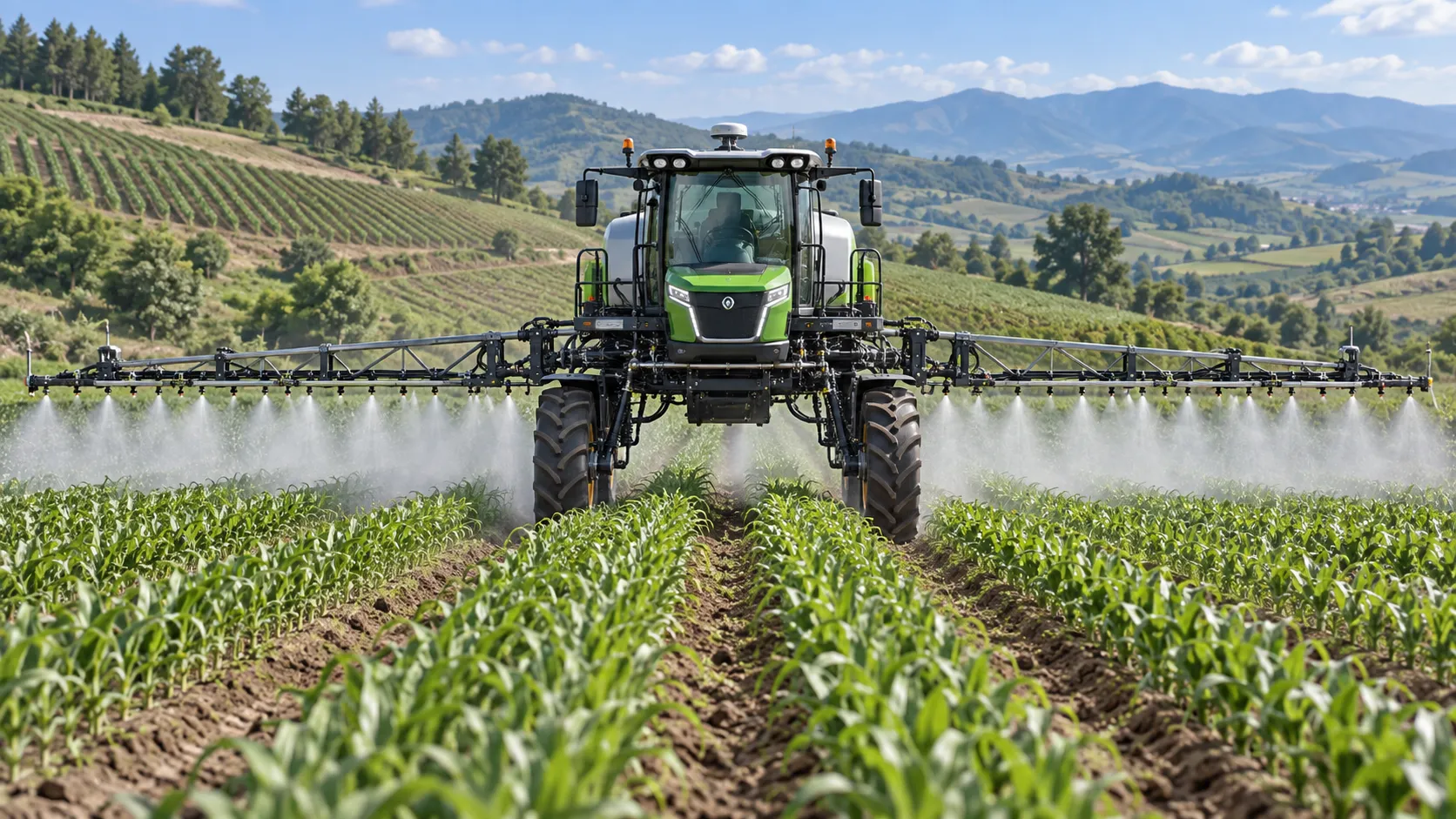
How to Select Precision Crop Protection Equipment for Variable Field Conditions
Precision crop protection equipment selection made simple: compare terrain, canopy, weather, control accuracy, and data workflows for reliable applications.
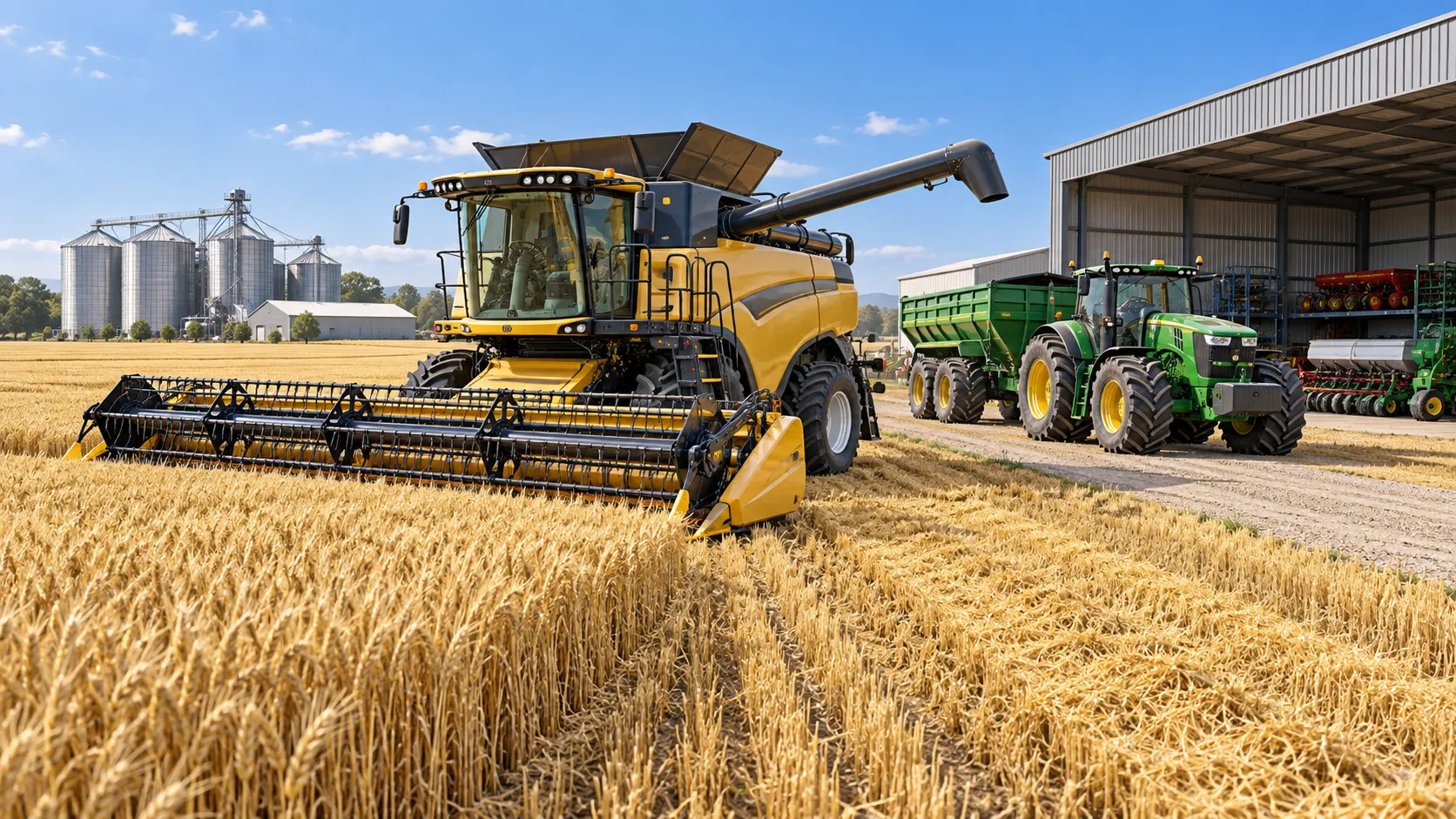
When Does Agricultural Machinery Leasing Cost Less Than Owning Equipment?
Agricultural machinery leasing can lower farm costs when use is seasonal or uncertain. Compare utilization, maintenance, cash flow, and risk to make a smarter equipment decision.
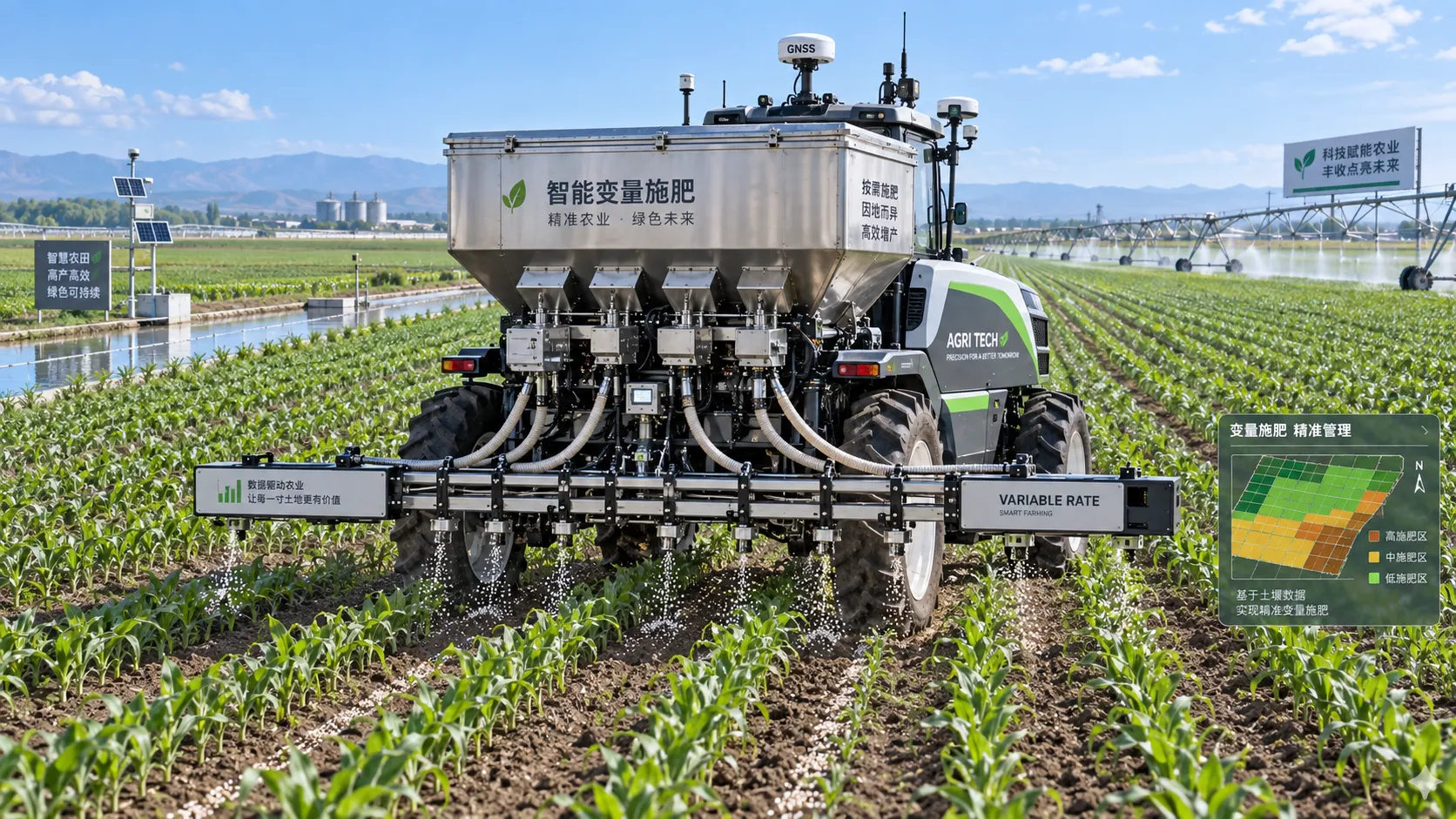
How to Evaluate Precision Fertilization System Suppliers for Farm-Scale Deployment
Precision fertilization systems suppliers: learn how to compare accuracy, integration, uptime, service, and total cost for confident farm-scale deployment.
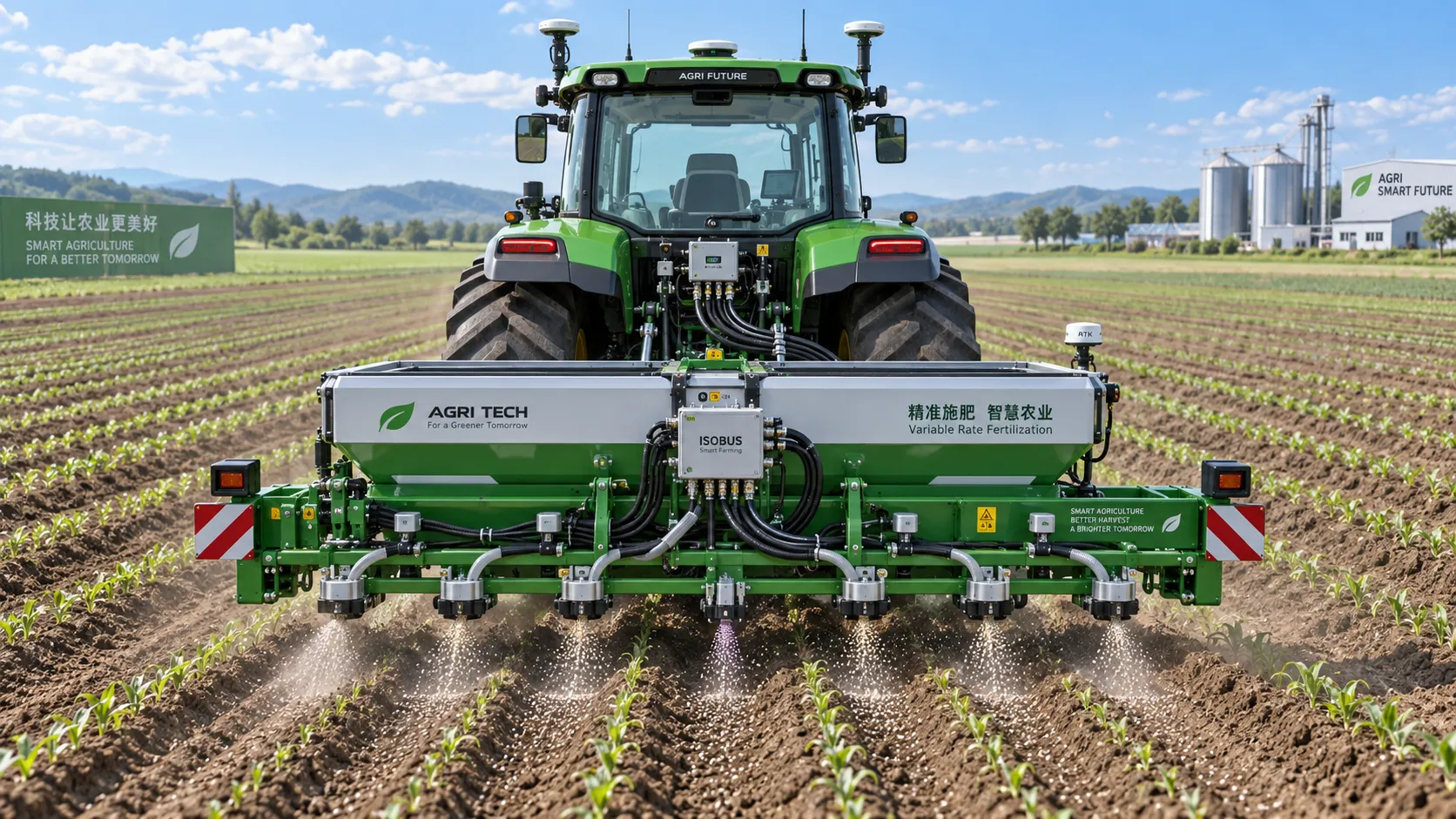
ISOBUS for Smart Agriculture: How It Connects Tractors, Implements, and Farm Data
ISOBUS for smart agriculture connects tractors, implements, terminals, and farm data—helping growers improve precision, documentation, and smarter field decisions.
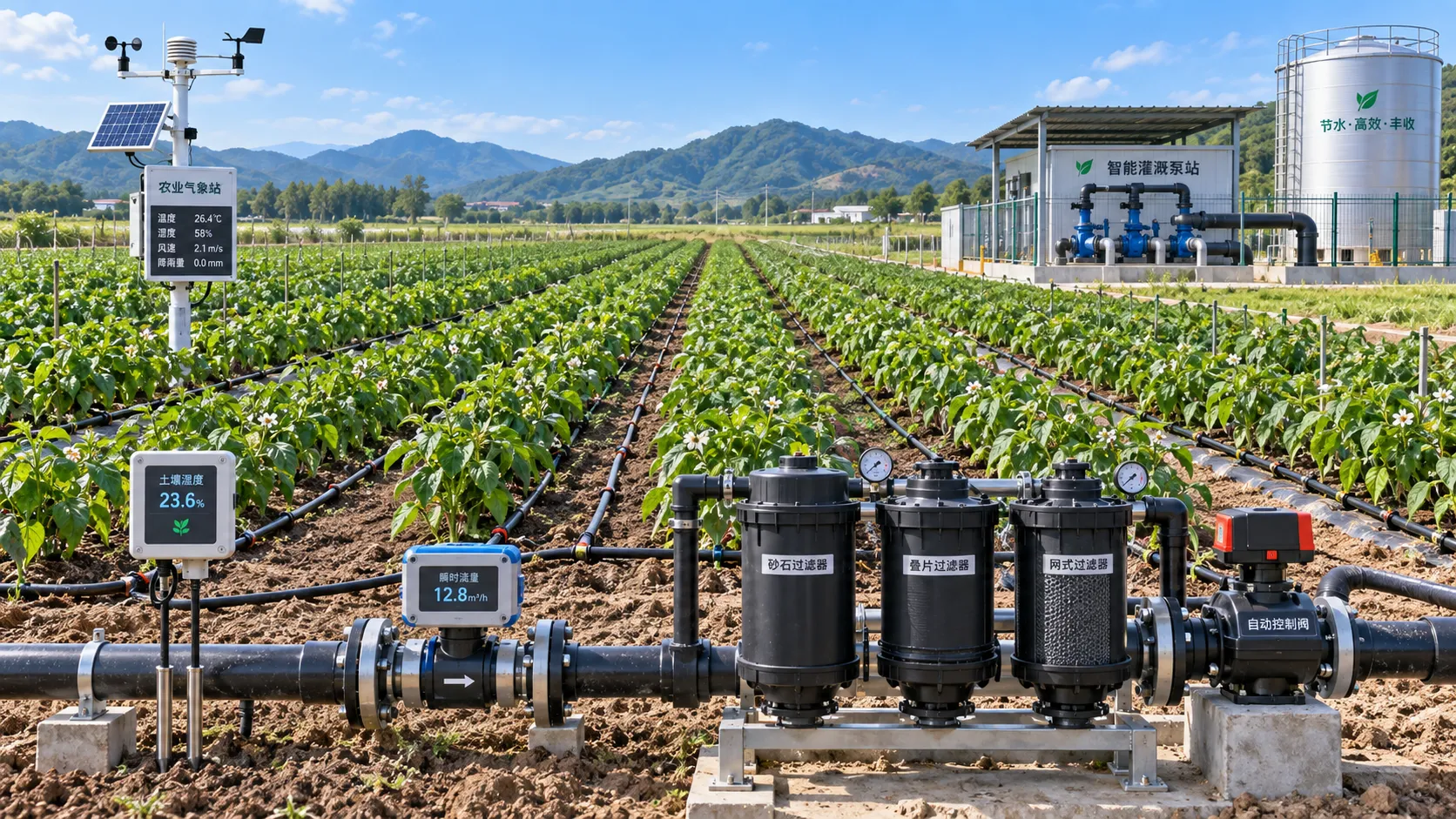
Automated Water-Saving Irrigation: How to Cut Water Use Without Reducing Crop Yields
Automated water-saving irrigation helps farms cut water use, protect crop yields, improve scheduling, and gain reliable control with sensors, flow monitoring, and smart zones.
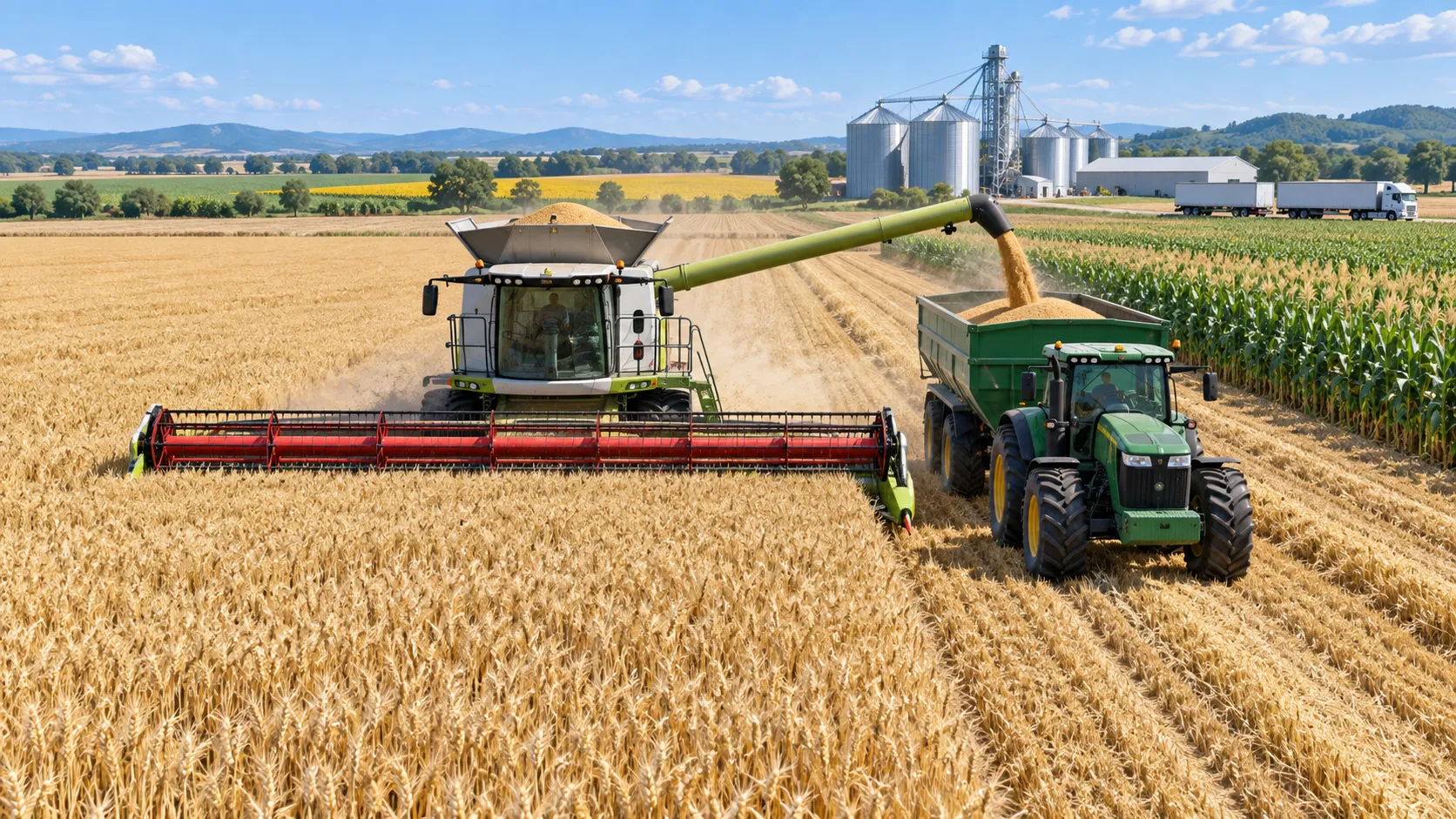
Selecting Grain Farm Equipment by Acreage, Crop Mix, and Harvest Window
Agricultural equipment selection for grain farming: match machinery to acreage, crop mix, and harvest windows to improve uptime, efficiency, and returns.
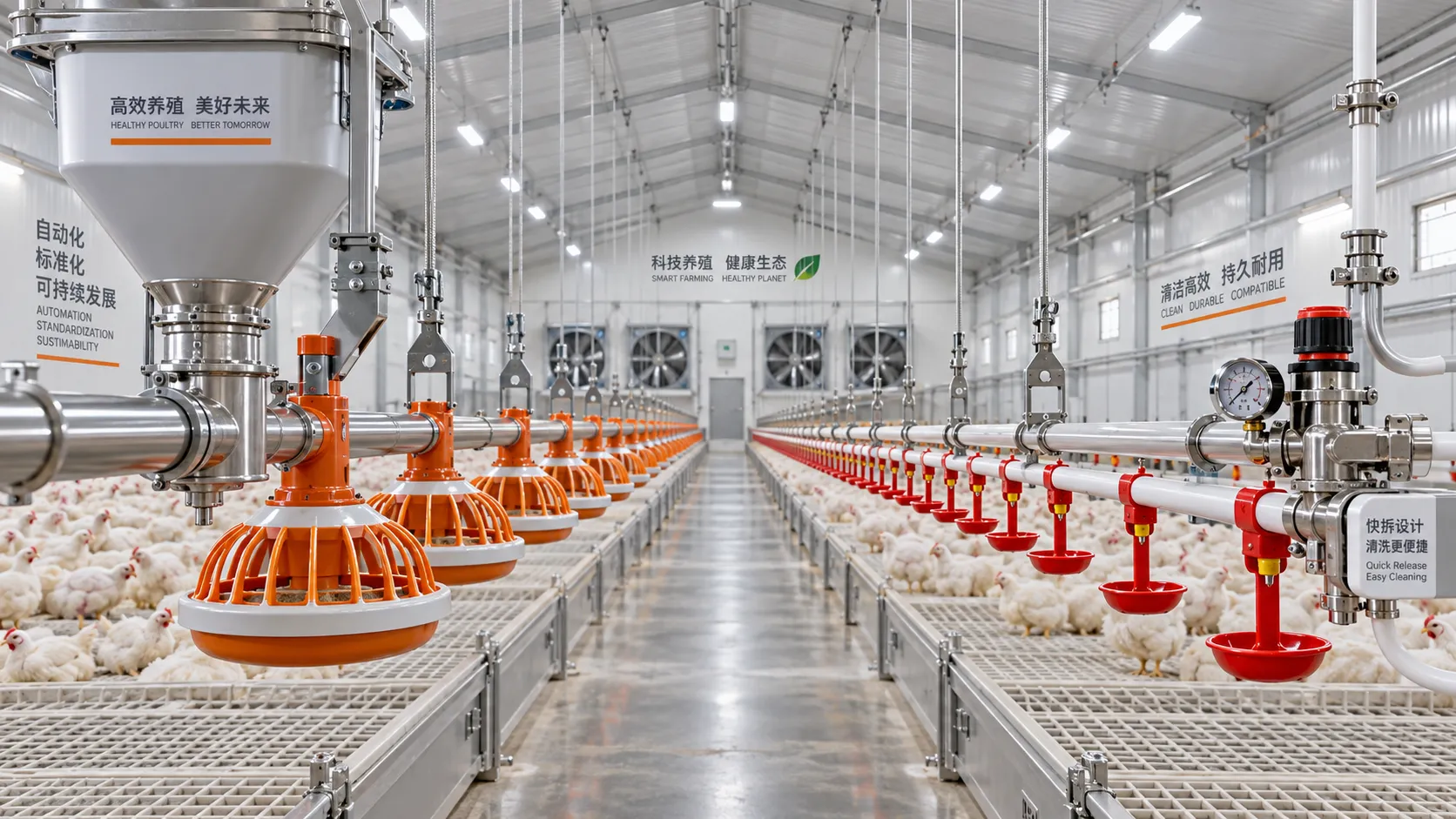
Poultry Equipment Selection: Evaluating Durability, Cleaning, and Compatibility
Poultry equipments selection guide: evaluate durability, cleaning access, and system compatibility to improve hygiene, reduce downtime, and support efficient flock management.
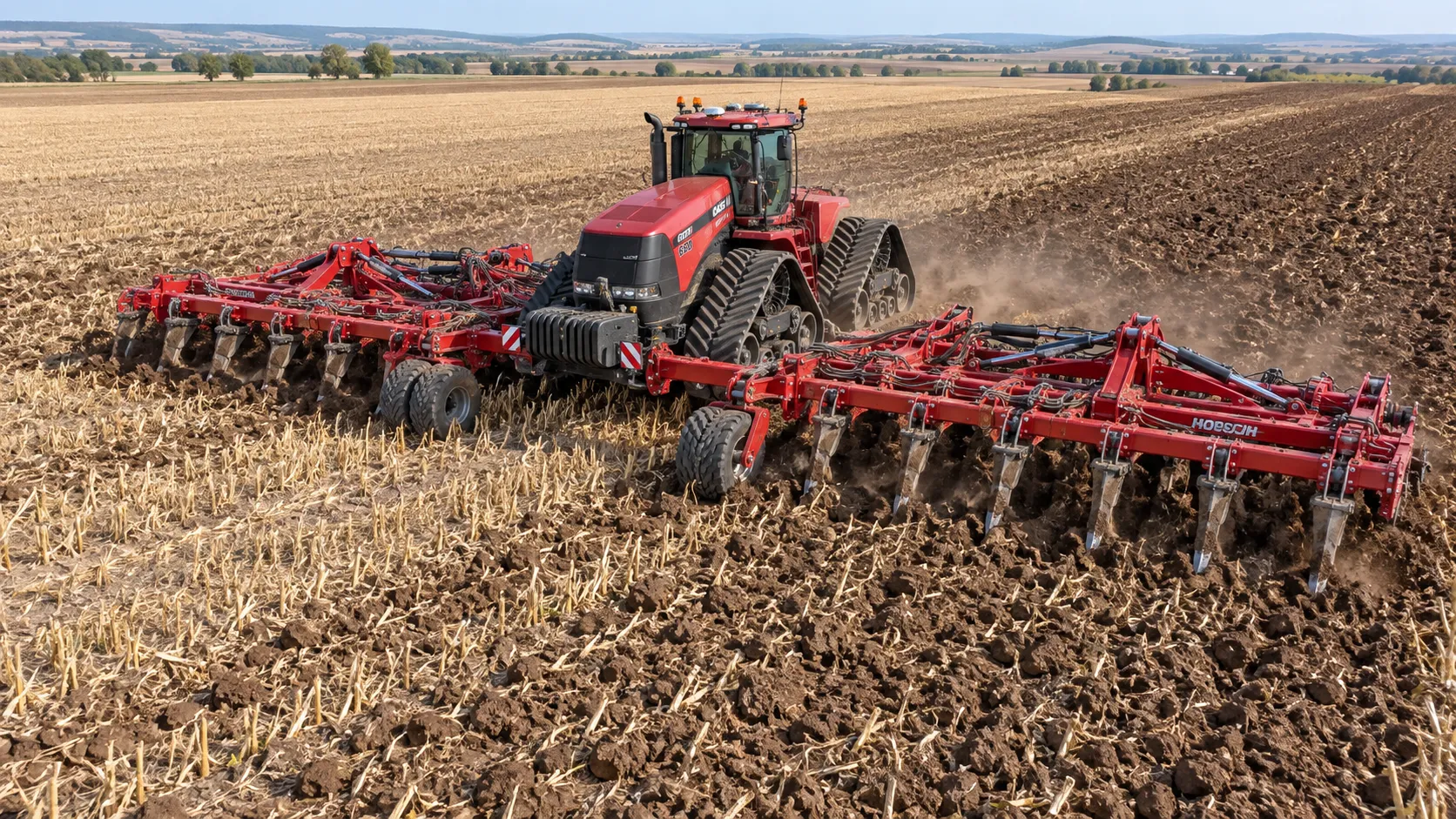
How to Select Heavy-Duty Farm Implements for High-Acreage, High-Horsepower Operations
Heavy duty farm implements: learn how to match draft, hydraulics, hitch capacity, frame strength, and field conditions for reliable high-acreage performance.
Related News
- 00
0000-00
Selecting Real-Time Soil Moisture Sensors for Irrigation Zone Control - 00
0000-00
How Does Climate-Smart Farming Reduce Water Use in Semi-Arid Areas? - 00
0000-00
USDA Rule Takes Effect: Dual FCC and NRCS Approval for Soil Moisture Sensors - 00
0000-00
EU Rule Takes Effect: Soil Moisture Sensors Need Revised CE-EMC Certification - 00
0000-00
How to Choose Wireless Smart Irrigation Systems for Better Water Control
Popular Tags
Hydrological Resource Strategist
Weekly Insights
Stay ahead with our curated technology reports delivered every Monday.