
EU EN 17892-3:2026 Mandates EMC Certification for Soil Moisture Sensors
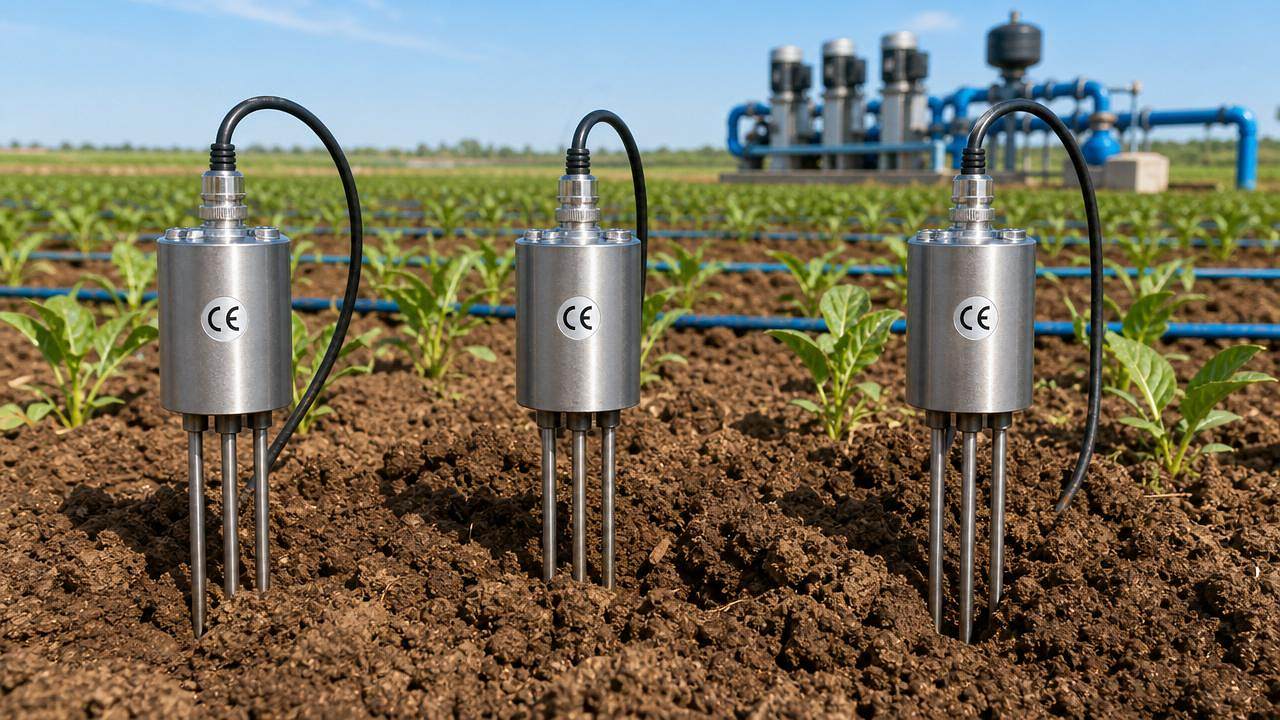




On 15 May 2026, the European Union formally published EN 17892-3:2026 in the Official Journal of the European Union (OJEU), introducing a new mandatory electromagnetic compatibility (EMC) conformity requirement for soil moisture sensors placed on the EU market. Effective 1 November 2026, all such devices must demonstrate full compliance with EN 61000-4-3 (radiated immunity) and EN 61000-4-6 (conducted immunity), and bear the CE marking. This regulatory shift directly impacts the global agricultural IoT supply chain — particularly manufacturers and exporters in China, where over 70% of EU-bound soil moisture sensors originate.
Event Overview
On 15 May 2026, the Official Journal of the European Union (OJEU) published EN 17892-3:2026. The standard specifies that, from 1 November 2026 onward, all soil moisture sensors intended for sale or deployment in the EU must pass full-scope testing per EN 61000-4-3 and EN 61000-4-6 and be affixed with a valid CE marking. Non-compliant products will be excluded from EU public procurement tenders related to smart agriculture and precision irrigation infrastructure.
Industries Affected
Direct trading enterprises: Exporters and brand owners placing soil moisture sensors into EU markets face immediate compliance deadlines. Impact manifests in delayed customs clearance, rejection from tender submissions, and potential contractual penalties if CE documentation is incomplete or invalidated during post-market surveillance.
Raw material procurement enterprises: Suppliers of PCBs, RF-shielded enclosures, filtering components (e.g., ferrite beads, EMI filters), and calibrated reference antennas may see revised technical specifications from downstream clients. Demand is expected to shift toward pre-validated, EMC-ready subassemblies — but only after buyers confirm test reports align with EN 17892-3:2026’s application-specific test conditions.
Manufacturing enterprises: OEM/ODM producers must re-evaluate product layouts, grounding schemes, cable routing, and shielding integrity — not merely add external filters. EN 17892-3:2026 references real-world agricultural deployment scenarios (e.g., proximity to variable-frequency drives in irrigation pumps), meaning lab-only margin-of-safety approaches are insufficient.
Supply chain service enterprises: Testing laboratories, notified bodies, and CE technical file consultants face increased demand for coordinated EMC + environmental (e.g., IP68) and functional safety (e.g., IEC 61508) assessments. However, capacity constraints exist: fewer than 12 EU-notified labs currently hold accreditation for both EN 61000-4-3/4-6 and the field-specific test configurations defined in EN 17892-3:2026.
Key Focus Areas and Recommended Actions
Verify test scope alignment with EN 17892-3:2026’s use-case definitions
Compliance is not satisfied by generic EN 61000-4-3/4-6 reports. Enterprises must confirm whether their existing test reports cover the frequency bands, modulation types (e.g., AM 80% @ 1 kHz), and operational modes (e.g., sensor in active measurement during RF exposure) stipulated in Clause 6 of EN 17892-3:2026.
Initiate technical file updates before Q3 2026
The EU requires full technical documentation — including risk assessments, test plans, and deviation justifications — to be maintained for 10 years post-CE marking. Firms still relying on legacy self-declaration templates risk non-acceptance during market surveillance audits, especially given the standard’s explicit linkage to the EU Machinery Regulation (2023/1230).
Engage notified bodies early for combined assessment pathways
Given limited lab capacity and overlapping timelines with upcoming revisions to EN IEC 62368-1 (for power supplies), parallel engagement with a single notified body for EMC, safety, and radio equipment directive (RED) evaluations — where applicable — can reduce time-to-market by up to 8 weeks.
Editorial Perspective / Industry Observation
Observably, EN 17892-3:2026 signals a broader regulatory pivot: the EU is shifting from generic product safety frameworks toward application-specific conformity. This standard does not introduce new test methods, but rather prescribes how existing EMC tests must be contextualized for agritech deployments — a model likely to extend to other environmental sensor categories (e.g., soil NPK, leaf wetness). Analysis shows that Chinese manufacturers who treat this as a ‘certification checkbox’ rather than a system-level design constraint will face disproportionate cost escalation — estimated at 18–22% per unit for retrofitting versus designing-in compliance from stage zero.
From an industry perspective, the 6-month transition window (May–November 2026) is tighter than typical for harmonized standards. That compression suggests either accelerated enforcement readiness or strategic timing aligned with EU CAP 2023–2027 digital agriculture funding cycles. It is more appropriate to interpret this not as a barrier, but as a de facto quality gate for market access in high-integrity agri-data ecosystems.
Conclusion
EN 17892-3:2026 marks a structural inflection point — not merely a technical update. Its enforcement underscores that sensor reliability in field conditions is now inseparable from electromagnetic resilience. For global suppliers, success hinges less on passing a test and more on embedding EMC-aware design practices across R&D, procurement, and production. Rational observation indicates that firms treating this as a catalyst for cross-functional engineering collaboration — rather than a compliance burden — will gain measurable advantage in both EU and third-country markets adopting similar frameworks.
Source Attribution
Official Journal of the European Union (OJEU), L 152/1, 15 May 2026. EN 17892-3:2026 ‘Soil quality — Field sensors for soil moisture measurement — Part 3: Electromagnetic compatibility requirements’. Status: Harmonised standard under Directive 2014/30/EU (EMC Directive) and Regulation (EU) 2023/1230 (Machinery Regulation).
Current observance: Notified body accreditation status and test method interpretations remain subject to update by the European Commission’s Joint Research Centre (JRC) and the EMC Directive’s Standing Committee — ongoing monitoring advised.
Related News

How Sensor Feedback Enables Accurate Variable-Rate Fertilization in Field Conditions
Precision fertilization systems with sensor feedback improve variable-rate accuracy by verifying flow, managing latency, and ensuring reliable field application.

How to Select Precision Crop Protection Equipment for Variable Field Conditions
Precision crop protection equipment selection made simple: compare terrain, canopy, weather, control accuracy, and data workflows for reliable applications.

When Does Agricultural Machinery Leasing Cost Less Than Owning Equipment?
Agricultural machinery leasing can lower farm costs when use is seasonal or uncertain. Compare utilization, maintenance, cash flow, and risk to make a smarter equipment decision.
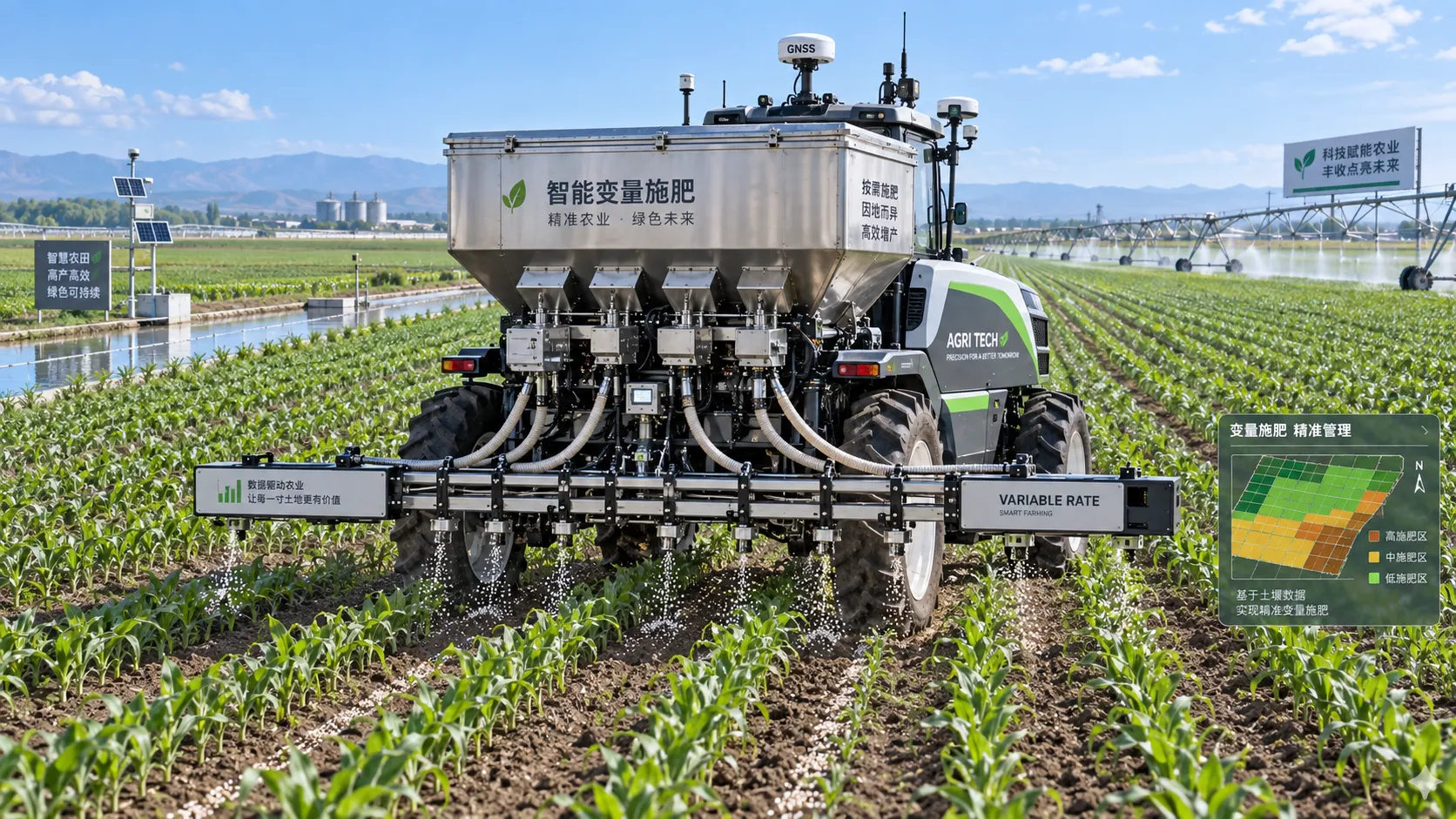
How to Evaluate Precision Fertilization System Suppliers for Farm-Scale Deployment
Precision fertilization systems suppliers: learn how to compare accuracy, integration, uptime, service, and total cost for confident farm-scale deployment.
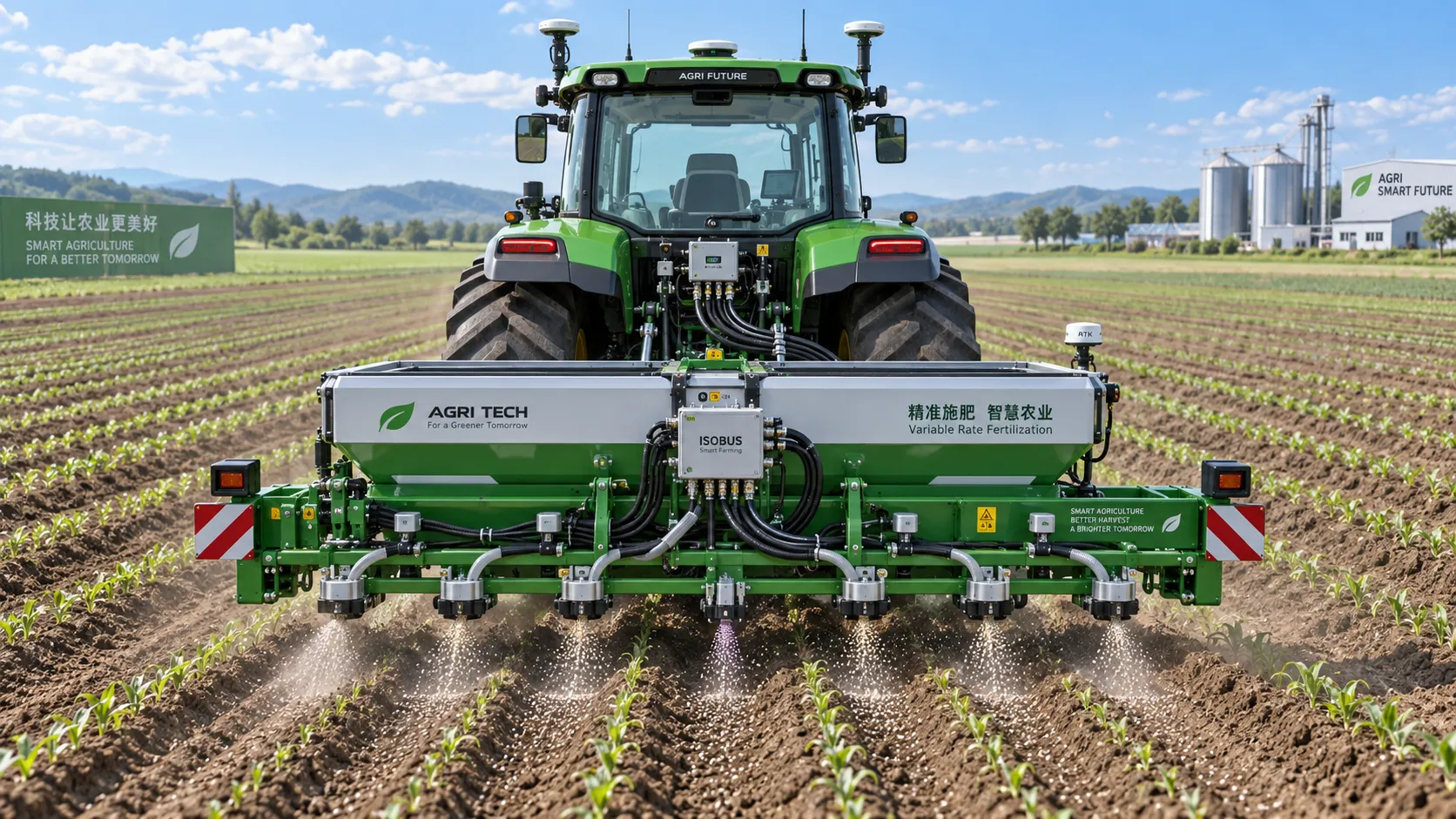
ISOBUS for Smart Agriculture: How It Connects Tractors, Implements, and Farm Data
ISOBUS for smart agriculture connects tractors, implements, terminals, and farm data—helping growers improve precision, documentation, and smarter field decisions.
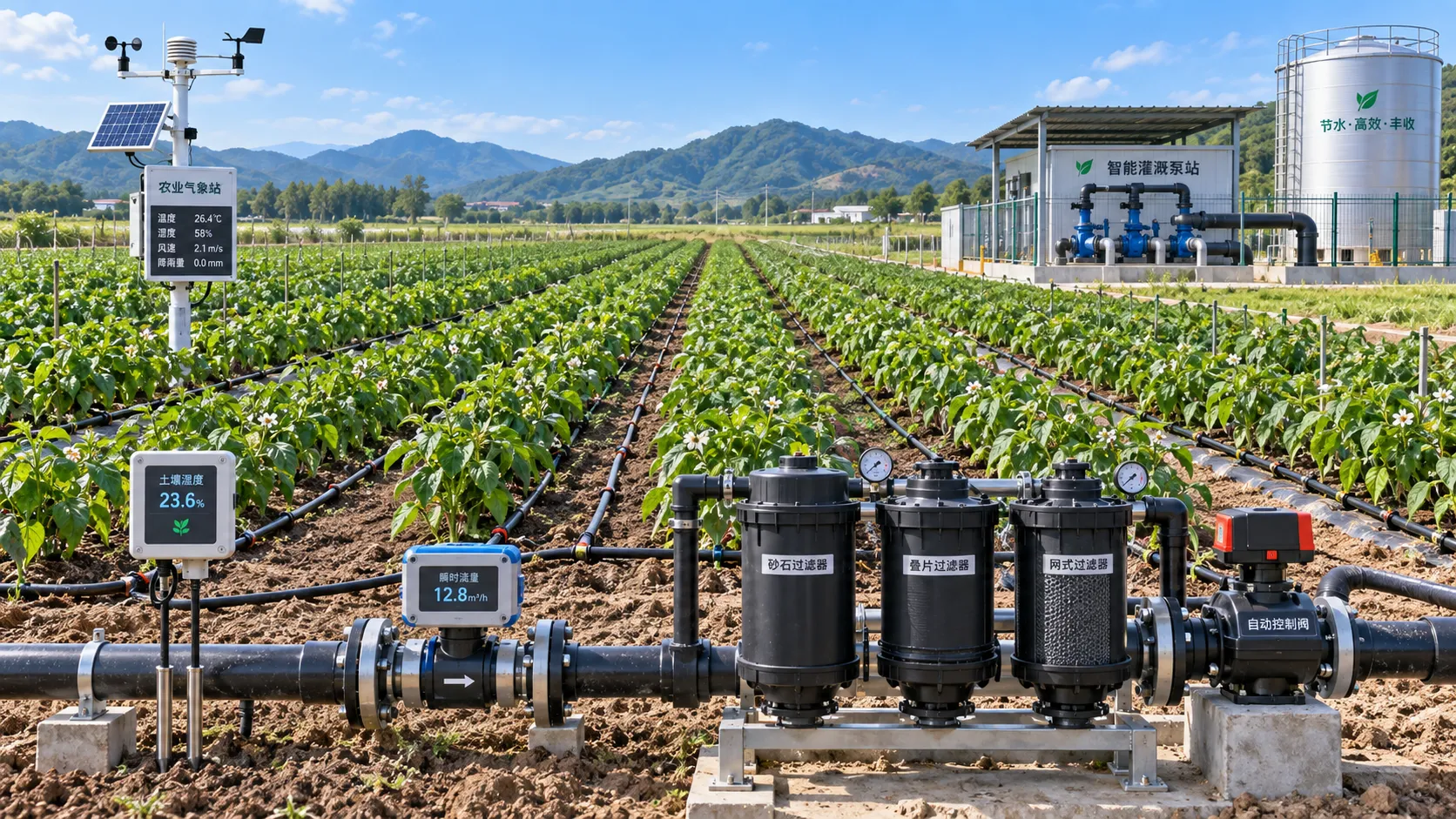
Automated Water-Saving Irrigation: How to Cut Water Use Without Reducing Crop Yields
Automated water-saving irrigation helps farms cut water use, protect crop yields, improve scheduling, and gain reliable control with sensors, flow monitoring, and smart zones.

Selecting Grain Farm Equipment by Acreage, Crop Mix, and Harvest Window
Agricultural equipment selection for grain farming: match machinery to acreage, crop mix, and harvest windows to improve uptime, efficiency, and returns.
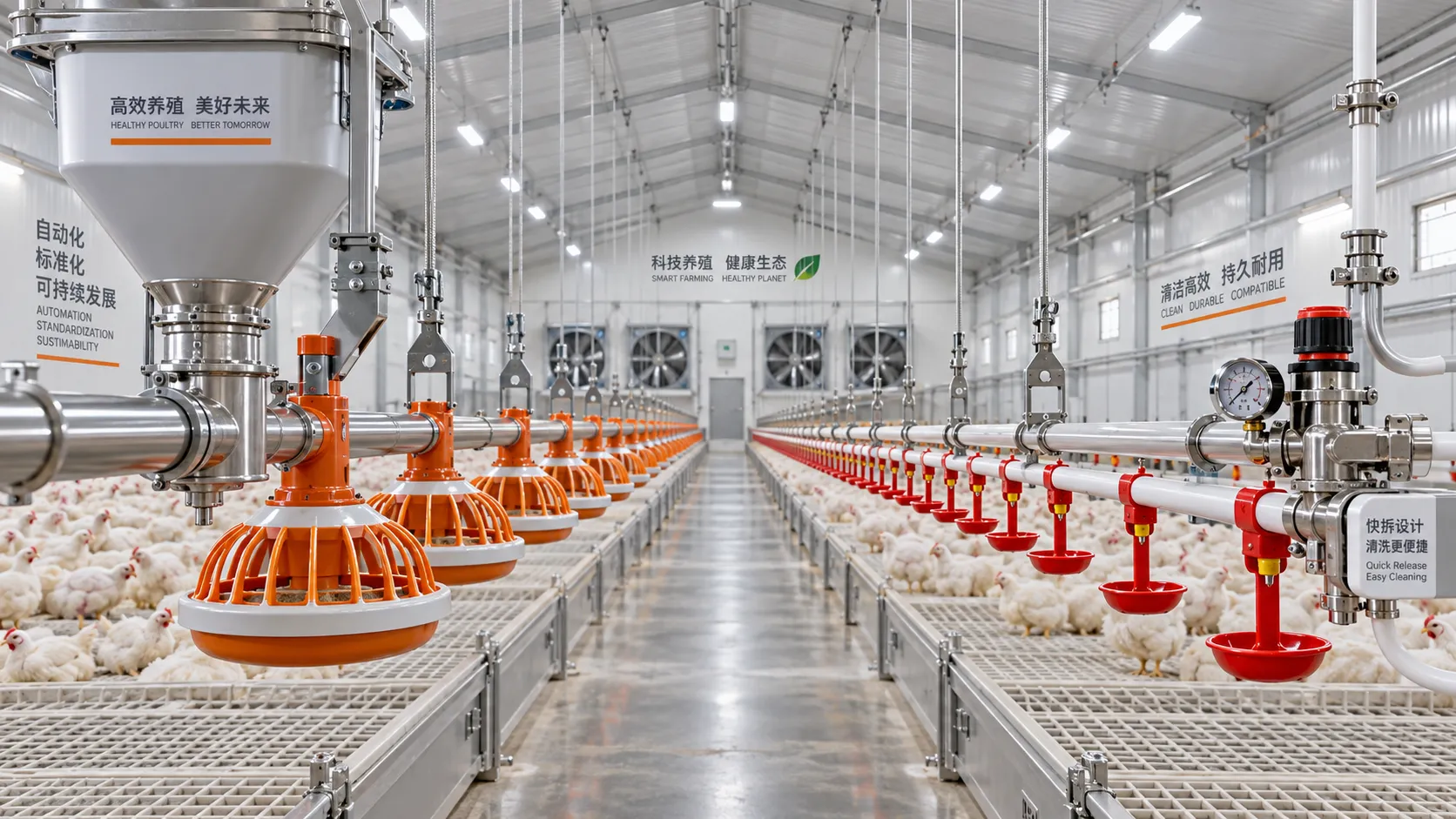
Poultry Equipment Selection: Evaluating Durability, Cleaning, and Compatibility
Poultry equipments selection guide: evaluate durability, cleaning access, and system compatibility to improve hygiene, reduce downtime, and support efficient flock management.
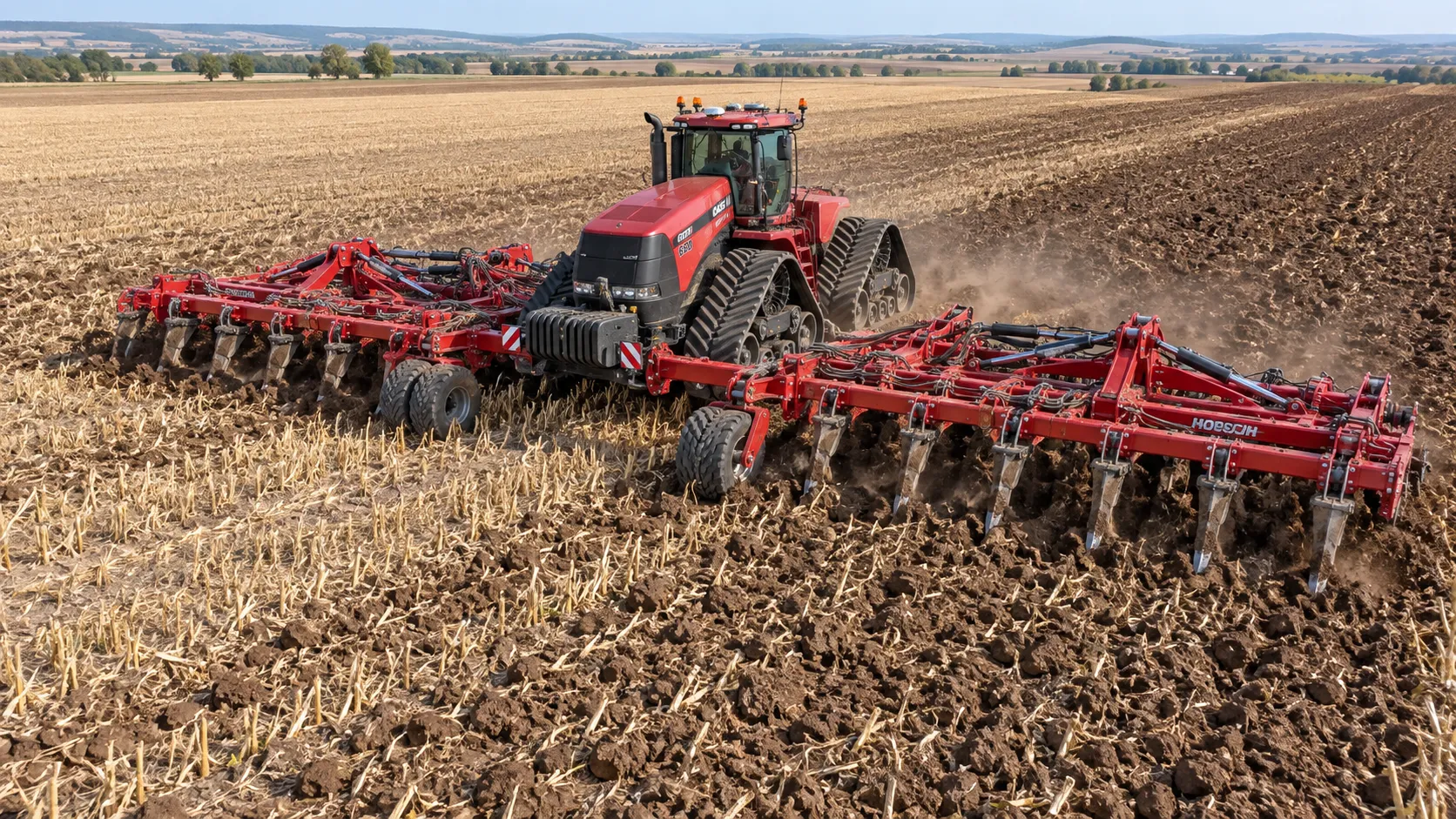
How to Select Heavy-Duty Farm Implements for High-Acreage, High-Horsepower Operations
Heavy duty farm implements: learn how to match draft, hydraulics, hitch capacity, frame strength, and field conditions for reliable high-acreage performance.
Related News
- 00
0000-00
Selecting Real-Time Soil Moisture Sensors for Irrigation Zone Control - 00
0000-00
How Does Climate-Smart Farming Reduce Water Use in Semi-Arid Areas? - 00
0000-00
USDA Rule Takes Effect: Dual FCC and NRCS Approval for Soil Moisture Sensors - 00
0000-00
EU Rule Takes Effect: Soil Moisture Sensors Need Revised CE-EMC Certification - 00
0000-00
How to Choose Wireless Smart Irrigation Systems for Better Water Control
Popular Tags
Hydrological Resource Strategist
Weekly Insights
Stay ahead with our curated technology reports delivered every Monday.