
Why hydrological resource strategists matter in dry seasons
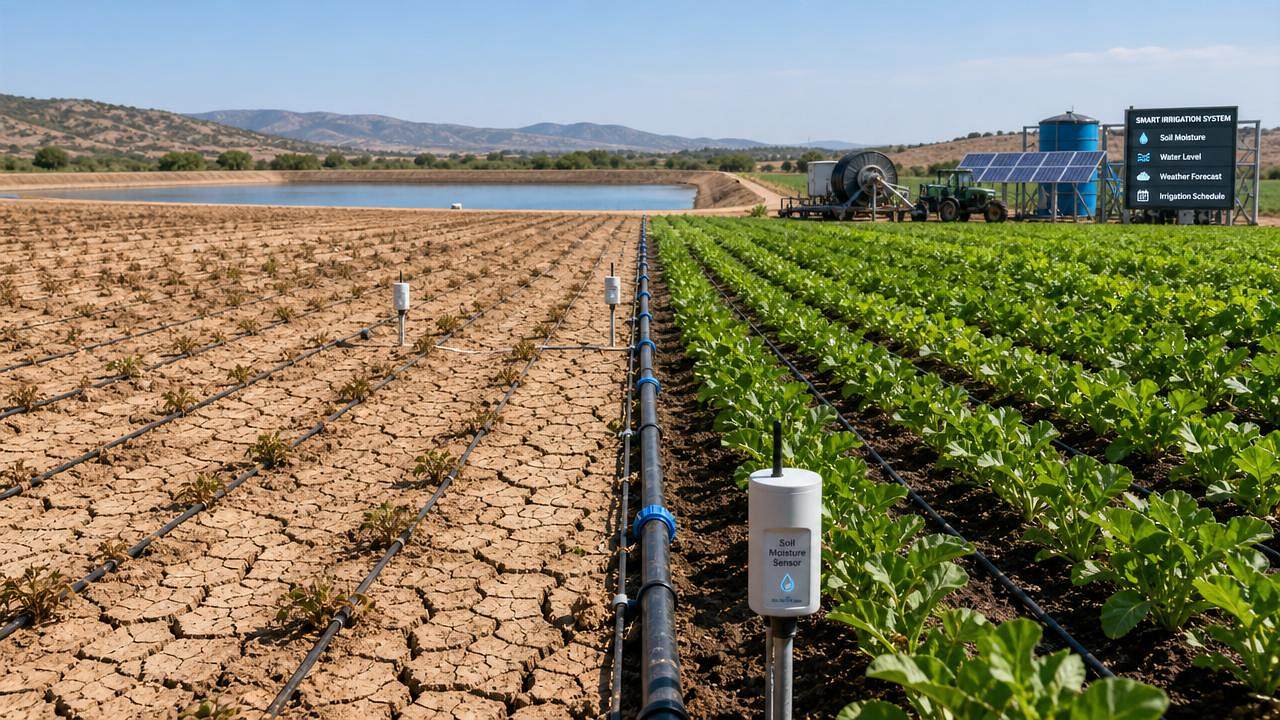




As drought cycles intensify and water efficiency becomes central to farm resilience, hydrological resource strategists are becoming essential across modern agriculture and adjacent sectors.
Their work connects rainfall variability, groundwater limits, irrigation timing, and equipment performance into decisions that protect output and reduce uncertainty.
For intelligence platforms such as AP-Strategy, hydrological resource strategists help translate climate pressure into practical field strategy, asset planning, and long-term food security insight.
Dry seasons are no longer seasonal exceptions
Dry seasons used to be treated as recurring operational challenges. Now they are shaping strategic planning across agriculture, equipment deployment, and water infrastructure.
Rainfall is less predictable. Heat waves arrive earlier. Reservoir recharge is slower. Soil moisture declines faster under higher evaporation pressure.
These shifts make reactive irrigation expensive and unreliable. They also expose weaknesses in machinery scheduling, cropping plans, and field-level water allocation.
This is why hydrological resource strategists matter in dry seasons. They do not merely monitor water. They shape decisions before shortages become losses.
Within Agriculture 4.0, hydrological resource strategists sit between environmental signals and operational action, helping intelligence systems convert data into timing, priorities, and risk controls.
Hydrological pressure is now a strategic signal, not a local inconvenience
The rise of hydrological resource strategists reflects a larger market change. Water stress is no longer only a farm issue. It influences supply stability, equipment demand, and policy direction.
In water-constrained regions, irrigation decisions affect harvest windows, tractor utilization, harvester readiness, and the viability of precision tools.
As a result, hydrological resource strategists increasingly guide how intelligent irrigation systems, sensor networks, and farm equipment are aligned with actual water availability.
For AP-Strategy’s intelligence model, this role is especially relevant because machinery efficiency and irrigation logic must now be evaluated together, not separately.
Visible trend signals across the field economy
- Higher demand for irrigation scheduling based on predictive weather and crop transpiration models.
- Growing interest in water-saving irrigation systems linked with sensor feedback and remote control.
- More investment in drought-resilient equipment planning and lower-loss harvesting coordination.
- Stronger policy pressure around groundwater use, withdrawal reporting, and water productivity.
- Expanded need for strategic intelligence that merges climate, machinery, and field operations.
Why hydrological resource strategists matter in dry seasons becomes clearer under four drivers
The importance of hydrological resource strategists is rising because several forces now reinforce each other across the agricultural value chain.
This combination explains why hydrological resource strategists matter in dry seasons beyond irrigation alone. They help prioritize limited water where it creates the greatest operational return.
Their value sits at the intersection of data, machinery, and crop timing
Hydrological resource strategists work across layers that are often managed separately. That separation is increasingly costly during water stress.
They evaluate watershed conditions, local soil moisture trends, irrigation infrastructure capacity, and field operations at the same time.
This integrated view is critical for environments using large-scale agri-machinery, combine harvesting technology, and intelligent irrigation systems.
Key decision areas they influence
- Irrigation intervals based on crop growth stage and evaporative demand.
- Field prioritization when water delivery cannot serve all parcels equally.
- Equipment scheduling to avoid idle capacity during delayed watering cycles.
- Harvest timing where moisture stress may alter maturity and grain quality.
- Risk mapping for groundwater depletion, runoff limits, or canal disruption.
Because of this range, hydrological resource strategists matter in dry seasons as system coordinators, not narrow technical specialists.
The impact spreads across multiple business links
Water scarcity affects more than crop physiology. It changes commercial assumptions across the wider industry.
When hydrological planning improves, irrigation assets perform better, equipment downtime falls, and field decisions become more predictable.
When planning fails, losses appear in staggered ways through output gaps, stressed machinery usage, and missed harvest opportunities.
Operational effects across the chain
- Intelligent irrigation systems gain value when guided by hydrological resource strategists and verified field data.
- Tractor chassis and power systems are used more efficiently when water access aligns with task sequencing.
- Combine harvesters face fewer timing disruptions when dry-season stress is modeled earlier.
- Precision tools deliver stronger returns when prescriptions reflect actual water constraints.
- Strategic intelligence platforms improve forecast quality when hydrology is integrated with market and machinery signals.
This wider influence is another reason hydrological resource strategists matter in dry seasons for both operational stability and strategic planning.
What deserves closer attention now
The next phase of dry-season strategy will favor organizations that treat hydrology as a decision framework rather than a compliance topic.
Priority focus areas
- Build water intelligence around field variability, not average regional assumptions.
- Link sensor data with operational calendars for planting, spraying, and harvesting.
- Assess irrigation hardware by delivery precision, not only installation scale.
- Track policy changes affecting withdrawal rights, reporting, and seasonal restrictions.
- Model best-case and worst-case water scenarios before peak dry months begin.
- Use hydrological resource strategists to translate raw data into practical thresholds.
These priorities support stronger decisions in environments where precision farming and resource efficiency increasingly define competitiveness.
A practical framework for judging the next dry-season cycle
A useful response starts with a simple question: where will limited water produce the most reliable agronomic and operational value?
Hydrological resource strategists help answer that question with a structured process rather than intuition alone.
This framework shows in practical terms why hydrological resource strategists matter in dry seasons. They turn fragmented observations into repeatable planning logic.
The next advantage belongs to integrated intelligence
The future of agriculture will not be shaped by machinery power alone or by climate data alone. It will depend on how both are coordinated.
That is exactly where hydrological resource strategists create value. They connect water constraints with field execution, equipment efficiency, and resilience planning.
For AP-Strategy, this role fits the wider mission of linking mechanical performance, precision farming algorithms, and sustainability demands through actionable intelligence.
In a dry season, better decisions often matter more than bigger inputs. Hydrological resource strategists help define those decisions before pressure becomes disruption.
A strong next step is to review whether current irrigation, equipment, and climate data are being interpreted together. If not, the intelligence gap may already be the main risk.
Related News
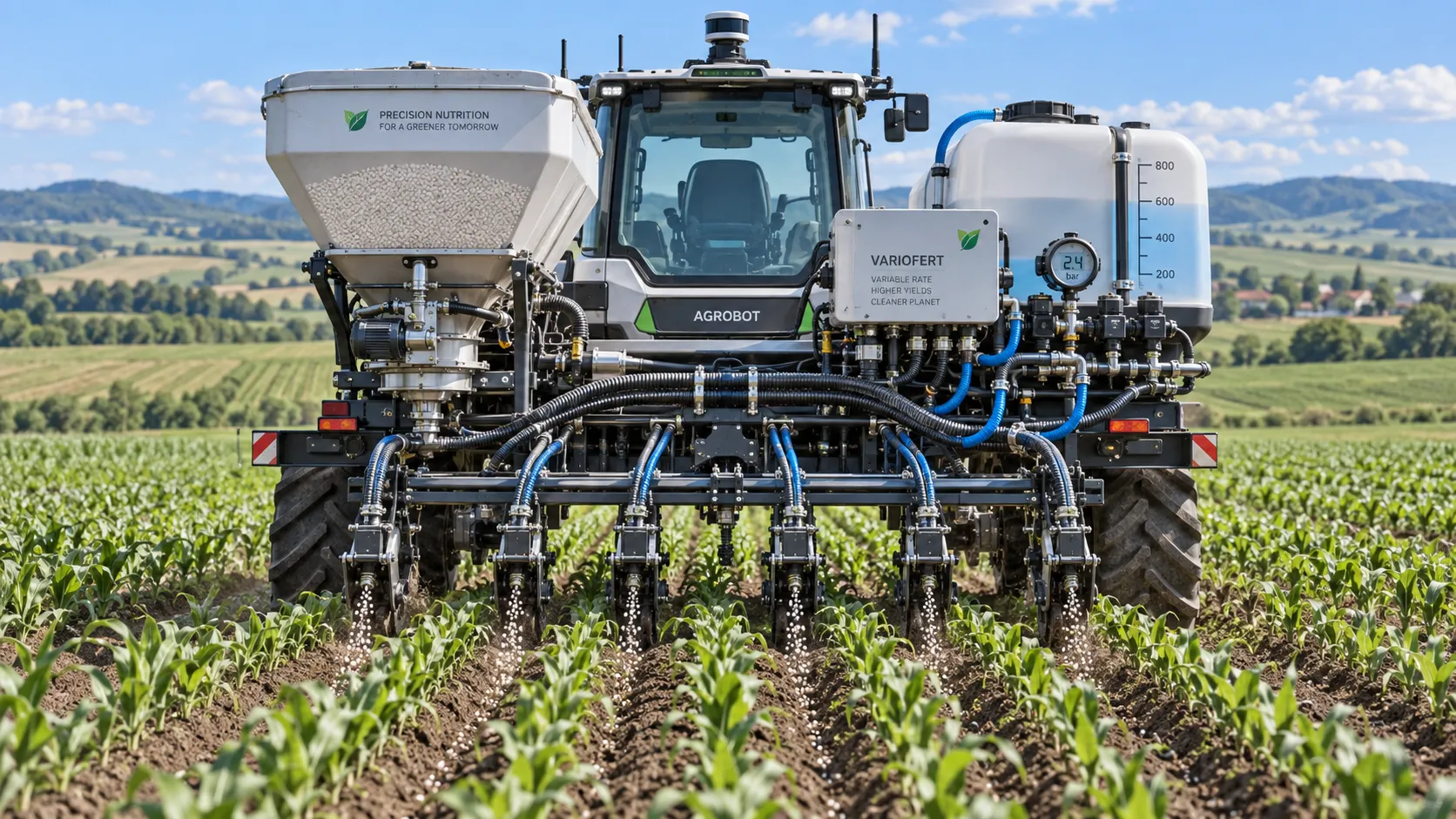
How Sensor Feedback Enables Accurate Variable-Rate Fertilization in Field Conditions
Precision fertilization systems with sensor feedback improve variable-rate accuracy by verifying flow, managing latency, and ensuring reliable field application.
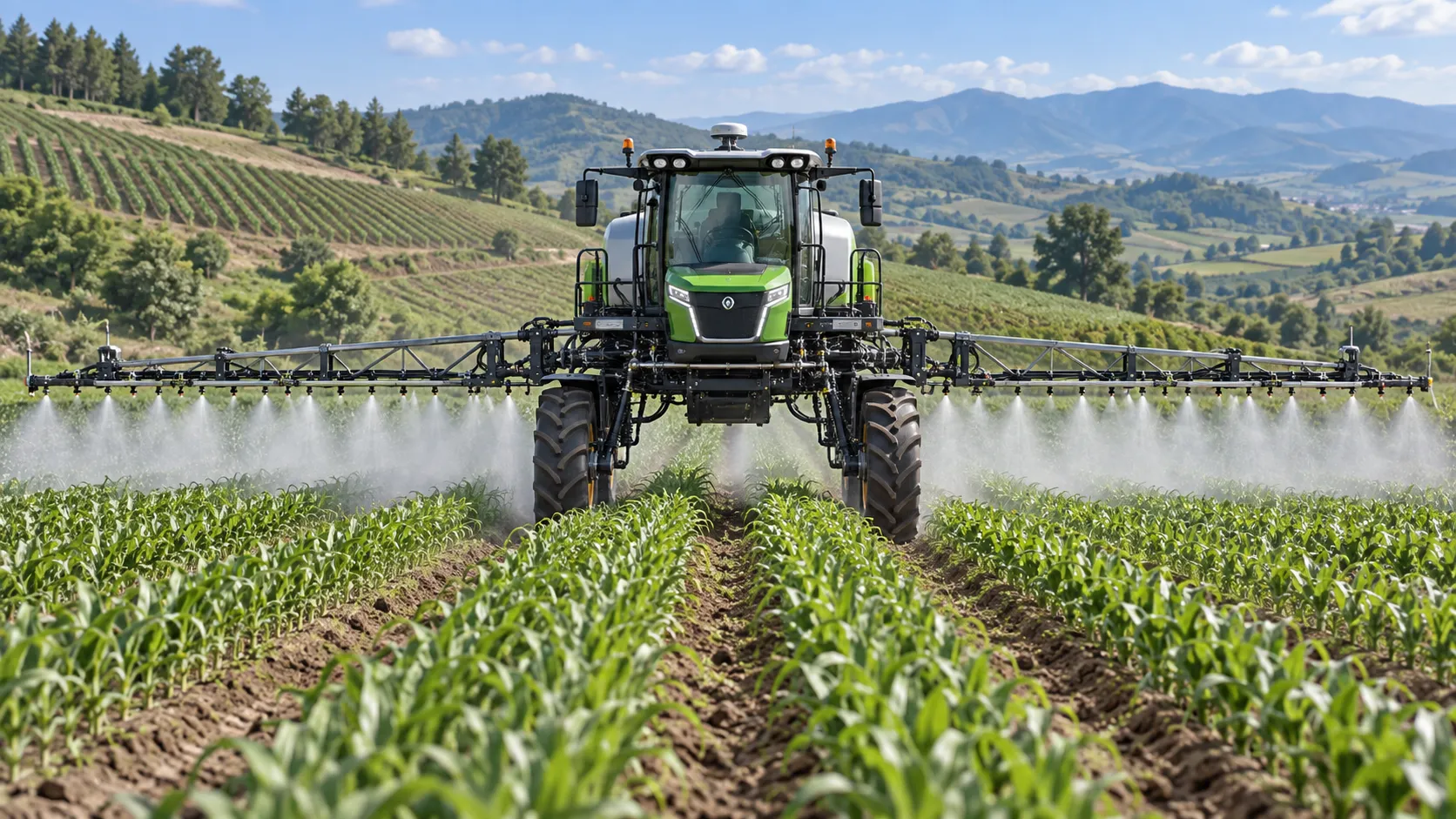
How to Select Precision Crop Protection Equipment for Variable Field Conditions
Precision crop protection equipment selection made simple: compare terrain, canopy, weather, control accuracy, and data workflows for reliable applications.
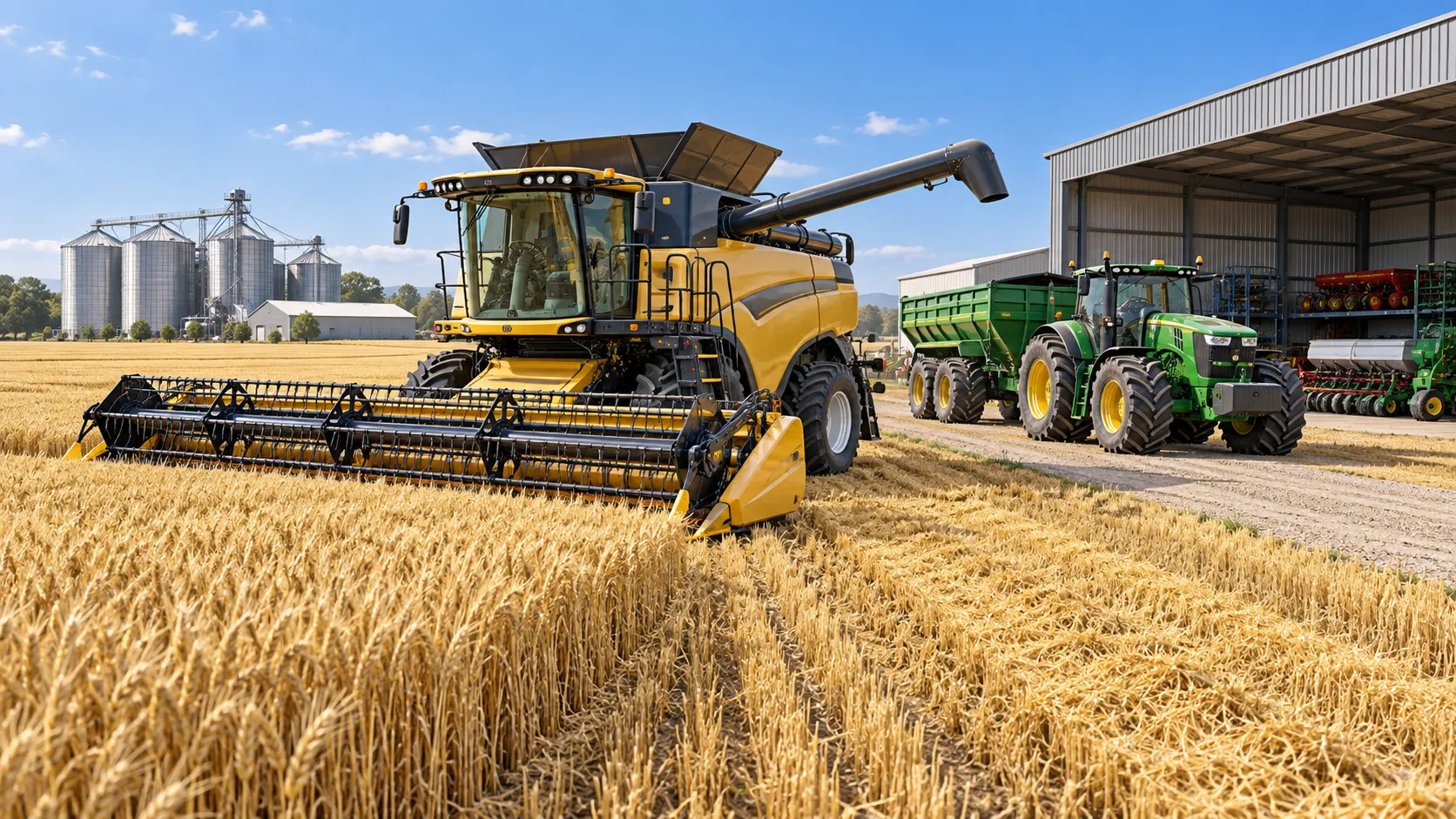
When Does Agricultural Machinery Leasing Cost Less Than Owning Equipment?
Agricultural machinery leasing can lower farm costs when use is seasonal or uncertain. Compare utilization, maintenance, cash flow, and risk to make a smarter equipment decision.
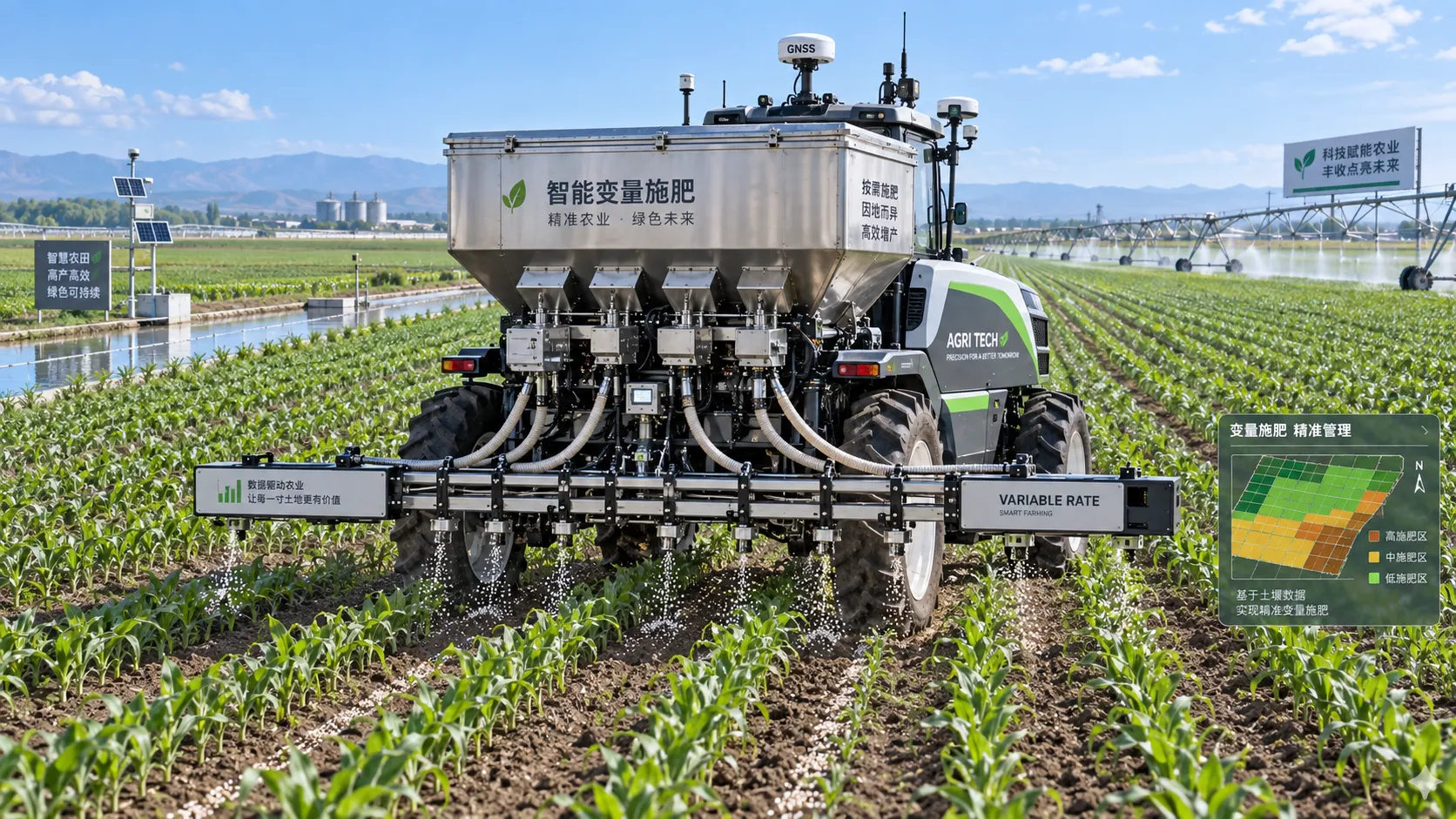
How to Evaluate Precision Fertilization System Suppliers for Farm-Scale Deployment
Precision fertilization systems suppliers: learn how to compare accuracy, integration, uptime, service, and total cost for confident farm-scale deployment.
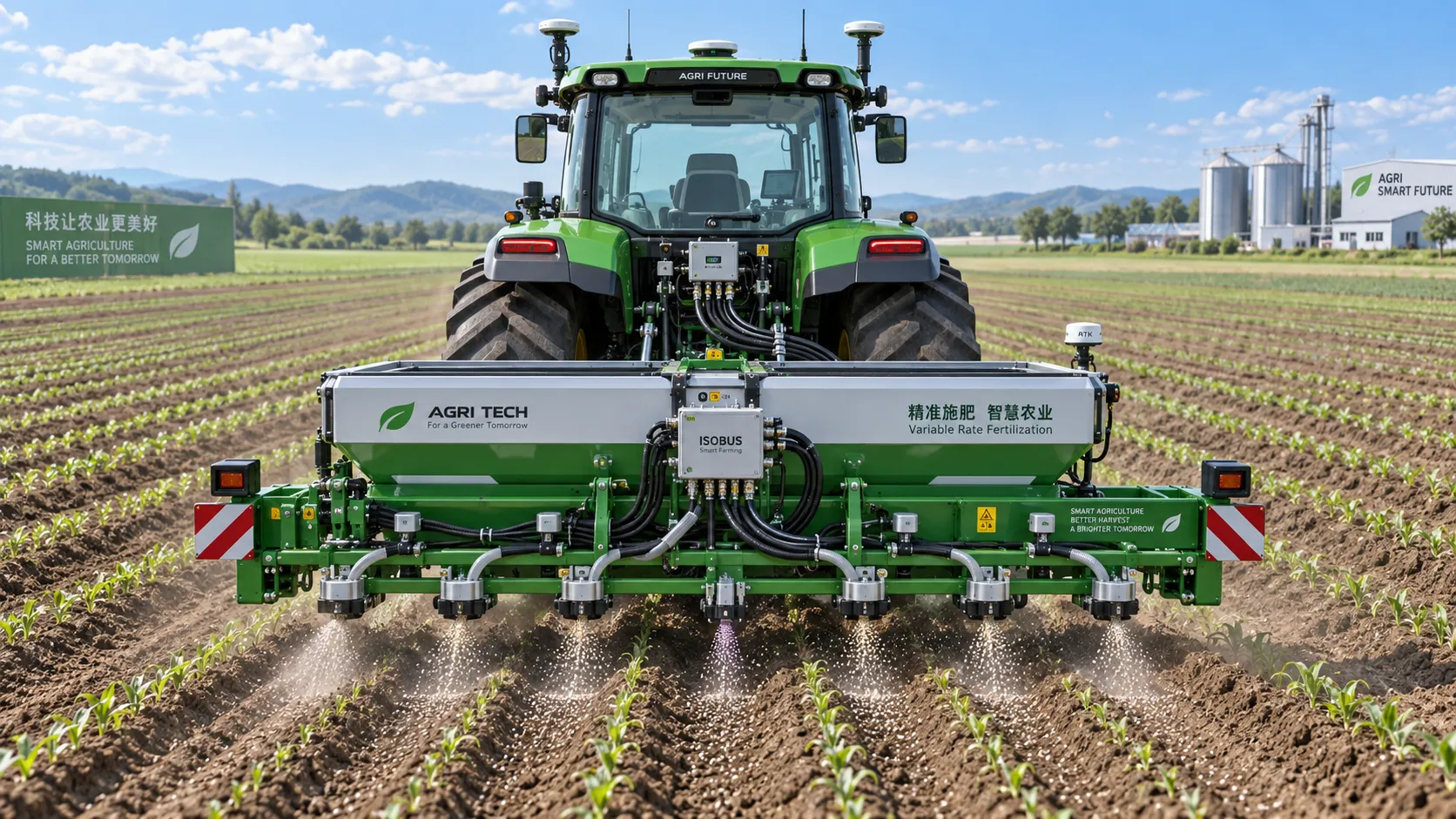
ISOBUS for Smart Agriculture: How It Connects Tractors, Implements, and Farm Data
ISOBUS for smart agriculture connects tractors, implements, terminals, and farm data—helping growers improve precision, documentation, and smarter field decisions.
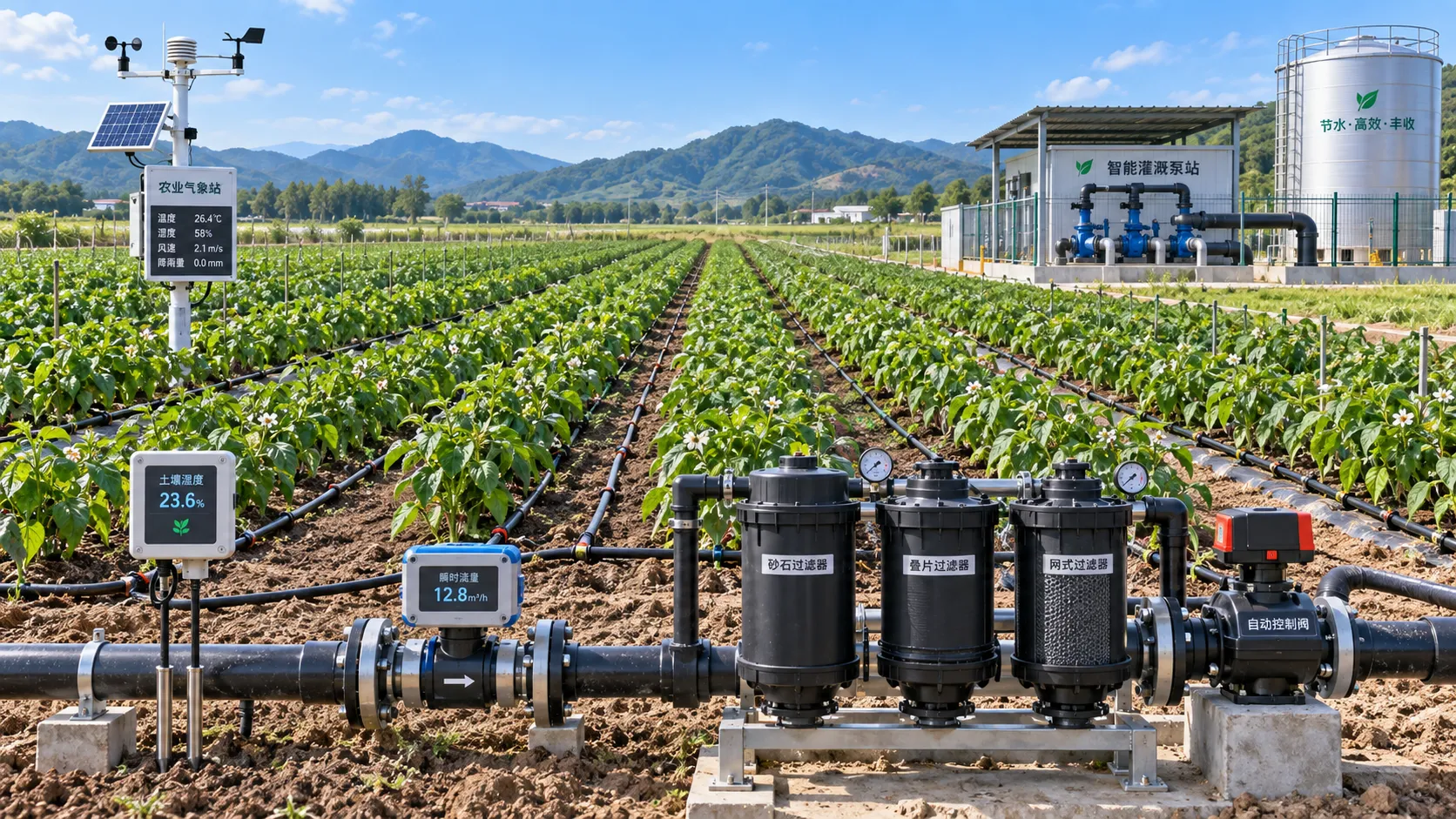
Automated Water-Saving Irrigation: How to Cut Water Use Without Reducing Crop Yields
Automated water-saving irrigation helps farms cut water use, protect crop yields, improve scheduling, and gain reliable control with sensors, flow monitoring, and smart zones.
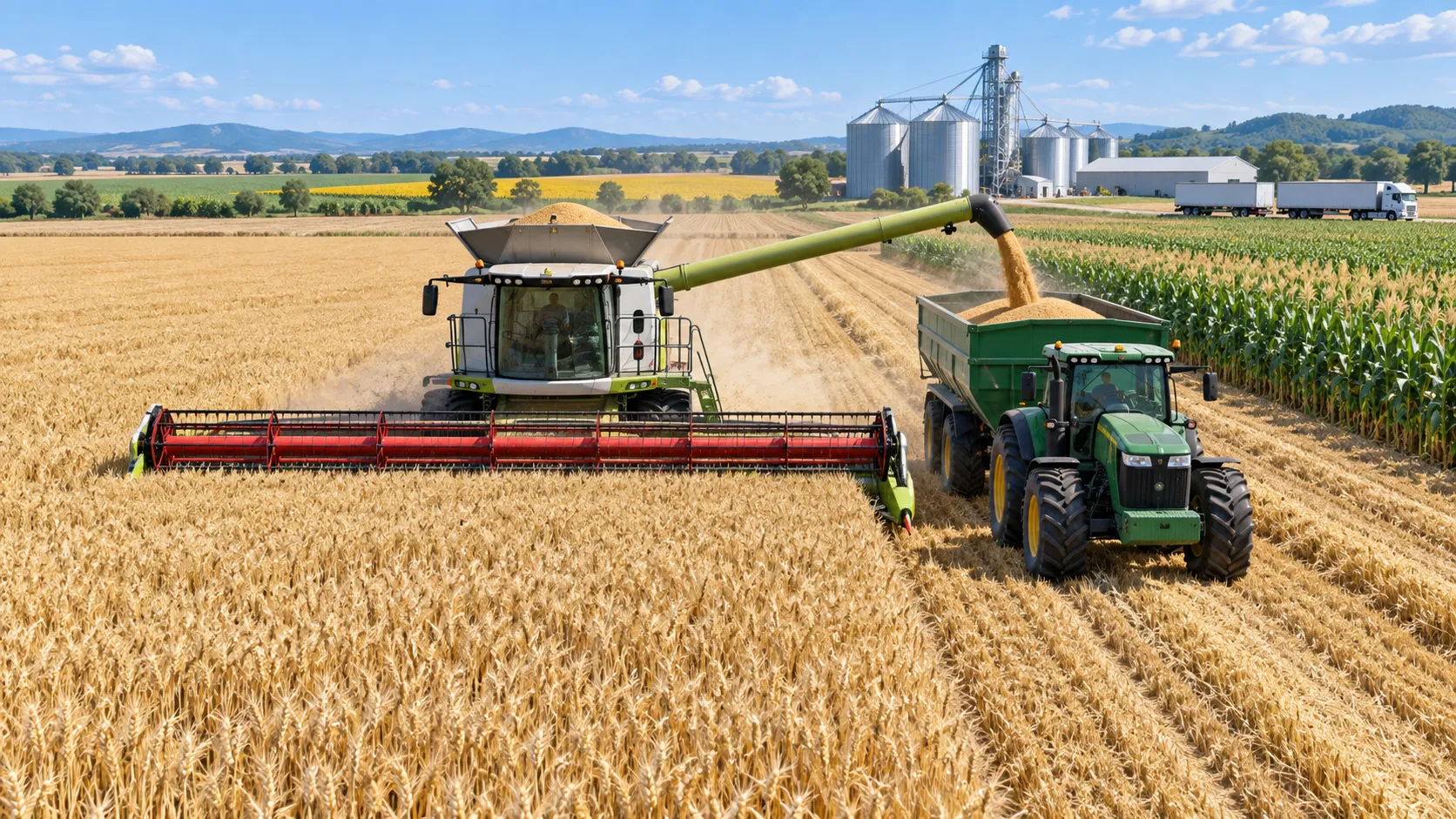
Selecting Grain Farm Equipment by Acreage, Crop Mix, and Harvest Window
Agricultural equipment selection for grain farming: match machinery to acreage, crop mix, and harvest windows to improve uptime, efficiency, and returns.
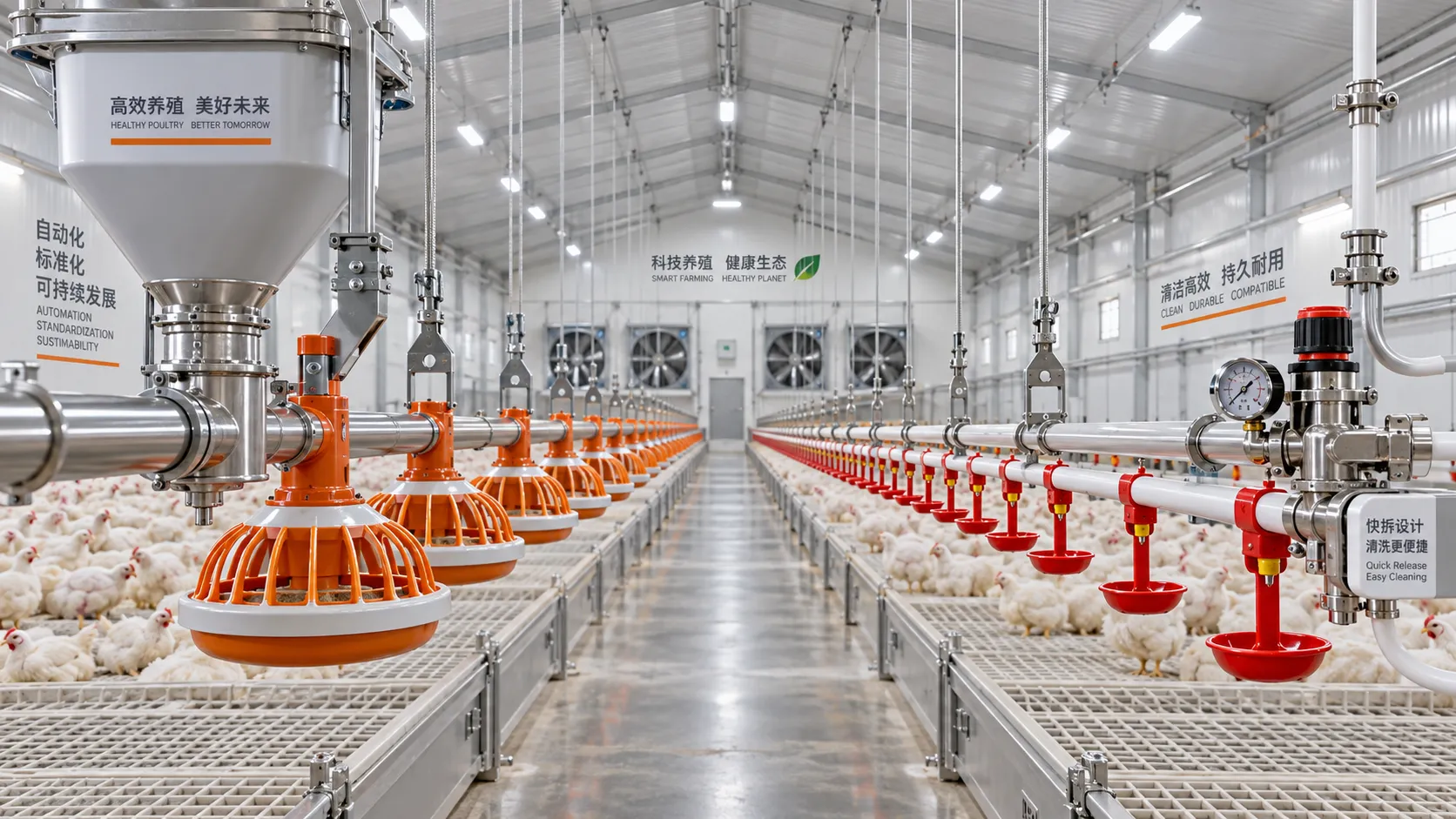
Poultry Equipment Selection: Evaluating Durability, Cleaning, and Compatibility
Poultry equipments selection guide: evaluate durability, cleaning access, and system compatibility to improve hygiene, reduce downtime, and support efficient flock management.
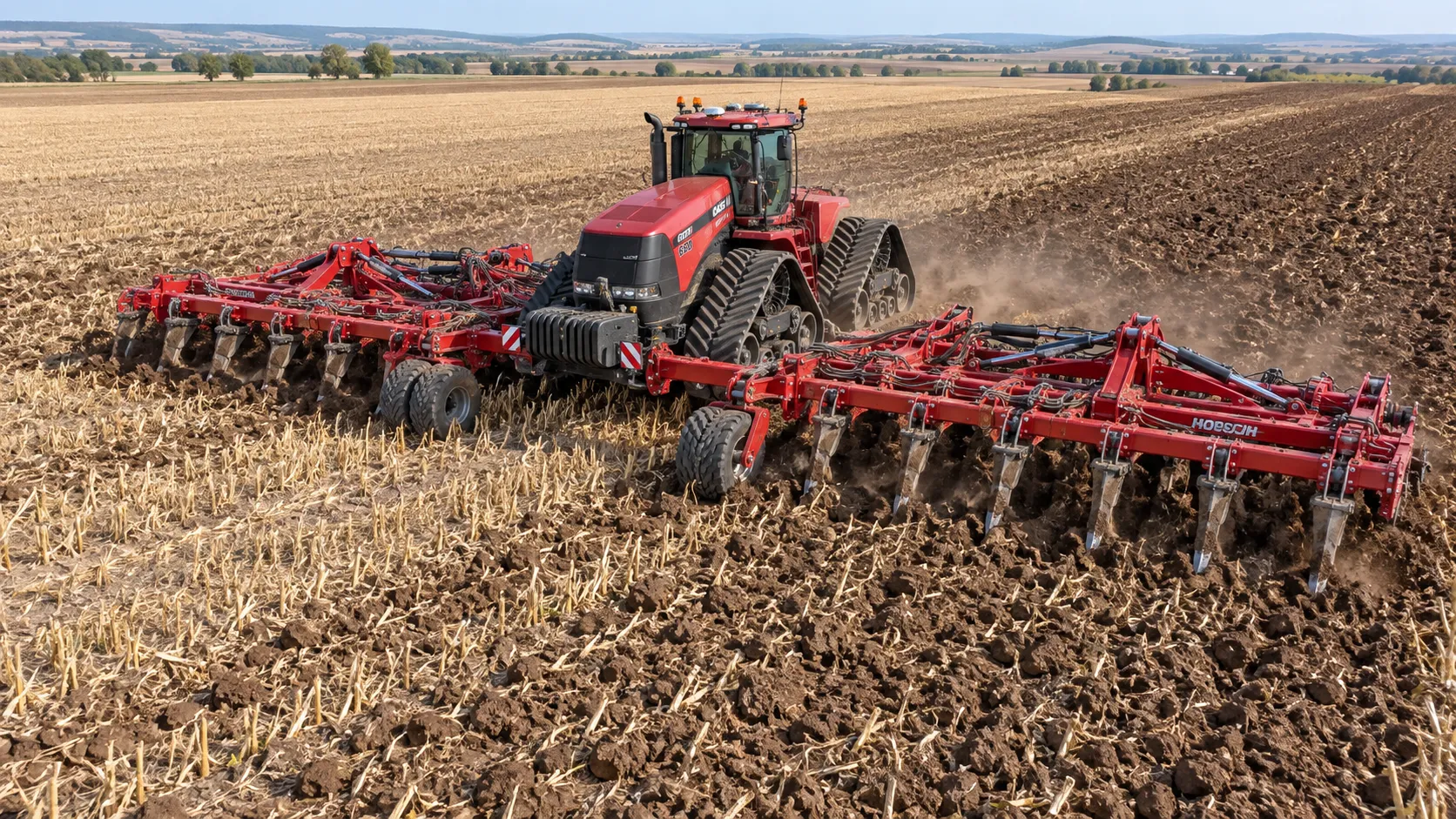
How to Select Heavy-Duty Farm Implements for High-Acreage, High-Horsepower Operations
Heavy duty farm implements: learn how to match draft, hydraulics, hitch capacity, frame strength, and field conditions for reliable high-acreage performance.
Related News
- 00
0000-00
Automated Water-Saving Irrigation: How to Cut Water Use Without Reducing Crop Yields - 00
0000-00
How to Evaluate Drip Irrigation System Manufacturers for Large Farm Projects - 00
0000-00
Wireless Agricultural Automation for Remote Irrigation and Field Monitoring - 00
0000-00
Designing Water-Saving Drip Irrigation Systems for High-Value Orchards - 00
0000-00
How to Choose Irrigation Solutions for Arid Regions Based on Water Source and Crop Needs
Popular Tags
Hydrological Resource Strategist
Weekly Insights
Stay ahead with our curated technology reports delivered every Monday.