
ANVISA Opens Temporary Registration for Chinese Smart Irrigation Water Monitors
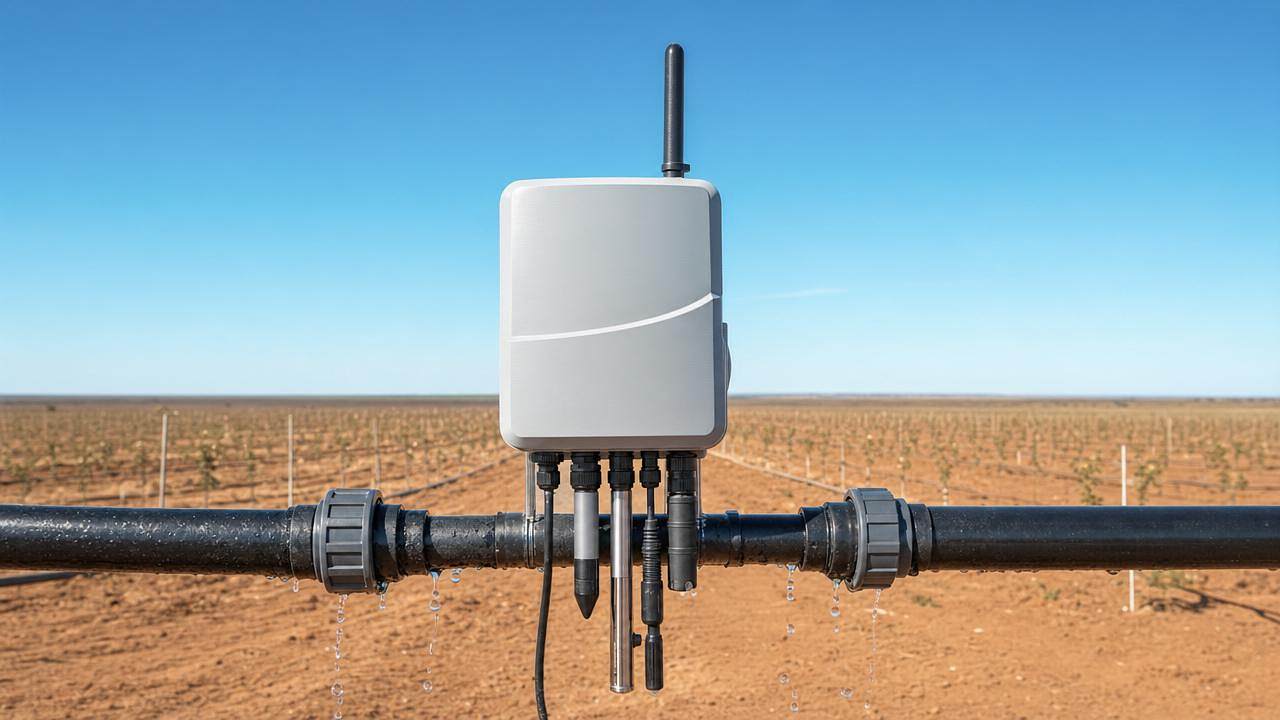




Brasília, May 14, 2026 — Brazil’s National Health Surveillance Agency (ANVISA) has introduced a time-bound regulatory facilitation for imported smart irrigation water quality monitoring devices manufactured in China. Effective immediately, the measure accelerates market access for this class of agri-tech instrumentation in Brazil’s precision agriculture sector — a move widely interpreted as responding to urgent demand for scalable, data-driven irrigation management amid recurring drought stress and tightening water-use regulations.
Event Overview
On May 14, 2026, ANVISA issued Resolution RDC No. 22/2026, establishing an 8-month temporary registration exemption pathway for Chinese-made smart irrigation water quality monitoring instruments. The exemption remains valid until December 31, 2026. Under this provision, eligible devices may undergo customs clearance and commercial distribution in Brazil prior to submission of full Good Manufacturing Practice (GMP) documentation. The policy explicitly names Drip Irrigation Logic’s water sensing modules as among the first beneficiaries.
Industries Affected
This regulatory adjustment impacts multiple segments across the agricultural technology value chain:
Direct Trade Enterprises
Exporters and importers specializing in Chinese agri-sensors face reduced time-to-revenue: the temporary registration bypasses the typical 4–6 month GMP review cycle, compressing total market entry from over 100 days to under 30 days for pre-qualified models. However, compliance liability remains with the local responsible party (representante legal), increasing due diligence requirements on importer-side technical capacity and post-market surveillance readiness.
Raw Material Procurement Firms
Suppliers of critical components — such as optical pH sensors, low-power LoRaWAN transceivers, and corrosion-resistant electrode alloys — may see short-term order volatility. While demand signals strengthen for ANVISA-eligible device configurations, procurement planning must now account for potential rework if final GMP certification requires material substitutions or traceability upgrades not covered under the temporary pathway.
Manufacturing Enterprises
OEMs and contract manufacturers producing water quality monitors for Chinese exporters must align production records and batch documentation with ANVISA’s interim labeling and performance verification expectations — notably including Portuguese-language user manuals, calibration certificate templates, and field-deployable validation protocols. This adds operational granularity without full GMP alignment, creating a transitional compliance layer.
Supply Chain Service Providers
Certification consultants, logistics coordinators, and regulatory affairs outsourcing firms are observing increased demand for ‘bridging support’: services that combine expedited ANVISA filing assistance with parallel GMP gap analysis. Their role shifts from pure submission handling toward risk-mitigated pathway navigation — particularly where clients seek to leverage the temporary window while preparing for full registration renewal beyond December 2026.
Key Considerations and Recommended Actions
Confirm Device Eligibility Against RDC No. 22/2026 Annex I Criteria
Not all water quality monitors qualify. Only devices meeting defined functional scope (real-time measurement of pH, EC, dissolved oxygen, and turbidity in drip irrigation lines), power class (<5W), and wireless communication standards (Sigfox/LoRaWAN Class A) are covered. Firms must verify technical conformity before initiating customs procedures.
Prepare GMP Documentation Concurrently — Not Sequentially
The 8-month window is not a grace period but a parallel track. ANVISA requires full GMP files to be submitted no later than November 15, 2026, to ensure continuity of registration beyond year-end. Delaying GMP preparation risks market withdrawal after December 31, 2026.
Designate a Local Legal Representative with Technical Oversight Capacity
The representative legal must hold documented competence in device performance verification and adverse event reporting per ANVISA Instruction Normative No. 17/2024. Outsourced representatives lacking agri-tech domain experience may introduce compliance blind spots during post-market monitoring.
Editorial Perspective / Industry Observation
Observably, this is not a broad deregulatory shift but a targeted, outcome-oriented intervention — one calibrated to Brazil’s dual priorities: accelerating adoption of water-efficiency technologies while preserving baseline safety oversight. Analysis shows ANVISA is applying a ‘regulatory sandbox’ logic more commonly seen in digital health, now extended to agri-environmental hardware. From an industry perspective, the move signals growing institutional recognition that rigid medical-device frameworks are ill-suited for embedded agri-sensors operating outside human clinical contexts. That said, the narrow scope and fixed expiry suggest ANVISA intends this as a pilot — its extension or expansion will depend heavily on post-market performance data reported between July and December 2026.
Conclusion
This temporary registration mechanism represents a pragmatic recalibration of regulatory engagement — lowering entry friction without compromising accountability. For the global smart irrigation sector, it underscores a broader trend: national regulators increasingly differentiating between high-risk medical diagnostics and lower-risk environmental monitoring tools, even when they share underlying sensor architectures. A rational interpretation is that Brazil is testing a scalable model for fast-tracking climate-resilient agri-tech — one likely to inform similar pathways in Mercosur partner nations by mid-2027.
Source Attribution
Primary source: ANVISA Resolution RDC No. 22/2026, published May 14, 2026, available at www.gov.br/anvisa/rdc-no-22-2026.
Secondary reference: ANVISA Instruction Normative No. 17/2024 (Legal Representative Requirements).
Note: Implementation guidance, eligibility checklists, and GMP submission templates remain pending publication; stakeholders are advised to monitor ANVISA’s Agri-Tech Regulatory Portal for updates through June 2026.
Related News
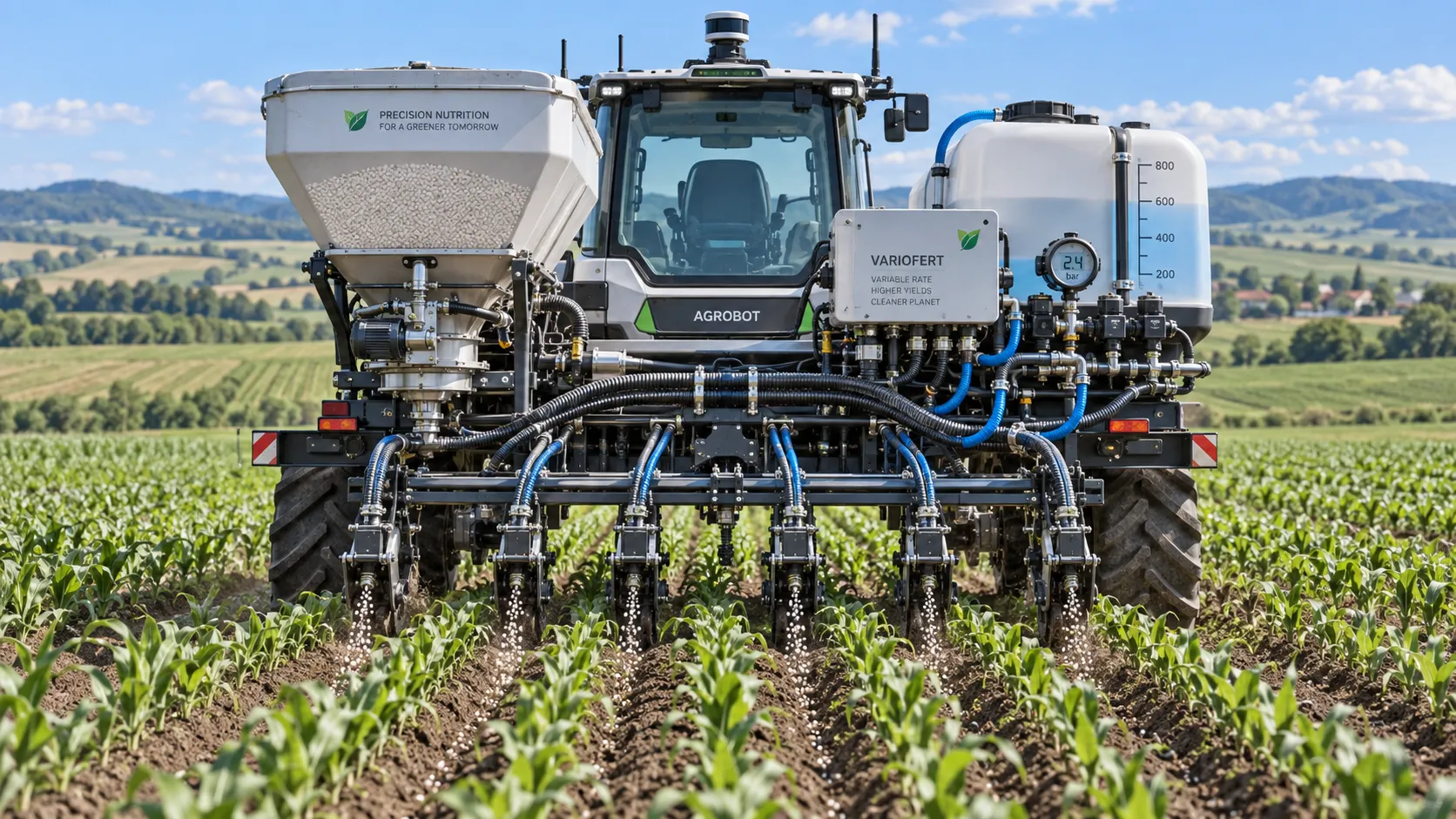
How Sensor Feedback Enables Accurate Variable-Rate Fertilization in Field Conditions
Precision fertilization systems with sensor feedback improve variable-rate accuracy by verifying flow, managing latency, and ensuring reliable field application.
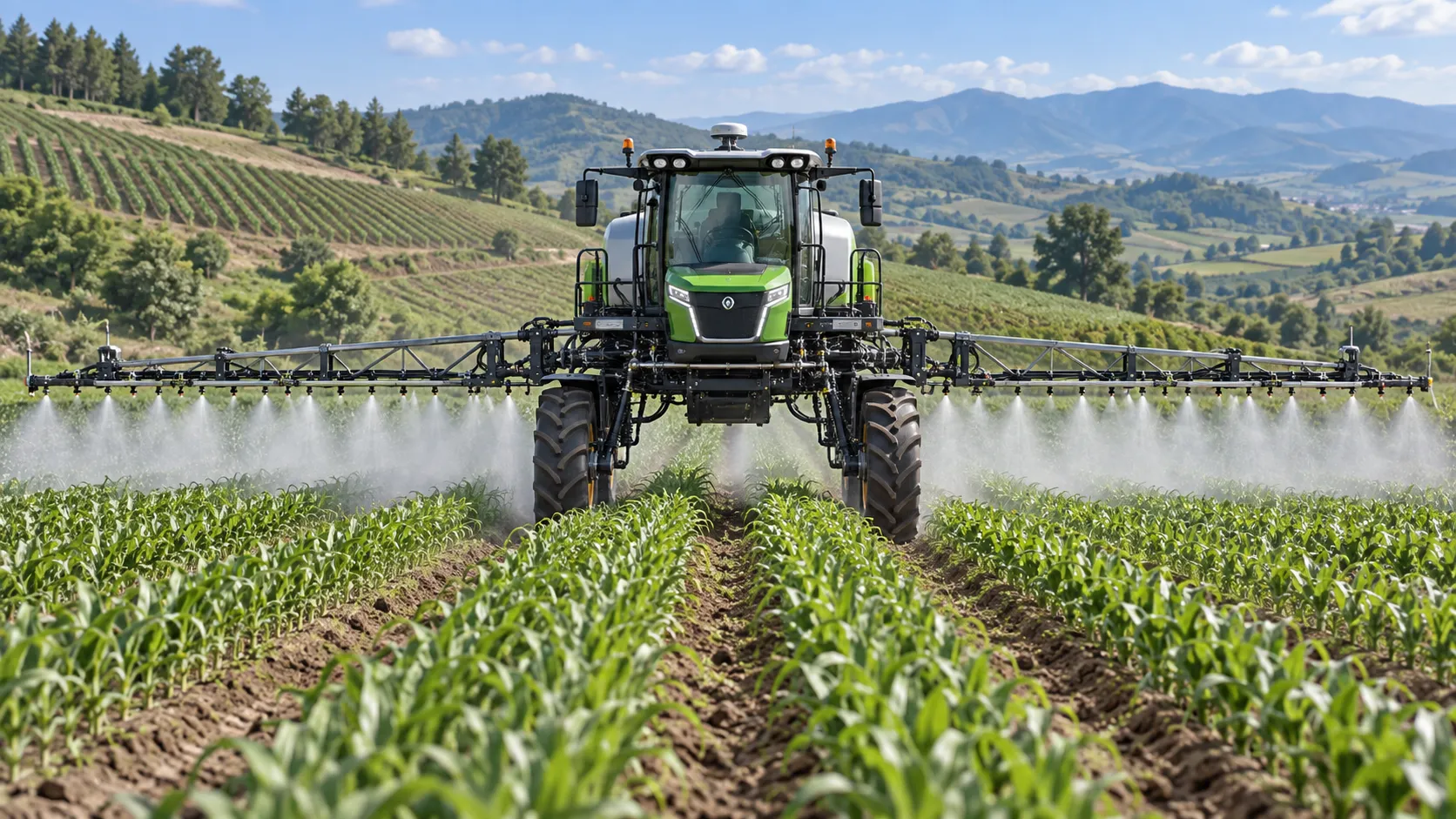
How to Select Precision Crop Protection Equipment for Variable Field Conditions
Precision crop protection equipment selection made simple: compare terrain, canopy, weather, control accuracy, and data workflows for reliable applications.

When Does Agricultural Machinery Leasing Cost Less Than Owning Equipment?
Agricultural machinery leasing can lower farm costs when use is seasonal or uncertain. Compare utilization, maintenance, cash flow, and risk to make a smarter equipment decision.

How to Evaluate Precision Fertilization System Suppliers for Farm-Scale Deployment
Precision fertilization systems suppliers: learn how to compare accuracy, integration, uptime, service, and total cost for confident farm-scale deployment.

ISOBUS for Smart Agriculture: How It Connects Tractors, Implements, and Farm Data
ISOBUS for smart agriculture connects tractors, implements, terminals, and farm data—helping growers improve precision, documentation, and smarter field decisions.
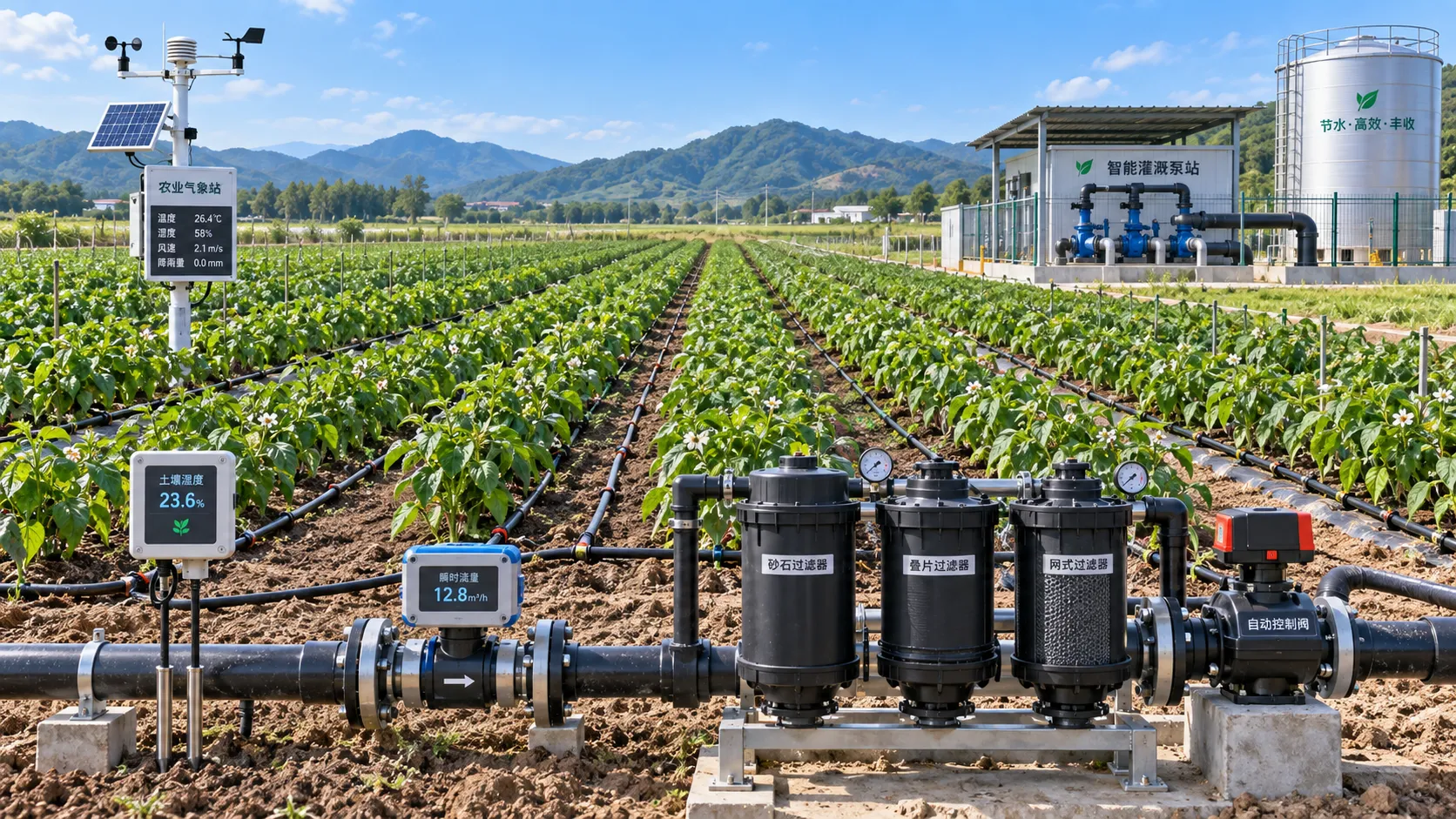
Automated Water-Saving Irrigation: How to Cut Water Use Without Reducing Crop Yields
Automated water-saving irrigation helps farms cut water use, protect crop yields, improve scheduling, and gain reliable control with sensors, flow monitoring, and smart zones.
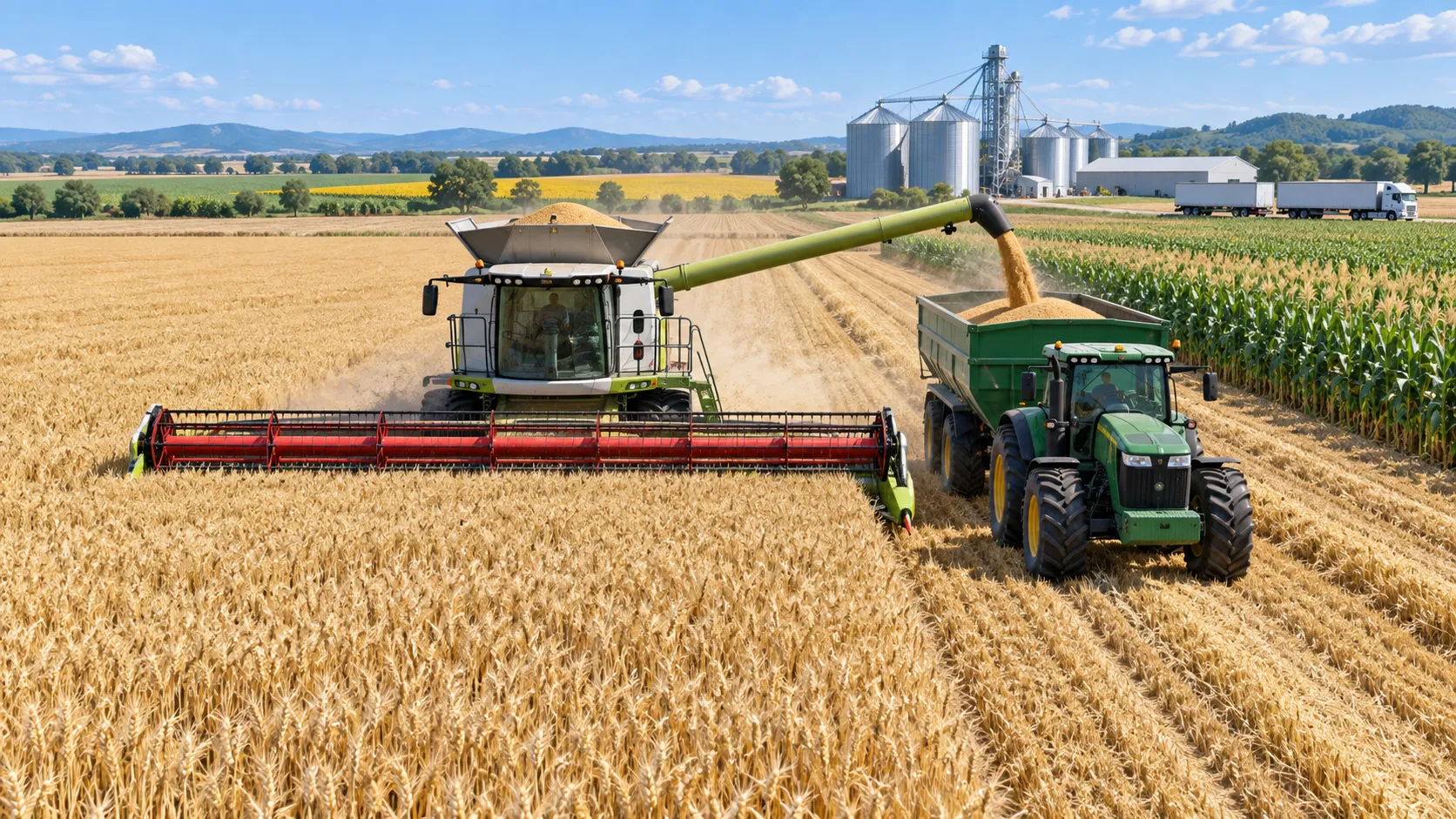
Selecting Grain Farm Equipment by Acreage, Crop Mix, and Harvest Window
Agricultural equipment selection for grain farming: match machinery to acreage, crop mix, and harvest windows to improve uptime, efficiency, and returns.
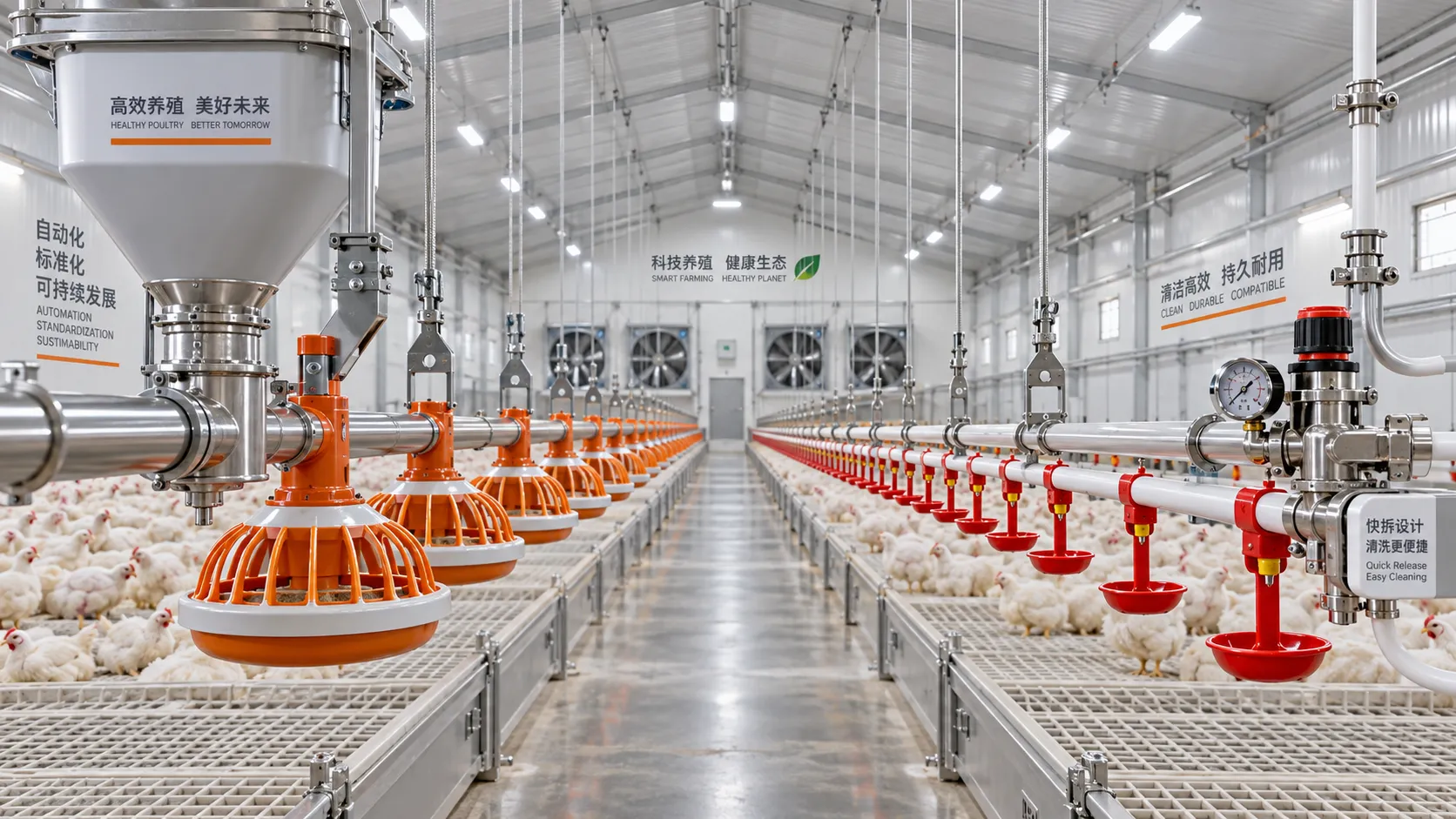
Poultry Equipment Selection: Evaluating Durability, Cleaning, and Compatibility
Poultry equipments selection guide: evaluate durability, cleaning access, and system compatibility to improve hygiene, reduce downtime, and support efficient flock management.
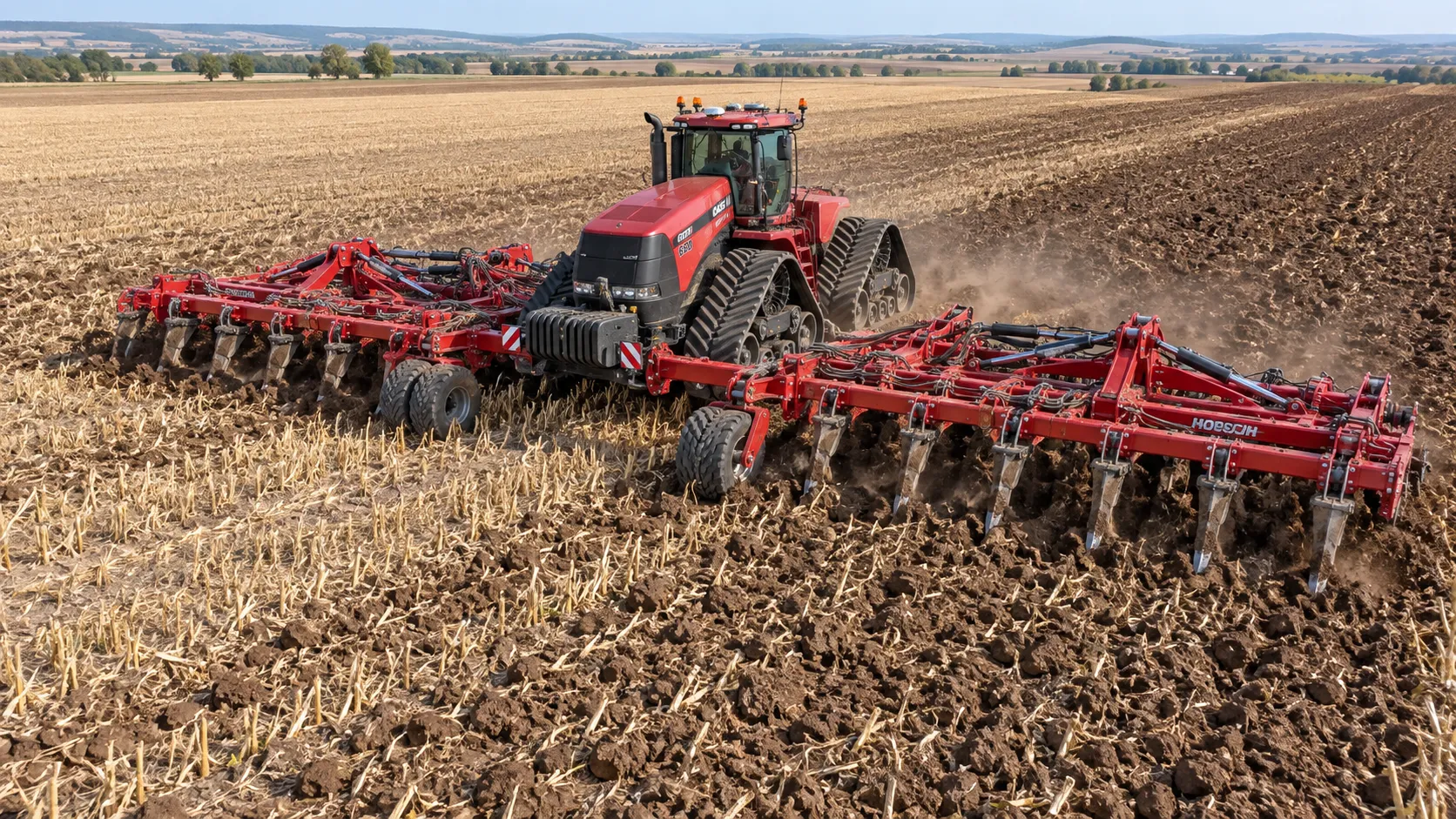
How to Select Heavy-Duty Farm Implements for High-Acreage, High-Horsepower Operations
Heavy duty farm implements: learn how to match draft, hydraulics, hitch capacity, frame strength, and field conditions for reliable high-acreage performance.
Related News
- 00
0000-00
Automated Water-Saving Irrigation: How to Cut Water Use Without Reducing Crop Yields - 00
0000-00
How to Evaluate Drip Irrigation System Manufacturers for Large Farm Projects - 00
0000-00
Wireless Agricultural Automation for Remote Irrigation and Field Monitoring - 00
0000-00
Designing Water-Saving Drip Irrigation Systems for High-Value Orchards - 00
0000-00
How to Choose Irrigation Solutions for Arid Regions Based on Water Source and Crop Needs
Popular Tags
Hydrological Resource Strategist
Weekly Insights
Stay ahead with our curated technology reports delivered every Monday.