
What the global grain market signals for 2026 contracts
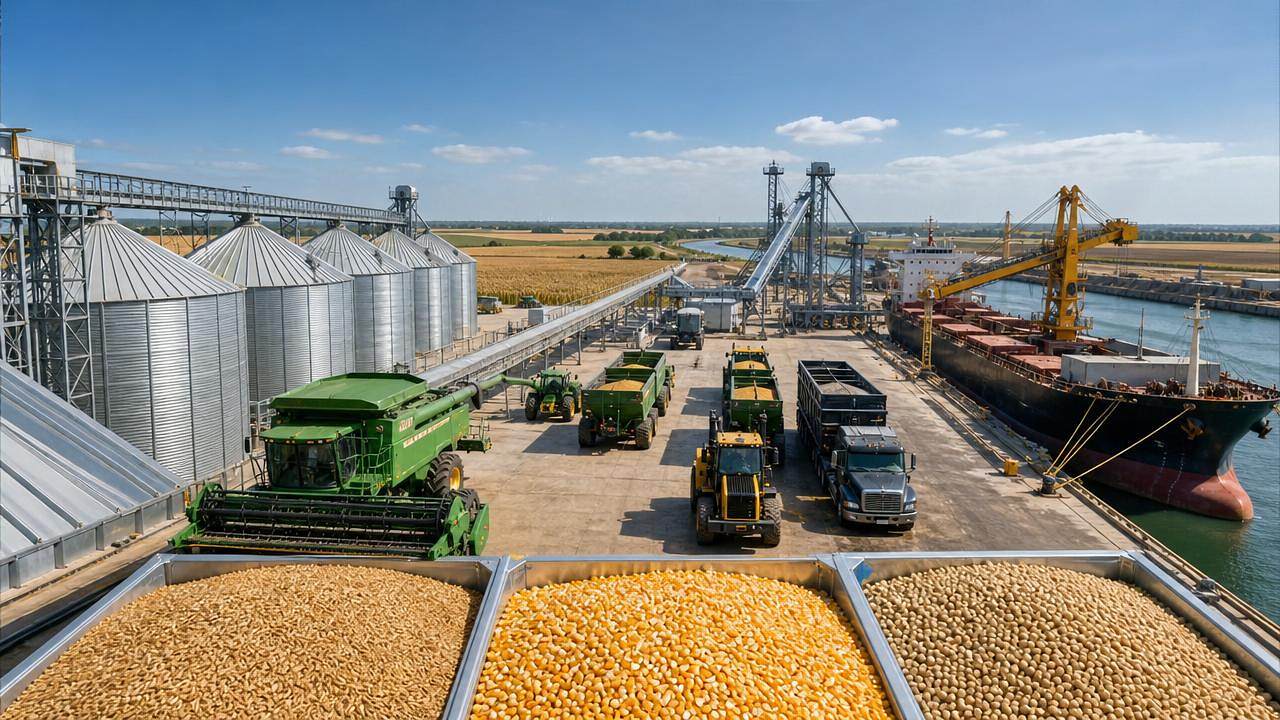




As buyers, traders, and equipment strategists begin pricing risk into 2026 decisions, the global grain market is sending clearer signals than many headline forecasts suggest. From weather volatility and policy shifts to input costs and regional supply resets, these indicators matter far beyond commodity desks. For business evaluators, understanding how the global grain market shapes contract expectations is essential to smarter planning, capital timing, and cross-border agricultural positioning.
What is the global grain market signaling for 2026 contracts right now?
The global grain market is signaling a year of selective tightness, not universal shortage. That distinction matters for 2026 contracts and long-cycle planning.
Wheat, corn, and soybeans are no longer moving in one synchronized direction. Regional weather, logistics, and policy are splitting price behavior.
This means contract expectations should be crop-specific and region-sensitive. Broad commodity assumptions can distort budgeting and inventory timing.
The global grain market also reflects a reset in Black Sea flows, South American competitiveness, and North American yield risk.
For AP-Strategy readers, these signals connect directly to machinery demand, harvest windows, storage use, and irrigation priorities.
- Weather premiums remain embedded in forward pricing.
- Freight and port efficiency still shape export spreads.
- Input cost normalization is uneven across regions.
- Policy intervention risk remains high in strategic grain exporters.
Why does the global grain market matter beyond commodity trading?
The global grain market influences more than futures books. It affects machinery utilization, replacement cycles, financing confidence, and field technology adoption.
When grain price expectations improve, harvest capacity investments become easier to justify. That often supports combine upgrades and higher-spec tractor chassis demand.
When margins tighten, decisions shift toward efficiency. Operators then prioritize precision tools, input optimization, and water-saving irrigation systems.
This is where the global grain market intersects with Agriculture 4.0. Price signals increasingly drive adoption of data-backed field execution.
A weaker revenue outlook often delays fleet expansion. Yet it can accelerate retrofits that reduce fuel use, grain loss, or irrigation waste.
That makes 2026 contract analysis relevant to broader capital allocation, not just grain purchase timing.
Practical cross-sector effects
- Higher crop confidence can support premium harvesting technology purchases.
- Lower expected margins increase demand for precision application tools.
- Drought-linked grain risk strengthens the case for smart irrigation networks.
- Volatile export conditions raise the value of storage and logistics flexibility.
Which indicators should shape 2026 contract judgment most?
Many forecasts overemphasize one variable. The global grain market is better understood through a layered indicator approach.
First, monitor planted area and yield potential separately. Large acreage does not guarantee strong output under unstable weather patterns.
Second, track exporter policy behavior. Taxes, corridor limits, domestic reserve actions, and shipping constraints can move 2026 pricing quickly.
Third, compare fertilizer, diesel, and finance costs with projected farmgate grain values. Margin pressure often changes selling behavior before harvest.
Fourth, watch water conditions. Reservoir levels, groundwater stress, and rainfall distribution increasingly influence the global grain market outlook.
Fifth, evaluate basis and logistics. Port congestion or inland transport weakness can separate local opportunity from global benchmark prices.
Priority indicators for 2026
How do regional differences change the global grain market outlook?
The global grain market is global in price discovery, but local in production risk. Regional divergence is one of the strongest 2026 signals.
North America remains central for corn and wheat expectations, yet weather variability keeps confidence conditional rather than absolute.
South America continues gaining influence through competitive soybean and corn supply. Currency and logistics efficiency can amplify that advantage.
The Black Sea region still matters heavily for wheat. Policy and shipping disruptions there can reprice global contracts within weeks.
Europe faces pressure from climate swings, regulation, and energy-linked costs. Output stability is less predictable than older models assumed.
Asia and the Middle East remain critical demand centers. Import behavior there influences inventory cycles and tender-driven price acceleration.
What this means in practice
A single benchmark cannot capture all 2026 contract risks. Origin diversification is often more valuable than chasing the cheapest nominal price.
The global grain market increasingly rewards flexible sourcing and stronger intelligence on regional harvest timing.
What are the biggest risks and misconceptions around 2026 contracts?
One common mistake is treating recent price softness as proof of lasting abundance. The global grain market can tighten quickly under weather stress.
Another misconception is assuming technology adoption falls when margins weaken. In reality, efficiency tools often gain relevance during margin compression.
A third risk is overreliance on annual averages. Contract outcomes depend on timing, basis behavior, and local delivery conditions.
There is also policy blindness. Export restrictions, environmental compliance shifts, and subsidy adjustments can reshape the global grain market unexpectedly.
Finally, some plans ignore water. Yet irrigation reliability may determine whether expected acreage converts into marketable grain volume.
Risk reminder checklist
- Do not confuse large stocks with easy deliverability.
- Do not ignore local basis and freight spreads.
- Do not separate grain outlook from water availability.
- Do not assume all regions respond equally to input cost relief.
How should 2026 planning respond to the global grain market now?
The strongest response is not prediction alone. It is structured preparation around several possible grain price and supply paths.
Build scenarios using crop outlook, water stress, logistics exposure, and policy risk. Then connect each scenario to capital and sourcing decisions.
For field operations, prioritize technologies that protect output under uncertainty. That includes low-loss combines, precise tractor control, and sensor-guided irrigation.
For commercial planning, stagger commitments instead of concentrating all decisions at one price level. Flexibility usually outperforms certainty theater.
For intelligence workflows, monitor regional crop health, moisture patterns, and export corridors continuously. The global grain market now reprices faster than traditional planning cycles.
Suggested action framework
FAQ: What are the most useful quick answers about the global grain market and 2026 contracts?
The global grain market is not offering a simple 2026 message. It is offering a more valuable one: volatility will be selective, regional, and operationally important.
That is why better decisions now depend on integrated intelligence. Grain outlook, machinery efficiency, and irrigation resilience should be assessed together.
AP-Strategy’s intelligence approach is built for exactly this connection. Use the global grain market as a decision signal, not just a headline trend.
The next practical step is clear: map 2026 scenarios by crop, origin, water exposure, and equipment response. That is where stronger positioning begins.
Related News
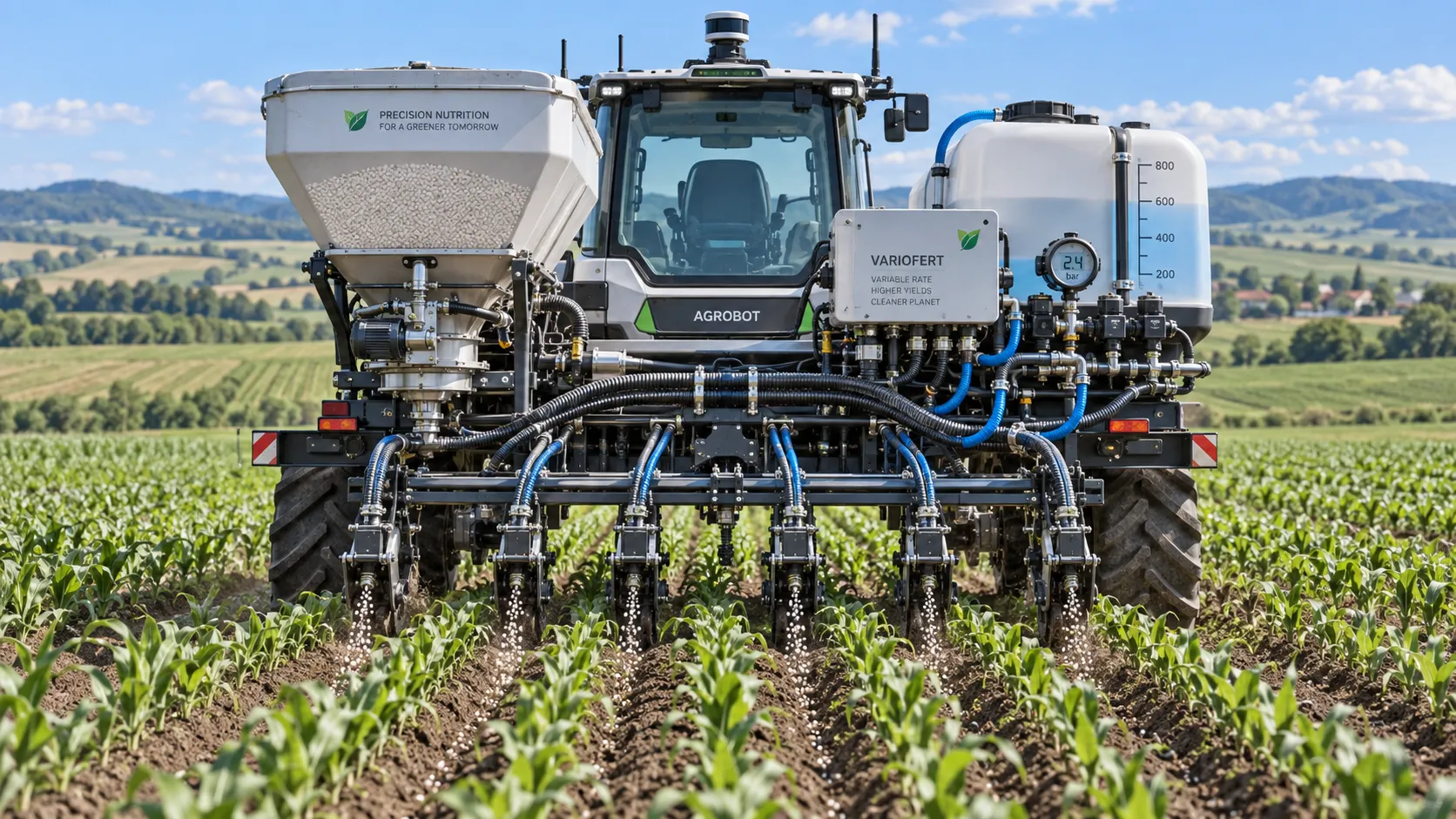
How Sensor Feedback Enables Accurate Variable-Rate Fertilization in Field Conditions
Precision fertilization systems with sensor feedback improve variable-rate accuracy by verifying flow, managing latency, and ensuring reliable field application.
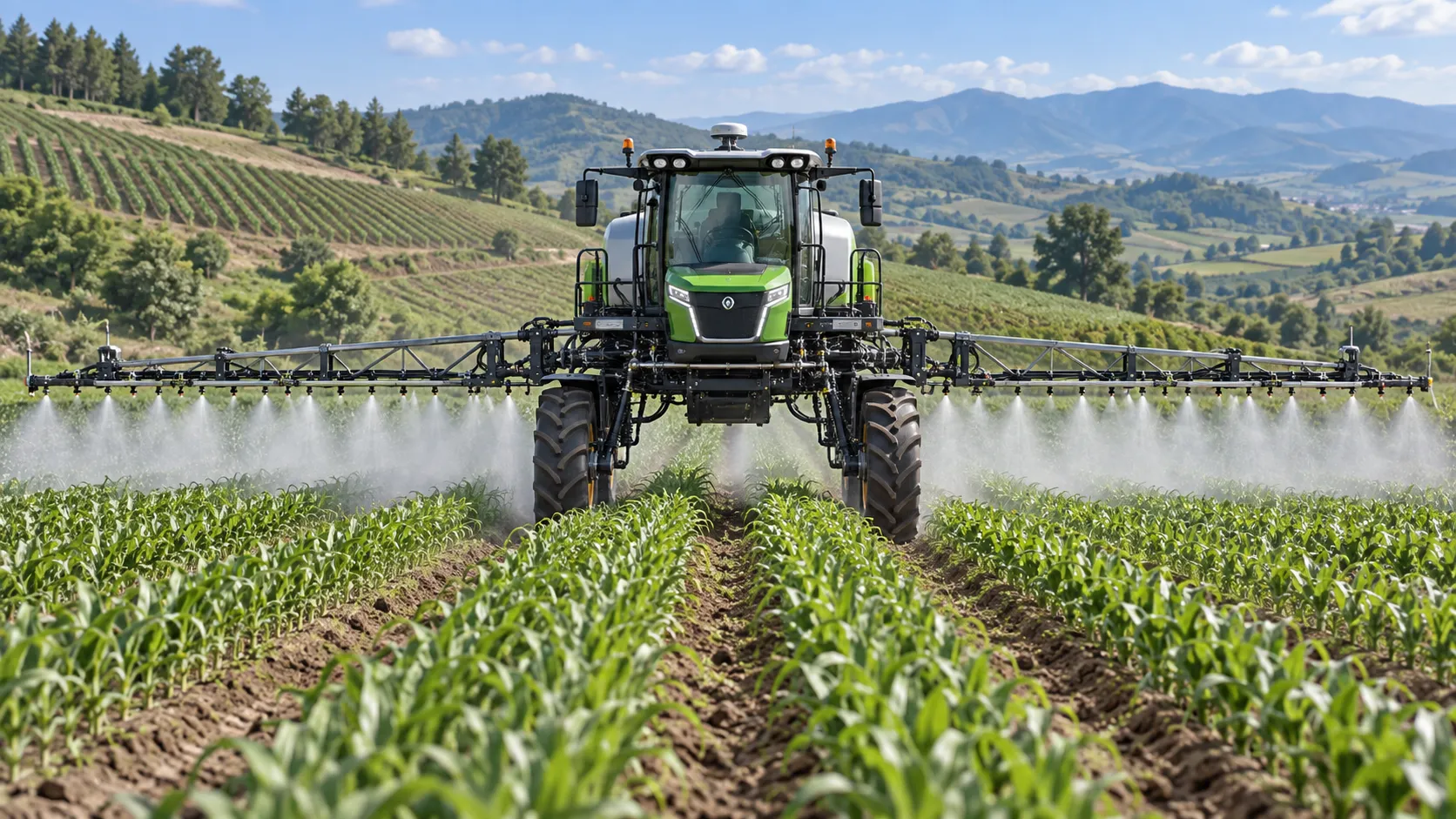
How to Select Precision Crop Protection Equipment for Variable Field Conditions
Precision crop protection equipment selection made simple: compare terrain, canopy, weather, control accuracy, and data workflows for reliable applications.

When Does Agricultural Machinery Leasing Cost Less Than Owning Equipment?
Agricultural machinery leasing can lower farm costs when use is seasonal or uncertain. Compare utilization, maintenance, cash flow, and risk to make a smarter equipment decision.

How to Evaluate Precision Fertilization System Suppliers for Farm-Scale Deployment
Precision fertilization systems suppliers: learn how to compare accuracy, integration, uptime, service, and total cost for confident farm-scale deployment.
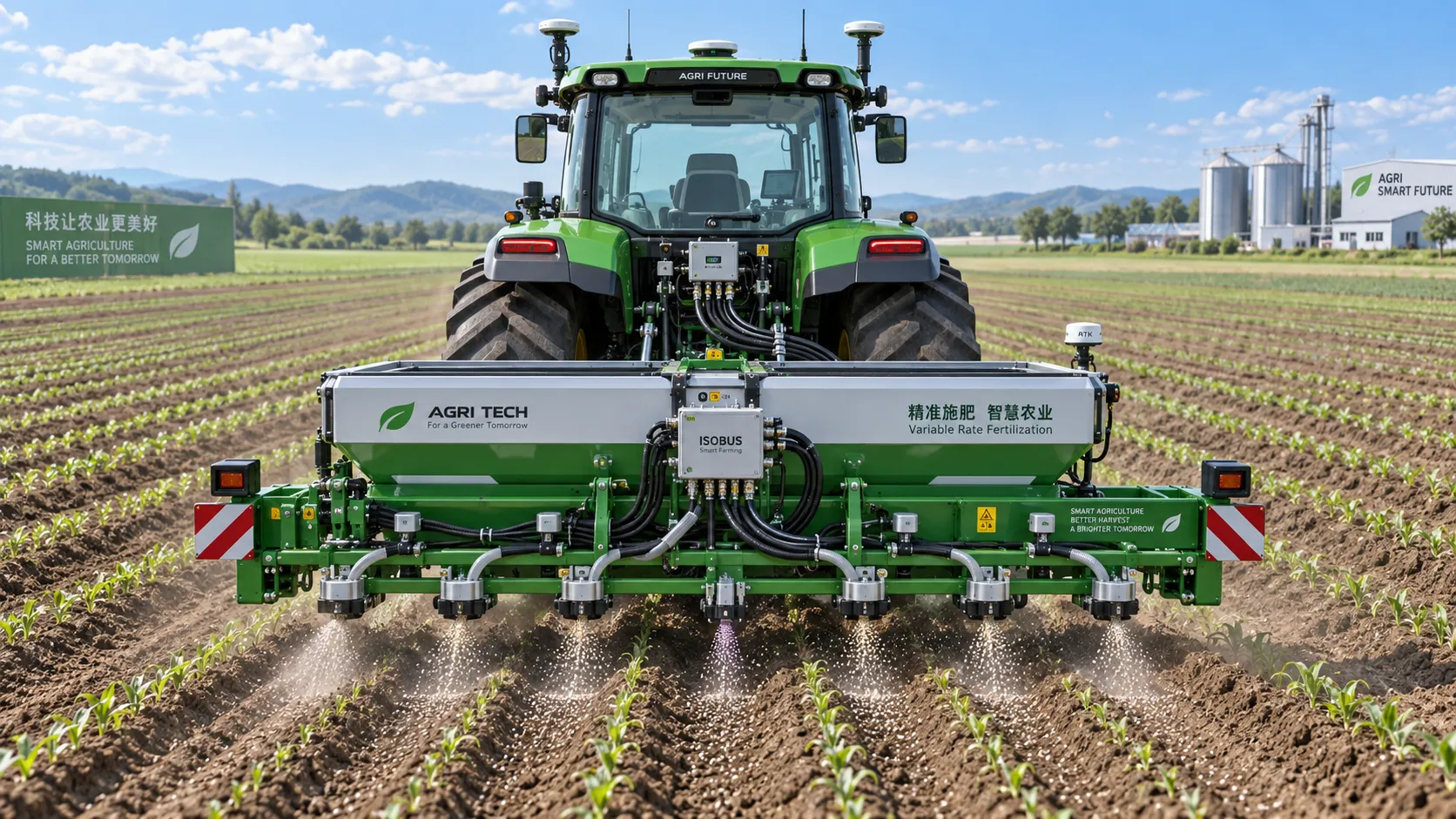
ISOBUS for Smart Agriculture: How It Connects Tractors, Implements, and Farm Data
ISOBUS for smart agriculture connects tractors, implements, terminals, and farm data—helping growers improve precision, documentation, and smarter field decisions.
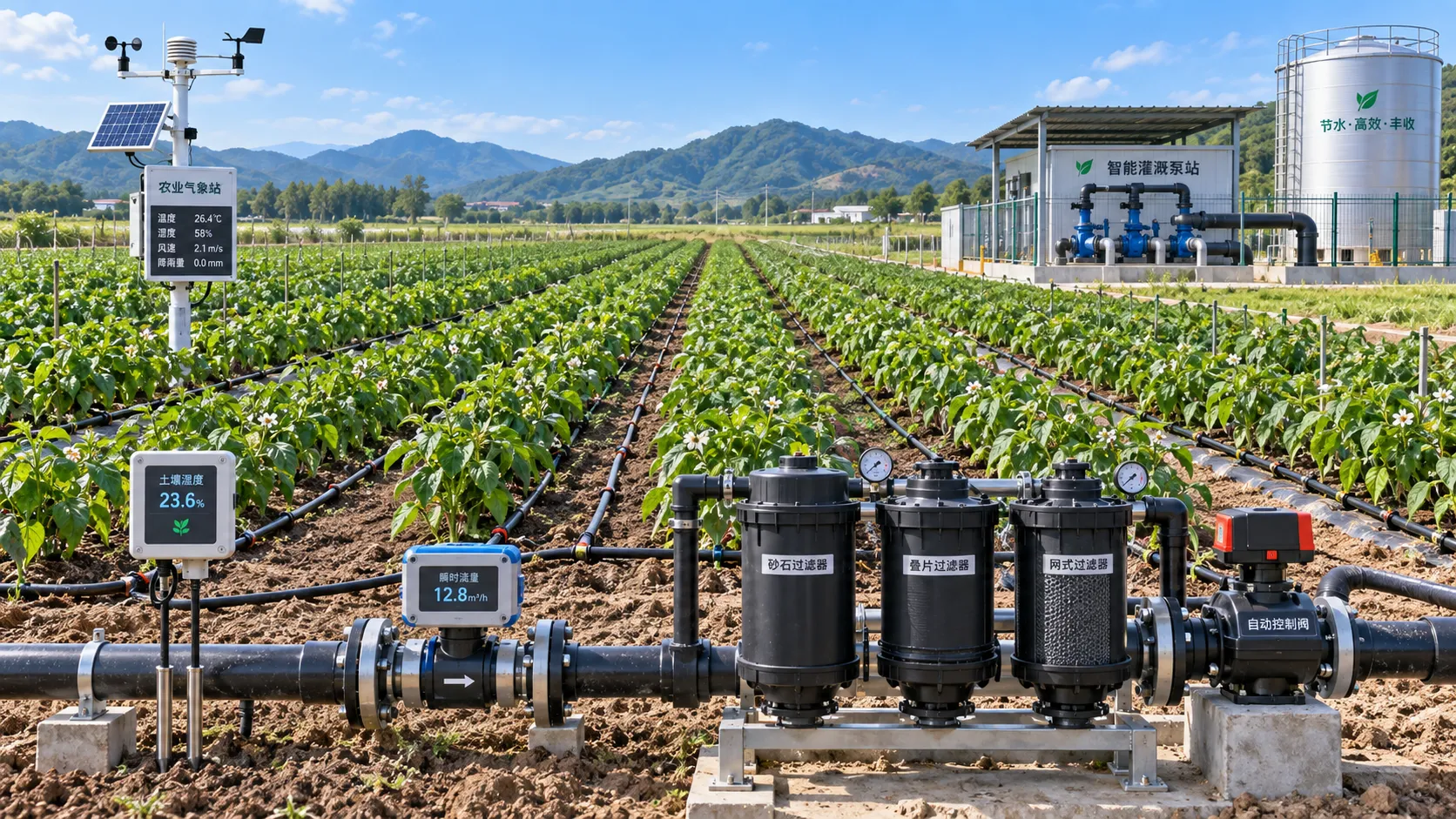
Automated Water-Saving Irrigation: How to Cut Water Use Without Reducing Crop Yields
Automated water-saving irrigation helps farms cut water use, protect crop yields, improve scheduling, and gain reliable control with sensors, flow monitoring, and smart zones.
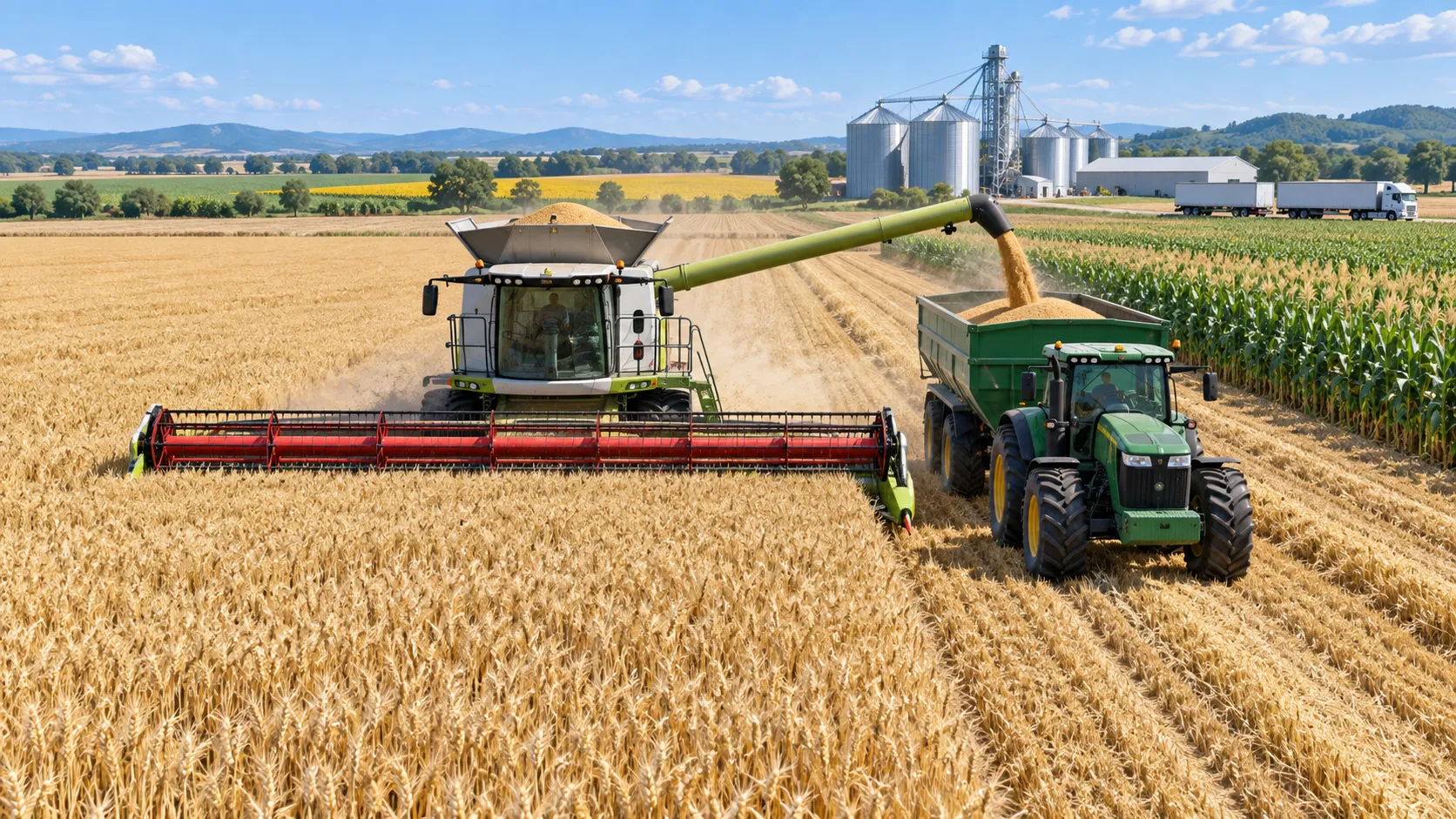
Selecting Grain Farm Equipment by Acreage, Crop Mix, and Harvest Window
Agricultural equipment selection for grain farming: match machinery to acreage, crop mix, and harvest windows to improve uptime, efficiency, and returns.
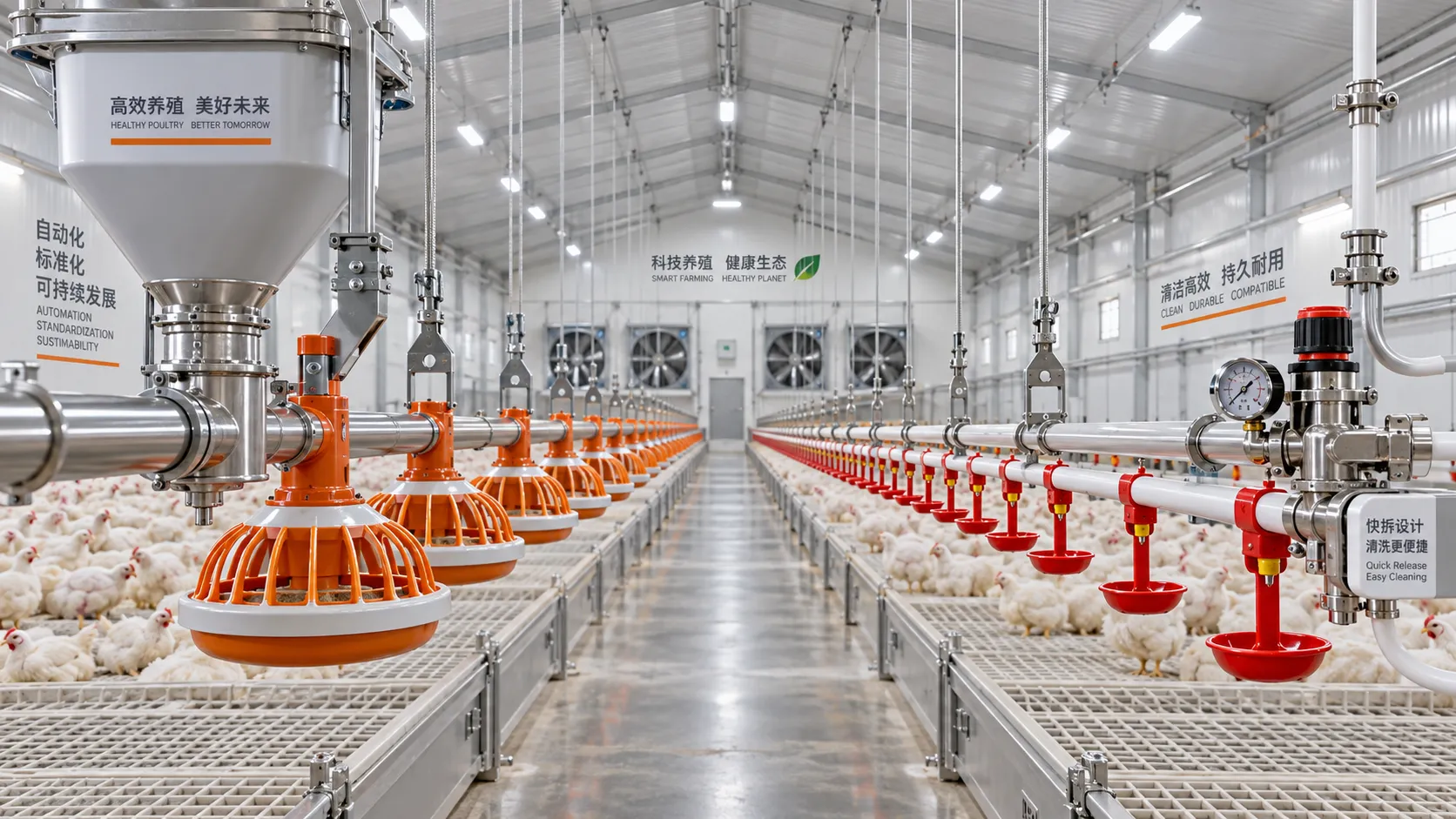
Poultry Equipment Selection: Evaluating Durability, Cleaning, and Compatibility
Poultry equipments selection guide: evaluate durability, cleaning access, and system compatibility to improve hygiene, reduce downtime, and support efficient flock management.
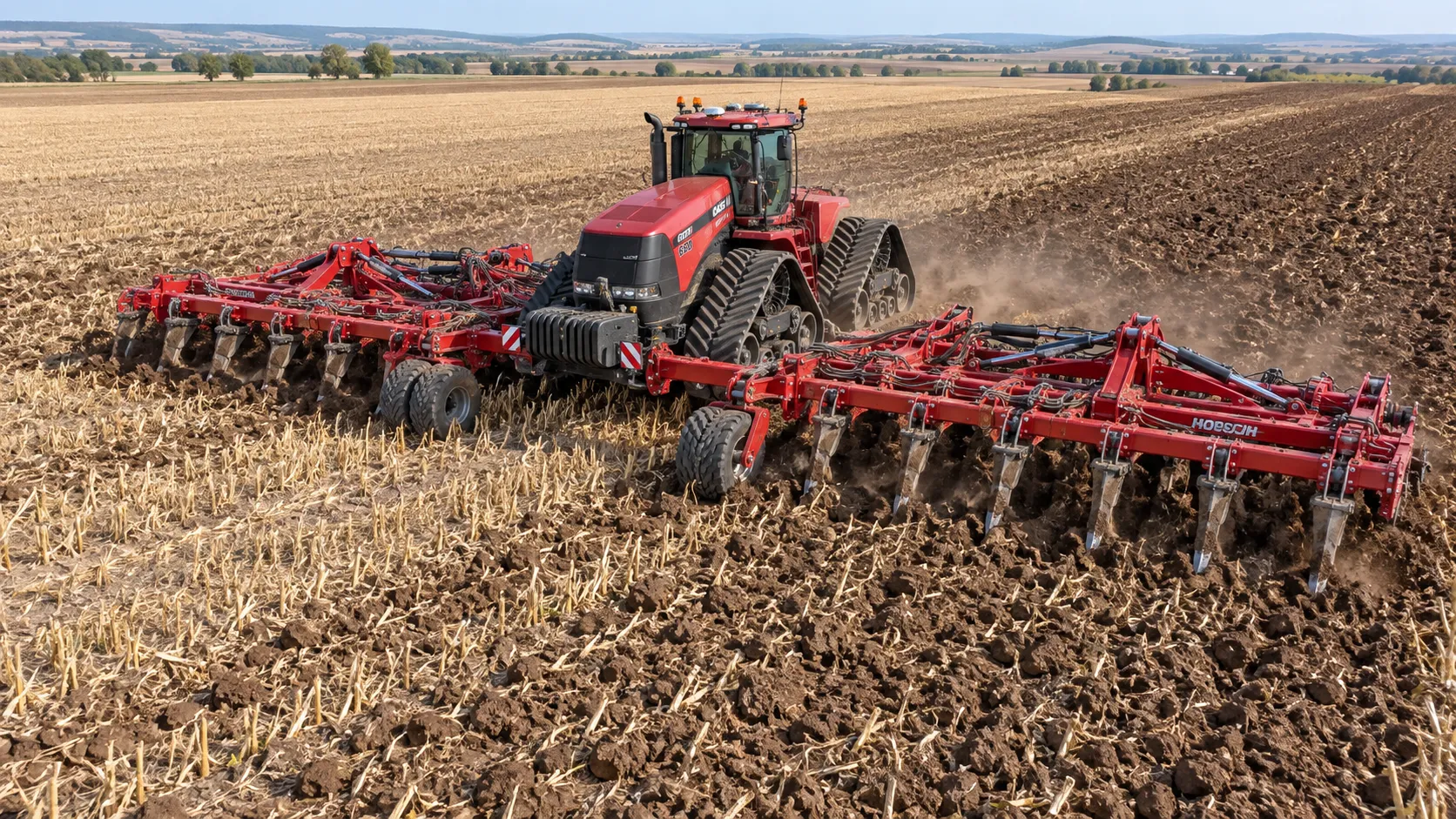
How to Select Heavy-Duty Farm Implements for High-Acreage, High-Horsepower Operations
Heavy duty farm implements: learn how to match draft, hydraulics, hitch capacity, frame strength, and field conditions for reliable high-acreage performance.
Related News
- 00
0000-00
When Does Agricultural Machinery Leasing Cost Less Than Owning Equipment? - 00
0000-00
Selecting Grain Farm Equipment by Acreage, Crop Mix, and Harvest Window - 00
0000-00
Poultry Equipment Selection: Evaluating Durability, Cleaning, and Compatibility - 00
0000-00
How to Select Heavy-Duty Farm Implements for High-Acreage, High-Horsepower Operations - 00
0000-00
Smart Farming Technology for Dairy Farms: Where Automation Delivers Measurable ROI
Popular Tags
Ms. Elena Rodriguez
Weekly Insights
Stay ahead with our curated technology reports delivered every Monday.