
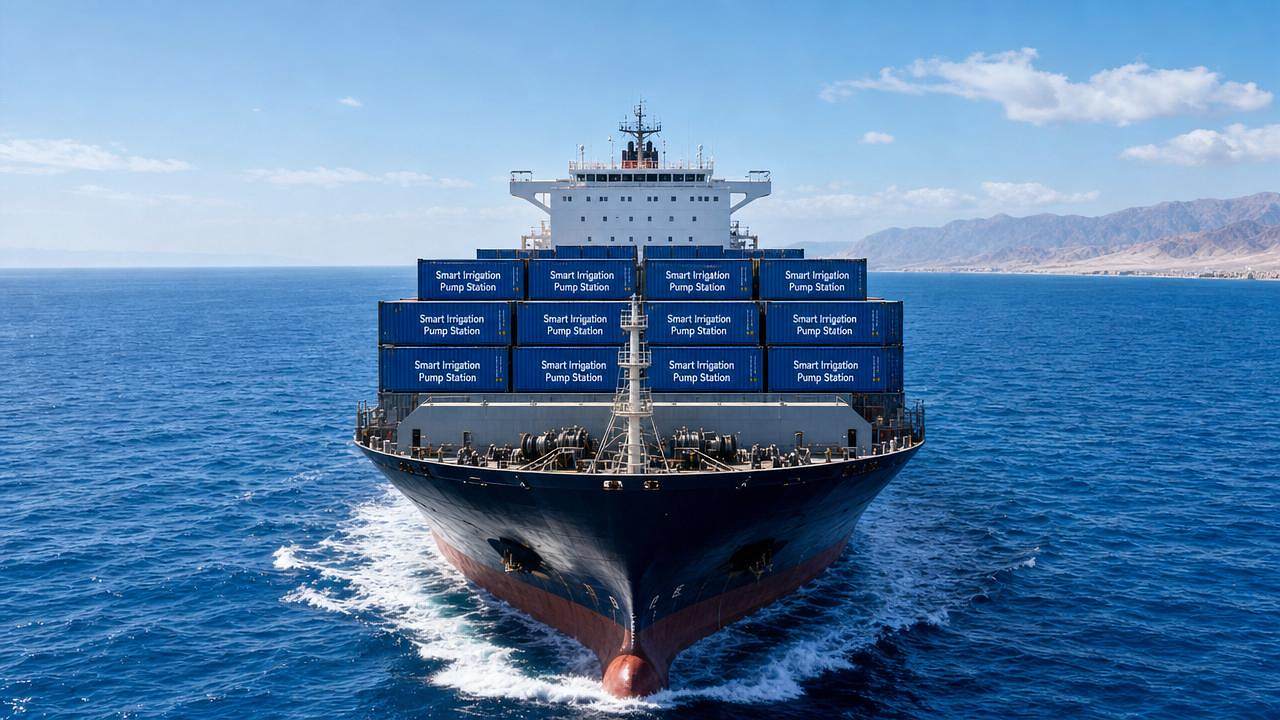
Red Sea Crisis Escalates: War Risk Surcharge for Smart Irrigation Pump Shipments Hits 320%




Lead
On May 15, 2026, the International Union of Marine Insurance (IUMI) revised its risk assessment for the Red Sea region, imposing a 320% war risk surcharge—relative to 2023 baseline rates—on containerized shipments of smart agricultural irrigation pump stations transiting the Gulf of Aden. This policy shift directly impacts global agri-tech exporters, freight forwarders, and insurers, accelerating structural adjustments in how precision irrigation equipment is priced, routed, and delivered.
Event Overview
On May 15, 2026, the International Union of Marine Insurance (IUMI) announced an immediate update to its regional risk classification, raising the war risk附加 premium for containers carrying pivot systems, Drip Irrigation Logic control cabinets, and intelligent pump stations shipped via the Gulf of Aden route to 320% above the 2023 benchmark rate. Concurrently, direct export orders from South China ports surged by 47%, reflecting a measurable shift toward smaller-batch, higher-frequency shipments and near-shore warehousing and distribution models.
Industries Affected
Direct Export Trading Firms
These firms bear the full brunt of the surcharge as it applies directly to cargo insurance premiums on declared shipments. Since smart irrigation pump stations are high-value, low-volume consignments—and often shipped under CIF or CIP terms—the cost increase is non-negotiable and must be absorbed or passed on. Margins compress sharply unless pricing is renegotiated with overseas buyers, particularly in price-sensitive markets such as East Africa and Southeast Asia.
Raw Material Procurement Enterprises
Firms sourcing critical components—including microcontrollers, pressure sensors, and corrosion-resistant pump housings—face indirect but material exposure. Rising insurance costs for finished goods dampen downstream order volumes, leading to inventory overhang and delayed procurement cycles. Additionally, some suppliers now require upfront insurance validation before releasing high-specification parts, introducing administrative friction and lead-time extension.
Manufacturing Enterprises
Manufacturers integrating smart controllers and pump assemblies into turnkey systems confront dual pressures: first, elevated landed costs for exported units; second, operational recalibration toward modular, pre-certified sub-assemblies that enable faster final assembly near destination markets. The 47% surge in South China port departures signals growing reliance on just-in-time coastal consolidation—not for cost savings, but for risk containment and customs agility.
Supply Chain Service Providers
Freight forwarders, marine insurers, and third-party logistics (3PL) providers must revise service-level agreements, reprice risk coverage, and adjust transit time guarantees. Notably, the surcharge applies only to specific equipment categories—not general agricultural machinery—requiring granular cargo classification protocols. Some 3PLs have begun offering ‘Red Sea bypass’ routing packages via Cape of Good Hope or rail-sea corridors, though at +12–18 days transit time and +18–22% freight cost.
Key Considerations and Recommended Actions
Review Incoterms and Insurance Responsibility Allocation
Exporters using CIF or CIP must verify whether their current policies cover the new IUMI surcharge—or if it falls outside standard war risk exclusions. Shifting to FCA or EXW may transfer premium liability to buyers, but risks contract renegotiation and loss of competitiveness in tender-driven markets.
Evaluate Near-Shore Assembly Hubs
Given the 47% jump in South China port shipments, firms should assess feasibility of establishing light-assembly or kitting facilities in Dubai, Djibouti, or Colombo. These locations offer duty deferral, shorter inland transit, and exemption from the Gulf of Aden surcharge for final-mile delivery—provided the ‘smart’ control logic is installed post-transit.
Strengthen Cargo Classification and Documentation Rigor
The 320% surcharge applies only to defined product categories (e.g., pivot systems, Drip Irrigation Logic cabinets). Misclassification—even unintentional—may trigger audit penalties or coverage denial. Companies should cross-check HS codes, technical specifications, and OEM declarations against IUMI’s latest annexed definitions.
Editorial Perspective / Industry Observation
Analysis shows this is not merely a short-term premium spike, but a structural inflection point in how agri-tech supply chains allocate geopolitical risk. Unlike commodity cargoes, smart irrigation hardware carries embedded software, certification dependencies, and after-sales service obligations—making rerouting or delay far more consequential than for bulk goods. Observably, the 47% port-order surge reflects not panic, but deliberate portfolio rebalancing: firms are trading marginal cost efficiency for resilience and contractual certainty. From an industry perspective, the surcharge is better understood as a catalyst for distributed manufacturing than a barrier to trade.
Conclusion
This adjustment underscores a broader trend: geopolitical volatility is increasingly priced into discrete segments of industrial supply chains—not as a blanket cost, but as a function of technology intensity, regulatory footprint, and route dependency. For the global irrigation equipment sector, the takeaway is not reduced export capacity, but accelerated adaptation toward modular design, localized compliance, and dynamic risk-aware logistics. Rational observation suggests the next 12–18 months will see intensified investment in alternative routing infrastructure and tariff-neutral assembly zones.
Source Attribution
Primary source: International Union of Marine Insurance (IUMI), Red Sea Risk Assessment Update Bulletin No. R-2026-05, issued May 15, 2026. Additional data sourced from China Customs Statistics (South China Port Aggregated Export Dashboard, May 2026) and IUMI member survey on war risk surcharge implementation (Q2 2026). Note: IUMI has indicated the surcharge level remains subject to bi-weekly review; further adjustments are pending assessment of maritime security developments in the Bab el-Mandeb Strait. Continued monitoring advised.
Related News

How Sensor Feedback Enables Accurate Variable-Rate Fertilization in Field Conditions
Precision fertilization systems with sensor feedback improve variable-rate accuracy by verifying flow, managing latency, and ensuring reliable field application.

How to Select Precision Crop Protection Equipment for Variable Field Conditions
Precision crop protection equipment selection made simple: compare terrain, canopy, weather, control accuracy, and data workflows for reliable applications.

When Does Agricultural Machinery Leasing Cost Less Than Owning Equipment?
Agricultural machinery leasing can lower farm costs when use is seasonal or uncertain. Compare utilization, maintenance, cash flow, and risk to make a smarter equipment decision.

How to Evaluate Precision Fertilization System Suppliers for Farm-Scale Deployment
Precision fertilization systems suppliers: learn how to compare accuracy, integration, uptime, service, and total cost for confident farm-scale deployment.

ISOBUS for Smart Agriculture: How It Connects Tractors, Implements, and Farm Data
ISOBUS for smart agriculture connects tractors, implements, terminals, and farm data—helping growers improve precision, documentation, and smarter field decisions.
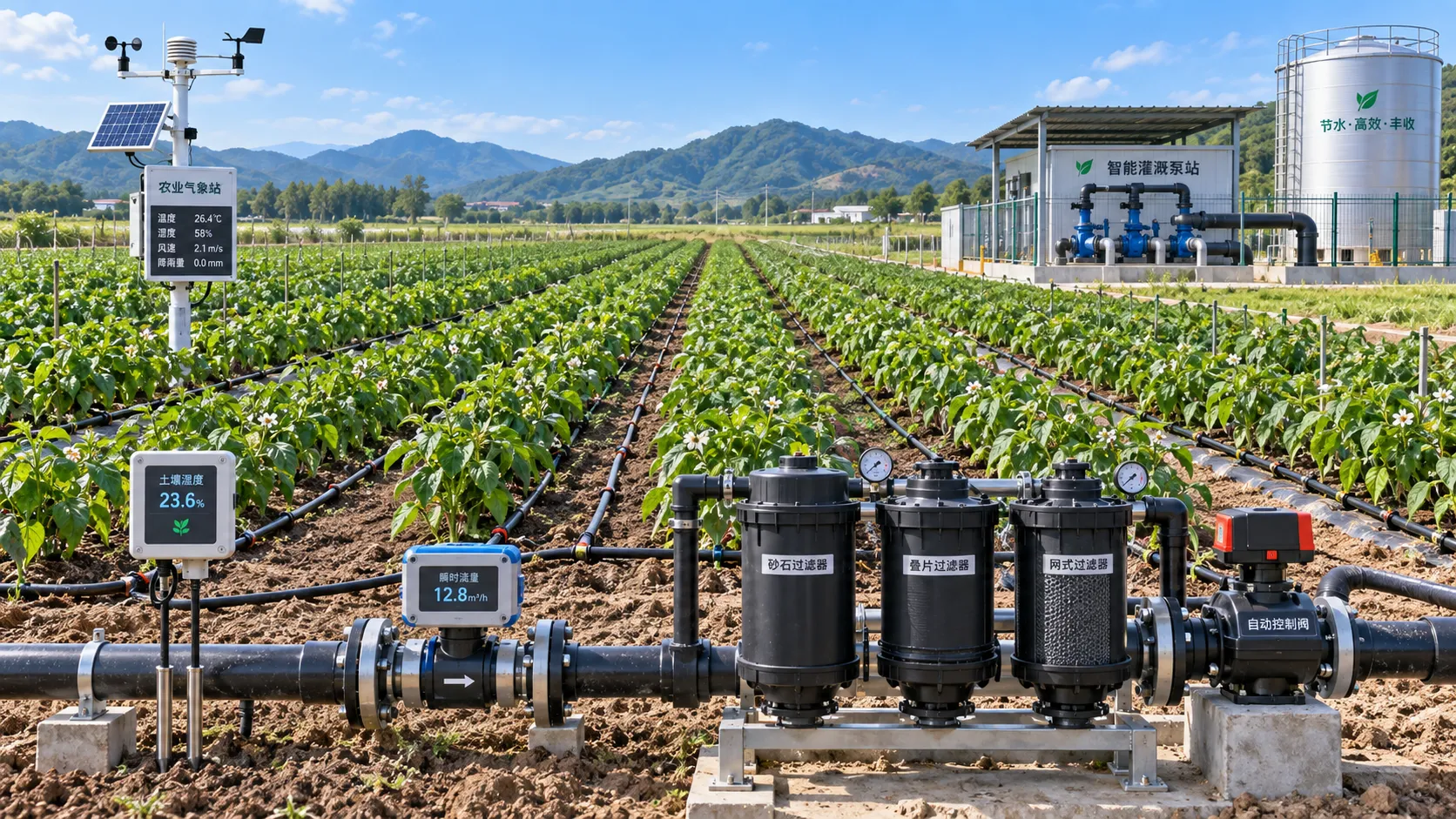
Automated Water-Saving Irrigation: How to Cut Water Use Without Reducing Crop Yields
Automated water-saving irrigation helps farms cut water use, protect crop yields, improve scheduling, and gain reliable control with sensors, flow monitoring, and smart zones.

Selecting Grain Farm Equipment by Acreage, Crop Mix, and Harvest Window
Agricultural equipment selection for grain farming: match machinery to acreage, crop mix, and harvest windows to improve uptime, efficiency, and returns.
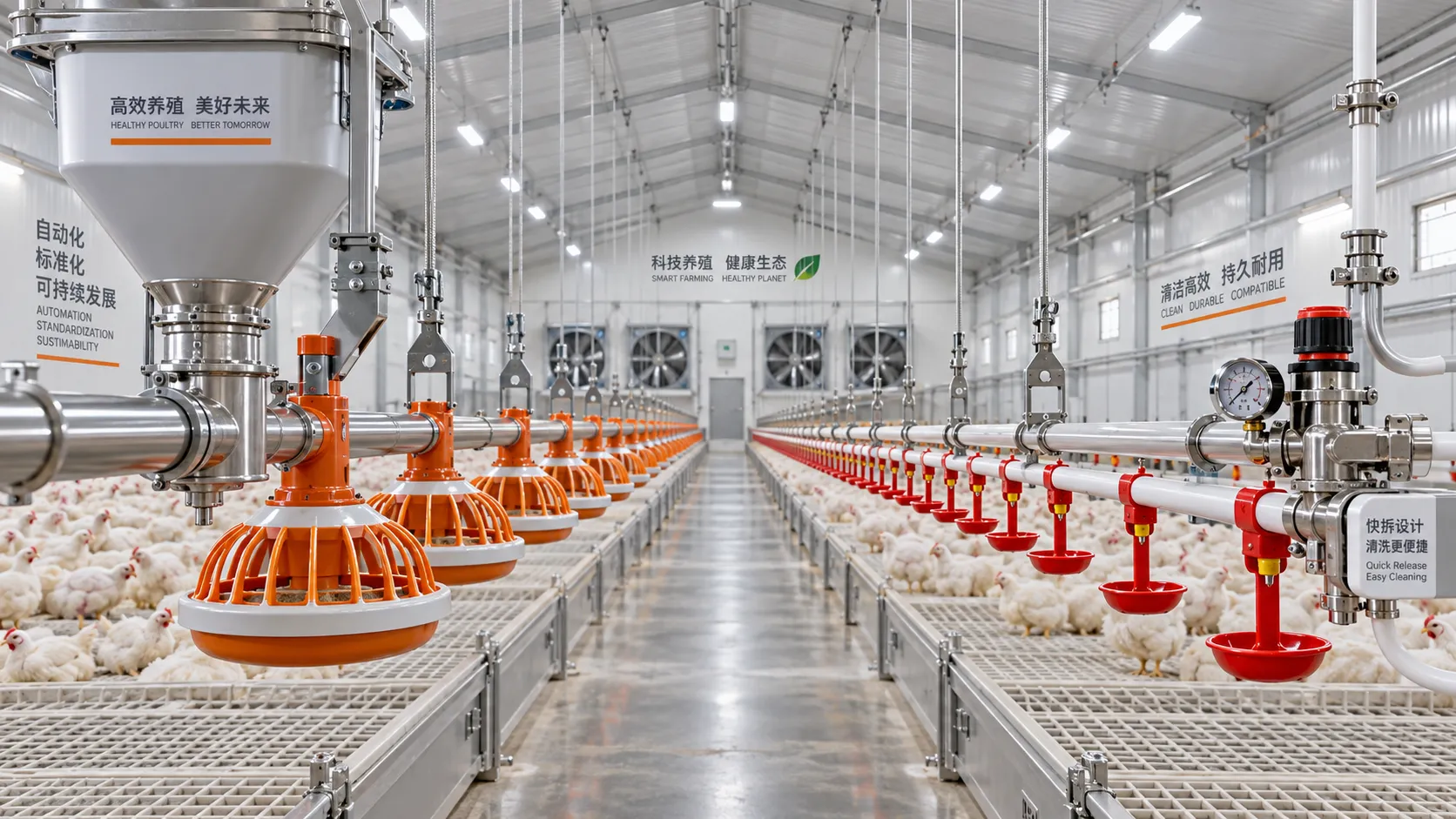
Poultry Equipment Selection: Evaluating Durability, Cleaning, and Compatibility
Poultry equipments selection guide: evaluate durability, cleaning access, and system compatibility to improve hygiene, reduce downtime, and support efficient flock management.
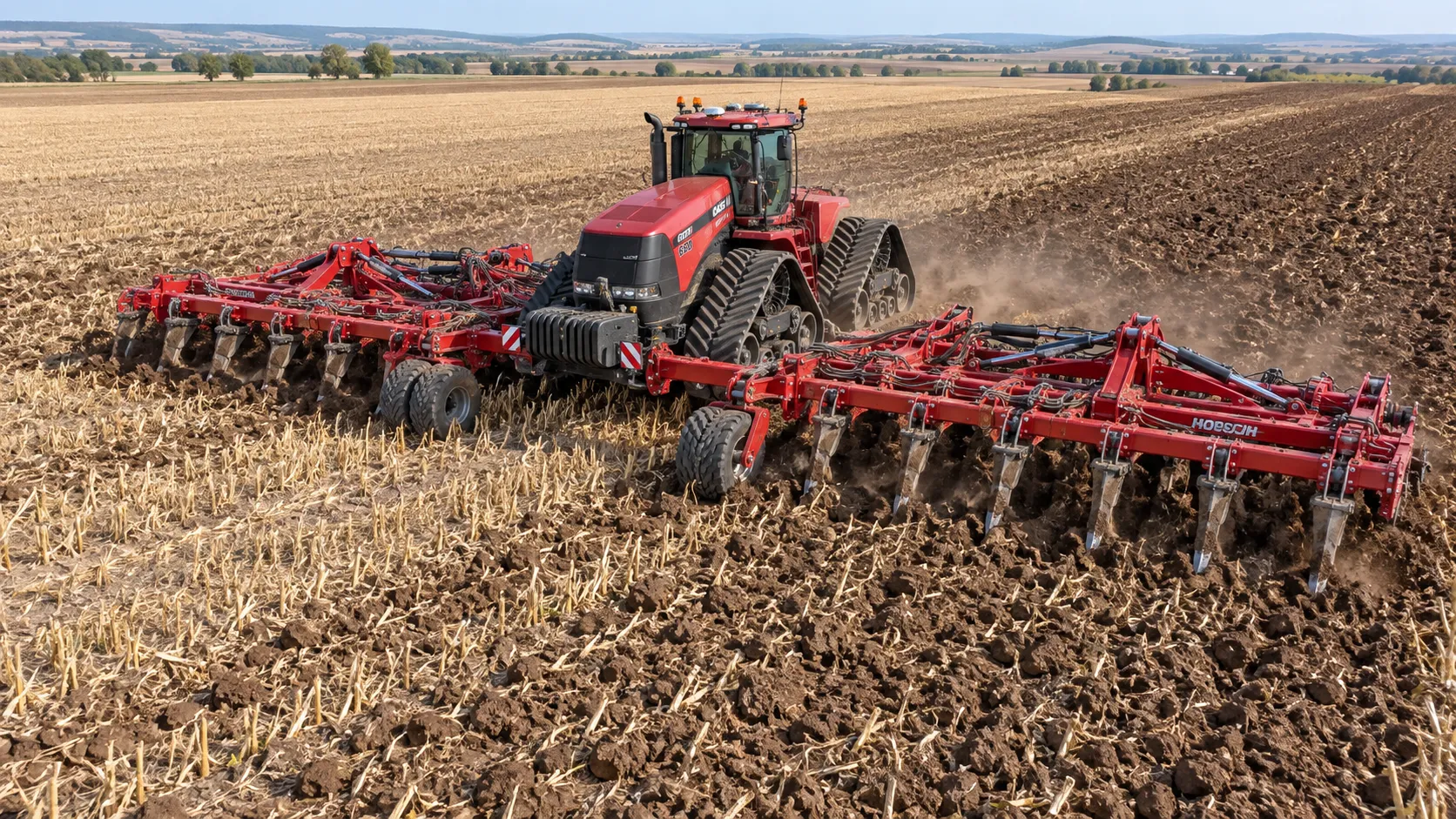
How to Select Heavy-Duty Farm Implements for High-Acreage, High-Horsepower Operations
Heavy duty farm implements: learn how to match draft, hydraulics, hitch capacity, frame strength, and field conditions for reliable high-acreage performance.
Related News
- 00
0000-00
Automated Water-Saving Irrigation: How to Cut Water Use Without Reducing Crop Yields - 00
0000-00
How to Evaluate Drip Irrigation System Manufacturers for Large Farm Projects - 00
0000-00
Wireless Agricultural Automation for Remote Irrigation and Field Monitoring - 00
0000-00
Designing Water-Saving Drip Irrigation Systems for High-Value Orchards - 00
0000-00
How to Choose Irrigation Solutions for Arid Regions Based on Water Source and Crop Needs
Popular Tags
Hydrological Resource Strategist
Weekly Insights
Stay ahead with our curated technology reports delivered every Monday.