
Indonesia BPOM Accelerates Approval for Chinese Smart Irrigation Water Quality Monitors
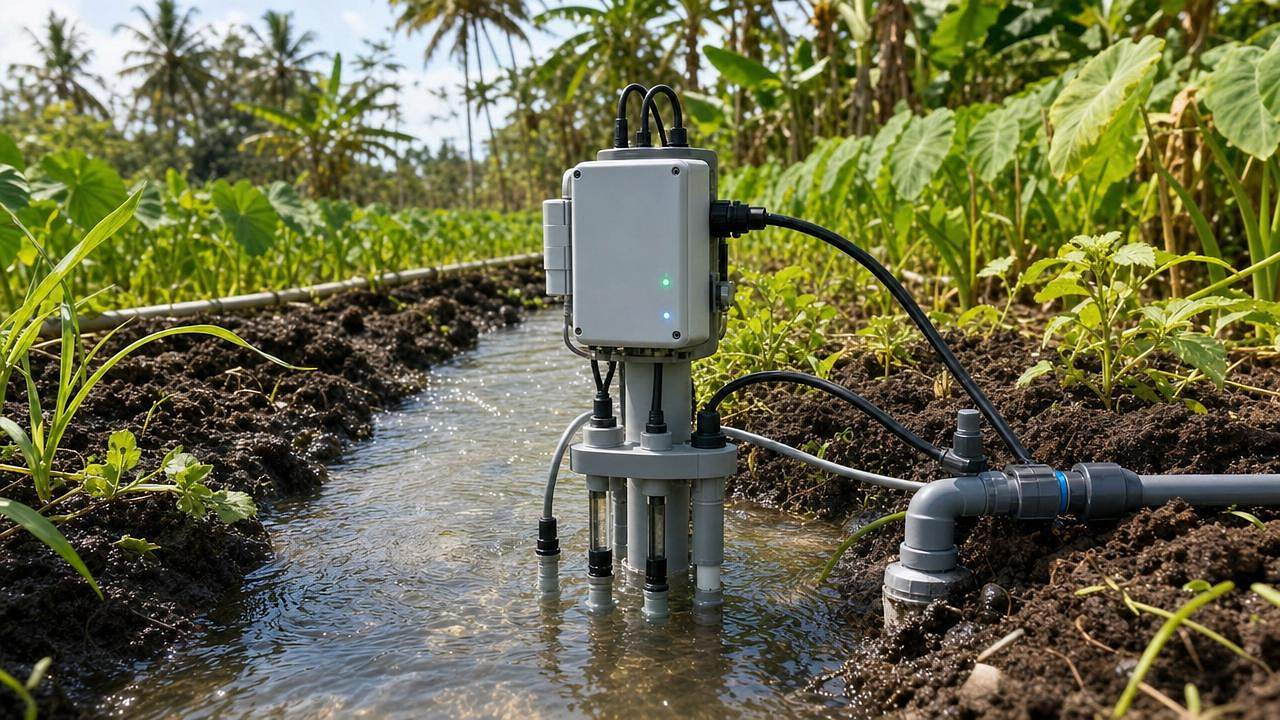




On May 14, 2026, Indonesia’s National Agency of Drug and Food Control (BPOM) announced accelerated regulatory approval for five Chinese manufacturers of smart irrigation water quality monitoring instruments—marking the first implemented case of green product certification mutual recognition under the Belt and Road Initiative. This development is particularly relevant for companies in precision agriculture equipment, environmental monitoring hardware, agri-tech export services, and cross-border regulatory compliance.
Event Overview
On May 14, 2026, the Indonesian Food and Drug Authority (BPOM) confirmed that, under the China–Indonesia Green Product Certification Mutual Recognition Memorandum of Understanding, five Chinese enterprises producing smart irrigation water quality monitoring instruments gained access to BPOM’s expedited registration pathway. The standard registration cycle—previously 180 days—has been reduced to 14 working days. The certified devices monitor core parameters including pH, electrical conductivity (EC), and turbidity, and are compatible with Drip Irrigation Logic integrated systems.
Which Subsectors Are Affected
Direct Exporters of Agricultural IoT Devices
These companies face revised market entry timelines and reduced pre-market validation burdens in Indonesia. Impact manifests primarily in shortened time-to-revenue, lower upfront compliance costs, and increased competitiveness against non-reciprocated foreign suppliers.
Manufacturers of Core Sensor Modules (pH/EC/Turbidity)
Suppliers of embedded sensing components may experience upstream demand shifts as Chinese OEMs scale production for BPOM-approved models. Impact includes potential volume growth—but only for modules meeting the technical specifications referenced in the mutual recognition framework.
Regulatory Affairs & Certification Service Providers
Firms offering conformity assessment, local representative services, or green certification support in Southeast Asia now have a concrete reference case for green certification alignment. Impact centers on service scope expansion—particularly for clients targeting Indonesia via China-based design and manufacturing pathways.
Drip Irrigation System Integrators
Companies integrating water quality monitors into full drip logic platforms (e.g., controllers, cloud dashboards, actuator linkages) may see accelerated adoption cycles in Indonesia. Impact arises from simplified subsystem validation: BPOM’s recognition applies to the entire instrument—including its integration-ready configuration—as confirmed in the announcement.
What Relevant Companies or Practitioners Should Focus On — And How to Respond Now
Monitor official updates on scope extension beyond the initial five enterprises
The current fast-track applies only to the first cohort of five approved Chinese manufacturers. No public indication exists yet on whether or when BPOM will open the pathway to additional applicants—or whether eligibility will expand to other ASEAN markets. Stakeholders should track BPOM’s official notices and China’s State Administration for Market Regulation (SAMR) communications.
Verify device compatibility with Drip Irrigation Logic integration requirements—not just standalone sensor specs
The mutual recognition explicitly covers instruments ‘applicable to Drip Irrigation Logic whole-machine integration’. This signals that BPOM’s evaluation included system-level interoperability, not only sensor accuracy. Exporters and integrators should ensure documentation reflects integration testing outcomes—not just component-level test reports.
Distinguish between policy signal and operational readiness
This is the first implementation of green certification mutual recognition under the Belt and Road framework—but it remains narrowly scoped: limited to one product category, one destination market, and five pre-selected firms. It does not imply automatic equivalence for other agricultural electronics, nor does it replace local post-market surveillance obligations. Companies should treat it as a procedural precedent—not a blanket regulatory waiver.
Prepare documentation aligned with both Chinese green certification standards and BPOM’s technical annexes
Although mutual recognition reduces duplication, evidence packages must still satisfy both jurisdictions’ minimum requirements. Firms should audit existing technical files for alignment with Indonesia’s BPOM Regulation No. 27 of 2023 on Medical Devices and Similar Products (extended by guidance to environmental monitoring instruments), alongside China’s Green Product Certification GB/T 33761–2017 series.
Editorial Perspective / Industry Observation
Observably, this event functions less as an immediate market-opening and more as a calibrated institutional signal: it confirms that green certification frameworks can serve as interoperable infrastructure for regulatory cooperation in agri-tech trade. Analysis shows the 14-day timeline was achieved not by lowering standards, but by accepting validated test results and factory audits conducted under China’s recognized green certification system—suggesting scalability hinges on third-party assessor alignment, not political goodwill alone. From an industry perspective, this case matters most as a testbed for replication: if BPOM and SAMR jointly publish transparent technical annexes and audit criteria, similar arrangements could emerge for soil sensors, drone-based crop health monitors, or solar-powered micro-irrigation controllers. However, sustained relevance depends on whether follow-up actions—such as published eligibility criteria or multi-year renewal protocols—are introduced within the next 12 months.
Indonesia BPOM’s accelerated approval for Chinese smart irrigation water quality monitors represents the first operationalized outcome of Belt and Road green certification mutual recognition. Its significance lies not in scale, but in structure: it demonstrates how aligned technical standards—and not just trade agreements—can reduce time-to-market for climate-resilient agricultural hardware. For now, it is best understood as a procedural milestone—not a market transformation—with implications concentrated in regulatory strategy, integration design, and cross-border certification planning.
Source: Official announcement by Indonesia’s National Agency of Drug and Food Control (BPOM), issued May 14, 2026. Scope and eligibility details derived solely from BPOM’s public statement; no supplementary data or third-party reports were used. Ongoing observation is warranted regarding expansion to additional manufacturers, inclusion of other parameter sets (e.g., dissolved oxygen, nitrate), and potential linkage to ASEAN-wide harmonization efforts.
Related News
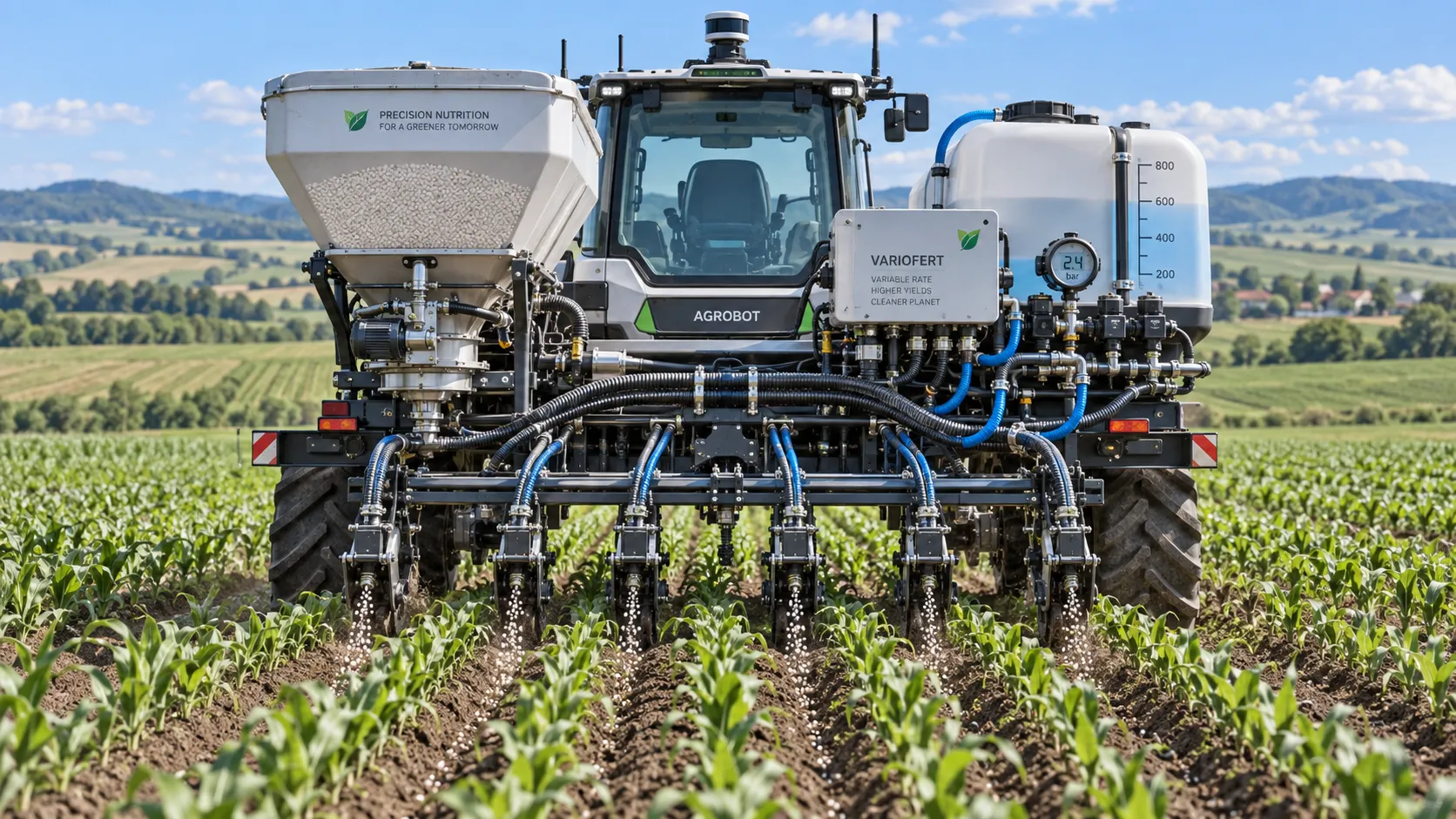
How Sensor Feedback Enables Accurate Variable-Rate Fertilization in Field Conditions
Precision fertilization systems with sensor feedback improve variable-rate accuracy by verifying flow, managing latency, and ensuring reliable field application.
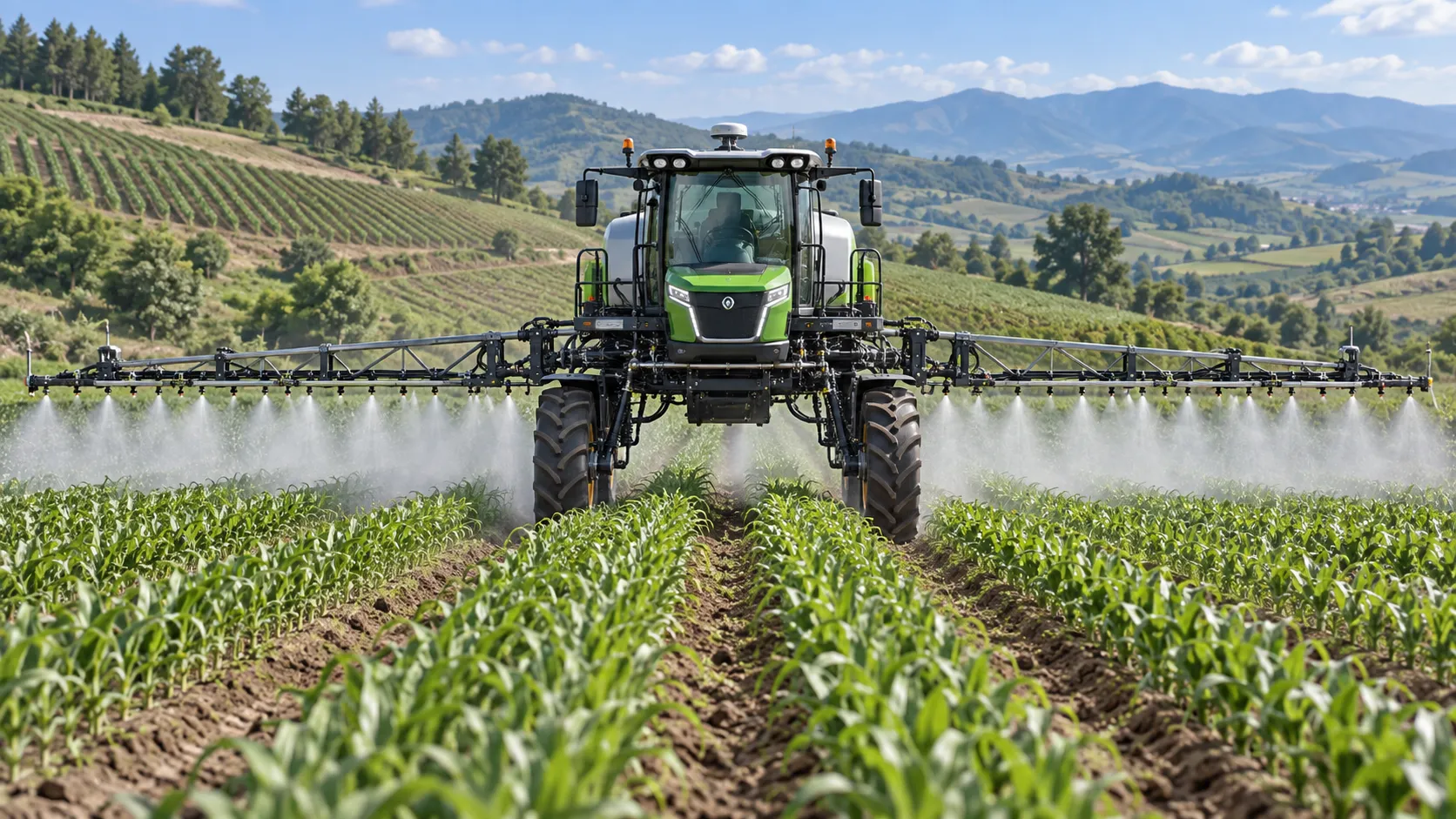
How to Select Precision Crop Protection Equipment for Variable Field Conditions
Precision crop protection equipment selection made simple: compare terrain, canopy, weather, control accuracy, and data workflows for reliable applications.

When Does Agricultural Machinery Leasing Cost Less Than Owning Equipment?
Agricultural machinery leasing can lower farm costs when use is seasonal or uncertain. Compare utilization, maintenance, cash flow, and risk to make a smarter equipment decision.
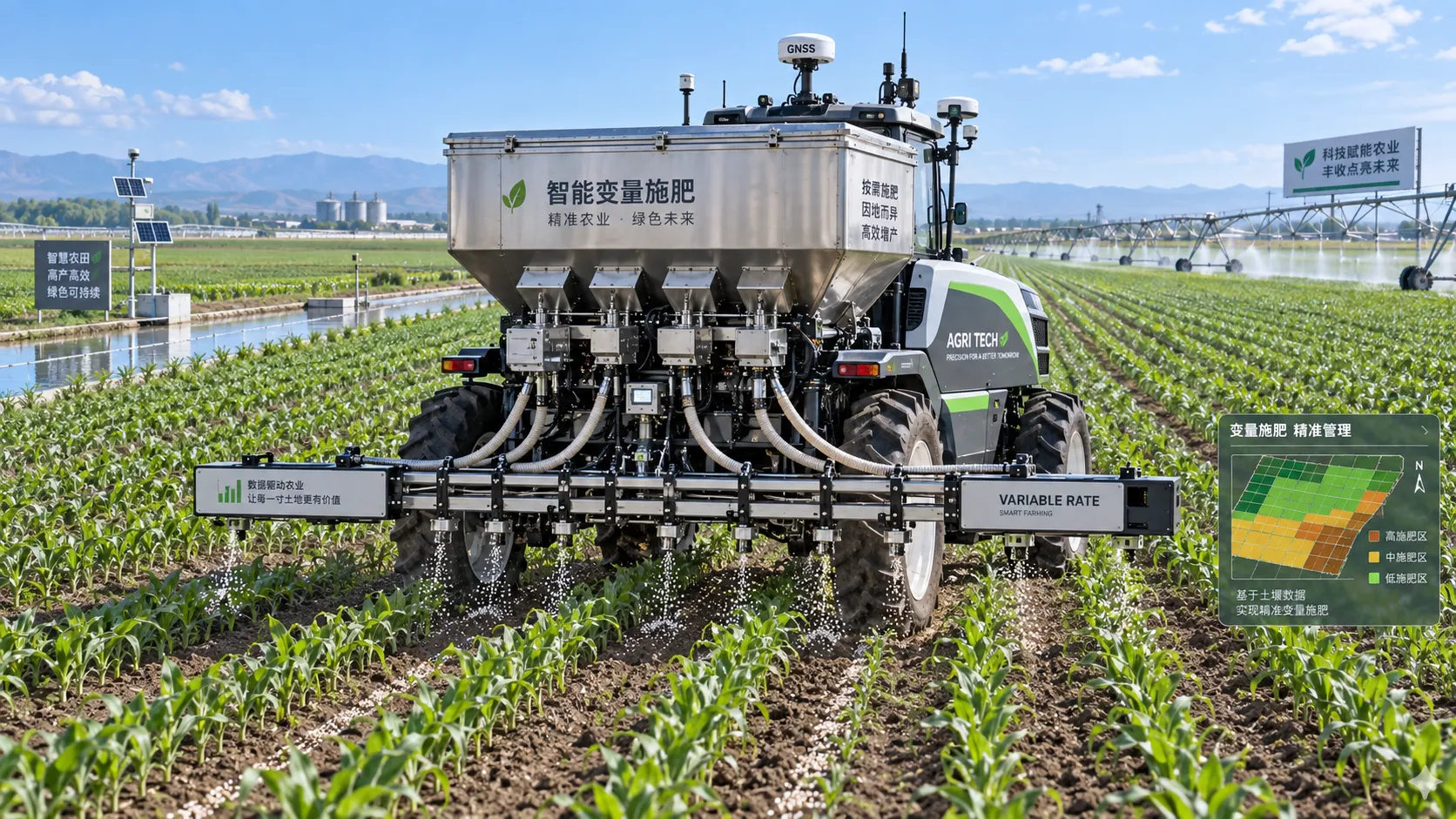
How to Evaluate Precision Fertilization System Suppliers for Farm-Scale Deployment
Precision fertilization systems suppliers: learn how to compare accuracy, integration, uptime, service, and total cost for confident farm-scale deployment.
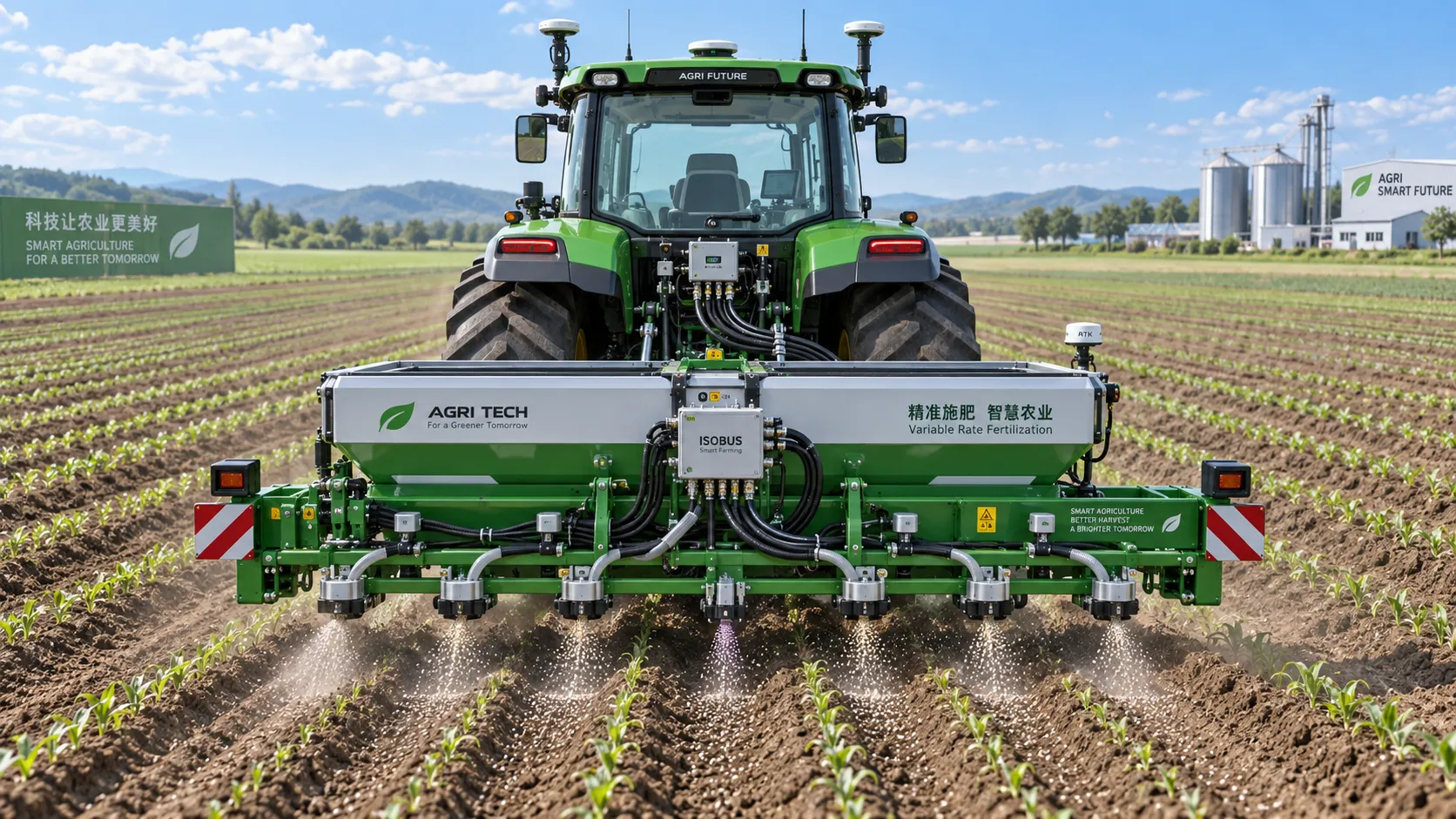
ISOBUS for Smart Agriculture: How It Connects Tractors, Implements, and Farm Data
ISOBUS for smart agriculture connects tractors, implements, terminals, and farm data—helping growers improve precision, documentation, and smarter field decisions.
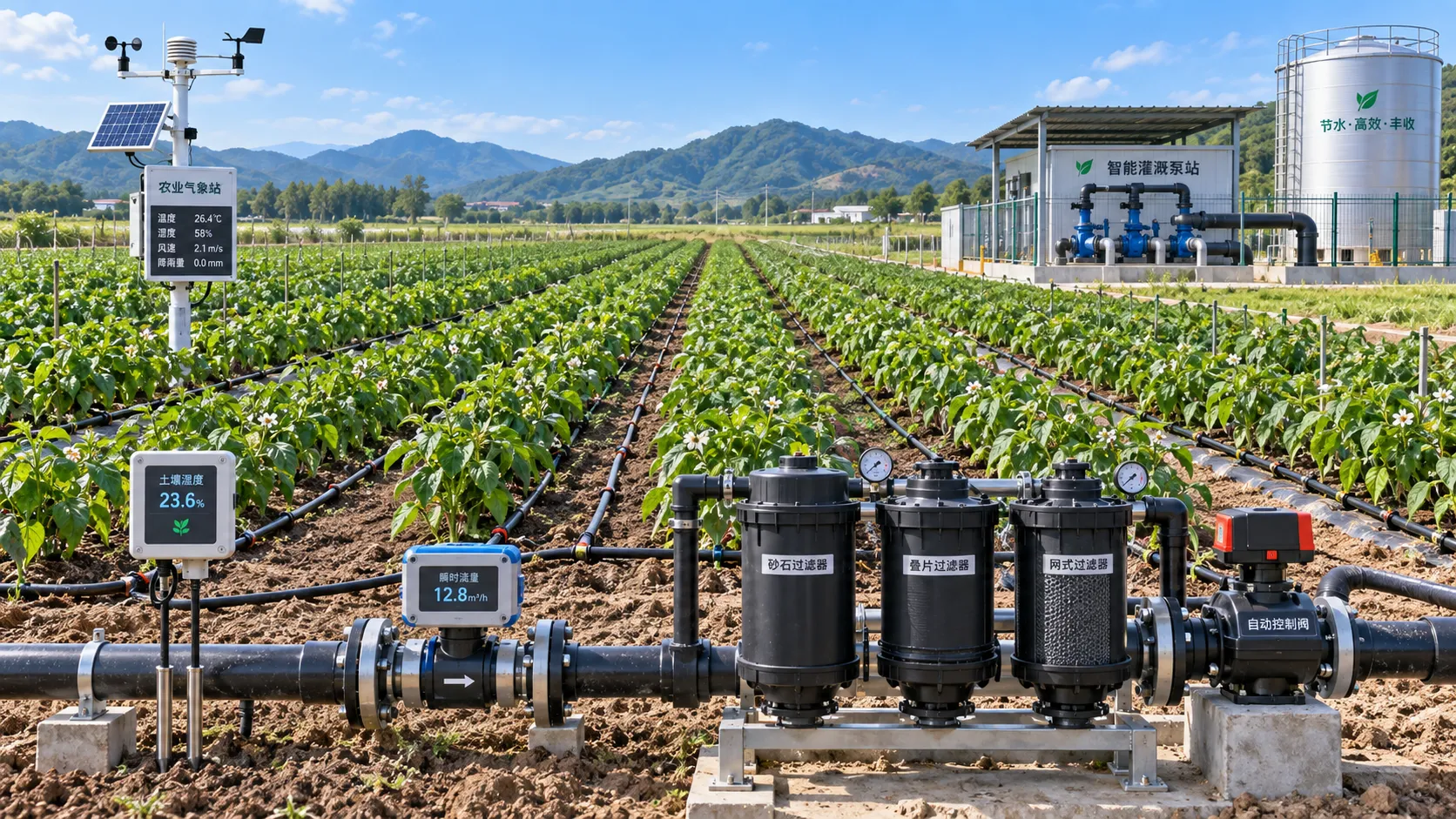
Automated Water-Saving Irrigation: How to Cut Water Use Without Reducing Crop Yields
Automated water-saving irrigation helps farms cut water use, protect crop yields, improve scheduling, and gain reliable control with sensors, flow monitoring, and smart zones.

Selecting Grain Farm Equipment by Acreage, Crop Mix, and Harvest Window
Agricultural equipment selection for grain farming: match machinery to acreage, crop mix, and harvest windows to improve uptime, efficiency, and returns.
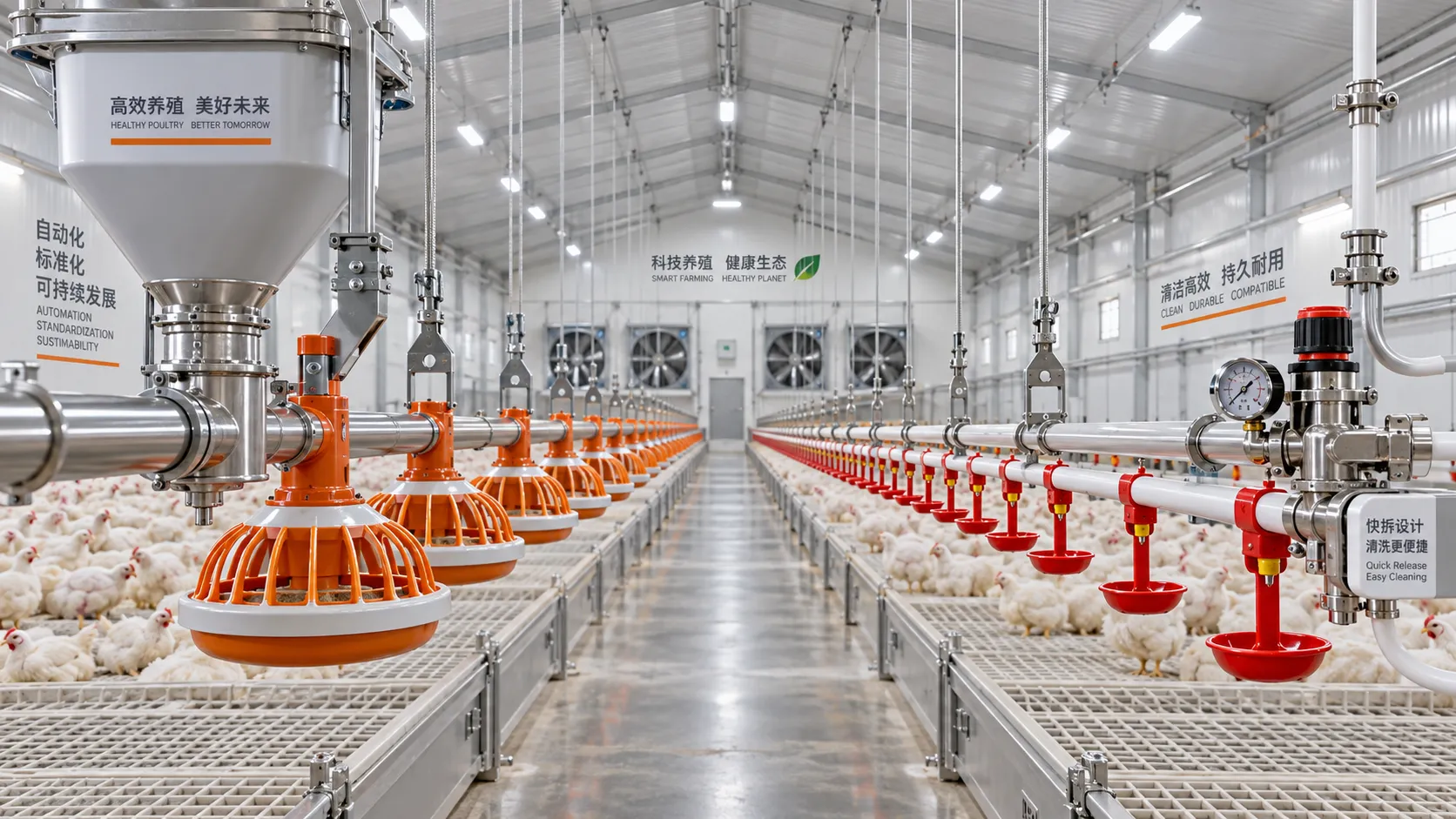
Poultry Equipment Selection: Evaluating Durability, Cleaning, and Compatibility
Poultry equipments selection guide: evaluate durability, cleaning access, and system compatibility to improve hygiene, reduce downtime, and support efficient flock management.

How to Select Heavy-Duty Farm Implements for High-Acreage, High-Horsepower Operations
Heavy duty farm implements: learn how to match draft, hydraulics, hitch capacity, frame strength, and field conditions for reliable high-acreage performance.
Related News
- 00
0000-00
Automated Water-Saving Irrigation: How to Cut Water Use Without Reducing Crop Yields - 00
0000-00
How to Evaluate Drip Irrigation System Manufacturers for Large Farm Projects - 00
0000-00
Wireless Agricultural Automation for Remote Irrigation and Field Monitoring - 00
0000-00
Designing Water-Saving Drip Irrigation Systems for High-Value Orchards - 00
0000-00
How to Choose Irrigation Solutions for Arid Regions Based on Water Source and Crop Needs
Popular Tags
Hydrological Resource Strategist
Weekly Insights
Stay ahead with our curated technology reports delivered every Monday.