
Red Sea Crisis Escalates: Irrigation Pump Insurance Hits 320%
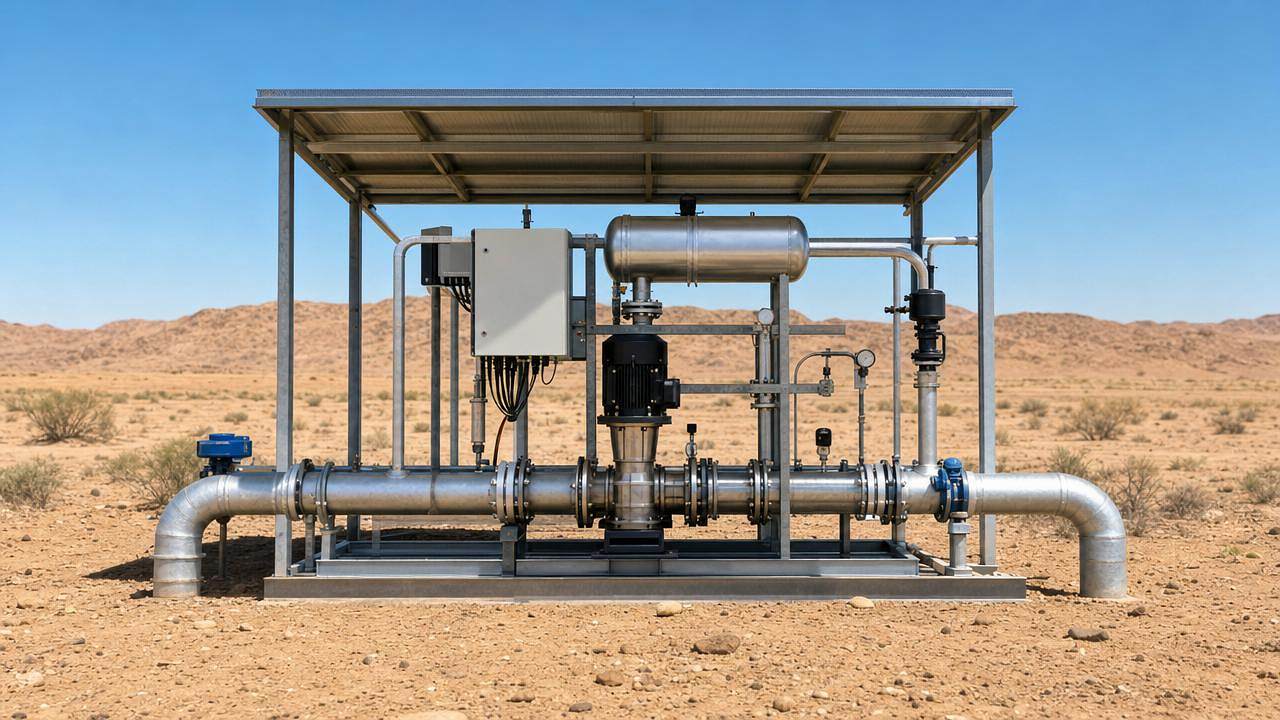




Red Sea Crisis Escalates: Irrigation Pump Insurance Hits 320%
On 14 May 2026, the Red Sea shipping crisis intensified as Houthi militant attacks expanded across the Gulf of Aden–Suez Canal corridor, triggering unprecedented insurance cost surges for agricultural smart irrigation pump stations. The incident directly impacts global agri-tech trade flows, particularly in precision irrigation equipment supply chains serving arid and semi-arid regions across the Middle East and East Africa.
Event Overview
According to a 14 May 2026 bulletin from the International Shipping Underwriters Association (ISU), maritime insurance premiums for agricultural smart irrigation pump stations—including Drip Irrigation Logic-compatible pump sets—shipped via the Gulf of Aden to Suez Canal have risen to 320% of cargo value, setting a historical high. In response, buyers in the Middle East and East Africa have accelerated procurement via direct shipments from Shenzhen and Guangzhou ports. Average lead time for华南-sourced orders has shortened to 22 days, yet container availability constraints have driven spot freight rates up by 89%.
Industries Affected
Direct Export Trading Firms
Exporters specializing in smart irrigation hardware—particularly those with established routes through the Suez Canal—are facing immediate margin compression due to tripling insurance costs. While demand for direct South China port shipments has surged 47%, firms now confront severe container allocation bottlenecks and elevated logistics overhead, eroding net profitability per shipment despite higher order volume.
Raw Material Procurement Entities
Companies sourcing critical components such as brushless DC motors, pressure sensors, and IoT-enabled controllers—many of which originate from EU or Korean suppliers shipped transiting the Red Sea—report extended procurement cycles and revised vendor contracts requiring upfront insurance prepayment. This introduces working capital strain and complicates just-in-time inventory planning.
Manufacturing Enterprises
OEMs and contract manufacturers assembling irrigation pump systems in Guangdong and Zhejiang provinces face dual pressures: rising inbound logistics costs for imported subassemblies, and urgent reconfiguration of outbound logistics protocols to meet client-mandated direct-port delivery windows. Production scheduling flexibility is reduced, as capacity must be reserved for expedited air- or rail-assisted consolidation to avoid ocean delays.
Supply Chain Service Providers
Freight forwarders, customs brokers, and marine insurers servicing the agri-tech export segment are revising service terms, introducing surcharges for Red Sea-exposed legs, and tightening credit lines for SME clients. Some insurers have suspended underwriting for certain vessel classes or voyage segments altogether—forcing service providers to develop alternative routing advisories (e.g., Cape Horn or rail-sea corridors), which carry longer transit times and higher documentation complexity.
Key Considerations and Response Measures
Reassess Incoterms and Risk Allocation
Exporters should urgently review current Incoterms—particularly CIF and CIP arrangements—to determine whether insurance liability remains with the seller at current premium levels. Shifting to FOB or EXW may improve cash flow predictability, though it requires buyer-side capacity building and contractual renegotiation.
Prioritize Dual-Port Sourcing and Buffer Stocking
Firms reliant on single-origin production or warehousing should evaluate establishing secondary staging hubs in Ningbo or Xiamen to diversify port exposure. For mission-critical components with long lead times, holding strategic buffer stock (e.g., 6–8 weeks’ worth of controllers or power modules) may offset future transit volatility without overcommitting capital.
Engage Early with Marine Insurers on Risk Mitigation Frameworks
Rather than accepting blanket rate hikes, exporters can request insurer-led risk assessments—including vessel vetting, real-time AIS tracking integration, and war-risk endorsement add-ons—to qualify for tiered premium structures. Several ISU-member underwriters now offer ‘certified safe routing’ discounts for verified use of non-Houthi-targeted corridors.
Editorial Perspective / Industry Observation
Analysis shows this is not merely a short-term freight shock but a structural inflection point in how agri-tech supply chains price geopolitical risk. The 320% insurance levy reflects recalibrated threat modeling—not temporary market panic—and signals growing institutional recognition that Red Sea instability is now a baseline operational variable, not an exception. Observably, the surge in South China port utilization is accelerating infrastructure investment there (e.g., new cold-chain-integrated warehousing near Nansha Port), suggesting a longer-term regional shift in export logistics architecture. From an industry perspective, the crisis is exposing latent dependencies on centralized, high-efficiency—but geopolitically fragile—maritime arteries.
Conclusion
This episode underscores that resilience in agri-tech trade no longer hinges solely on product innovation or cost efficiency—it increasingly depends on adaptive logistics governance, diversified routing intelligence, and proactive risk-financing literacy. A rational interpretation is that the sector is entering a multi-year transition toward distributed, modular, and geopolitically aware supply chain design—where agility matters more than scale alone.
Source Attribution
Primary source: International Shipping Underwriters Association (ISU), Bulletin No. ISU-2026-0514, issued 14 May 2026. Data on freight rate increases and order volume shifts sourced from ISU’s aggregated member reporting platform; lead time metrics validated against Guangdong Customs Clearance Monitoring System (QCMS) Q2 2026 preliminary dataset. Continued observation is warranted for: (1) potential ISU policy revisions following upcoming IMO Maritime Safety Committee session (MSC 109, July 2026); (2) adoption trends of alternative corridors (e.g., Trans-Caspian or India–East Africa rail links); and (3) regulatory responses from China’s Ministry of Commerce regarding export credit insurance coverage expansion for agri-tech goods.
Related News
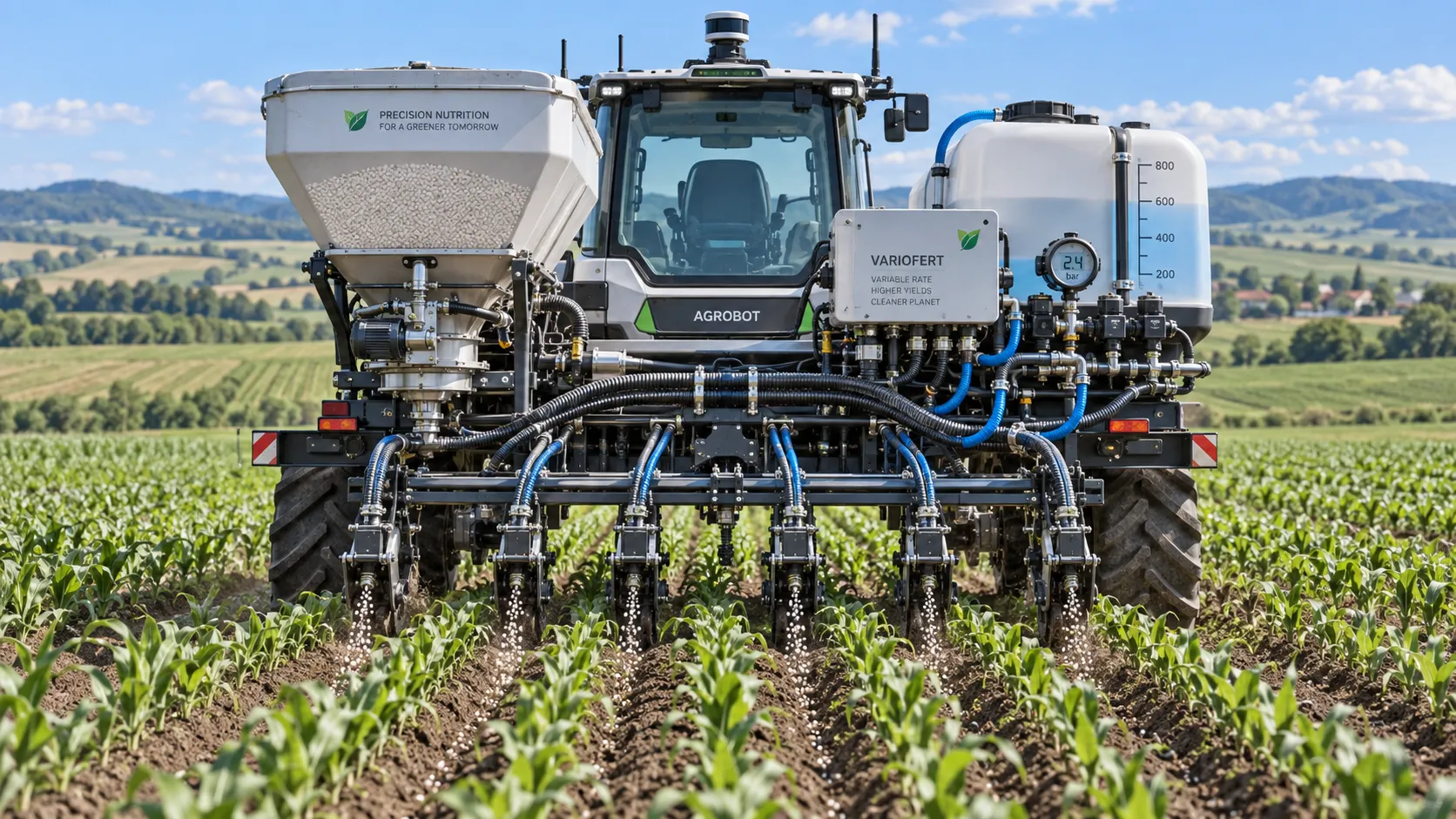
How Sensor Feedback Enables Accurate Variable-Rate Fertilization in Field Conditions
Precision fertilization systems with sensor feedback improve variable-rate accuracy by verifying flow, managing latency, and ensuring reliable field application.
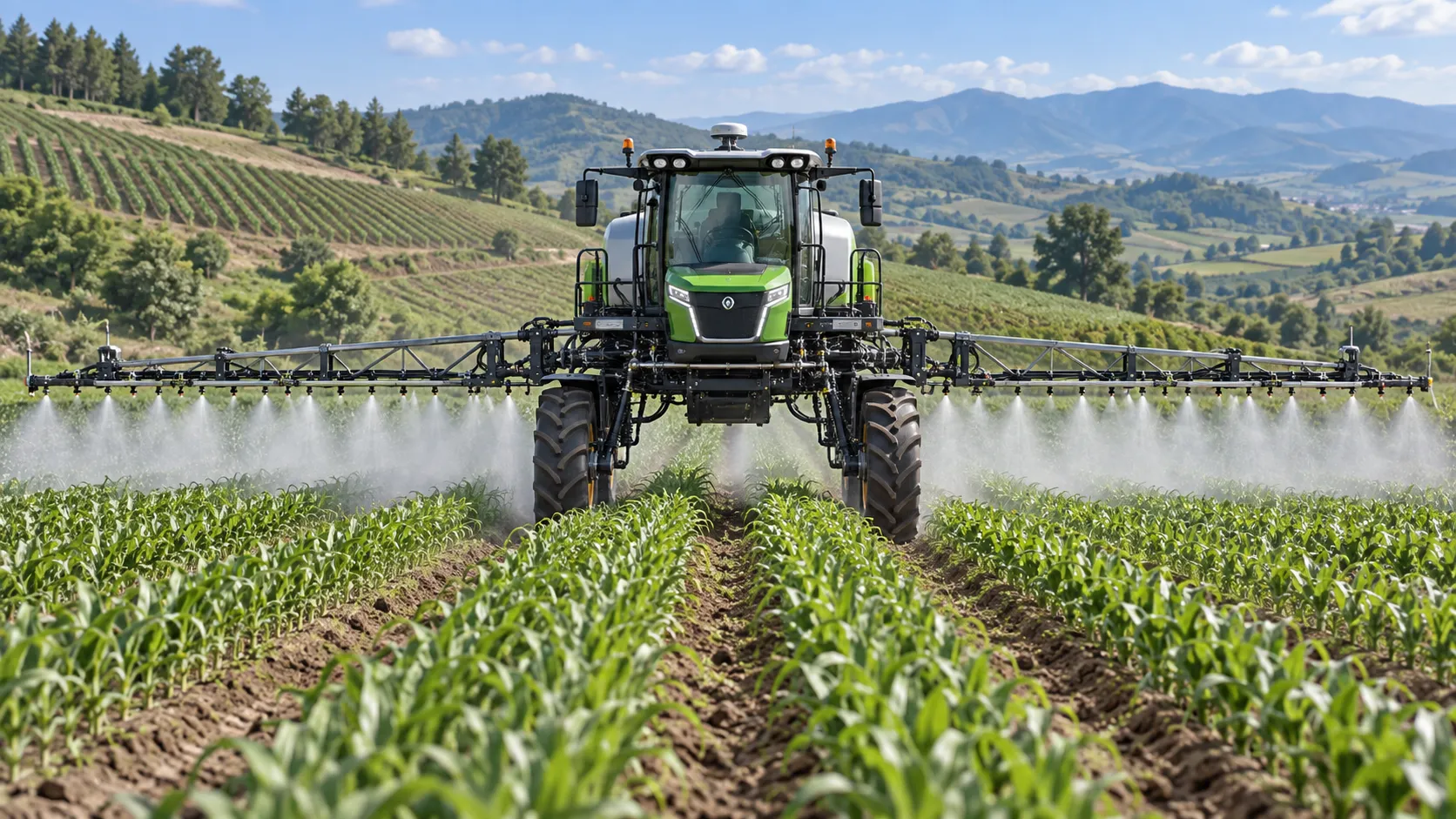
How to Select Precision Crop Protection Equipment for Variable Field Conditions
Precision crop protection equipment selection made simple: compare terrain, canopy, weather, control accuracy, and data workflows for reliable applications.

When Does Agricultural Machinery Leasing Cost Less Than Owning Equipment?
Agricultural machinery leasing can lower farm costs when use is seasonal or uncertain. Compare utilization, maintenance, cash flow, and risk to make a smarter equipment decision.
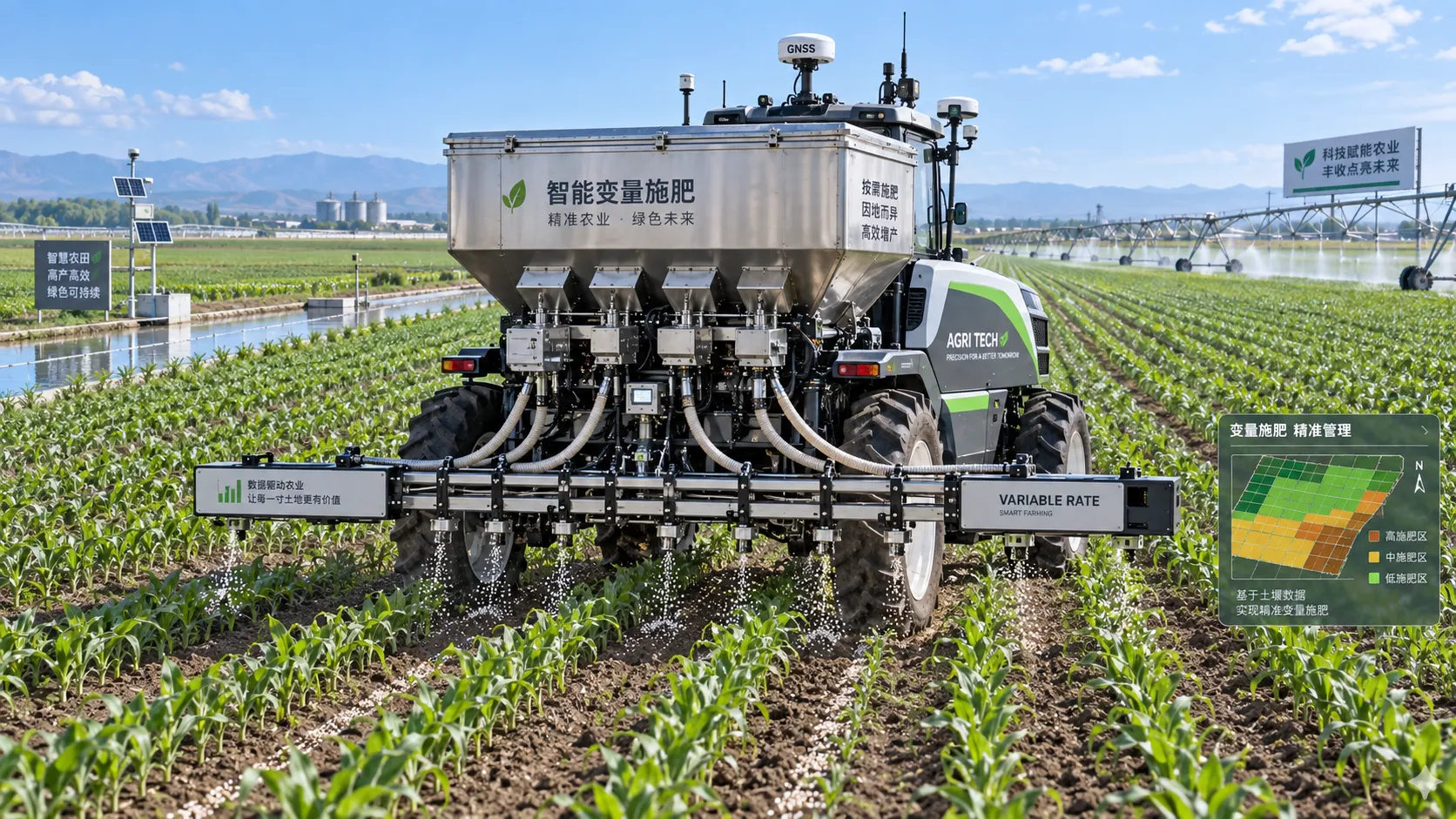
How to Evaluate Precision Fertilization System Suppliers for Farm-Scale Deployment
Precision fertilization systems suppliers: learn how to compare accuracy, integration, uptime, service, and total cost for confident farm-scale deployment.
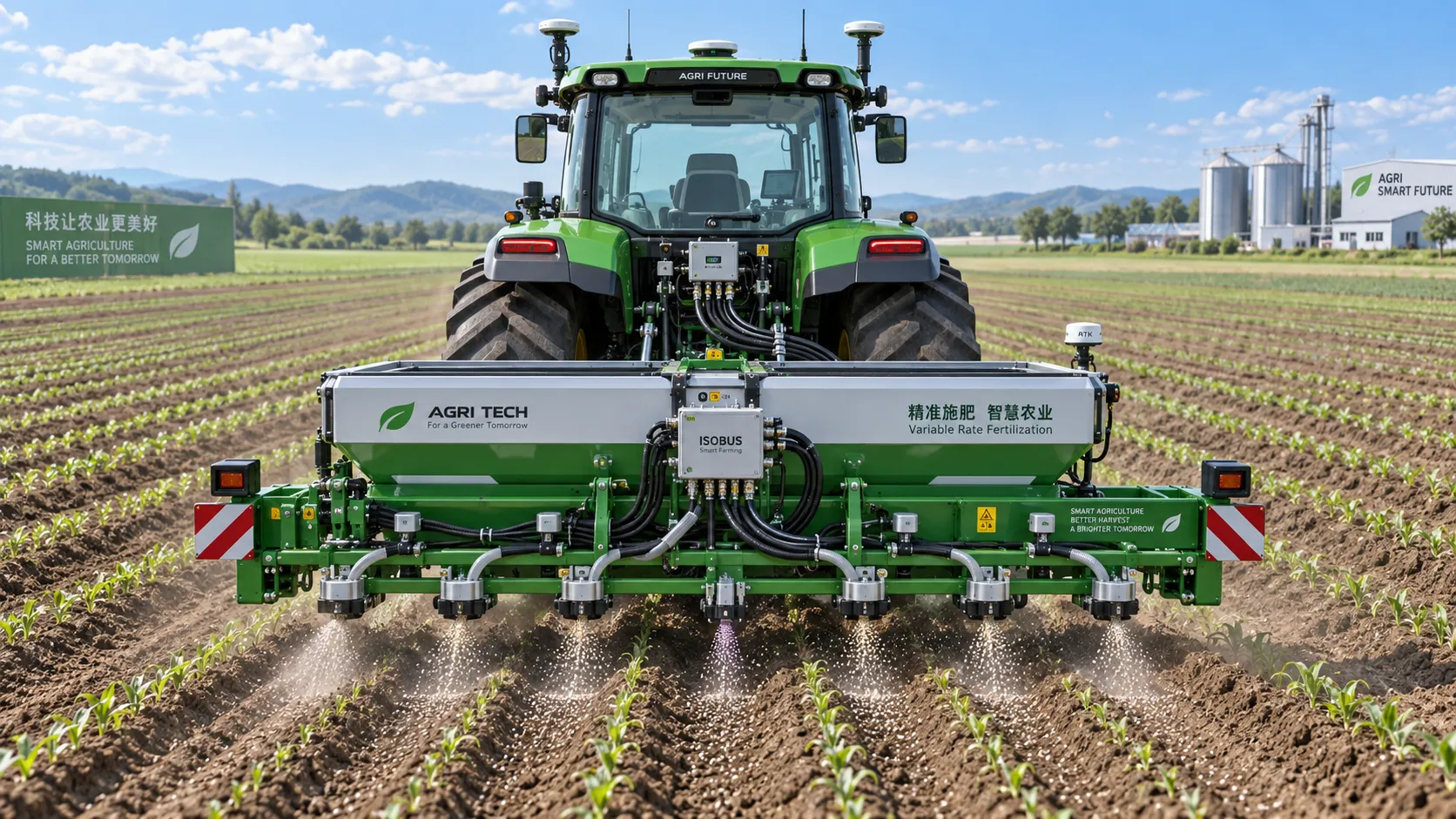
ISOBUS for Smart Agriculture: How It Connects Tractors, Implements, and Farm Data
ISOBUS for smart agriculture connects tractors, implements, terminals, and farm data—helping growers improve precision, documentation, and smarter field decisions.
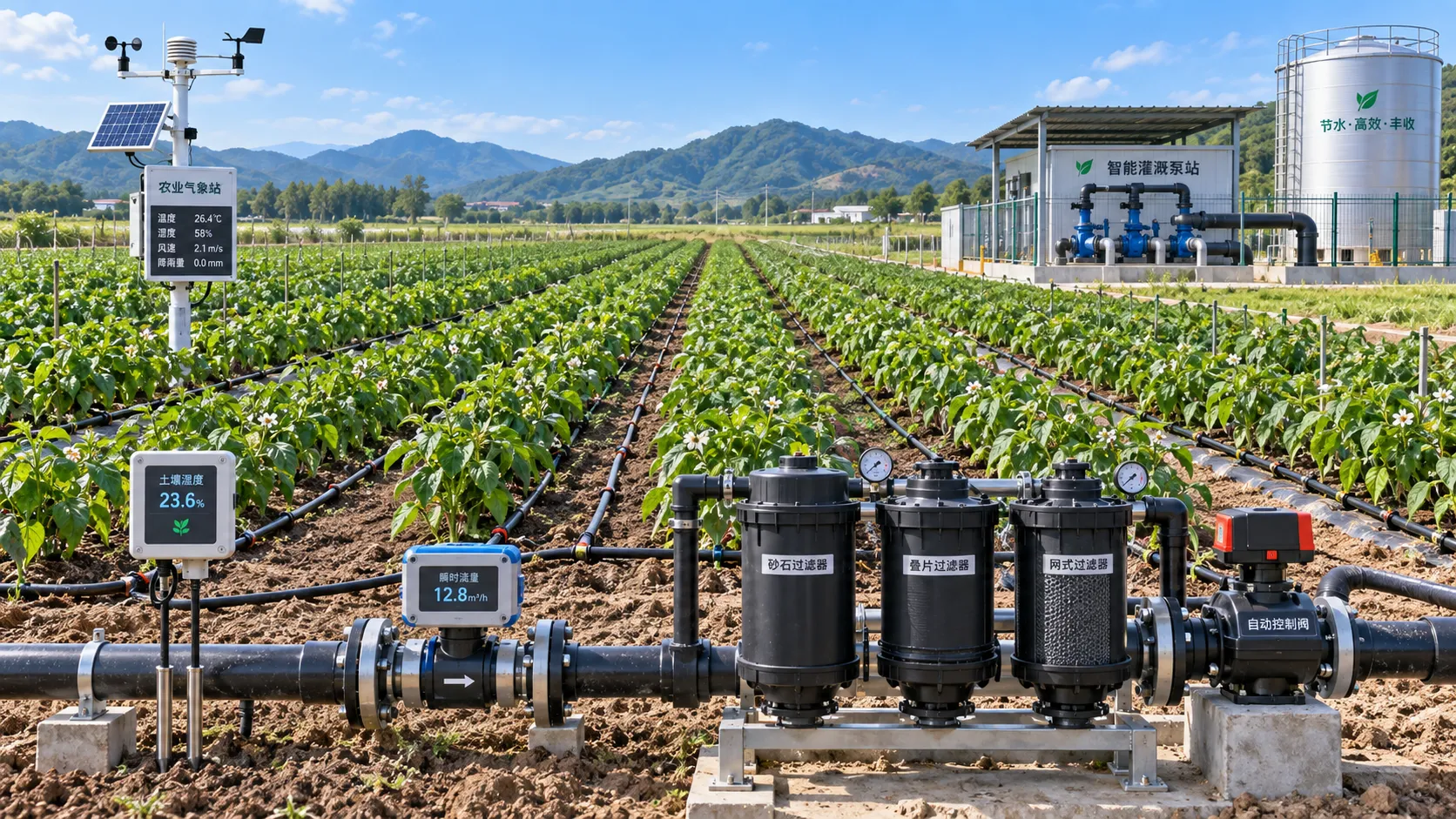
Automated Water-Saving Irrigation: How to Cut Water Use Without Reducing Crop Yields
Automated water-saving irrigation helps farms cut water use, protect crop yields, improve scheduling, and gain reliable control with sensors, flow monitoring, and smart zones.

Selecting Grain Farm Equipment by Acreage, Crop Mix, and Harvest Window
Agricultural equipment selection for grain farming: match machinery to acreage, crop mix, and harvest windows to improve uptime, efficiency, and returns.
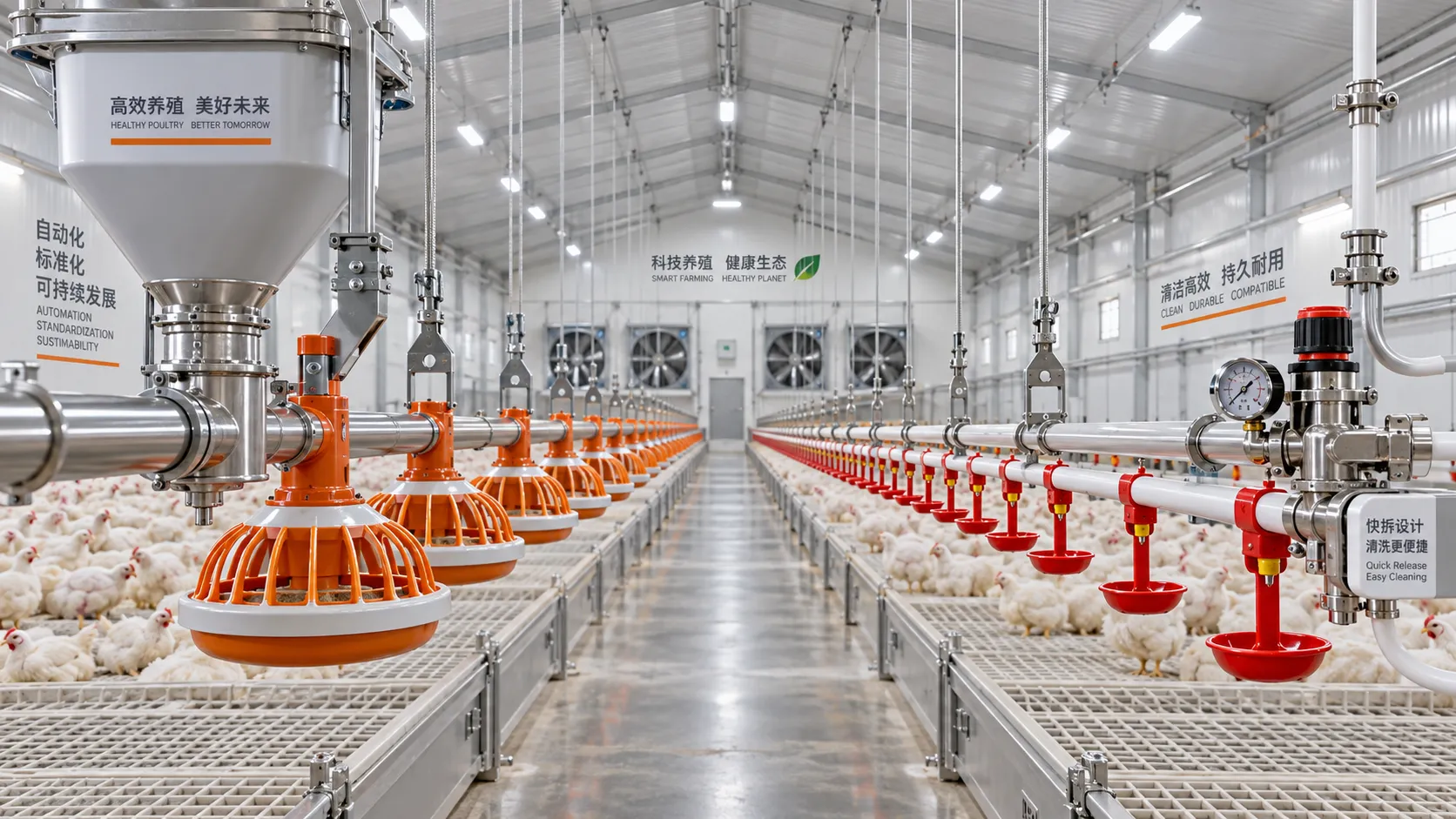
Poultry Equipment Selection: Evaluating Durability, Cleaning, and Compatibility
Poultry equipments selection guide: evaluate durability, cleaning access, and system compatibility to improve hygiene, reduce downtime, and support efficient flock management.
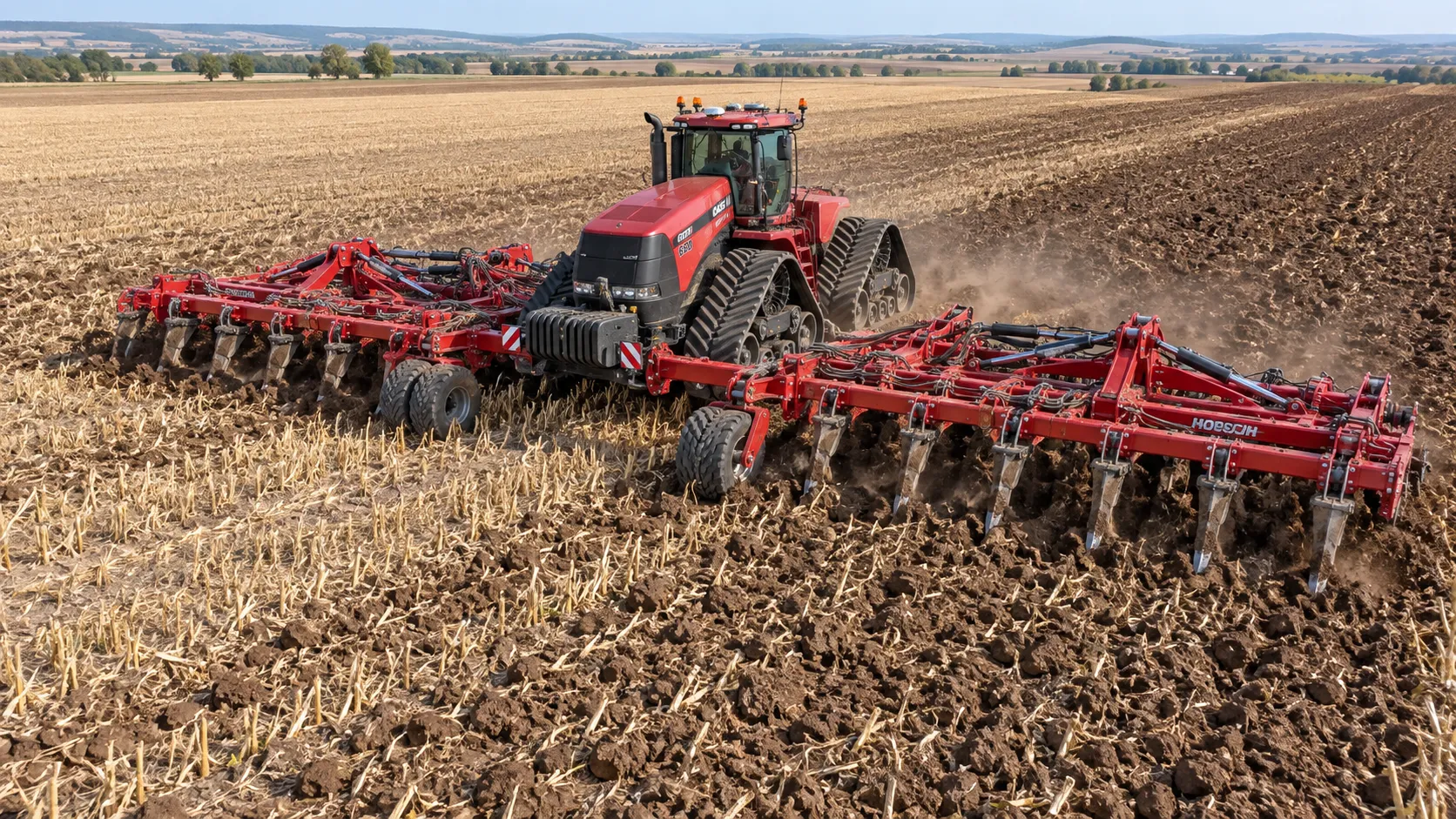
How to Select Heavy-Duty Farm Implements for High-Acreage, High-Horsepower Operations
Heavy duty farm implements: learn how to match draft, hydraulics, hitch capacity, frame strength, and field conditions for reliable high-acreage performance.
Related News
- 00
0000-00
Automated Water-Saving Irrigation: How to Cut Water Use Without Reducing Crop Yields - 00
0000-00
How to Evaluate Drip Irrigation System Manufacturers for Large Farm Projects - 00
0000-00
Wireless Agricultural Automation for Remote Irrigation and Field Monitoring - 00
0000-00
Designing Water-Saving Drip Irrigation Systems for High-Value Orchards - 00
0000-00
How to Choose Irrigation Solutions for Arid Regions Based on Water Source and Crop Needs
Popular Tags
Hydrological Resource Strategist
Weekly Insights
Stay ahead with our curated technology reports delivered every Monday.