
ANVISA Grants Emergency Authorization for Chinese Smart Irrigation Water Monitors
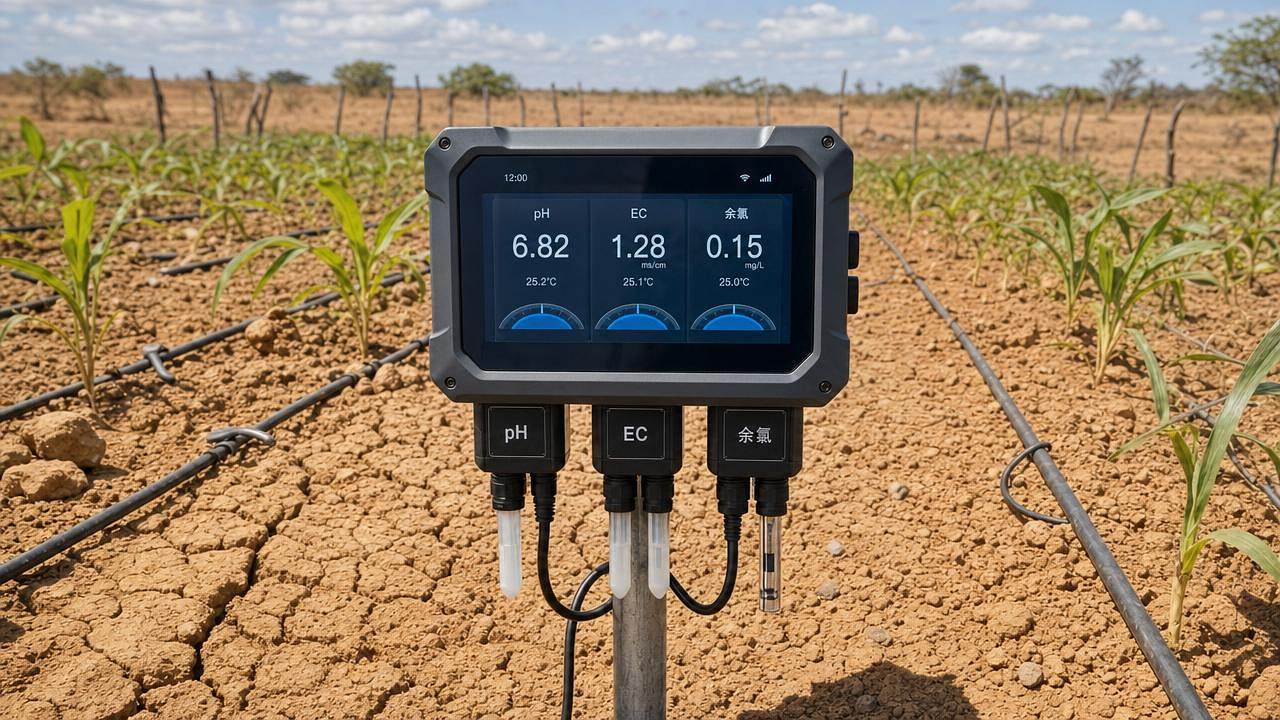




Brazil’s National Health Surveillance Agency (ANVISA) issued Resolution RDC No. 28/2026 on May 14, 2026, establishing an emergency temporary registration pathway for Chinese-manufactured smart irrigation water quality monitoring devices—specifically those integrating pH, EC, and residual chlorine sensing modules. The measure applies exclusively to devices already holding a Class II medical device filing certificate from China’s National Medical Products Administration (NMPA) and ISO 13485 certification. Valid until December 31, 2026, this authorization responds to heightened water quality oversight requirements during the dry season in Brazil’s Northeast region. Companies engaged in agricultural technology trade, regulatory compliance, and precision irrigation hardware supply should monitor implications closely—this is not a general market opening, but a time-bound, condition-specific regulatory accommodation with direct operational consequences.
Event Overview
On May 14, 2026, ANVISA published Resolução RDC No. 28/2026. It introduces a temporary import registration channel for smart irrigation water quality monitoring instruments manufactured in China. Eligible devices must incorporate multi-parameter modules for pH, electrical conductivity (EC), and residual chlorine measurement. To qualify, applicants must submit valid documentation: (i) a Class II medical device filing certificate issued by China’s NMPA, and (ii) a current ISO 13485 quality management system certificate. The authorization remains effective through December 31, 2026. This action is explicitly framed as an emergency response to intensified irrigation water quality regulation in Brazil’s Northeast during the dry season.
Industries Affected by This Measure
Direct Exporters and Importers of Agricultural Monitoring Hardware
Companies exporting Chinese-made irrigation water monitors into Brazil are directly affected because the resolution creates a streamlined—but narrowly defined—path to ANVISA import clearance. Impact arises from the conditional eligibility: only devices already certified under China’s Class II medical device framework (not general industrial or agricultural equipment standards) qualify. This excludes most non-medical-grade environmental sensors, even if functionally similar. The time-limited nature (expiring December 31, 2026) also means import planning must align precisely with this window.
Manufacturers Holding NMPA Class II Filings and ISO 13485 Certification
Chinese manufacturers with existing NMPA Class II medical device filings—and whose products fall within the specified parameter scope (pH/EC/residual chlorine)—may see short-term export opportunities. However, impact is constrained: the resolution does not broaden product scope or relax technical requirements. Devices must meet ANVISA’s functional and labeling expectations for use in irrigation contexts, despite being routed via a medical-device-aligned pathway. No new conformity assessment is waived; verification of intended use alignment remains the importer’s responsibility.
Regulatory Affairs and Compliance Service Providers
Firms supporting cross-border device registration face a narrow but urgent workload shift. The emergency pathway requires precise interpretation of how ANVISA classifies irrigation water monitors under its medical device definitions—a classification not previously applied to this application domain. Service providers must verify whether client devices’ NMPA filings reference irrigation-related performance claims or risk misalignment. Documentation translation, certificate validation, and post-submission communication with ANVISA become time-sensitive tasks under the December 2026 deadline.
Distribution and Channel Partners in Brazilian Agri-Tech Markets
Brazilian distributors handling precision agriculture hardware may experience limited near-term inventory flexibility—but only for units already compliant with the two stipulated certifications. There is no provision for parallel imports, re-labeling, or local assembly. Inventory planning must account for lead times in document verification and ANVISA processing; the resolution does not guarantee expedited review. Furthermore, end-user deployment remains subject to state-level agricultural water regulations—not superseded by this federal health agency measure.
What Relevant Companies or Practitioners Should Focus On Now
Monitor ANVISA’s official guidance on scope interpretation
ANVISA has not yet published supplementary technical notes clarifying whether ‘irrigation use’ must be explicitly stated in the NMPA filing, or whether performance specifications alone suffice. Exporters and their local representatives should track updates on ANVISA’s website and register for official notifications related to RDC No. 28/2026.
Verify certification validity and alignment before initiating applications
ISO 13485 certificates must be current and issued by ANVISA-recognized bodies; expired or non-accredited certificates will invalidate applications. Likewise, NMPA filings must remain active and list parameters matching the device’s actual configuration (e.g., inclusion of residual chlorine sensing). Pre-submission audits of documentation are strongly advised—ANVISA does not permit post-submission corrections that alter core technical claims.
Distinguish between policy signal and operational readiness
This resolution signals ANVISA’s willingness to adapt regulatory pathways for time-sensitive public health–adjacent needs (e.g., preventing crop loss due to saline or contaminated irrigation water). However, it does not constitute a permanent regulatory revision or broader market access reform. Companies should avoid treating it as precedent for future non-medical device approvals unless corroborated by subsequent ANVISA actions.
Prepare documentation packages now—not after shipment
Given the December 31, 2026 expiration, applications submitted late in Q4 2026 may face insufficient processing time. Firms should assemble complete dossiers—including Portuguese-language technical files, labeling samples, and importer authorization letters—by Q3 2026 at the latest. Delays in notarization, translation, or certificate authentication cannot be accommodated under the emergency provision.
Editorial Perspective / Industry Observation
Observably, this resolution functions primarily as a situational regulatory bridge—not a structural market opening. Analysis shows ANVISA is leveraging its existing medical device framework to address an acute regional need, rather than creating a new category for agricultural sensors. From an industry perspective, it reflects growing convergence between water safety governance and precision agriculture infrastructure, particularly where irrigation water quality directly impacts food safety or environmental health outcomes. Current more appropriate interpretation is that this is a targeted, time-bound administrative facilitation—not evidence of long-term harmonization between Brazil’s health and agriculture regulatory systems. Continued observation is warranted to determine whether ANVISA issues follow-up resolutions extending, narrowing, or codifying elements of RDC No. 28/2026 beyond 2026.
This measure underscores how localized regulatory adaptations—driven by climate-adjacent pressures like seasonal drought—can create discrete, actionable windows for specific hardware exporters. Its significance lies less in scale and more in signaling: when public health agencies begin applying medical-device logic to irrigation tools, it indicates evolving thresholds for what qualifies as ‘critical infrastructure’ in food and water systems. For stakeholders, the priority remains disciplined execution within defined constraints—not extrapolating beyond the text of RDC No. 28/2026.
Source: ANVISA Resolução RDC No. 28/2026, published May 14, 2026. Official text available via ANVISA’s electronic gazette (Diário Oficial da União). Areas requiring ongoing observation include: (i) ANVISA’s issuance of technical implementation guidelines; (ii) any extension or amendment to RDC No. 28/2026 prior to December 31, 2026; (iii) potential alignment—or divergence—with concurrent updates to Brazil’s Ministry of Agriculture irrigation water quality standards.
Related News
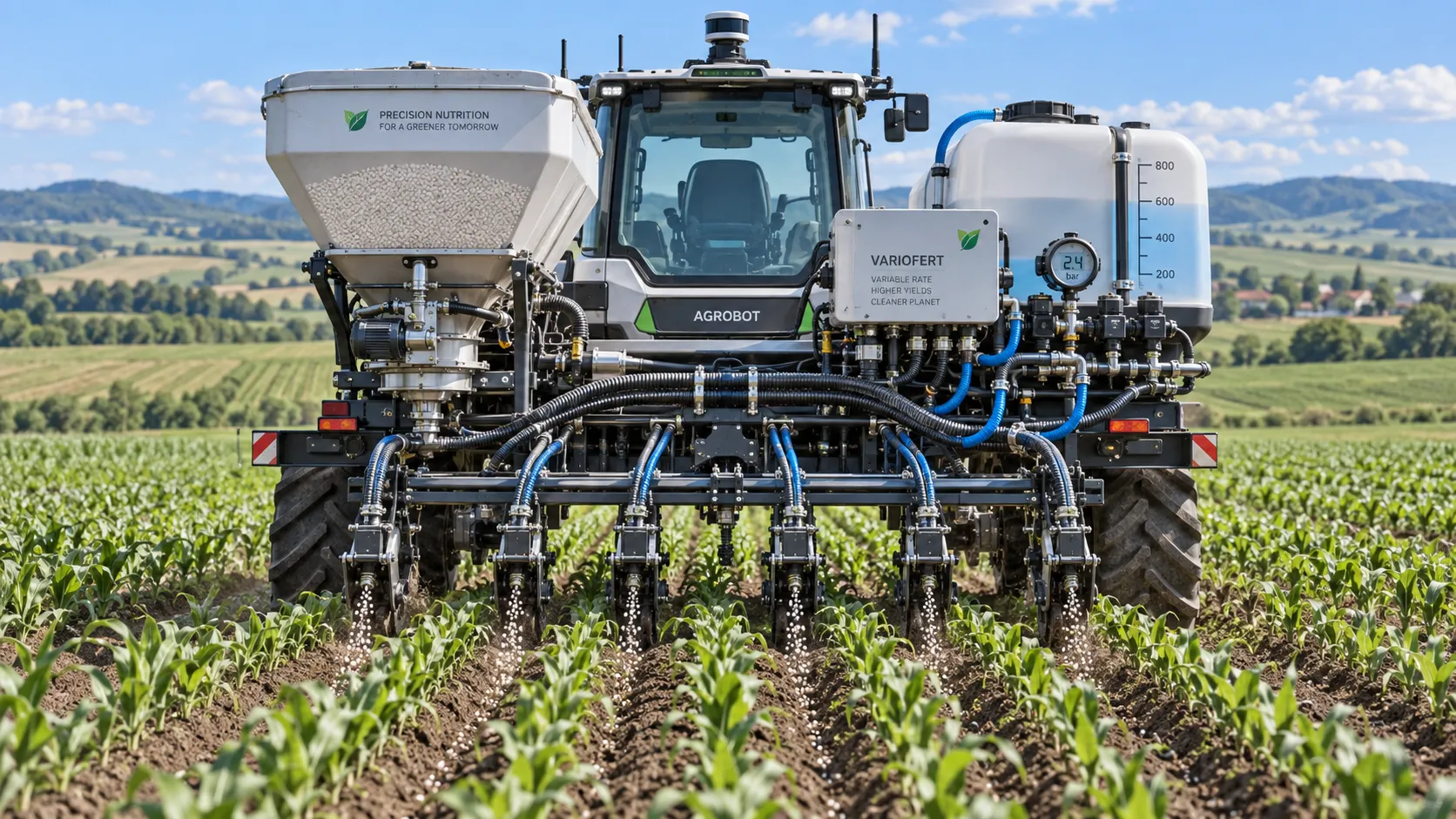
How Sensor Feedback Enables Accurate Variable-Rate Fertilization in Field Conditions
Precision fertilization systems with sensor feedback improve variable-rate accuracy by verifying flow, managing latency, and ensuring reliable field application.
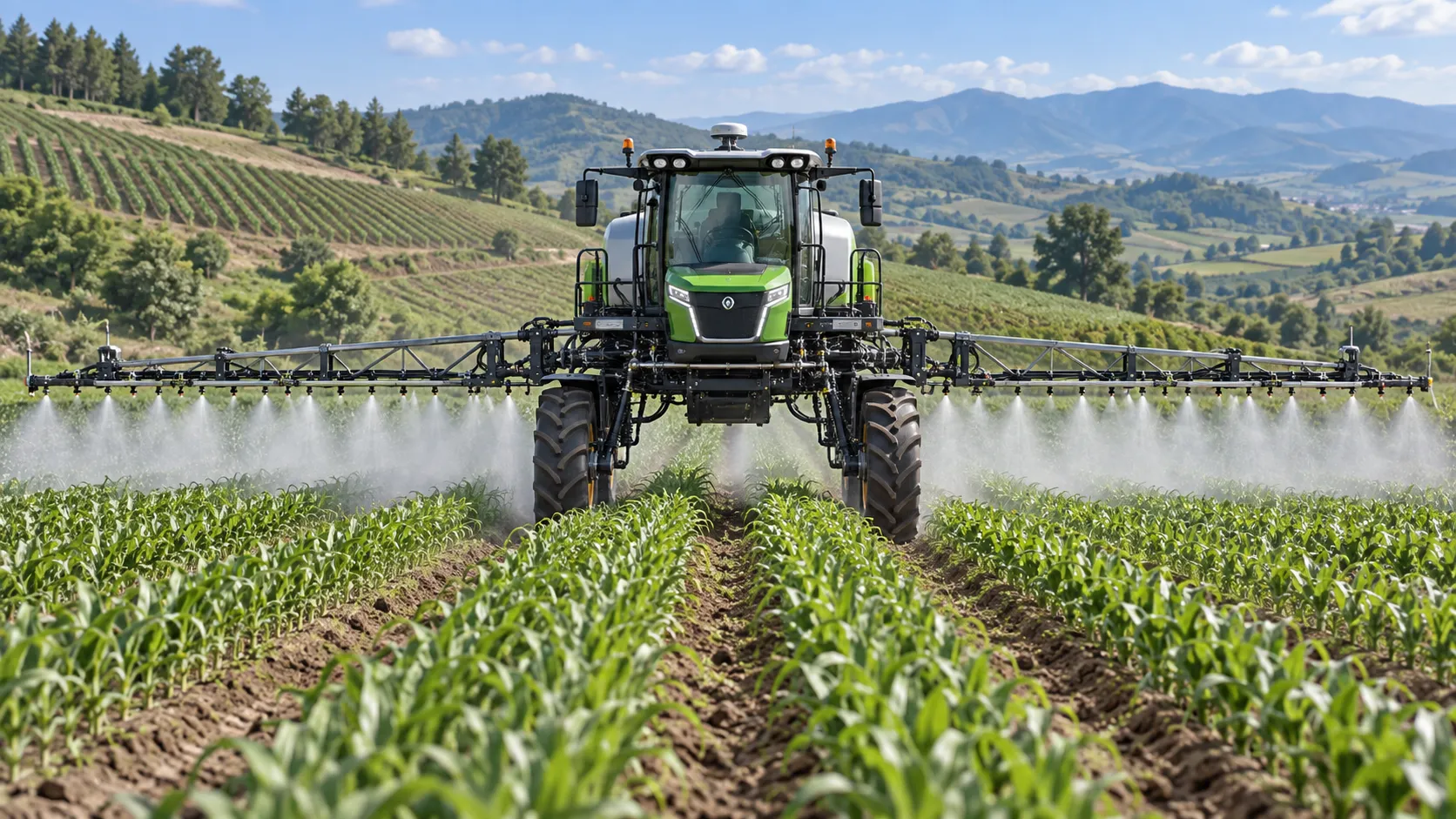
How to Select Precision Crop Protection Equipment for Variable Field Conditions
Precision crop protection equipment selection made simple: compare terrain, canopy, weather, control accuracy, and data workflows for reliable applications.

When Does Agricultural Machinery Leasing Cost Less Than Owning Equipment?
Agricultural machinery leasing can lower farm costs when use is seasonal or uncertain. Compare utilization, maintenance, cash flow, and risk to make a smarter equipment decision.
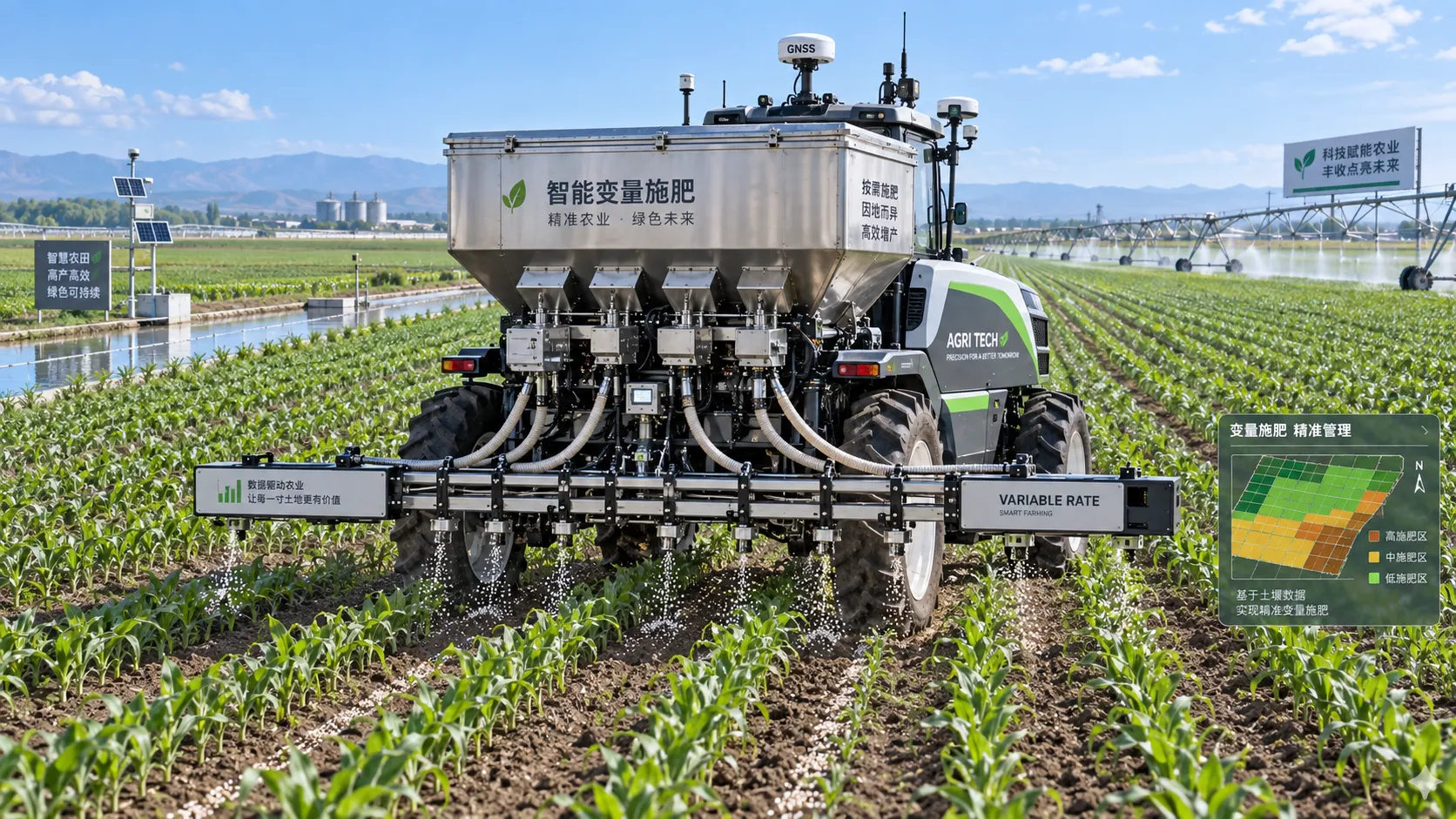
How to Evaluate Precision Fertilization System Suppliers for Farm-Scale Deployment
Precision fertilization systems suppliers: learn how to compare accuracy, integration, uptime, service, and total cost for confident farm-scale deployment.
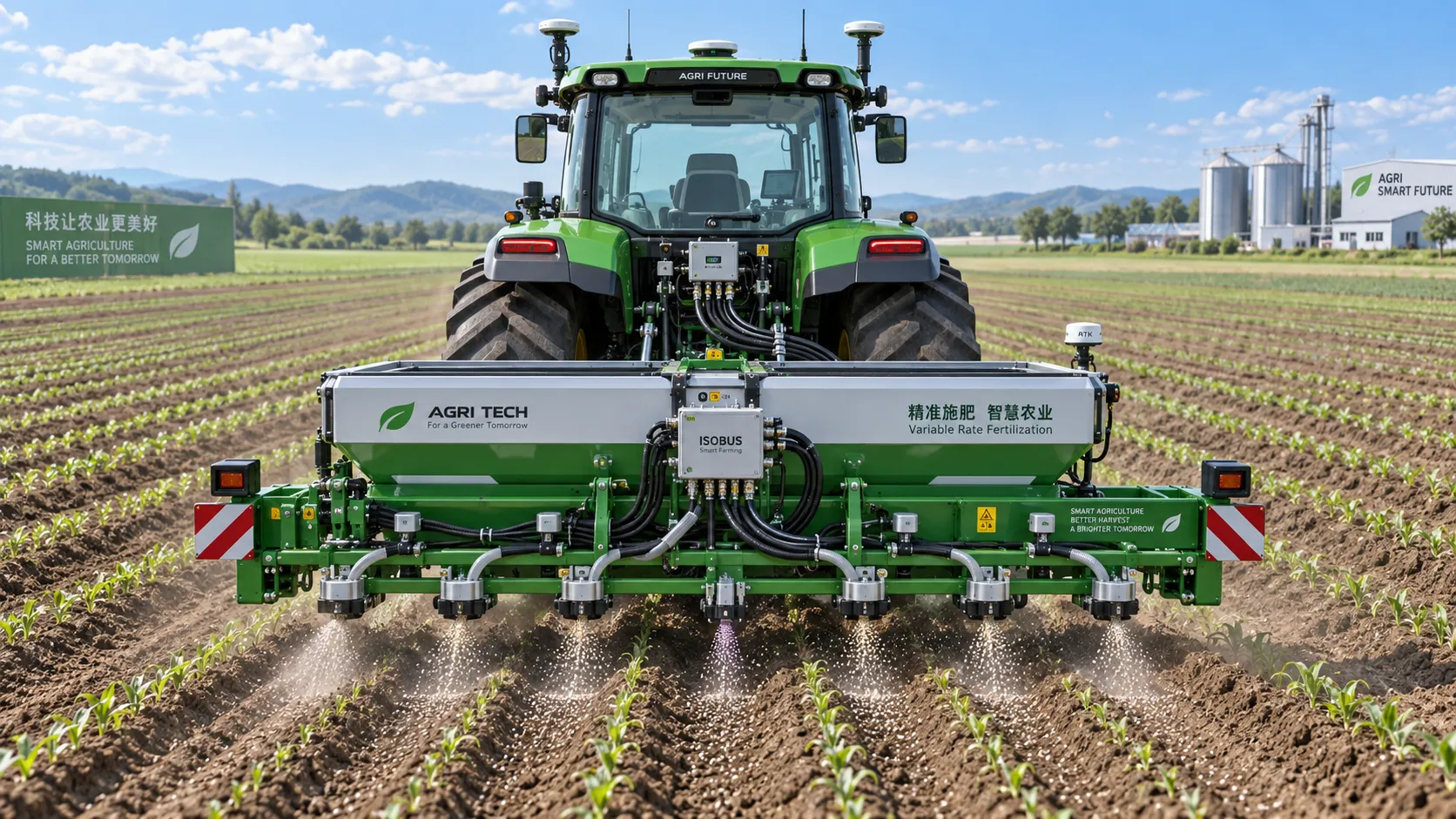
ISOBUS for Smart Agriculture: How It Connects Tractors, Implements, and Farm Data
ISOBUS for smart agriculture connects tractors, implements, terminals, and farm data—helping growers improve precision, documentation, and smarter field decisions.
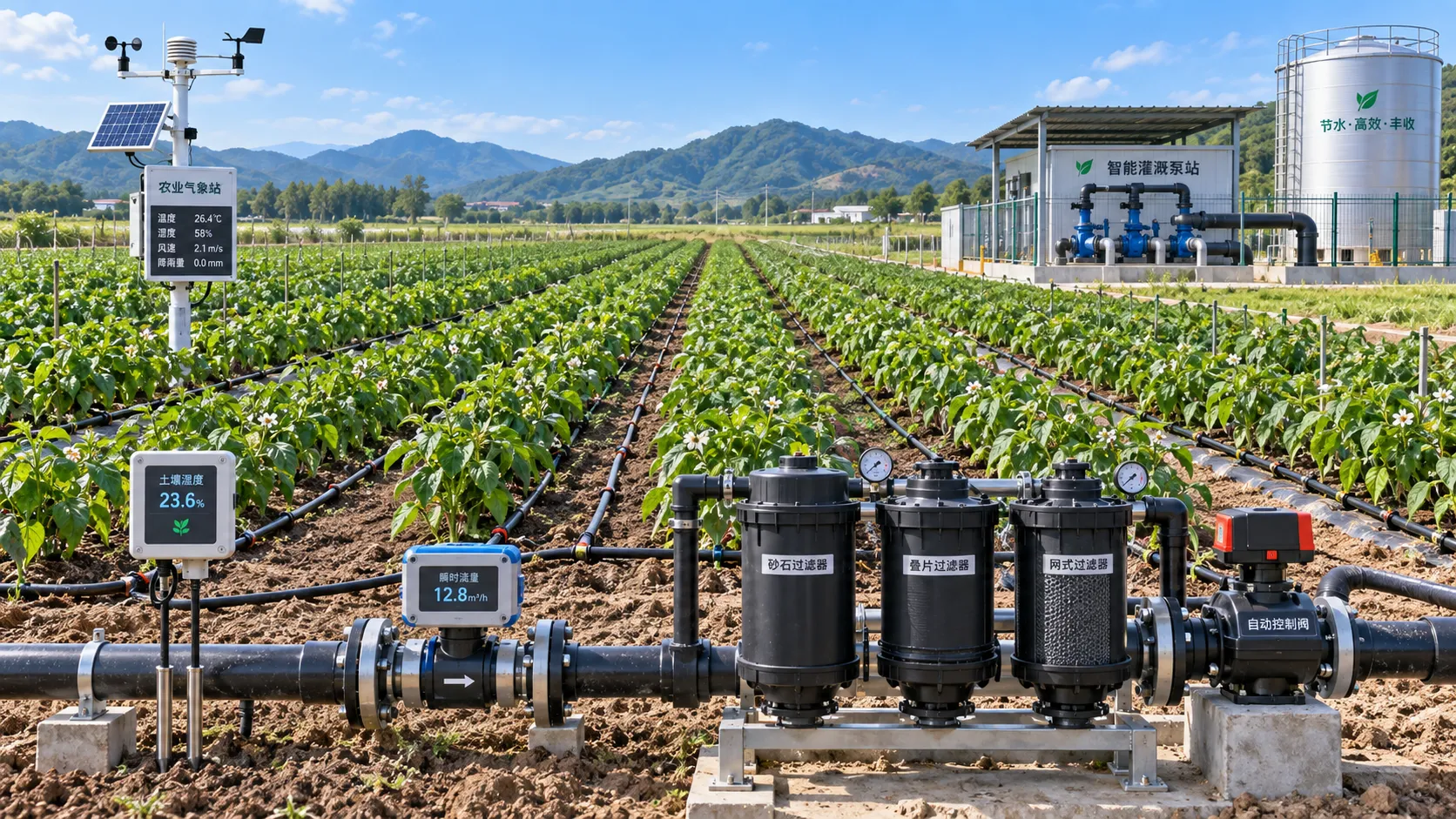
Automated Water-Saving Irrigation: How to Cut Water Use Without Reducing Crop Yields
Automated water-saving irrigation helps farms cut water use, protect crop yields, improve scheduling, and gain reliable control with sensors, flow monitoring, and smart zones.

Selecting Grain Farm Equipment by Acreage, Crop Mix, and Harvest Window
Agricultural equipment selection for grain farming: match machinery to acreage, crop mix, and harvest windows to improve uptime, efficiency, and returns.
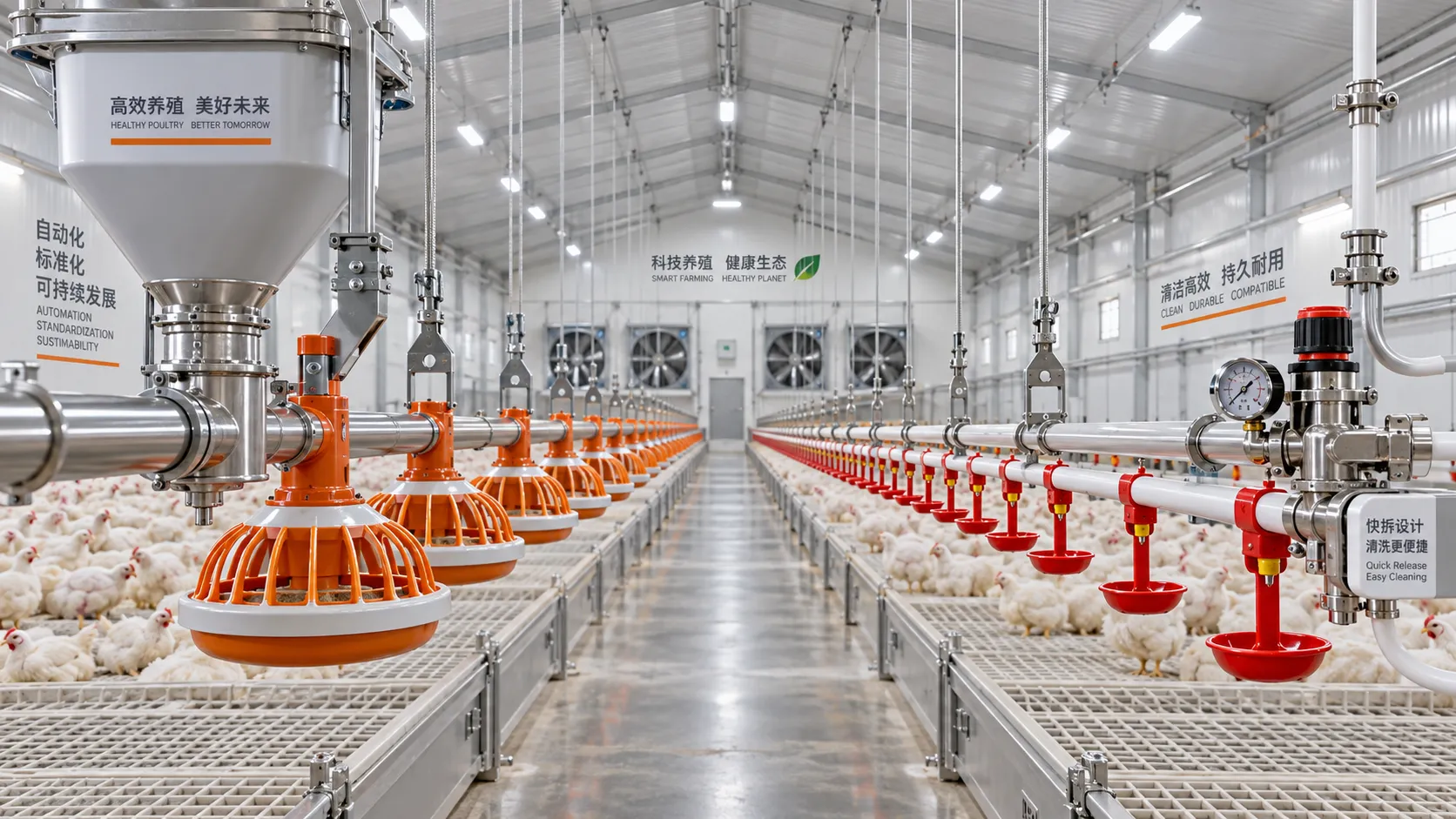
Poultry Equipment Selection: Evaluating Durability, Cleaning, and Compatibility
Poultry equipments selection guide: evaluate durability, cleaning access, and system compatibility to improve hygiene, reduce downtime, and support efficient flock management.
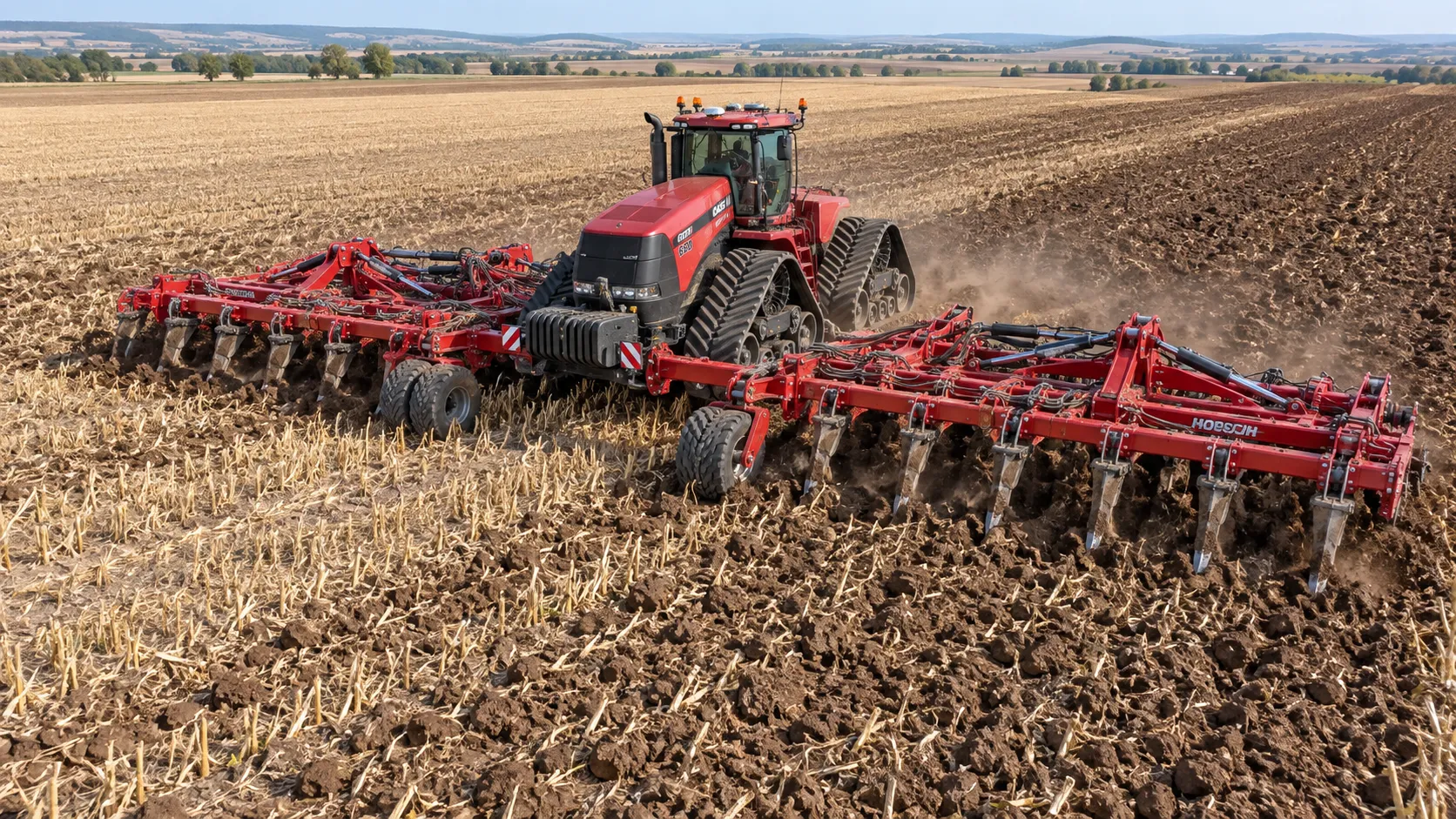
How to Select Heavy-Duty Farm Implements for High-Acreage, High-Horsepower Operations
Heavy duty farm implements: learn how to match draft, hydraulics, hitch capacity, frame strength, and field conditions for reliable high-acreage performance.
Related News
- 00
0000-00
Automated Water-Saving Irrigation: How to Cut Water Use Without Reducing Crop Yields - 00
0000-00
How to Evaluate Drip Irrigation System Manufacturers for Large Farm Projects - 00
0000-00
Wireless Agricultural Automation for Remote Irrigation and Field Monitoring - 00
0000-00
Designing Water-Saving Drip Irrigation Systems for High-Value Orchards - 00
0000-00
How to Choose Irrigation Solutions for Arid Regions Based on Water Source and Crop Needs
Popular Tags
Hydrological Resource Strategist
Weekly Insights
Stay ahead with our curated technology reports delivered every Monday.