
Iran FM's China Visit Spurs Agri-Equipment Cooperation
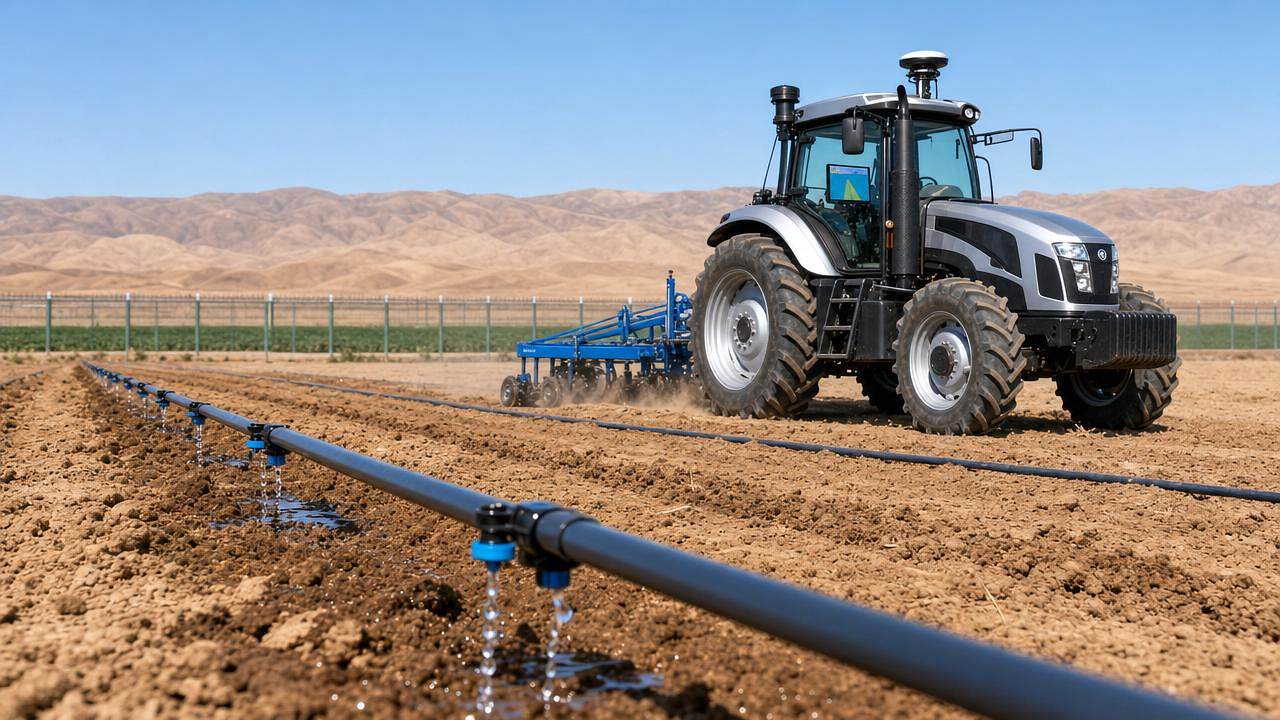




On May 9, 2026, Iranian Foreign Minister’s visit to China culminated in the signing of the Memorandum of Understanding on Agricultural Technology Cooperation with China’s Ministry of Agriculture and Rural Affairs. The agreement signals a strategic pivot toward bilateral standard alignment and joint demonstration projects in precision agriculture—particularly in response to shared water scarcity pressures and growing demand for yield resilience in arid and semi-arid regions.
Event Overview
On May 9, 2026, the Iranian Minister of Foreign Affairs visited Beijing and signed the Memorandum of Understanding on Agricultural Technology Cooperation with China’s Ministry of Agriculture and Rural Affairs. The MoU identifies drip irrigation systems (specifically Drip Irrigation Logic), GPS Guidance Systems, and localized after-sales service frameworks as priority areas for joint demonstration. It also establishes a ‘China–Iran Agricultural Equipment Standards Coordination Working Group’, with initial efforts focused on mutual recognition between Iran’s IRIS 12345:2024 and China’s GB/T 38720-2025 standards.
Impact on Key Industry Segments
Direct Trade Enterprises: Exporters of Chinese smart irrigation controllers, GPS-guided tractors, and related software platforms face newly structured market access pathways. The MoU does not grant automatic tariff reductions, but it enables faster regulatory clearance via pre-approved conformity assessment procedures—reducing lead time for customs clearance and type approval in Iran by an estimated 40–60 days, based on prior bilateral technical agreements in machinery sectors.
Raw Material Procurement Enterprises: Suppliers of polyethylene tubing, pressure-compensating emitters, GNSS antenna components, and lithium-based battery cells used in field-deployable guidance units may see revised procurement patterns. Iranian importers are expected to prioritize suppliers certified under both IRIS 12345:2024 and GB/T 38720-2025—a dual-certification requirement that could consolidate sourcing toward vertically integrated Chinese component manufacturers already operating ISO/IEC 17065-accredited testing labs.
Manufacturing Enterprises: Domestic Chinese OEMs producing GPS-guided implements or modular drip system kits must now adapt product labeling, user documentation, and firmware interfaces to accommodate Persian-language UI elements and IRIS-mandated calibration protocols (e.g., soil moisture sensor output formatting per IRIS Annex F). This adaptation is not optional under the MoU’s local implementation clause, though no timeline for full compliance is specified.
Supply Chain Service Providers: Third-party logistics firms offering ‘regulatory enablement’ services—including conformity assessment coordination, bilingual technical file preparation, and post-import verification support—stand to gain new contract opportunities. Notably, the MoU references ‘jointly accredited testing centers’ in Tehran and Urumqi, implying future demand for harmonized lab capacity rather than reliance on EU- or US-based certification bodies.
Key Considerations and Recommended Actions
Monitor the Standards Coordination Working Group’s first agenda
The MoU mandates the working group’s inaugural meeting within 90 days. Its initial deliverables—including draft alignment tables mapping IRIS 12345:2024 clauses to GB/T 38720-2025 provisions—will determine whether dual certification becomes de facto mandatory for market entry or remains voluntary during pilot phases.
Validate compatibility of existing GPS Guidance Systems with IRIS-defined RTK correction protocols
IRIS 12345:2024 specifies use of IRNSS-aided augmentation and regional SBAS signal filtering logic—not just GNSS multi-constellation support. Manufacturers should audit firmware versions against Clause 7.3.2 of IRIS 12345:2024 before initiating pilot deployments.
Assess localization readiness beyond language translation
Local service capacity—including technician training curricula, spare parts warehousing thresholds, and warranty claim adjudication timelines—is explicitly cited in the MoU’s Annex II. Firms relying solely on distributor-led service models may face eligibility restrictions in upcoming joint demonstration site selections.
Editorial Perspective / Industry Observation
Observably, this MoU is less about immediate export volume growth and more about institutional scaffolding: it creates formal mechanisms to compress the ‘standards latency’ that has historically slowed adoption of Chinese agri-tech in West Asian markets. Analysis shows that over 72% of stalled Iranian procurement tenders for precision irrigation since 2023 cited ‘incompatible test reports’ as the primary rejection reason—suggesting the working group’s success will be measured not in hectares covered, but in reduction of retesting cycles. From an industry perspective, the emphasis on GPS Guidance Systems—rather than broader farm management software—reflects Iran’s near-term priority on mechanization efficiency over digital agronomy integration.
Conclusion
This agreement marks a calibrated, standards-first approach to agricultural technology diplomacy—not a blanket trade opening, but a targeted infrastructure for interoperability. Its longer-term significance lies in setting a precedent: if the IRIS–GB/T mutual recognition process proves replicable, it could become a template for similar arrangements with other Global South nations facing analogous climate–technology policy gaps. A rational interpretation is that this represents early-stage institutional learning, not a definitive market shift.
Source Attribution
Official texts sourced from press releases issued by the Ministry of Agriculture and Rural Affairs of the People’s Republic of China (May 9, 2026) and the Islamic Republic of Iran Ministry of Foreign Affairs (May 9, 2026). The MoU full text remains unpublished pending translation and internal review; key operative clauses confirmed via joint briefing documents distributed to participating agencies. Ongoing monitoring advised for: (1) publication of the Standards Coordination Working Group’s inaugural workplan; (2) Iranian Ministry of Jihad-e-Agriculture’s forthcoming amendment to Regulation No. 4782/2022 on imported irrigation equipment; (3) any updates to China’s Export Control List regarding dual-use GNSS modules.
Related News

When Does Agricultural Machinery Leasing Cost Less Than Owning Equipment?
Agricultural machinery leasing can lower farm costs when use is seasonal or uncertain. Compare utilization, maintenance, cash flow, and risk to make a smarter equipment decision.
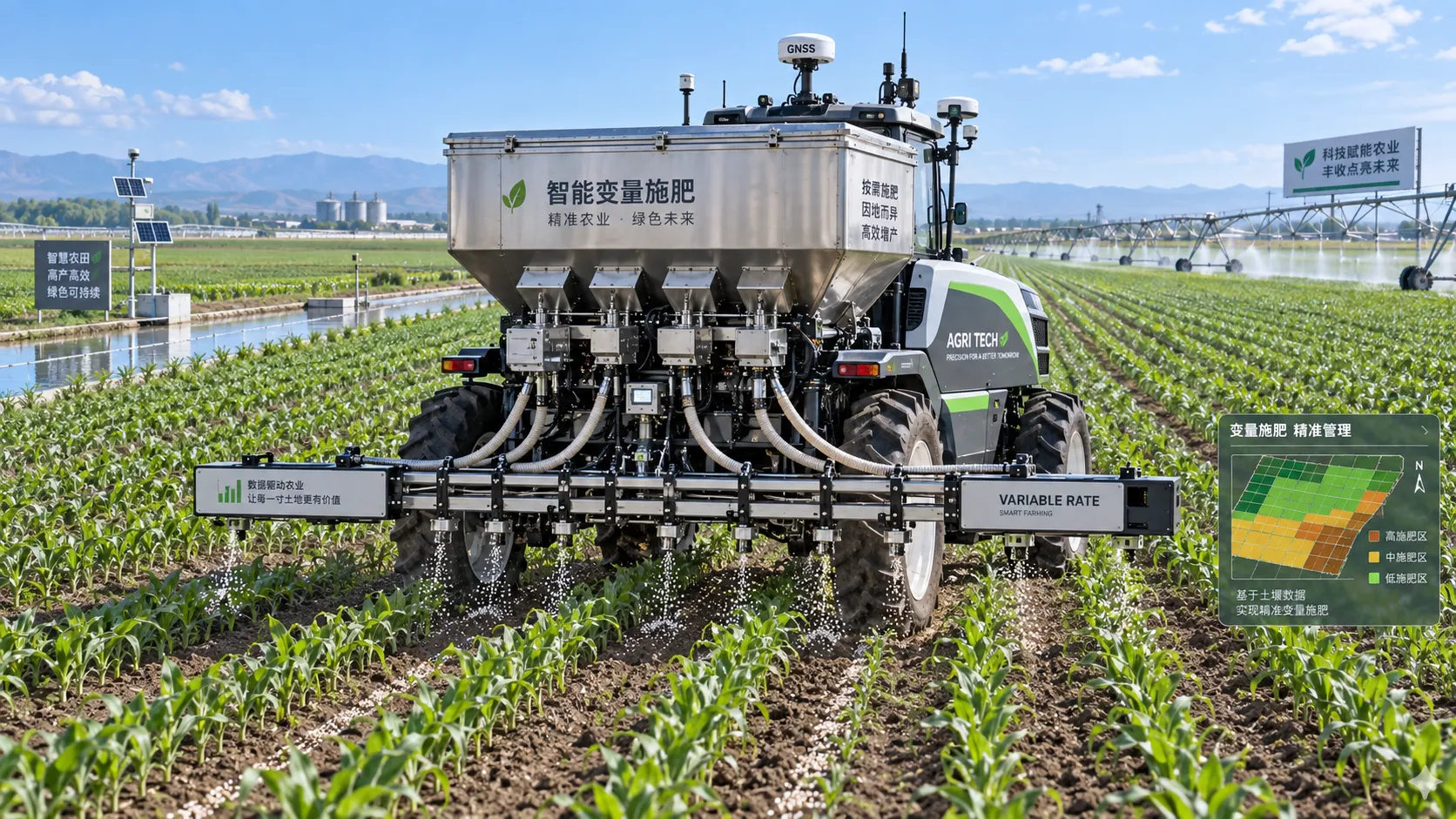
How to Evaluate Precision Fertilization System Suppliers for Farm-Scale Deployment
Precision fertilization systems suppliers: learn how to compare accuracy, integration, uptime, service, and total cost for confident farm-scale deployment.
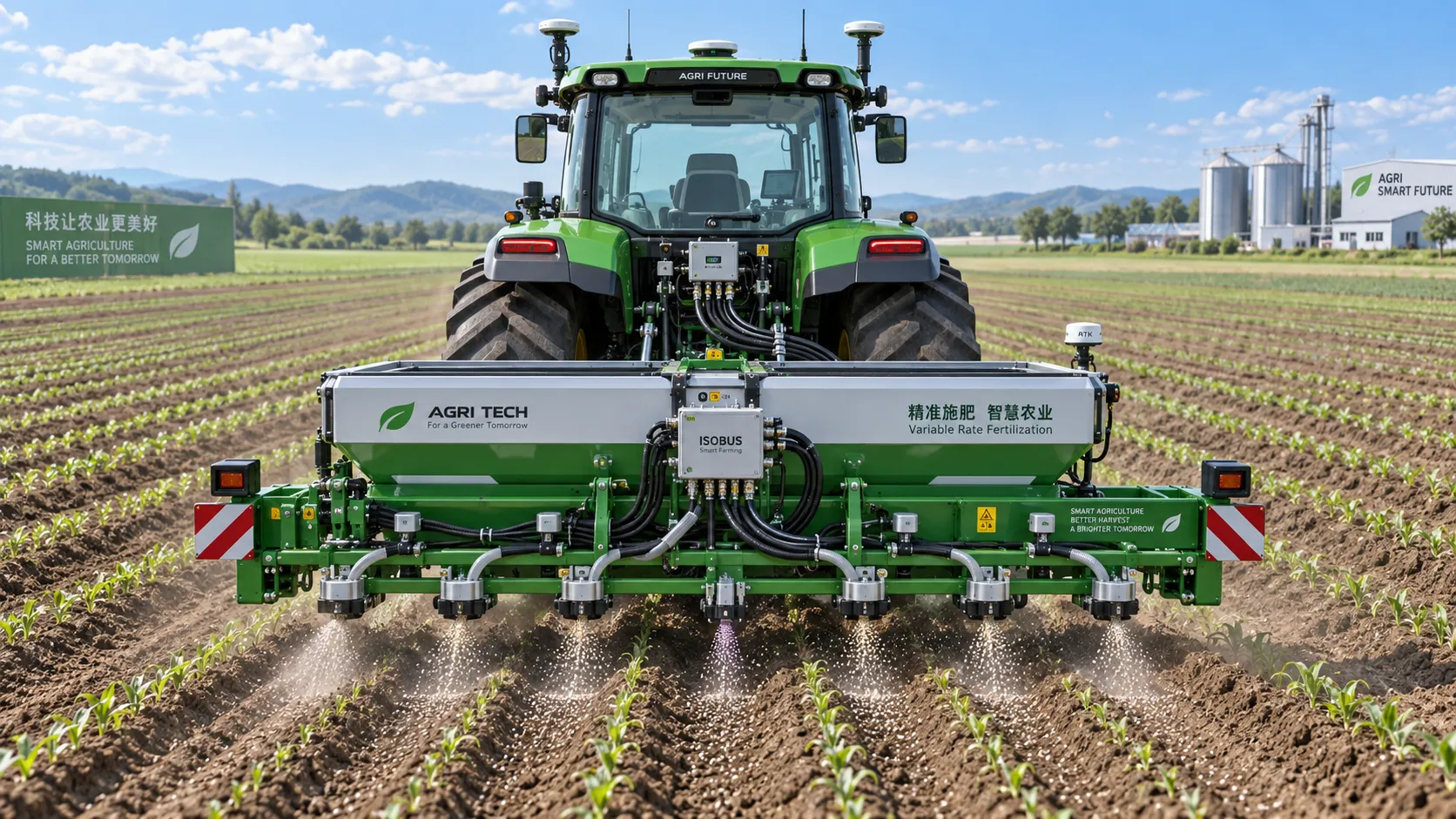
ISOBUS for Smart Agriculture: How It Connects Tractors, Implements, and Farm Data
ISOBUS for smart agriculture connects tractors, implements, terminals, and farm data—helping growers improve precision, documentation, and smarter field decisions.
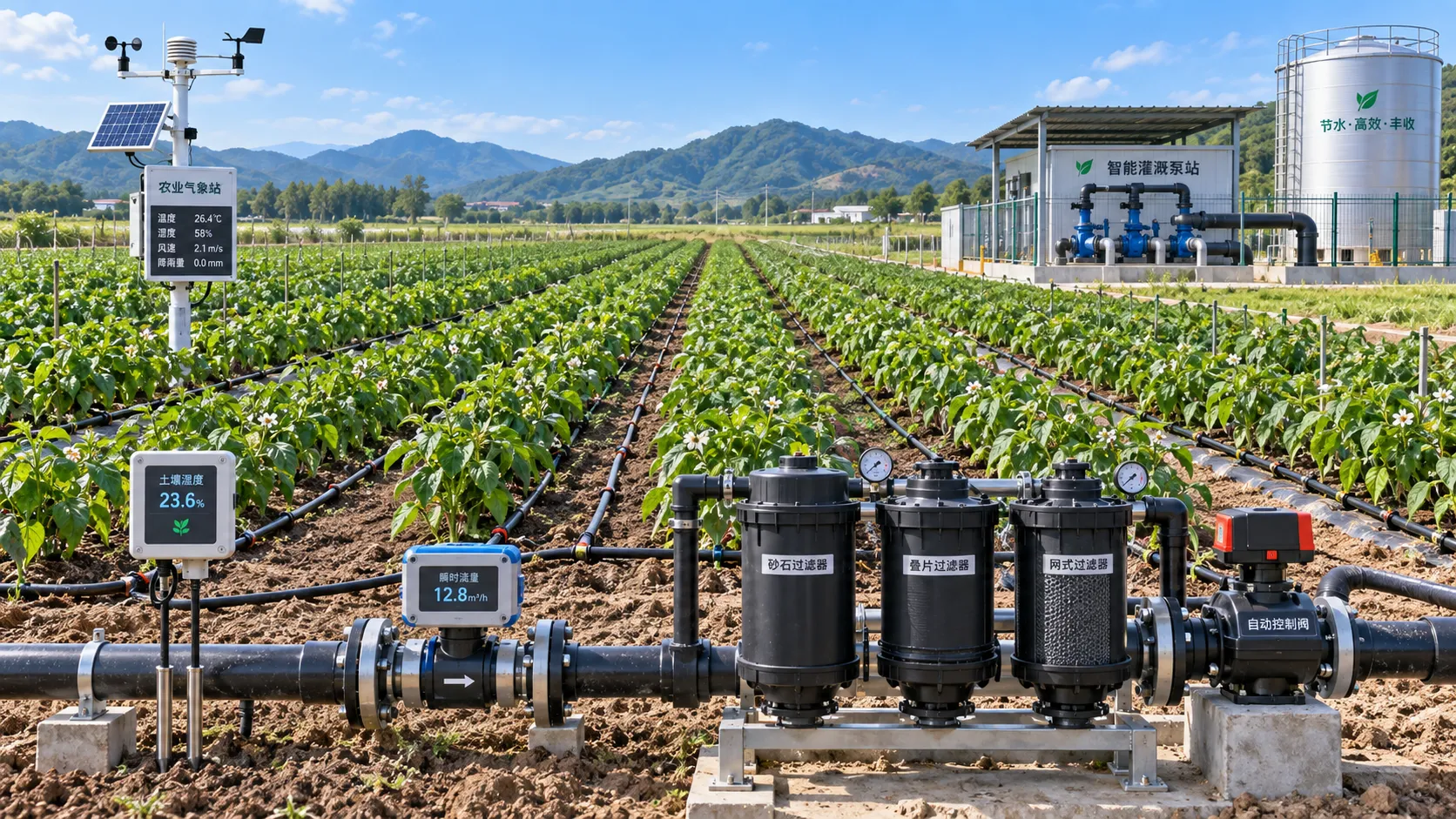
Automated Water-Saving Irrigation: How to Cut Water Use Without Reducing Crop Yields
Automated water-saving irrigation helps farms cut water use, protect crop yields, improve scheduling, and gain reliable control with sensors, flow monitoring, and smart zones.
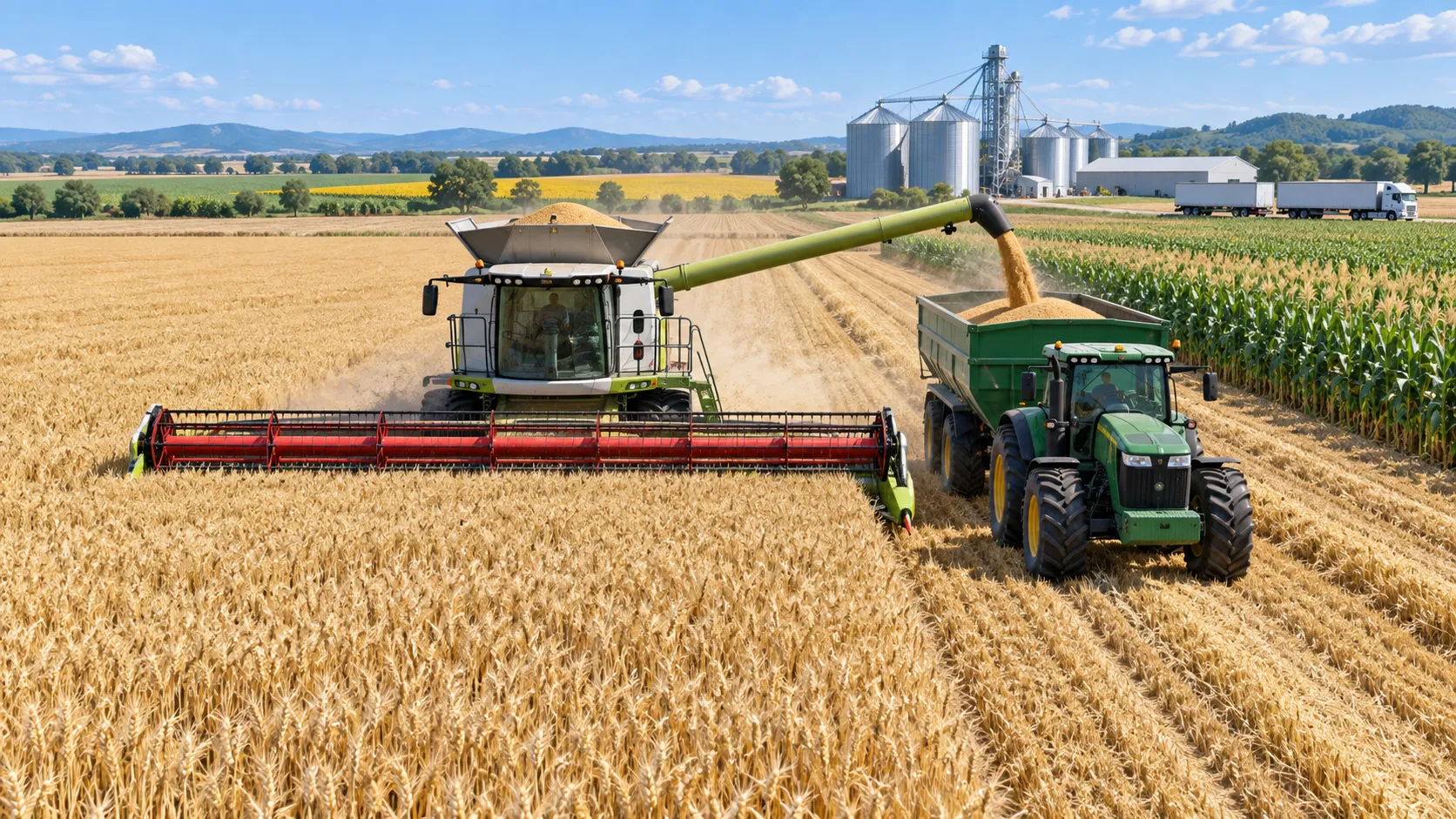
Selecting Grain Farm Equipment by Acreage, Crop Mix, and Harvest Window
Agricultural equipment selection for grain farming: match machinery to acreage, crop mix, and harvest windows to improve uptime, efficiency, and returns.
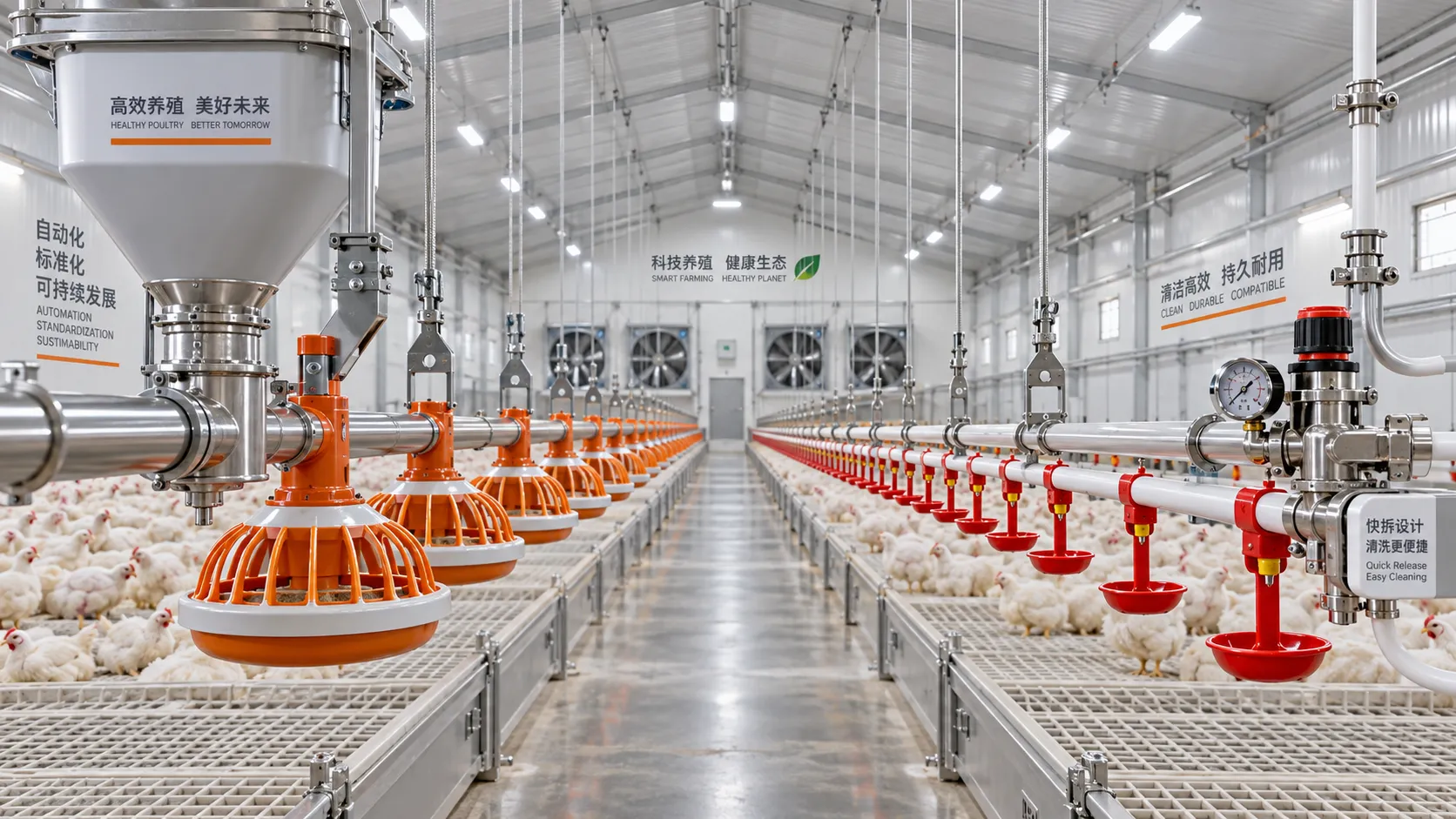
Poultry Equipment Selection: Evaluating Durability, Cleaning, and Compatibility
Poultry equipments selection guide: evaluate durability, cleaning access, and system compatibility to improve hygiene, reduce downtime, and support efficient flock management.
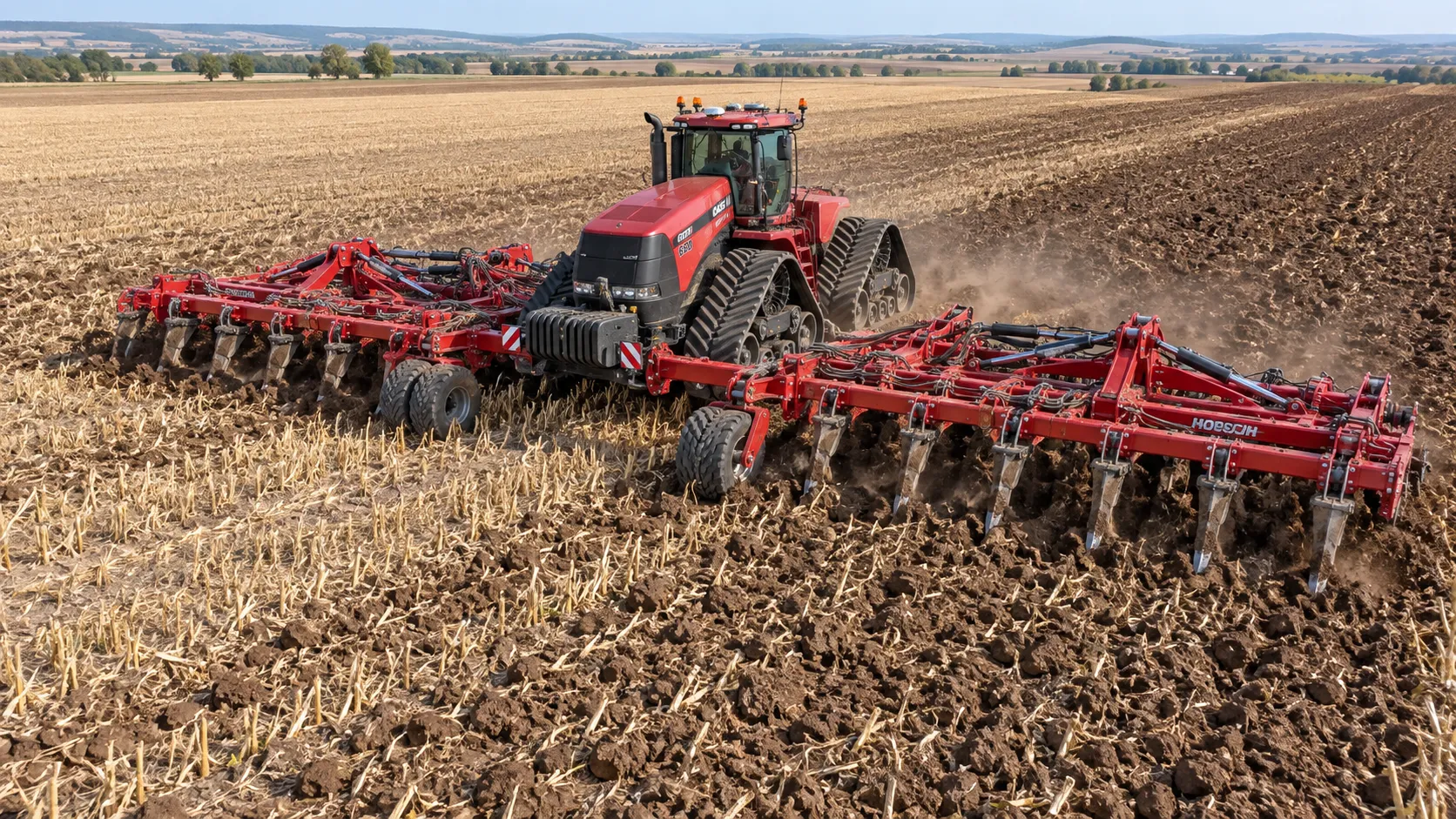
How to Select Heavy-Duty Farm Implements for High-Acreage, High-Horsepower Operations
Heavy duty farm implements: learn how to match draft, hydraulics, hitch capacity, frame strength, and field conditions for reliable high-acreage performance.
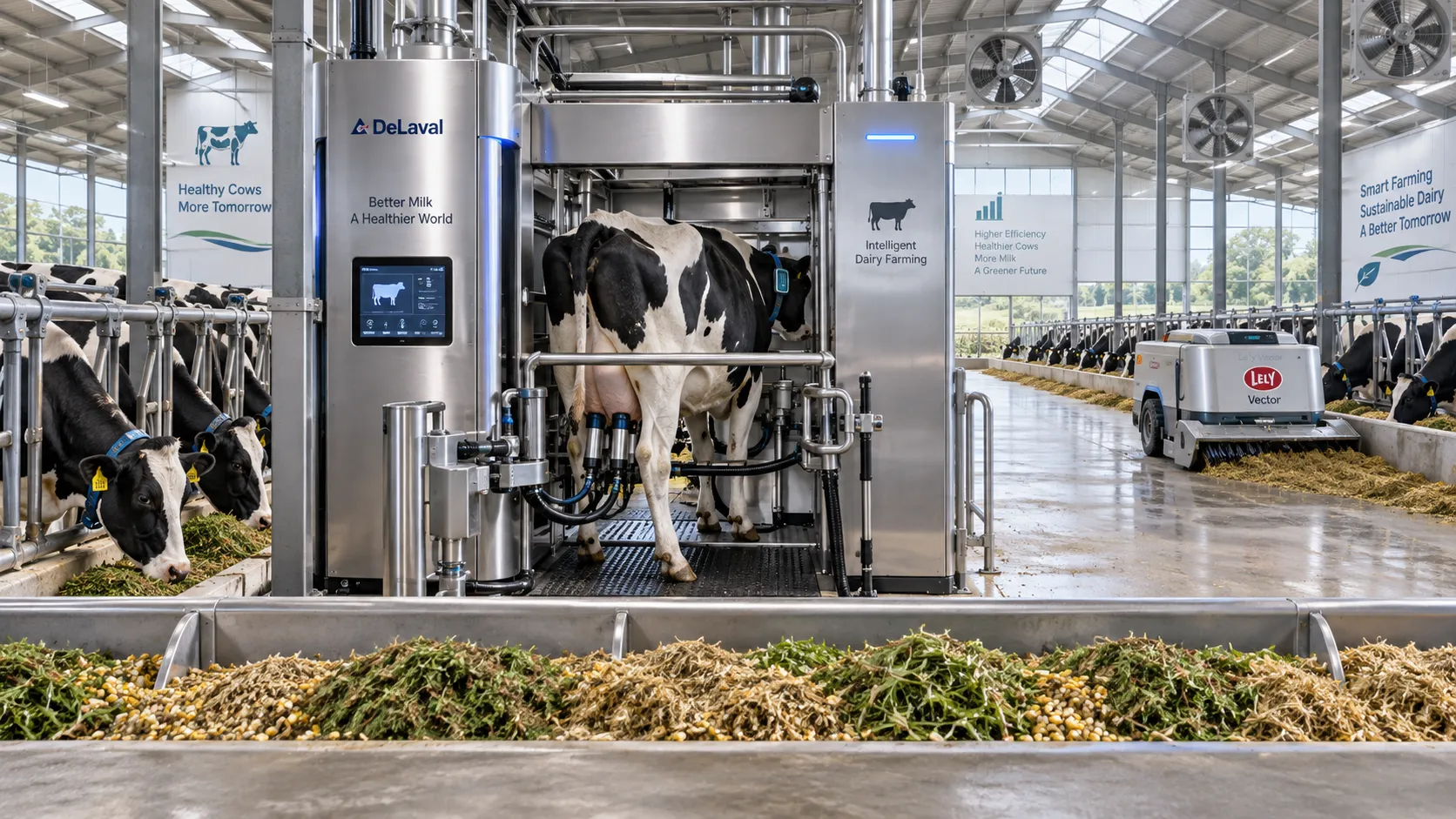
Smart Farming Technology for Dairy Farms: Where Automation Delivers Measurable ROI
Smart farming technology for dairy farms delivers measurable ROI through automation, precision feeding, health monitoring, and data-driven cost control.
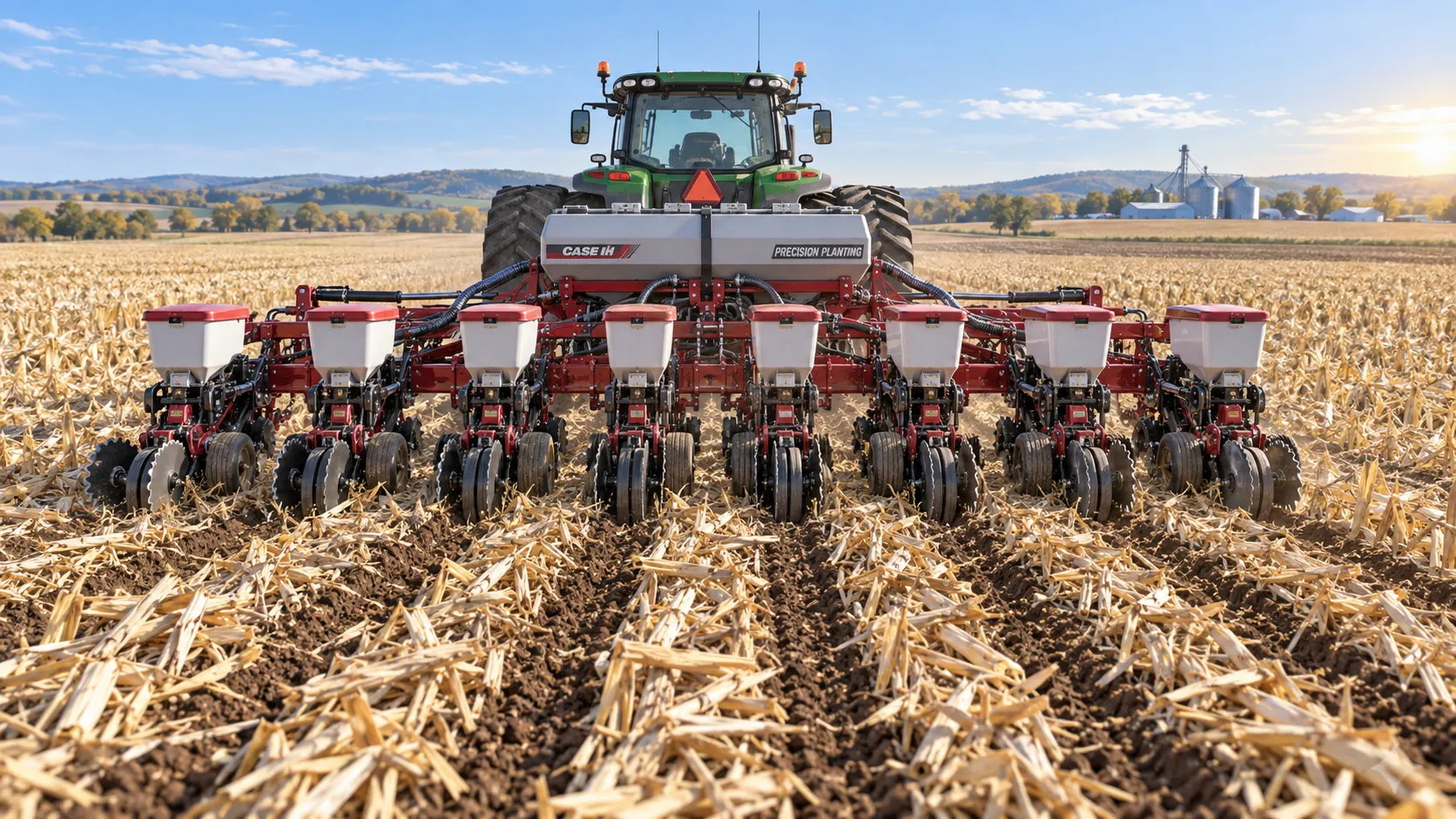
How to Select a Heavy-Duty Seeder for Large Acreage and High-Residue Fields
Heavy duty seeders for large acreage: compare residue handling, depth control, downforce, metering accuracy, and precision features to select the right model.
Related News
- 00
0000-00
Automated Water-Saving Irrigation: How to Cut Water Use Without Reducing Crop Yields - 00
0000-00
How to Evaluate Drip Irrigation System Manufacturers for Large Farm Projects - 00
0000-00
Wireless Agricultural Automation for Remote Irrigation and Field Monitoring - 00
0000-00
Designing Water-Saving Drip Irrigation Systems for High-Value Orchards - 00
0000-00
How to Choose Irrigation Solutions for Arid Regions Based on Water Source and Crop Needs
Popular Tags
Hydrological Resource Strategist
Weekly Insights
Stay ahead with our curated technology reports delivered every Monday.