
India Expands Kisan Drone & Smart Irrigation Mission White List with 5 More Chinese Drip Irrigation Logic Providers
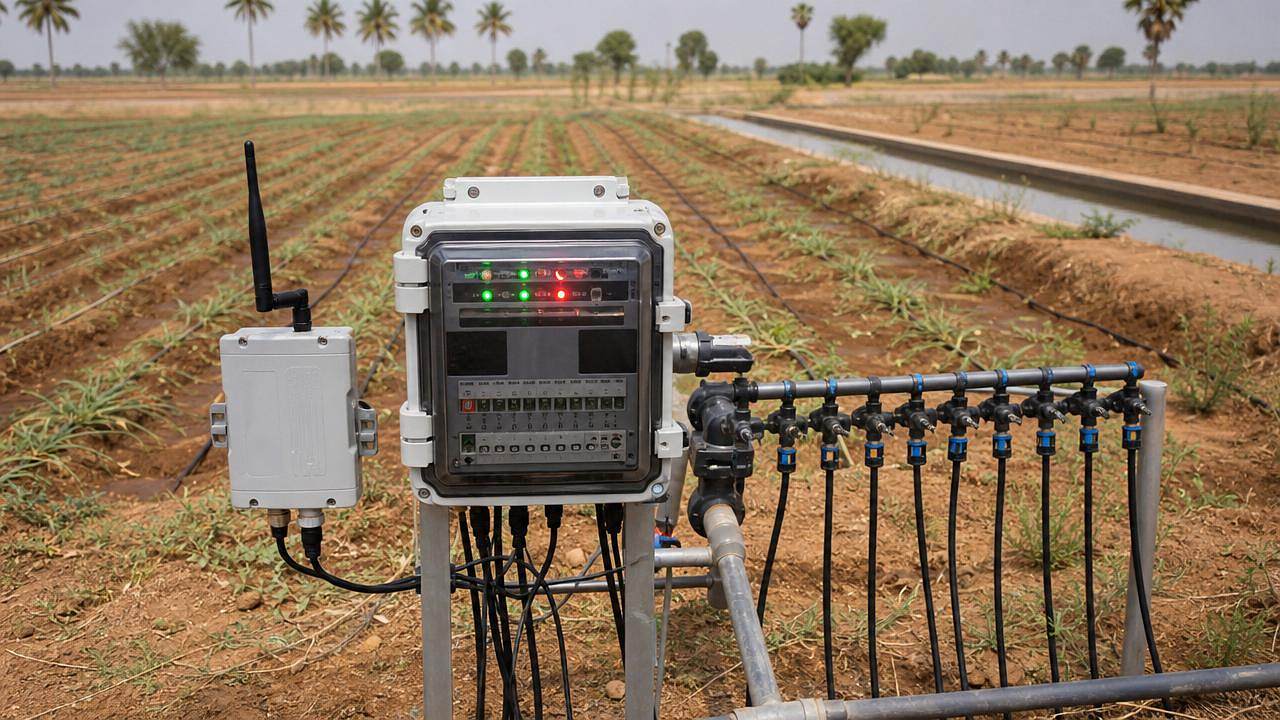




On May 10, 2026, India’s Ministry of Agriculture and Farmers’ Welfare (MoA&FW) updated the white list for its Kisan Drone & Smart Irrigation Mission, adding five Chinese manufacturers of drip irrigation logic controllers, pressure-compensating emitters, and cloud-based irrigation scheduling platforms. This development is particularly relevant for exporters and suppliers in precision irrigation hardware, agricultural IoT systems, and smart water management solutions — signaling a formalized procurement pathway into India’s state-level agricultural extension centers.
Event Overview
On May 10, 2026, the Indian Ministry of Agriculture and Farmers’ Welfare published the 2026 update to the Kisan Drone & Smart Irrigation Mission equipment white list. Five additional Chinese companies were included, specifically for drip irrigation logic controllers, pressure-compensating drippers, and cloud irrigation scheduling platforms. All listed manufacturers must comply with the Bureau of Indian Standards (BIS) IS 17786:2025 certification and commit to providing Hindi-language user interfaces and localized agronomic support. The update confirms that state-level agricultural extension centers will prioritize procurement budgets toward white-listed equipment.
Industries Affected
Direct Exporters of Drip Irrigation Logic and Smart Irrigation Hardware
These companies face both opportunity and compliance pressure: inclusion grants access to government-backed procurement channels, but only if they maintain BIS IS 17786:2025 certification and deliver Hindi UIs and on-ground agronomic assistance — requirements that extend beyond standard export documentation or CE/ISO conformity.
Manufacturers of Pressure-Compensating Emitters and Related Components
Component-level suppliers may see downstream demand shifts as white-listed system integrators scale production for Indian tenders. However, component suppliers themselves are not directly eligible for white-listing unless embedded in certified end-systems — meaning integration partnerships and traceability documentation become more critical.
Cloud Platform Providers for Agricultural Scheduling
Providers of irrigation scheduling SaaS platforms must now meet dual technical and localization criteria: cloud infrastructure must support low-bandwidth rural deployment (implied by field-use context), and interface language, training materials, and support workflows must be fully localized into Hindi — not just translated, but adapted for local extension agent workflows.
Supply Chain and Compliance Service Providers
Firms offering BIS certification support, localization QA, or India-specific regulatory liaison services may experience increased demand. The requirement for ongoing compliance verification — not just one-time certification — suggests recurring engagement needs for white-listed vendors.
What Relevant Companies or Practitioners Should Focus On
Monitor official MoA&FW communications for implementation guidelines
The white list is live, but operational details — such as tender weighting formulas, verification frequency for Hindi UI updates, or escalation paths for agronomic support performance — have not yet been published. These will define real-world procurement advantages.
Verify whether your product category falls under IS 17786:2025 scope — not just general irrigation standards
IS 17786:2025 is specific to smart irrigation control logic and pressure-compensating emission devices. It does not cover generic drip tape, filters, or valves. Misalignment between claimed compliance and actual standard applicability could lead to de-listing or tender disqualification.
Distinguish between policy signal and procurement execution
Inclusion on the white list does not guarantee automatic orders. State-level adoption depends on budget cycles, capacity building timelines, and field readiness — factors outside central ministry control. Early traction may concentrate in high-priority states like Maharashtra, Karnataka, and Punjab, where smart irrigation pilots are already underway.
Prepare documentation and support workflows for Hindi-language delivery and agronomic handholding
This includes UI string localization (not machine translation), Hindi-language user manuals tested with extension staff, and documented agronomist engagement plans — all subject to audit during post-listing verification. Contractual commitments made during application must be operationally executable.
Editorial Perspective / Industry Observation
Observably, this white list expansion functions primarily as a structured market-access signal — not an immediate volume driver. It reflects India’s intent to institutionalize quality thresholds and localization expectations for smart irrigation imports, moving beyond ad hoc approvals toward repeatable, auditable vendor management. Analysis shows the emphasis on Hindi UIs and agronomic support indicates a shift from hardware-only evaluation to integrated solution readiness. From an industry perspective, this is less about opening a new market overnight and more about establishing baseline conditions for sustained participation. Continued attention is warranted because future white list iterations may tighten verification protocols or expand to include data interoperability (e.g., compatibility with India’s Unified Farmer Service Platform).
India’s Kisan Drone & Smart Irrigation Mission white list update marks a procedural milestone in how the country governs technology imports for agricultural modernization — prioritizing verifiable localization over broad eligibility. For stakeholders, it is best understood not as a sales trigger, but as a formalized entry checkpoint requiring ongoing compliance discipline and contextual adaptation.
Source: Ministry of Agriculture and Farmers’ Welfare (MoA&FW), Government of India — Official White List Notification dated May 10, 2026.
Note: Implementation guidelines, state-level procurement timelines, and post-listing audit procedures remain pending and require ongoing observation.
Related News
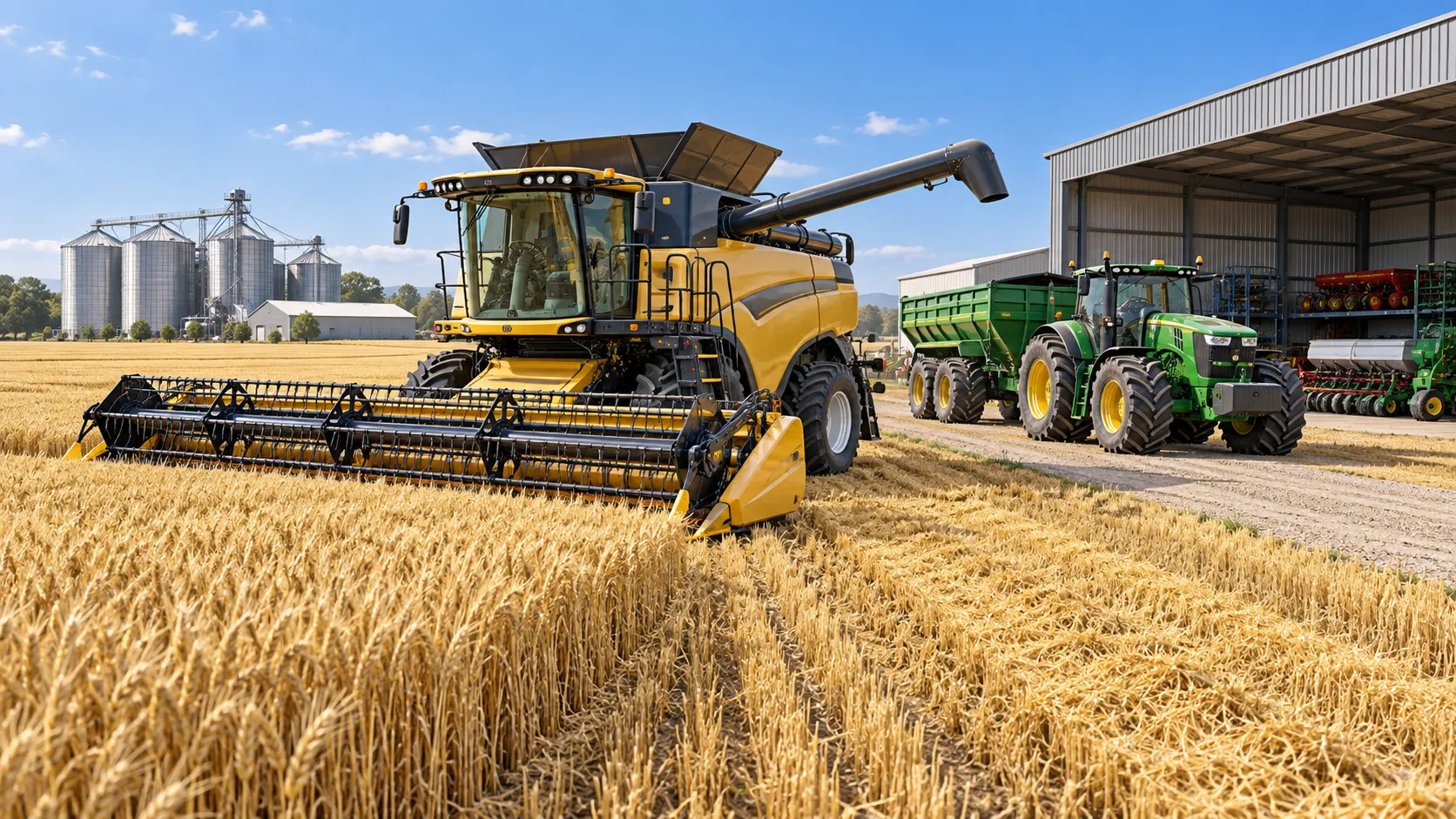
When Does Agricultural Machinery Leasing Cost Less Than Owning Equipment?
Agricultural machinery leasing can lower farm costs when use is seasonal or uncertain. Compare utilization, maintenance, cash flow, and risk to make a smarter equipment decision.
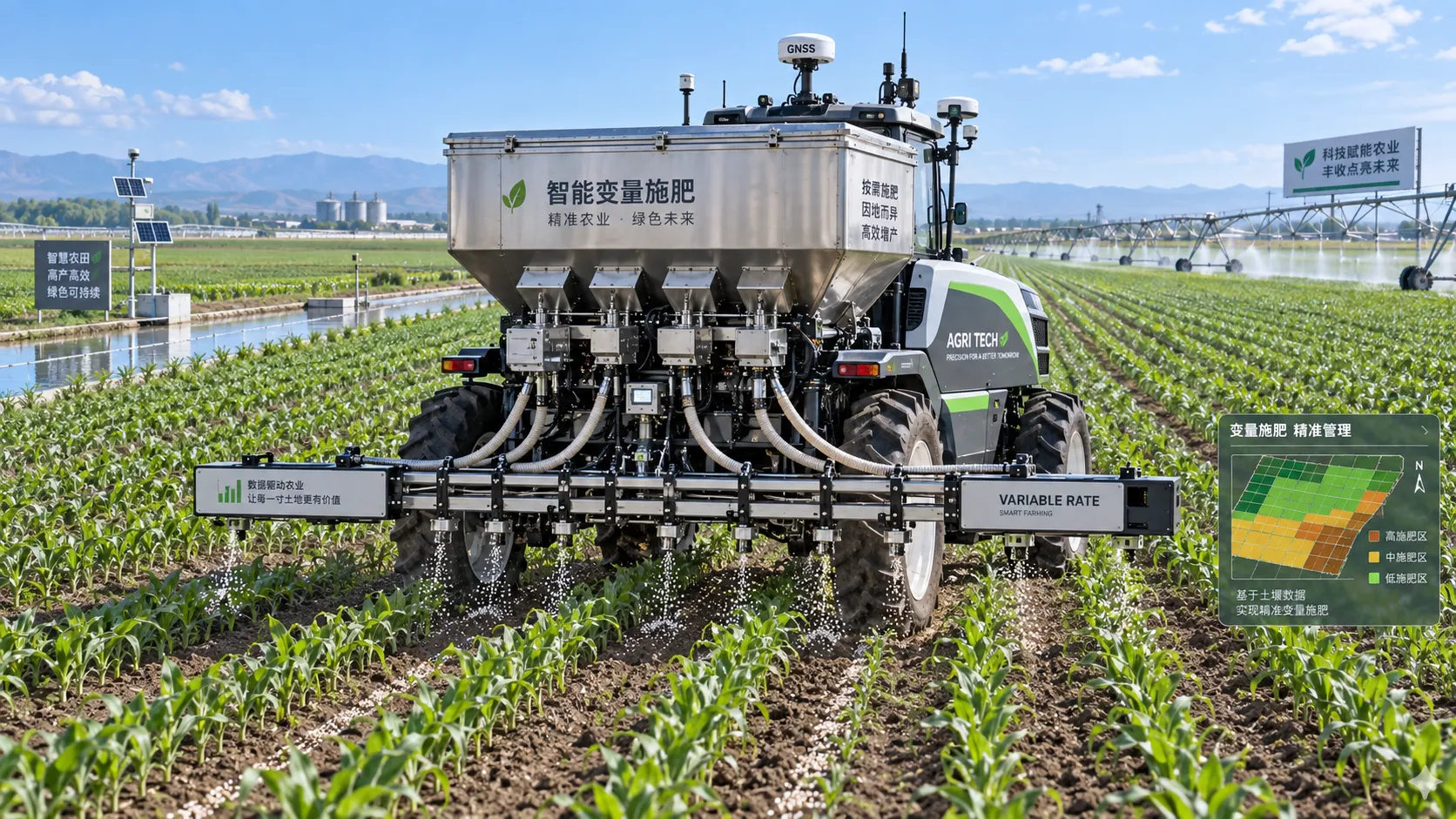
How to Evaluate Precision Fertilization System Suppliers for Farm-Scale Deployment
Precision fertilization systems suppliers: learn how to compare accuracy, integration, uptime, service, and total cost for confident farm-scale deployment.
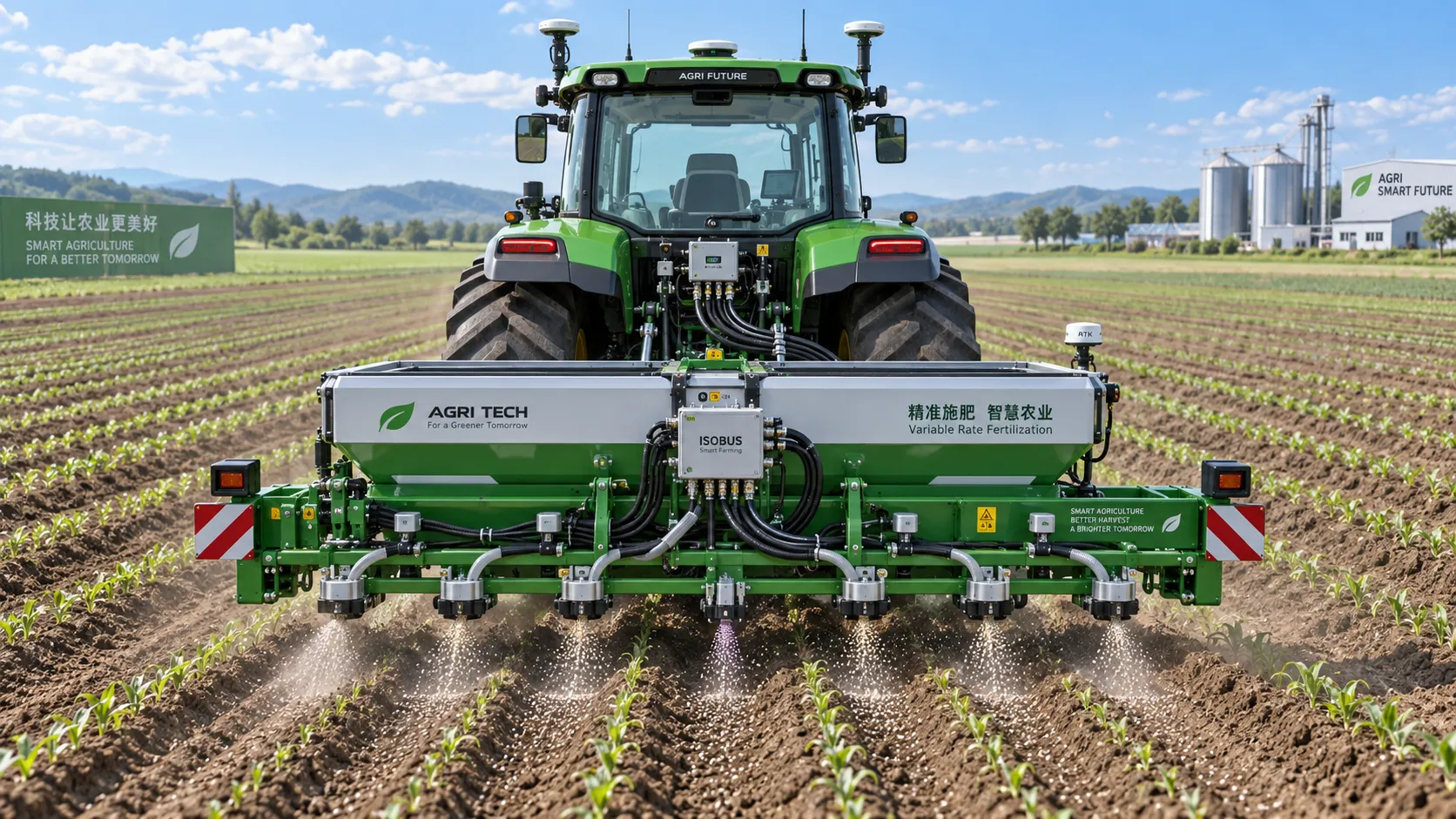
ISOBUS for Smart Agriculture: How It Connects Tractors, Implements, and Farm Data
ISOBUS for smart agriculture connects tractors, implements, terminals, and farm data—helping growers improve precision, documentation, and smarter field decisions.
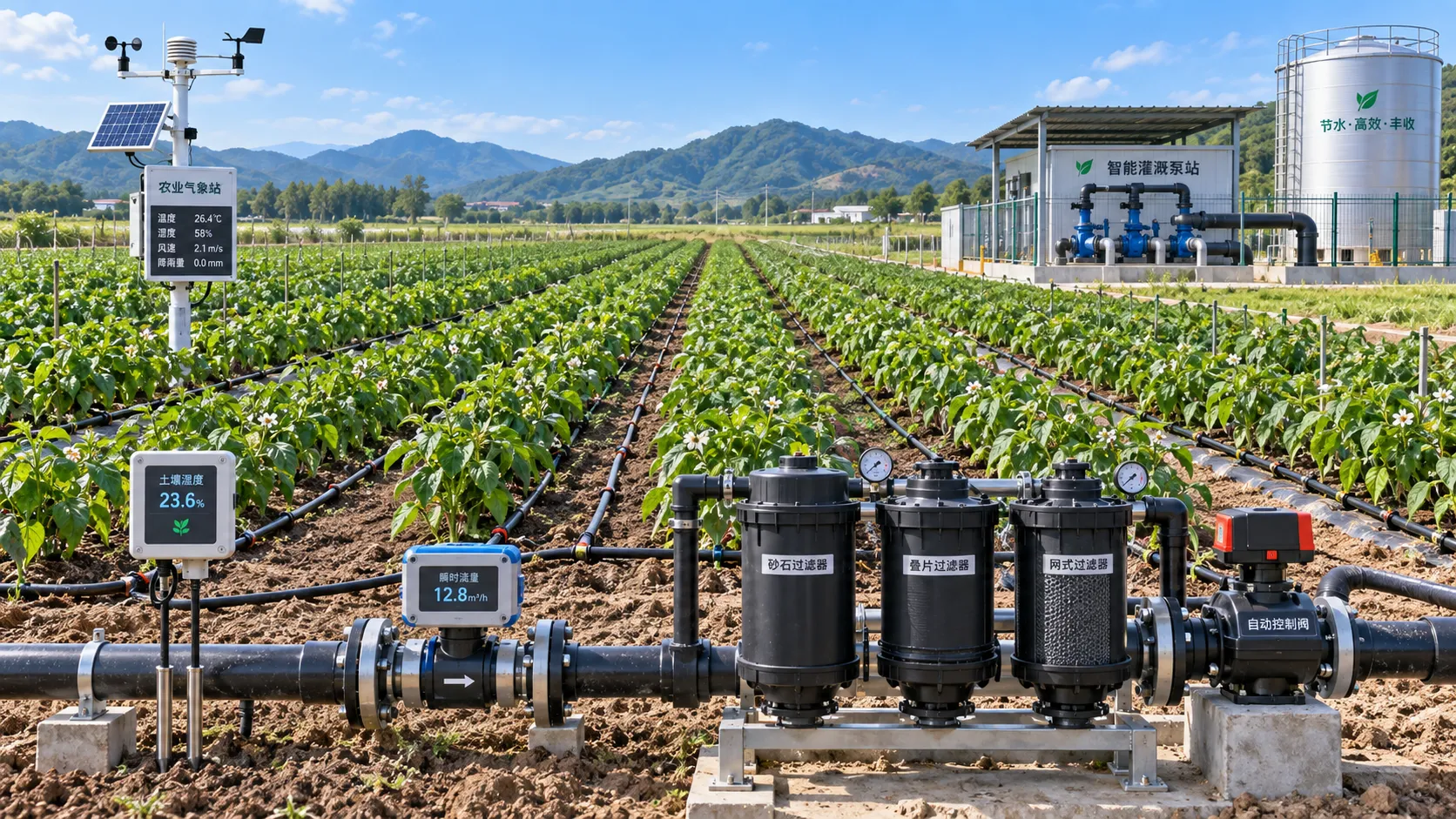
Automated Water-Saving Irrigation: How to Cut Water Use Without Reducing Crop Yields
Automated water-saving irrigation helps farms cut water use, protect crop yields, improve scheduling, and gain reliable control with sensors, flow monitoring, and smart zones.
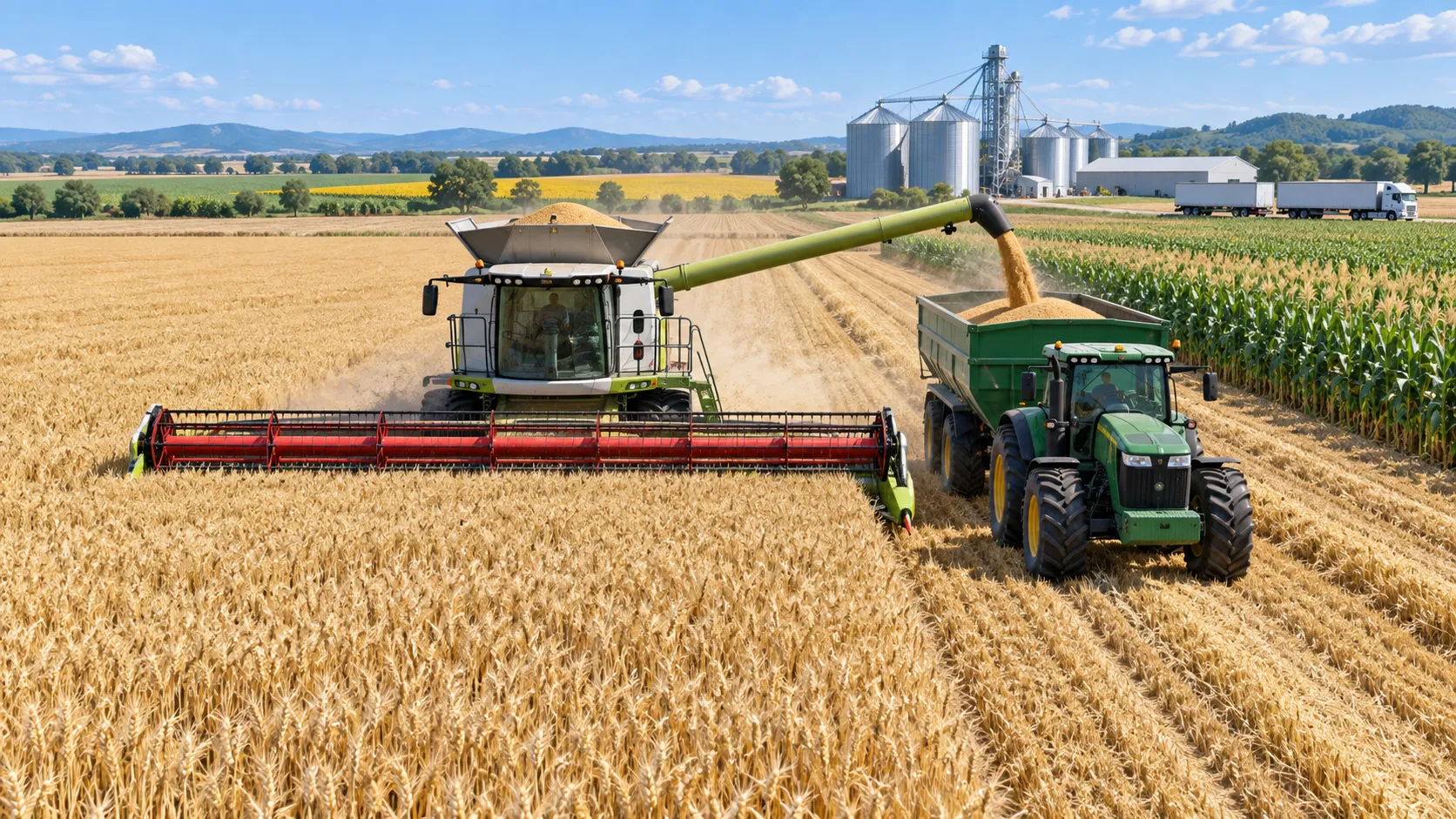
Selecting Grain Farm Equipment by Acreage, Crop Mix, and Harvest Window
Agricultural equipment selection for grain farming: match machinery to acreage, crop mix, and harvest windows to improve uptime, efficiency, and returns.
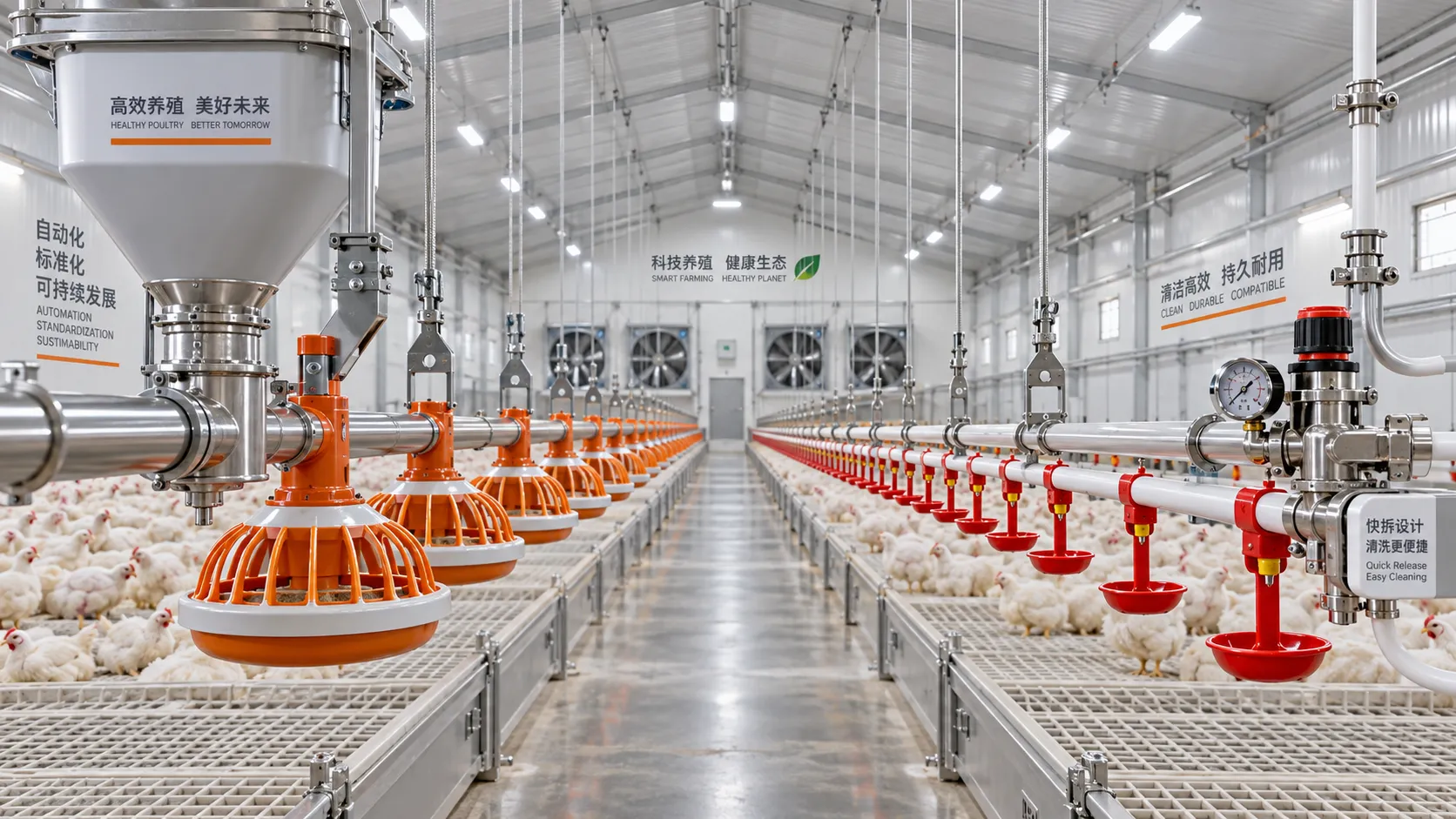
Poultry Equipment Selection: Evaluating Durability, Cleaning, and Compatibility
Poultry equipments selection guide: evaluate durability, cleaning access, and system compatibility to improve hygiene, reduce downtime, and support efficient flock management.
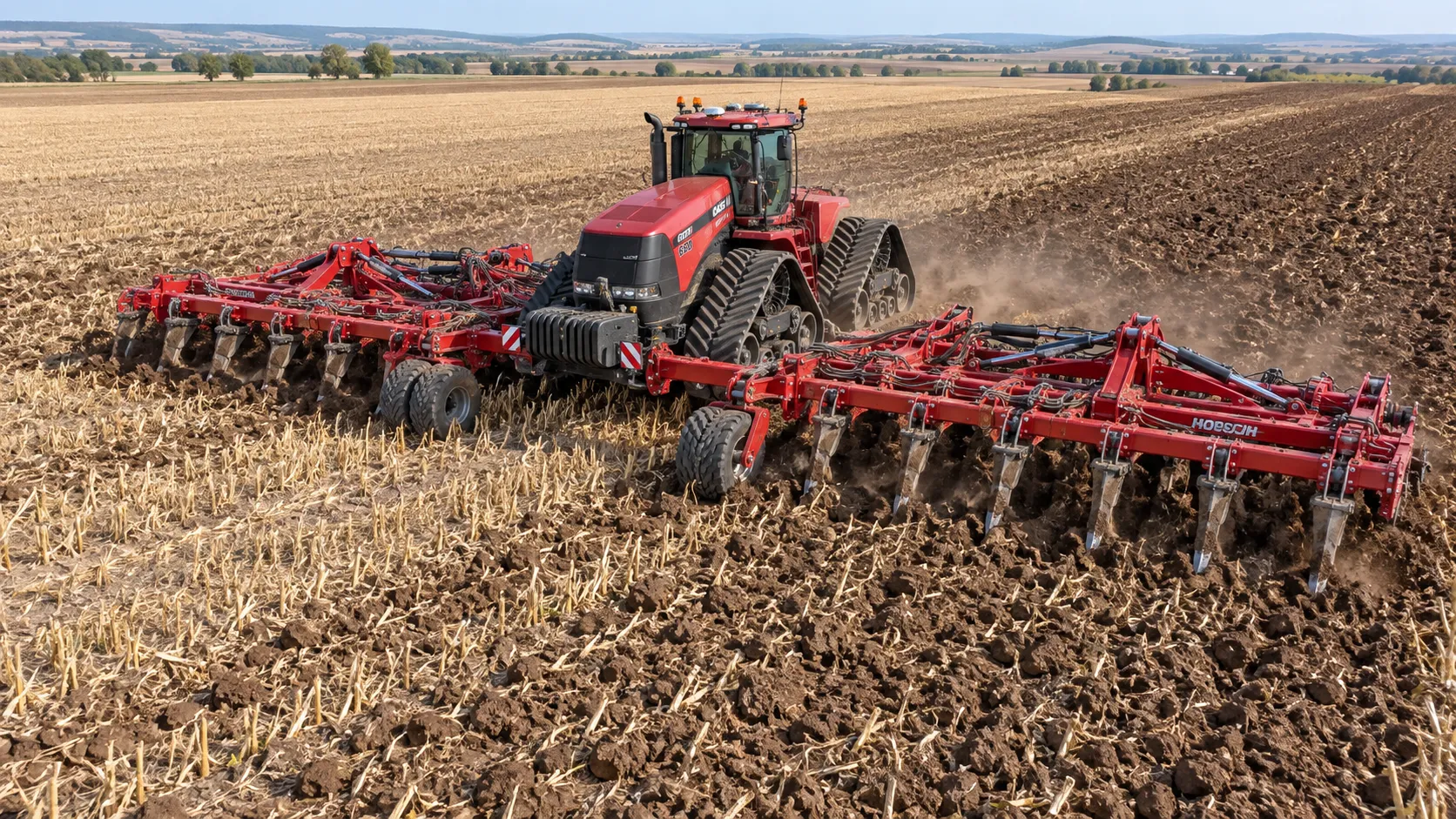
How to Select Heavy-Duty Farm Implements for High-Acreage, High-Horsepower Operations
Heavy duty farm implements: learn how to match draft, hydraulics, hitch capacity, frame strength, and field conditions for reliable high-acreage performance.
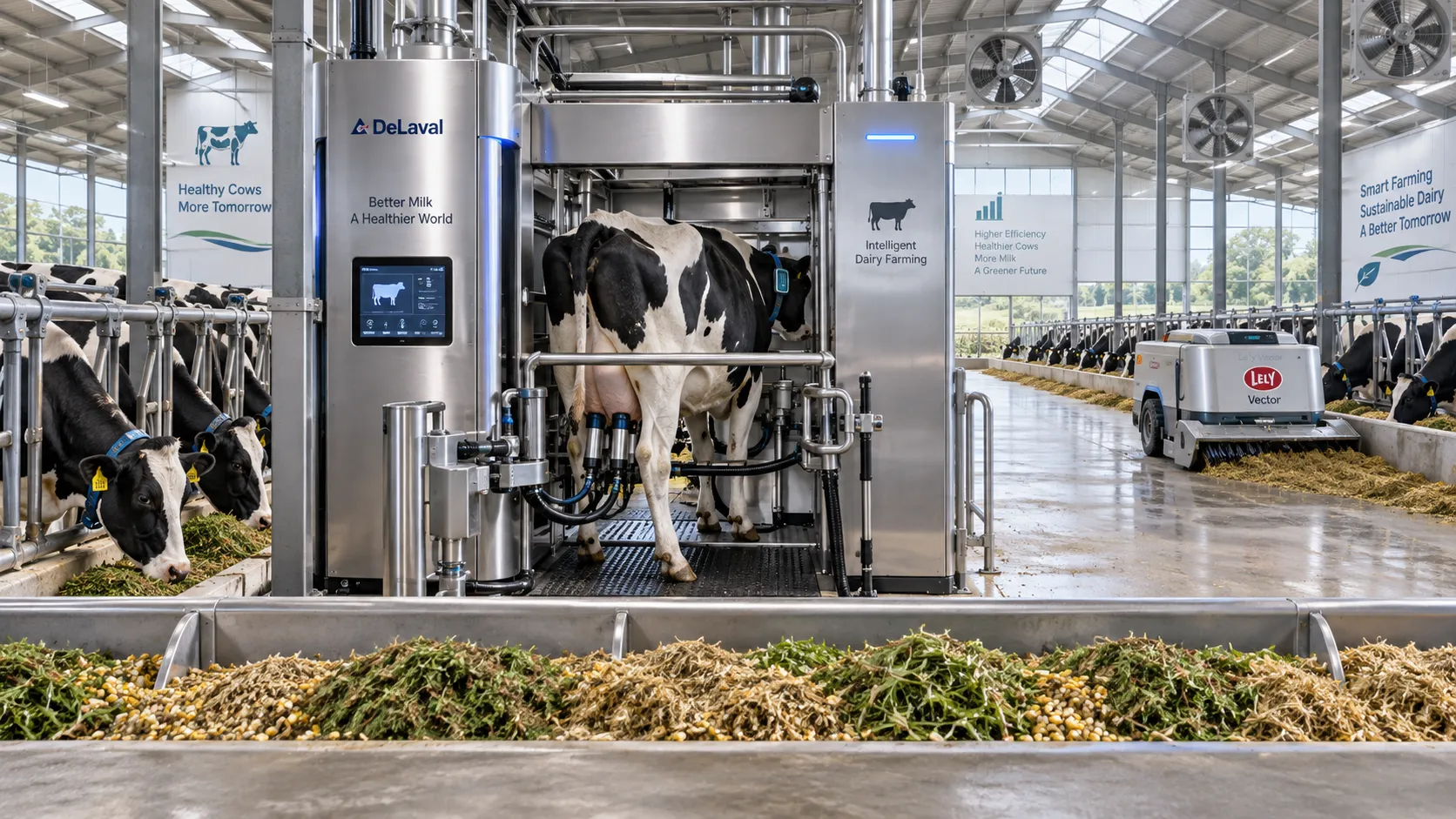
Smart Farming Technology for Dairy Farms: Where Automation Delivers Measurable ROI
Smart farming technology for dairy farms delivers measurable ROI through automation, precision feeding, health monitoring, and data-driven cost control.
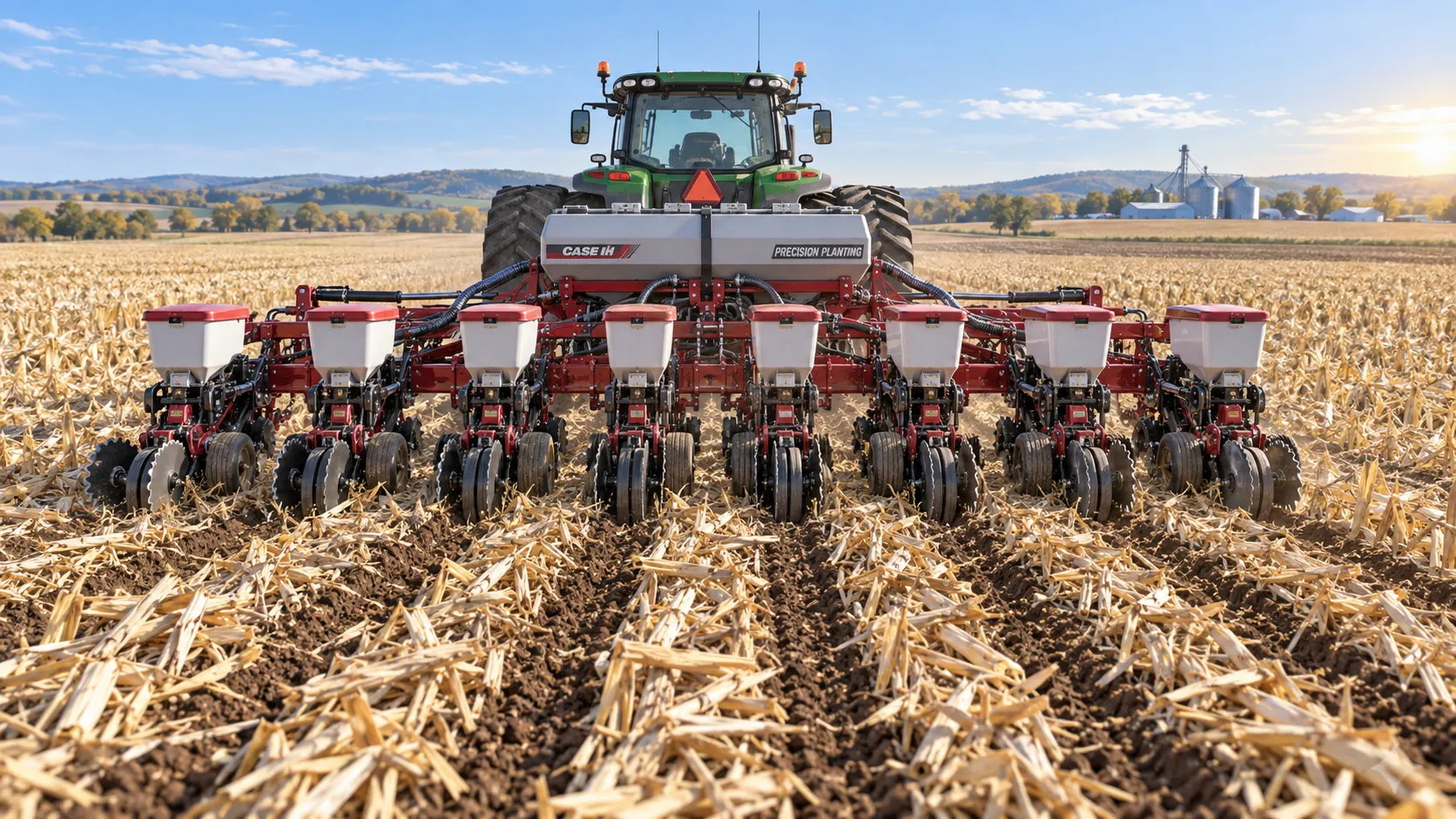
How to Select a Heavy-Duty Seeder for Large Acreage and High-Residue Fields
Heavy duty seeders for large acreage: compare residue handling, depth control, downforce, metering accuracy, and precision features to select the right model.
Related News
- 00
0000-00
Automated Water-Saving Irrigation: How to Cut Water Use Without Reducing Crop Yields - 00
0000-00
How to Evaluate Drip Irrigation System Manufacturers for Large Farm Projects - 00
0000-00
Wireless Agricultural Automation for Remote Irrigation and Field Monitoring - 00
0000-00
Designing Water-Saving Drip Irrigation Systems for High-Value Orchards - 00
0000-00
How to Choose Irrigation Solutions for Arid Regions Based on Water Source and Crop Needs
Popular Tags
Hydrological Resource Strategist
Weekly Insights
Stay ahead with our curated technology reports delivered every Monday.