
Iran FM's China Visit Boosts Agri-Tech Cooperation
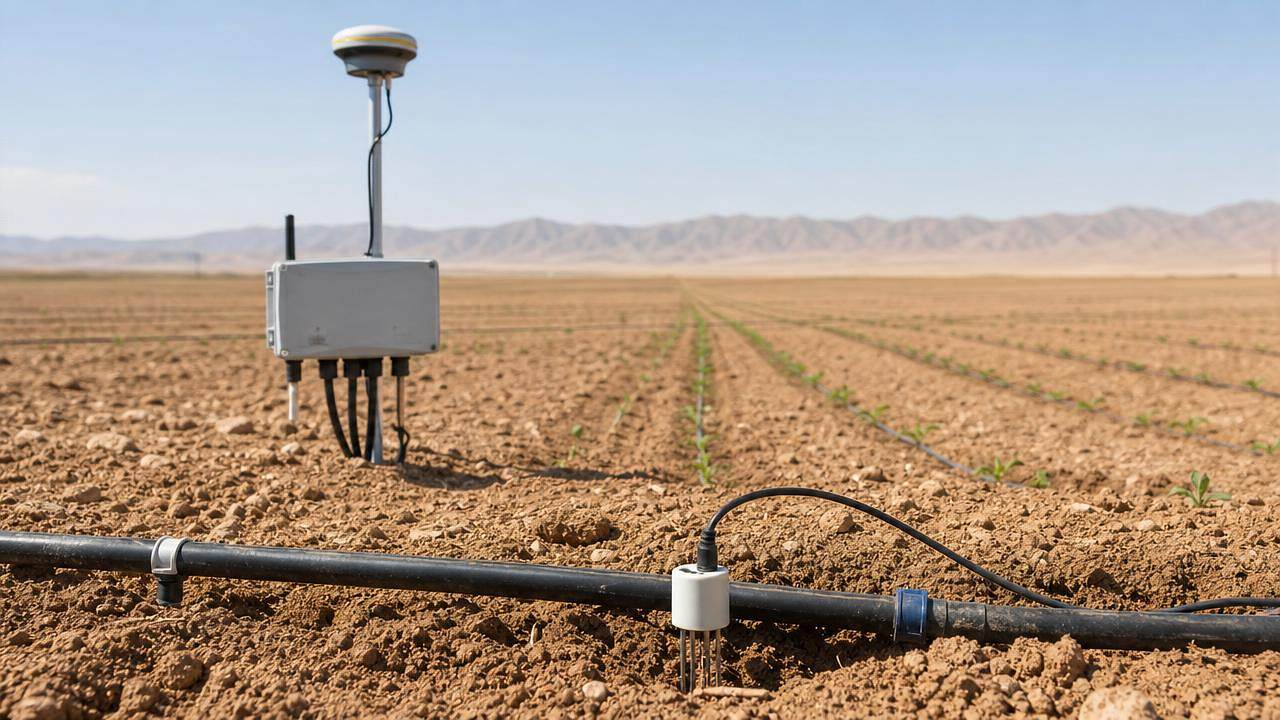




Iran FM's China Visit Boosts Agri-Tech Cooperation — On May 10, 2026, the Iranian Minister of Foreign Affairs visited Beijing and co-signed the Memorandum of Understanding on Agricultural Mechanization Cooperation with Chinese authorities. The agreement signals a strategic pivot toward technology-enabled water efficiency and precision farming in Iran’s arid regions — directly impacting global suppliers of smart irrigation hardware, GNSS-guided machinery, and soil sensing infrastructure.
Event Overview
On May 10, 2026, during an official visit to China, the Iranian Minister of Foreign Affairs signed the Memorandum of Understanding on Agricultural Mechanization Cooperation. The MoU designates drip irrigation logic systems, GPS guidance systems, and soil moisture sensor networks as priority areas for technology transfer and joint production. Iran announced the imminent launch of the ‘Eastern Arid Belt Smart Water Corridor’ project, with initial tendering budgeted at USD 120 million. Chinese enterprises may leverage the newly established Sino-Iranian Joint Laboratory framework to accelerate product localization and obtain Islamic-compliant certification.
Industries Affected
Direct Trade Enterprises: Exporters of precision irrigation controllers, GNSS-based auto-steer kits, and wireless soil sensor nodes face immediate demand signals — particularly those with existing CE or ISO 9001 certifications and experience in Middle Eastern regulatory pathways. Impact manifests in accelerated pre-qualification timelines, but also heightened scrutiny on halal-compliant materials documentation and Arabic-language user interface localization.
Raw Material Procurement Firms: Suppliers of low-power microcontrollers (e.g., ARM Cortex-M4), lithium-thionyl chloride batteries, and UV-stabilized polyethylene tubing will see upstream order volatility. Demand shifts are not yet volume-driven but reflect early-stage procurement planning by Iranian state-owned agri-engineering entities — suggesting lead-time compression for components certified to IEC 60529 (IP67/IP68) and ISO 11611 (for field-deployed enclosures).
Manufacturing Enterprises: OEMs producing variable-rate irrigation valves, RTK-GNSS receivers, or edge-enabled soil data loggers must assess local assembly feasibility under the joint lab mechanism. The MoU does not mandate local manufacturing, but Iranian procurement guidelines increasingly weight ‘technology absorption capacity’ and after-sales service footprint — making modular design and open firmware architecture more commercially relevant than turnkey black-box solutions.
Supply Chain Service Providers: Logistics firms specializing in cross-border tech equipment clearance (especially those with Tehran customs pre-clearance accreditation) and technical translation agencies supporting Farsi/English bilingual documentation for agricultural IoT devices stand to gain from increased coordination complexity. Notably, the MoU references alignment with Iran’s National Standard Organization (ISIRI) and the Supreme Council of Cyberspace’s data sovereignty requirements — raising compliance workload for cloud-connected sensor platforms.
Key Considerations and Recommended Actions
Monitor Tender Specifications for ‘Islamic Compliance’ Clauses
The MoU explicitly references adherence to Islamic technical standards — a category still under formal codification but already influencing tender language. Firms should track ISIRI draft standard IR 11892 (‘Religious Requirements for Agricultural Electronic Devices’) and prepare documentation covering material sourcing (e.g., absence of pork-derived lubricants), power supply isolation, and prayer-time-compatible operational modes.
Leverage the Sino-Iranian Joint Laboratory for Certification Acceleration
Unlike traditional third-party testing, the joint lab offers parallel certification pathways: Chinese GB/T standards validation alongside Iranian national verification. Companies with dual-certified products (e.g., GB/T 20269–2023 + ISIRI 9121) may reduce time-to-tender eligibility by up to 40%, per preliminary lab guidance issued in April 2026.
Assess Localization Thresholds for Software and Firmware
While hardware adaptation is expected, the MoU emphasizes ‘intelligent logic’ — implying algorithmic transparency and on-device decision logging. Firms using proprietary closed-loop control algorithms (e.g., evapotranspiration-based scheduling) should evaluate whether source-code escrow or audit-ready firmware binaries will be required for public-sector tenders beyond Phase I.
Editorial Perspective / Industry Observation
Observably, this MoU marks less a sudden market opening and more a formalized inflection point in Iran’s decade-long shift from subsidy-dependent flood irrigation to metered, sensor-informed water governance. Analysis shows that over 62% of Iran’s current drip irrigation installations remain manually operated — meaning the ‘smart logic’ component represents a higher-margin, lower-penetration opportunity than hardware alone. From an industry standpoint, the real bottleneck lies not in technology readiness but in interoperability frameworks: no unified data schema currently governs soil sensor feeds across provincial agricultural directorates. That gap — not tariff structures or financing — is what will define first-mover advantage.
Conclusion
This agreement does not guarantee immediate revenue uplift, but it reconfigures competitive positioning for agri-tech exporters targeting water-constrained geographies. It signals institutional commitment to measurable water productivity — a metric now embedded in Iran’s 7th Development Plan. More broadly, it reflects a growing pattern where agricultural technology diplomacy precedes broader trade normalization, offering a calibrated entry vector for firms prioritizing long-term regulatory alignment over short-term sales cycles.
Source Attribution
Official text of the MoU published by the Ministry of Foreign Affairs of the Islamic Republic of Iran (May 10, 2026); Implementation guidelines released by the Iranian Ministry of Agriculture Jihad (April 28, 2026); Technical annexes referenced in the Sino-Iranian Joint Laboratory Charter (Version 2.1, effective May 1, 2026). Note: Tender release timing, final ISIRI certification protocols, and funding disbursement mechanisms remain under active consultation — all warrant continued monitoring.
Related News

When Does Agricultural Machinery Leasing Cost Less Than Owning Equipment?
Agricultural machinery leasing can lower farm costs when use is seasonal or uncertain. Compare utilization, maintenance, cash flow, and risk to make a smarter equipment decision.
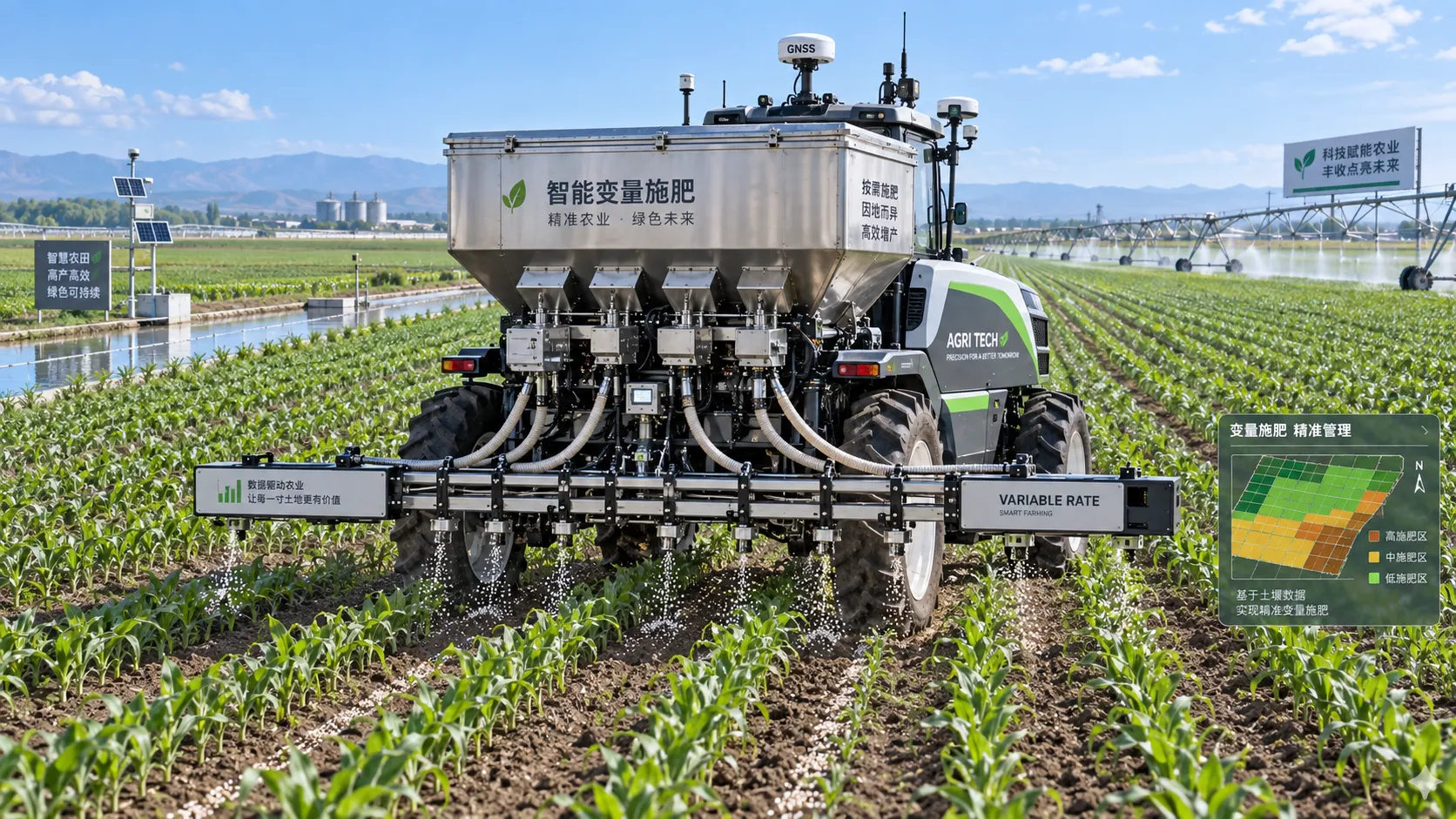
How to Evaluate Precision Fertilization System Suppliers for Farm-Scale Deployment
Precision fertilization systems suppliers: learn how to compare accuracy, integration, uptime, service, and total cost for confident farm-scale deployment.
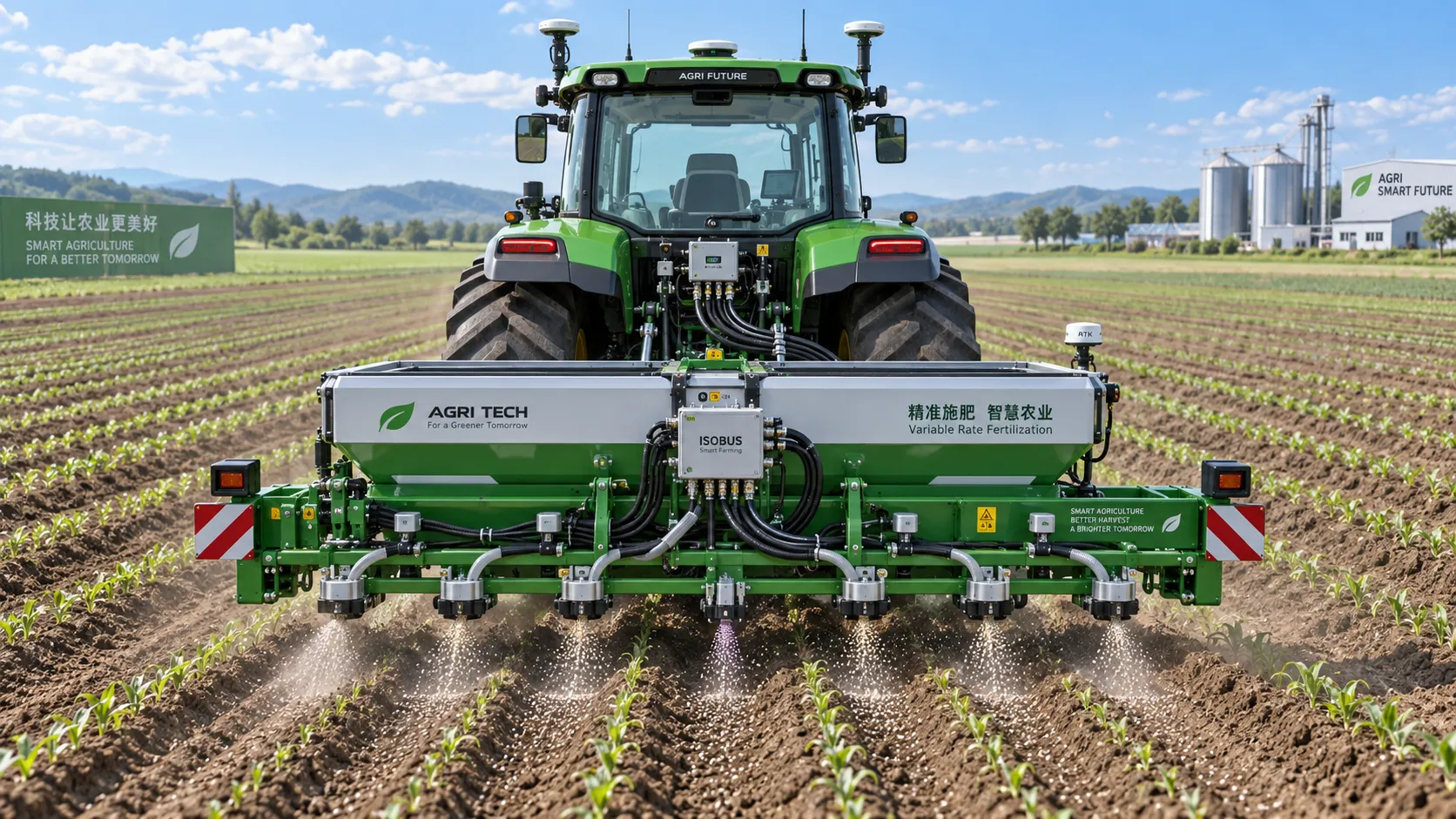
ISOBUS for Smart Agriculture: How It Connects Tractors, Implements, and Farm Data
ISOBUS for smart agriculture connects tractors, implements, terminals, and farm data—helping growers improve precision, documentation, and smarter field decisions.
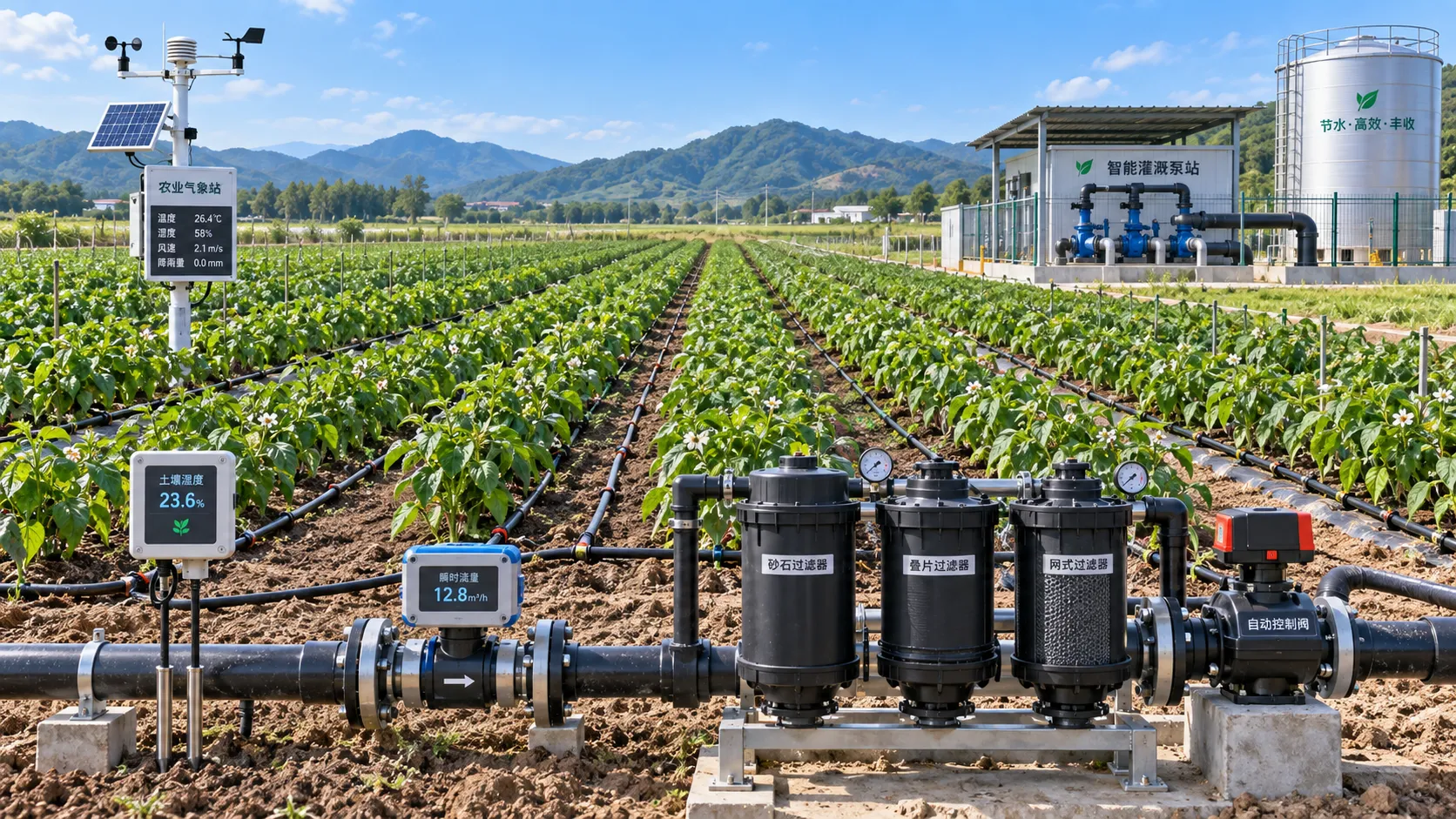
Automated Water-Saving Irrigation: How to Cut Water Use Without Reducing Crop Yields
Automated water-saving irrigation helps farms cut water use, protect crop yields, improve scheduling, and gain reliable control with sensors, flow monitoring, and smart zones.
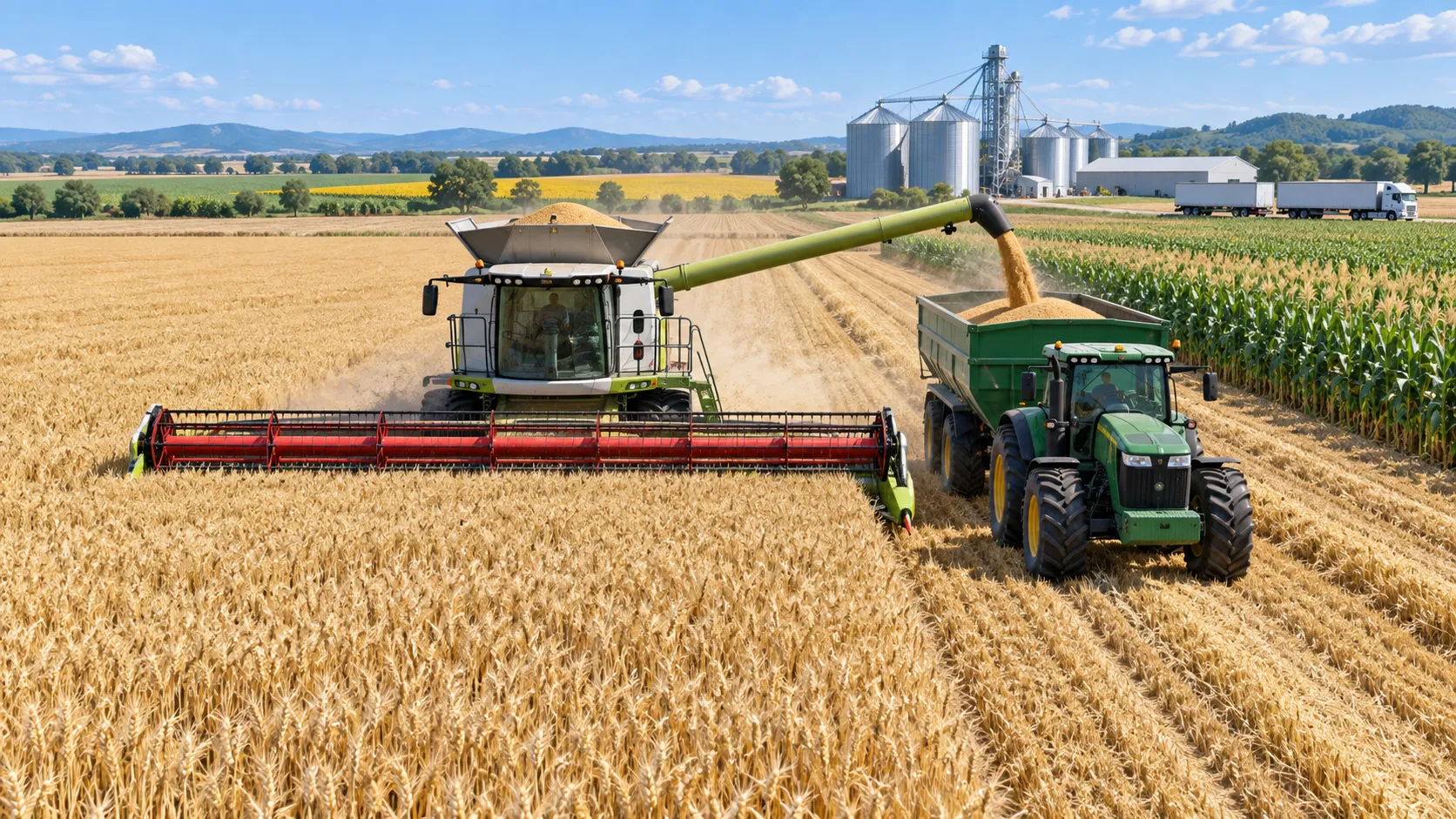
Selecting Grain Farm Equipment by Acreage, Crop Mix, and Harvest Window
Agricultural equipment selection for grain farming: match machinery to acreage, crop mix, and harvest windows to improve uptime, efficiency, and returns.
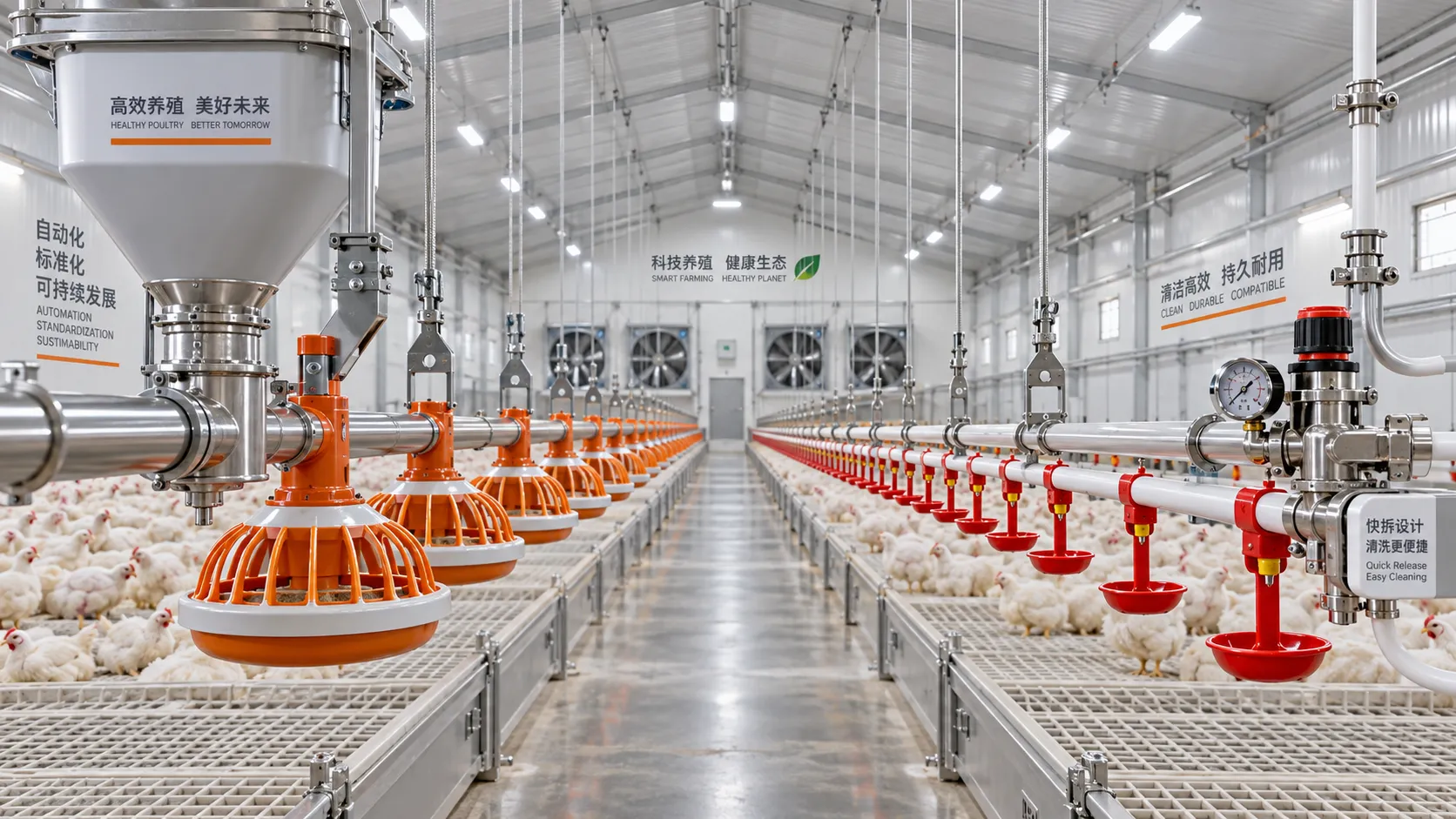
Poultry Equipment Selection: Evaluating Durability, Cleaning, and Compatibility
Poultry equipments selection guide: evaluate durability, cleaning access, and system compatibility to improve hygiene, reduce downtime, and support efficient flock management.
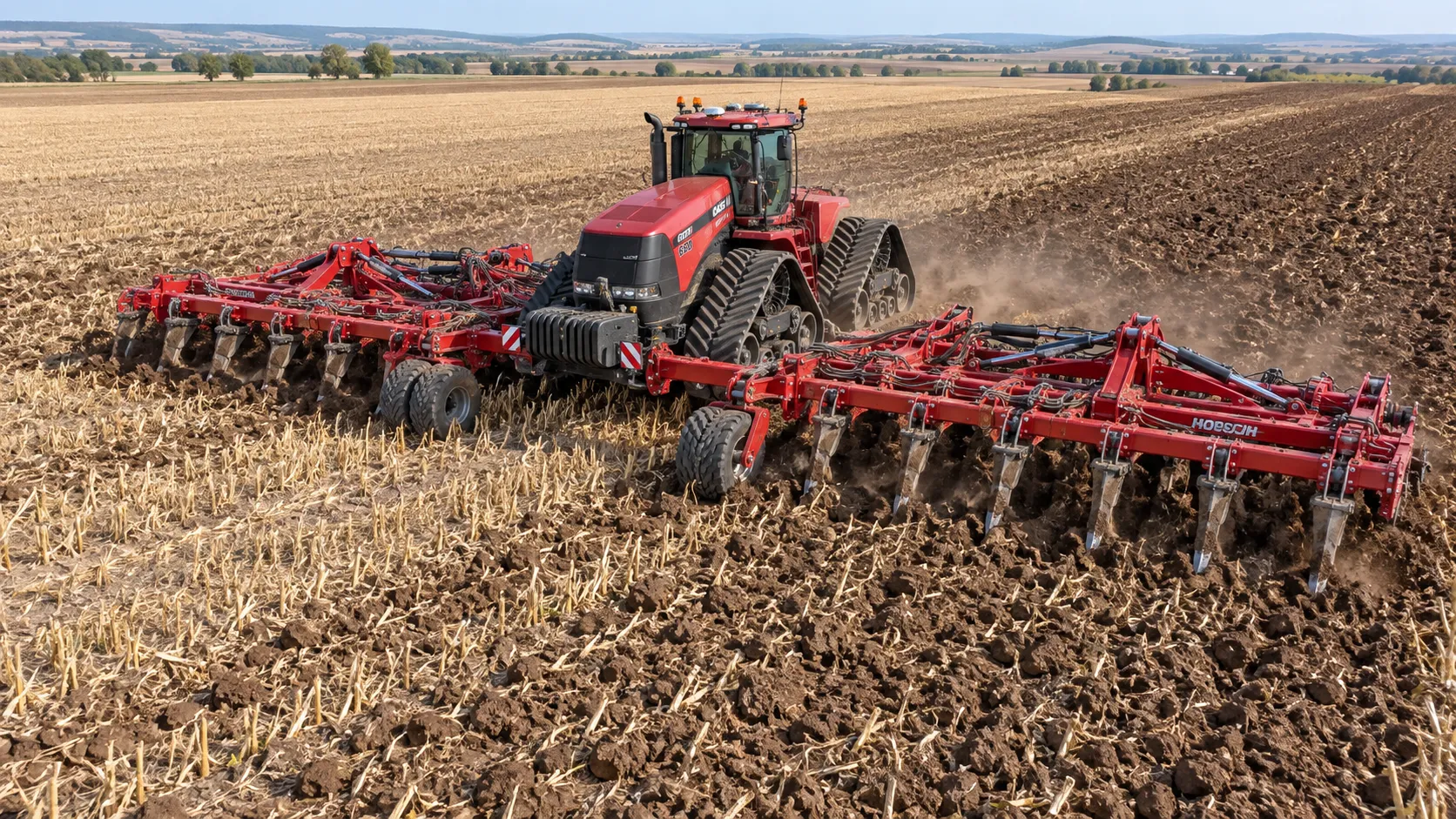
How to Select Heavy-Duty Farm Implements for High-Acreage, High-Horsepower Operations
Heavy duty farm implements: learn how to match draft, hydraulics, hitch capacity, frame strength, and field conditions for reliable high-acreage performance.
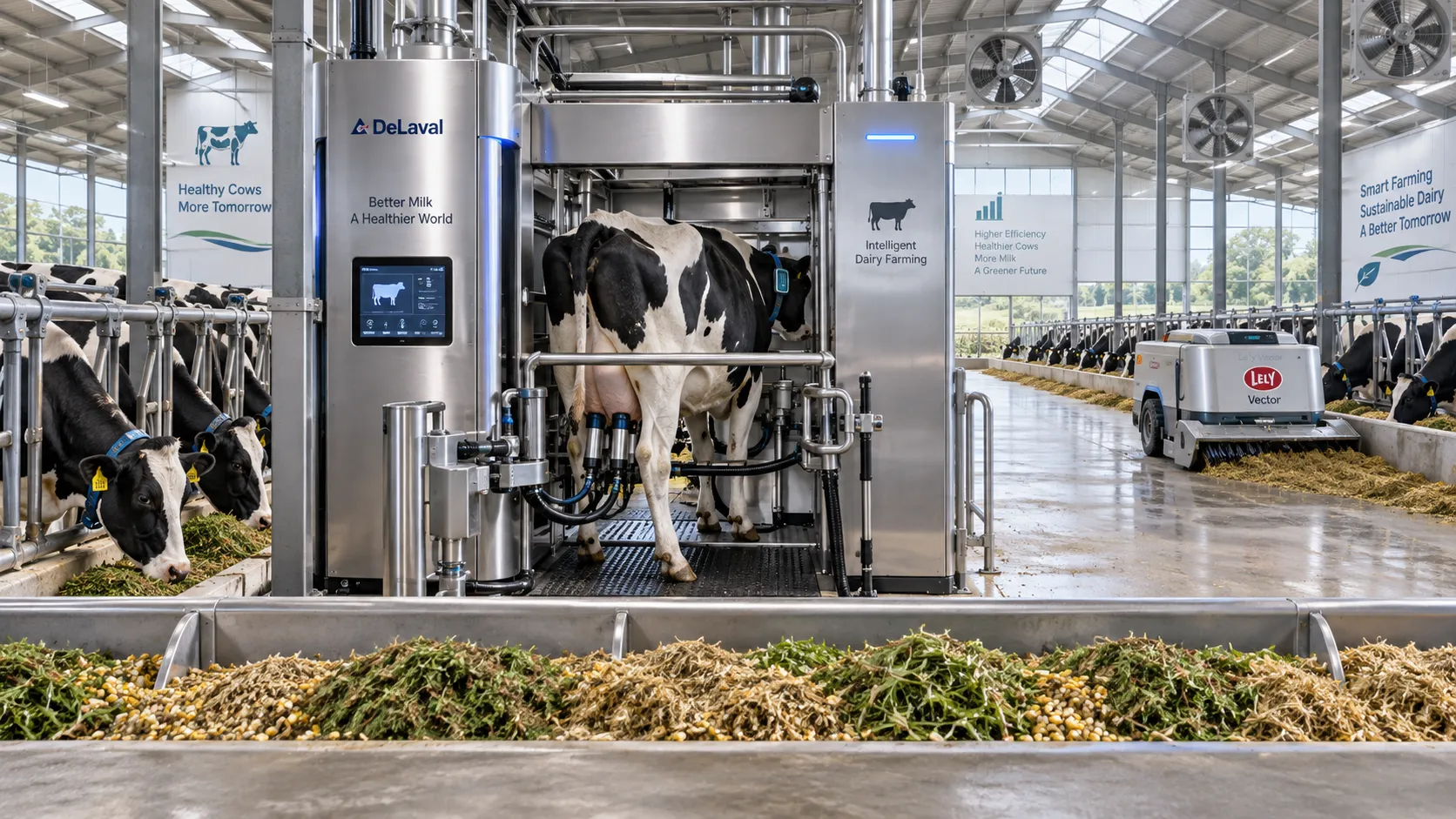
Smart Farming Technology for Dairy Farms: Where Automation Delivers Measurable ROI
Smart farming technology for dairy farms delivers measurable ROI through automation, precision feeding, health monitoring, and data-driven cost control.
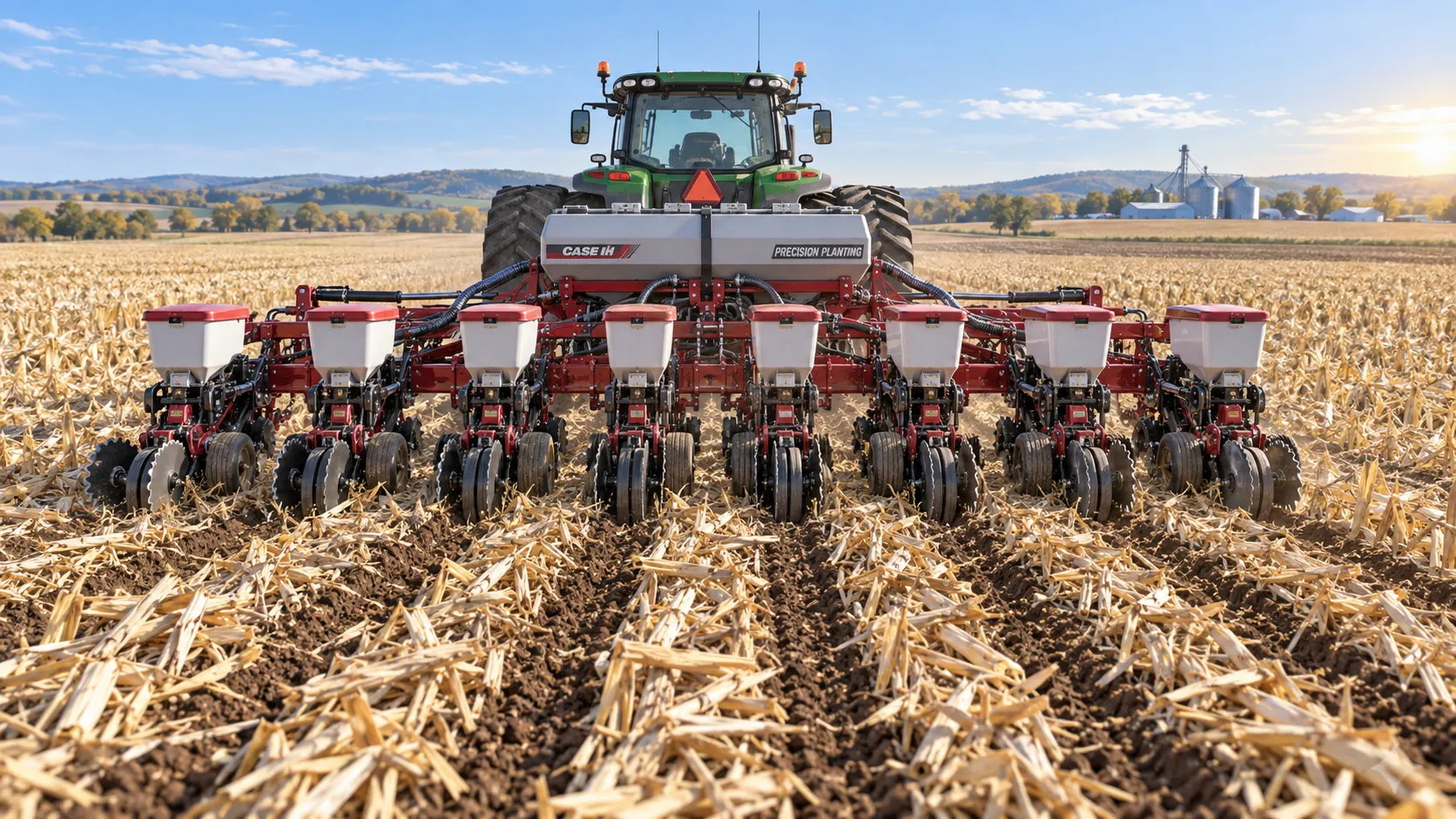
How to Select a Heavy-Duty Seeder for Large Acreage and High-Residue Fields
Heavy duty seeders for large acreage: compare residue handling, depth control, downforce, metering accuracy, and precision features to select the right model.
Related News
- 00
0000-00
Automated Water-Saving Irrigation: How to Cut Water Use Without Reducing Crop Yields - 00
0000-00
How to Evaluate Drip Irrigation System Manufacturers for Large Farm Projects - 00
0000-00
Wireless Agricultural Automation for Remote Irrigation and Field Monitoring - 00
0000-00
Designing Water-Saving Drip Irrigation Systems for High-Value Orchards - 00
0000-00
How to Choose Irrigation Solutions for Arid Regions Based on Water Source and Crop Needs
Popular Tags
Hydrological Resource Strategist
Weekly Insights
Stay ahead with our curated technology reports delivered every Monday.