
India Expands Kisan Drone & Smart Irrigation Mission White List
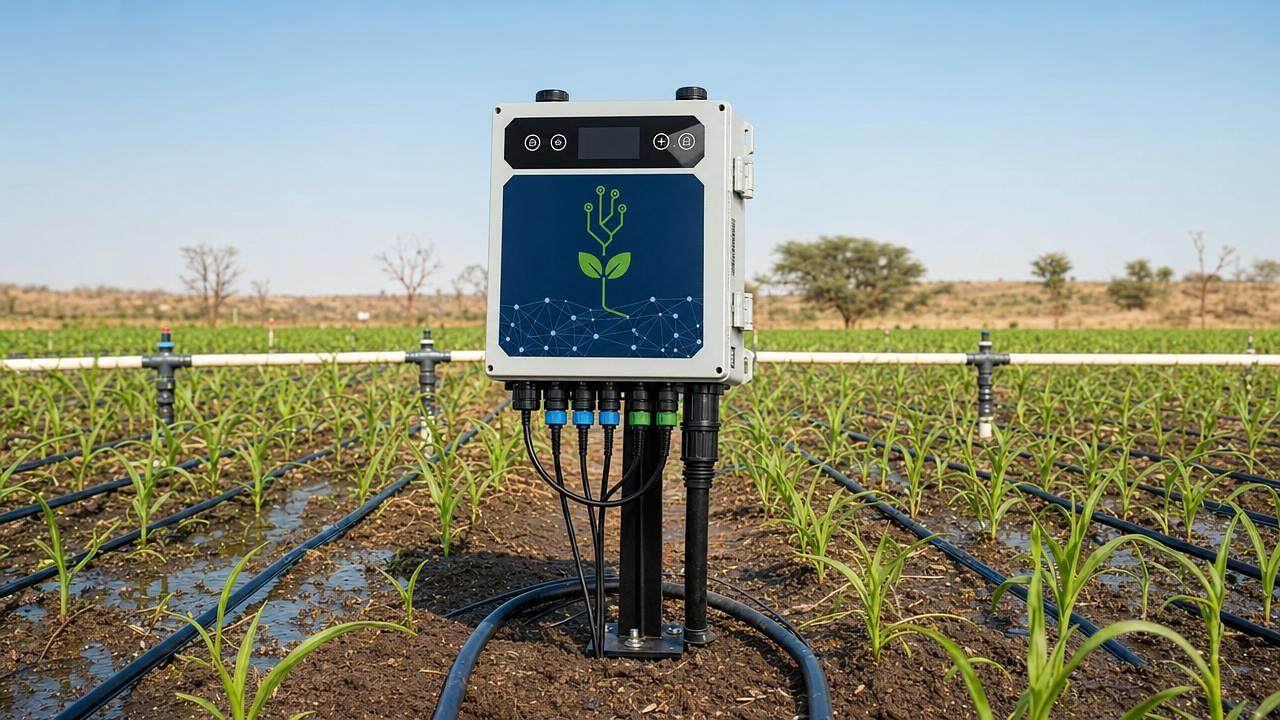




On May 7, 2026, India’s Ministry of Agriculture updated the official white list for its Kisan Drone & Smart Irrigation Mission, adding five Chinese manufacturers specializing in drip irrigation logic systems. This development is particularly relevant for agricultural technology exporters, irrigation equipment suppliers, and cross-border supply chain stakeholders operating in or targeting the Indian market.
Event Overview
On May 7, 2026, the Government of India’s Ministry of Agriculture published an update to the qualified supplier white list under the Kisan Drone & Smart Irrigation Mission. Five additional manufacturers from China—each focused on drip irrigation logic solutions—were included. Eligible suppliers gain access to central government subsidy programs (up to 60% of equipment value) and an accelerated GST refund channel. The current white list remains valid until March 2027, and the application window for new submissions closes on June 15, 2026.
Industries Affected by This Update
Direct Exporters of Irrigation Control Systems
Companies exporting smart irrigation controllers, solenoid valve logic units, or programmable drip management hardware to India may now face intensified competition—or new partnership opportunities—if their products align with the technical scope covered by the newly listed firms. The inclusion signals formal recognition of Chinese-made logic modules within India’s subsidized rural infrastructure rollout.
Manufacturers of Embedded Irrigation Logic Components
Firms producing microcontroller-based irrigation timers, soil moisture–triggered actuators, or IoT-enabled drip scheduling modules may see downstream demand shifts. Since the white list specifically references Drip Irrigation Logic, component-level suppliers supporting these five newly listed integrators could experience increased order visibility—but only if aligned with India’s certification and interoperability expectations.
Supply Chain & Compliance Service Providers
Third-party entities offering BIS certification support, GST filing acceleration, or subsidy claim documentation services for agricultural equipment exporters may observe rising inquiry volumes ahead of the June 15 deadline. The accelerated GST refund pathway implies tighter procedural alignment requirements, elevating the need for domain-specific compliance coordination.
Distribution & Channel Partners in India
Indian distributors and agri-tech aggregators working with foreign irrigation brands must reassess portfolio eligibility. Devices incorporating logic modules from newly whitelisted Chinese manufacturers may now qualify for subsidies—potentially reshaping margin structures, inventory planning, and customer-facing value propositions in tier-2 and tier-3 districts.
What Relevant Enterprises or Practitioners Should Focus On Now
Monitor Official Updates Through the Mission Portal
The Ministry of Agriculture has not yet published detailed technical specifications or testing protocols used to evaluate the newly added firms. Stakeholders should track announcements on the official Kisan Drone & Smart Irrigation Mission portal for any clarifications on logic module standards, firmware validation criteria, or regional deployment priorities before the June 15 cutoff.
Verify Alignment With Subsidy-Eligible Product Categories
Not all drip irrigation logic products automatically qualify—even if a manufacturer is on the white list. Enterprises must cross-check whether their specific hardware model, firmware version, and installation configuration match the categories explicitly referenced in the May 7 notification. Misalignment may disqualify subsidy claims despite supplier listing.
Distinguish Between Policy Signal and Operational Readiness
Inclusion on the white list does not guarantee immediate procurement or subsidy disbursement. Analysis shows that previous mission phases experienced delays between listing and actual state-level fund allocation. Companies should treat this as a preparatory signal—not an execution trigger—and avoid premature capacity expansion or inventory commitments without confirmed tender timelines.
Prepare Documentation for GST Refund Acceleration
The white list grants access to an expedited GST refund channel, but eligibility requires pre-submission of auditable invoices, conformity certificates, and installation records. Firms intending to leverage this benefit should begin assembling compliant documentation packages now, especially given the narrow window before the June 15 application closure.
Editorial Perspective / Industry Observation
Observably, this white list expansion functions primarily as a policy signal—not yet a fully operationalized market opening. It reflects India’s ongoing effort to diversify sourcing for precision irrigation logic while maintaining fiscal control through centralized vetting. From an industry perspective, the move underscores growing institutional acceptance of cost-optimized, software-defined irrigation control from non-traditional suppliers—but does not indicate relaxation of localization or after-sales service expectations. Current relevance lies less in immediate revenue impact and more in its role as a leading indicator of how future agricultural tech subsidy frameworks may balance quality assurance with import competitiveness.
This update marks a procedural milestone rather than a commercial inflection point. It confirms that Indian agricultural policy continues to treat smart irrigation logic as a discrete, high-priority subsystem—distinct from broader farm machinery or drone categories. For global suppliers, sustained attention to white list dynamics remains essential, as subsequent updates may introduce tiered eligibility (e.g., domestic assembly requirements) or performance-based renewal clauses.
Conclusion
This white list update is best understood as a calibrated step in India’s structured rollout of subsidized smart irrigation infrastructure—not a broad market liberalization event. Its significance resides in the formal recognition of specific technical capabilities (drip irrigation logic), not in wholesale access to public procurement. Stakeholders are advised to treat it as a timely prompt for documentation readiness, compliance verification, and close monitoring of implementation timelines—rather than as an immediate growth catalyst.
Source Attribution
Main source: Official notification issued by the Ministry of Agriculture & Farmers’ Welfare, Government of India, dated May 7, 2026, under the Kisan Drone & Smart Irrigation Mission.
Points requiring ongoing observation: Final subsidy disbursement schedules per state, technical annexes defining ‘drip irrigation logic’ scope, and potential post-June 15 adjustments to application procedures.
Related News

When Does Agricultural Machinery Leasing Cost Less Than Owning Equipment?
Agricultural machinery leasing can lower farm costs when use is seasonal or uncertain. Compare utilization, maintenance, cash flow, and risk to make a smarter equipment decision.
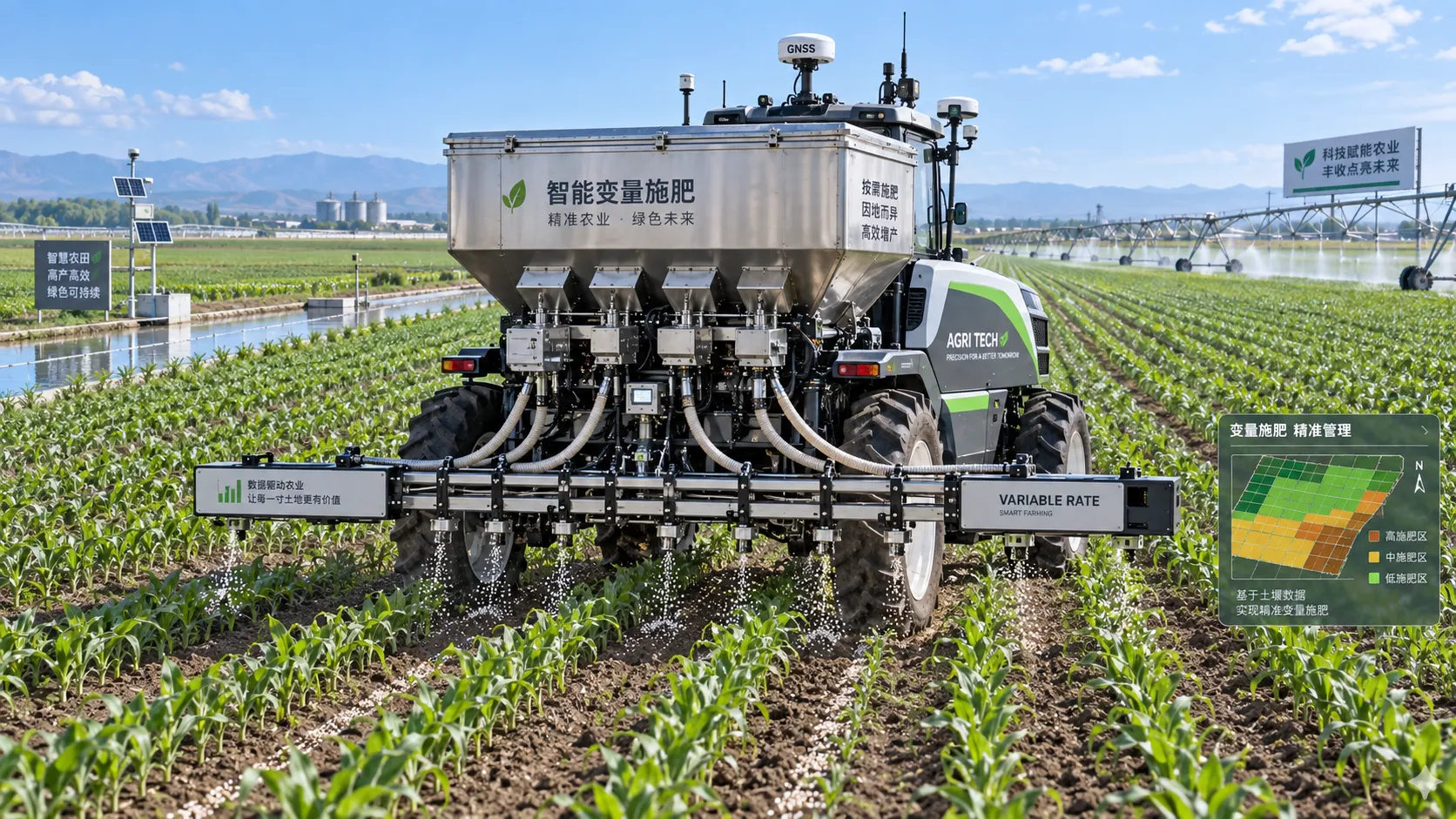
How to Evaluate Precision Fertilization System Suppliers for Farm-Scale Deployment
Precision fertilization systems suppliers: learn how to compare accuracy, integration, uptime, service, and total cost for confident farm-scale deployment.
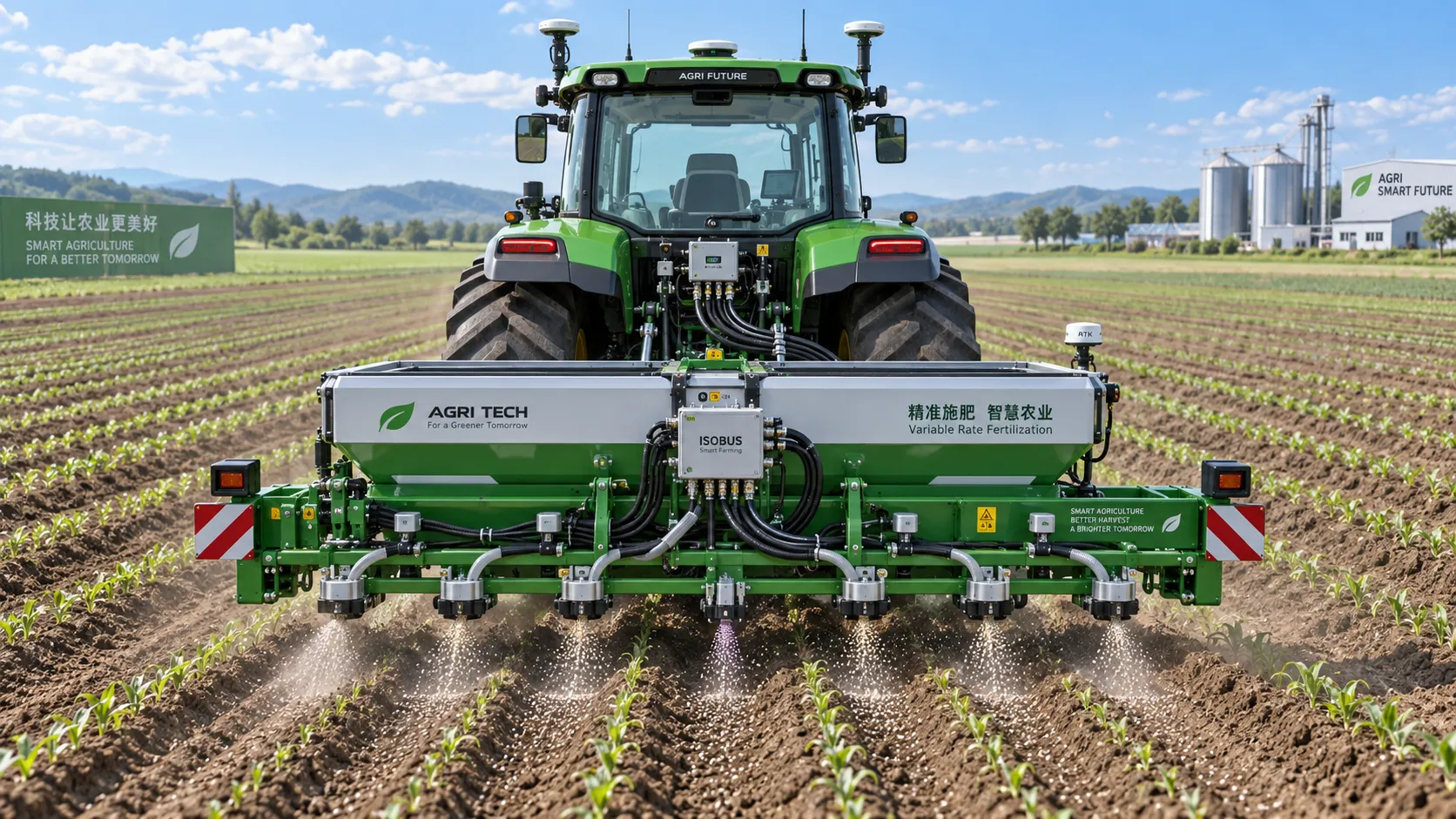
ISOBUS for Smart Agriculture: How It Connects Tractors, Implements, and Farm Data
ISOBUS for smart agriculture connects tractors, implements, terminals, and farm data—helping growers improve precision, documentation, and smarter field decisions.
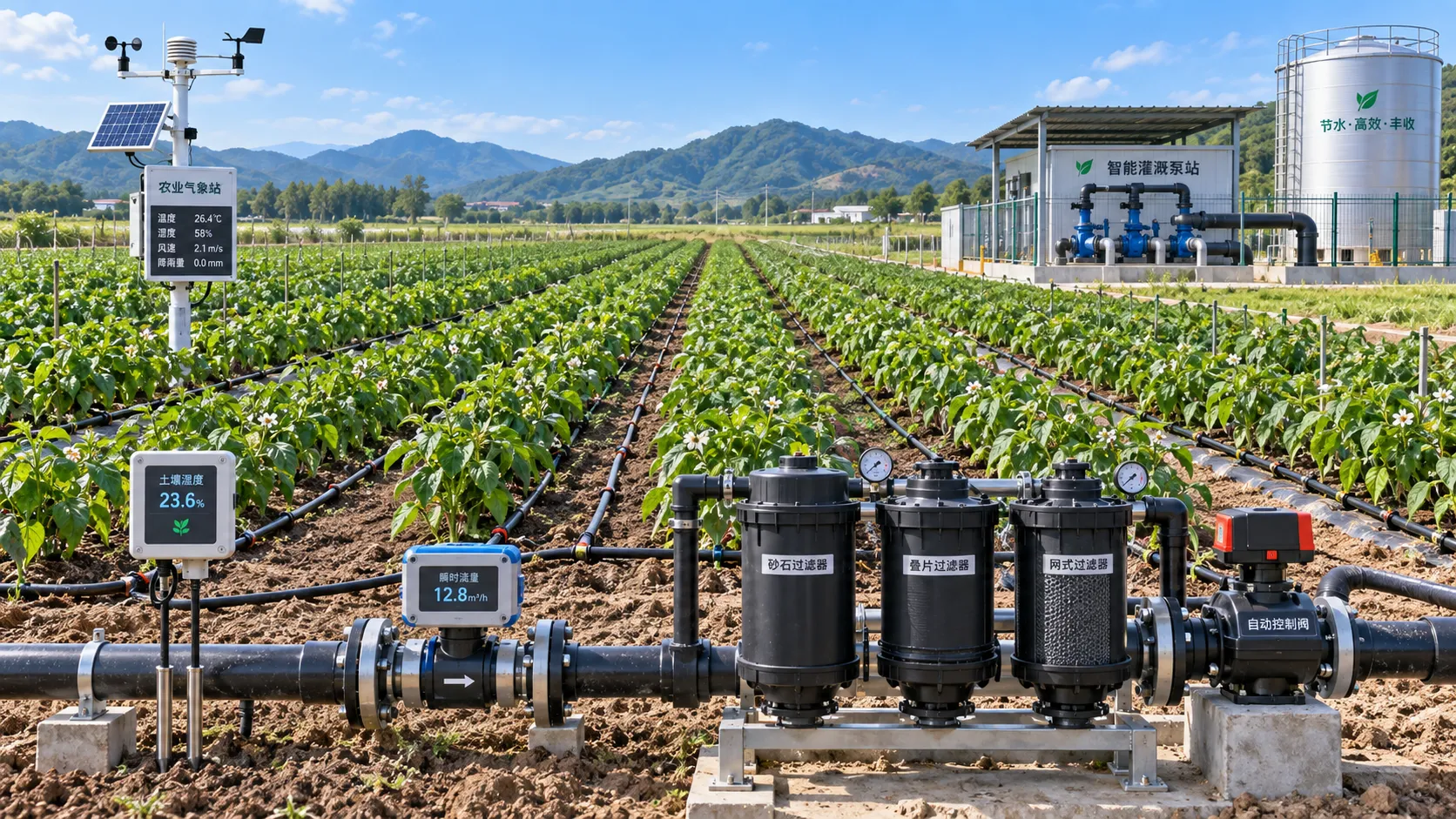
Automated Water-Saving Irrigation: How to Cut Water Use Without Reducing Crop Yields
Automated water-saving irrigation helps farms cut water use, protect crop yields, improve scheduling, and gain reliable control with sensors, flow monitoring, and smart zones.

Selecting Grain Farm Equipment by Acreage, Crop Mix, and Harvest Window
Agricultural equipment selection for grain farming: match machinery to acreage, crop mix, and harvest windows to improve uptime, efficiency, and returns.
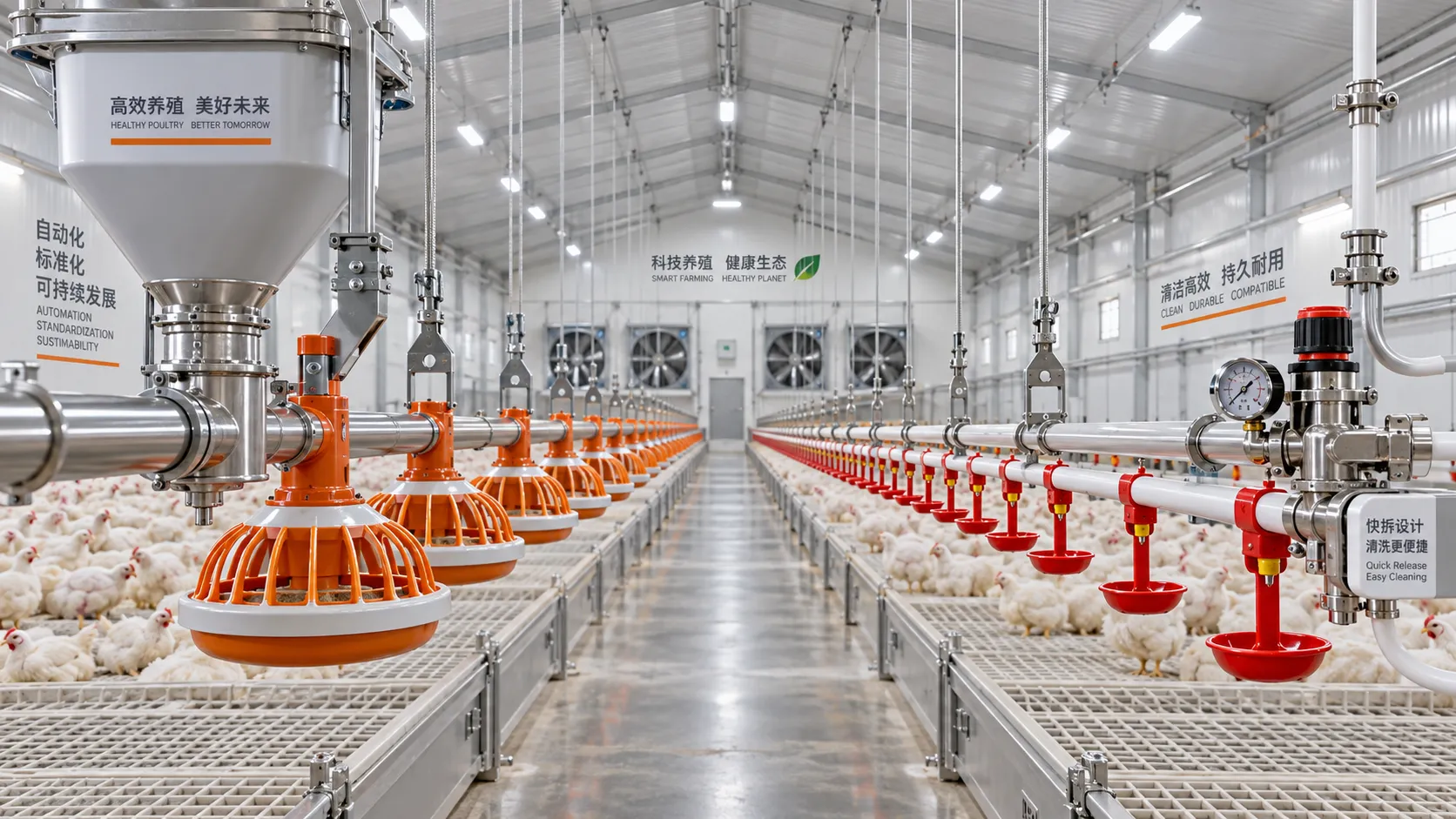
Poultry Equipment Selection: Evaluating Durability, Cleaning, and Compatibility
Poultry equipments selection guide: evaluate durability, cleaning access, and system compatibility to improve hygiene, reduce downtime, and support efficient flock management.

How to Select Heavy-Duty Farm Implements for High-Acreage, High-Horsepower Operations
Heavy duty farm implements: learn how to match draft, hydraulics, hitch capacity, frame strength, and field conditions for reliable high-acreage performance.
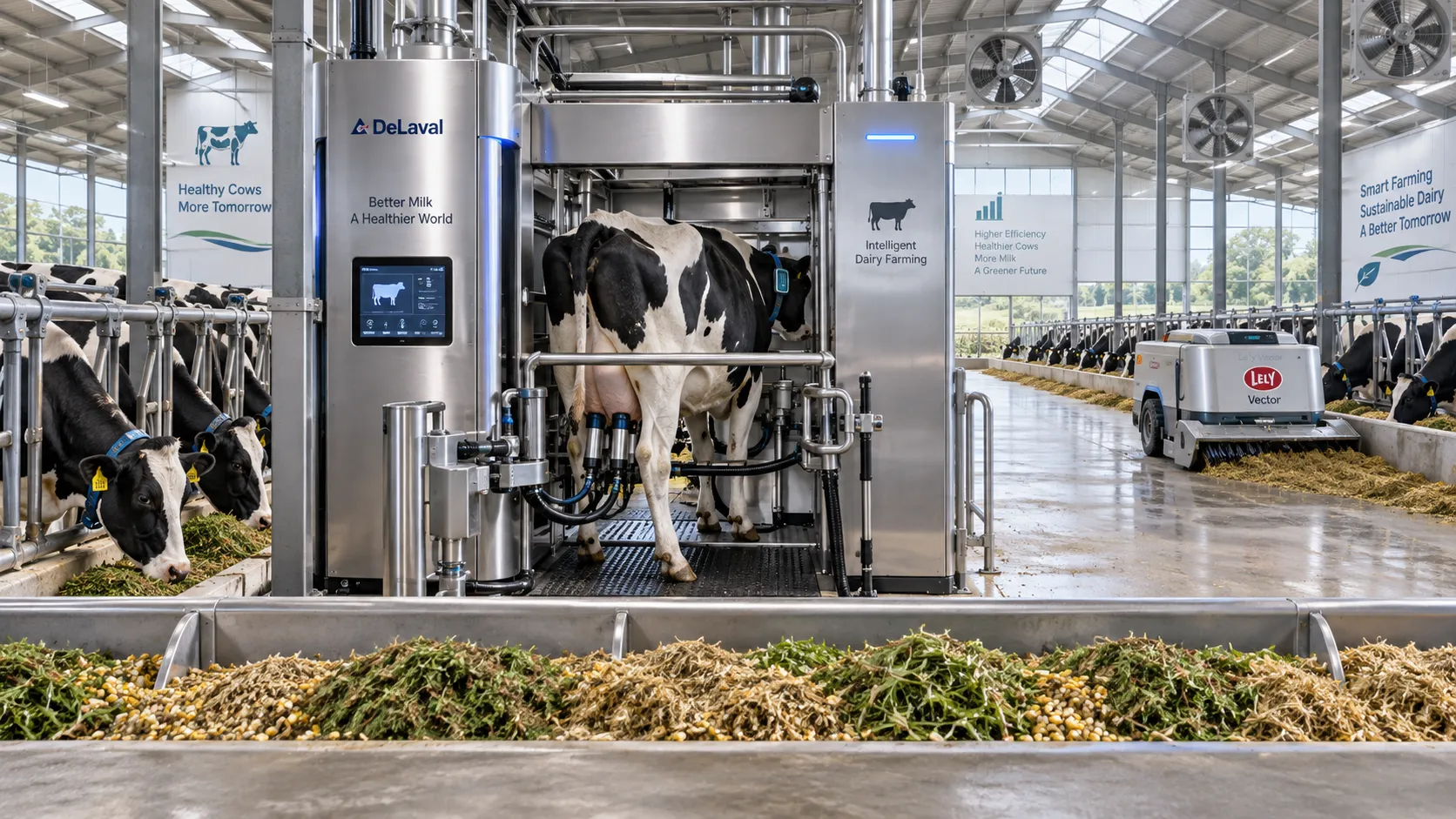
Smart Farming Technology for Dairy Farms: Where Automation Delivers Measurable ROI
Smart farming technology for dairy farms delivers measurable ROI through automation, precision feeding, health monitoring, and data-driven cost control.

How to Select a Heavy-Duty Seeder for Large Acreage and High-Residue Fields
Heavy duty seeders for large acreage: compare residue handling, depth control, downforce, metering accuracy, and precision features to select the right model.
Related News
- 00
0000-00
Automated Water-Saving Irrigation: How to Cut Water Use Without Reducing Crop Yields - 00
0000-00
How to Evaluate Drip Irrigation System Manufacturers for Large Farm Projects - 00
0000-00
Wireless Agricultural Automation for Remote Irrigation and Field Monitoring - 00
0000-00
Designing Water-Saving Drip Irrigation Systems for High-Value Orchards - 00
0000-00
How to Choose Irrigation Solutions for Arid Regions Based on Water Source and Crop Needs
Popular Tags
Hydrological Resource Strategist
Weekly Insights
Stay ahead with our curated technology reports delivered every Monday.