
Iranian FM's China Visit Boosts Agri-Equipment Cooperation
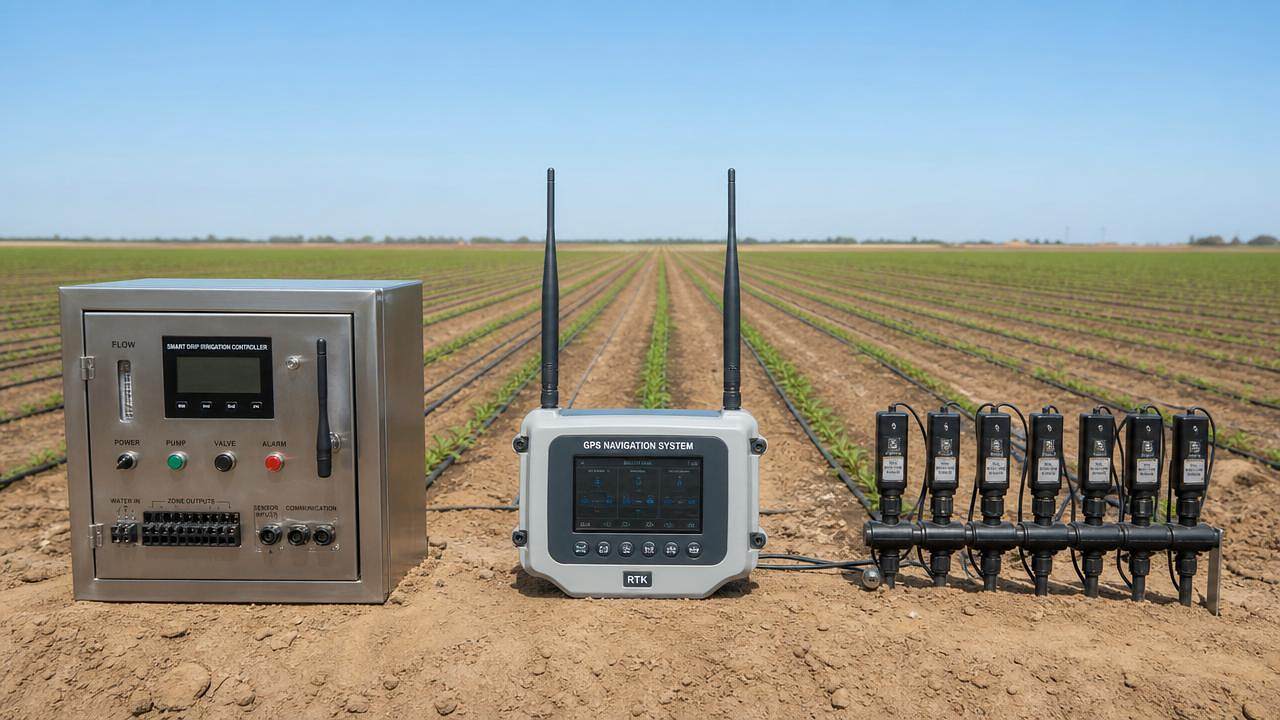




On May 6, 2026, Iranian Foreign Minister Hossein Amir-Abdollahian’s visit to China culminated in the signing of the Memorandum of Understanding on Agricultural Mechanization Cooperation. This development marks a strategic pivot toward technology-enabled agricultural modernization between the two countries—and signals tangible implications for global suppliers of precision irrigation and navigation systems.
Event Overview
On May 6, 2026, during Iranian Foreign Minister Hossein Amir-Abdollahian’s official visit to China, both sides signed the Memorandum of Understanding on Agricultural Mechanization Cooperation. The MoU explicitly identifies drip irrigation logic systems, GPS guidance systems, and soil moisture sensors as priority areas for joint promotion. Under the agreement, China will support Iran in establishing three smart irrigation demonstration zones and activate a China–Iran ‘green channel’ for mutual recognition of phytosanitary inspection and quarantine results.
Industries Affected
Direct trading enterprises — particularly exporters of precision agriculture hardware from China, Europe, and North America—face newly structured market access conditions. The green channel mechanism reduces time-to-market for certified equipment but also raises compliance expectations: products must meet both Chinese export standards and Iran’s updated technical regulations under the MoU framework. Early-mover advantage now hinges less on price and more on documentation readiness and bilateral certification alignment.
Raw material procurement enterprises — especially those sourcing microcontrollers, GNSS chipsets (e.g., u-blox, Quectel), and low-power sensor components — may see revised demand profiles. Increased deployment of soil moisture sensors and GPS-guided controllers implies higher volume orders for silicon-based sensing elements and RF modules; however, supply chain resilience becomes critical, given that dual-use components may trigger new export control reviews under evolving multilateral frameworks.
Manufacturing enterprises — including OEMs and system integrators specializing in smart irrigation controllers or auto-steer platforms — confront a dual opportunity: localized assembly partnerships in Iran (via technology transfer clauses implied in the MoU) and accelerated validation cycles for interoperable hardware. Yet manufacturing scalability depends on whether Iran’s domestic electronics assembly capacity can absorb Tier-2 component integration without relying on third-country logistics intermediaries.
Supply chain service providers — such as customs brokers, conformity assessment bodies, and cross-border logistics operators — must adapt rapidly to the green channel’s operational protocols. Unlike standard WTO-sanctioned SPS agreements, this bilateral arrangement includes expedited document verification and pre-shipment audit reciprocity—requiring service firms to invest in staff training on both Chinese AQSIQ and Iranian Ministry of Jihad-e-Agriculture regulatory workflows.
Key Considerations and Recommended Actions
Verify eligibility under the green channel framework
Exporters should confirm whether their product categories fall within the initial scope of mutual recognition (limited to drip irrigation logic units, GPS guidance systems, and calibrated soil moisture sensors). Products outside this list remain subject to full Iranian import licensing and type approval procedures.
Assess localization readiness for demonstration zone deployment
Suppliers selected for the three smart irrigation demonstration zones will likely undergo site-specific adaptation—including climate-resilient housing for electronics, Farsi-language UI compliance, and compatibility with Iran’s national geodetic datum (IRGC2018). Preemptive engineering review is advised ahead of formal tender announcements.
Monitor updates to Iran’s Technical Regulations on Agricultural Machinery
The MoU references alignment with Iran’s upcoming National Standard for Smart Irrigation Equipment (ISIRI 35720-2), currently under final review by the Institute of Standards and Industrial Research of Iran (ISIRI). Stakeholders should track its publication timeline, as it will define mandatory performance thresholds for sensor accuracy, GPS drift tolerance, and controller response latency.
Editorial Perspective / Industry Observation
Observably, this MoU reflects a broader regional trend: agricultural technology diplomacy is increasingly supplanting traditional commodity trade as a vector for bilateral engagement in arid-zone economies. Analysis shows that Iran’s focus on drip logic—not just hardware—is significant: it signals intent to build domestic algorithmic capability for water-use optimization, not merely import turnkey systems. From an industry standpoint, the emphasis on soil moisture sensors over satellite-based ET models suggests near-term preference for ground-truthed, low-bandwidth solutions suited to decentralized farm infrastructure. Current data does not support assumptions about long-term IP transfer; rather, the arrangement appears calibrated for phased technology absorption—with Phase I centered on deployment, Phase II on maintenance capacity building, and Phase III (not yet articulated) potentially involving co-development.
Conclusion
This agreement does not represent a sudden market opening, but rather the institutionalization of a structured, stepwise pathway for precision agri-tech integration in Iran. Its real-world impact will depend less on headline commitments and more on execution fidelity—particularly in harmonizing testing protocols, sustaining demonstration zone operations beyond pilot funding cycles, and ensuring continuity amid shifting geopolitical headwinds. For global stakeholders, the MoU serves best as a signal to prioritize regulatory intelligence and adaptive supply chain design—not as a guarantee of immediate revenue uplift.
Source Attribution
Official texts cited from the Ministry of Commerce of the People’s Republic of China (MOFCOM) press release dated May 6, 2026; supplementary details drawn from the Islamic Republic of Iran Ministry of Foreign Affairs Joint Statement, same date. Note: Implementation guidelines for the green channel and technical specifications for the demonstration zones remain pending publication. These documents are under active monitoring and will be updated in subsequent advisories.
Related News
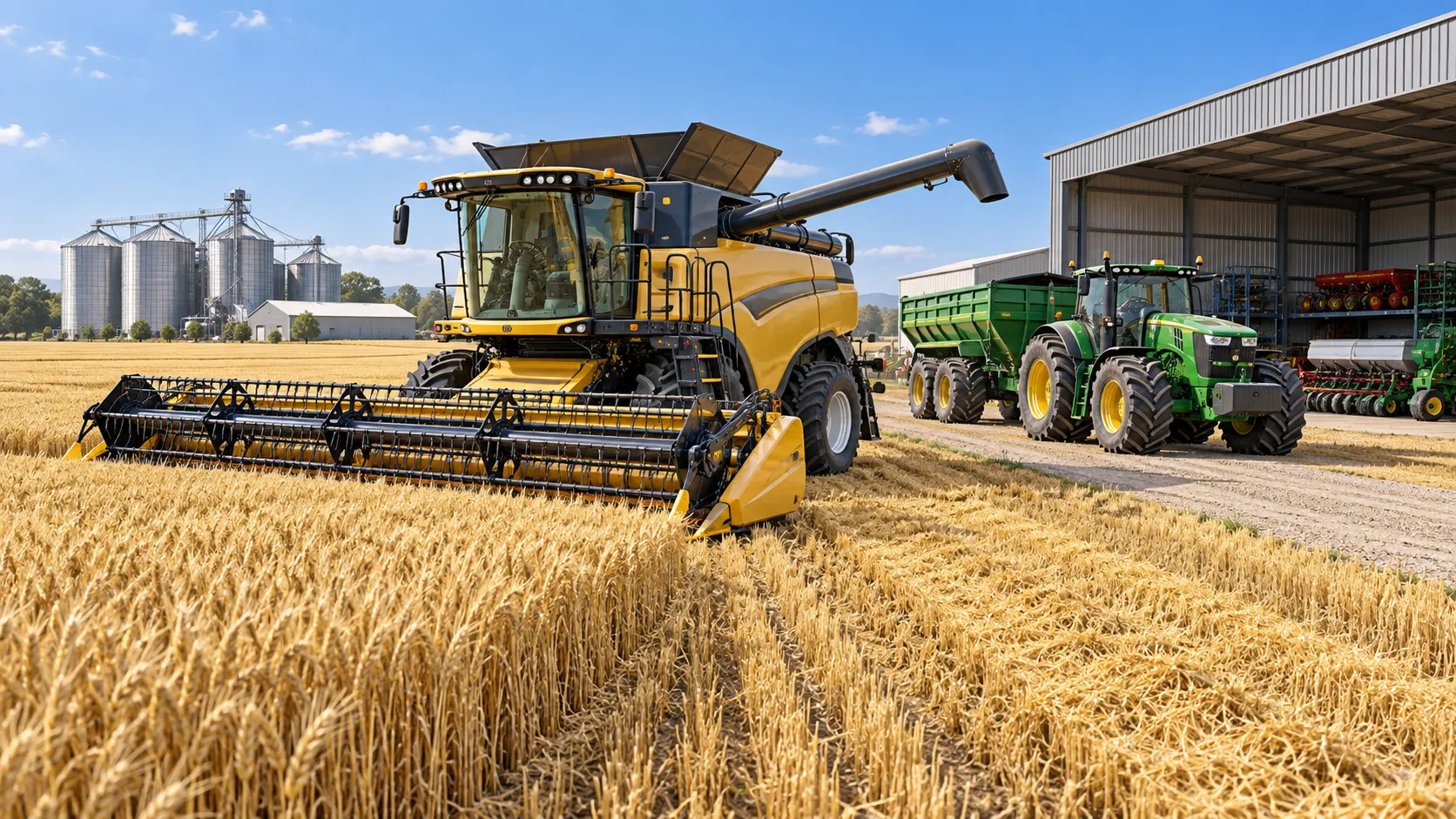
When Does Agricultural Machinery Leasing Cost Less Than Owning Equipment?
Agricultural machinery leasing can lower farm costs when use is seasonal or uncertain. Compare utilization, maintenance, cash flow, and risk to make a smarter equipment decision.
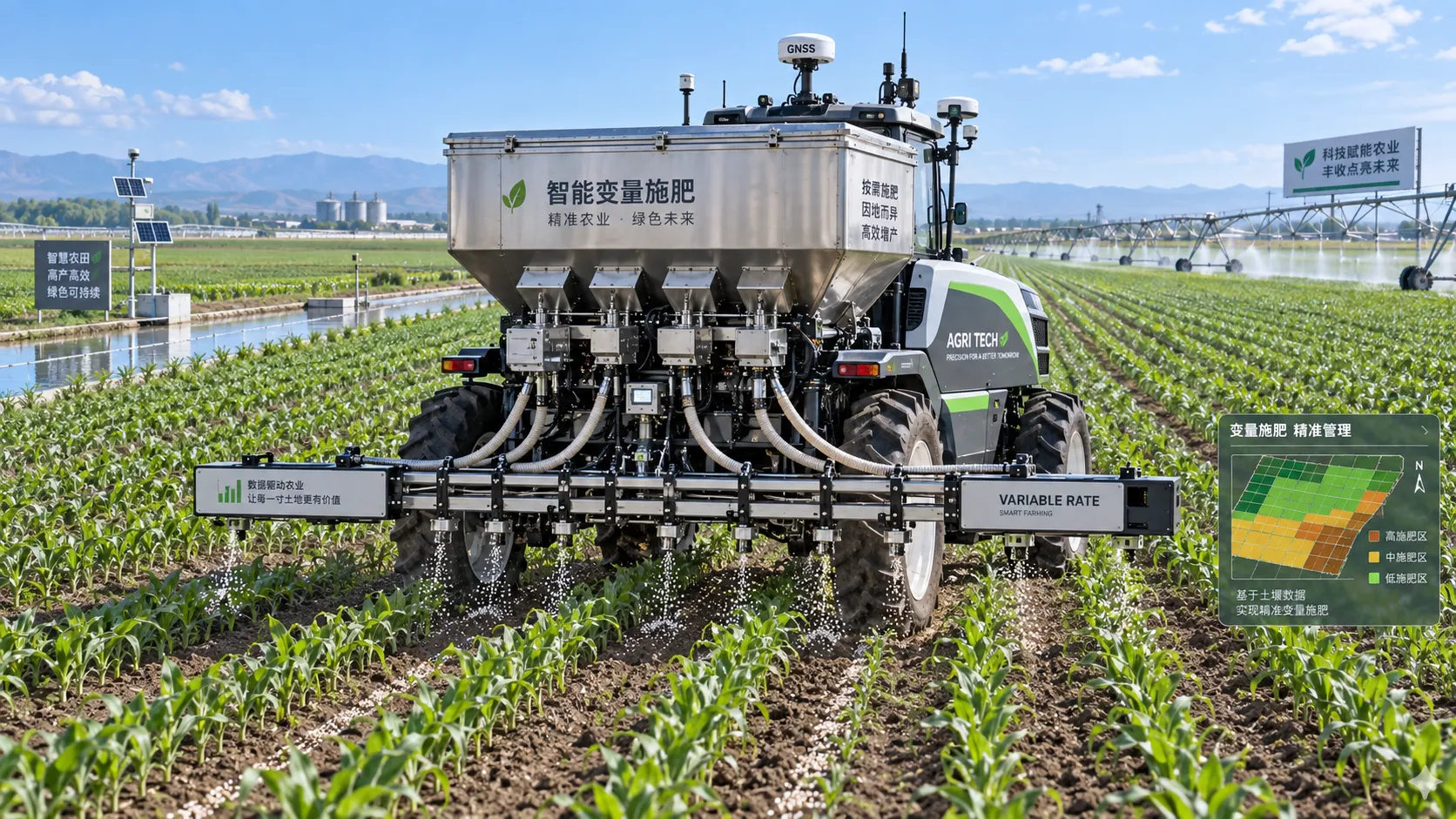
How to Evaluate Precision Fertilization System Suppliers for Farm-Scale Deployment
Precision fertilization systems suppliers: learn how to compare accuracy, integration, uptime, service, and total cost for confident farm-scale deployment.
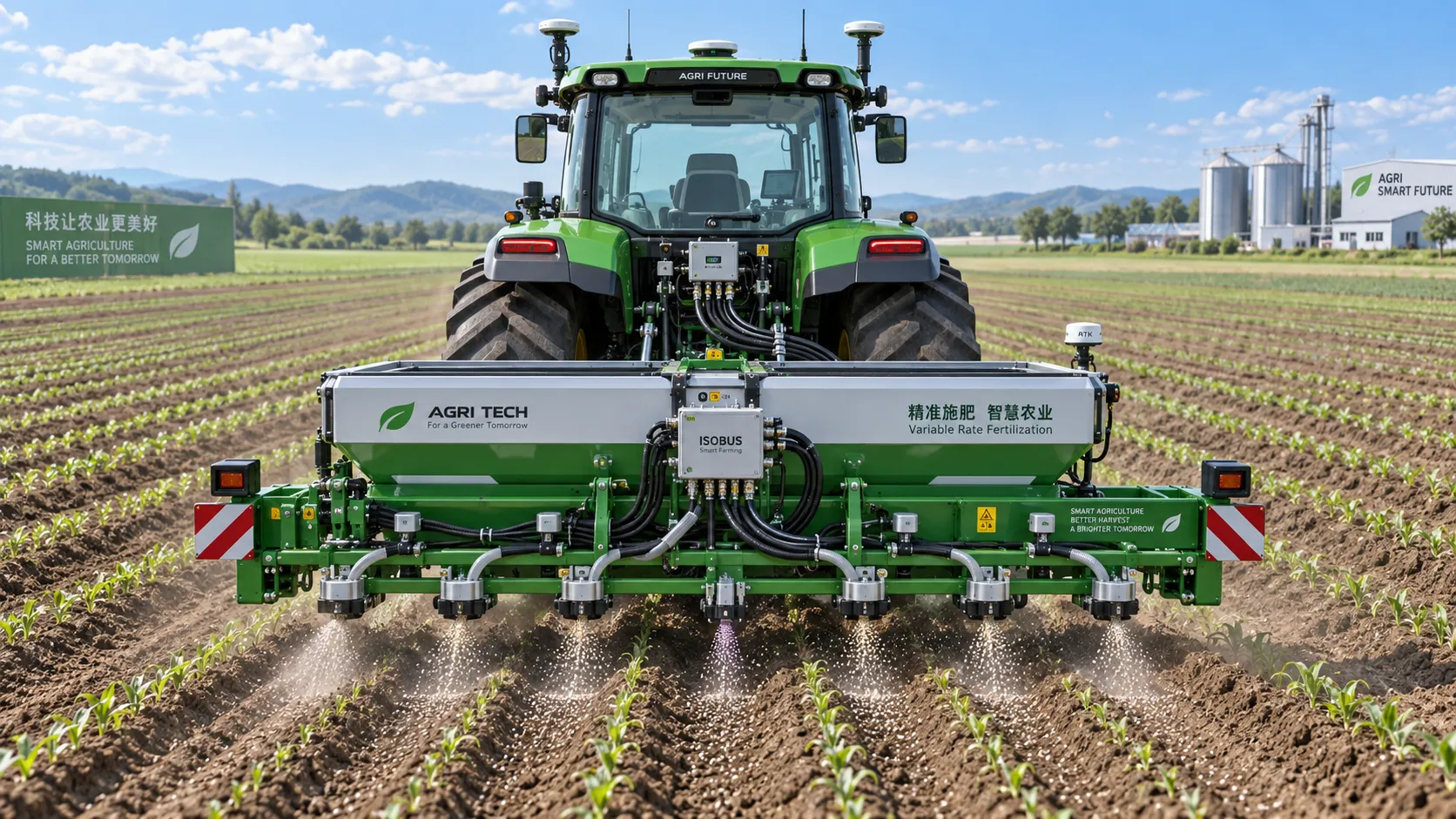
ISOBUS for Smart Agriculture: How It Connects Tractors, Implements, and Farm Data
ISOBUS for smart agriculture connects tractors, implements, terminals, and farm data—helping growers improve precision, documentation, and smarter field decisions.
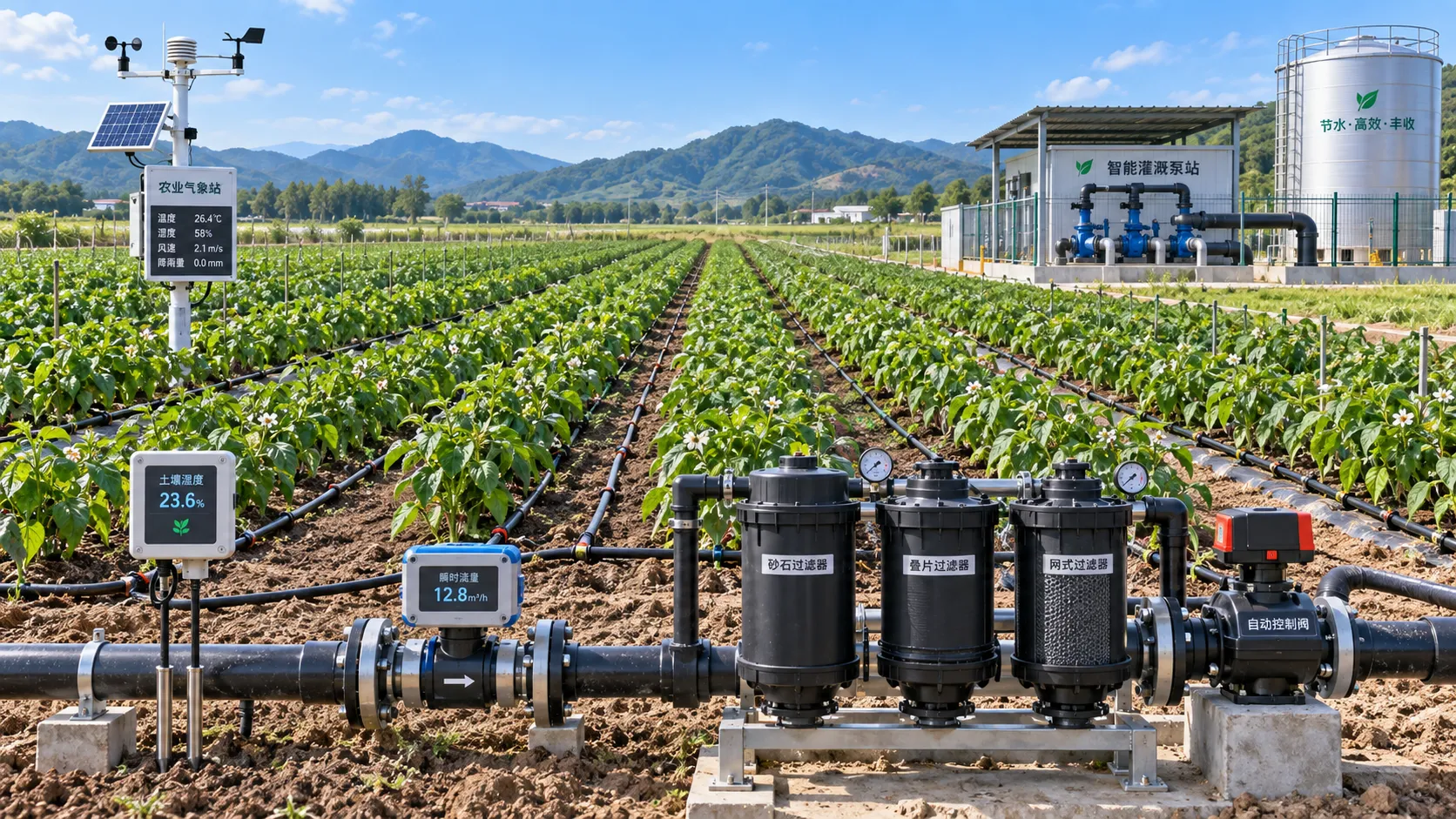
Automated Water-Saving Irrigation: How to Cut Water Use Without Reducing Crop Yields
Automated water-saving irrigation helps farms cut water use, protect crop yields, improve scheduling, and gain reliable control with sensors, flow monitoring, and smart zones.
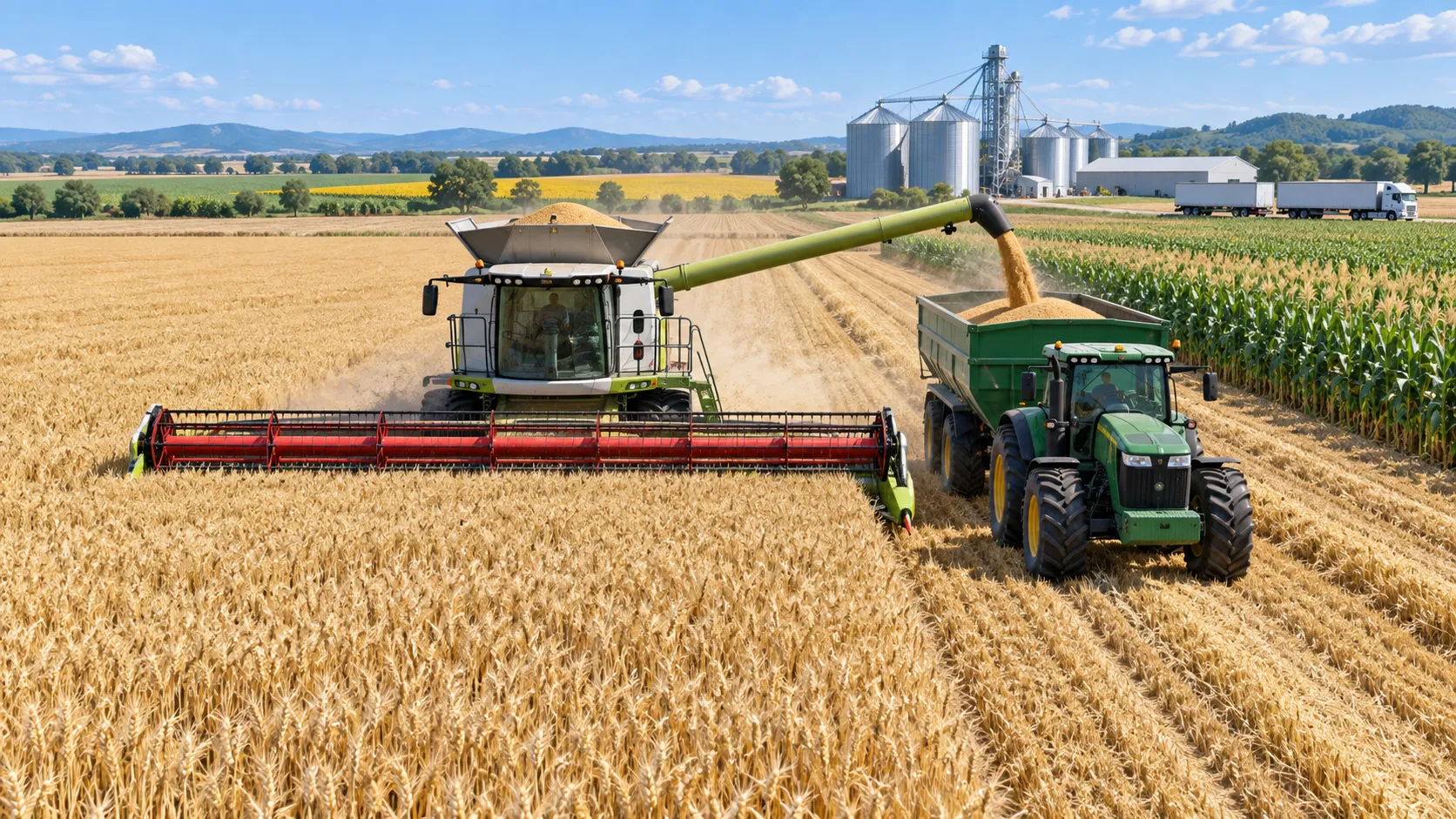
Selecting Grain Farm Equipment by Acreage, Crop Mix, and Harvest Window
Agricultural equipment selection for grain farming: match machinery to acreage, crop mix, and harvest windows to improve uptime, efficiency, and returns.
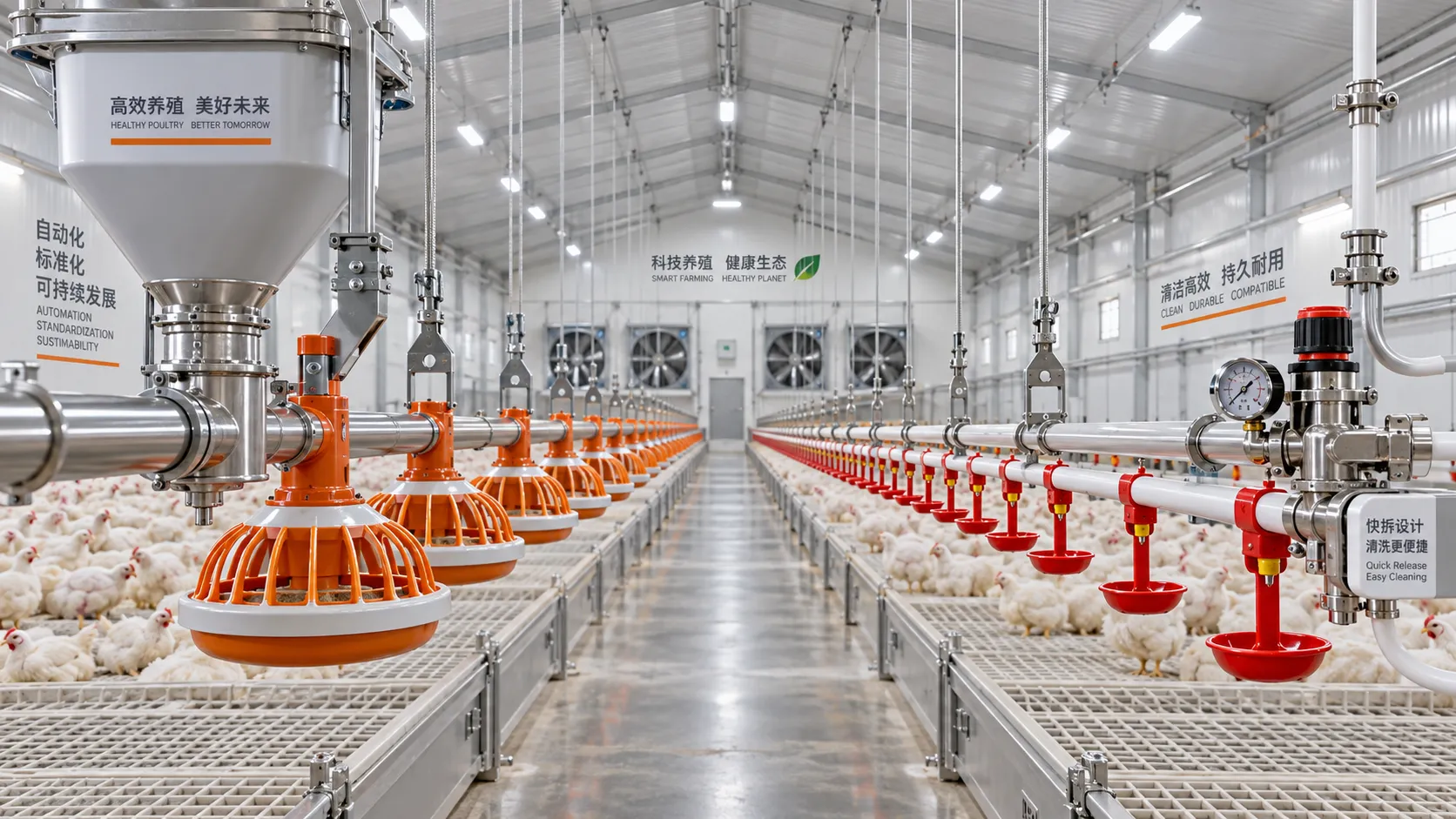
Poultry Equipment Selection: Evaluating Durability, Cleaning, and Compatibility
Poultry equipments selection guide: evaluate durability, cleaning access, and system compatibility to improve hygiene, reduce downtime, and support efficient flock management.
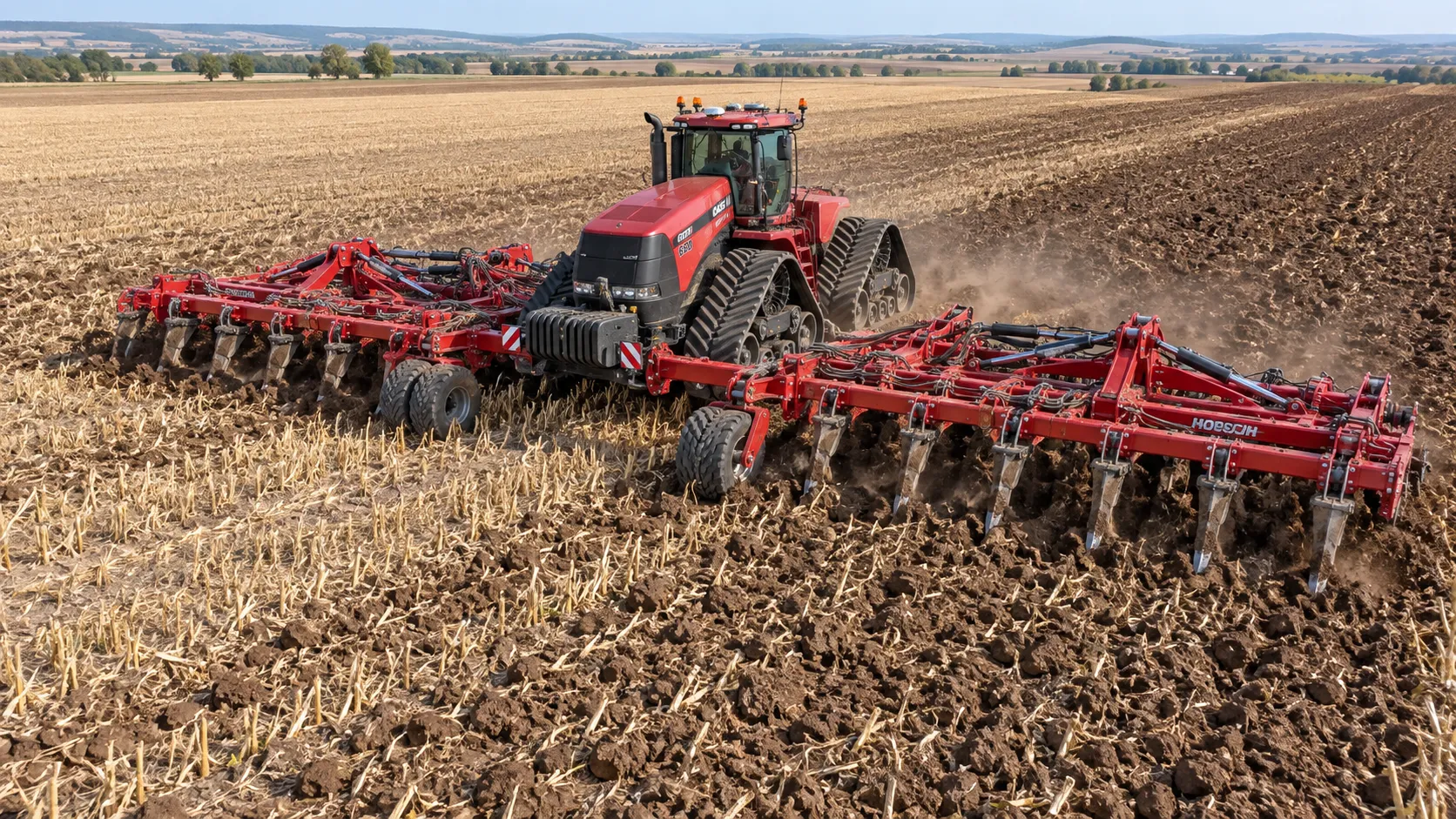
How to Select Heavy-Duty Farm Implements for High-Acreage, High-Horsepower Operations
Heavy duty farm implements: learn how to match draft, hydraulics, hitch capacity, frame strength, and field conditions for reliable high-acreage performance.
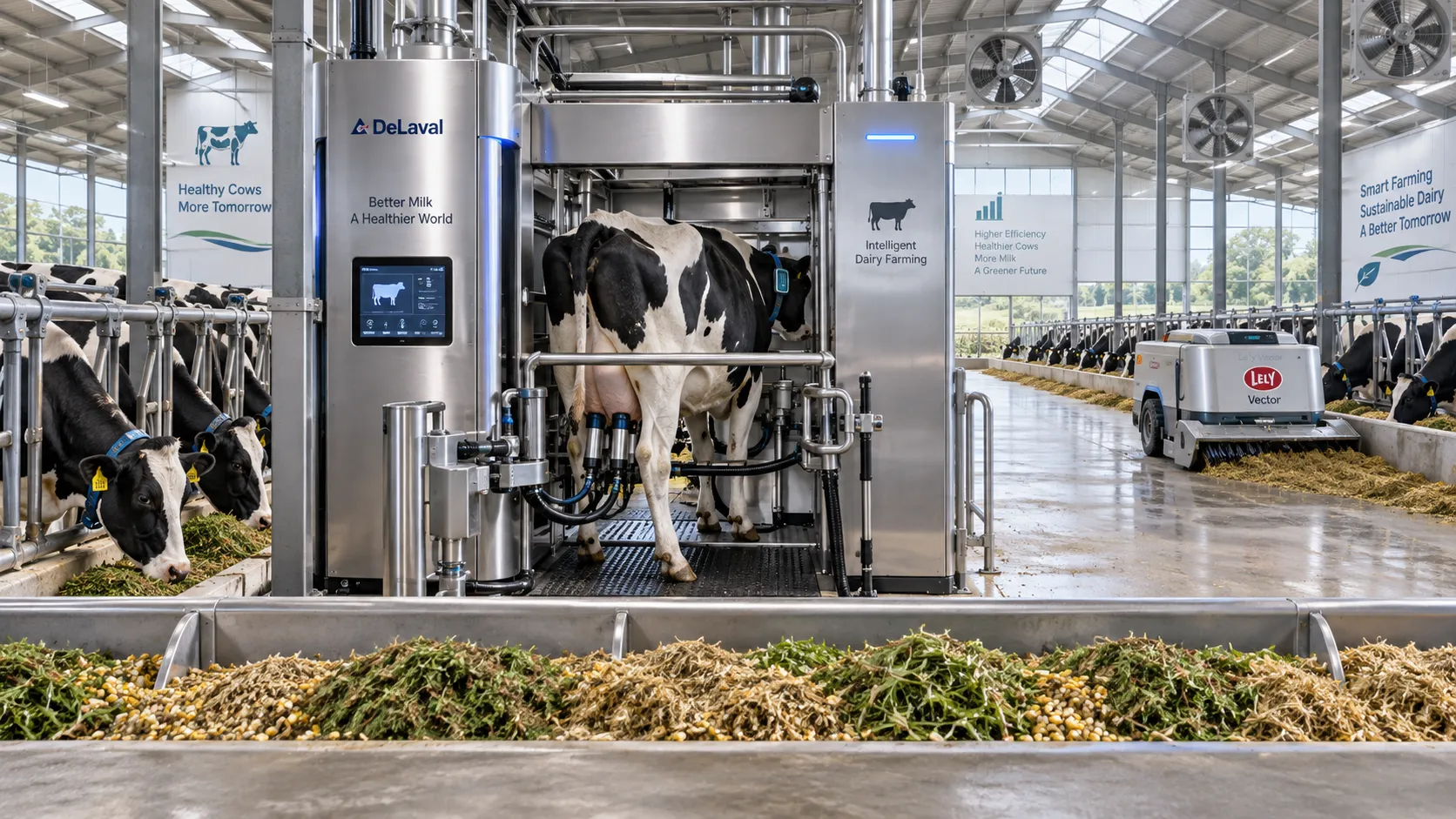
Smart Farming Technology for Dairy Farms: Where Automation Delivers Measurable ROI
Smart farming technology for dairy farms delivers measurable ROI through automation, precision feeding, health monitoring, and data-driven cost control.
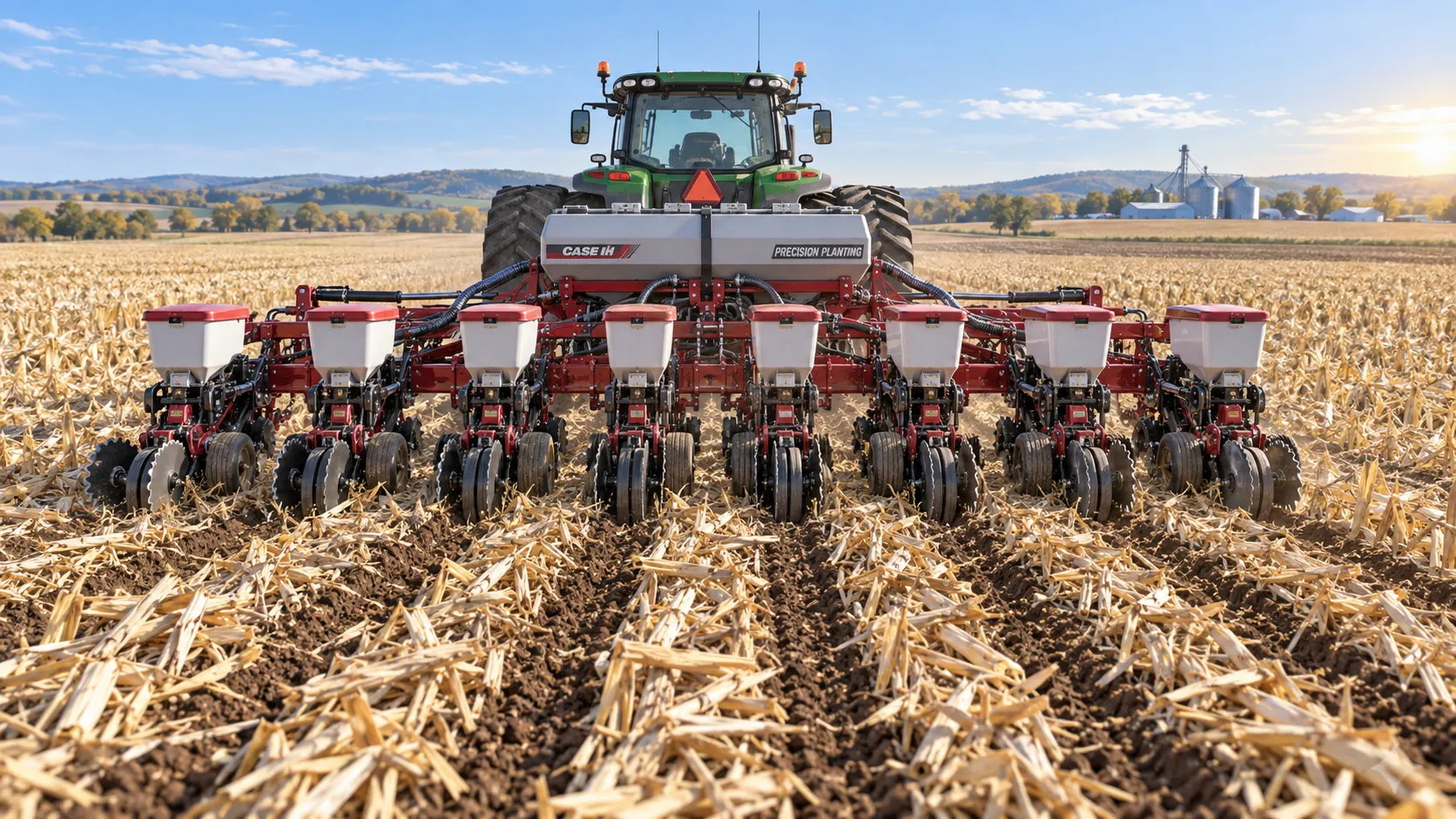
How to Select a Heavy-Duty Seeder for Large Acreage and High-Residue Fields
Heavy duty seeders for large acreage: compare residue handling, depth control, downforce, metering accuracy, and precision features to select the right model.
Related News
- 00
0000-00
Automated Water-Saving Irrigation: How to Cut Water Use Without Reducing Crop Yields - 00
0000-00
How to Evaluate Drip Irrigation System Manufacturers for Large Farm Projects - 00
0000-00
Wireless Agricultural Automation for Remote Irrigation and Field Monitoring - 00
0000-00
Designing Water-Saving Drip Irrigation Systems for High-Value Orchards - 00
0000-00
How to Choose Irrigation Solutions for Arid Regions Based on Water Source and Crop Needs
Popular Tags
Hydrological Resource Strategist
Weekly Insights
Stay ahead with our curated technology reports delivered every Monday.