
Indonesia BPOM Fast-Tracks Approval of Chinese Smart Irrigation Water Quality Monitor
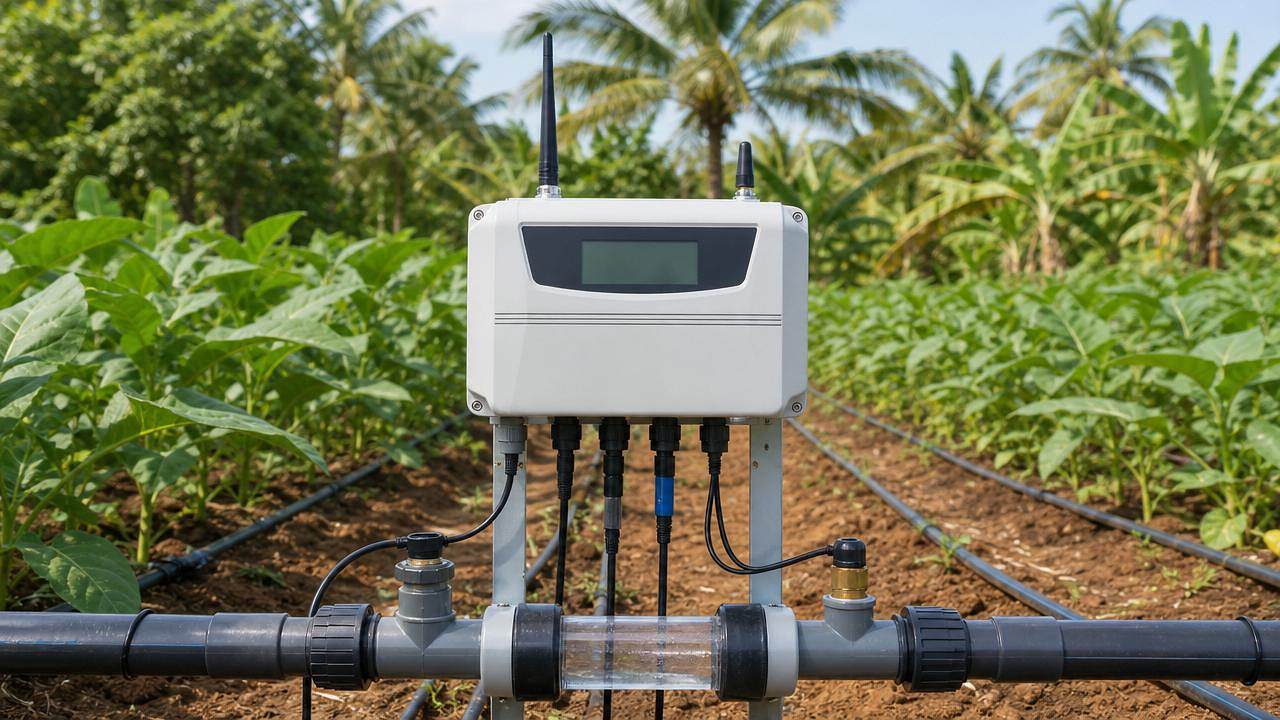




On May 12, 2026, Indonesia’s Food and Drug Authority (BPOM) completed expedited registration approval for a China-manufactured smart water quality monitoring device—integrated with pH/EC/residual chlorine sensors and LoRaWAN transmission modules—in just nine working days. This marks the first implemented case under the China–ASEAN Green Product Certification Mutual Recognition Mechanism, applicable to Drip Irrigation Logic’s integrated sensors and central control systems. Irrigation equipment manufacturers, agricultural technology exporters, and regulatory compliance specialists serving Southeast Asian markets should pay close attention, as this precedent signals a tangible shift in regional market access pathways for green agri-tech hardware.
Event Overview
On May 12, 2026, Indonesia’s Badan Pengawas Obat dan Makanan (BPOM) announced the completion of rapid registration approval for a Chinese-made smart water quality monitoring instrument. The device integrates multi-parameter sensing (pH, electrical conductivity, residual chlorine) and LoRaWAN wireless transmission. The approval cycle was reduced to nine working days. This action constitutes the first operational case under the China–ASEAN Green Product Certification Mutual Recognition Mechanism. It applies specifically to irrigation logic systems—including both end-point sensors and central control units—produced by Drip Irrigation Logic. The mechanism enables reuse of this certification pathway for similar irrigation water management equipment targeting the Indonesian and broader ASEAN markets.
Industries Affected
Direct Exporters of Irrigation Hardware
Exporters supplying smart irrigation components—including sensor modules, controllers, or bundled systems—to Indonesia and other ASEAN countries are directly affected. The mutual recognition mechanism lowers entry barriers for certified devices, reducing time-to-market and local conformity assessment costs. Impact manifests primarily in shortened pre-market authorization timelines and diminished need for redundant local testing or re-certification.
OEM/ODM Manufacturers Serving Agri-Tech Brands
Contract manufacturers producing water quality sensors or LoRaWAN-enabled control units for global irrigation brands face revised compliance expectations. If their clients intend to leverage the mutual recognition pathway, production must align precisely with the certified design, firmware version, and documentation scope validated under the initial BPOM review. Deviations—even minor ones in sensor calibration protocols or communication stack implementation—may invalidate eligibility for fast-track treatment.
Distribution & Channel Partners in ASEAN Markets
Importers, distributors, and system integrators operating in Indonesia and neighboring ASEAN countries may now accelerate product onboarding for compatible irrigation water monitoring solutions. The impact centers on faster inventory readiness, reduced import hold times at customs due to pending regulatory clearance, and improved ability to respond to tender cycles tied to government-supported smart agriculture programs.
Regulatory & Compliance Service Providers
Firms offering certification support, technical file preparation, or local representative services for agri-tech hardware face a narrowing scope for certain BPOM-specific activities. With mutual recognition enabling reuse of approved technical dossiers, demand may shift toward cross-border dossier harmonization, post-market surveillance coordination, and audit readiness—rather than full-cycle initial registration support—for eligible product categories.
What Relevant Companies or Practitioners Should Focus On Now
Monitor official updates from BPOM and China’s CNCA on scope expansion
The current mutual recognition arrangement applies only to the specific device type and configuration cited: multi-parameter water quality monitors for drip irrigation logic systems. Companies should track whether BPOM or China’s Certification and Accreditation Administration (CNCA) publishes formal annexes or technical guidelines extending coverage to related products—e.g., standalone EC/pH loggers, cloud-based dashboard integrations, or nitrogen-sensing variants.
Prioritize alignment with the originally certified technical specifications
Manufacturers intending to benefit from this pathway must verify that their production units match the exact model, firmware revision, sensor calibration methodology, and LoRaWAN protocol stack version submitted during the inaugural BPOM review. Any deviation requires separate evaluation; no automatic extension is confirmed.
Distinguish between policy signal and operational readiness
While this case confirms feasibility, it does not imply automatic eligibility for all green agri-tech products. The mechanism remains case-specific until further bilateral guidance is issued. Companies should treat this as a precedent—not a blanket framework—and confirm applicability with local regulatory representatives before initiating commercial deployment.
Prepare technical documentation for potential dossier reuse
Exporters and OEMs should consolidate and archive the full BPOM-approved technical file—including test reports, risk assessments, labeling samples, and LoRaWAN conformance evidence—as a reusable reference. This supports faster submission for derivative models and strengthens negotiation positions with ASEAN distribution partners seeking regulatory assurance.
Editorial Perspective / Industry Observation
Observably, this development functions less as an immediate market-opening event and more as a procedural milestone confirming the operational viability of bilateral green certification reciprocity. Analysis shows that its significance lies not in scale—only one device model is involved—but in institutional validation: BPOM has demonstrated capacity to accept foreign-origin conformity evidence without compromising domestic oversight standards. From an industry perspective, this case is best understood as a pilot test of administrative interoperability, not a wholesale regulatory reform. Continued observation is warranted to determine whether subsequent approvals follow similarly compressed timelines, and whether third-party certification bodies in China gain formal BPOM-recognized status under the mechanism.
Conclusion
This approval represents the first verified instance of cross-border green product certification recognition between China and an ASEAN member state. Its practical value resides in proving that aligned technical standards and shared environmental objectives can translate into concrete reductions in regulatory friction for targeted agri-tech hardware. Currently, it is more appropriately understood as a narrowly scoped, precedent-setting administrative outcome—not a broad-based market access guarantee. Stakeholders should approach it as a reference point for future engagement, not a replicable template without verification.
Information Sources
Main source: Official announcement by Indonesia’s BPOM, dated May 12, 2026.
Areas requiring ongoing observation: Formal scope definitions from BPOM/CNCA; inclusion of additional product categories; recognition status of Chinese certification bodies under the mechanism.
Related News

When Does Agricultural Machinery Leasing Cost Less Than Owning Equipment?
Agricultural machinery leasing can lower farm costs when use is seasonal or uncertain. Compare utilization, maintenance, cash flow, and risk to make a smarter equipment decision.
How to Evaluate Precision Fertilization System Suppliers for Farm-Scale Deployment
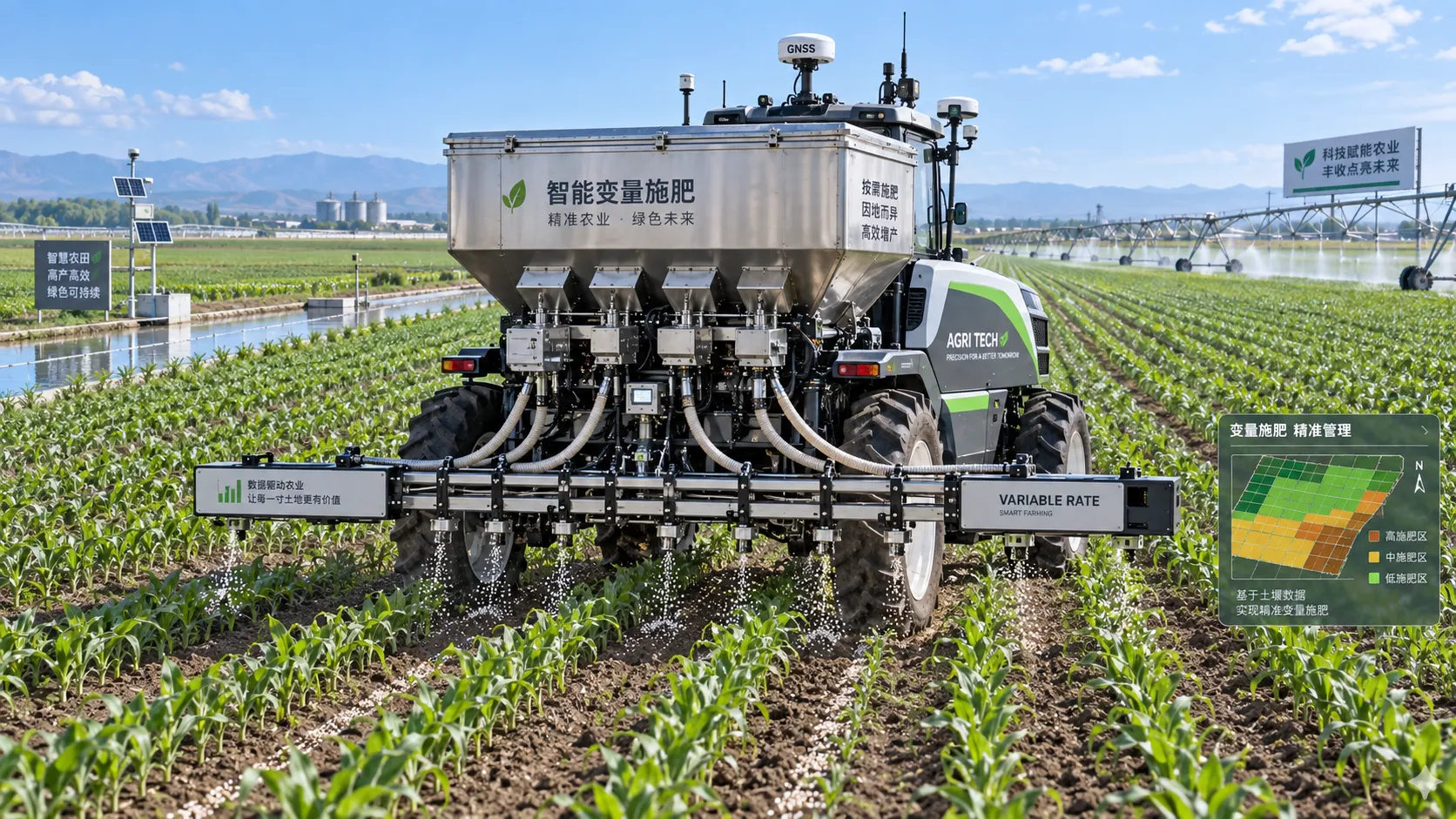
Precision fertilization systems suppliers: learn how to compare accuracy, integration, uptime, service, and total cost for confident farm-scale deployment.
ISOBUS for Smart Agriculture: How It Connects Tractors, Implements, and Farm Data
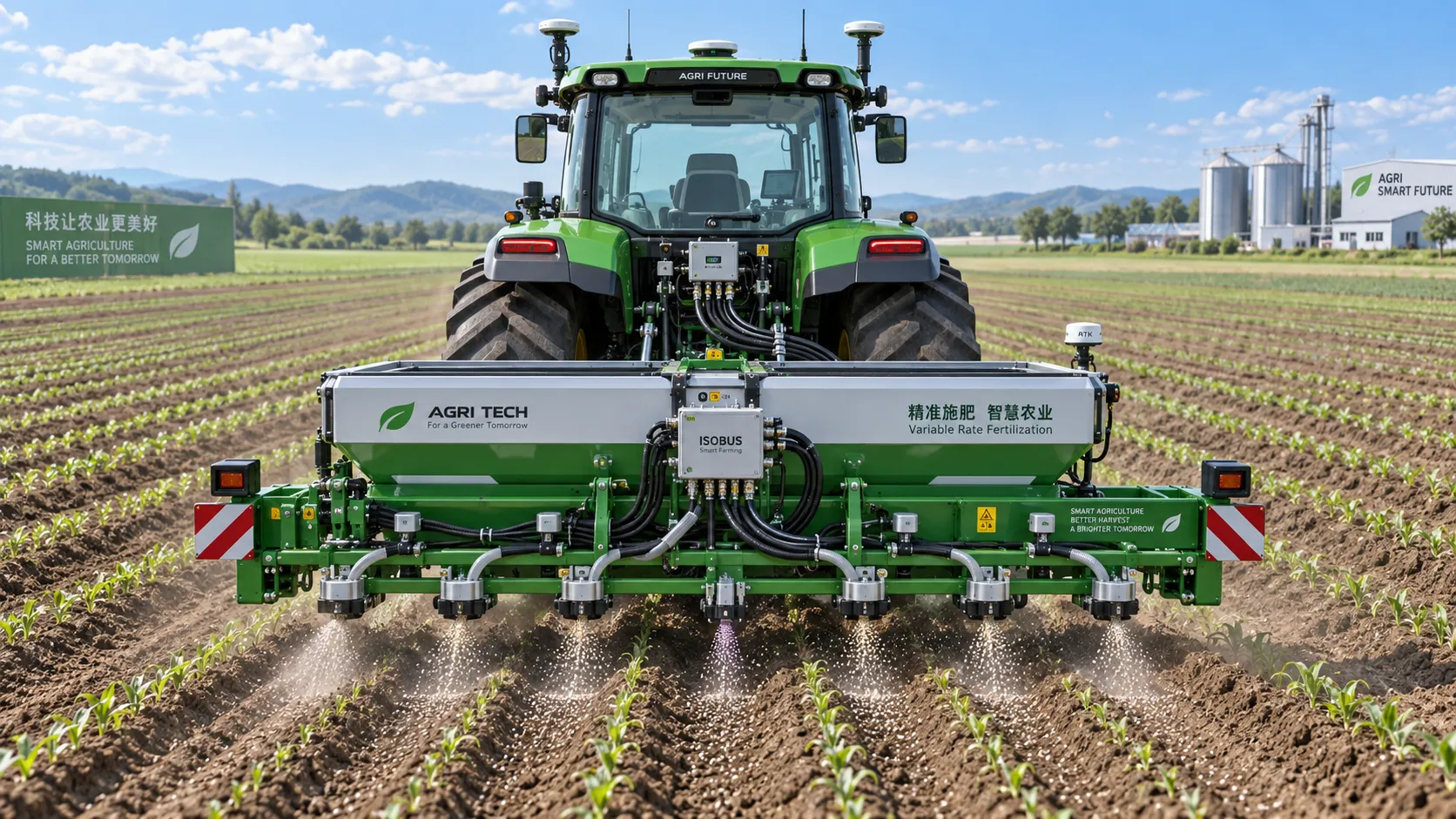
ISOBUS for smart agriculture connects tractors, implements, terminals, and farm data—helping growers improve precision, documentation, and smarter field decisions.
Automated Water-Saving Irrigation: How to Cut Water Use Without Reducing Crop Yields
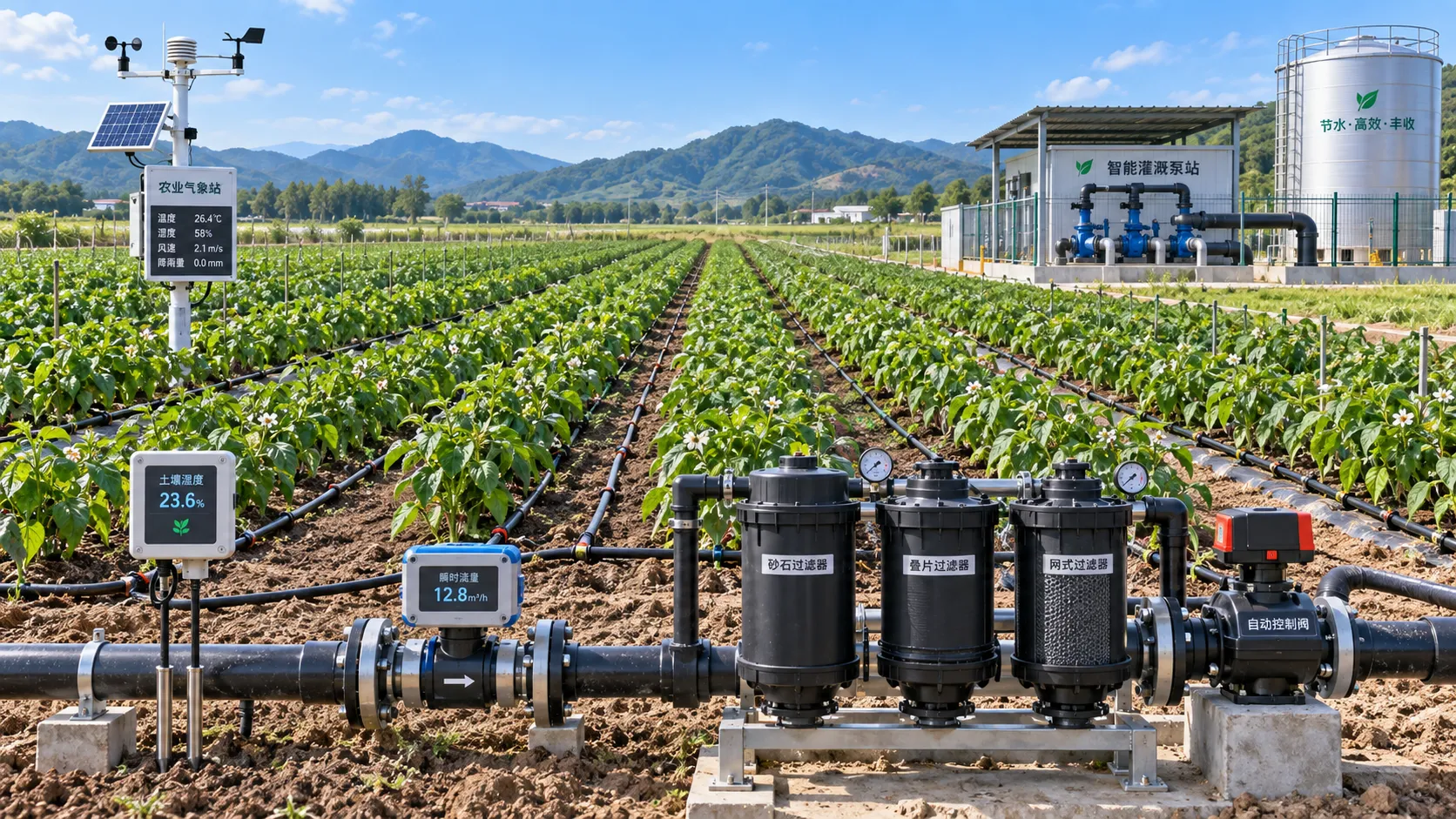
Automated water-saving irrigation helps farms cut water use, protect crop yields, improve scheduling, and gain reliable control with sensors, flow monitoring, and smart zones.

Selecting Grain Farm Equipment by Acreage, Crop Mix, and Harvest Window
Agricultural equipment selection for grain farming: match machinery to acreage, crop mix, and harvest windows to improve uptime, efficiency, and returns.
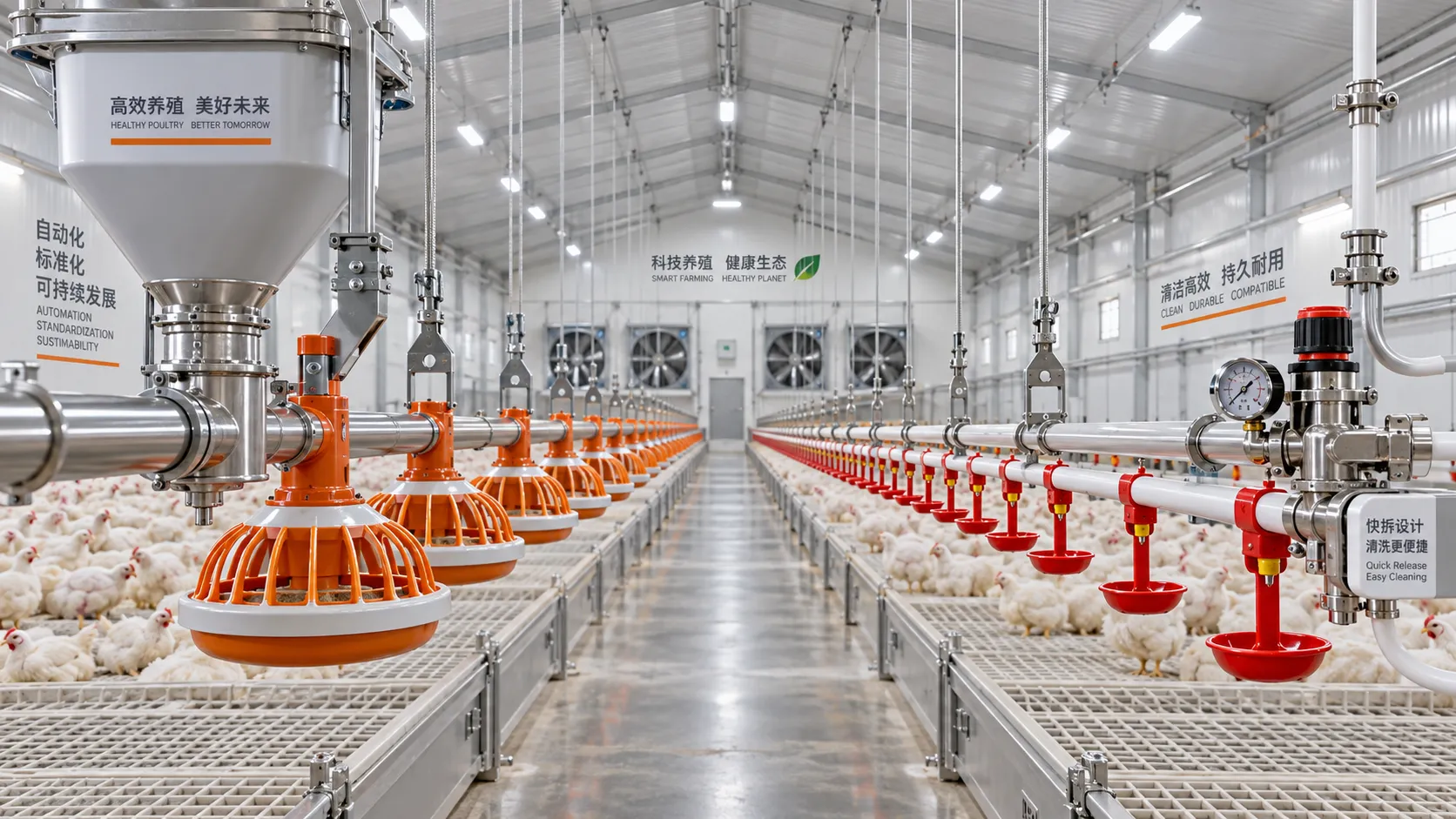
Poultry Equipment Selection: Evaluating Durability, Cleaning, and Compatibility
Poultry equipments selection guide: evaluate durability, cleaning access, and system compatibility to improve hygiene, reduce downtime, and support efficient flock management.

How to Select Heavy-Duty Farm Implements for High-Acreage, High-Horsepower Operations
Heavy duty farm implements: learn how to match draft, hydraulics, hitch capacity, frame strength, and field conditions for reliable high-acreage performance.
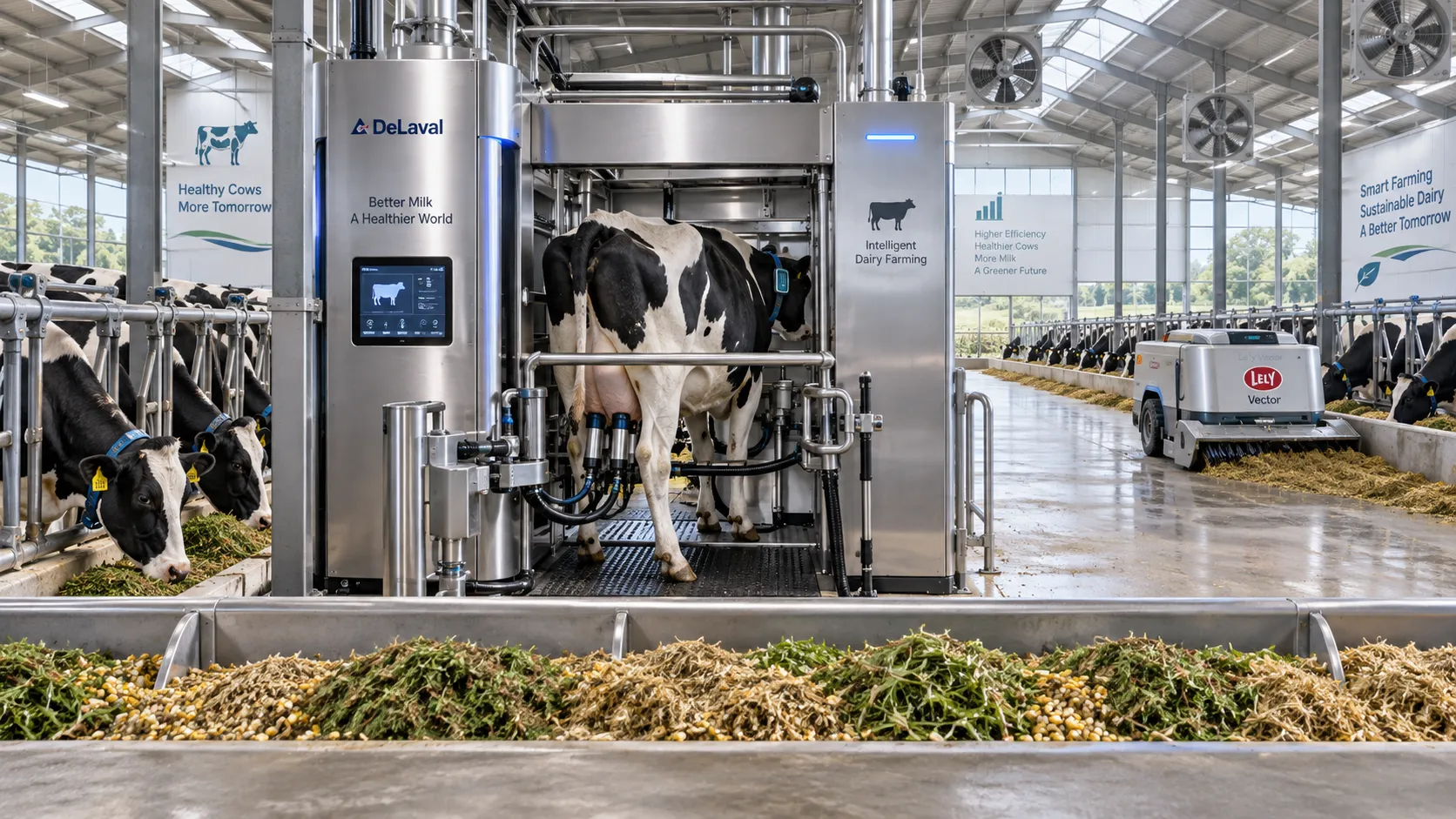
Smart Farming Technology for Dairy Farms: Where Automation Delivers Measurable ROI
Smart farming technology for dairy farms delivers measurable ROI through automation, precision feeding, health monitoring, and data-driven cost control.

How to Select a Heavy-Duty Seeder for Large Acreage and High-Residue Fields
Heavy duty seeders for large acreage: compare residue handling, depth control, downforce, metering accuracy, and precision features to select the right model.
Related News
- 00
0000-00
Automated Water-Saving Irrigation: How to Cut Water Use Without Reducing Crop Yields - 00
0000-00
How to Evaluate Drip Irrigation System Manufacturers for Large Farm Projects - 00
0000-00
Wireless Agricultural Automation for Remote Irrigation and Field Monitoring - 00
0000-00
Designing Water-Saving Drip Irrigation Systems for High-Value Orchards - 00
0000-00
How to Choose Irrigation Solutions for Arid Regions Based on Water Source and Crop Needs
Popular Tags
Hydrological Resource Strategist
Weekly Insights
Stay ahead with our curated technology reports delivered every Monday.