
Red Sea Crisis Drives 210% Suez Canal Freight Surge for Smart Agri-Pumps
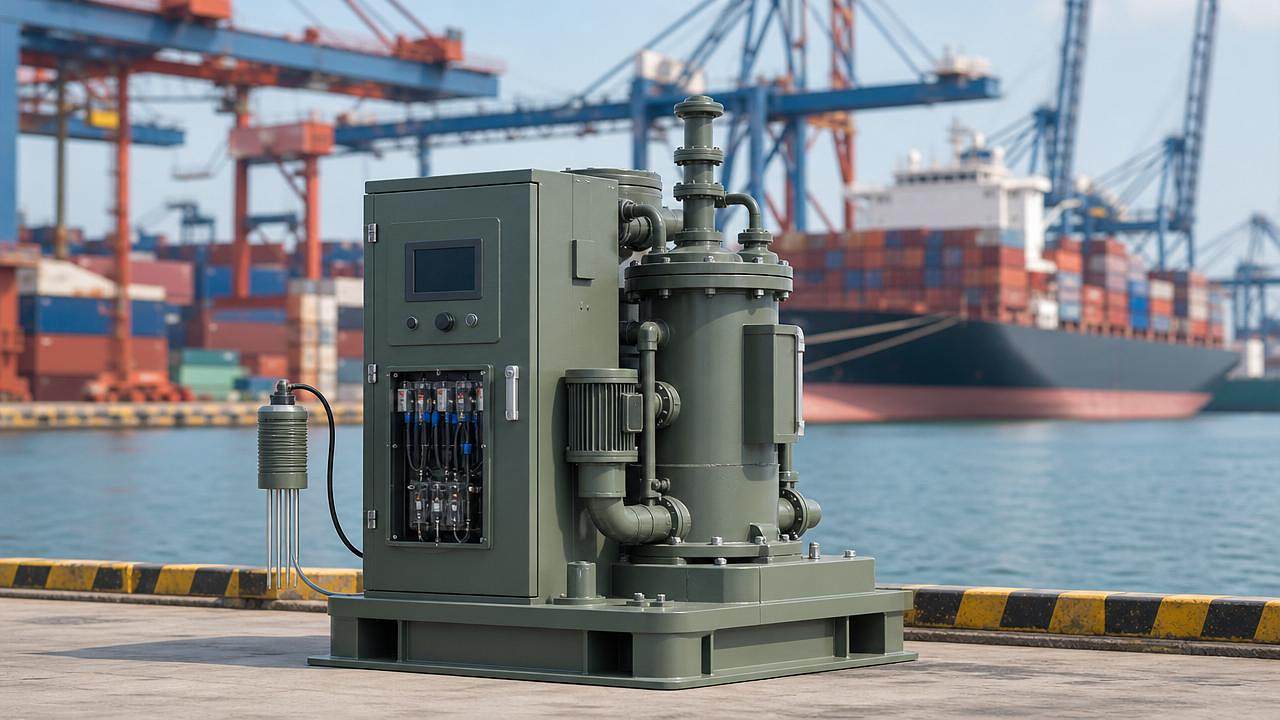




Amid persistent Red Sea maritime insecurity, freight costs for smart agricultural pump stations transiting the Suez Canal surged 210% year-on-year in early May 2026 — directly impacting global irrigation equipment supply chains, particularly those serving Middle Eastern markets.
Event Overview
Effective early May 2026, sea freight rates for intelligent irrigation pump stations — including integrated soil moisture sensors and drip irrigation logic control cabinets — shipped via the Suez Canal rose by 210% compared to the same period in 2025. In response, major distributors in the United Arab Emirates and Saudi Arabia have shifted bulk orders to direct shipments from Shenzhen and Guangzhou ports. This rerouting has reduced average delivery lead time by nine days. Concurrently, these buyers now require suppliers to submit ISO 14001 environmental compliance declarations and Level-3 marine salt fog resistance certification.
Impact on Specific Industry Segments
Direct Trading Enterprises: Export-oriented trading firms specializing in irrigation hardware face compressed margins due to sudden freight cost spikes on traditional routes — yet gain competitive leverage when offering direct South China port departures. Their ability to absorb certification documentation requirements (e.g., ISO 14001, salt fog testing) now directly influences order win rates.
Raw Material Procurement Enterprises: Firms sourcing corrosion-resistant enclosures, marine-grade PCB substrates, or sealed sensor housings are experiencing revised specification demands — especially for materials certified to IEC 60068-2-52 (salt mist test, severity level 3). Procurement cycles are tightening as downstream buyers enforce stricter pre-shipment verification.
Manufacturing Enterprises: OEMs and ODMs producing smart pump stations must now allocate additional engineering validation time for salt fog compliance testing and update environmental management systems to meet ISO 14001 audit readiness. Production planning is affected not only by certification timelines but also by potential rework if legacy designs fail accelerated corrosion testing.
Supply Chain Service Providers: Third-party logistics (3PL) providers and freight forwarders handling agri-tech exports are adjusting routing protocols, renegotiating carrier contracts for Far East–Middle East direct services, and expanding documentation support capabilities — particularly for environmental and product conformity attestations required by Gulf importers.
Key Focus Areas and Recommended Actions
Accelerate Salt Fog Certification Alignment
Suppliers should prioritize third-party verification against IEC 60068-2-52, Category 3 (72-hour continuous exposure), especially for enclosure gaskets, terminal blocks, and sensor housings — as this is now a contractual gatekeeper for Gulf market access.
Streamline ISO 14001 Documentation for Export Compliance
Environmental management system (EMS) documentation — including waste disposal logs, energy consumption records, and supplier environmental assessments — must be export-ready and verifiable within 72 hours of buyer request. Pre-audited EMS summaries are increasingly requested during RFQ stages.
Evaluate Port-Specific Logistics Cost-Benefit Trade-offs
While direct Shenzhen/Guangzhou shipments reduce transit time, carriers charge premium surcharges for container availability and peak-season booking windows. Companies should model total landed cost — including demurrage risk, customs clearance delays at Jebel Ali, and inland haulage — before committing to full route migration.
Editorial Insight / Industry Observation
Observably, the shift is not merely logistical but reflects an emerging regional procurement standard: Gulf buyers are leveraging supply chain volatility to raise technical and sustainability bars for imported agri-tech. Analysis shows that the 210% freight increase acts less as a cost shock and more as a catalyst for selective market consolidation — favoring manufacturers with embedded environmental governance and rapid certification agility. From an industry perspective, this signals a structural pivot toward ‘compliance-by-design’ rather than post-hoc adaptation.
Conclusion
This episode underscores how geopolitical shipping disruptions can rapidly recalibrate technical, regulatory, and commercial expectations across global agricultural technology value chains. Rather than representing a temporary pricing anomaly, it marks a step-change in how Middle Eastern importers assess supplier resilience — where environmental accountability and product durability certifications are now co-equal with price and lead time.
Source Attribution
Data sourced from the International Maritime Organization (IMO) Weekly Risk Bulletin (May 2026), UAE Ministry of Energy & Infrastructure Import Compliance Notice No. AG/2026/017, and verified shipment rate indices from Drewry’s Container Freight Rate Benchmark (CFRB), May 2026 edition. Note: Certification enforcement timelines and regional adoption of salt fog Level-3 requirements remain under observation; updates expected following the GCC Standardization Organization (GSO) Technical Committee meeting in June 2026.
Related News
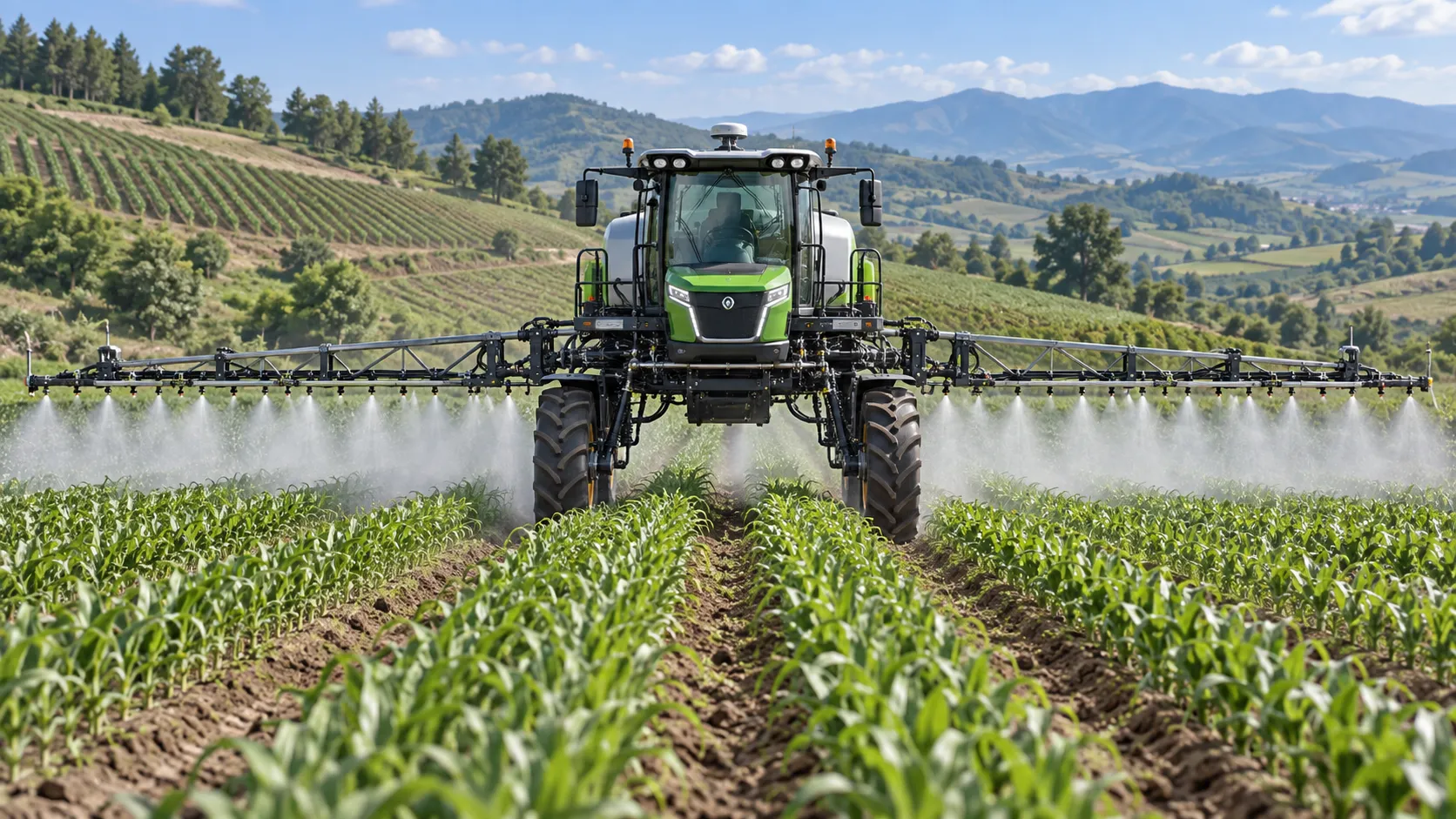
How to Select Precision Crop Protection Equipment for Variable Field Conditions
Precision crop protection equipment selection made simple: compare terrain, canopy, weather, control accuracy, and data workflows for reliable applications.

When Does Agricultural Machinery Leasing Cost Less Than Owning Equipment?
Agricultural machinery leasing can lower farm costs when use is seasonal or uncertain. Compare utilization, maintenance, cash flow, and risk to make a smarter equipment decision.
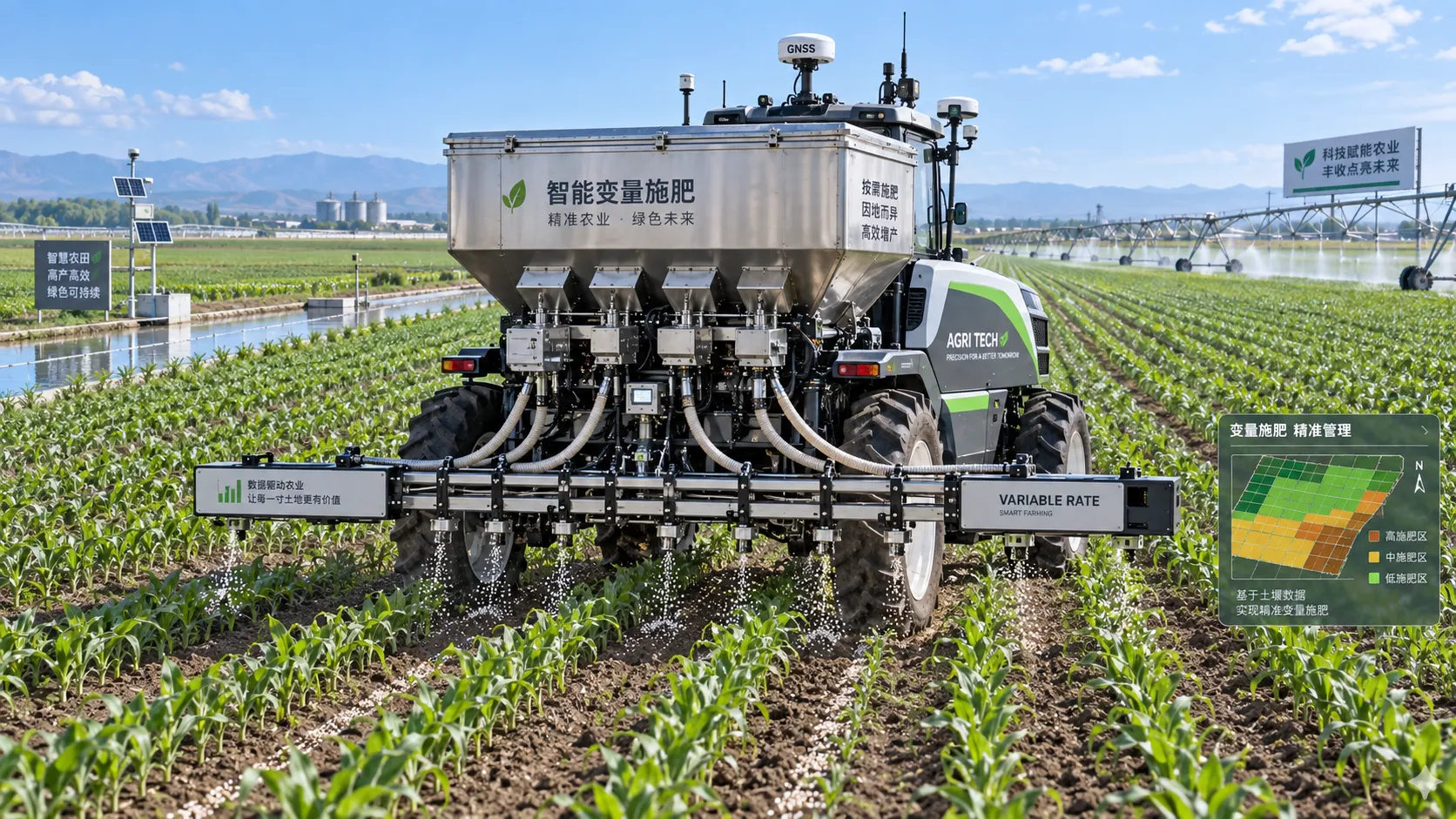
How to Evaluate Precision Fertilization System Suppliers for Farm-Scale Deployment
Precision fertilization systems suppliers: learn how to compare accuracy, integration, uptime, service, and total cost for confident farm-scale deployment.
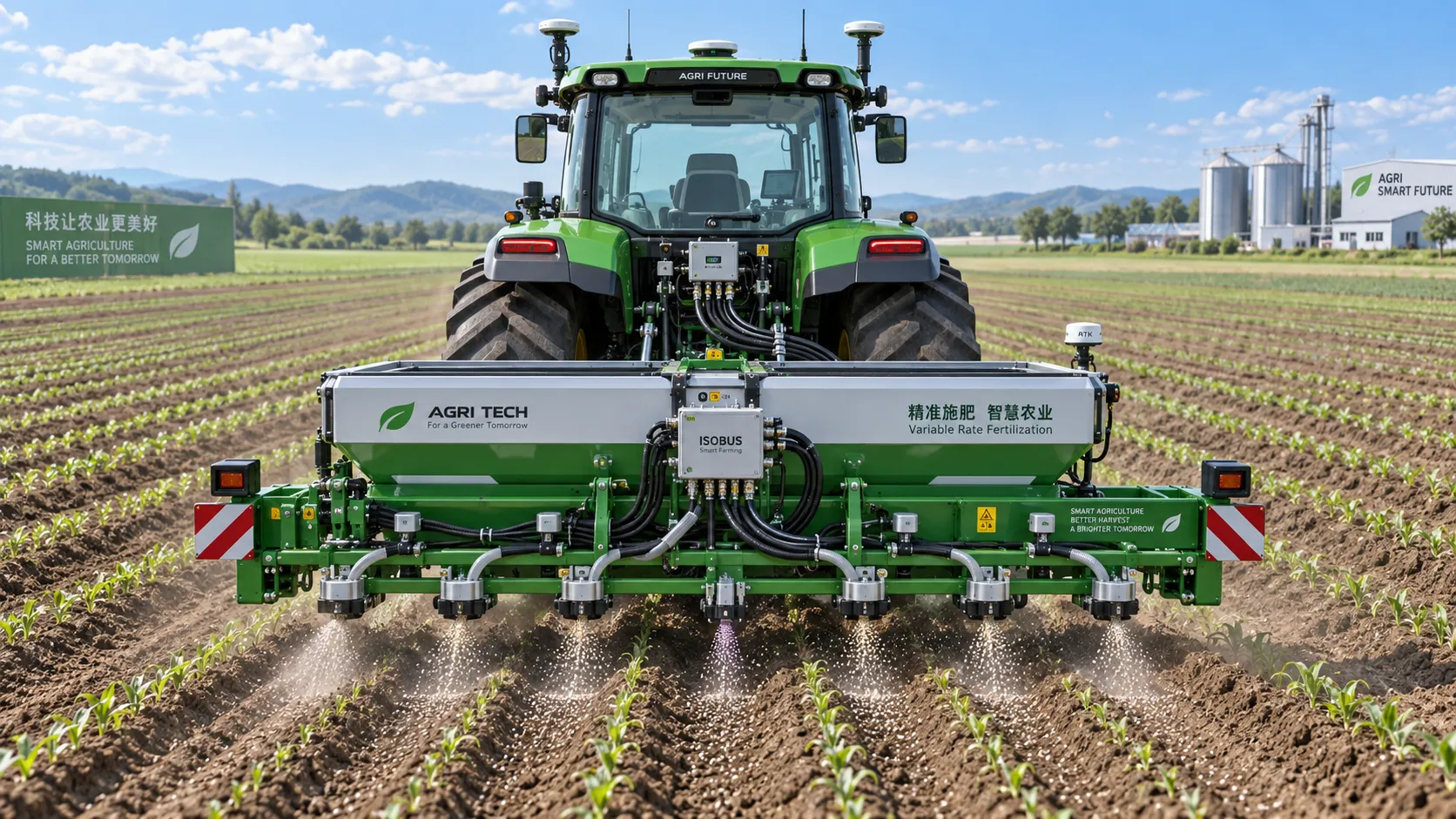
ISOBUS for Smart Agriculture: How It Connects Tractors, Implements, and Farm Data
ISOBUS for smart agriculture connects tractors, implements, terminals, and farm data—helping growers improve precision, documentation, and smarter field decisions.
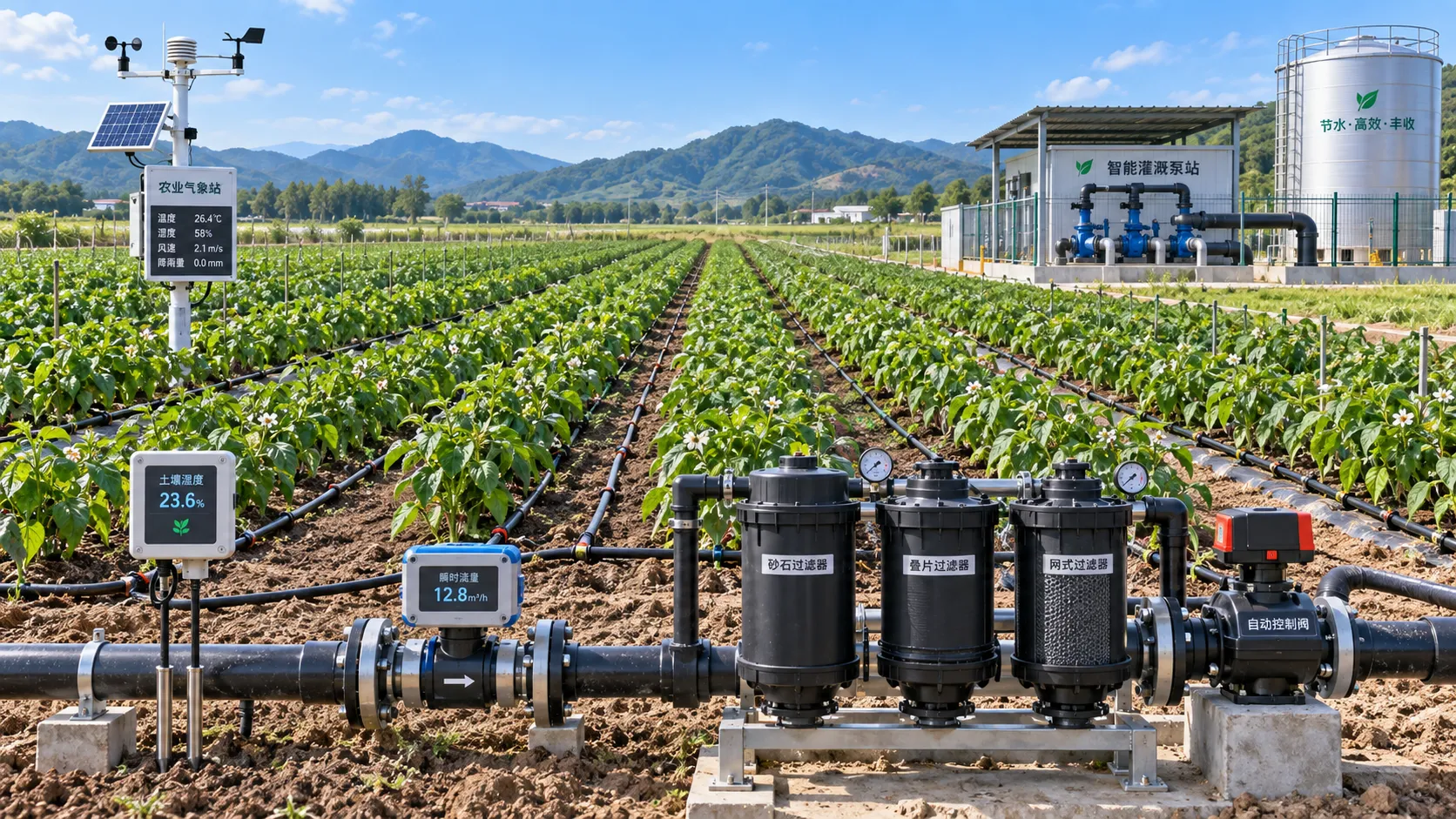
Automated Water-Saving Irrigation: How to Cut Water Use Without Reducing Crop Yields
Automated water-saving irrigation helps farms cut water use, protect crop yields, improve scheduling, and gain reliable control with sensors, flow monitoring, and smart zones.
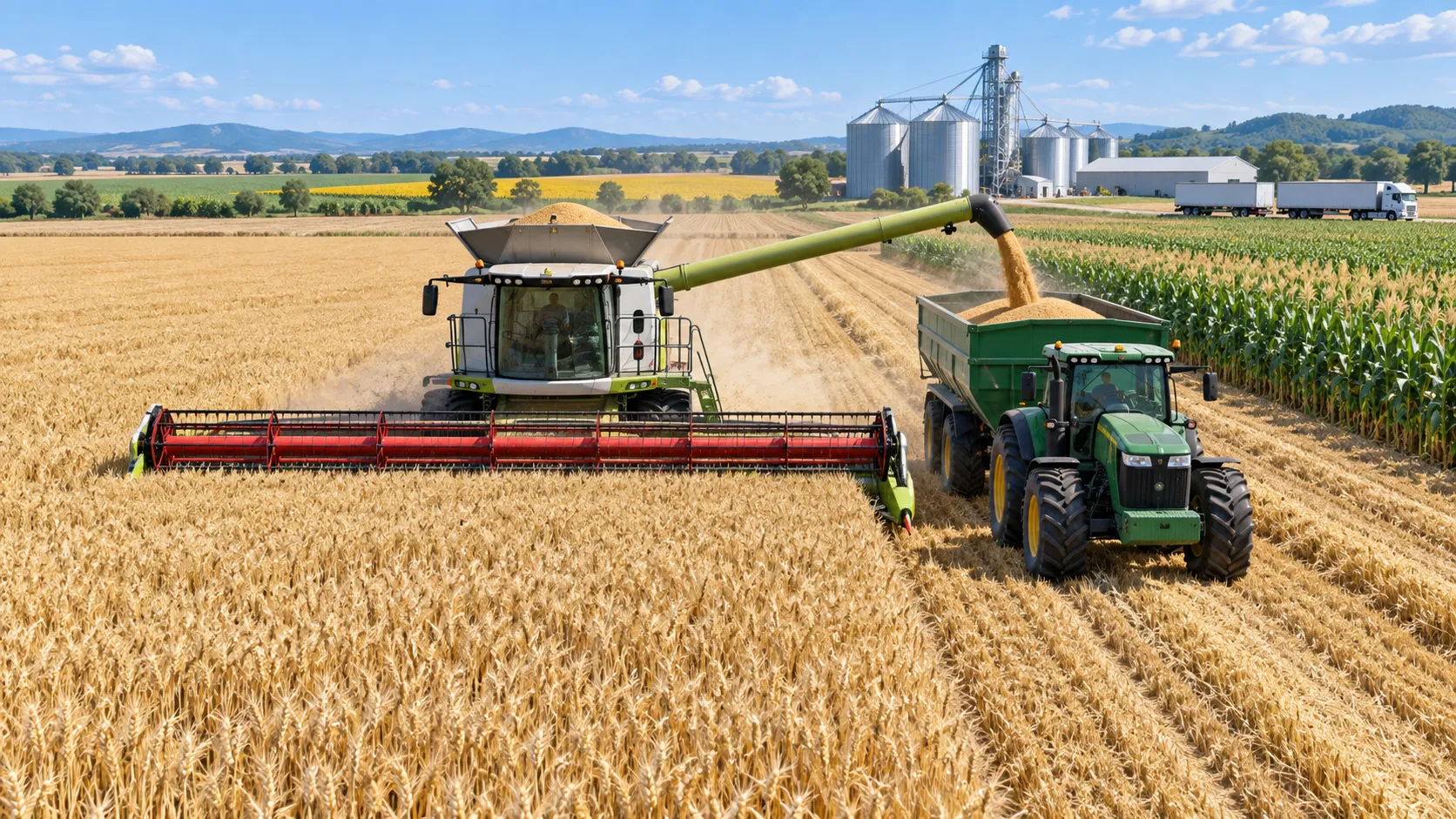
Selecting Grain Farm Equipment by Acreage, Crop Mix, and Harvest Window
Agricultural equipment selection for grain farming: match machinery to acreage, crop mix, and harvest windows to improve uptime, efficiency, and returns.
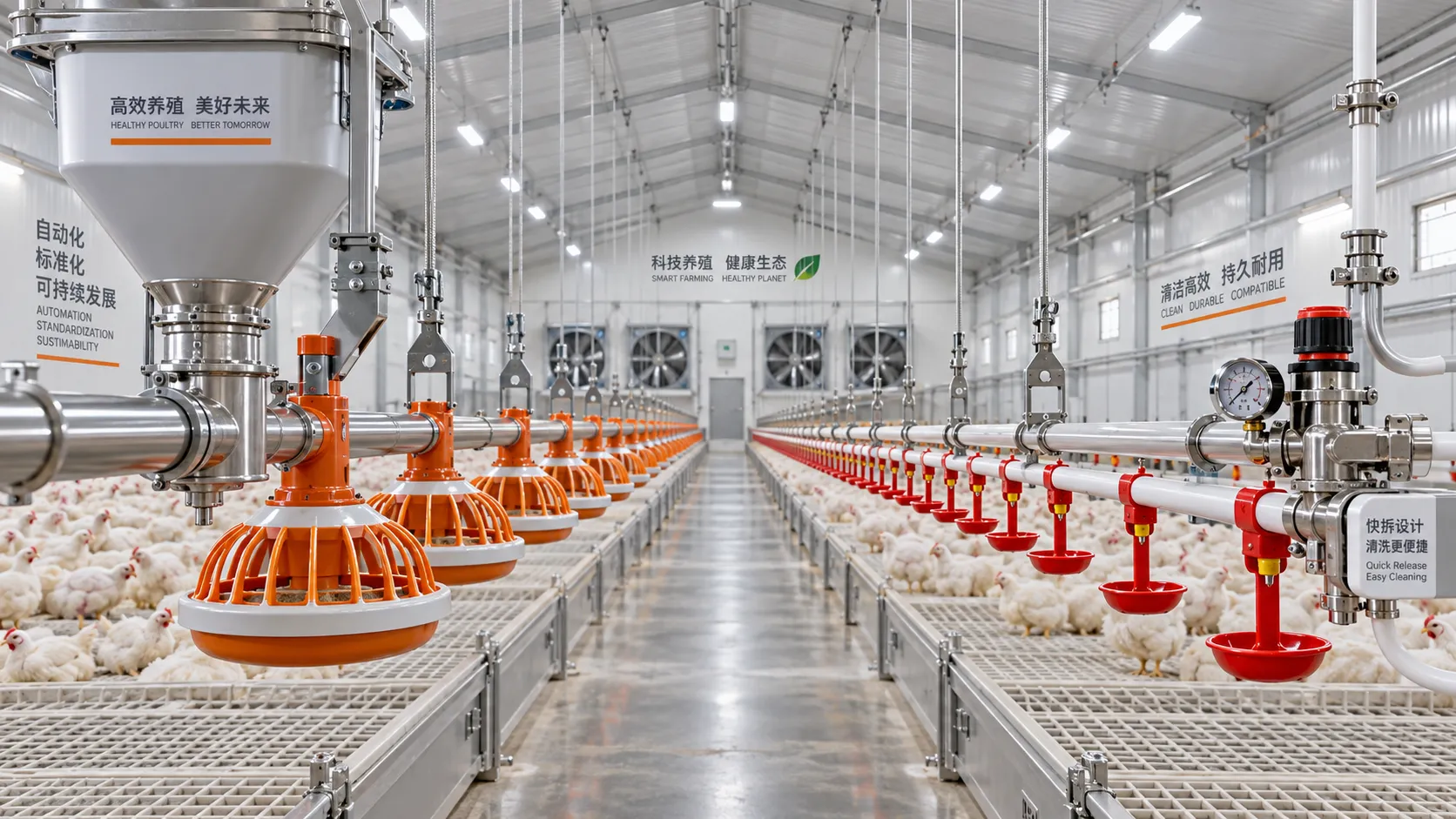
Poultry Equipment Selection: Evaluating Durability, Cleaning, and Compatibility
Poultry equipments selection guide: evaluate durability, cleaning access, and system compatibility to improve hygiene, reduce downtime, and support efficient flock management.
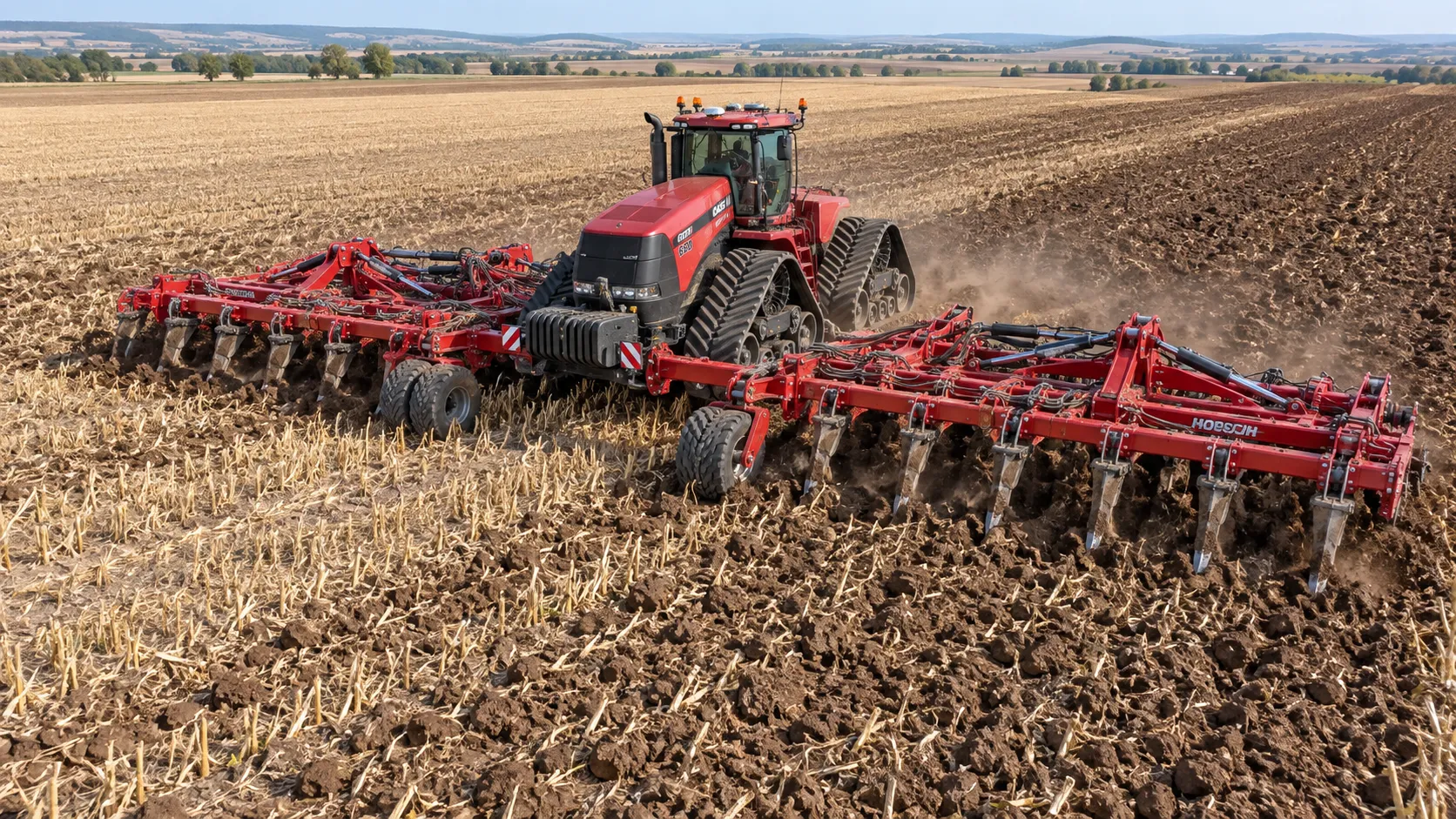
How to Select Heavy-Duty Farm Implements for High-Acreage, High-Horsepower Operations
Heavy duty farm implements: learn how to match draft, hydraulics, hitch capacity, frame strength, and field conditions for reliable high-acreage performance.
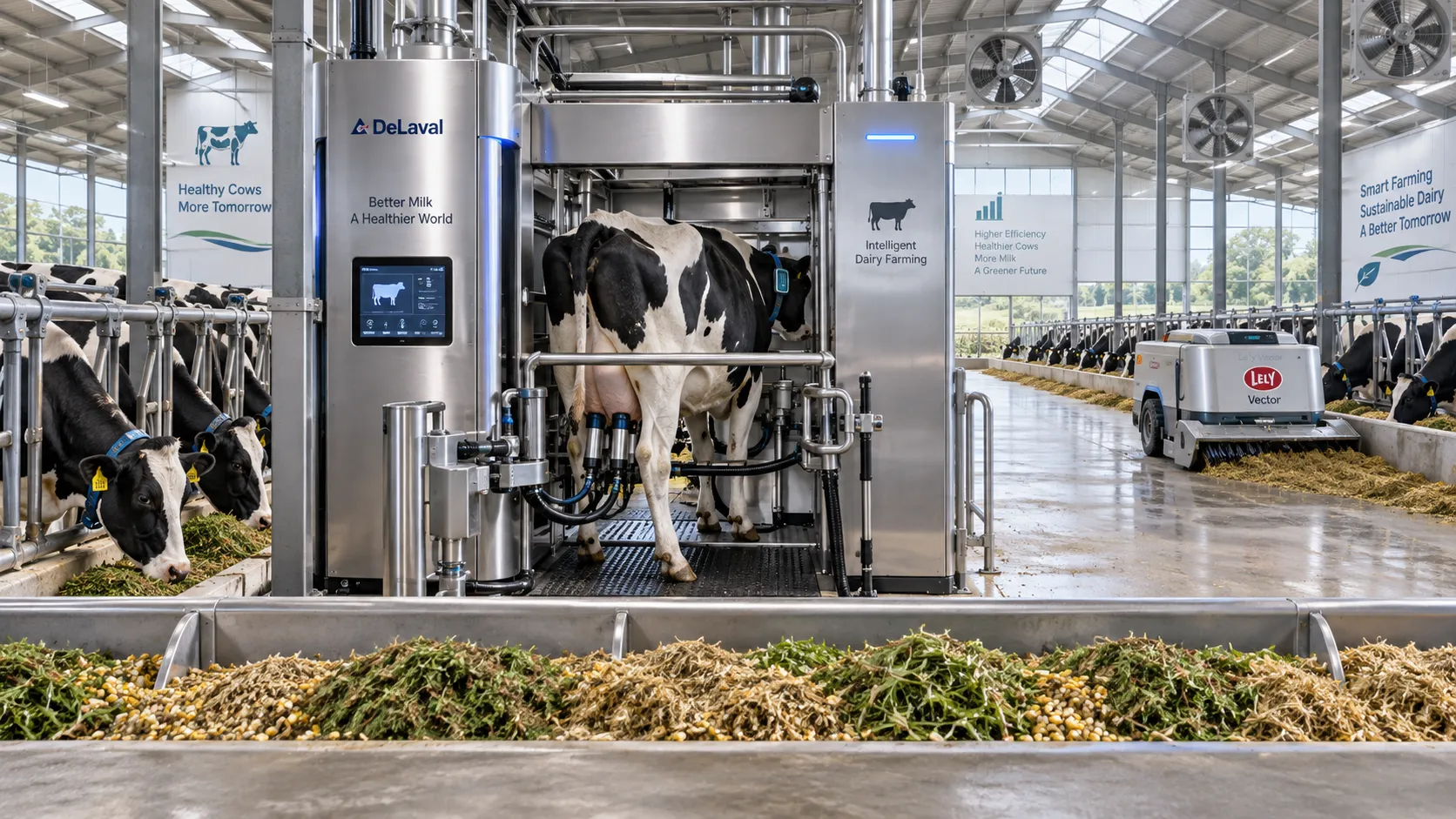
Smart Farming Technology for Dairy Farms: Where Automation Delivers Measurable ROI
Smart farming technology for dairy farms delivers measurable ROI through automation, precision feeding, health monitoring, and data-driven cost control.
Related News
- 00
0000-00
Automated Water-Saving Irrigation: How to Cut Water Use Without Reducing Crop Yields - 00
0000-00
How to Evaluate Drip Irrigation System Manufacturers for Large Farm Projects - 00
0000-00
Wireless Agricultural Automation for Remote Irrigation and Field Monitoring - 00
0000-00
Designing Water-Saving Drip Irrigation Systems for High-Value Orchards - 00
0000-00
How to Choose Irrigation Solutions for Arid Regions Based on Water Source and Crop Needs
Popular Tags
Hydrological Resource Strategist
Weekly Insights
Stay ahead with our curated technology reports delivered every Monday.