
EU Mandates Remote Diagnostics for Smart Irrigation & GPS Guidance Systems from June 2026
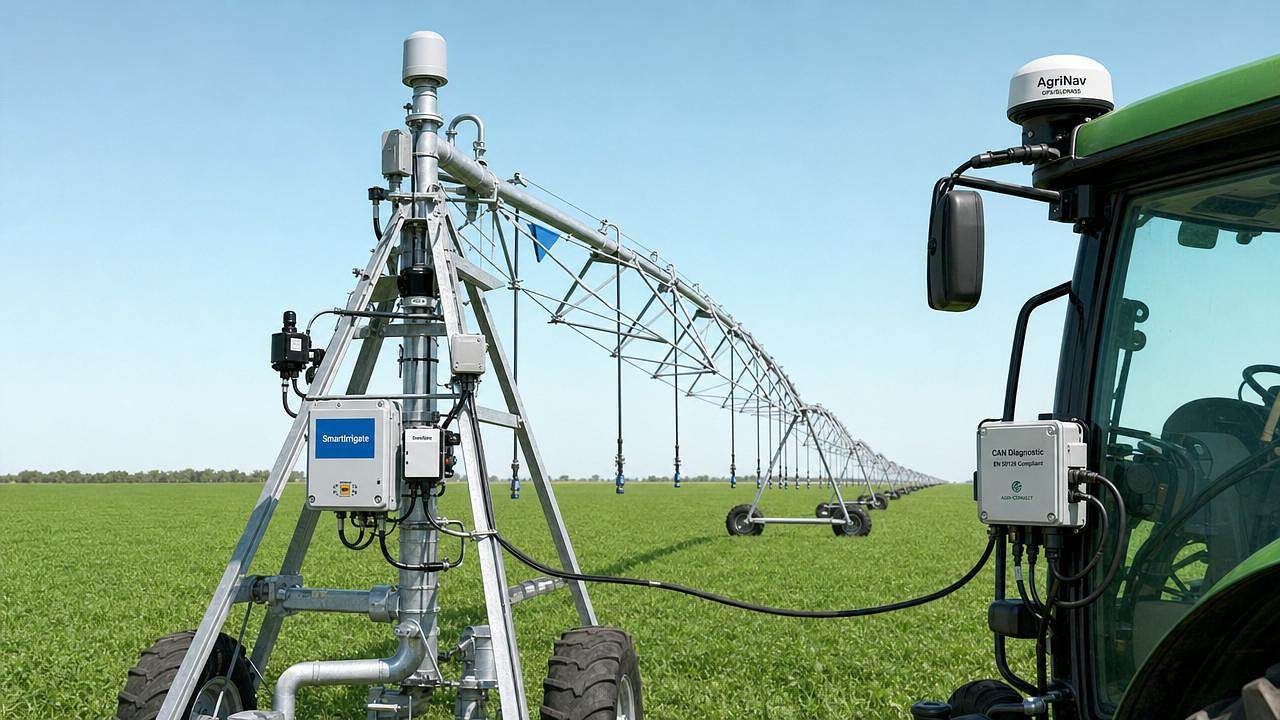




Starting 1 June 2026, the European Union will require all smart irrigation systems—including drip irrigation logic and center pivot systems—and GPS guidance systems exported to the EU to integrate a remote diagnostic module compliant with EN 50128. This regulatory update directly affects manufacturers, exporters, and certification service providers in the agricultural technology supply chain, particularly those based in China.
Event Overview
Effective 1 June 2026, the EU’s updated CE marking requirements for agricultural machinery mandate that smart irrigation systems (e.g., drip irrigation logic, center pivot systems) and GPS guidance systems must incorporate a remote diagnostic module conforming to EN 50128. This requirement applies to all new products placed on the EU market after the date. Non-compliant devices will be ineligible for CE marking and subsequent customs clearance into the EU.
Industries Affected by Segment
Manufacturers of Smart Irrigation Equipment
These companies are directly impacted because integration of the EN 50128-compliant remote diagnostic module requires hardware redesign, firmware updates, and revised type-testing protocols. The change affects product development timelines, validation costs, and time-to-market for EU-bound units.
Manufacturers of GPS Guidance Systems
GPS guidance system producers must now embed certified remote diagnostics into their navigation hardware and software stacks. This affects firmware architecture, cybersecurity considerations (as EN 50128 covers safety-related software), and third-party conformity assessment scope.
CE Certification Service Providers
Notified bodies and testing laboratories involved in CE conformity assessments will need to expand their evaluation criteria to include functional safety verification of the remote diagnostic module under EN 50128. This may lengthen assessment cycles and increase documentation requirements for applicants.
Export-Oriented Trading Companies
Trading firms handling OEM/ODM exports of these systems face increased pre-shipment compliance checks. They must verify technical documentation, firmware version logs, and test reports prior to shipment—adding administrative overhead and potential delays if discrepancies arise.
Key Focus Areas and Recommended Actions for Stakeholders
Monitor Official Updates from EU Notified Bodies and National Market Surveillance Authorities
EN 50128 implementation guidance—particularly regarding scope interpretation (e.g., whether legacy firmware upgrades qualify or only new hardware integrations)—remains subject to clarification. Stakeholders should track published interpretations from EU national authorities and accredited notified bodies.
Review Product Families Targeted for EU Export Between Q2 2025 and Q2 2026
Manufacturers should identify models scheduled for EU launch or re-certification in this window and prioritize design reviews for remote diagnostic integration. Particular attention is needed for systems using proprietary communication protocols or non-standard CAN bus configurations, which may require additional interface validation.
Distinguish Between Regulatory Signal and Enforceable Requirement
The regulation takes effect on 1 June 2026, but enforcement timing—including transitional arrangements for already-certified products—has not been formally confirmed. Analysis shows that while the legal obligation begins on that date, practical enforcement may phase in gradually depending on national market surveillance capacity and notified body readiness.
Initiate Internal Cross-Functional Alignment Now
Engineering, regulatory affairs, and supply chain teams should jointly map existing hardware/software dependencies for remote diagnostics (e.g., microcontroller compatibility, memory allocation, secure boot support). Early alignment helps avoid bottlenecks in firmware development and type-testing scheduling.
Editorial Perspective / Industry Observation
Observably, this requirement signals a broader shift toward standardized telematics and functional safety in precision agriculture equipment—not merely a standalone compliance item. It reflects the EU’s increasing emphasis on traceability, remote maintenance capability, and cyber-resilient embedded systems in industrial IoT applications. From an industry perspective, the mandate is better understood as a structural signal than an isolated deadline: it previews likely future expectations for interoperability and safety assurance across connected farm machinery categories. Continued attention is warranted as related standards (e.g., ISO 25119, EN 61508 derivatives) may inform subsequent revisions.
This update marks a procedural inflection point for exporters of precision irrigation and guidance technologies to the EU. Its significance lies less in immediate disruption and more in its role as a precedent-setting requirement—one that elevates baseline expectations for embedded diagnostics and safety-critical software in agricultural electronics. Currently, it is more appropriately understood as a forward-looking regulatory milestone requiring phased technical preparation, rather than an abrupt operational barrier.
Source: Official EU regulatory update on CE marking requirements for agricultural machinery (reference number pending public publication); EN 50128:2011/A1:2016, Railway applications – Communication, signalling and processing systems – Software for railway control and protection systems.
Note: Implementation details—including transitional provisions, definitions of ‘placed on the market’, and acceptance criteria for retrofit solutions—remain subject to official clarification and are under ongoing observation.
Related News
How to Select Precision Crop Protection Equipment for Variable Field Conditions
Precision crop protection equipment selection made simple: compare terrain, canopy, weather, control accuracy, and data workflows for reliable applications.
When Does Agricultural Machinery Leasing Cost Less Than Owning Equipment?
Agricultural machinery leasing can lower farm costs when use is seasonal or uncertain. Compare utilization, maintenance, cash flow, and risk to make a smarter equipment decision.
How to Evaluate Precision Fertilization System Suppliers for Farm-Scale Deployment
Precision fertilization systems suppliers: learn how to compare accuracy, integration, uptime, service, and total cost for confident farm-scale deployment.
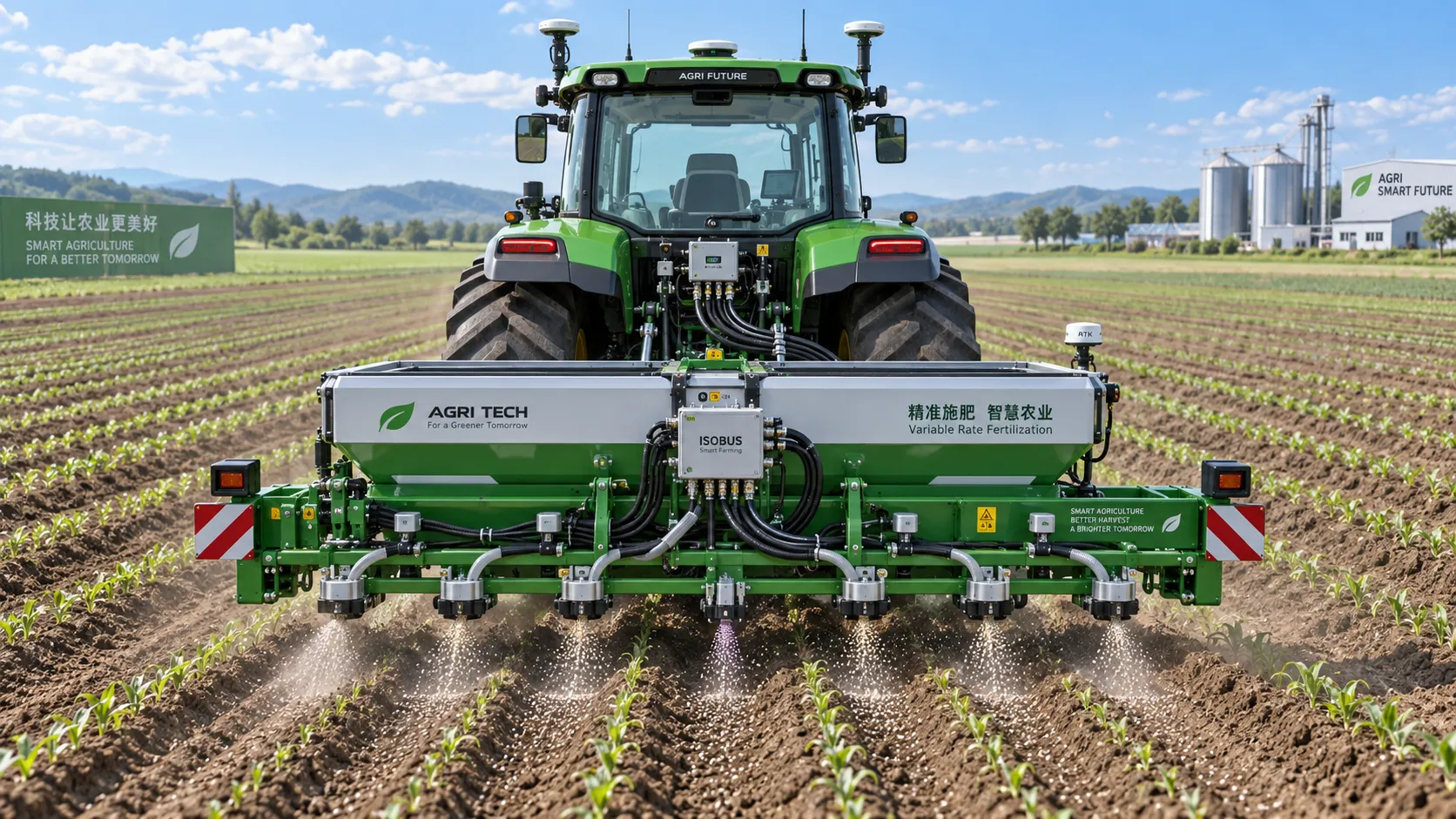
ISOBUS for Smart Agriculture: How It Connects Tractors, Implements, and Farm Data
ISOBUS for smart agriculture connects tractors, implements, terminals, and farm data—helping growers improve precision, documentation, and smarter field decisions.
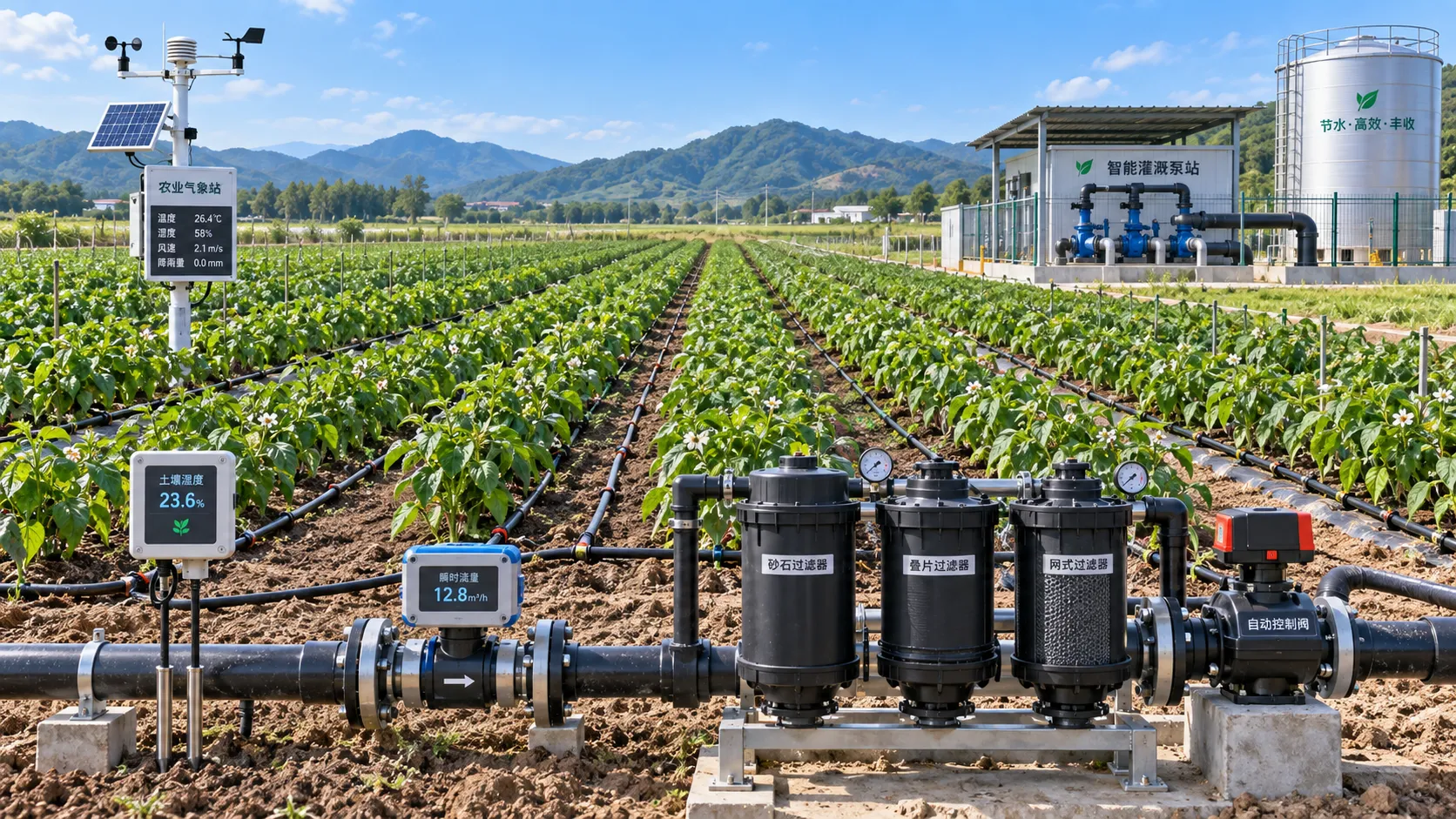
Automated Water-Saving Irrigation: How to Cut Water Use Without Reducing Crop Yields
Automated water-saving irrigation helps farms cut water use, protect crop yields, improve scheduling, and gain reliable control with sensors, flow monitoring, and smart zones.
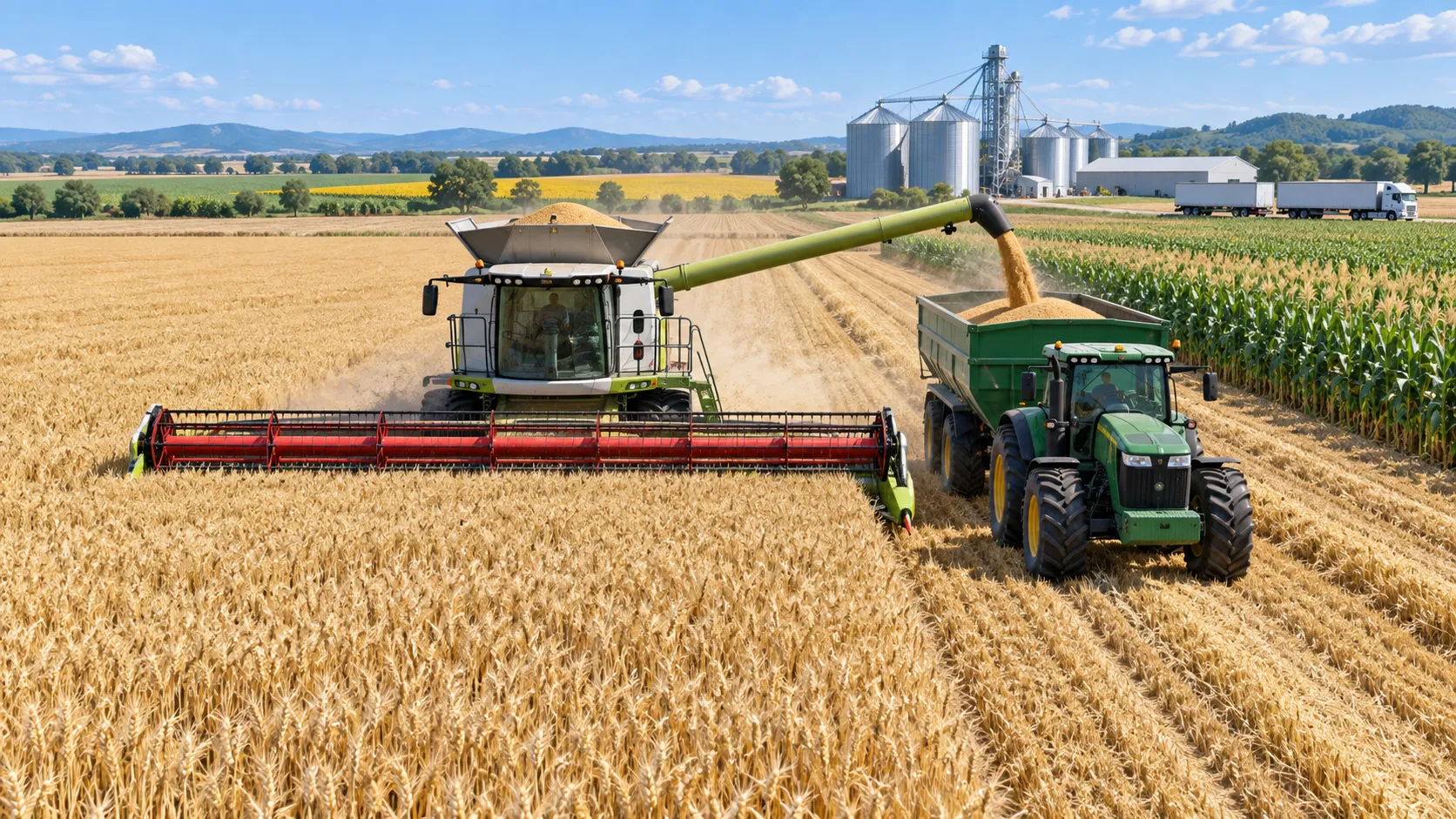
Selecting Grain Farm Equipment by Acreage, Crop Mix, and Harvest Window
Agricultural equipment selection for grain farming: match machinery to acreage, crop mix, and harvest windows to improve uptime, efficiency, and returns.
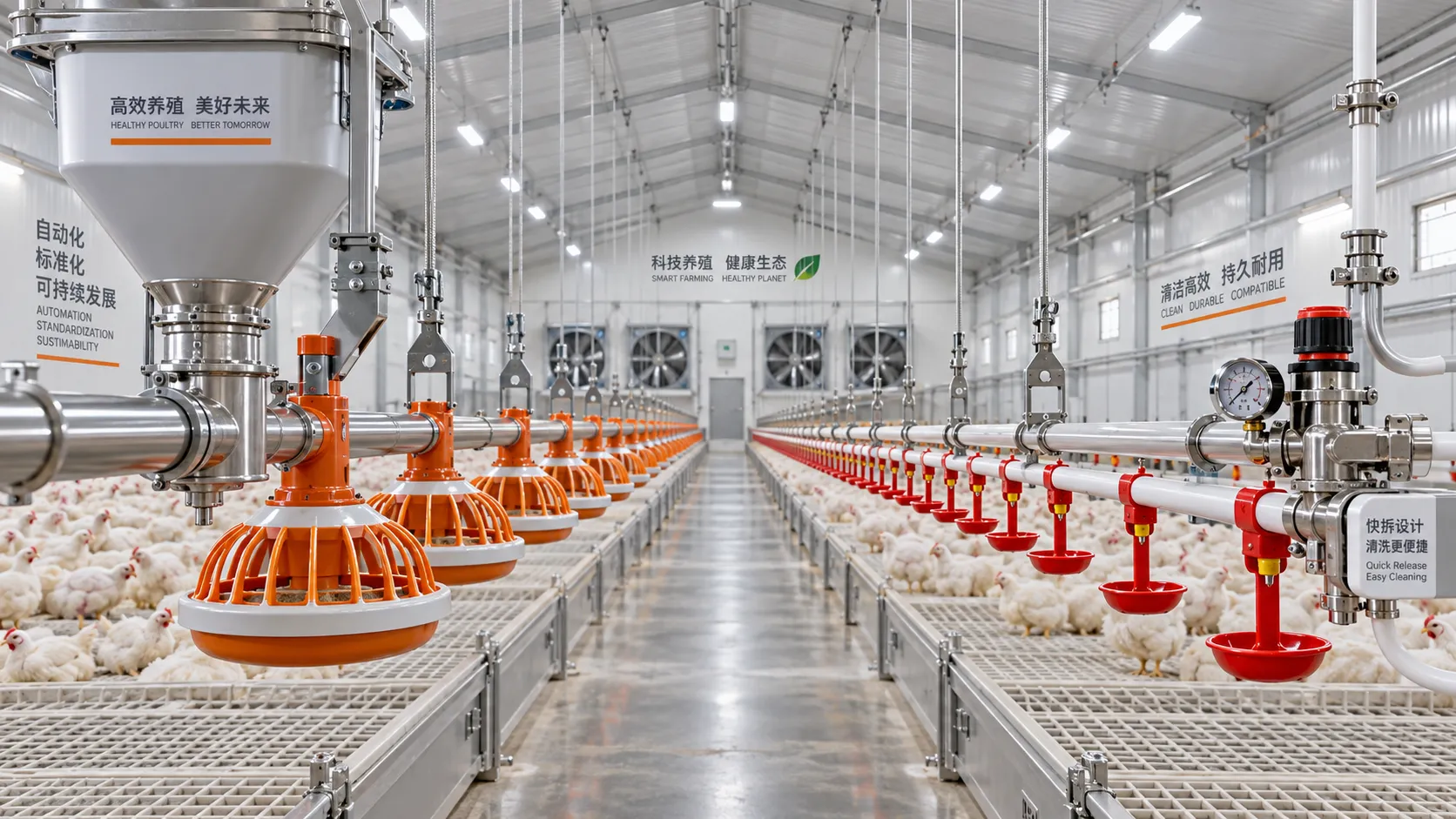
Poultry Equipment Selection: Evaluating Durability, Cleaning, and Compatibility
Poultry equipments selection guide: evaluate durability, cleaning access, and system compatibility to improve hygiene, reduce downtime, and support efficient flock management.
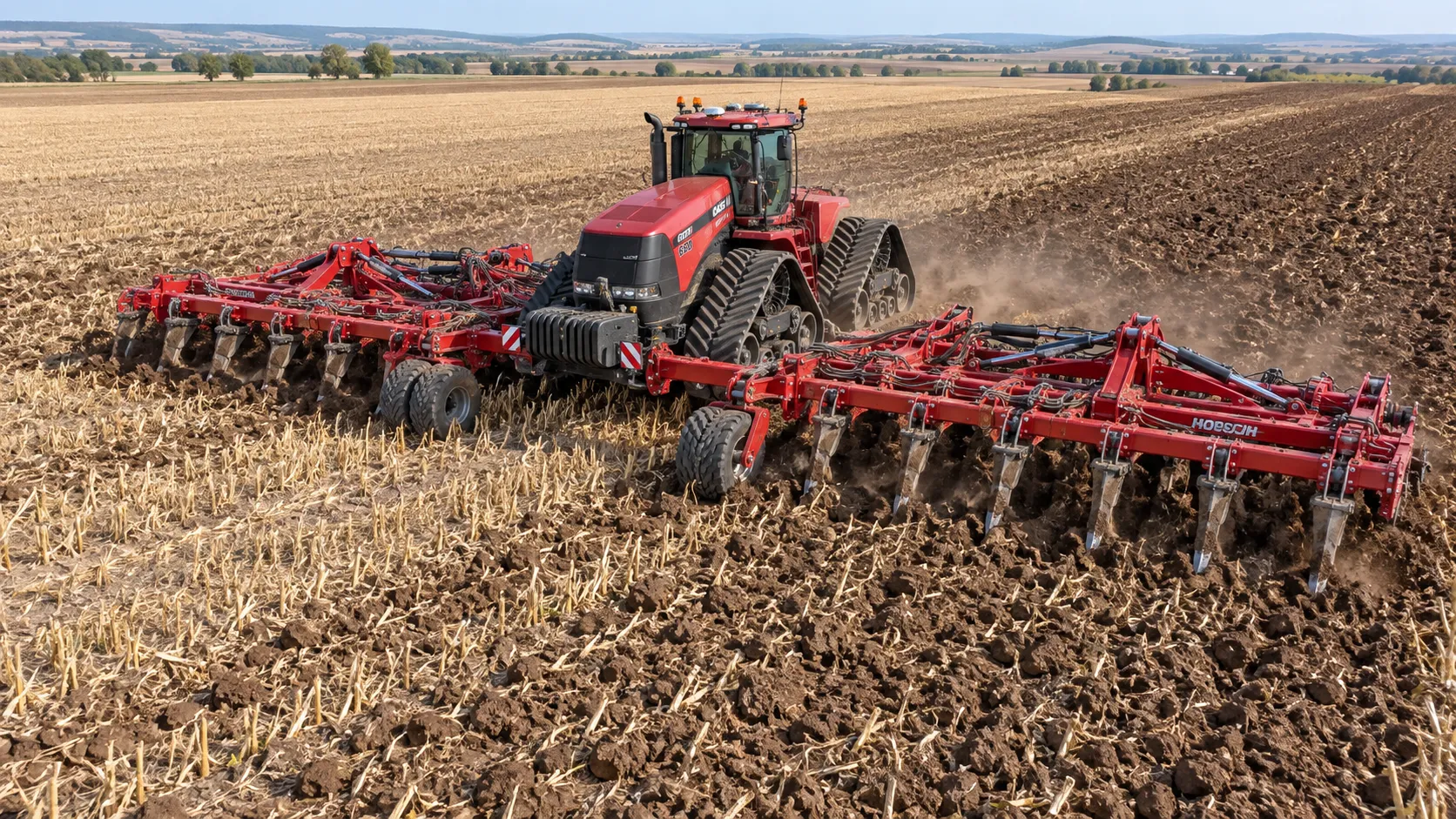
How to Select Heavy-Duty Farm Implements for High-Acreage, High-Horsepower Operations
Heavy duty farm implements: learn how to match draft, hydraulics, hitch capacity, frame strength, and field conditions for reliable high-acreage performance.
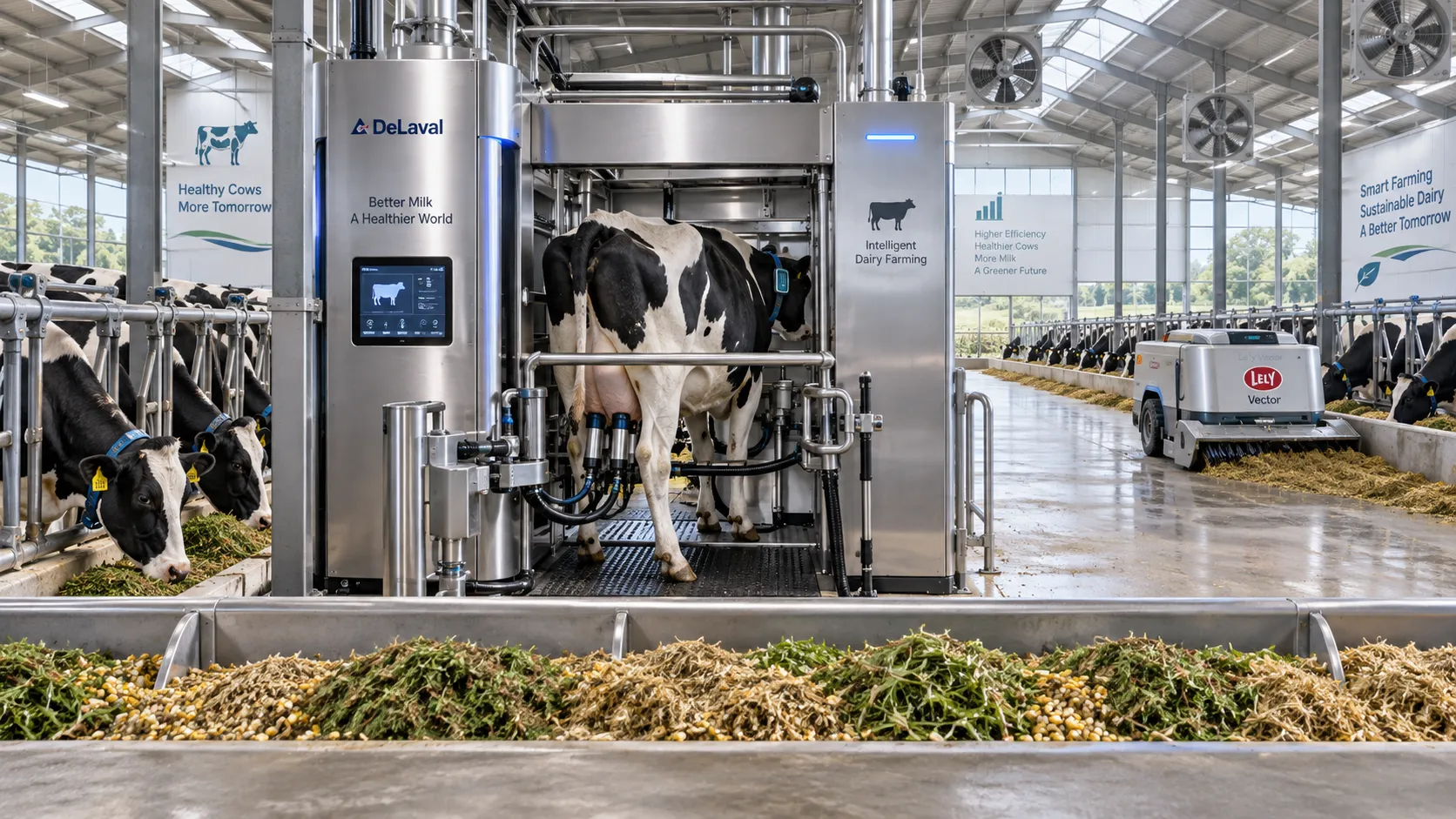
Smart Farming Technology for Dairy Farms: Where Automation Delivers Measurable ROI
Smart farming technology for dairy farms delivers measurable ROI through automation, precision feeding, health monitoring, and data-driven cost control.
Related News
- 00
0000-00
Automated Water-Saving Irrigation: How to Cut Water Use Without Reducing Crop Yields - 00
0000-00
How to Evaluate Drip Irrigation System Manufacturers for Large Farm Projects - 00
0000-00
Wireless Agricultural Automation for Remote Irrigation and Field Monitoring - 00
0000-00
Designing Water-Saving Drip Irrigation Systems for High-Value Orchards - 00
0000-00
How to Choose Irrigation Solutions for Arid Regions Based on Water Source and Crop Needs
Popular Tags
Hydrological Resource Strategist
Weekly Insights
Stay ahead with our curated technology reports delivered every Monday.