
Advanced Irrigation Technology That Cuts Water Waste
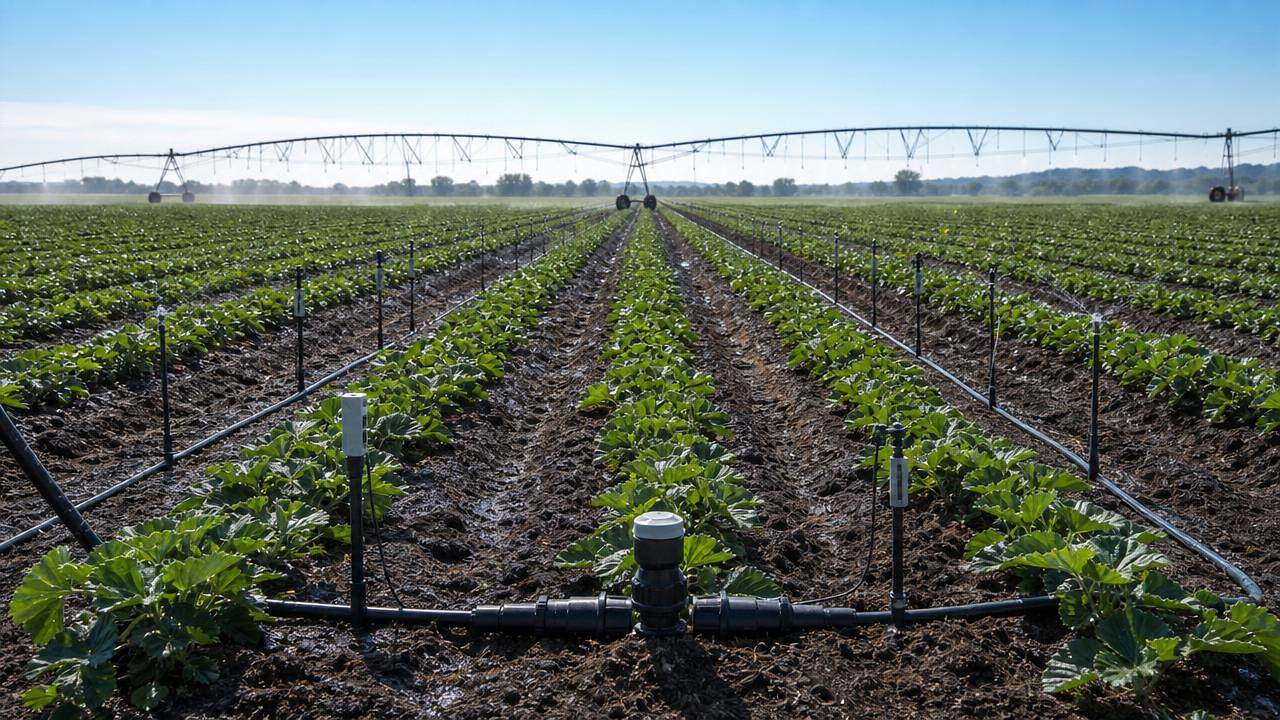




As climate pressure and input costs reshape modern farming, advanced irrigation technology is becoming a strategic priority for enterprise decision-makers.
Beyond reducing water waste, it supports data-driven control, stronger resource efficiency, and more resilient field operations across diverse crop systems.
For Agriculture 4.0, advanced irrigation technology now links agronomic performance, infrastructure intelligence, and long-term sustainability in one operating framework.
Defining Advanced Irrigation Technology in Modern Agriculture
Advanced irrigation technology refers to connected systems that deliver water with higher precision, better timing, and lower loss than conventional irrigation methods.
It combines hardware, software, and field data to optimize application rates according to crop stage, soil condition, and weather dynamics.
Common components include drip lines, pivots, pressure regulators, filtration units, moisture sensors, flow meters, controllers, and cloud-based monitoring platforms.
In practical terms, advanced irrigation technology reduces evaporation, runoff, deep percolation, and uneven distribution that often drive hidden water waste.
It also improves operational visibility, allowing irrigation events to be adjusted by zone, hour, or forecast rather than by routine habit.
Core technical layers
- Application layer: drip, micro-sprinkler, variable-rate pivot, and subsurface irrigation.
- Sensing layer: soil moisture probes, climate stations, pressure sensors, and flow diagnostics.
- Control layer: automated valves, scheduling software, and remote command systems.
- Analytics layer: evapotranspiration models, leak alerts, and irrigation performance dashboards.
Industry Signals Driving Faster Adoption
The global push toward water stewardship is accelerating investment in advanced irrigation technology across large-scale and intensive farming environments.
Water allocation pressure, energy costs, labor shortages, and sustainability reporting now influence irrigation decisions more directly than before.
At the same time, digital agriculture has made sensor integration and remote management more practical at commercial scale.
These signals explain why advanced irrigation technology is no longer treated as a niche upgrade.
It has become part of broader resource management, risk control, and productivity planning across the agricultural value chain.
How Advanced Irrigation Technology Cuts Water Waste
Water waste often comes from applying the wrong volume, at the wrong time, through the wrong delivery pattern.
Advanced irrigation technology addresses each of those failure points with measurable precision.
Precision application
Targeted emitters and variable-rate systems place water closer to the root zone, reducing evaporation and off-target wetting.
Real-time scheduling
Moisture data and weather inputs help avoid over-irrigation after rainfall or under-irrigation during peak transpiration periods.
Leak and pressure control
Flow irregularities, pressure drops, and blocked lines can be detected earlier, limiting silent losses across large distribution networks.
Zonal management
Different soils and topographies require different run times, and advanced irrigation technology makes zone-level control practical.
Data feedback loops
Historical records reveal low-efficiency zones, recurring failures, and seasonal consumption patterns that manual systems often miss.
The result is not only lower water use per hectare.
It is better irrigation quality, more stable crop response, and stronger alignment between inputs and output potential.
Business Value Across the Agricultural System
The value of advanced irrigation technology extends beyond engineering efficiency.
It influences profitability, compliance, infrastructure planning, and long-term resilience in integrated farming operations.
- Lower water waste can reduce pumping hours, energy use, and treatment costs.
- More accurate timing can protect yield quality during sensitive growth stages.
- Digital records support reporting for sustainability frameworks and resource audits.
- Automated control reduces dependency on manual intervention during peak irrigation windows.
- Scalable architecture supports expansion across multiple sites and crop programs.
For intelligence-led platforms such as AP-Strategy, this shift reflects a broader convergence of mechanization, data science, and hydrological efficiency.
Advanced irrigation technology fits naturally within Agriculture 4.0 because it transforms irrigation from a utility into a managed performance system.
Typical Application Scenarios and System Types
Different production environments require different configurations of advanced irrigation technology.
Selection should reflect crop type, field size, water source, energy profile, and management objectives.
Even within one enterprise, several irrigation methods may operate together.
That makes interoperability and data integration important selection criteria for advanced irrigation technology investments.
Implementation Priorities and Operational Considerations
Successful deployment depends on more than purchasing smart devices.
Advanced irrigation technology performs best when design, maintenance, and agronomic interpretation are aligned from the beginning.
Start with a water balance baseline
Map current consumption, field variability, pumping costs, and known loss points before setting targets.
Match sensors to decision needs
Avoid excessive hardware that creates data noise without improving scheduling or operational response.
Protect distribution quality
Filtration, pressure regulation, and line inspection remain essential, even in highly automated systems.
Integrate irrigation with crop strategy
Scheduling should reflect growth stage, nutrition plan, and yield objective rather than only equipment capacity.
Review performance seasonally
Use post-season data to compare target efficiency, actual application, and return on infrastructure upgrades.
These steps help advanced irrigation technology deliver measurable gains instead of isolated digital features.
Strategic Next Steps for Smarter Water Management
Advanced irrigation technology has become a practical foundation for water-efficient and intelligence-driven agriculture.
Its importance will grow as farms face tighter resource limits, stronger reporting expectations, and greater climate volatility.
A useful next step is to audit current irrigation performance, identify the largest waste zones, and prioritize systems with visible data feedback.
From there, phased adoption can connect field hardware, predictive models, and operational control into one coherent irrigation strategy.
For organizations tracking mechanization and sustainability trends, advanced irrigation technology is no longer optional infrastructure.
It is a strategic tool for cutting water waste, protecting productivity, and building more resilient agricultural systems.
Related News
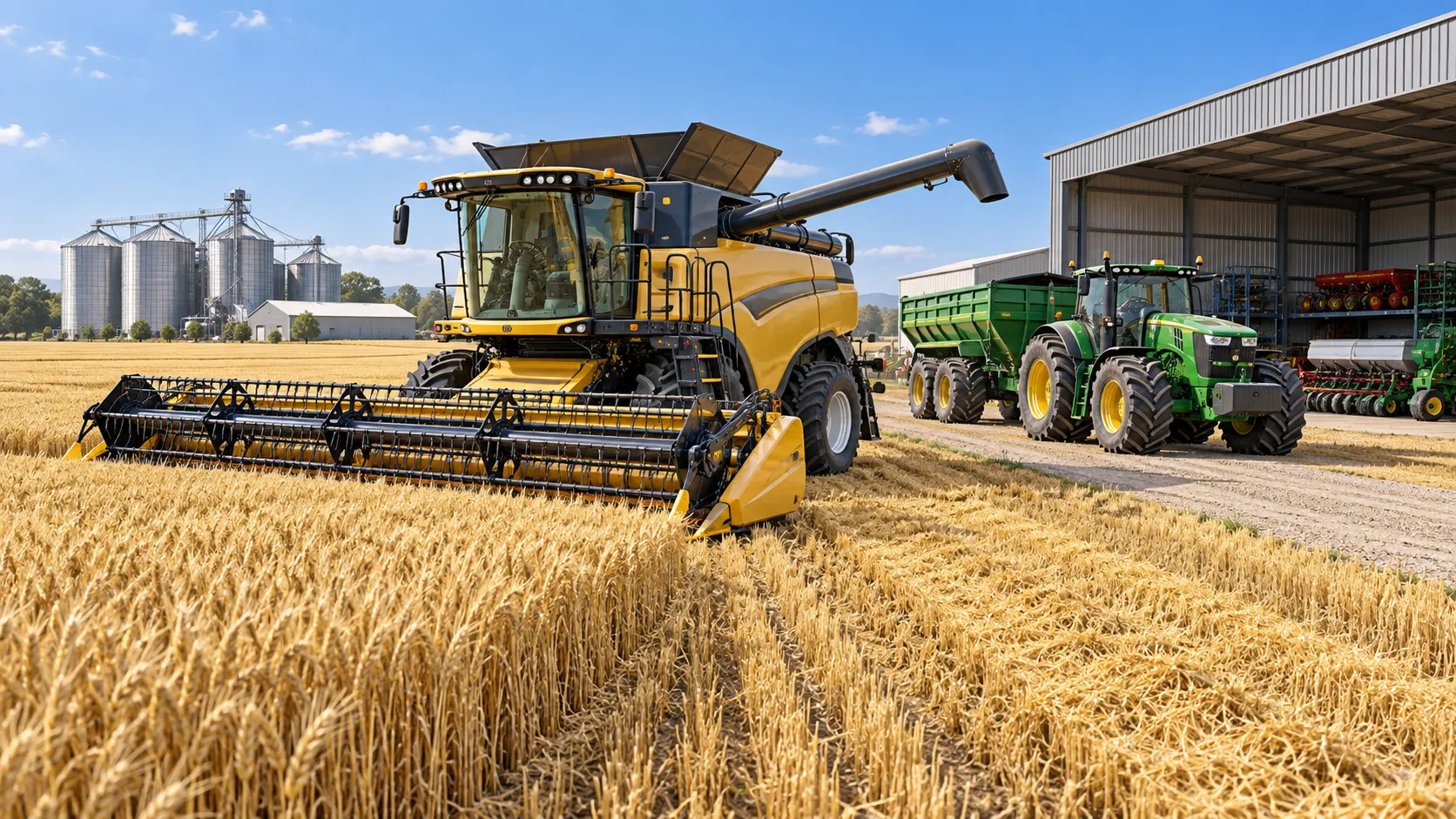
When Does Agricultural Machinery Leasing Cost Less Than Owning Equipment?
Agricultural machinery leasing can lower farm costs when use is seasonal or uncertain. Compare utilization, maintenance, cash flow, and risk to make a smarter equipment decision.
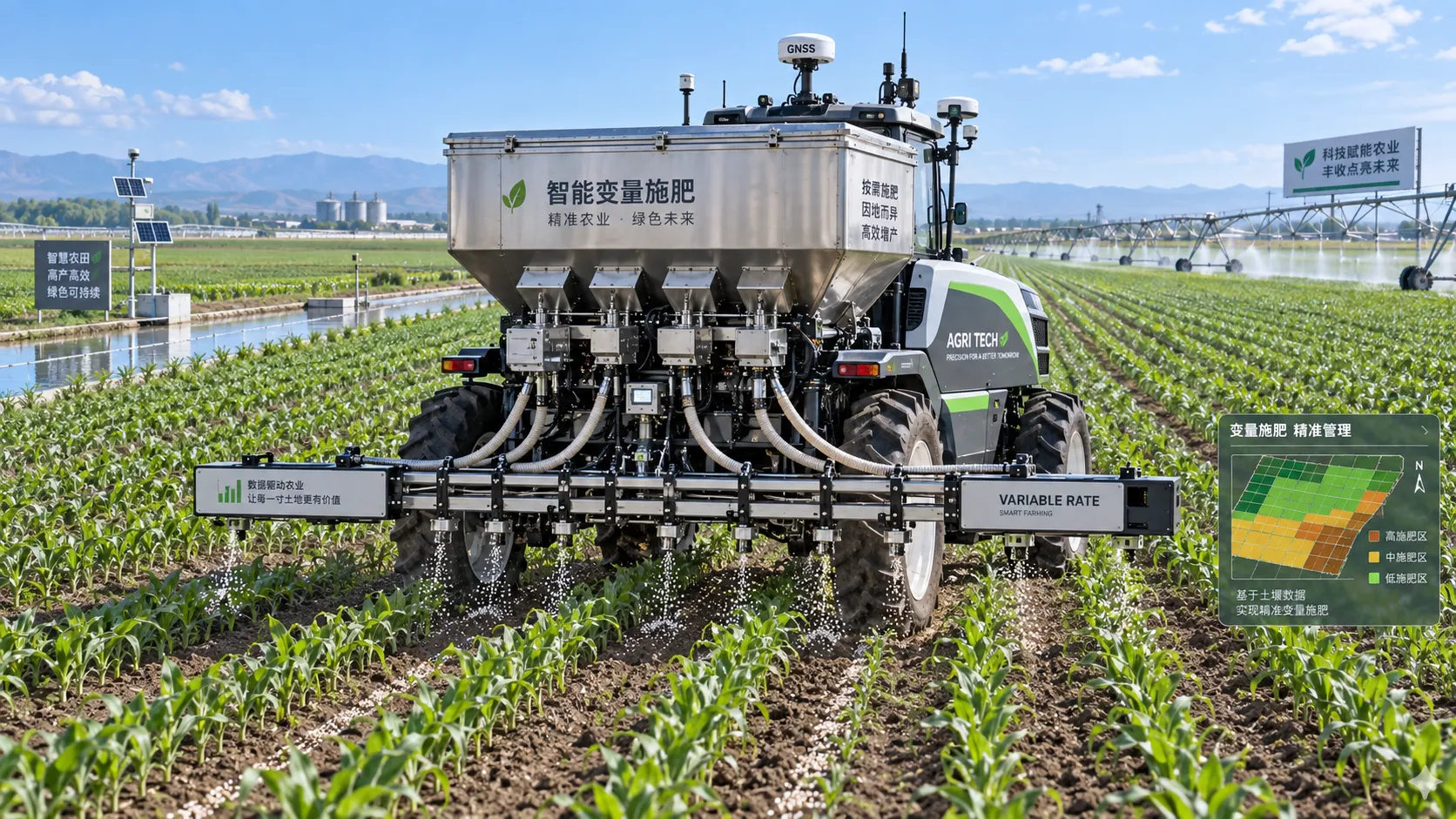
How to Evaluate Precision Fertilization System Suppliers for Farm-Scale Deployment
Precision fertilization systems suppliers: learn how to compare accuracy, integration, uptime, service, and total cost for confident farm-scale deployment.
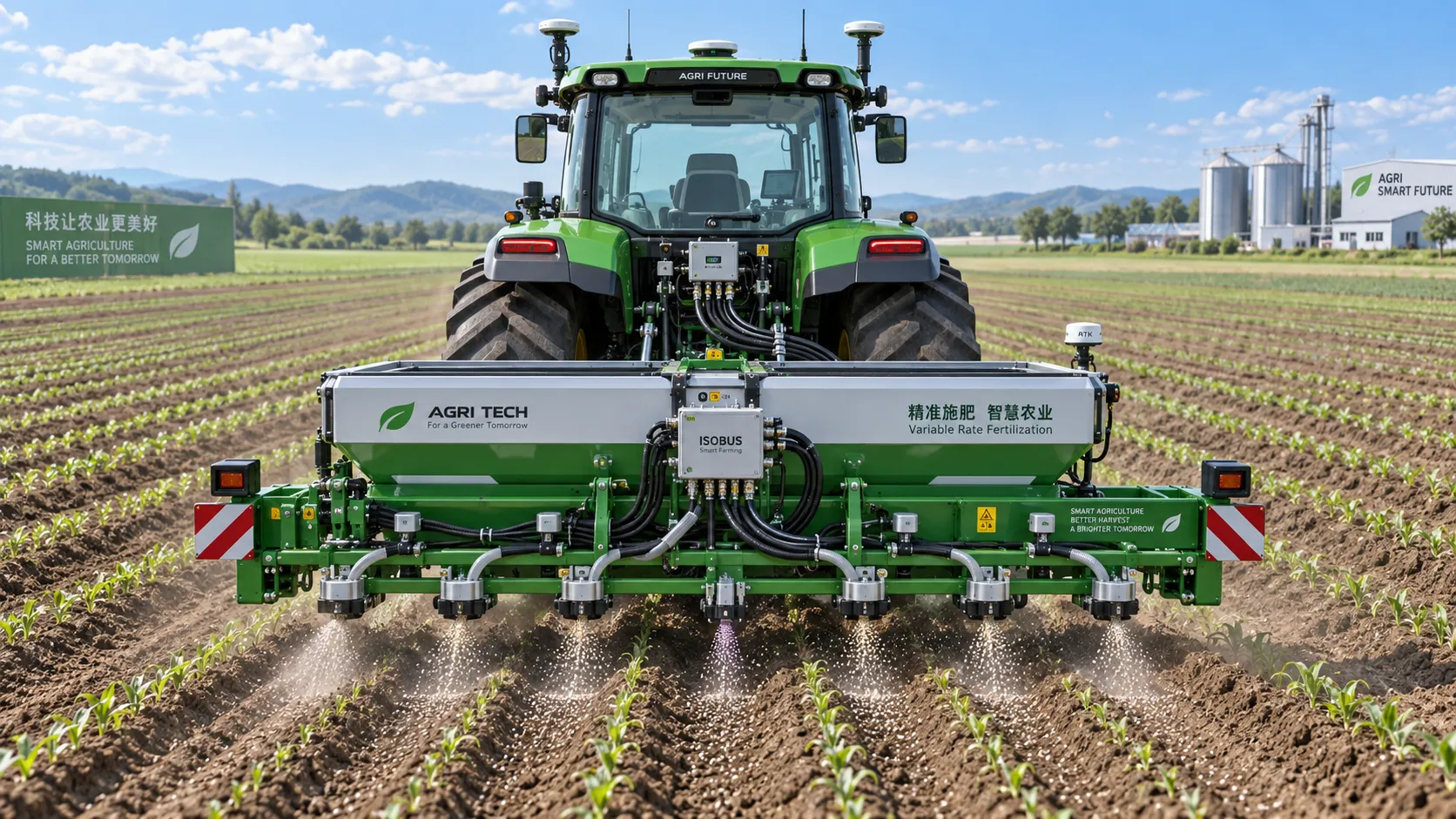
ISOBUS for Smart Agriculture: How It Connects Tractors, Implements, and Farm Data
ISOBUS for smart agriculture connects tractors, implements, terminals, and farm data—helping growers improve precision, documentation, and smarter field decisions.
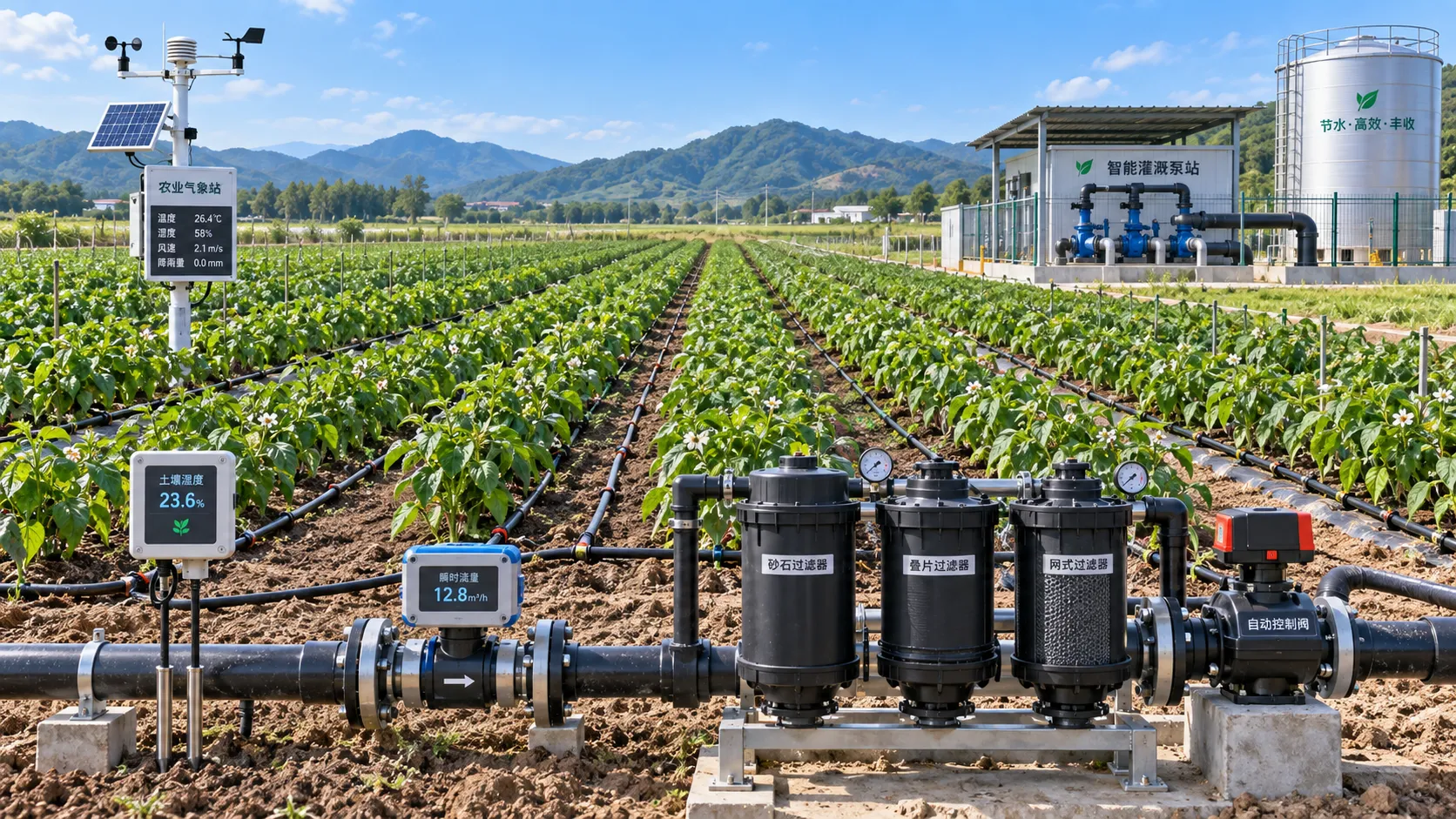
Automated Water-Saving Irrigation: How to Cut Water Use Without Reducing Crop Yields
Automated water-saving irrigation helps farms cut water use, protect crop yields, improve scheduling, and gain reliable control with sensors, flow monitoring, and smart zones.
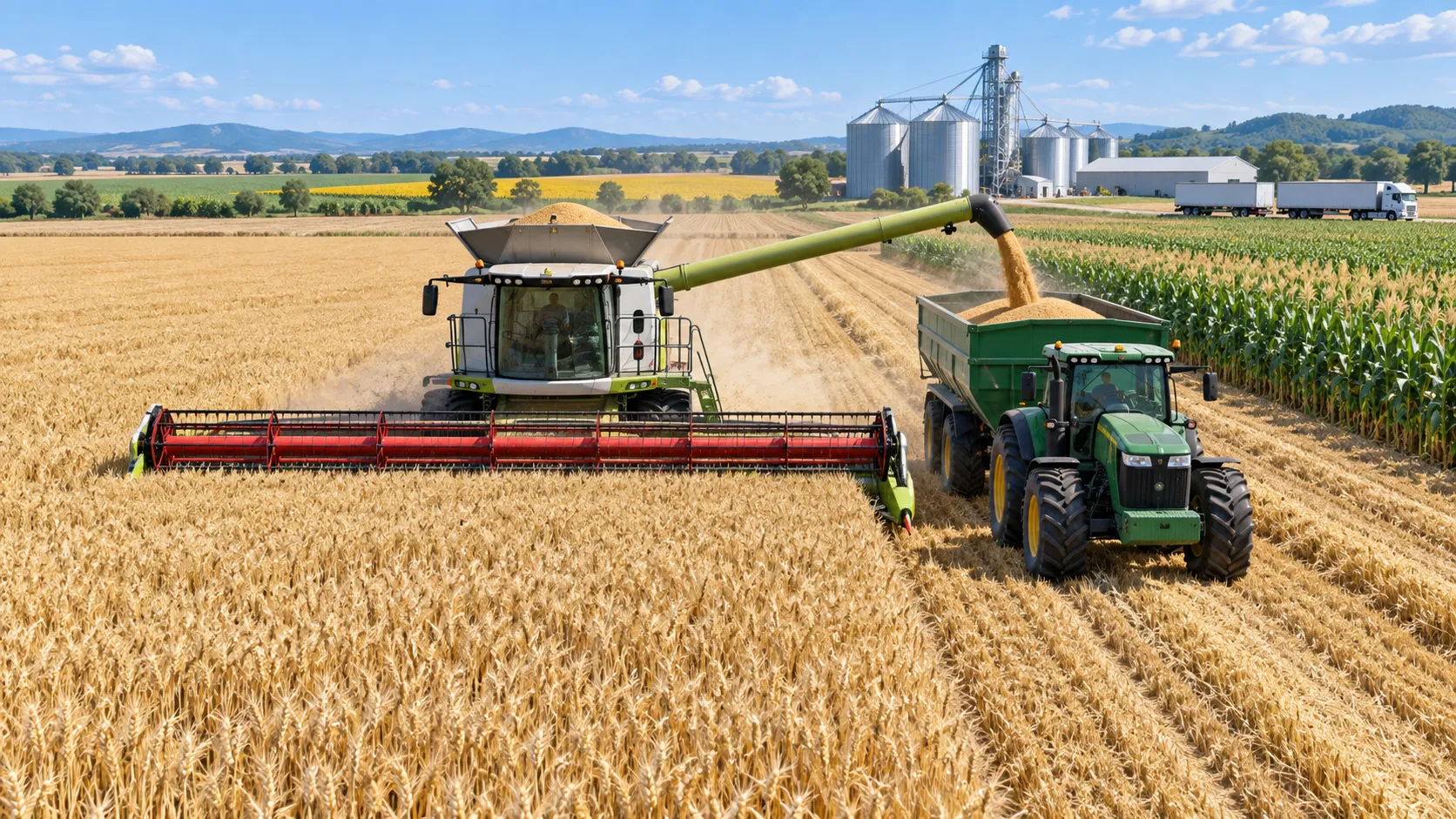
Selecting Grain Farm Equipment by Acreage, Crop Mix, and Harvest Window
Agricultural equipment selection for grain farming: match machinery to acreage, crop mix, and harvest windows to improve uptime, efficiency, and returns.
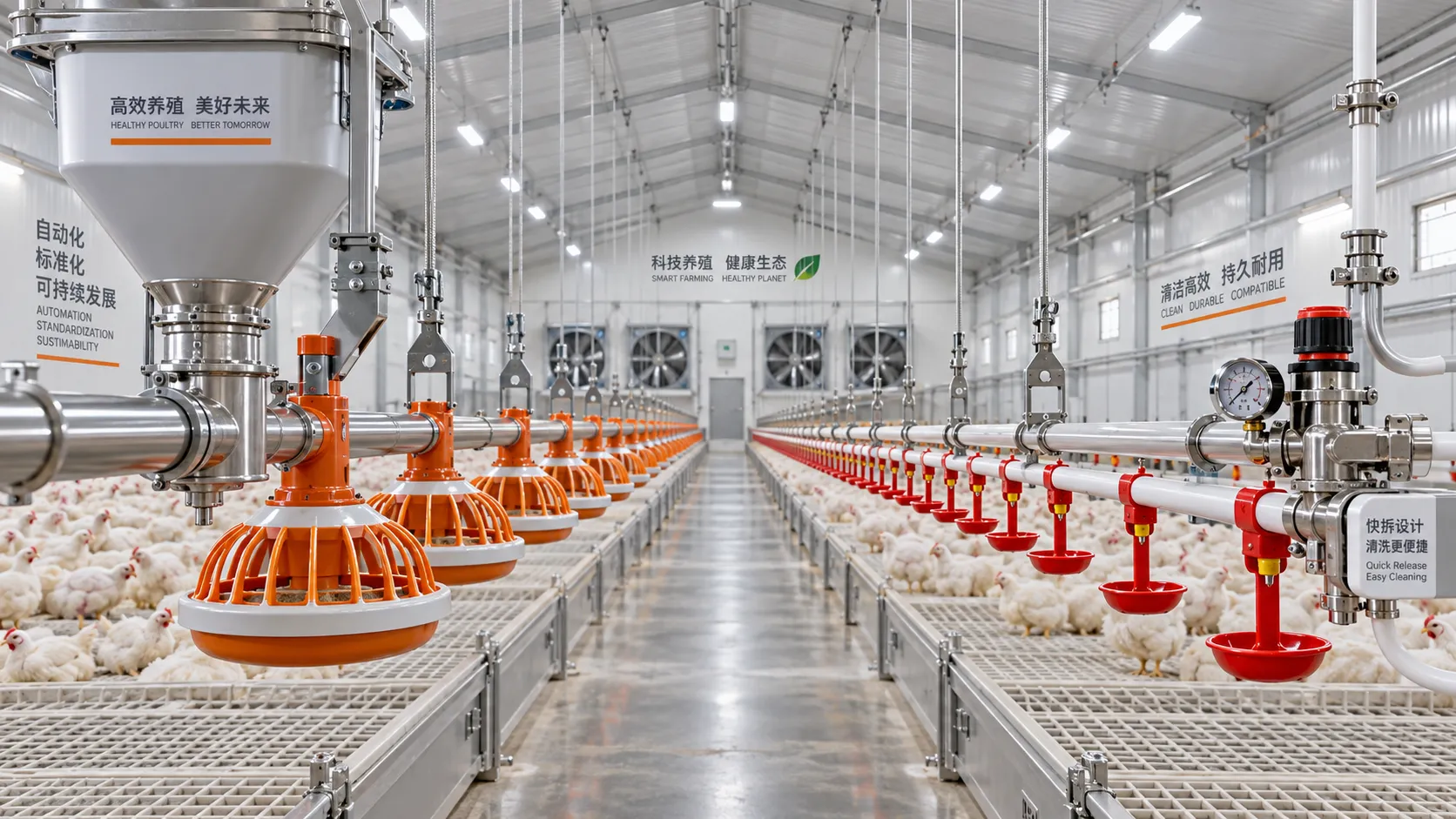
Poultry Equipment Selection: Evaluating Durability, Cleaning, and Compatibility
Poultry equipments selection guide: evaluate durability, cleaning access, and system compatibility to improve hygiene, reduce downtime, and support efficient flock management.
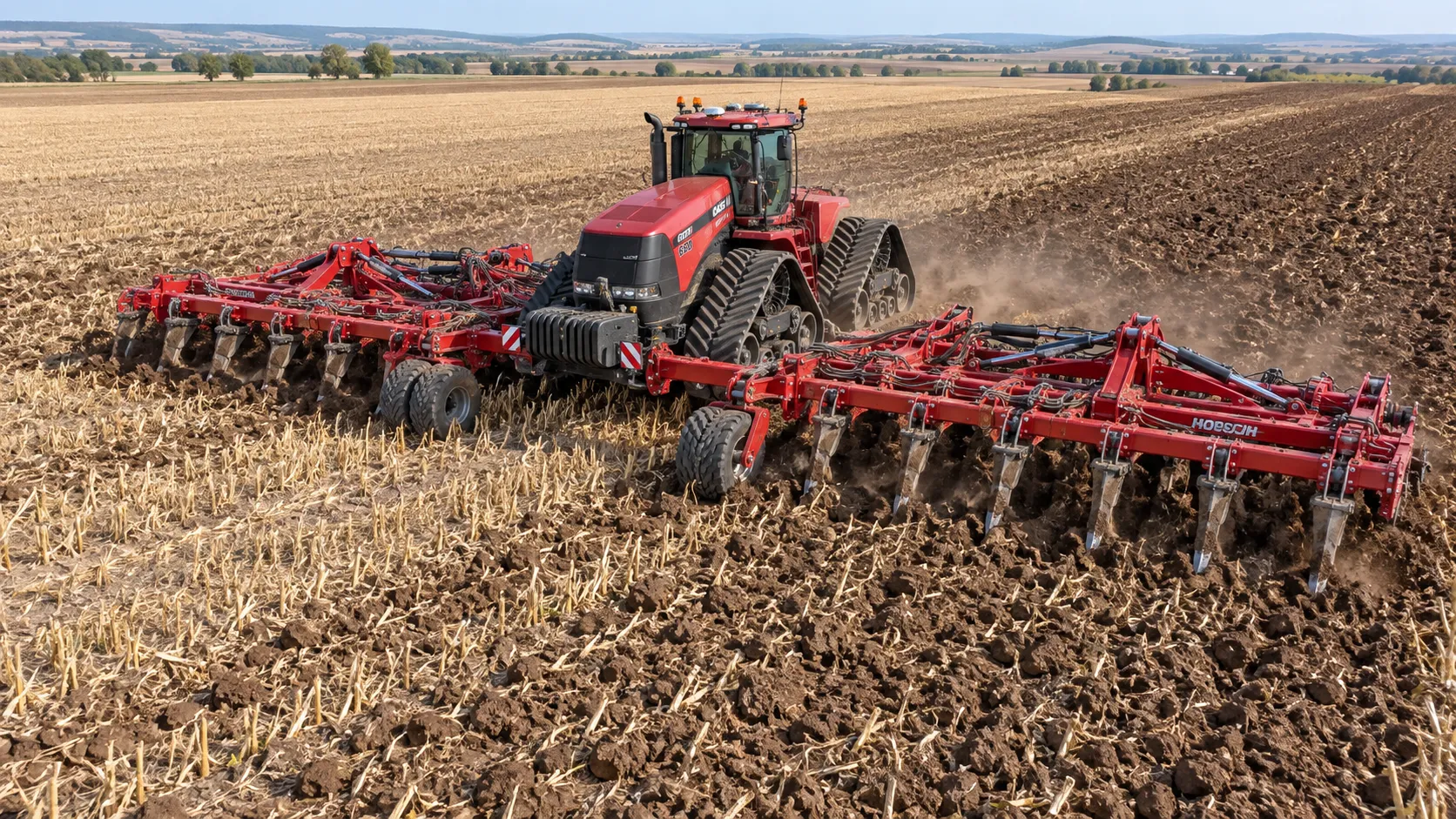
How to Select Heavy-Duty Farm Implements for High-Acreage, High-Horsepower Operations
Heavy duty farm implements: learn how to match draft, hydraulics, hitch capacity, frame strength, and field conditions for reliable high-acreage performance.
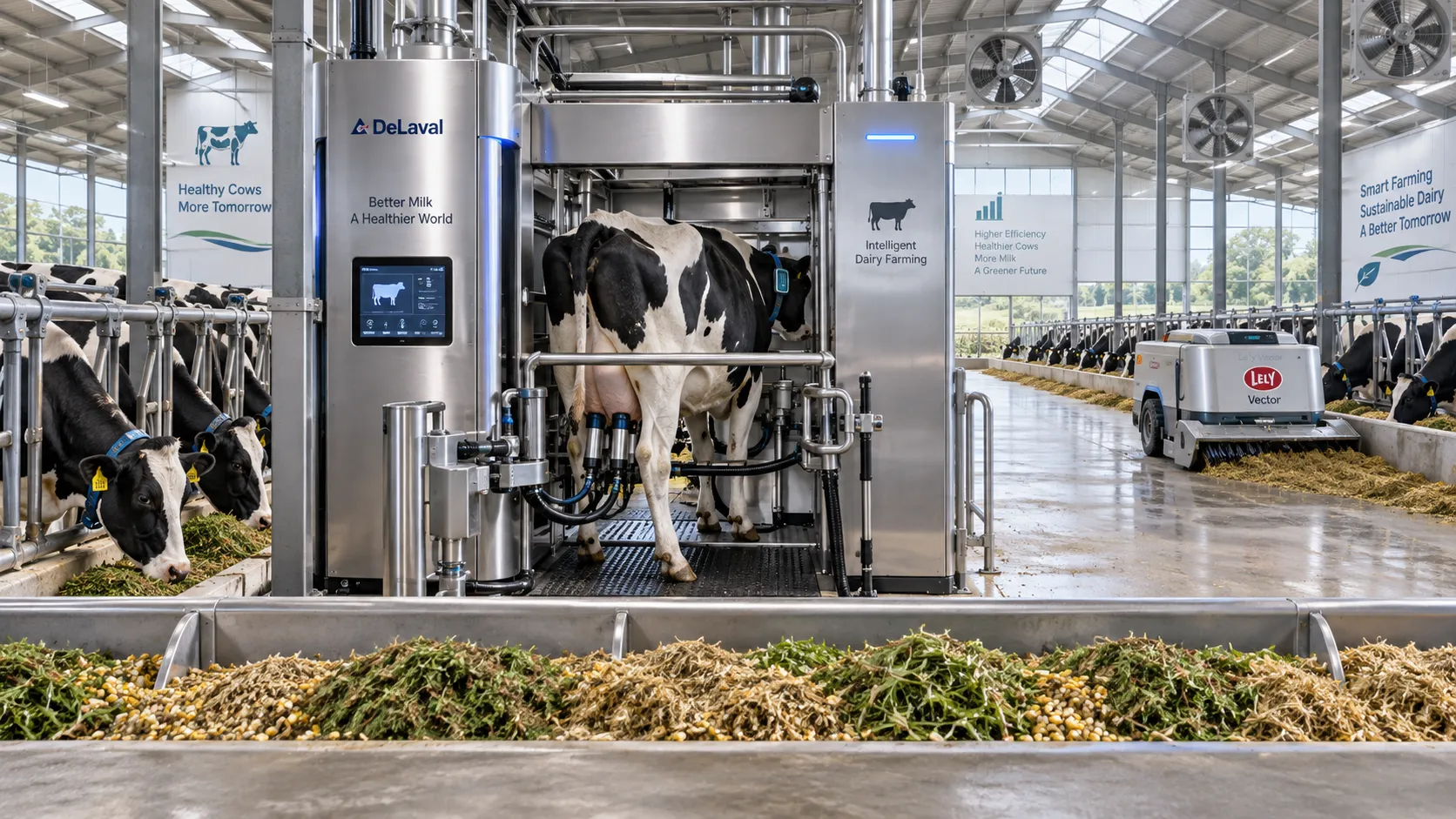
Smart Farming Technology for Dairy Farms: Where Automation Delivers Measurable ROI
Smart farming technology for dairy farms delivers measurable ROI through automation, precision feeding, health monitoring, and data-driven cost control.
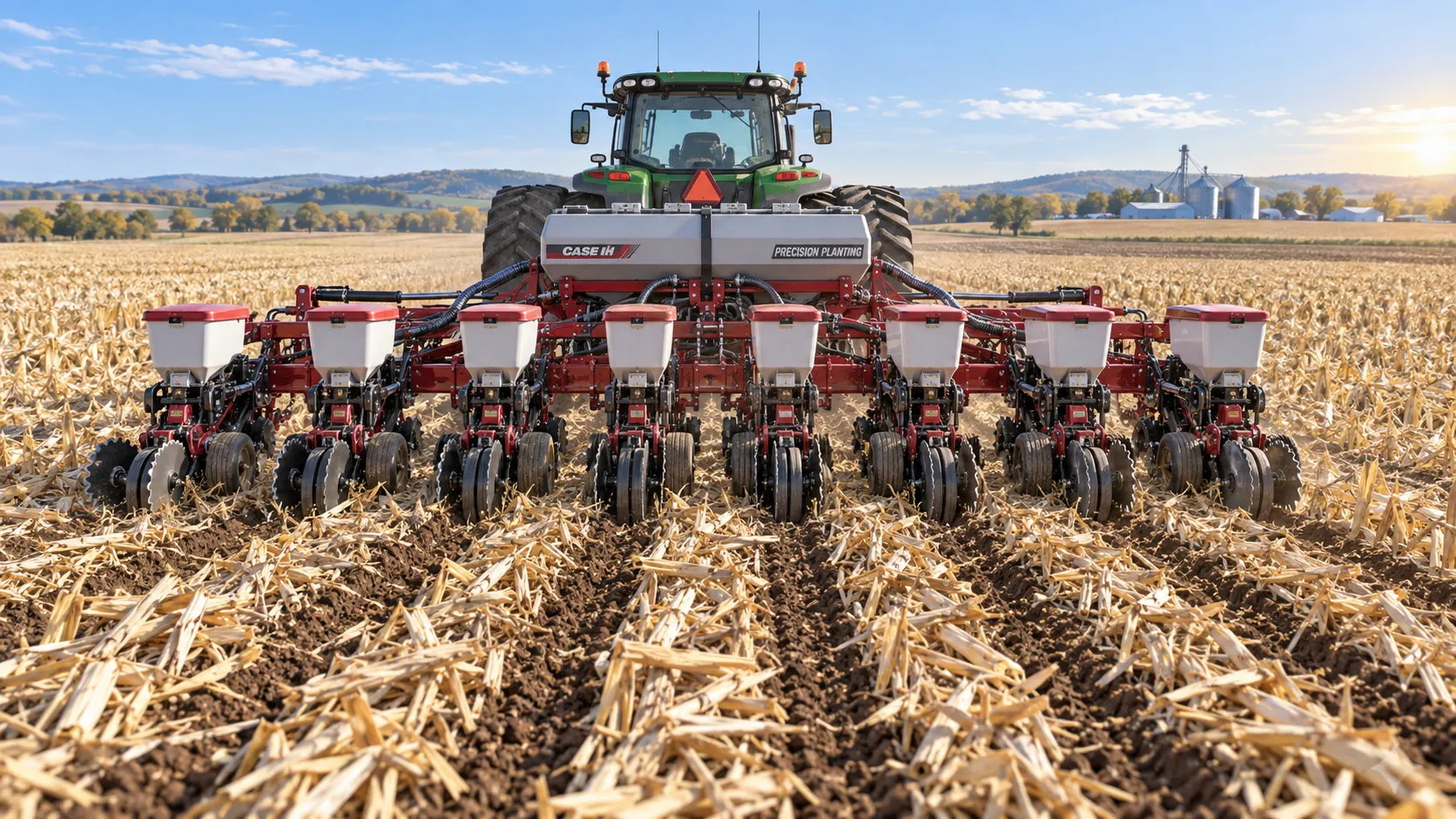
How to Select a Heavy-Duty Seeder for Large Acreage and High-Residue Fields
Heavy duty seeders for large acreage: compare residue handling, depth control, downforce, metering accuracy, and precision features to select the right model.
Related News
- 00
0000-00
Automated Water-Saving Irrigation: How to Cut Water Use Without Reducing Crop Yields - 00
0000-00
How to Evaluate Drip Irrigation System Manufacturers for Large Farm Projects - 00
0000-00
Wireless Agricultural Automation for Remote Irrigation and Field Monitoring - 00
0000-00
Designing Water-Saving Drip Irrigation Systems for High-Value Orchards - 00
0000-00
How to Choose Irrigation Solutions for Arid Regions Based on Water Source and Crop Needs
Popular Tags
Hydrological Resource Strategist
Weekly Insights
Stay ahead with our curated technology reports delivered every Monday.