
EU Updates CE Rules for Agricultural Machinery: Remote Diagnostics Mandatory for Smart Irrigation and GPS Guidance Systems from June 2026
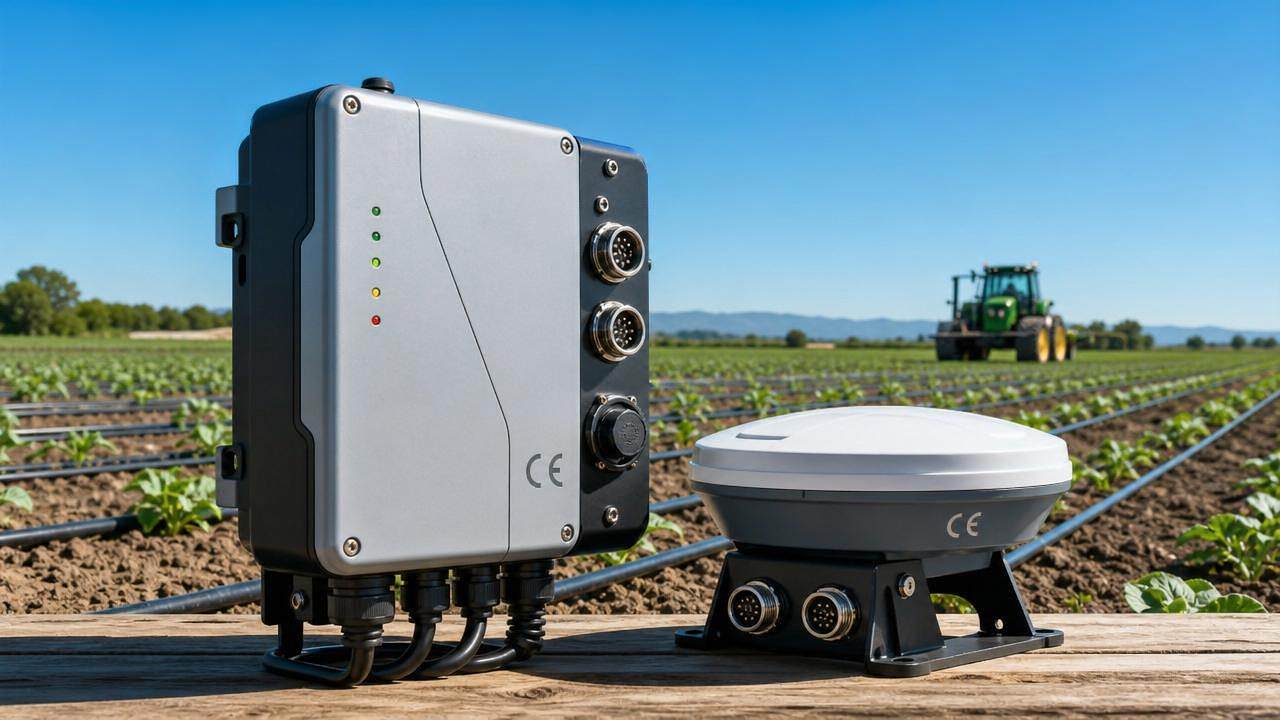




The European Commission has introduced new CE marking requirements for agricultural machinery, mandating remote diagnostic capabilities for smart irrigation controllers, GPS guidance systems, and variable rate technology devices entering the EU market. Effective 1 June 2026, these products must integrate a certified remote diagnostic module compliant with EN 50657:2025 — supporting MQTT over TLS, OTA firmware updates, and real-time fault code transmission. Exporters, manufacturers, and distributors of precision farming equipment — particularly those serving EU markets — should treat this as a critical compliance milestone with direct implications for product certification, supply chain planning, and technical development timelines.
Event Overview
On 9 May 2026, the European Commission adopted Implementing Decision (EU) 2026/883, which amends the CE conformity assessment framework for certain agricultural machinery. The decision stipulates that, from 1 June 2026 onward, all smart drip irrigation logic controllers, GPS guidance systems, and variable rate technology (VRT) devices placed on the EU market must be equipped with an embedded remote diagnostic communication module meeting EN 50657:2025. This module must support secure MQTT over TLS, over-the-air (OTA) firmware updates, and real-time transmission of standardized fault codes. Devices failing to meet this requirement will not be issued a CE certificate.
Industries Affected by Segment
Export-Oriented Manufacturing Firms
Manufacturers exporting smart irrigation or GPS-guided agricultural equipment to the EU will face immediate design and certification implications. Non-compliant legacy models — even if previously CE-marked under older directives — cannot be newly placed on the EU market after 1 June 2026. Impact manifests in revised bill-of-materials (BOM), additional hardware integration (e.g., certified communication modules), extended type-approval cycles, and potential delays in shipment scheduling.
CE Certification Service Providers
Notified Bodies authorized to issue CE certificates for agricultural machinery must now verify compliance with EN 50657:2025 during conformity assessments. This introduces new test protocols, documentation requirements (e.g., cybersecurity architecture descriptions, OTA update validation reports), and potentially longer review timelines. Firms relying on third-party certification may encounter increased lead times and updated quotation structures.
Distribution and Import Agents
EU-based importers and distributors are legally responsible for verifying CE conformity before placing products on the market. From 1 June 2026, they must obtain and retain evidence — such as technical files, test reports, and declarations of conformity — confirming the presence and functionality of the required remote diagnostic module. Stock clearance of non-compliant units becomes time-sensitive, and inventory management systems may require updates to flag regulatory status per SKU.
Embedded Software & Firmware Developers
Teams developing firmware for agricultural control units must now implement standardized diagnostic data models, secure OTA update mechanisms, and TLS-secured MQTT clients aligned with EN 50657:2025. This affects software release planning, security validation workflows, and interoperability testing — especially where multi-vendor device ecosystems (e.g., tractor + implement + controller) are involved.
Key Focus Areas and Recommended Actions
Monitor Official Implementation Guidance
While (EU) 2026/883 is in force, the European Commission and relevant Notified Bodies may issue supplementary interpretative documents — e.g., clarifications on scope boundaries (e.g., whether retrofit kits qualify), acceptable test methods for MQTT/TLS integrity, or transitional arrangements for pending applications. Stakeholders should subscribe to updates from the EU’s NANDO database and official Commission communications.
Review Product Portfolio Against Scope Definitions
Confirm whether specific product lines fall within the regulation’s defined categories: ‘drip irrigation logic’ (not general-purpose timers), ‘GPS guidance systems’ (not standalone GNSS receivers), and ‘variable rate technology’ (not manual VRT switches). Ambiguity in classification may require early engagement with a Notified Body for pre-assessment.
Distinguish Between Policy Signal and Operational Readiness
This requirement reflects a broader EU trend toward connected-product accountability — but it is not a pilot or recommendation. It is a binding legal obligation tied directly to CE issuance. Compliance cannot be deferred to post-market updates; the module must be physically and functionally integrated at the point of placing on the market.
Initiate Supply Chain and Technical Alignment Now
Hardware suppliers of certified communication modules (e.g., industrial-grade MQTT-TLS SoCs or pre-certified modem modules) may face capacity constraints ahead of the deadline. Engineering teams should initiate component qualification, BOM updates, and firmware integration sprints no later than Q3 2025 to accommodate full-system validation and certification cycles.
Editorial Perspective / Industry Observation
Observably, this update signals a structural shift in how the EU treats agricultural IoT devices — moving them from ‘machinery with electronics’ to ‘cyber-physical systems subject to digital resilience standards’. Analysis shows the mandate does not merely add a feature; it embeds traceability, updateability, and remote verifiability into the definition of safe operation. While the rule applies narrowly to three device types today, its underlying logic — linking safety certification to secure connectivity — may inform future revisions across broader farm machinery categories. From an industry perspective, this is less a one-off compliance checkpoint and more an early indicator of evolving regulatory expectations for intelligent, networked farm equipment in regulated markets.
Concluding, this measure formalizes a technical baseline rather than introducing speculative policy. Its significance lies not in novelty, but in enforceability: CE certification — a prerequisite for market access — now hinges on demonstrable remote diagnostics capability. For stakeholders, it is best understood not as a distant regulatory horizon, but as a concrete, date-bound engineering and certification dependency requiring coordinated action across R&D, procurement, and regulatory affairs functions.
Source: European Commission Implementing Decision (EU) 2026/883, published 9 May 2026; EN 50657:2025 (Remote diagnostic communication for agricultural and forestry machinery).
Further implementation details — including approved test laboratories and interpretation notes — remain subject to ongoing publication by the Commission and notified bodies, and warrant continued monitoring.
Related News
When Does Agricultural Machinery Leasing Cost Less Than Owning Equipment?
Agricultural machinery leasing can lower farm costs when use is seasonal or uncertain. Compare utilization, maintenance, cash flow, and risk to make a smarter equipment decision.
How to Evaluate Precision Fertilization System Suppliers for Farm-Scale Deployment
Precision fertilization systems suppliers: learn how to compare accuracy, integration, uptime, service, and total cost for confident farm-scale deployment.
ISOBUS for Smart Agriculture: How It Connects Tractors, Implements, and Farm Data
ISOBUS for smart agriculture connects tractors, implements, terminals, and farm data—helping growers improve precision, documentation, and smarter field decisions.
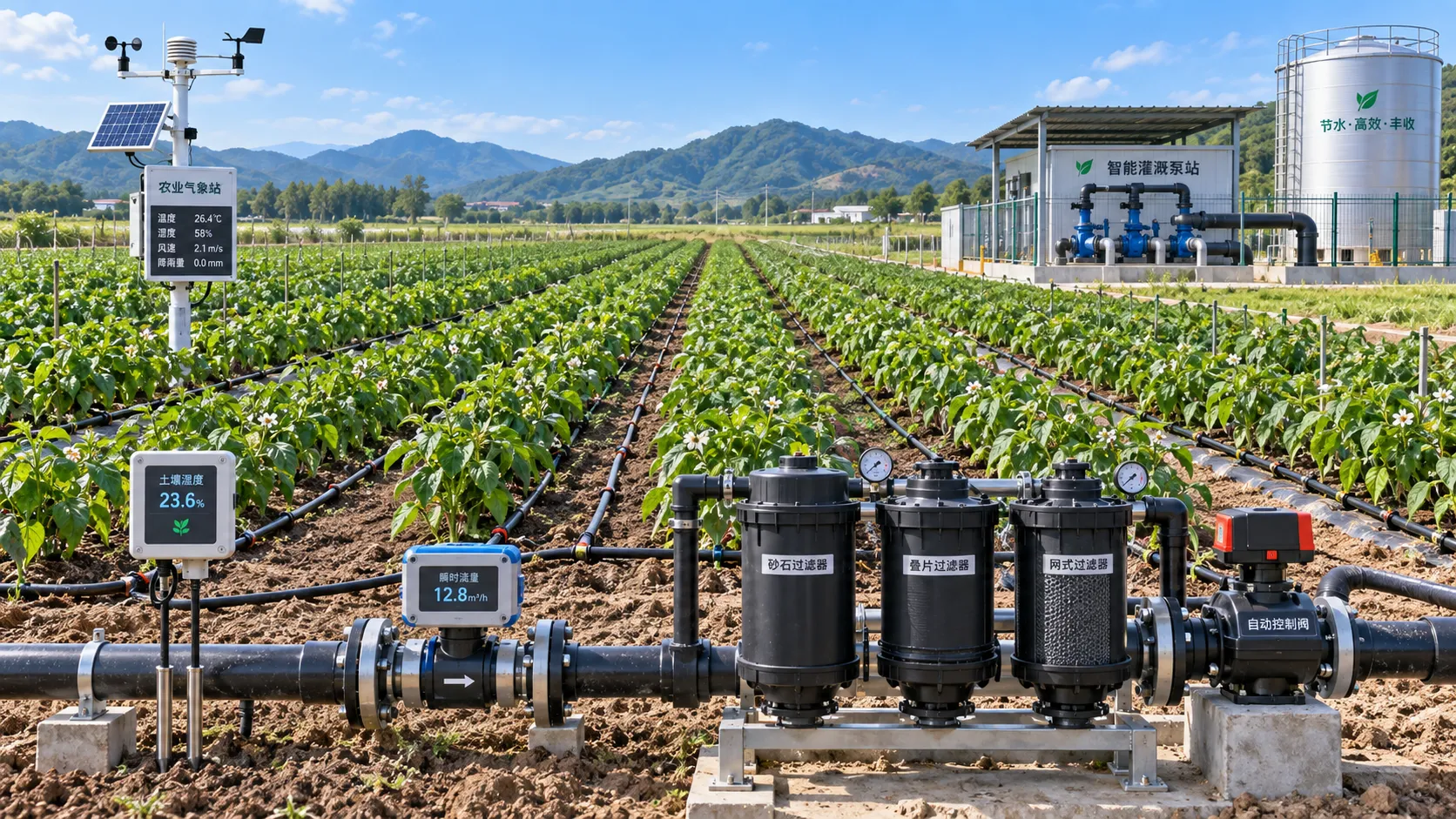
Automated Water-Saving Irrigation: How to Cut Water Use Without Reducing Crop Yields
Automated water-saving irrigation helps farms cut water use, protect crop yields, improve scheduling, and gain reliable control with sensors, flow monitoring, and smart zones.
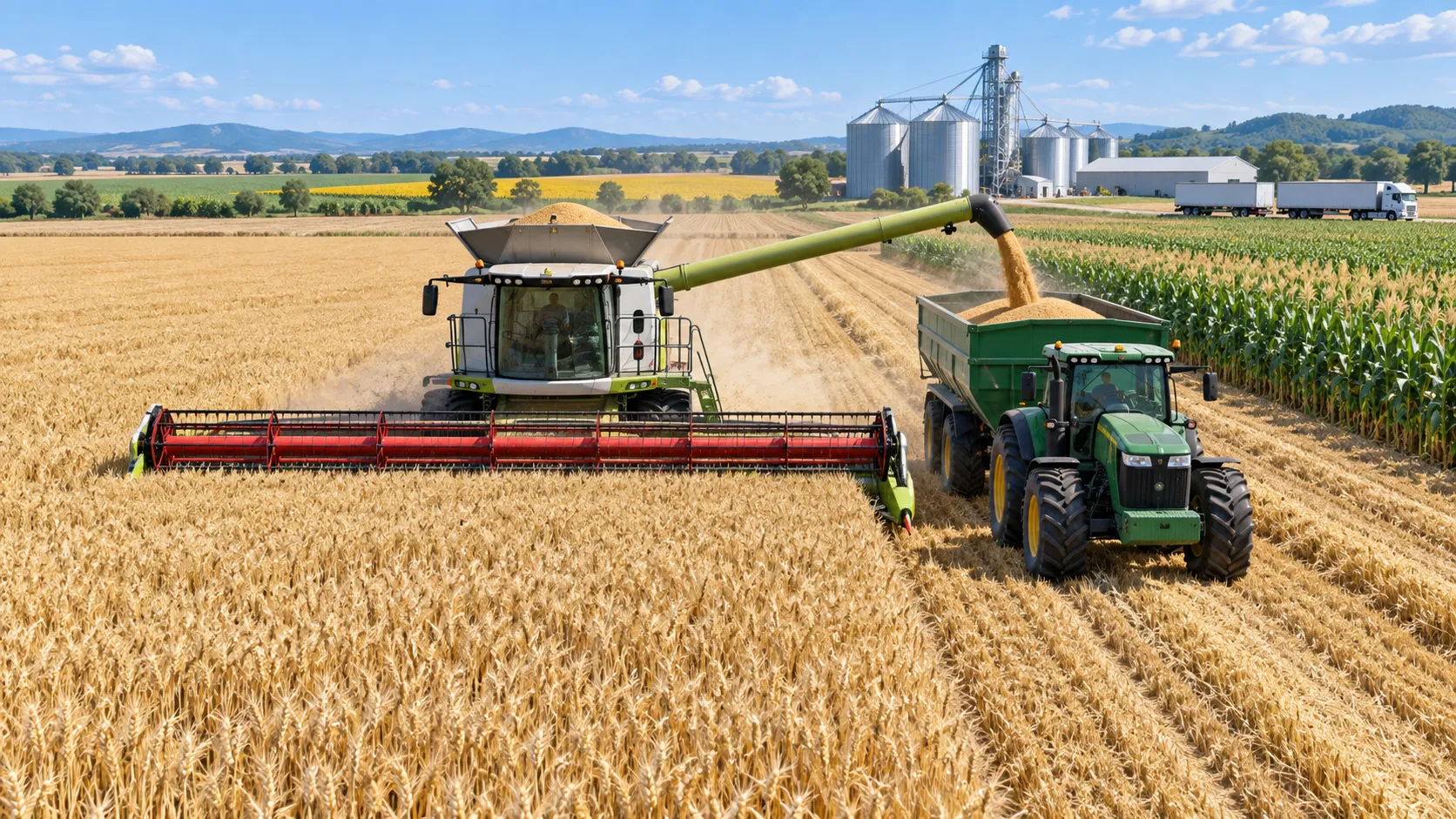
Selecting Grain Farm Equipment by Acreage, Crop Mix, and Harvest Window
Agricultural equipment selection for grain farming: match machinery to acreage, crop mix, and harvest windows to improve uptime, efficiency, and returns.
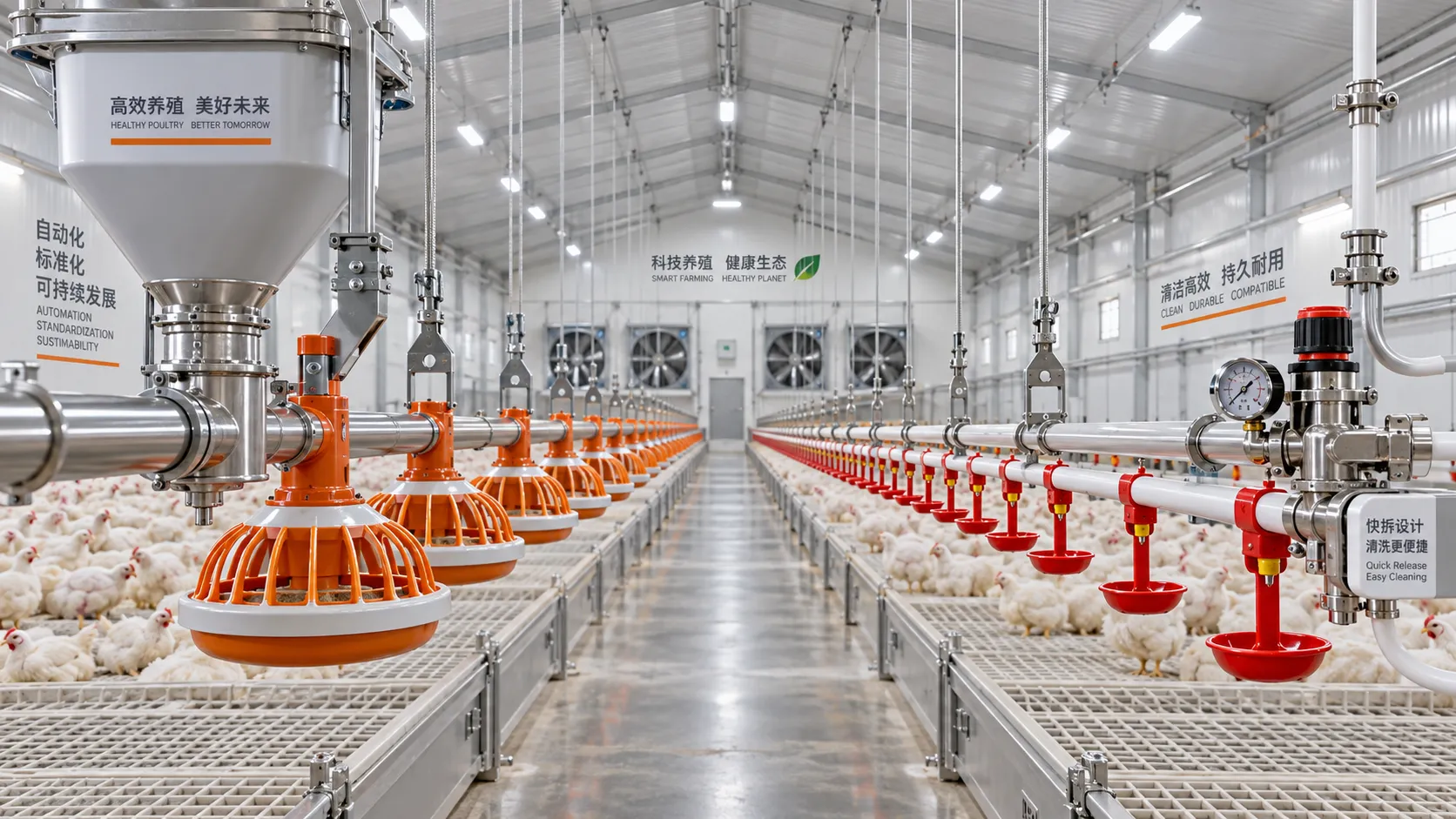
Poultry Equipment Selection: Evaluating Durability, Cleaning, and Compatibility
Poultry equipments selection guide: evaluate durability, cleaning access, and system compatibility to improve hygiene, reduce downtime, and support efficient flock management.
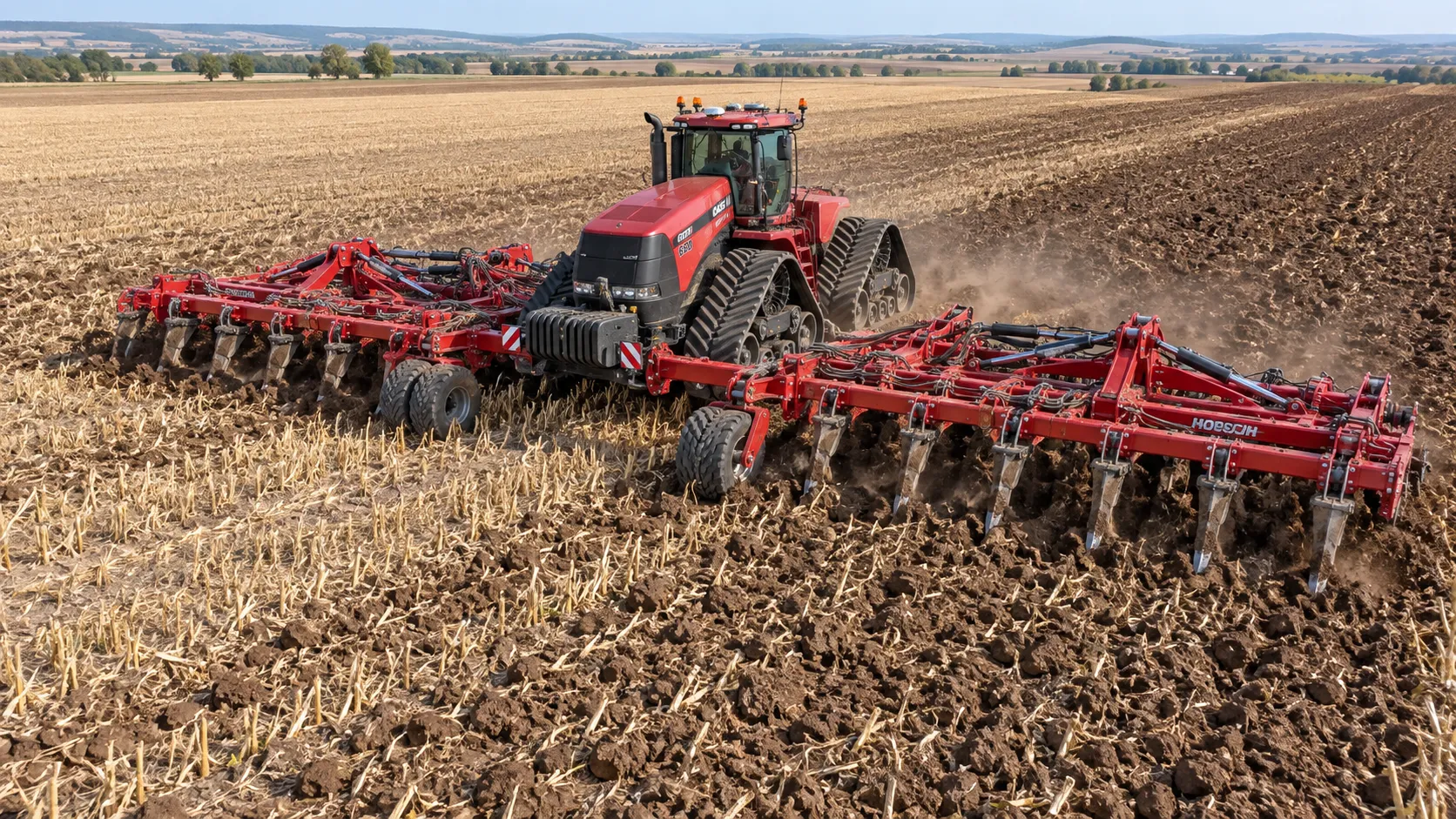
How to Select Heavy-Duty Farm Implements for High-Acreage, High-Horsepower Operations
Heavy duty farm implements: learn how to match draft, hydraulics, hitch capacity, frame strength, and field conditions for reliable high-acreage performance.
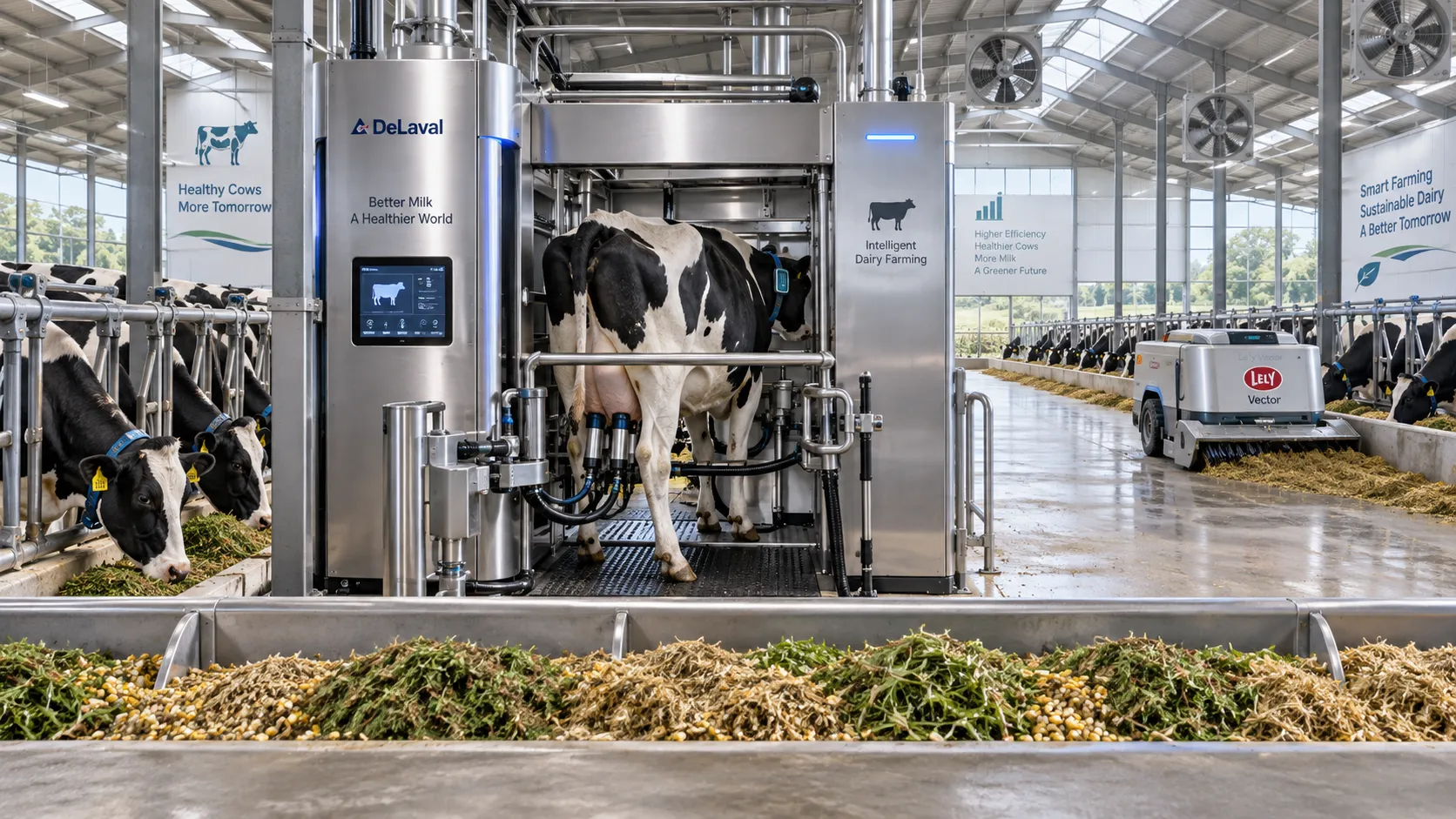
Smart Farming Technology for Dairy Farms: Where Automation Delivers Measurable ROI
Smart farming technology for dairy farms delivers measurable ROI through automation, precision feeding, health monitoring, and data-driven cost control.
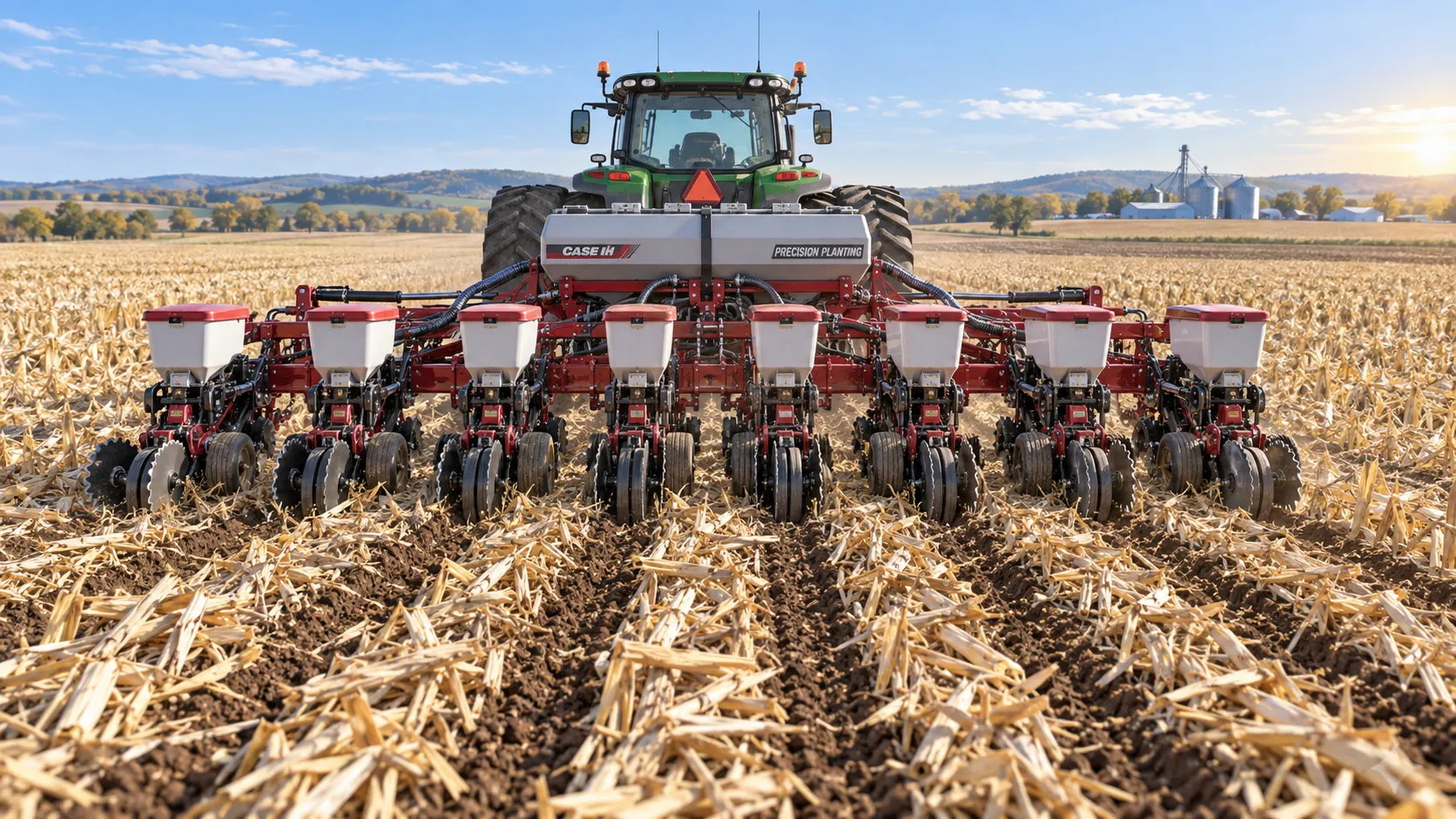
How to Select a Heavy-Duty Seeder for Large Acreage and High-Residue Fields
Heavy duty seeders for large acreage: compare residue handling, depth control, downforce, metering accuracy, and precision features to select the right model.
Related News
- 00
0000-00
Automated Water-Saving Irrigation: How to Cut Water Use Without Reducing Crop Yields - 00
0000-00
How to Evaluate Drip Irrigation System Manufacturers for Large Farm Projects - 00
0000-00
Wireless Agricultural Automation for Remote Irrigation and Field Monitoring - 00
0000-00
Designing Water-Saving Drip Irrigation Systems for High-Value Orchards - 00
0000-00
How to Choose Irrigation Solutions for Arid Regions Based on Water Source and Crop Needs
Popular Tags
Hydrological Resource Strategist
Weekly Insights
Stay ahead with our curated technology reports delivered every Monday.