
India Releases First White List for Kisan Drone & Smart Irrigation Mission
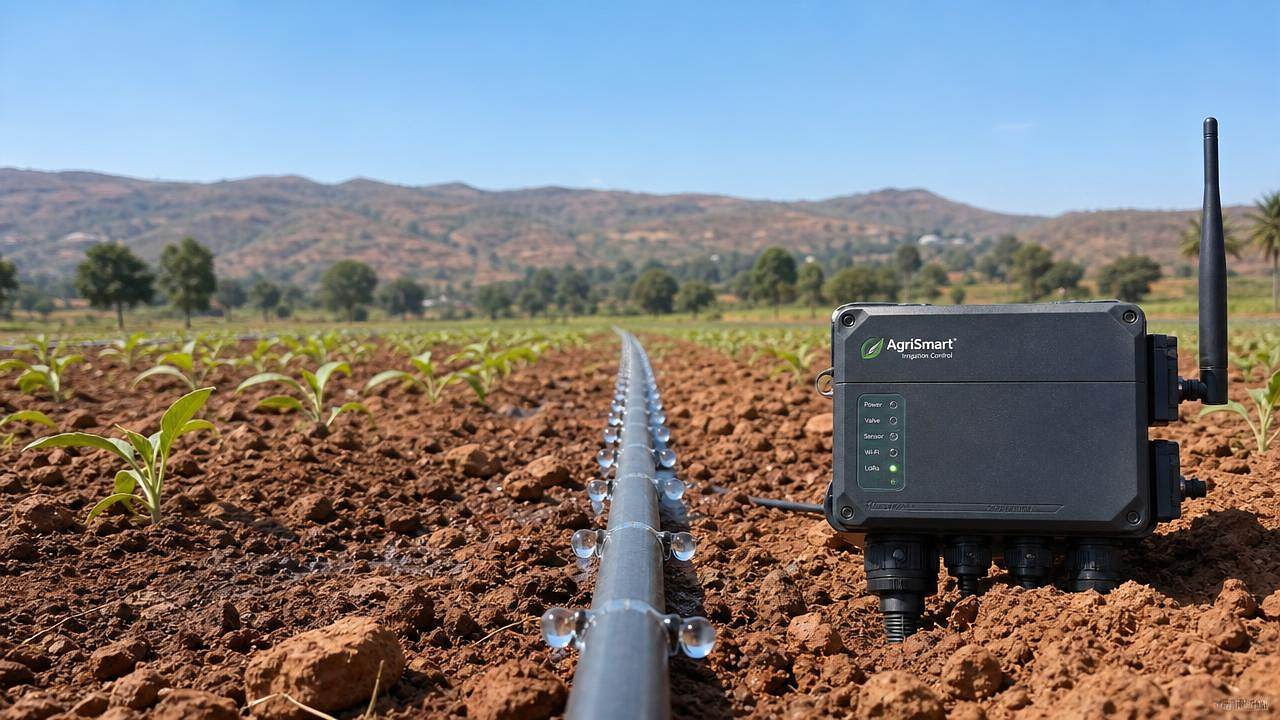




On May 10, 2026, India’s Ministry of Agriculture published the first white list of qualified suppliers under its Kisan Drone & Smart Irrigation Mission, specifically for the Smart Irrigation Sub-Programme. Twelve companies were included — seven of them Chinese manufacturers specializing in Drip Irrigation Logic modules, including pressure-compensating emitters, fertigation logic controllers, and low-power wireless nodes. This development signals new procurement opportunities and subsidy access for irrigation technology exporters and system integrators targeting India’s public–private partnership (PPP) irrigation infrastructure projects.
Event Overview
On May 10, 2026, India’s Ministry of Agriculture officially released the inaugural white list of approved suppliers for the Smart Irrigation Sub-Programme, a component of the broader Kisan Drone & Smart Irrigation Mission. A total of 12 enterprises were named. Of these, seven are based in China and all focus exclusively on core Drip Irrigation Logic components: pressure-compensating emitter arrays, water-fertilizer coupling logic controllers, and low-power wireless sensor nodes. Products from white-listed suppliers are eligible for a 30% central government procurement subsidy and receive priority inclusion in state-level irrigation PPP project tenders.
Industries Affected
Direct Exporters of Irrigation Hardware
Chinese manufacturers exporting drip irrigation components to India may face intensified competition among peers now included in the same white list — especially as all seven share identical technical scope (Drip Irrigation Logic modules). The subsidy eligibility may compress pricing margins across the short term, while also raising buyer expectations around certification compliance and interoperability with Indian agricultural IoT frameworks.
System Integrators & Turnkey Solution Providers
Firms assembling end-to-end smart irrigation systems for Indian markets must now verify whether their upstream component suppliers appear on the white list. Absence from the list could disqualify entire solutions from subsidy-backed tenders or delay project approvals, particularly in states adopting strict adherence to the central white list for PPP pre-qualification.
Local Distributors & After-Sales Service Providers in India
Indian distributors handling imported drip irrigation hardware may see shifts in demand toward white-listed product lines — especially pressure-compensating emitters and certified controllers — due to both subsidy-driven farmer adoption and tender requirements. This may necessitate updated technical training, inventory reallocation, and recalibration of service-level agreements tied to warranty and calibration support for wireless nodes.
Supply Chain & Logistics Service Providers
Freight forwarders and customs brokers supporting irrigation equipment exports to India should anticipate increased documentation scrutiny for shipments containing pressure-compensating emitters or logic controllers. White-listed status does not override existing import regulations; however, alignment with the list may expedite customs clearance for subsidy-eligible consignments if declared accurately against notified product codes.
What Stakeholders Should Monitor and Do Now
Track official updates to the white list and related tender guidelines
The initial list covers only the Smart Irrigation Sub-Programme; future phases may expand to drone-integrated irrigation controls or AI-based scheduling modules. Stakeholders should monitor notifications from India’s Ministry of Agriculture and respective State Agricultural Departments for revisions, category additions, or procedural clarifications — especially regarding verification timelines and post-listing compliance audits.
Verify product alignment with the defined Drip Irrigation Logic scope
Not all drip irrigation products qualify — only those explicitly matching the three specified components: pressure-compensating emitters, water-fertilizer coupling logic controllers, and low-power wireless nodes. Companies should cross-check technical specifications (e.g., pressure compensation range, EC/pH sensing integration, wireless protocol compatibility) against publicly available evaluation criteria — if published — or engage with Indian certification bodies preemptively.
Distinguish between policy signal and operational readiness
Inclusion in the white list enables subsidy eligibility but does not guarantee immediate tender awards or disbursal timelines. Analysis shows state-level implementation capacity varies significantly; early-adopter states (e.g., Maharashtra, Karnataka, Telangana) are more likely to launch PPP calls within Q3 2026, whereas others may require six to twelve months for framework finalization. Firms should avoid overcommitting production or distribution capacity before confirming regional rollout schedules.
Prepare documentation and channel coordination ahead of tender cycles
Suppliers should consolidate test reports (e.g., ISO 9001, relevant IS/IEC standards), BIS registration status (if applicable), and proof of Indian partner engagement (e.g., local representation letters, service center MOUs). For distributors, aligning commercial terms — especially warranty duration, spare parts lead time, and firmware update protocols — with white-listed product commitments is advisable before responding to RFPs.
Editorial Perspective / Industry Observation
Observably, this white list functions primarily as a formalized market access signal rather than an immediate revenue catalyst. Its significance lies less in the number of firms selected and more in the explicit technical framing: India has codified ‘Drip Irrigation Logic’ as a discrete, subsidy-eligible category — distinct from generic drip kits or standalone sensors. From an industry perspective, this suggests a strategic pivot toward modular, interoperable, and controller-centric irrigation hardware. It also implies that future policy instruments — such as drone-sprayer integration standards or farm-level data sharing mandates — may build upon this same logic-layer foundation. Current attention should therefore focus on how states translate this central list into actionable procurement rules, not just on supplier count or headline subsidy rate.
India’s release of the first white list under the Kisan Drone & Smart Irrigation Mission marks a structured step toward standardizing smart irrigation procurement — not a broad market opening. For stakeholders, it is better understood as a regulatory checkpoint requiring technical alignment and procedural diligence, rather than a blanket growth trigger. Continued monitoring of state-level implementation, not just central announcements, remains essential.
Source: Official notification issued by India’s Ministry of Agriculture, dated May 10, 2026. Note: Details on state-level adoption timelines, tender issuance schedules, and post-listing compliance mechanisms remain pending official updates and are subject to ongoing observation.
Related News
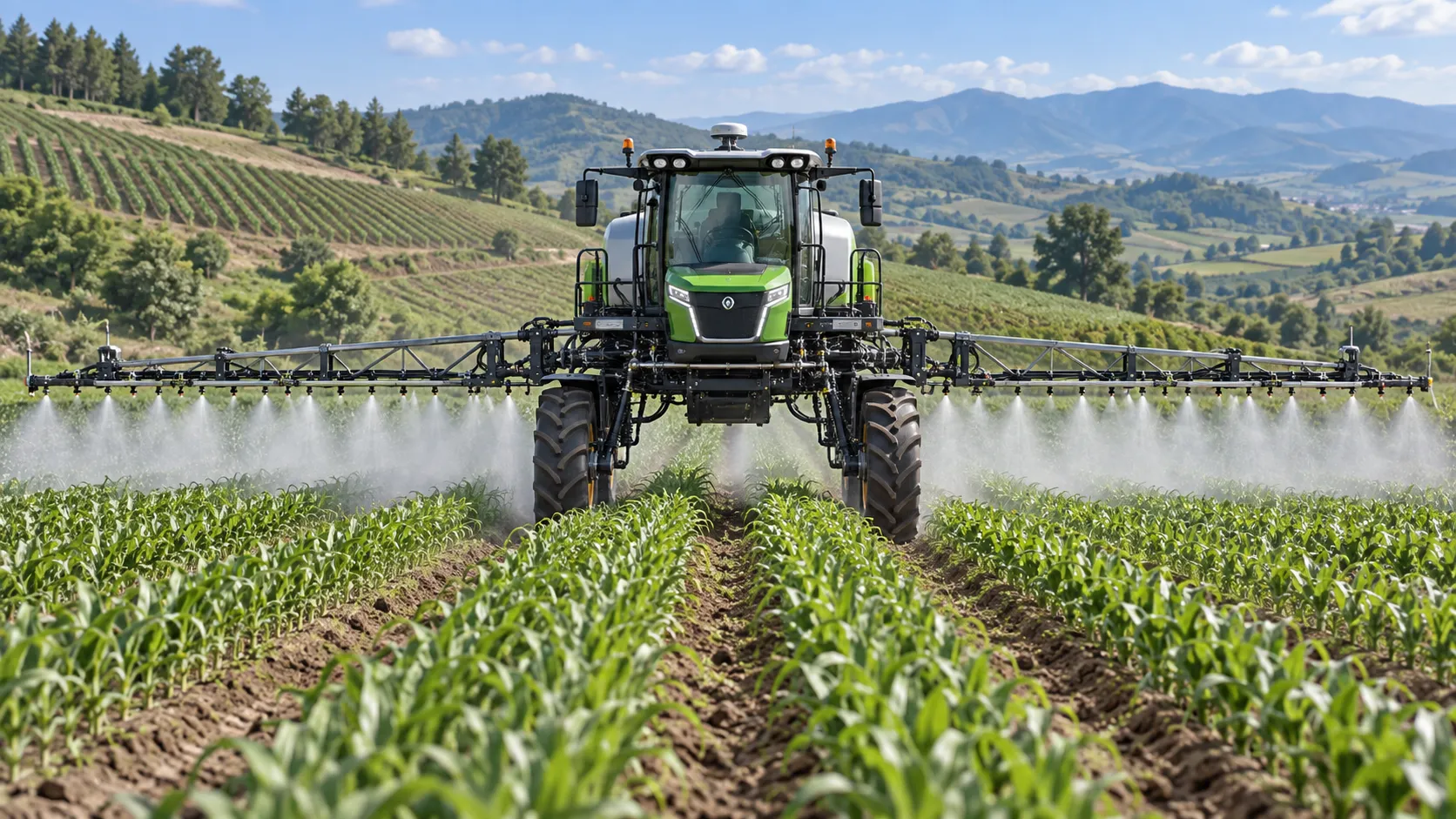
How to Select Precision Crop Protection Equipment for Variable Field Conditions
Precision crop protection equipment selection made simple: compare terrain, canopy, weather, control accuracy, and data workflows for reliable applications.

When Does Agricultural Machinery Leasing Cost Less Than Owning Equipment?
Agricultural machinery leasing can lower farm costs when use is seasonal or uncertain. Compare utilization, maintenance, cash flow, and risk to make a smarter equipment decision.
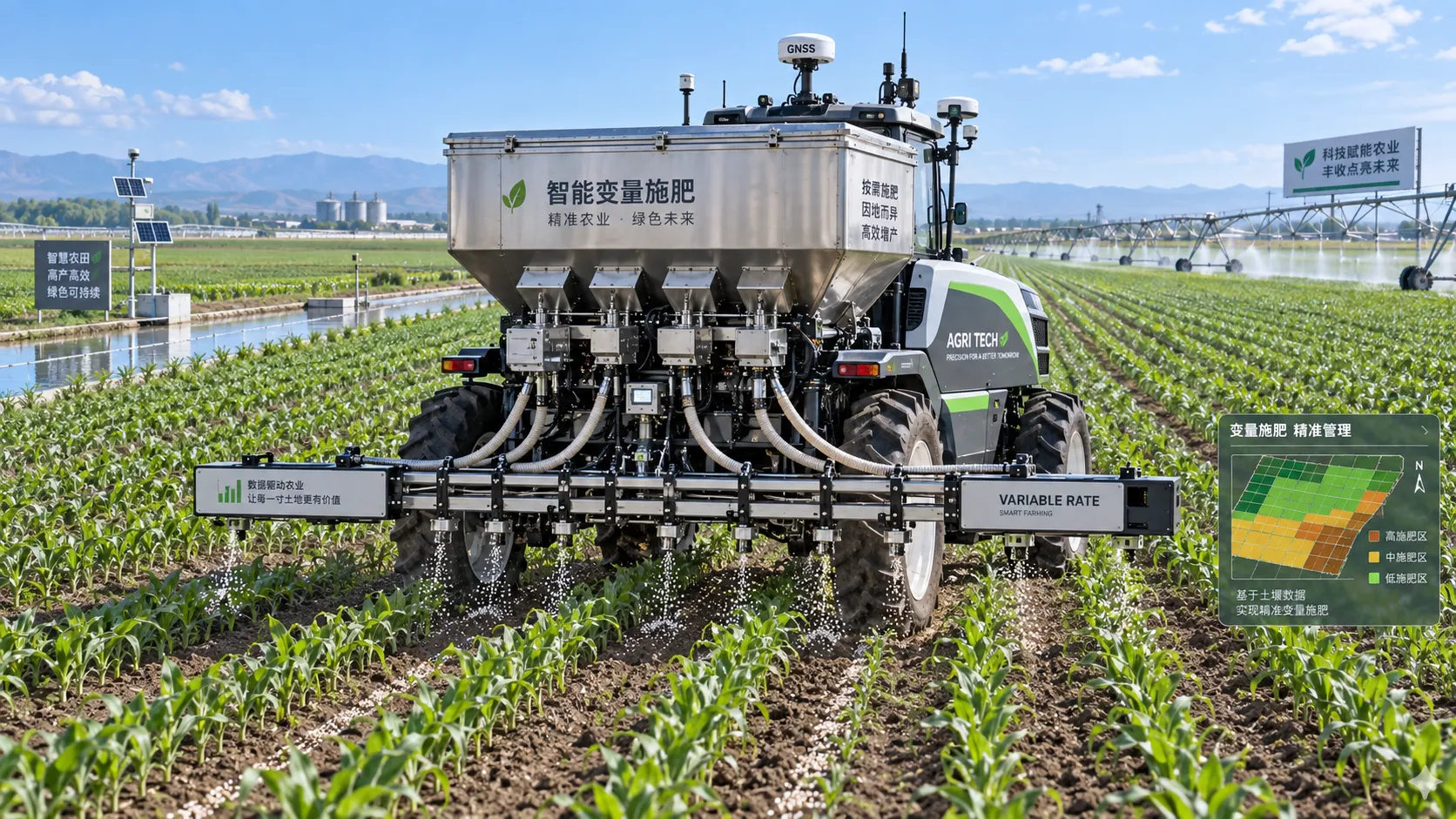
How to Evaluate Precision Fertilization System Suppliers for Farm-Scale Deployment
Precision fertilization systems suppliers: learn how to compare accuracy, integration, uptime, service, and total cost for confident farm-scale deployment.
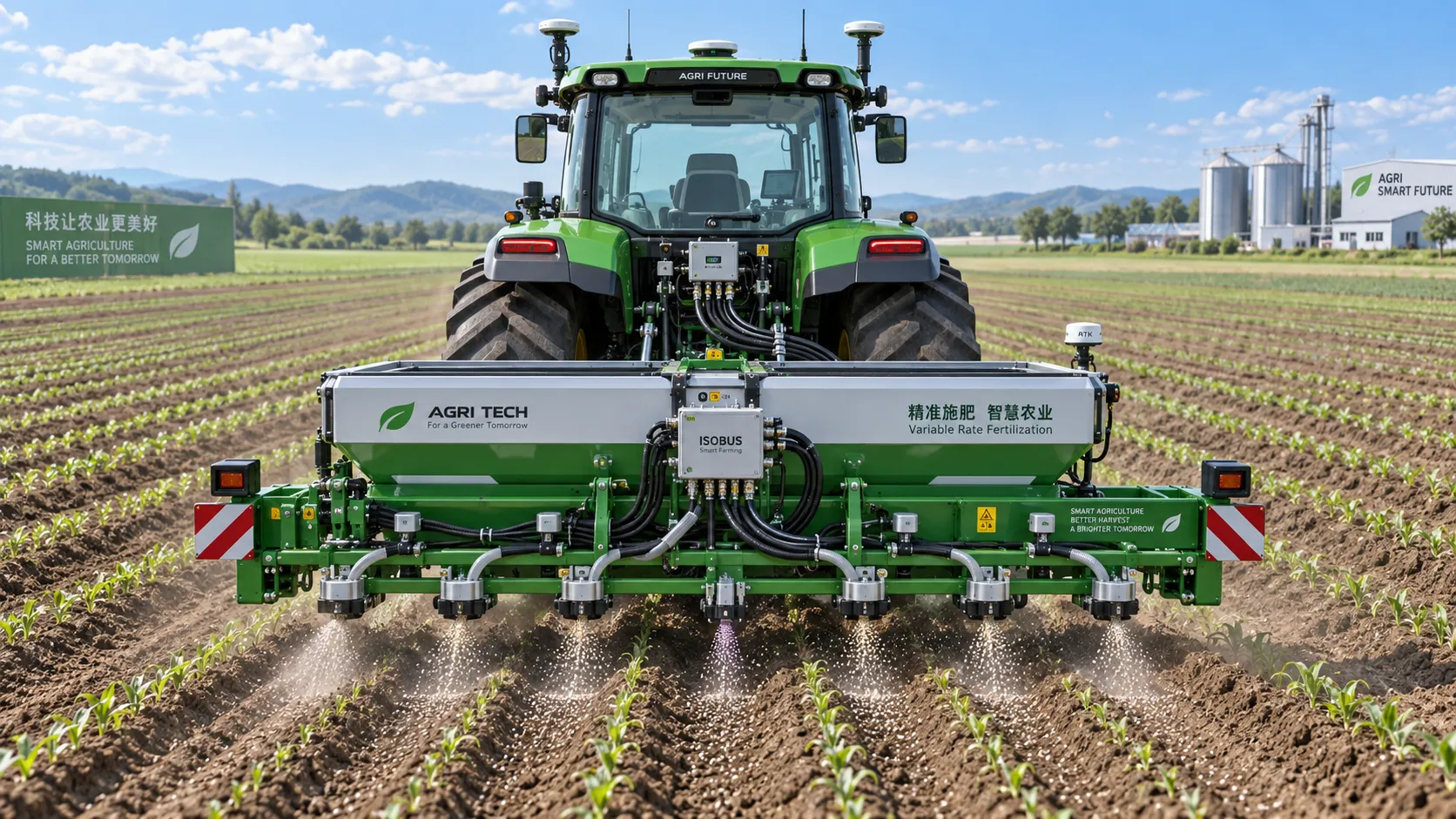
ISOBUS for Smart Agriculture: How It Connects Tractors, Implements, and Farm Data
ISOBUS for smart agriculture connects tractors, implements, terminals, and farm data—helping growers improve precision, documentation, and smarter field decisions.
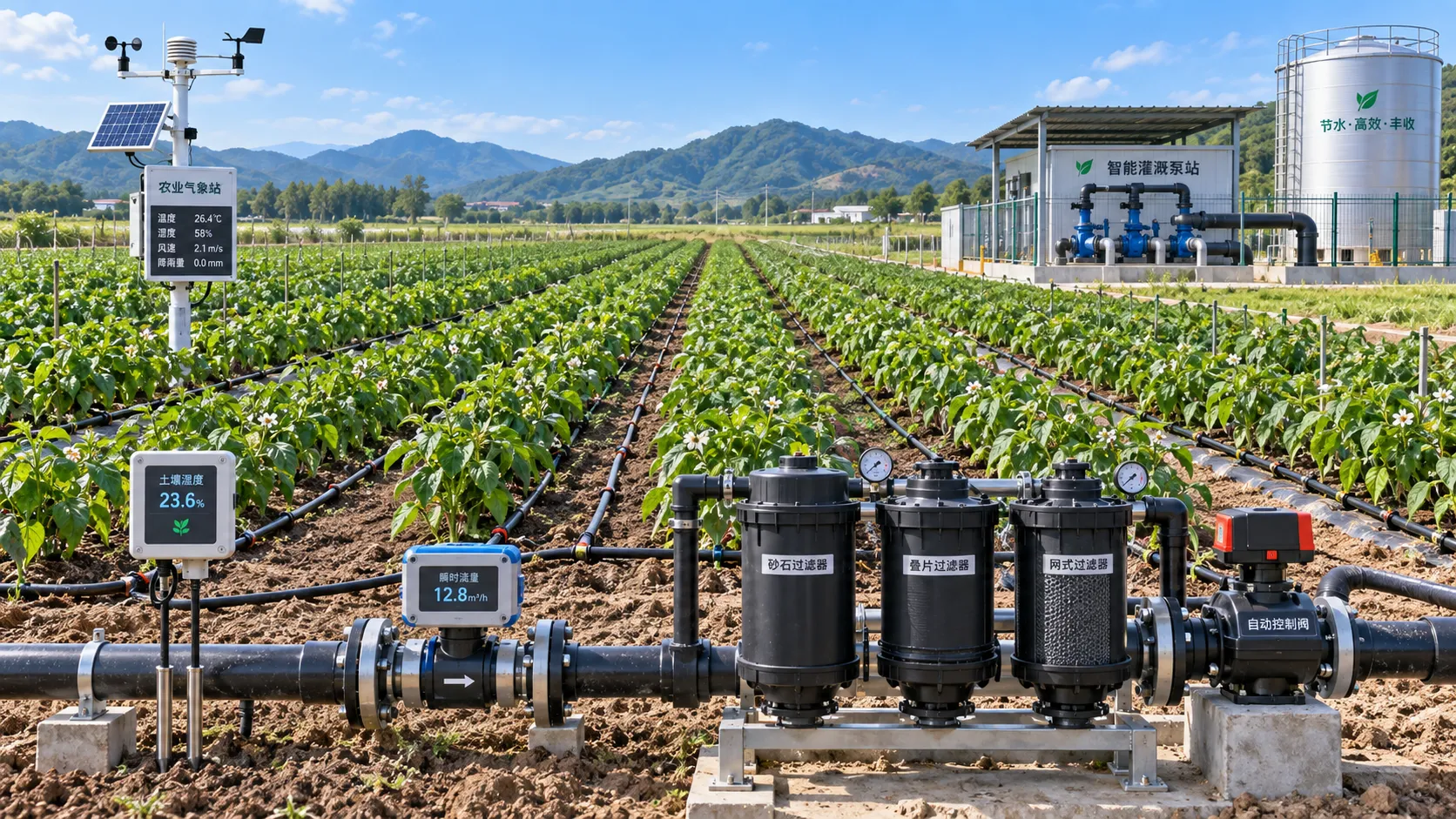
Automated Water-Saving Irrigation: How to Cut Water Use Without Reducing Crop Yields
Automated water-saving irrigation helps farms cut water use, protect crop yields, improve scheduling, and gain reliable control with sensors, flow monitoring, and smart zones.

Selecting Grain Farm Equipment by Acreage, Crop Mix, and Harvest Window
Agricultural equipment selection for grain farming: match machinery to acreage, crop mix, and harvest windows to improve uptime, efficiency, and returns.
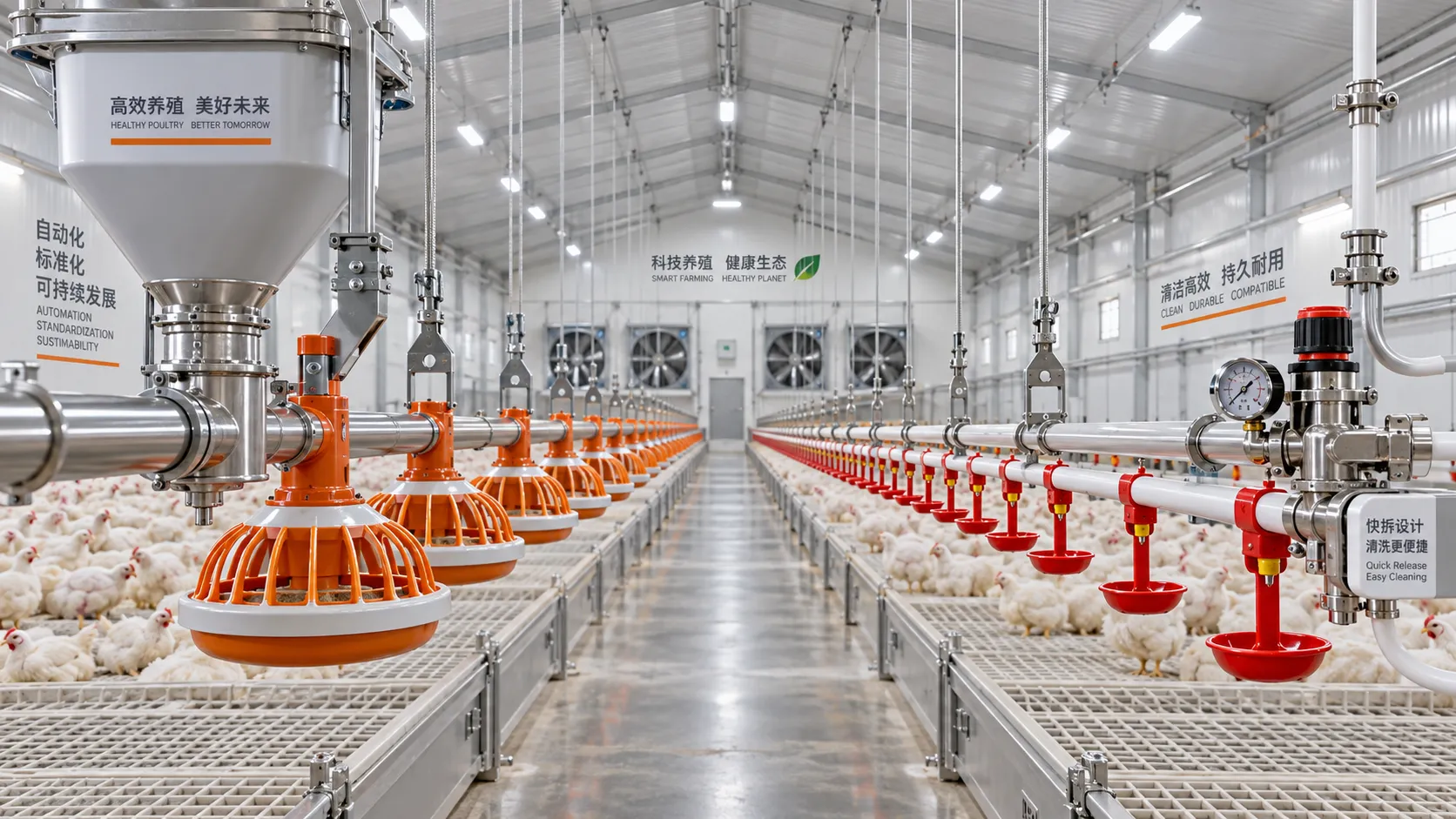
Poultry Equipment Selection: Evaluating Durability, Cleaning, and Compatibility
Poultry equipments selection guide: evaluate durability, cleaning access, and system compatibility to improve hygiene, reduce downtime, and support efficient flock management.

How to Select Heavy-Duty Farm Implements for High-Acreage, High-Horsepower Operations
Heavy duty farm implements: learn how to match draft, hydraulics, hitch capacity, frame strength, and field conditions for reliable high-acreage performance.
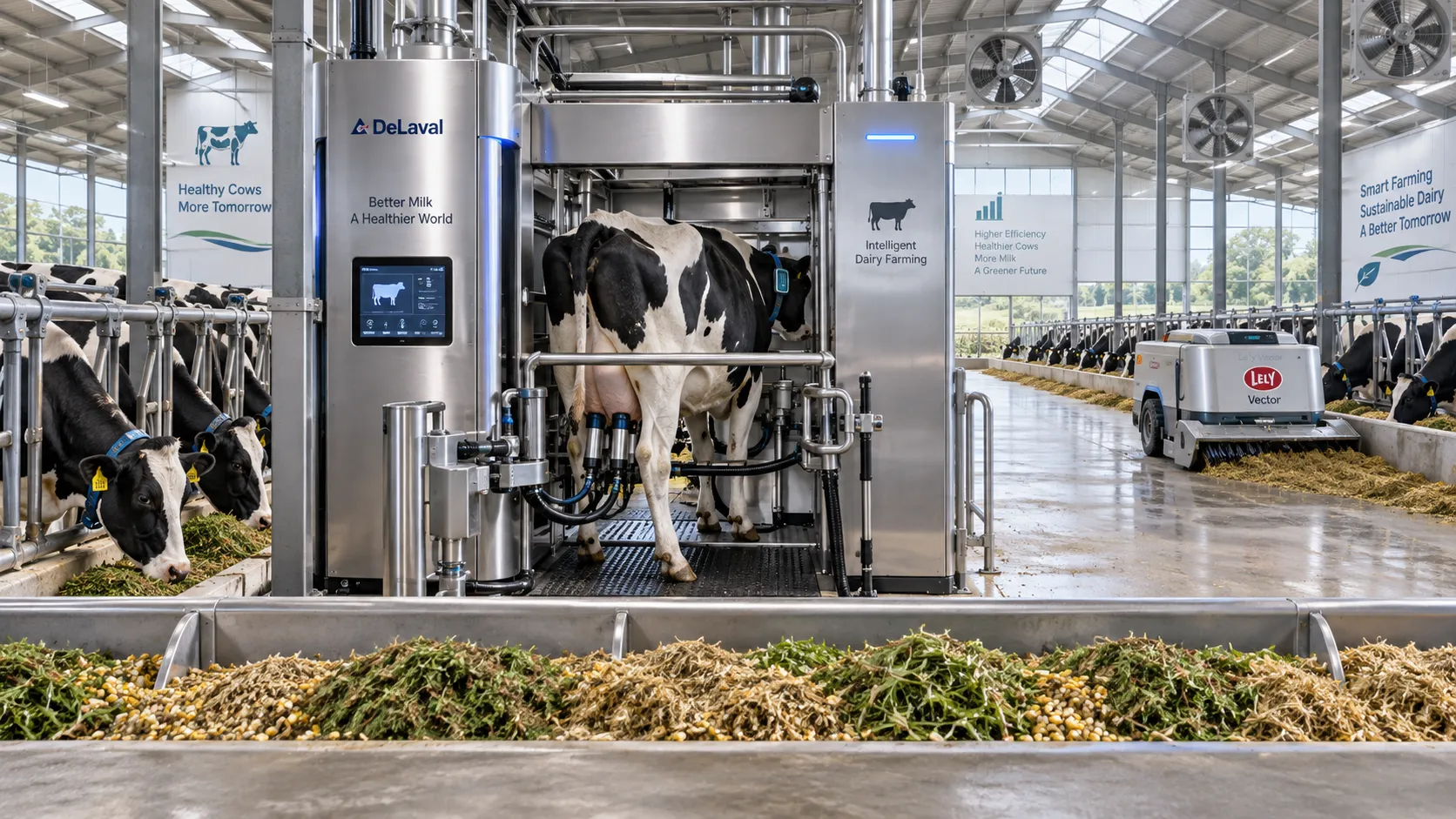
Smart Farming Technology for Dairy Farms: Where Automation Delivers Measurable ROI
Smart farming technology for dairy farms delivers measurable ROI through automation, precision feeding, health monitoring, and data-driven cost control.
Related News
- 00
0000-00
Automated Water-Saving Irrigation: How to Cut Water Use Without Reducing Crop Yields - 00
0000-00
How to Evaluate Drip Irrigation System Manufacturers for Large Farm Projects - 00
0000-00
Wireless Agricultural Automation for Remote Irrigation and Field Monitoring - 00
0000-00
Designing Water-Saving Drip Irrigation Systems for High-Value Orchards - 00
0000-00
How to Choose Irrigation Solutions for Arid Regions Based on Water Source and Crop Needs
Popular Tags
Hydrological Resource Strategist
Weekly Insights
Stay ahead with our curated technology reports delivered every Monday.