
Vietnam’s New EMC + Climate Testing for Smart Irrigation Controllers Takes Effect July 2026
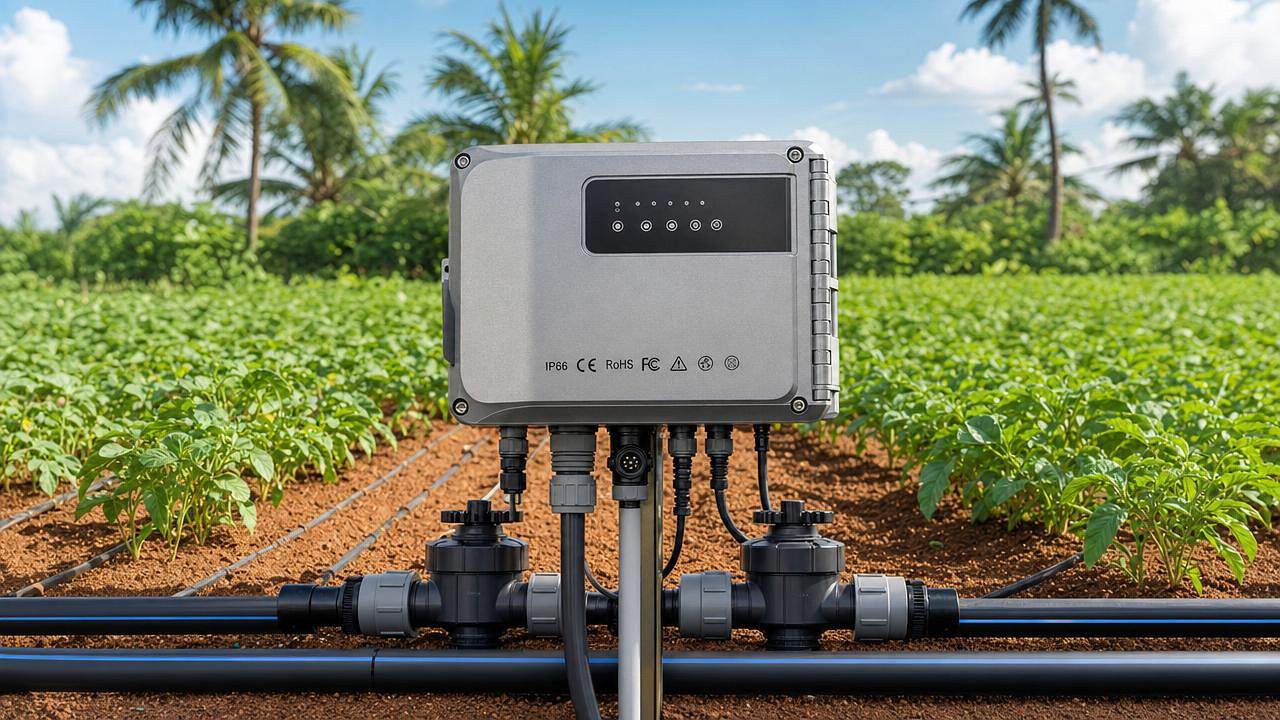




Vietnam’s Ministry of Industry and STAMEQ (Standardization, Metrology, and Quality Authority) announced new mandatory conformity requirements for smart irrigation controllers—effective 1 July 2026. This update directly affects exporters, manufacturers, and distributors of drip irrigation logic units and integrated soil moisture sensor controllers targeting the Vietnamese market.
Event Overview
On 10 May 2026, Vietnam’s Ministry of Industry and STAMEQ issued an official notice stating that, from 1 July 2026, all imported smart irrigation controllers—including devices incorporating drip irrigation logic and soil moisture sensors—must pass two locally conducted tests: electromagnetic compatibility (EMC) immunity testing and climate adaptation testing under high-temperature, high-humidity conditions (45°C / 95% RH). Products without test reports issued by VINAQ-accredited laboratories will be denied customs clearance and excluded from distribution channels in Vietnam.
Industries Affected
Direct Exporters (China-based)
Chinese manufacturers and trading companies exporting smart irrigation controllers to Vietnam will face immediate compliance barriers. Non-compliant units will not clear customs, halting shipments and disrupting sales cycles. The requirement applies regardless of unit origin or brand, making pre-shipment certification a prerequisite—not an optional step.
Contract Manufacturers & OEMs
OEM producers supplying assembled or white-label controllers to export brands must verify whether their current production designs meet Vietnam’s EMC and climate specifications. Retrofitting firmware, shielding, or enclosure materials may be necessary—especially for units previously certified only to CE or FCC standards.
Distribution & Channel Partners in Vietnam
Local importers, distributors, and e-commerce fulfillment partners will need to validate documentation before accepting inventory. Stocking uncertified units risks rejection at customs or post-import audits, potentially triggering penalties or forced recalls. Inventory planning now requires verification of VINAQ lab report validity prior to shipment.
Testing & Certification Service Providers
Third-party labs outside Vietnam—including those accredited to IEC/EN standards—cannot issue valid reports for this requirement. Only VINAQ-designated laboratories in Vietnam are authorized. This creates a bottleneck for lead time and capacity, especially for firms without existing partnerships with local test facilities.
What Enterprises Should Monitor and Do Now
Track official VINAQ laboratory accreditation updates
As of the 10 May 2026 notice, the list of authorized VINAQ labs has not been published publicly. Enterprises should monitor STAMEQ’s official portal for updated lab designations—and confirm accreditation scope covers both EMC immunity (e.g., IEC 61000-4 series) and climate testing (e.g., IEC 60068-2-30 or equivalent).
Identify affected product SKUs and prioritize testing timelines
Not all irrigation controllers fall under the scope—only those integrating drip logic or soil moisture sensing functions. Companies should audit their export SKUs against the notice’s technical definition and allocate testing slots early, given anticipated demand surge ahead of the 1 July 2026 deadline.
Distinguish regulatory signal from operational readiness
The notice is binding and enforceable as of 1 July 2026; it is not a draft or consultation. However, practical enforcement—including customs inspection protocols and document review criteria—may evolve during the first quarter post-implementation. Enterprises should treat the rule as effective while preparing for potential procedural clarifications.
Adjust procurement and logistics scheduling
EMC and climate testing each require multiple days per unit, plus reporting and administrative review. Factoring in lab queue times, enterprises should extend lead times by at least 4–6 weeks for new certifications—and re-evaluate shipping windows to avoid delays in Q2 2026 deliveries.
Editorial Perspective / Industry Observation
Observably, this requirement reflects Vietnam’s broader shift toward localized conformity assessment—not just harmonized international standards. It signals increasing emphasis on real-world environmental resilience, particularly for agricultural technology deployed in tropical climates. Analysis shows this is less about technical novelty and more about sovereignty over market access: Vietnam is asserting control over validation infrastructure and data jurisdiction. From an industry perspective, it is best understood not as an isolated compliance hurdle, but as part of a pattern where ASEAN markets increasingly layer national testing onto regional frameworks like ASEAN MRA. Continued attention is warranted—not only for Vietnam, but as a possible precedent for similar requirements in Indonesia or Thailand.
This regulation marks a structural change in market entry for smart irrigation hardware—not merely a documentation update. Its significance lies in the binding nature of local testing, the narrow scope of accepted certifiers, and the absence of transitional allowances. For stakeholders, it is currently most accurate to interpret this as a hard deadline with operational consequences—not a warning or proposal.
Information Source: Official notice issued by Vietnam’s Ministry of Industry and STAMEQ on 10 May 2026. The list of designated VINAQ laboratories remains pending publication and is subject to ongoing monitoring.
Related News
How to Select Precision Crop Protection Equipment for Variable Field Conditions
Precision crop protection equipment selection made simple: compare terrain, canopy, weather, control accuracy, and data workflows for reliable applications.
When Does Agricultural Machinery Leasing Cost Less Than Owning Equipment?
Agricultural machinery leasing can lower farm costs when use is seasonal or uncertain. Compare utilization, maintenance, cash flow, and risk to make a smarter equipment decision.
How to Evaluate Precision Fertilization System Suppliers for Farm-Scale Deployment
Precision fertilization systems suppliers: learn how to compare accuracy, integration, uptime, service, and total cost for confident farm-scale deployment.
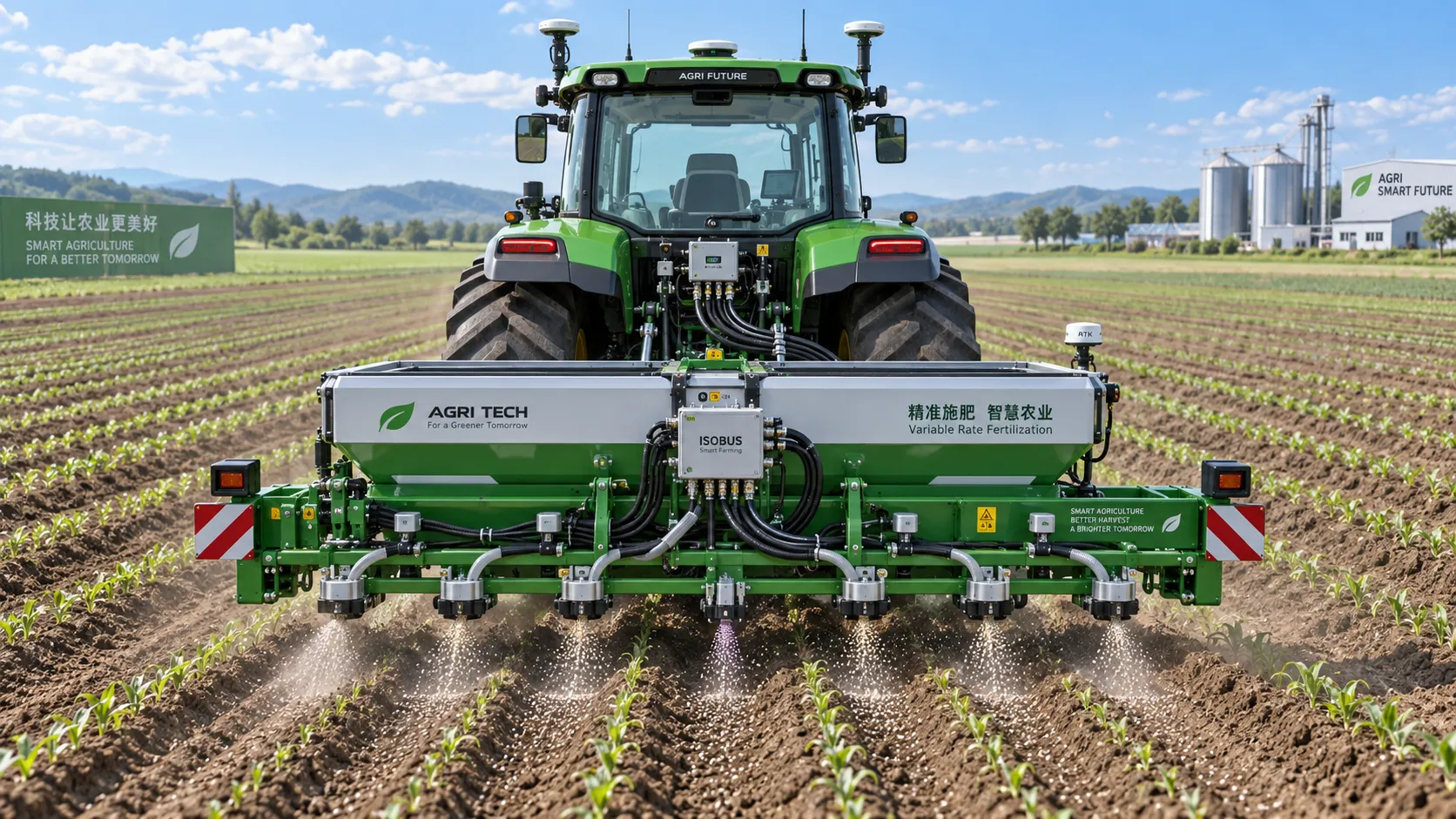
ISOBUS for Smart Agriculture: How It Connects Tractors, Implements, and Farm Data
ISOBUS for smart agriculture connects tractors, implements, terminals, and farm data—helping growers improve precision, documentation, and smarter field decisions.
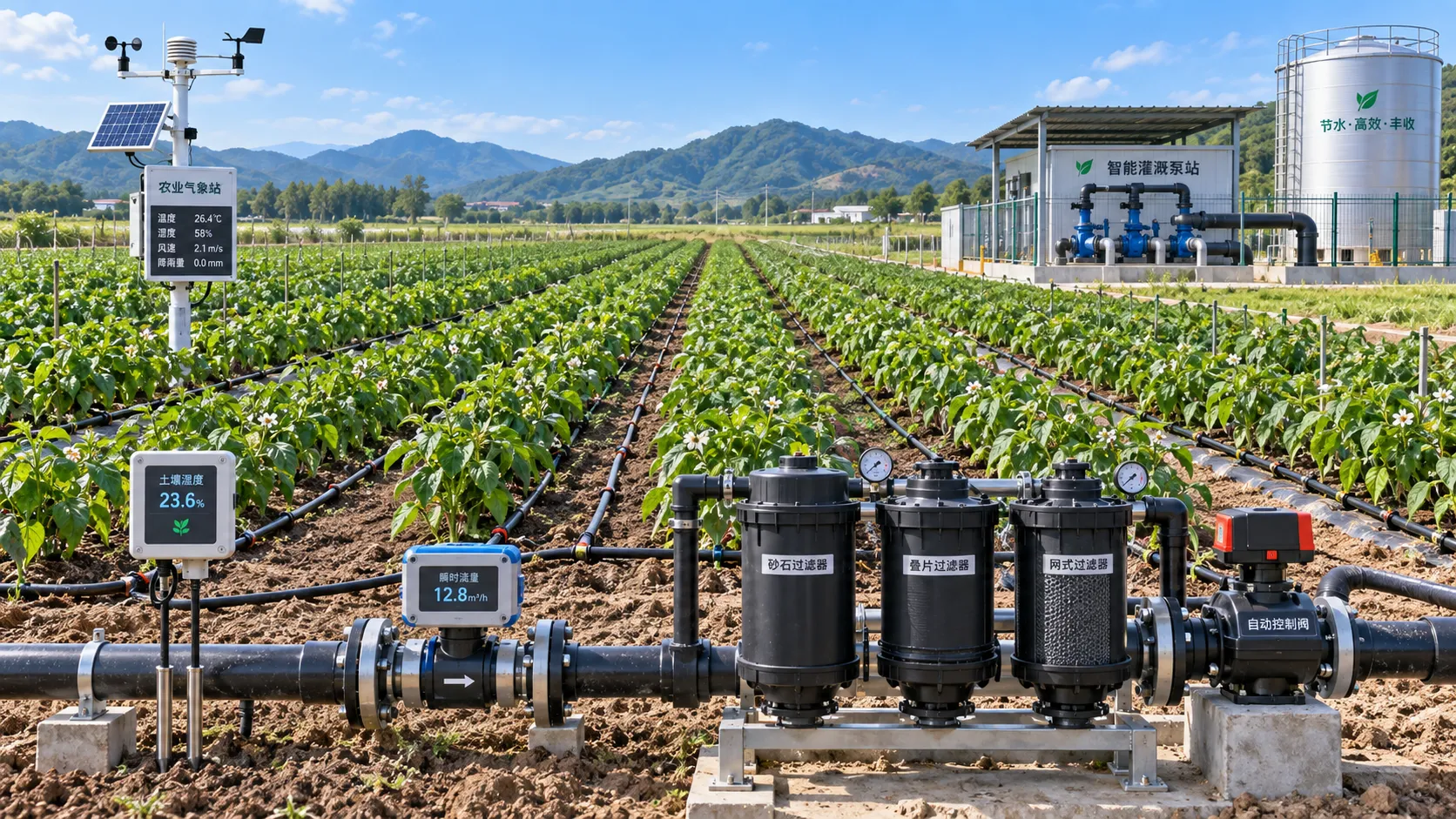
Automated Water-Saving Irrigation: How to Cut Water Use Without Reducing Crop Yields
Automated water-saving irrigation helps farms cut water use, protect crop yields, improve scheduling, and gain reliable control with sensors, flow monitoring, and smart zones.
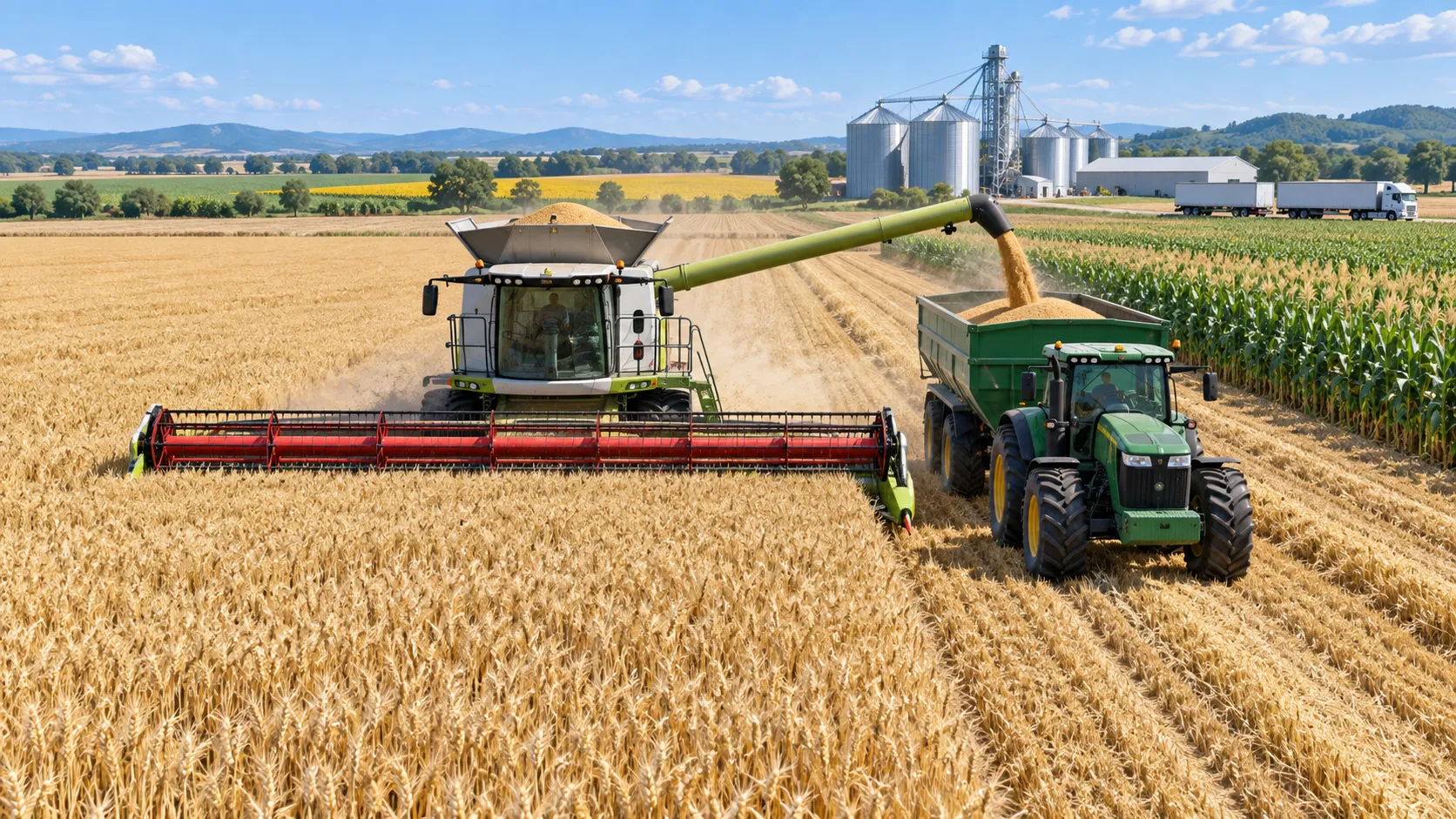
Selecting Grain Farm Equipment by Acreage, Crop Mix, and Harvest Window
Agricultural equipment selection for grain farming: match machinery to acreage, crop mix, and harvest windows to improve uptime, efficiency, and returns.
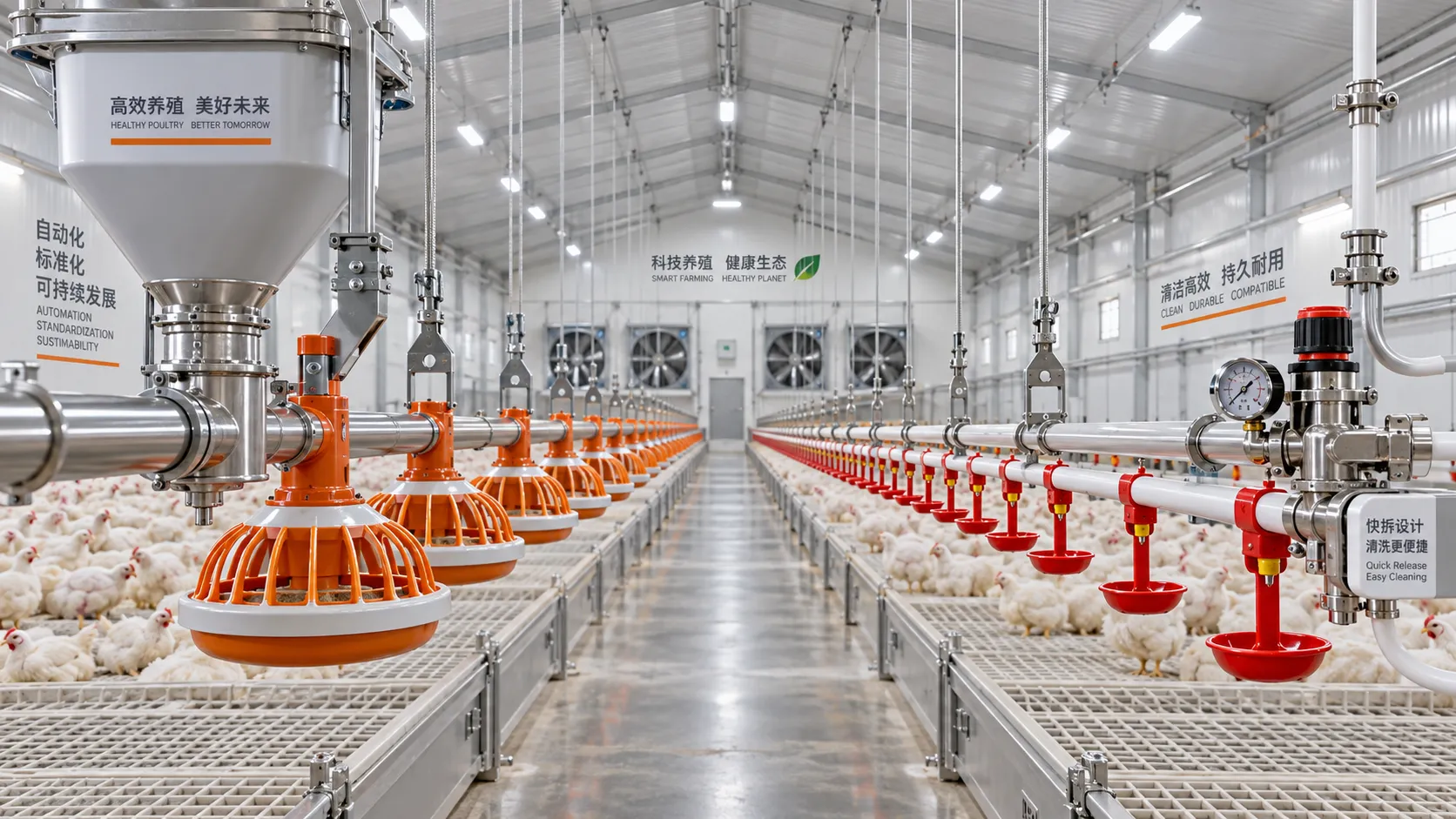
Poultry Equipment Selection: Evaluating Durability, Cleaning, and Compatibility
Poultry equipments selection guide: evaluate durability, cleaning access, and system compatibility to improve hygiene, reduce downtime, and support efficient flock management.
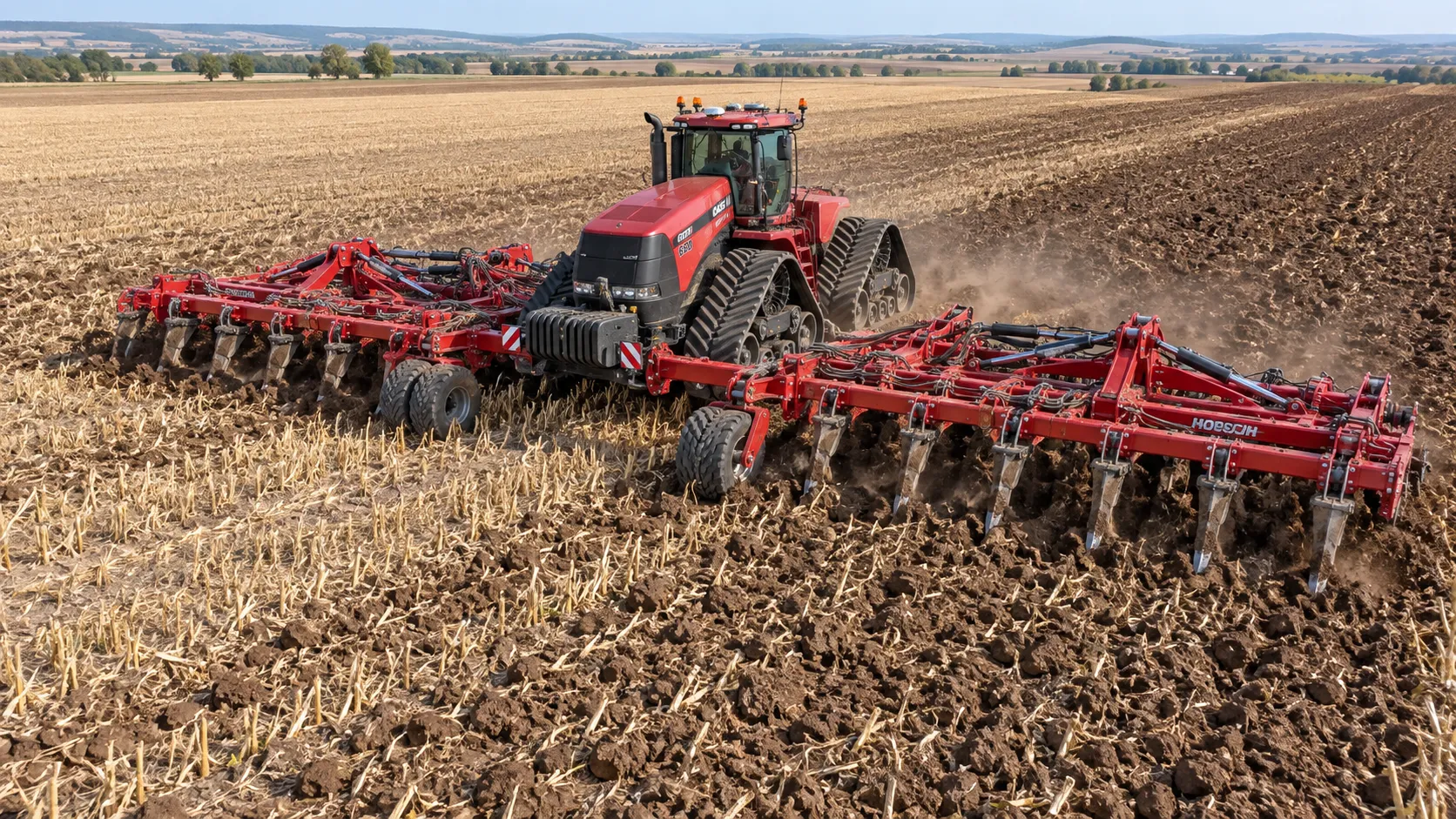
How to Select Heavy-Duty Farm Implements for High-Acreage, High-Horsepower Operations
Heavy duty farm implements: learn how to match draft, hydraulics, hitch capacity, frame strength, and field conditions for reliable high-acreage performance.
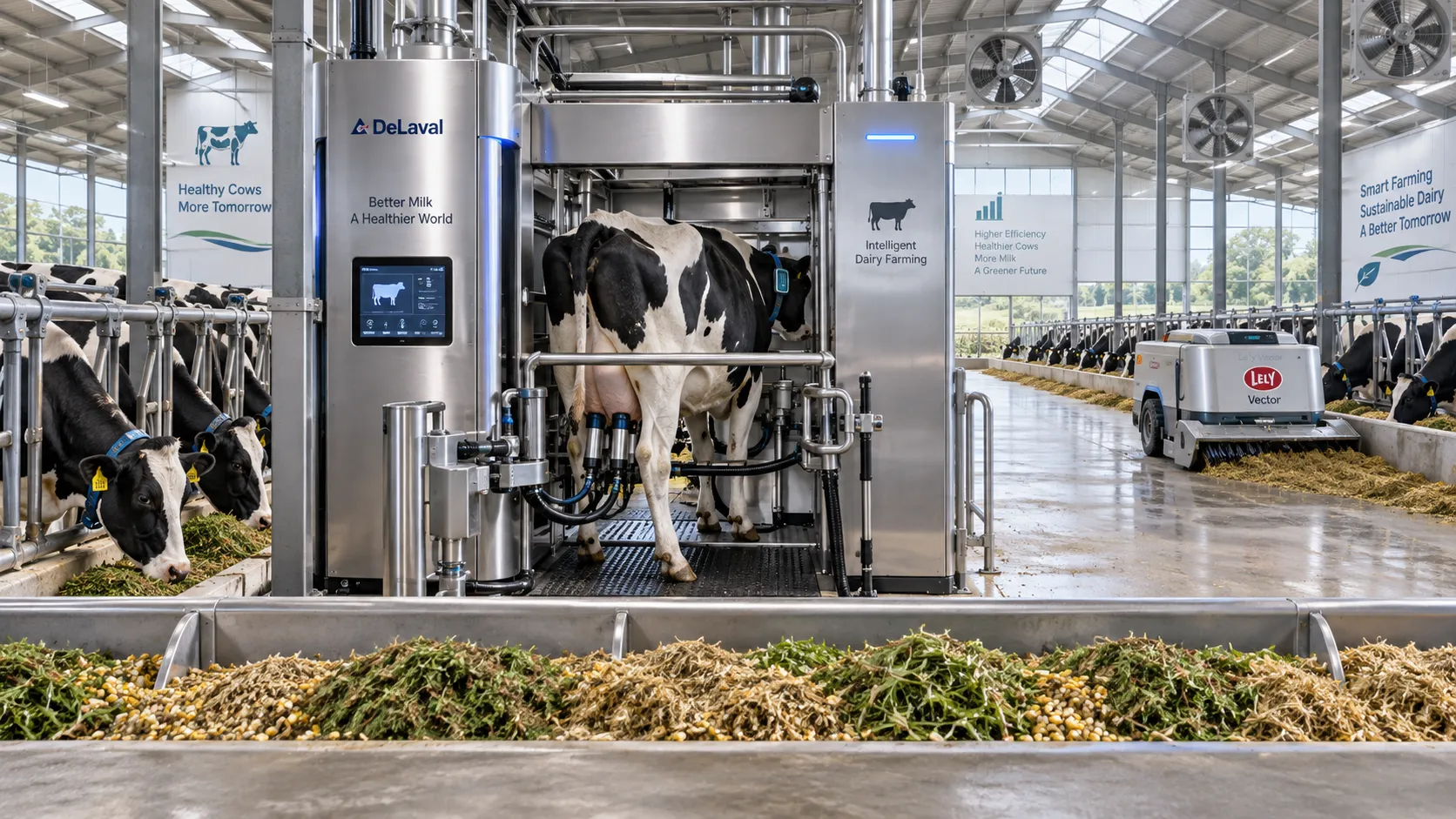
Smart Farming Technology for Dairy Farms: Where Automation Delivers Measurable ROI
Smart farming technology for dairy farms delivers measurable ROI through automation, precision feeding, health monitoring, and data-driven cost control.
Related News
- 00
0000-00
Automated Water-Saving Irrigation: How to Cut Water Use Without Reducing Crop Yields - 00
0000-00
How to Evaluate Drip Irrigation System Manufacturers for Large Farm Projects - 00
0000-00
Wireless Agricultural Automation for Remote Irrigation and Field Monitoring - 00
0000-00
Designing Water-Saving Drip Irrigation Systems for High-Value Orchards - 00
0000-00
How to Choose Irrigation Solutions for Arid Regions Based on Water Source and Crop Needs
Popular Tags
Hydrological Resource Strategist
Weekly Insights
Stay ahead with our curated technology reports delivered every Monday.