
Indonesia BPOM Fast-Tracks Chinese Smart Irrigation Water Quality Monitor
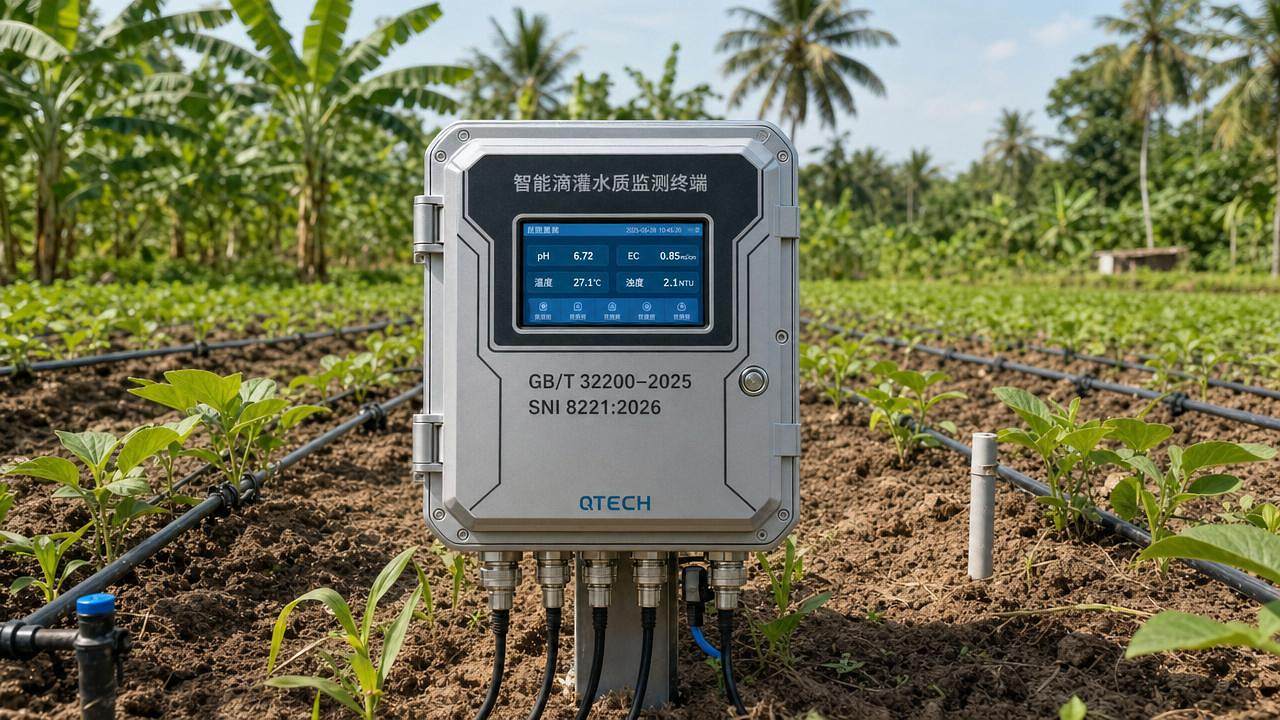




On May 4, 2026, Indonesia’s National Agency of Drug and Food Control (BPOM) issued Rapid Approval Letter No. HK.02.02.26.0512, recognizing China’s GB/T 32200–2025 Technical Specification for Smart Irrigation Water Quality Sensing Terminals as equivalent to Indonesia’s SNI 8221:2026. This enables a Shenzhen-based company’s Drip Irrigation Logic water quality monitoring device to enter the Indonesian market without mandatory testing. The decision marks the first implemented case under the China–Indonesia Belt and Road green equipment certification mutual recognition mechanism—and signals accelerated market access for precision agriculture hardware in Southeast Asia. Companies involved in smart irrigation systems, agri-tech exports, and cross-border conformity assessment should monitor this development closely.
Event Overview
On May 4, 2026, Indonesia’s BPOM issued Rapid Approval Letter No. HK.02.02.26.0512, confirming equivalence between China’s GB/T 32200–2025 and Indonesia’s SNI 8221:2026 for smart irrigation water quality sensing terminals. As a result, a specific water quality monitoring instrument—designed for use with the Drip Irrigation Logic system and manufactured by a Shenzhen enterprise—was granted exemption from mandatory product testing and approved for immediate market entry in Indonesia. This is publicly confirmed as the inaugural implementation of the China–Indonesia Belt and Road green equipment certification mutual recognition mechanism. The approval reduces average regulatory review time for comparable products from 180 days to 22 days.
Industries Affected
Export-Oriented Agri-Tech Hardware Manufacturers
These companies face direct implications due to shortened regulatory timelines and clarified technical alignment pathways. The precedent validates that formal standards equivalence—rather than ad hoc approvals—can support faster market entry. Impact manifests in reduced pre-market validation costs, lower uncertainty in launch planning, and potential repositioning of Indonesia as a priority test market for ASEAN expansion.
Standards Development & Certification Service Providers
Organizations offering conformity assessment, technical documentation review, or standard translation services may see increased demand for comparative analysis between GB/T and SNI standards—particularly for environmental monitoring and irrigation-related IoT devices. The case demonstrates how bilateral mutual recognition mechanisms create new service opportunities tied to regulatory navigation—not just testing execution.
Supply Chain Integrators for Precision Agriculture Systems
Firms assembling or bundling irrigation controllers, sensors, and cloud platforms must now consider whether component-level certification status (e.g., standalone water quality monitors) affects end-system compliance in target markets. The BPOM letter applies to a specific device integrated into a named system (Drip Irrigation Logic), suggesting downstream integration may influence eligibility for mutual recognition benefits.
What Relevant Enterprises or Practitioners Should Focus On
Monitor official updates on scope expansion
Current approval applies only to one model under one system configuration and references two specific standards. Analysis shows BPOM has not yet published a general annex or updated guidance listing additional GB/T standards accepted under the mutual recognition framework. Stakeholders should track BPOM circulars and joint working group reports for any broadening of covered categories beyond water quality sensing terminals.
Verify applicability before assuming automatic eligibility
Observably, equivalence was determined on a case-specific basis—including alignment of performance requirements, test methods, and labeling provisions—not solely on title or scope overlap. Companies should not assume other GB/T standards (e.g., GB/T 34068–2017 for soil moisture sensors) qualify unless explicitly referenced in future BPOM correspondence or bilateral annexes.
Prepare technical documentation aligned with both standards
From industry perspective, successful fast-tracking relied on demonstrable technical comparability across GB/T 32200–2025 and SNI 8221:2026. Exporters should ensure their product specifications, test reports, and user manuals reflect requirements from both documents—even when only one set is formally submitted—to reduce post-submission clarification requests.
Engage early with local regulatory representatives
Although the approval bypassed full testing, BPOM required coordination with the applicant’s local authorized representative. Current more suitable understanding is that mutual recognition does not eliminate the need for in-country regulatory liaison—it shifts emphasis from technical re-evaluation to procedural verification and traceability confirmation.
Editorial Perspective / Industry Observation
This case is best understood as an operational signal—not yet a systemic shift. Analysis shows it confirms feasibility of bilateral technical regulation alignment for green infrastructure equipment, but does not indicate automatic extension to other ASEAN members or broader product families. Observably, its significance lies less in immediate scale and more in establishing a replicable process: documented standards comparison, joint technical review, and targeted administrative endorsement. From industry angle, sustained attention is warranted because follow-up actions—including publication of a formal mutual recognition annex or inclusion of additional standards—will determine whether this remains an isolated pilot or evolves into a predictable pathway.
Conclusion: This approval represents the first verified application of the China–Indonesia Belt and Road green equipment certification mutual recognition mechanism—not a comprehensive policy rollout. It reflects progress in regulatory interoperability for a narrowly defined category of smart irrigation hardware, with measurable impact on time-to-market. Currently, it is more appropriately interpreted as a procedural milestone indicating growing alignment capacity between the two national standardization and regulatory authorities—rather than evidence of widespread certification simplification across agri-tech exports.
Source Disclosure:
Primary source: Indonesia BPOM Rapid Approval Letter No. HK.02.02.26.0512, issued May 4, 2026.
Note: Ongoing observation is required regarding whether BPOM or China’s State Administration for Market Regulation publishes supplementary guidance, expanded annexes, or further approvals under this mechanism.
Related News

When Does Agricultural Machinery Leasing Cost Less Than Owning Equipment?
Agricultural machinery leasing can lower farm costs when use is seasonal or uncertain. Compare utilization, maintenance, cash flow, and risk to make a smarter equipment decision.
How to Evaluate Precision Fertilization System Suppliers for Farm-Scale Deployment
Precision fertilization systems suppliers: learn how to compare accuracy, integration, uptime, service, and total cost for confident farm-scale deployment.
ISOBUS for Smart Agriculture: How It Connects Tractors, Implements, and Farm Data
ISOBUS for smart agriculture connects tractors, implements, terminals, and farm data—helping growers improve precision, documentation, and smarter field decisions.
Automated Water-Saving Irrigation: How to Cut Water Use Without Reducing Crop Yields
Automated water-saving irrigation helps farms cut water use, protect crop yields, improve scheduling, and gain reliable control with sensors, flow monitoring, and smart zones.
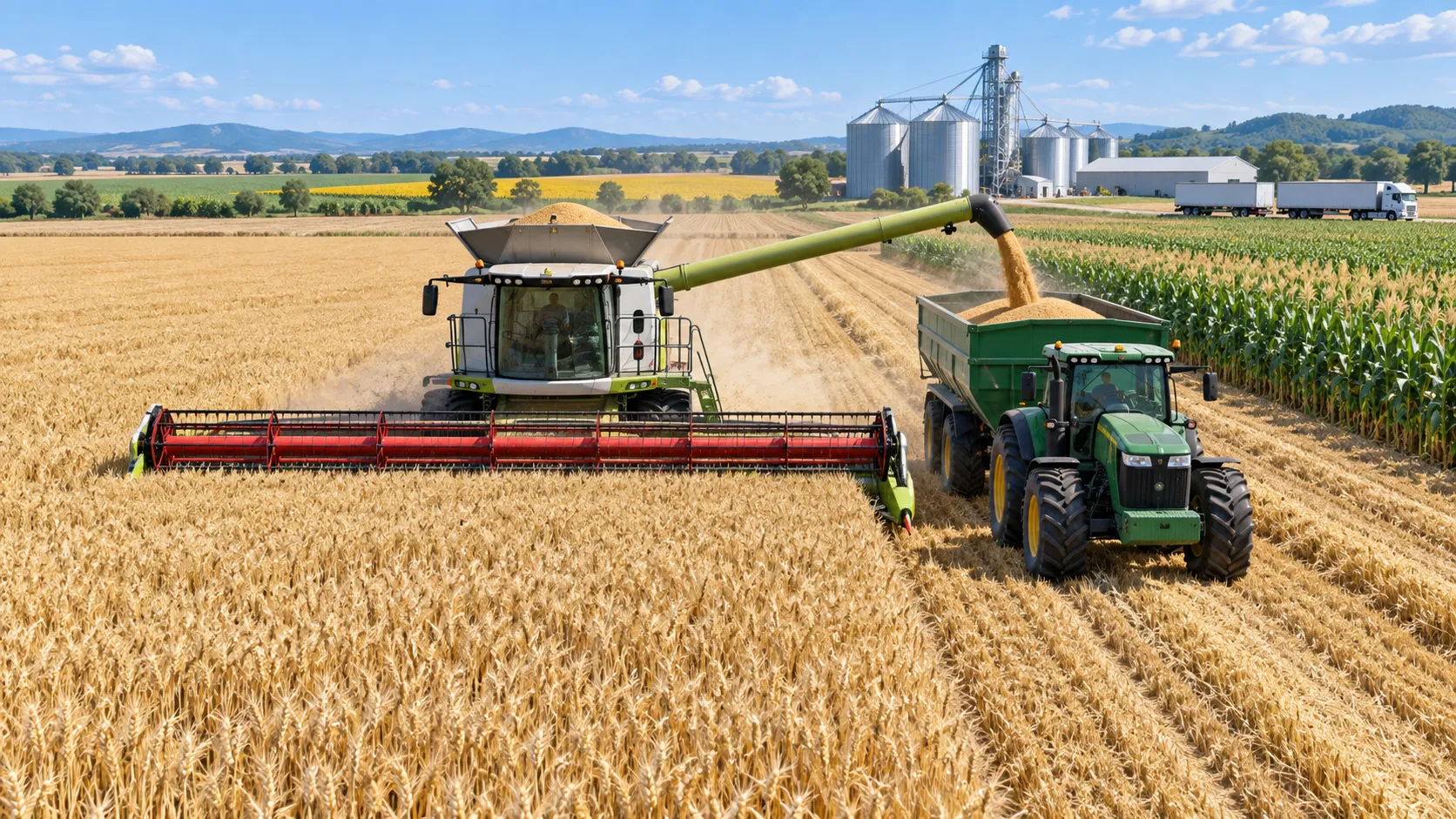
Selecting Grain Farm Equipment by Acreage, Crop Mix, and Harvest Window
Agricultural equipment selection for grain farming: match machinery to acreage, crop mix, and harvest windows to improve uptime, efficiency, and returns.
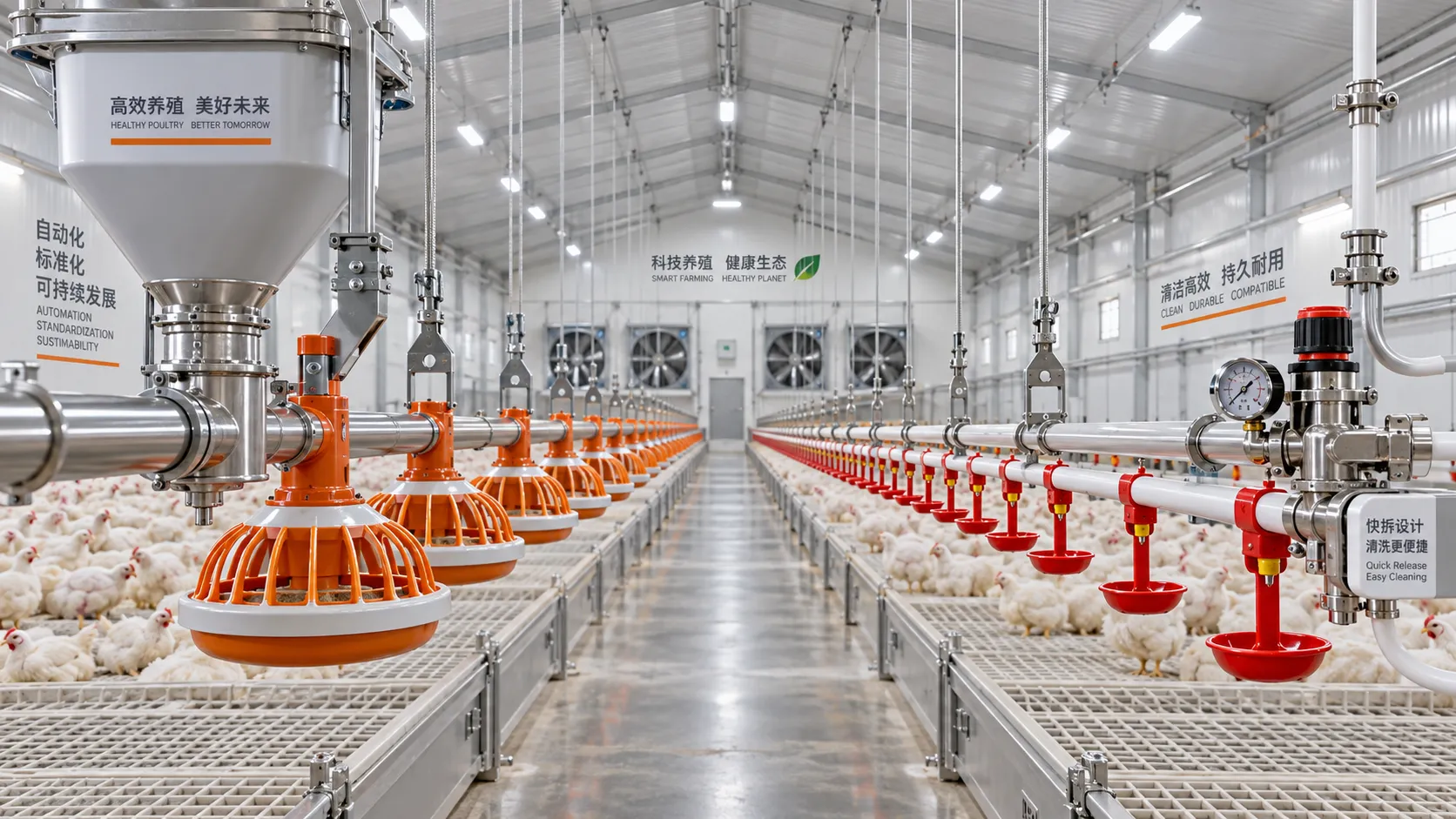
Poultry Equipment Selection: Evaluating Durability, Cleaning, and Compatibility
Poultry equipments selection guide: evaluate durability, cleaning access, and system compatibility to improve hygiene, reduce downtime, and support efficient flock management.
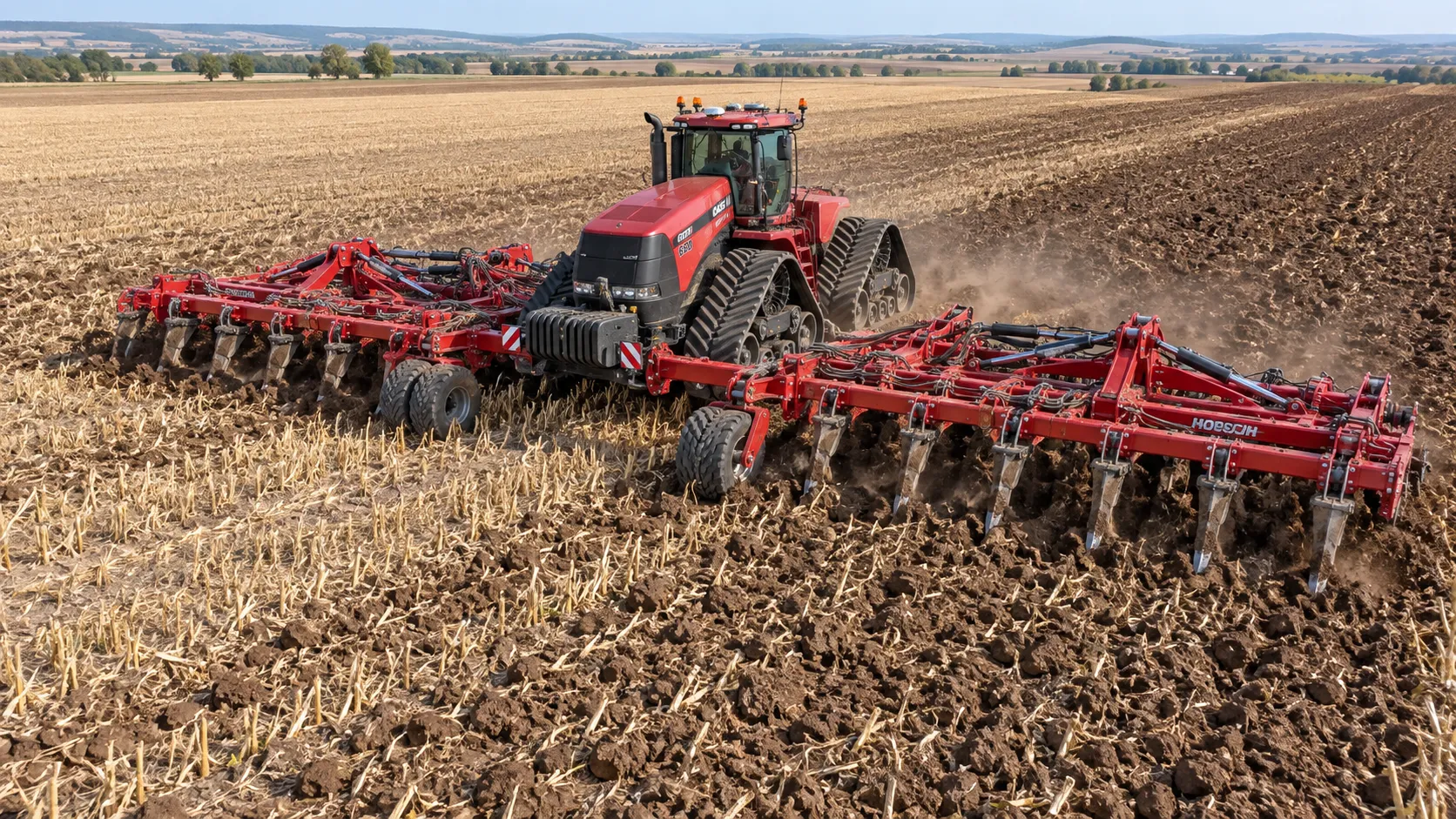
How to Select Heavy-Duty Farm Implements for High-Acreage, High-Horsepower Operations
Heavy duty farm implements: learn how to match draft, hydraulics, hitch capacity, frame strength, and field conditions for reliable high-acreage performance.
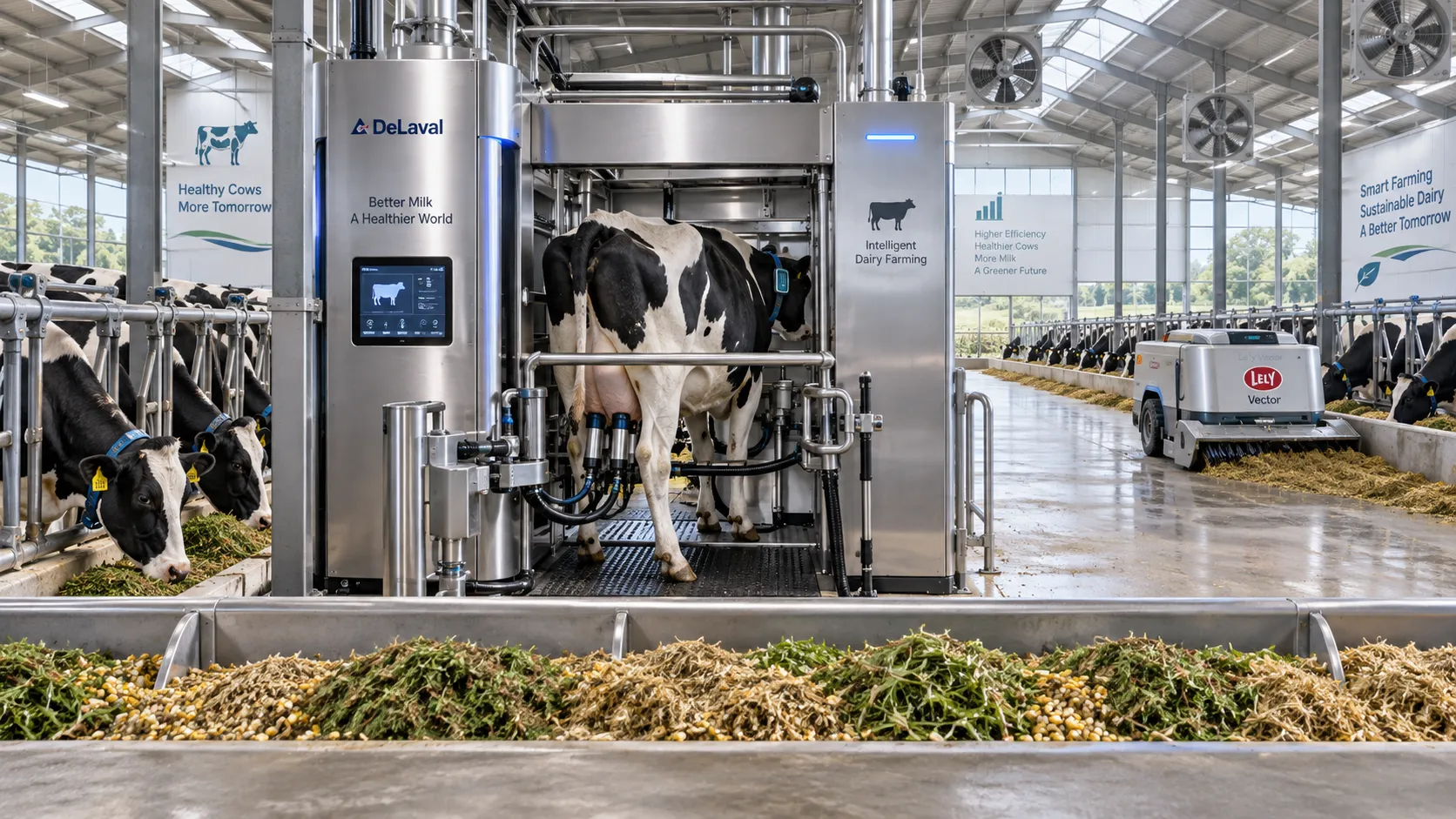
Smart Farming Technology for Dairy Farms: Where Automation Delivers Measurable ROI
Smart farming technology for dairy farms delivers measurable ROI through automation, precision feeding, health monitoring, and data-driven cost control.
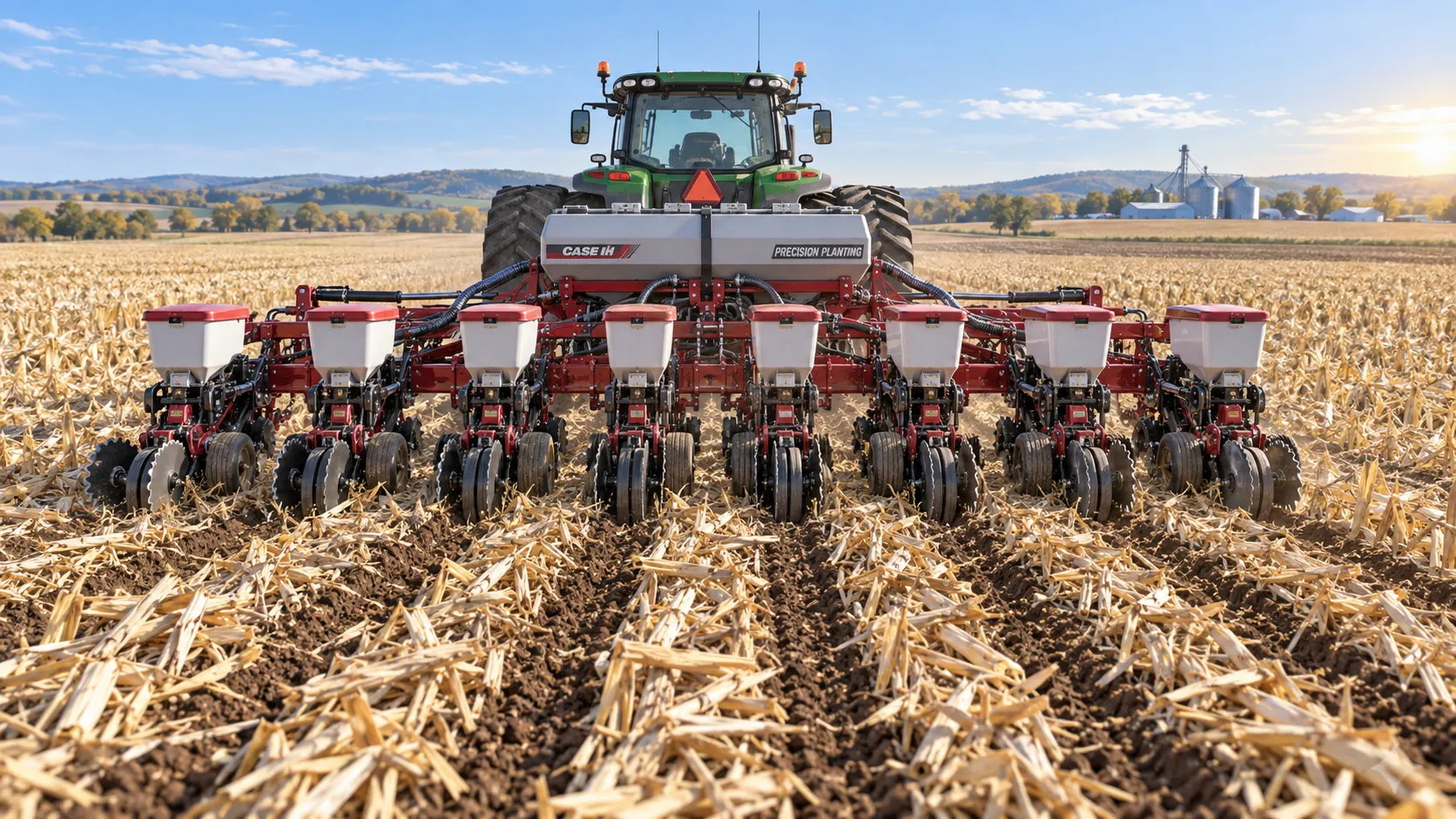
How to Select a Heavy-Duty Seeder for Large Acreage and High-Residue Fields
Heavy duty seeders for large acreage: compare residue handling, depth control, downforce, metering accuracy, and precision features to select the right model.
Related News
- 00
0000-00
Automated Water-Saving Irrigation: How to Cut Water Use Without Reducing Crop Yields - 00
0000-00
How to Evaluate Drip Irrigation System Manufacturers for Large Farm Projects - 00
0000-00
Wireless Agricultural Automation for Remote Irrigation and Field Monitoring - 00
0000-00
Designing Water-Saving Drip Irrigation Systems for High-Value Orchards - 00
0000-00
How to Choose Irrigation Solutions for Arid Regions Based on Water Source and Crop Needs
Popular Tags
Hydrological Resource Strategist
Weekly Insights
Stay ahead with our curated technology reports delivered every Monday.