
India Launches Kisan Drone & Smart Irrigation Mission
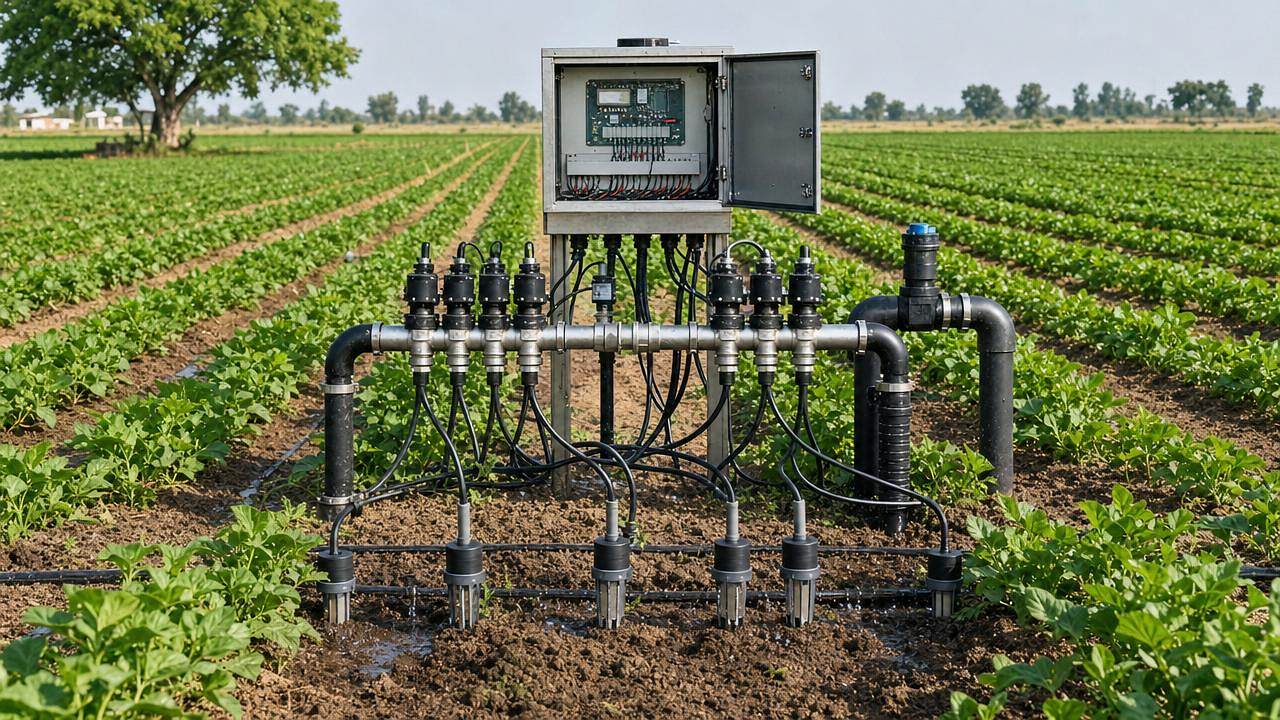




On May 6, 2026, India’s Ministry of Agriculture announced the first white list under its Smart Agricultural Equipment Subsidy Scheme, selecting 27 Chinese manufacturers specializing in drip irrigation logic systems and soil moisture sensors. This development is highly relevant for irrigation technology exporters, precision agriculture hardware suppliers, agricultural input distributors, and cross-border supply chain service providers — particularly those engaged with Indian markets or water-stressed agricultural regions.
Event Overview
On May 6, 2026, India’s Ministry of Agriculture published the inaugural white list of the Smart Agricultural Equipment Subsidy Scheme. A total of 27 Chinese manufacturers were included, all focused exclusively on drip irrigation logic systems and soil moisture sensors. Selected products qualify for a 35% reduction in import duties, plus叠加 state-level fiscal subsidies. The program’s initial budget is USD 1.8 billion, with priority deployment in water-scarce, staple-crop-producing states including Maharashtra and Karnataka.
Industries Affected
Direct Exporters (Irrigation Equipment)
These companies face immediate implications due to tariff adjustments and subsidy eligibility criteria. Impact manifests in revised landed cost calculations, updated customs classification alignment, and potential shifts in tender participation requirements across Indian state agriculture departments.
Component & Raw Material Suppliers
Suppliers of microcontrollers, pressure-compensating emitters, and capacitive soil moisture sensing elements may observe increased order volume signals from white-listed manufacturers — but only if those manufacturers scale production in response to subsidy-driven demand. No upstream impact is confirmed yet; current eligibility applies solely to finished systems.
Manufacturers Integrating Drip Logic Modules
Firms embedding drip irrigation control logic (e.g., scheduling algorithms, flow-rate modulation firmware) into broader farm management hardware may need to verify whether their integrated solutions meet India’s technical certification thresholds for white-list inclusion — which, per current disclosure, apply only to standalone drip logic and sensor units.
Distribution & Channel Partners in India
Indian agri-input distributors and rural equipment dealers serving Maharashtra and Karnataka should monitor state-level subsidy disbursement mechanisms, as eligibility for end-user rebates depends on verified purchase of white-listed products — not just brand affiliation or general product category.
Cross-Border Logistics & Compliance Service Providers
Freight forwarders, customs brokers, and certification support firms must prepare for higher documentation scrutiny: white-listed imports require proof of origin, conformity with Bureau of Indian Standards (BIS) draft specifications for smart irrigation devices (IS 17794:2025, currently under consultation), and traceable subsidy claim records.
What Enterprises and Practitioners Should Monitor and Do Now
Track official updates on state-level subsidy implementation guidelines
The federal white list enables eligibility, but actual subsidy disbursement depends on individual state agriculture departments issuing operational circulars. Maharashtra and Karnataka have not yet published detailed claim procedures, documentation formats, or verification timelines.
Verify product-specific alignment with BIS draft standard IS 17794:2025
Although not yet mandatory, the draft standard for smart irrigation controllers and soil sensors is referenced in the scheme’s technical annex. Companies should assess whether their listed products meet its functional safety, data logging, and calibration accuracy clauses — especially for soil moisture sensors operating in high-salinity or clay-dominant soils common in target states.
Distinguish between policy signal and commercial readiness
This white list reflects administrative pre-qualification, not verified procurement volume or distribution rollout. There is no public evidence yet of tenders issued, pilot deployments, or farmer-level uptake. Treat it as a regulatory milestone — not an immediate sales trigger.
Prepare for documentation harmonization across multiple Indian states
While the federal list is unified, state-level subsidy claims may require localized GSTIN registration, bilingual (English + regional language) user manuals, and in-country after-sales service commitments. Early engagement with state agriculture extension offices is advisable for channel partners.
Editorial Perspective / Industry Observation
Observably, this initiative functions primarily as a demand-signaling mechanism rather than an immediate market-opening event. Its significance lies less in near-term revenue generation and more in institutional validation of Chinese-made smart irrigation logic — a segment previously underrepresented in India’s formal subsidy frameworks. Analysis shows that the narrow scope (drip logic + soil sensors only) suggests India is prioritizing water-use efficiency over broader farm automation, deliberately decoupling drone integration (noted in the mission title) from the initial subsidy phase. From an industry perspective, this white list is best understood as a procedural threshold — one that confirms regulatory pathways for specific hardware categories, but does not guarantee scale, speed, or uniformity of adoption across states.
The broader implication is structural: it marks the formal entry of standardized, subsidy-eligible smart irrigation logic into India’s agricultural policy architecture. However, sustained relevance depends on follow-up actions — notably, transparent state-level subsidy execution, third-party verification of sensor accuracy in field conditions, and alignment with India’s evolving digital agriculture stack (e.g., integration with the Common Service Centre network).
Conclusion
This announcement signals a calibrated expansion of India’s agricultural technology import policy — focused narrowly on water conservation hardware, anchored in verifiable performance criteria, and implemented through layered federal-state coordination. It does not represent broad market liberalization, nor does it imply rapid displacement of conventional irrigation methods. Instead, it establishes a precedent: subsidy eligibility now explicitly rewards measurable, logic-driven water optimization — making precision irrigation hardware a policy-prioritized category, not merely a commercial option. Current understanding should emphasize procedural recognition over transactional opportunity.
Information Sources
Main source: Official press release issued by India’s Ministry of Agriculture on May 6, 2026, titled “White List Notification under Smart Agricultural Equipment Subsidy Scheme – Inception Round”.
Areas requiring ongoing observation: State-level subsidy implementation guidelines (Maharashtra & Karnataka); finalization status of BIS standard IS 17794; evidence of actual tender issuance or farmer-level subsidy claims.
Related News
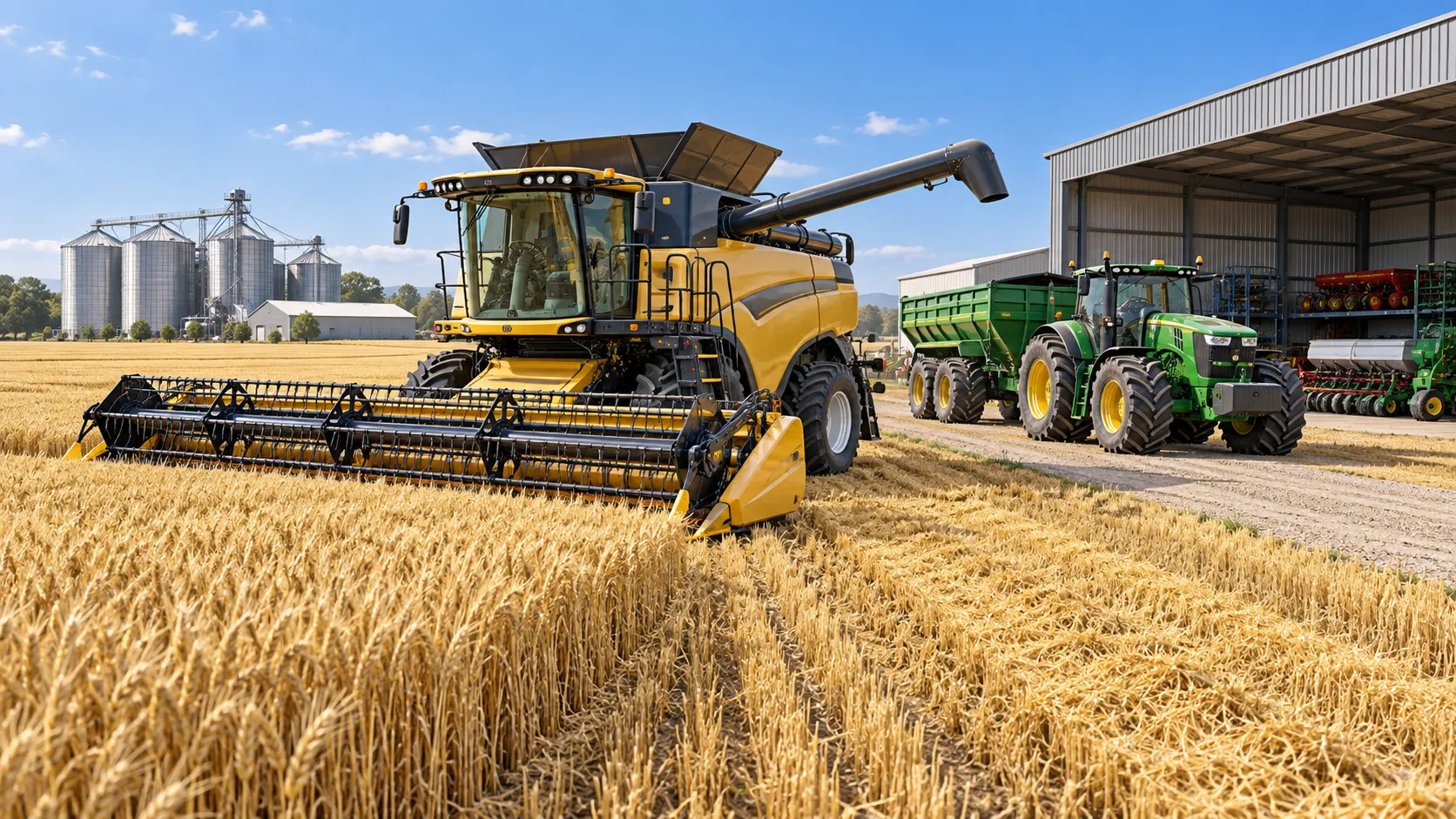
When Does Agricultural Machinery Leasing Cost Less Than Owning Equipment?
Agricultural machinery leasing can lower farm costs when use is seasonal or uncertain. Compare utilization, maintenance, cash flow, and risk to make a smarter equipment decision.
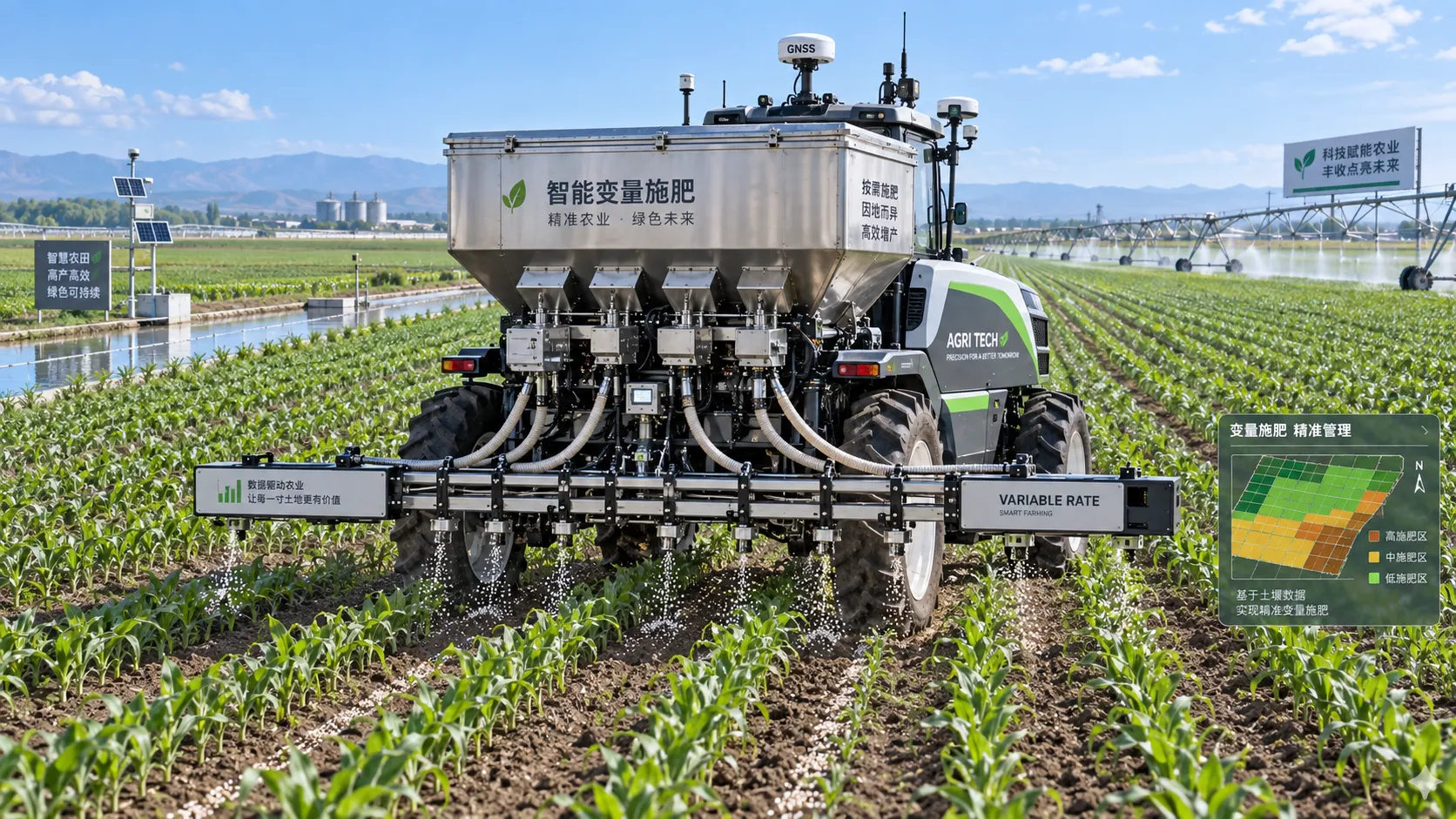
How to Evaluate Precision Fertilization System Suppliers for Farm-Scale Deployment
Precision fertilization systems suppliers: learn how to compare accuracy, integration, uptime, service, and total cost for confident farm-scale deployment.
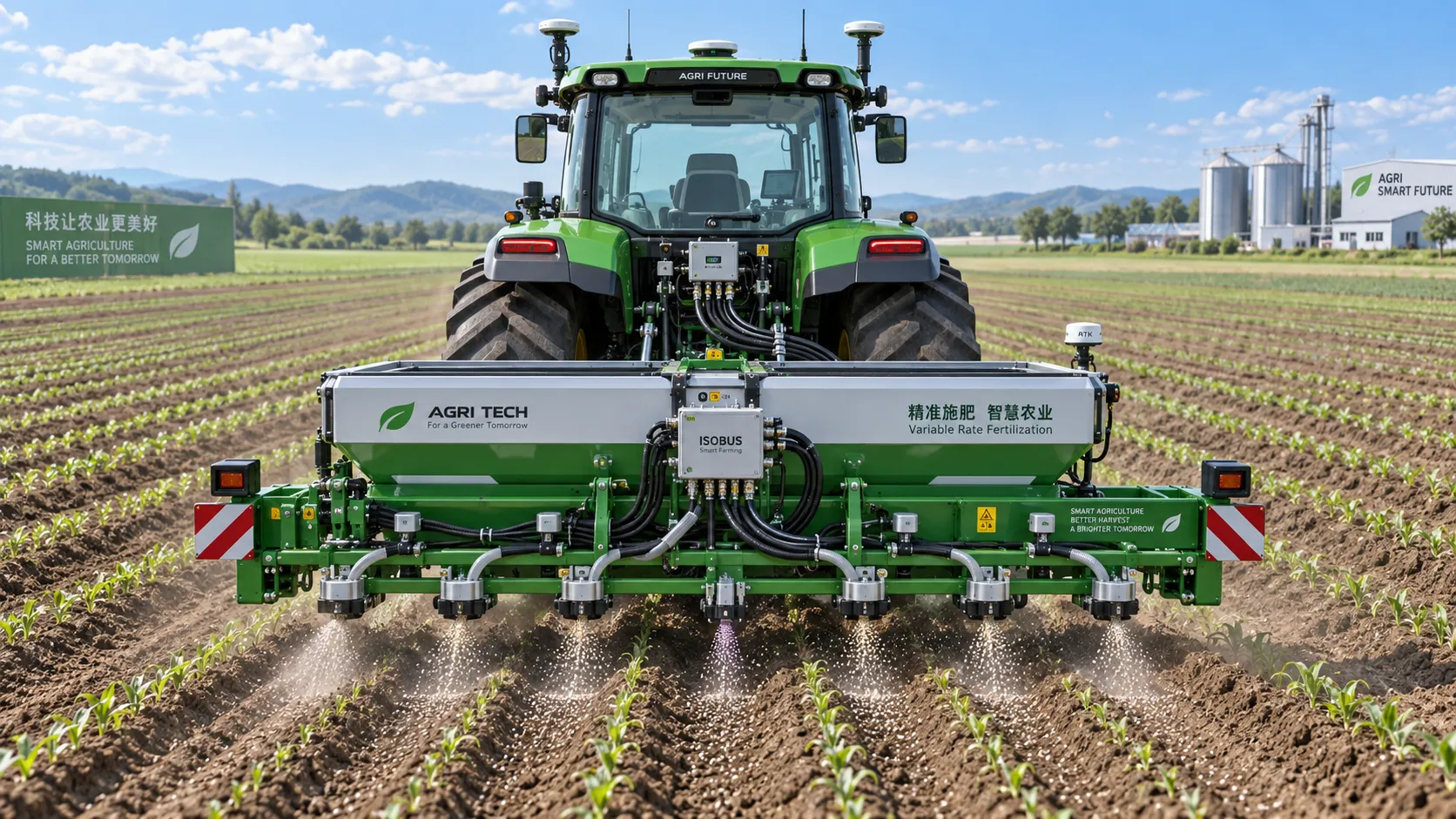
ISOBUS for Smart Agriculture: How It Connects Tractors, Implements, and Farm Data
ISOBUS for smart agriculture connects tractors, implements, terminals, and farm data—helping growers improve precision, documentation, and smarter field decisions.
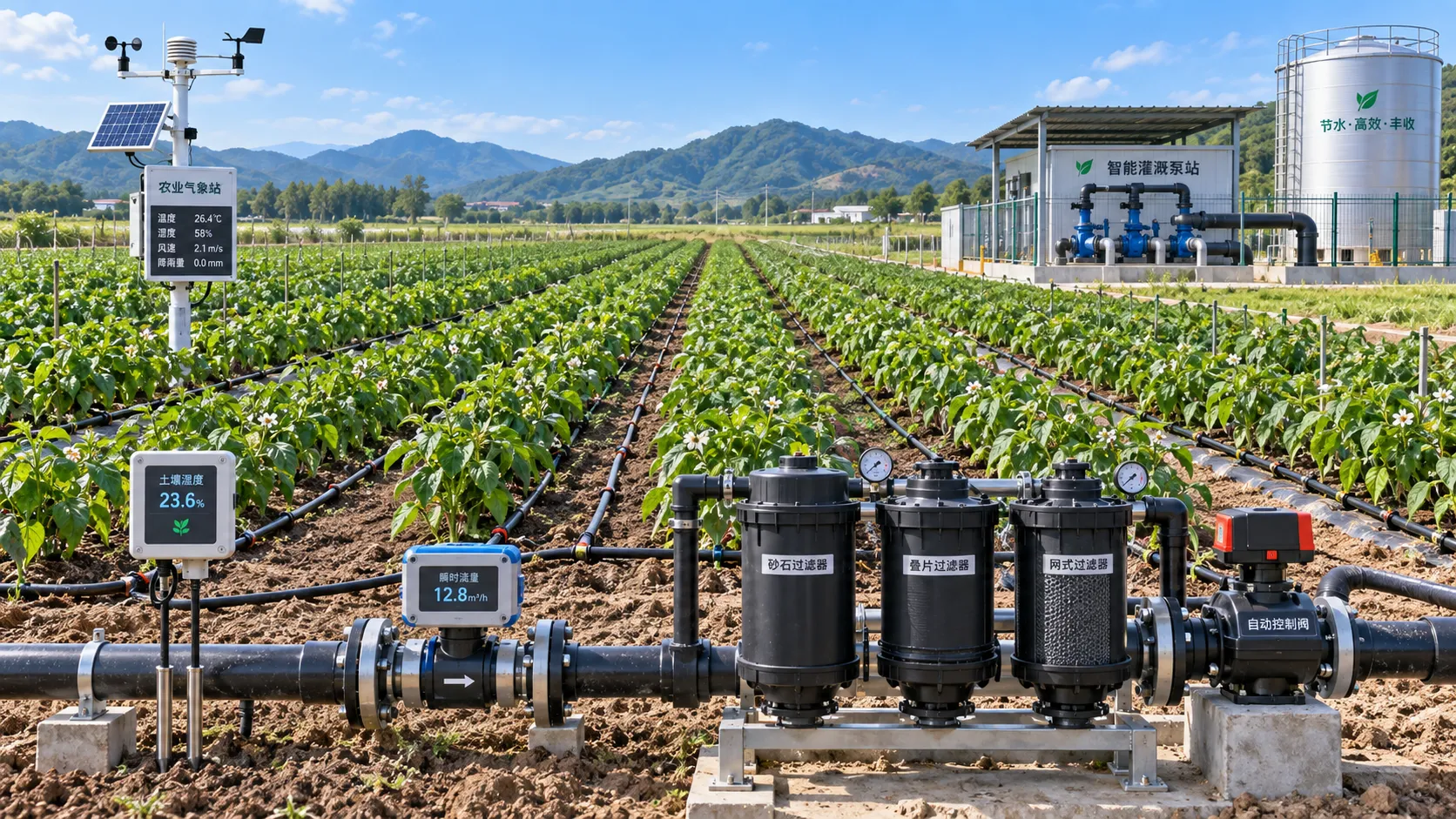
Automated Water-Saving Irrigation: How to Cut Water Use Without Reducing Crop Yields
Automated water-saving irrigation helps farms cut water use, protect crop yields, improve scheduling, and gain reliable control with sensors, flow monitoring, and smart zones.
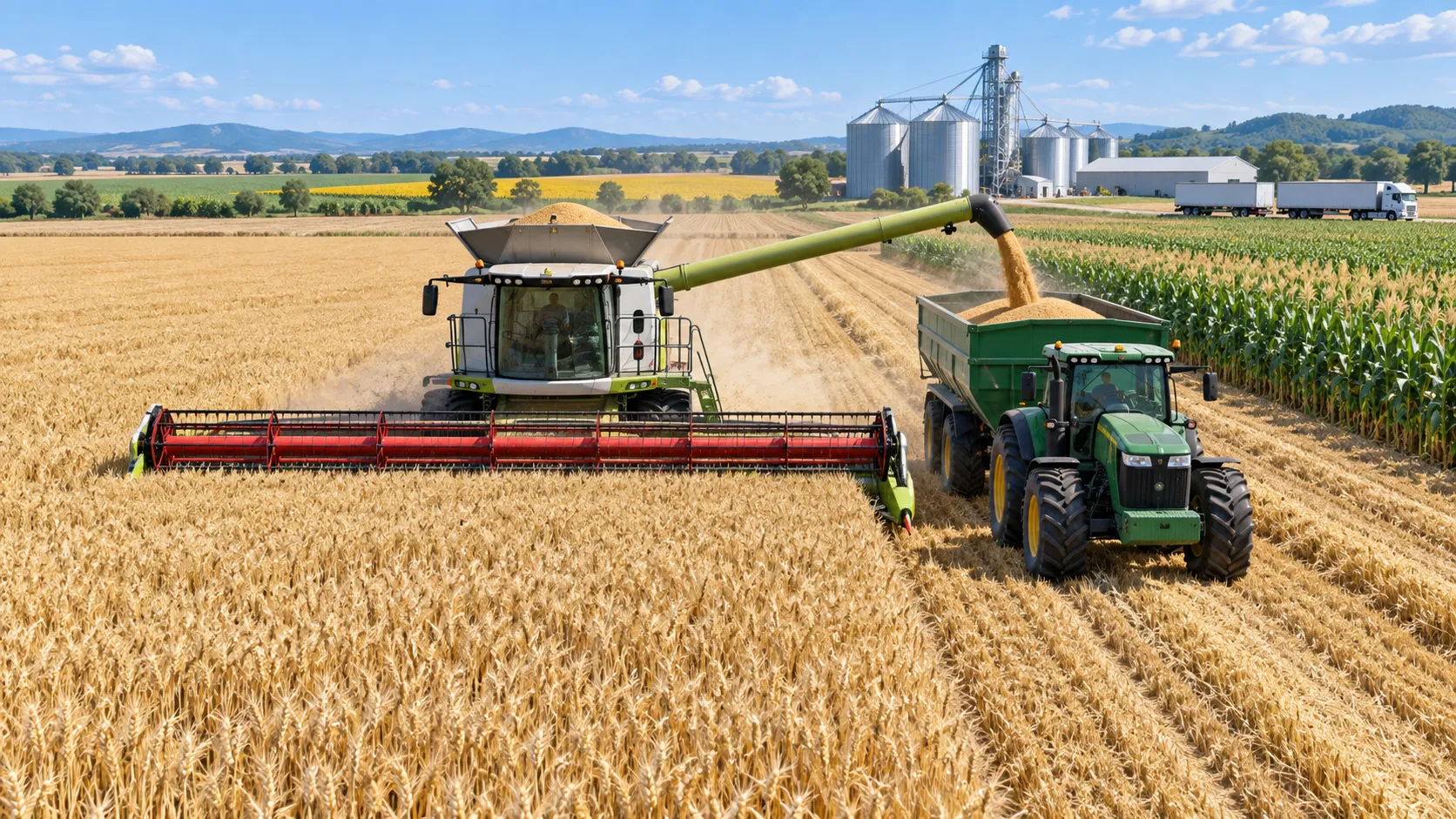
Selecting Grain Farm Equipment by Acreage, Crop Mix, and Harvest Window
Agricultural equipment selection for grain farming: match machinery to acreage, crop mix, and harvest windows to improve uptime, efficiency, and returns.
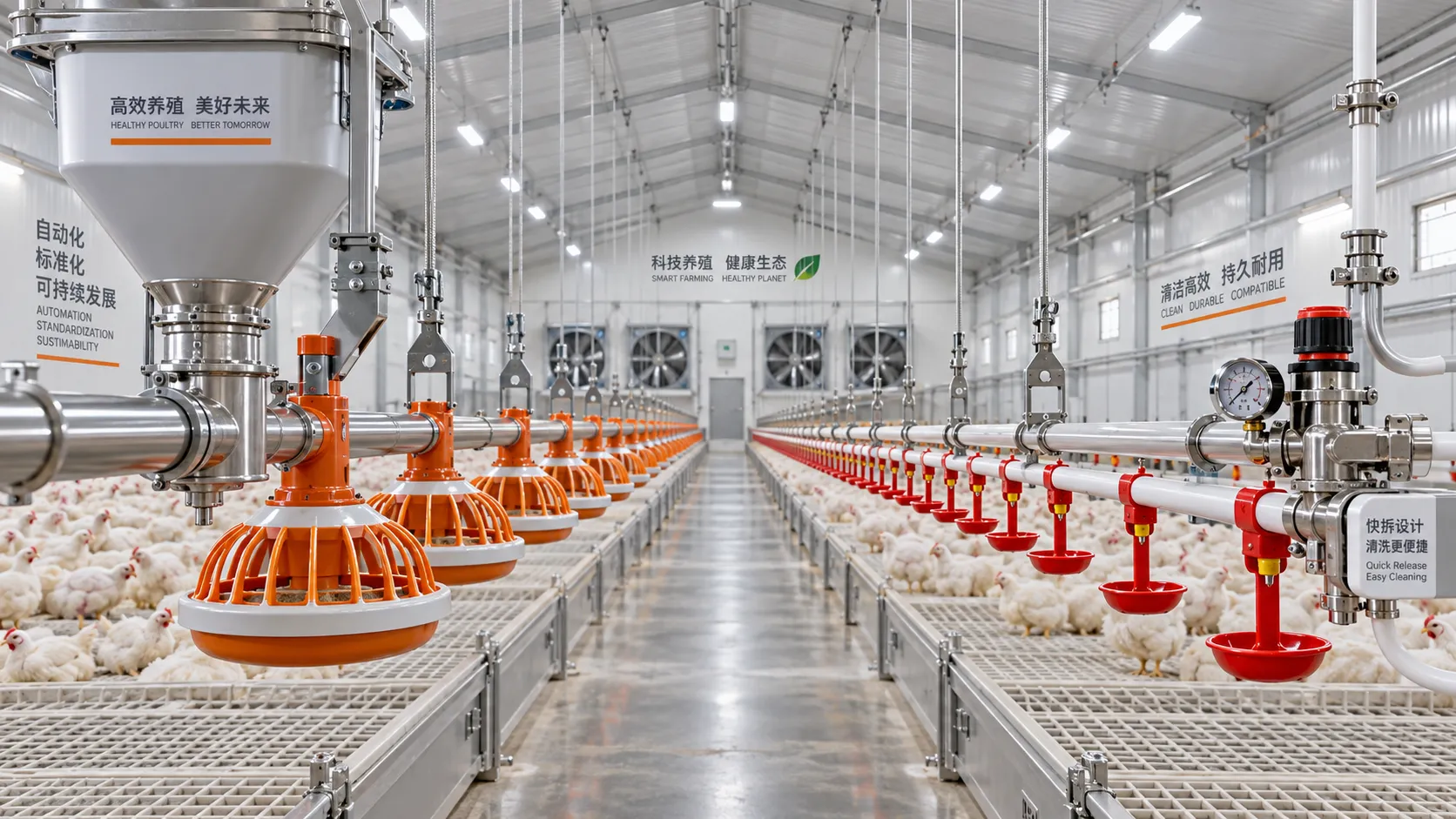
Poultry Equipment Selection: Evaluating Durability, Cleaning, and Compatibility
Poultry equipments selection guide: evaluate durability, cleaning access, and system compatibility to improve hygiene, reduce downtime, and support efficient flock management.
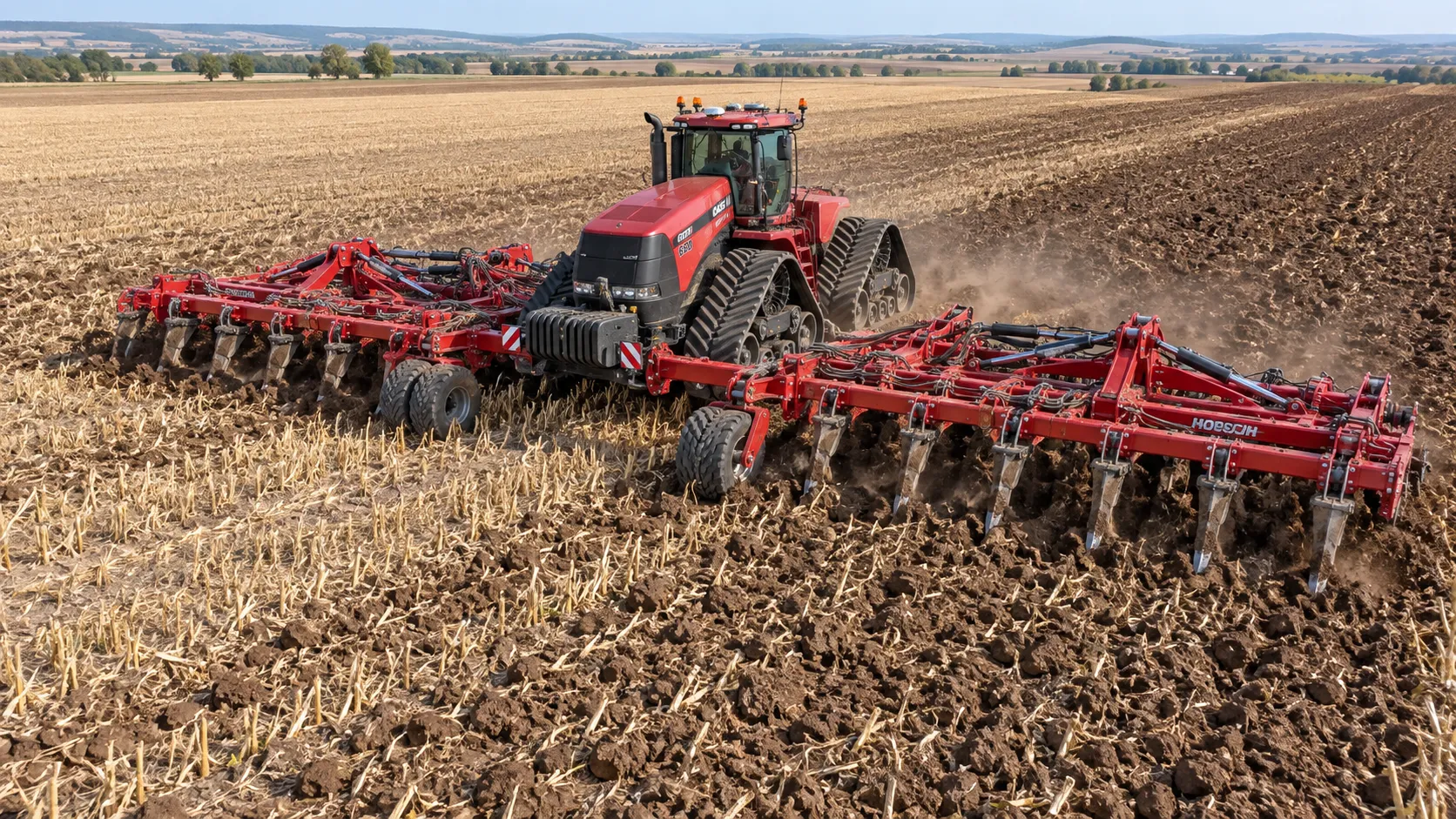
How to Select Heavy-Duty Farm Implements for High-Acreage, High-Horsepower Operations
Heavy duty farm implements: learn how to match draft, hydraulics, hitch capacity, frame strength, and field conditions for reliable high-acreage performance.
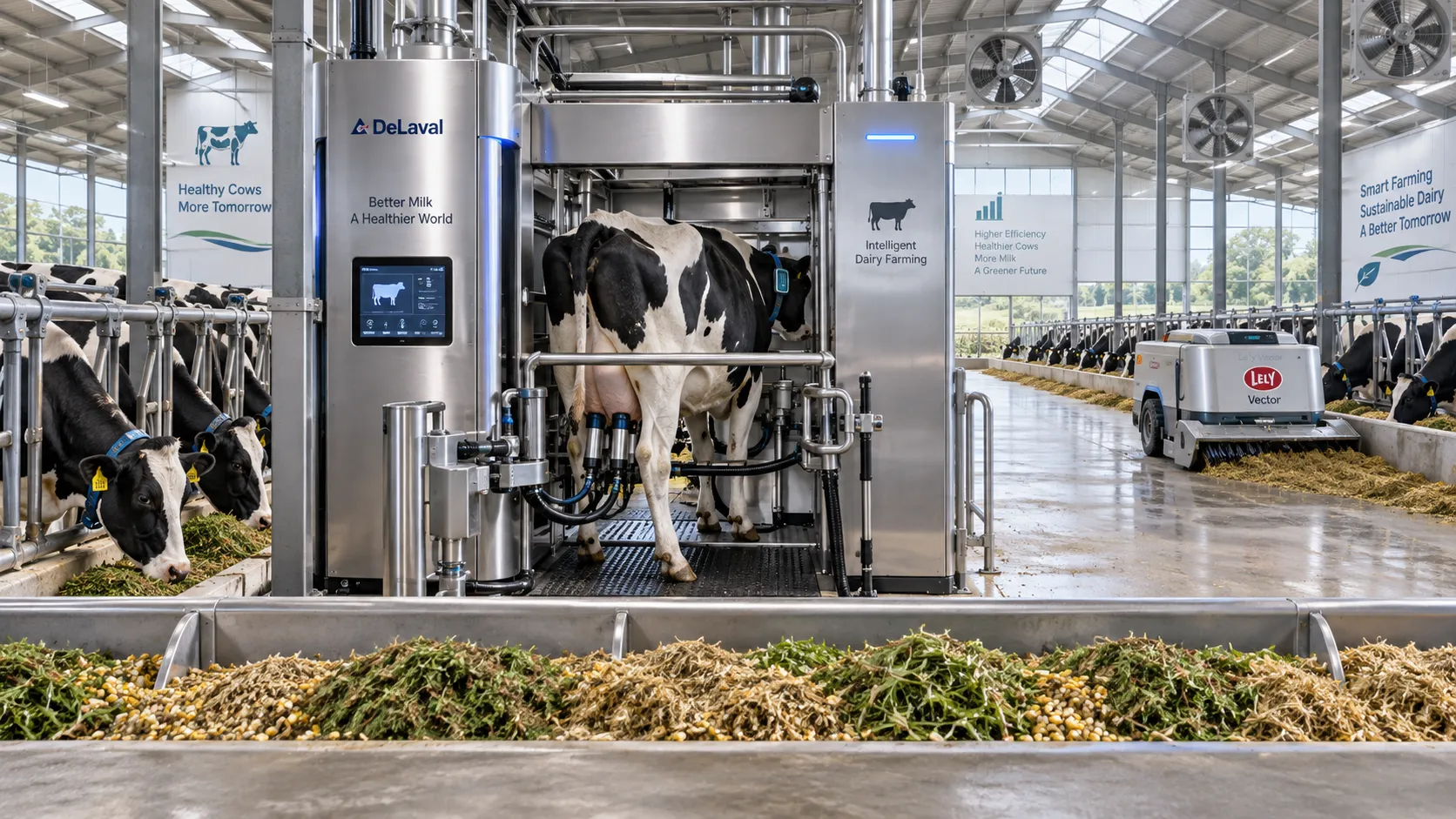
Smart Farming Technology for Dairy Farms: Where Automation Delivers Measurable ROI
Smart farming technology for dairy farms delivers measurable ROI through automation, precision feeding, health monitoring, and data-driven cost control.
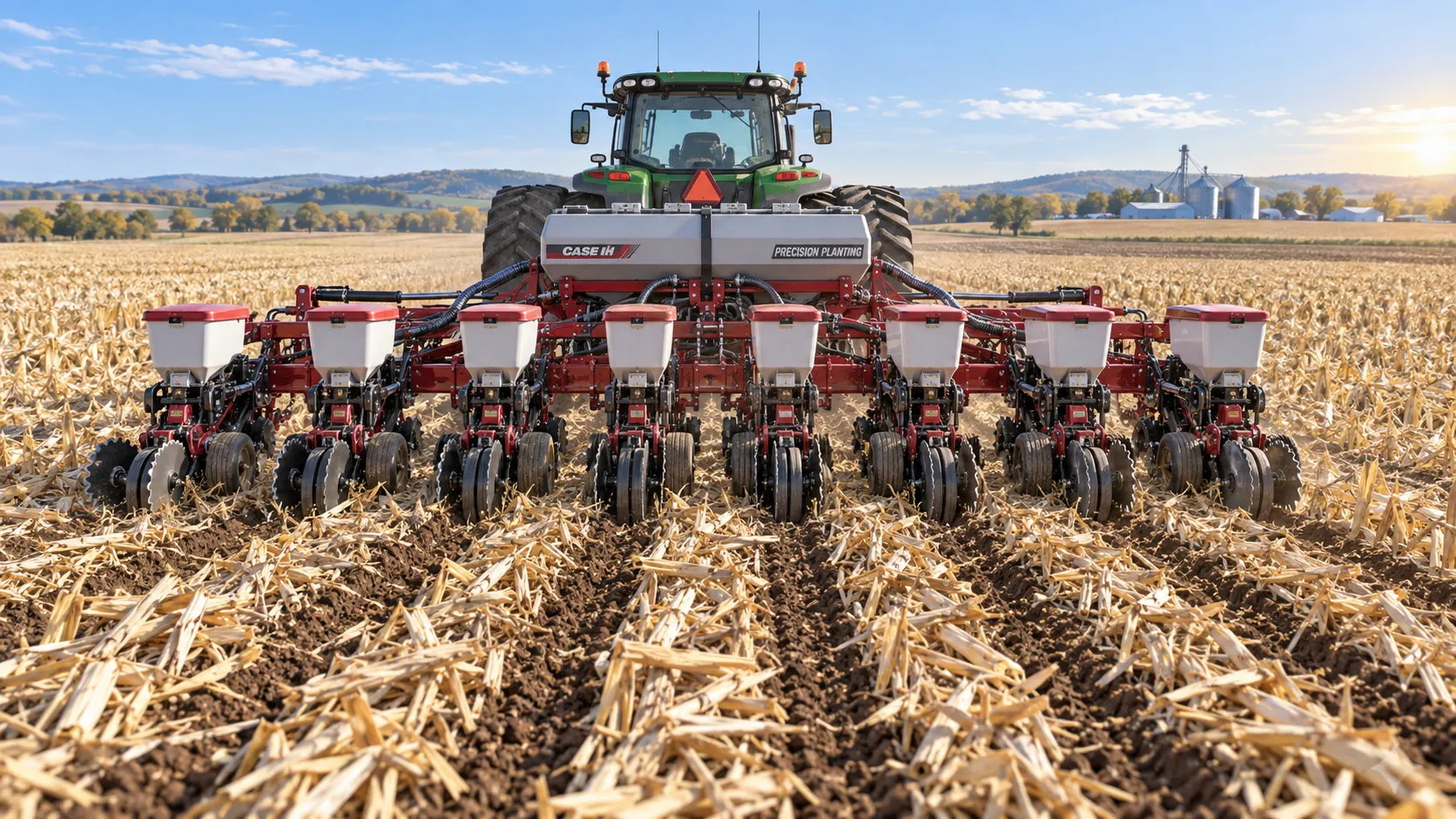
How to Select a Heavy-Duty Seeder for Large Acreage and High-Residue Fields
Heavy duty seeders for large acreage: compare residue handling, depth control, downforce, metering accuracy, and precision features to select the right model.
Related News
- 00
0000-00
Automated Water-Saving Irrigation: How to Cut Water Use Without Reducing Crop Yields - 00
0000-00
How to Evaluate Drip Irrigation System Manufacturers for Large Farm Projects - 00
0000-00
Wireless Agricultural Automation for Remote Irrigation and Field Monitoring - 00
0000-00
Designing Water-Saving Drip Irrigation Systems for High-Value Orchards - 00
0000-00
How to Choose Irrigation Solutions for Arid Regions Based on Water Source and Crop Needs
Popular Tags
Hydrological Resource Strategist
Weekly Insights
Stay ahead with our curated technology reports delivered every Monday.