
EU Updates CE Rules for Agricultural Machinery: Remote Diagnostics Mandatory from June 2026
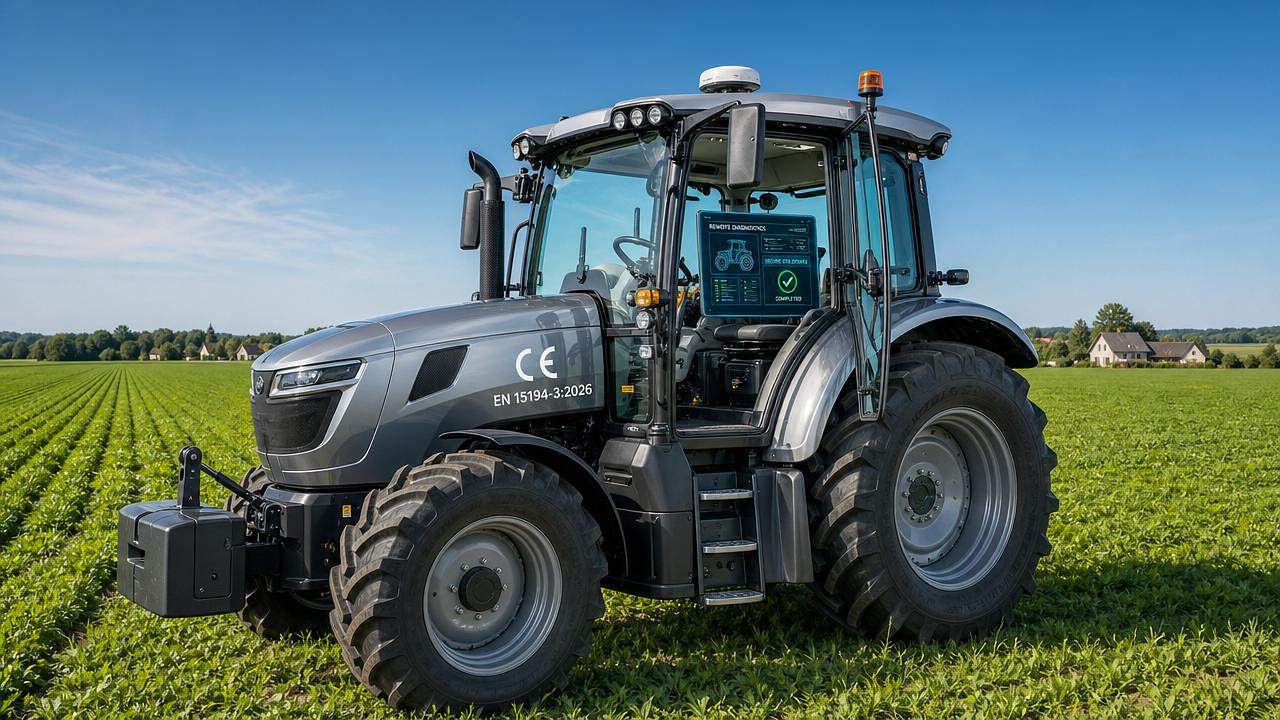




The European Commission issued Regulation (EU) 2026/873 on 9 May 2026, mandating remote diagnostic and secure OTA update capabilities for electronically controlled agricultural machinery exported to the EU starting 1 June 2026. This development directly affects manufacturers and exporters of smart irrigation systems, GPS-guided tractors, and variable-rate application equipment — particularly those based in China supplying the EU market.
Event Overview
On 9 May 2026, the European Commission formally published Implementing Regulation (EU) 2026/873. The regulation requires that, from 1 June 2026 onward, all agricultural machinery equipped with electronic control systems — including smart irrigation pump stations, GPS-guided tractors, and variable-rate fertilization systems — must integrate remote diagnostic functionality and over-the-air (OTA) security update capability compliant with EN 15194-3:2026. Non-compliant products will face customs rejection and market withdrawal in the EU.
Industries Affected
Direct Exporters and OEMs
Manufacturers exporting electronically controlled agricultural machinery to the EU — especially those producing drip irrigation logic units, GPS guidance systems, and variable-rate technology — are directly subject to the new requirement. Compliance is now a prerequisite for CE marking and EU market access, affecting product certification timelines, design validation, and post-market support infrastructure.
Electronics and Control System Suppliers
Suppliers of embedded controllers, telematics modules, and firmware platforms used in agricultural machinery must ensure their components support EN 15194-3:2026–compliant remote diagnostics and secure OTA updates. Integration testing, documentation alignment, and interoperability verification with end-product OEMs become critical new deliverables.
CE Certification and Conformity Assessment Bodies
Notified Bodies accredited for CE assessment of agricultural machinery must now verify compliance with EN 15194-3:2026 as part of the conformity process. This includes reviewing software architecture, cybersecurity measures, update integrity mechanisms, and diagnostic data protocols — adding new evaluation layers to existing technical file assessments.
Key Focus Areas and Recommended Actions
Monitor Official Interpretative Guidance
Regulation (EU) 2026/873 is newly published; official guidance documents, harmonised standards references, and Q&A from the European Commission or notified bodies are pending. Exporters should subscribe to updates from EU’s NANDO database and the Machinery Directive Working Group communications.
Prioritise High-Risk Product Categories
Focus initial compliance efforts on products already incorporating connectivity features — such as GPS-guided tractors and smart irrigation controllers — as these face immediate functional integration requirements. Products relying solely on offline control logic may be exempt unless upgraded to include electronic supervision or networked operation.
Distinguish Regulatory Signal from Implementation Readiness
While the regulation enters force on 1 June 2026, enforcement timing, transitional arrangements, and grace periods for legacy stock remain unconfirmed. Companies should treat the regulation as binding for new certifications but avoid assuming automatic non-compliance for shipments cleared before that date without formal customs notice.
Align Internal Development and Procurement Cycles
Update firmware development roadmaps, procurement specifications for communication modules, and supplier agreements to reflect EN 15194-3:2026 requirements. Initiate internal gap assessments for diagnostic logging formats, authentication protocols, and rollback safeguards — especially where third-party software stacks are used.
Editorial Observation / Industry Perspective
Observably, this regulation signals a structural shift in EU machinery policy — from hardware-centric safety to integrated cyber-physical system assurance. It reflects growing emphasis on lifecycle software integrity and remote serviceability, not just initial conformity. Analysis shows this is less an isolated technical amendment and more a foundational step toward broader digital product passport and sustainability reporting frameworks under the EU Green Deal. From an industry perspective, it is best understood not as a one-time compliance hurdle, but as an early indicator of evolving expectations for connected industrial equipment across multiple sectors.
This regulation currently functions primarily as a regulatory signal — its full operational impact depends on subsequent standardisation, enforcement consistency, and market-level adoption by importers and distributors. Continuous monitoring is warranted, especially regarding how notified bodies interpret diagnostic scope and what constitutes ‘secure’ OTA updates in practice.
It is more accurate to view this requirement as a forward-looking policy marker than an immediately executable checklist. Its significance lies in establishing precedent: software-defined functionality in agricultural machinery is now inseparable from CE compliance.
Consequently, stakeholders should treat this as a trigger for strategic reassessment — not only of product architecture and certification pathways, but also of long-term R&D investment in embedded software resilience, cybersecurity engineering, and remote service infrastructure.
Concluding, this regulation marks a formal institutional recognition that digital features in agricultural machinery carry regulatory weight equivalent to mechanical or electrical safety. It does not yet prescribe universal implementation methods, but clearly defines the direction: remote diagnostics and secure software maintenance are no longer optional enhancements — they are mandatory elements of EU market access for connected farm equipment.
At present, this development is best understood as an enforceable requirement with phased practical implications — its urgency increases for products entering certification cycles after May 2026, while its broader influence extends to product strategy, supply chain governance, and cross-border technical cooperation.
Source: European Commission Implementing Regulation (EU) 2026/873, published 9 May 2026. Status of harmonised standard EN 15194-3:2026 and related conformity guidance remains under observation.
Related News
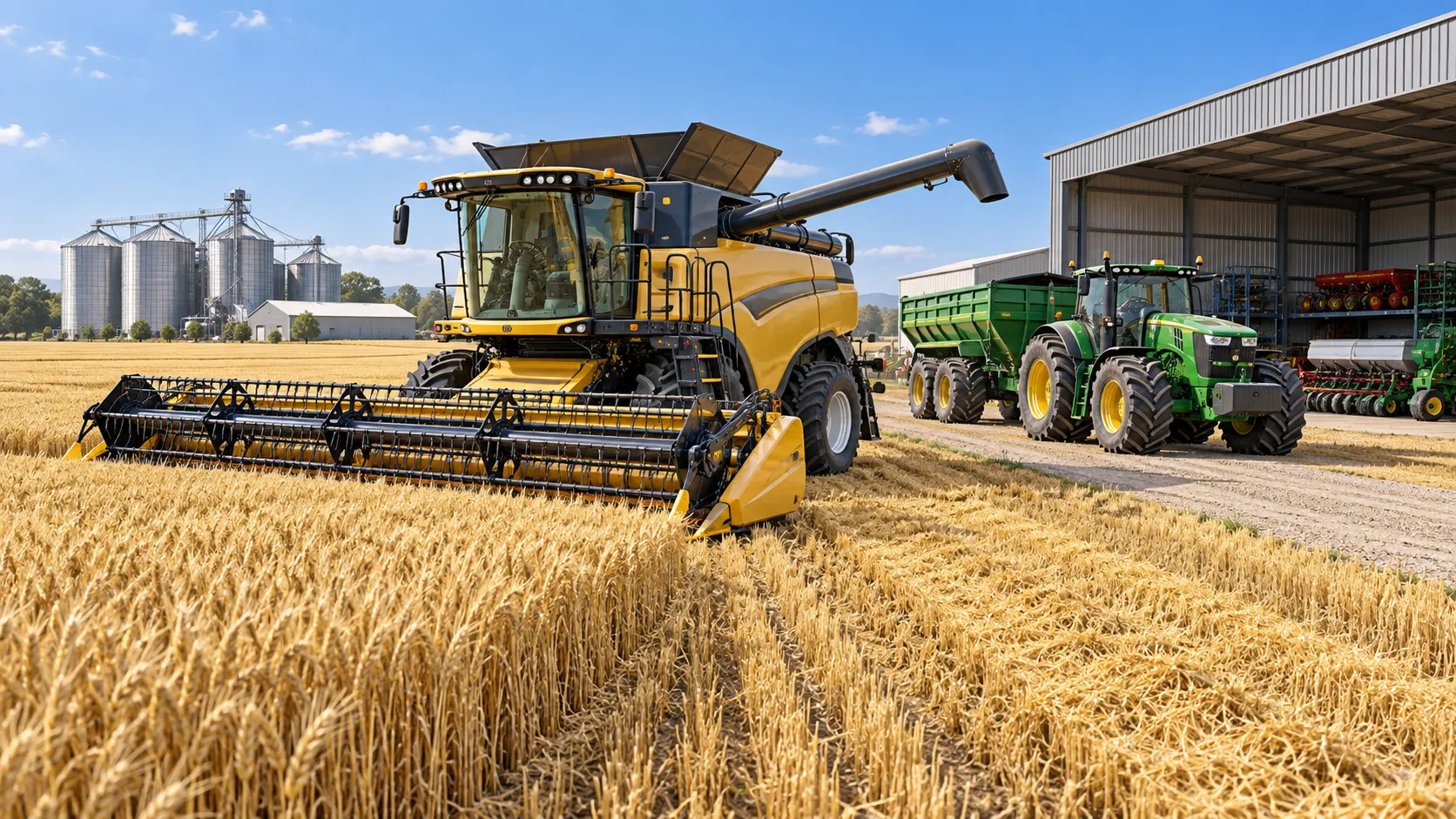
When Does Agricultural Machinery Leasing Cost Less Than Owning Equipment?
Agricultural machinery leasing can lower farm costs when use is seasonal or uncertain. Compare utilization, maintenance, cash flow, and risk to make a smarter equipment decision.
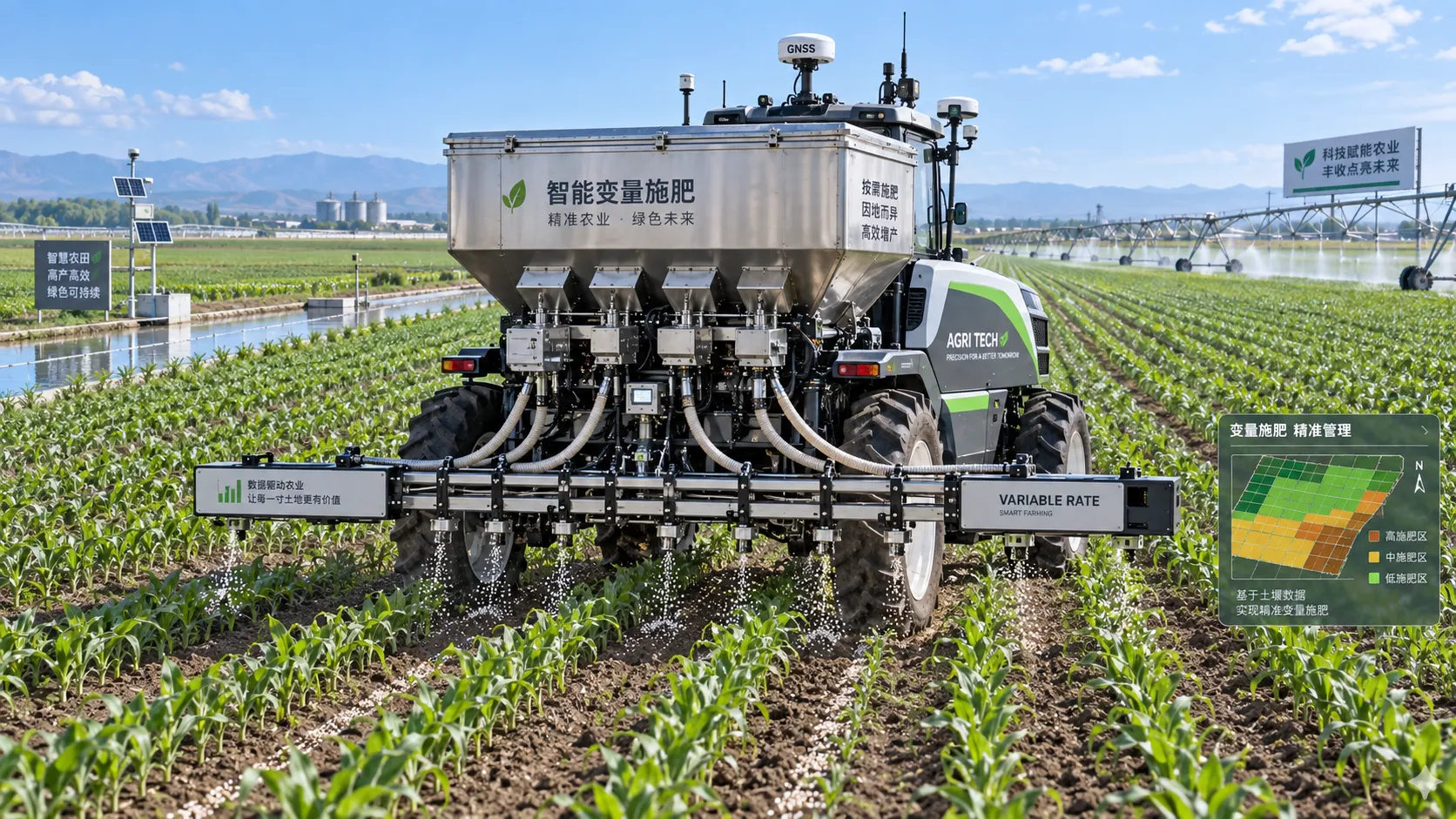
How to Evaluate Precision Fertilization System Suppliers for Farm-Scale Deployment
Precision fertilization systems suppliers: learn how to compare accuracy, integration, uptime, service, and total cost for confident farm-scale deployment.
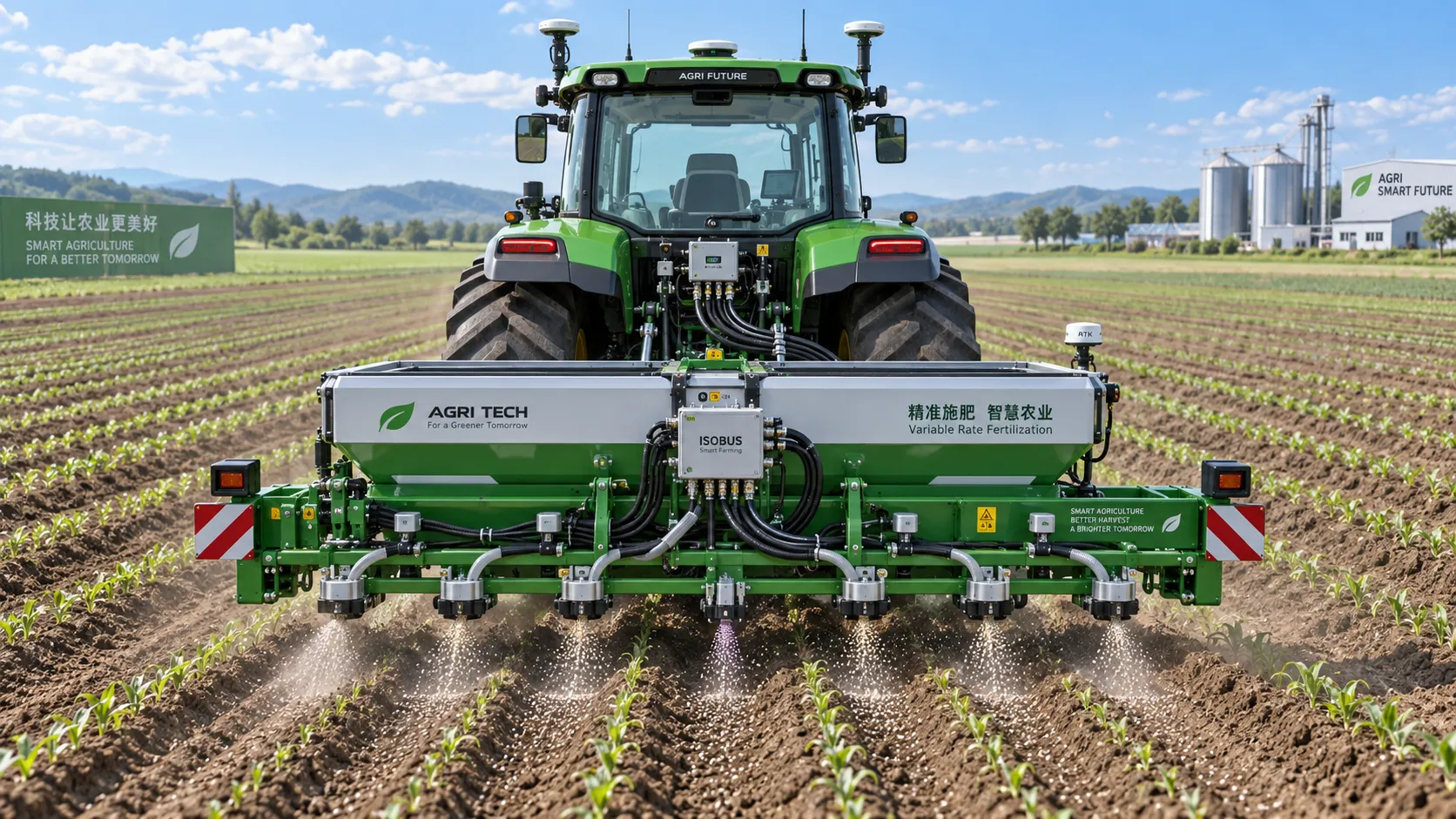
ISOBUS for Smart Agriculture: How It Connects Tractors, Implements, and Farm Data
ISOBUS for smart agriculture connects tractors, implements, terminals, and farm data—helping growers improve precision, documentation, and smarter field decisions.
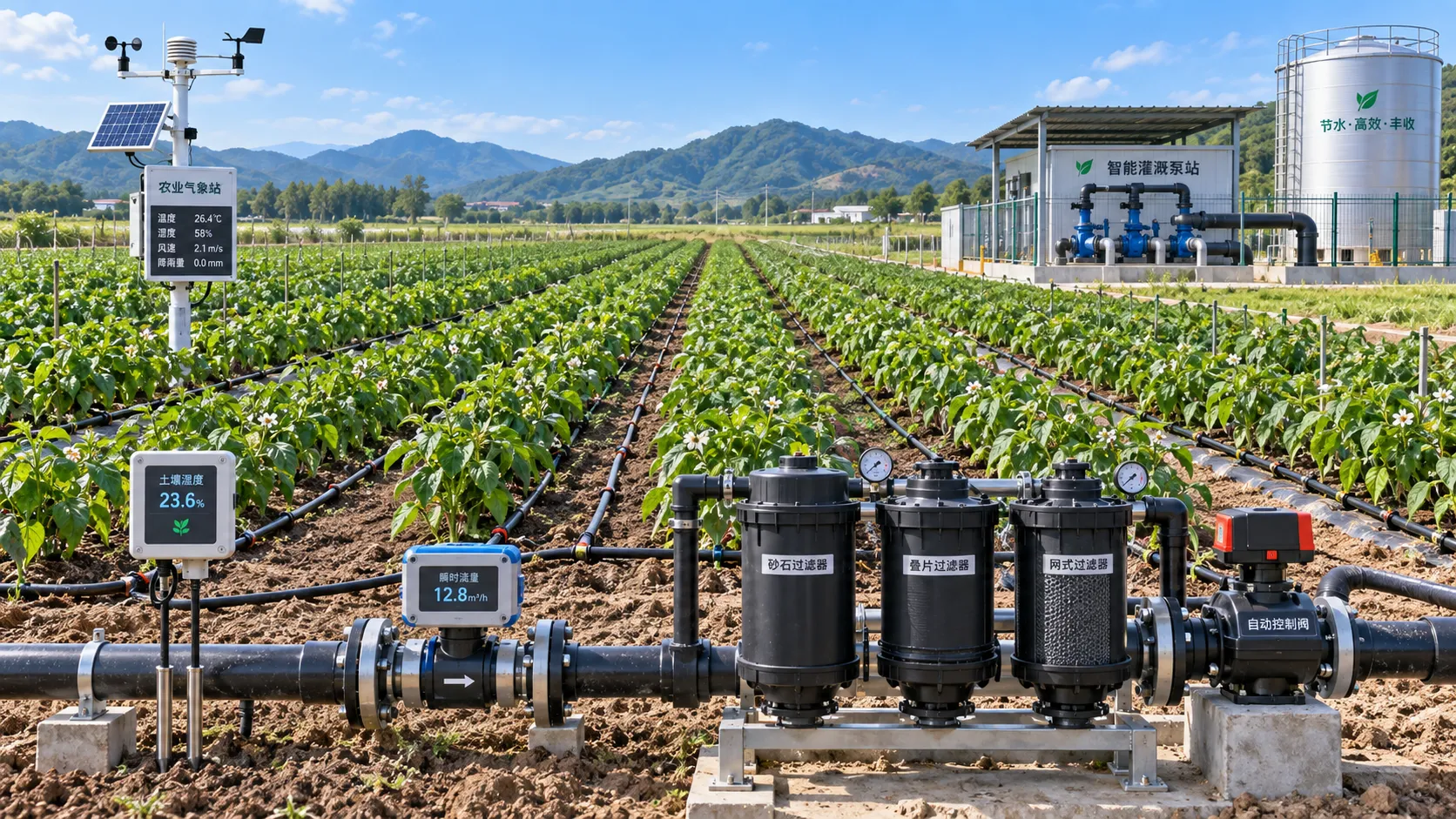
Automated Water-Saving Irrigation: How to Cut Water Use Without Reducing Crop Yields
Automated water-saving irrigation helps farms cut water use, protect crop yields, improve scheduling, and gain reliable control with sensors, flow monitoring, and smart zones.
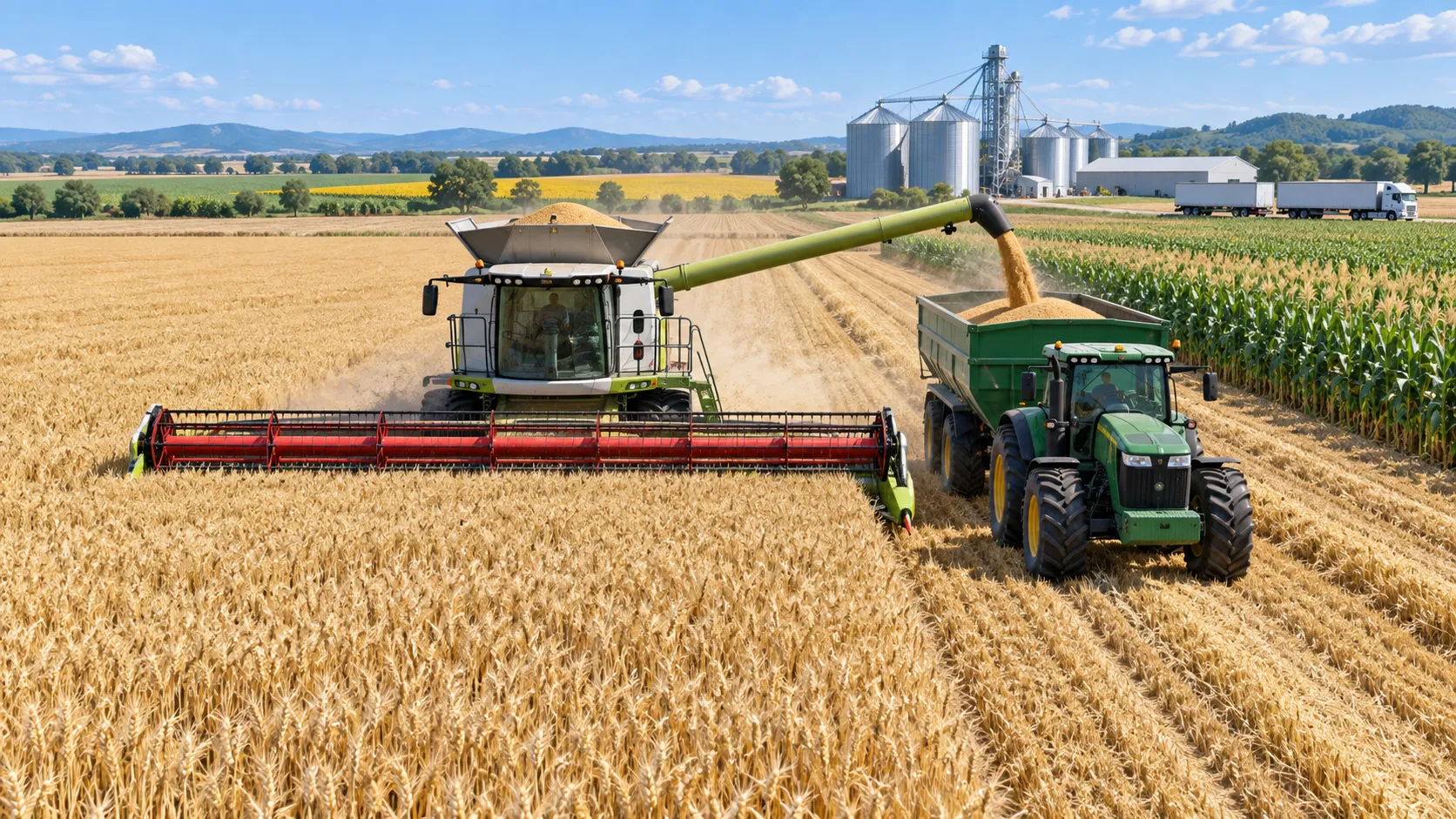
Selecting Grain Farm Equipment by Acreage, Crop Mix, and Harvest Window
Agricultural equipment selection for grain farming: match machinery to acreage, crop mix, and harvest windows to improve uptime, efficiency, and returns.
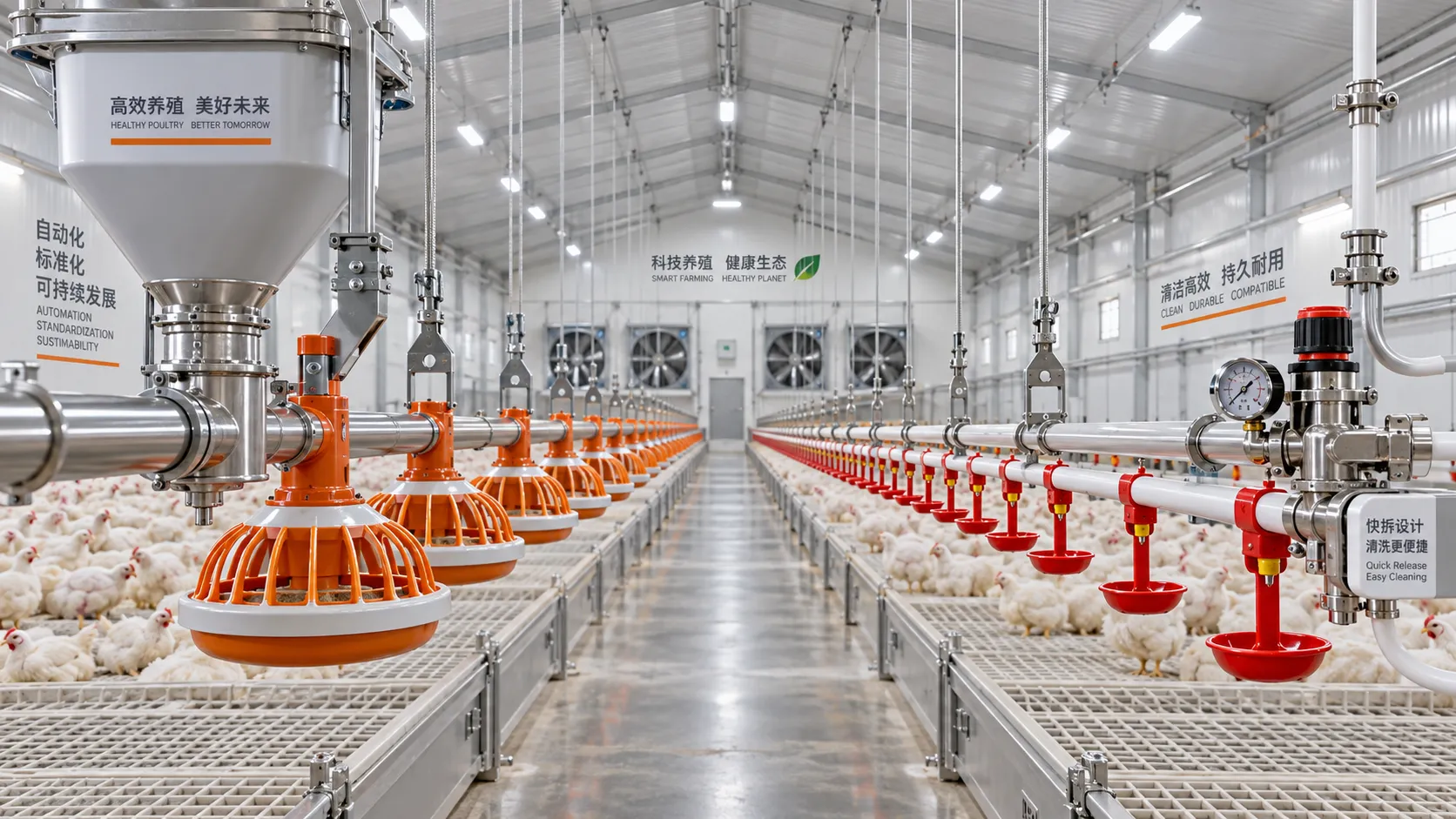
Poultry Equipment Selection: Evaluating Durability, Cleaning, and Compatibility
Poultry equipments selection guide: evaluate durability, cleaning access, and system compatibility to improve hygiene, reduce downtime, and support efficient flock management.
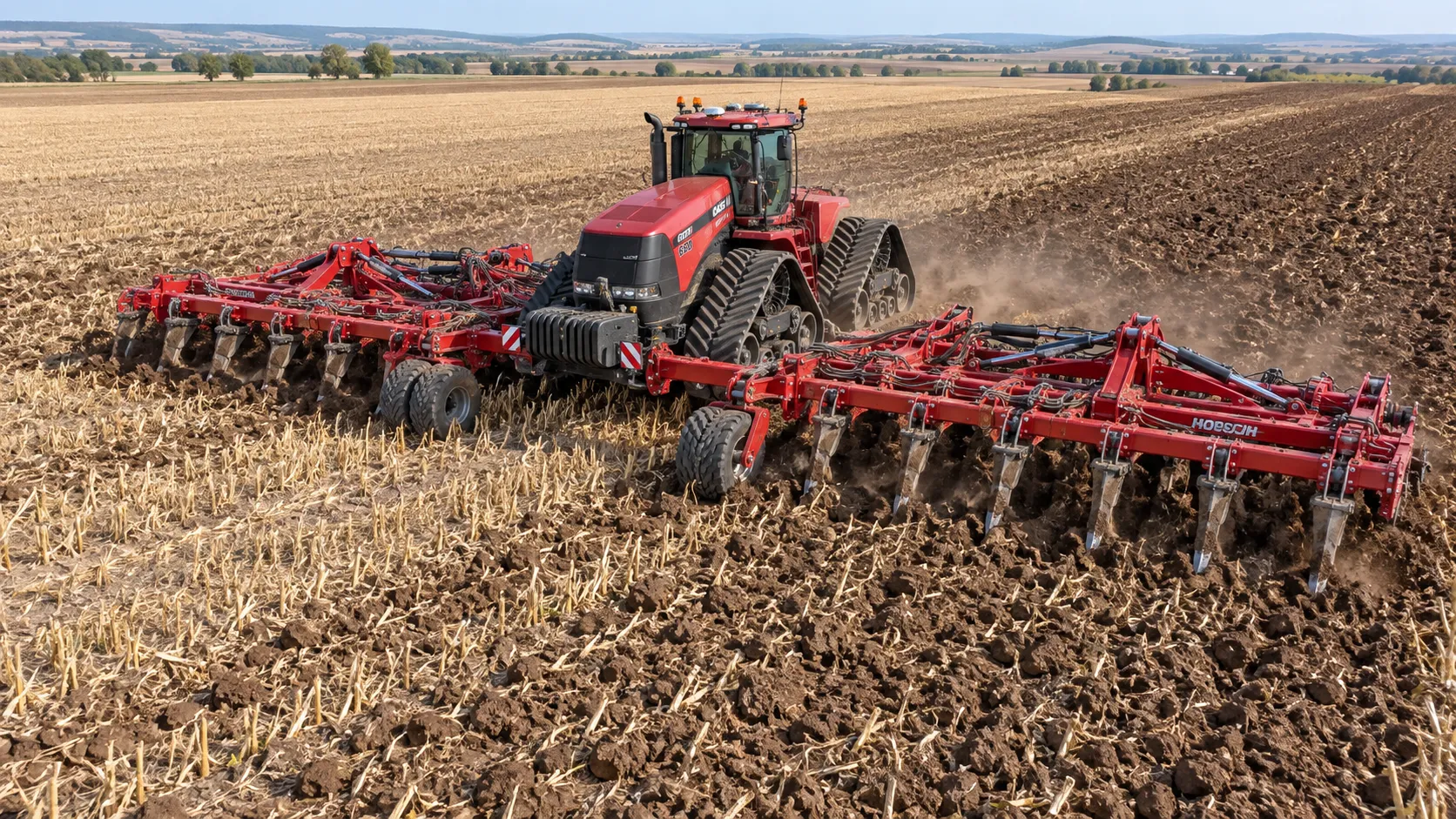
How to Select Heavy-Duty Farm Implements for High-Acreage, High-Horsepower Operations
Heavy duty farm implements: learn how to match draft, hydraulics, hitch capacity, frame strength, and field conditions for reliable high-acreage performance.
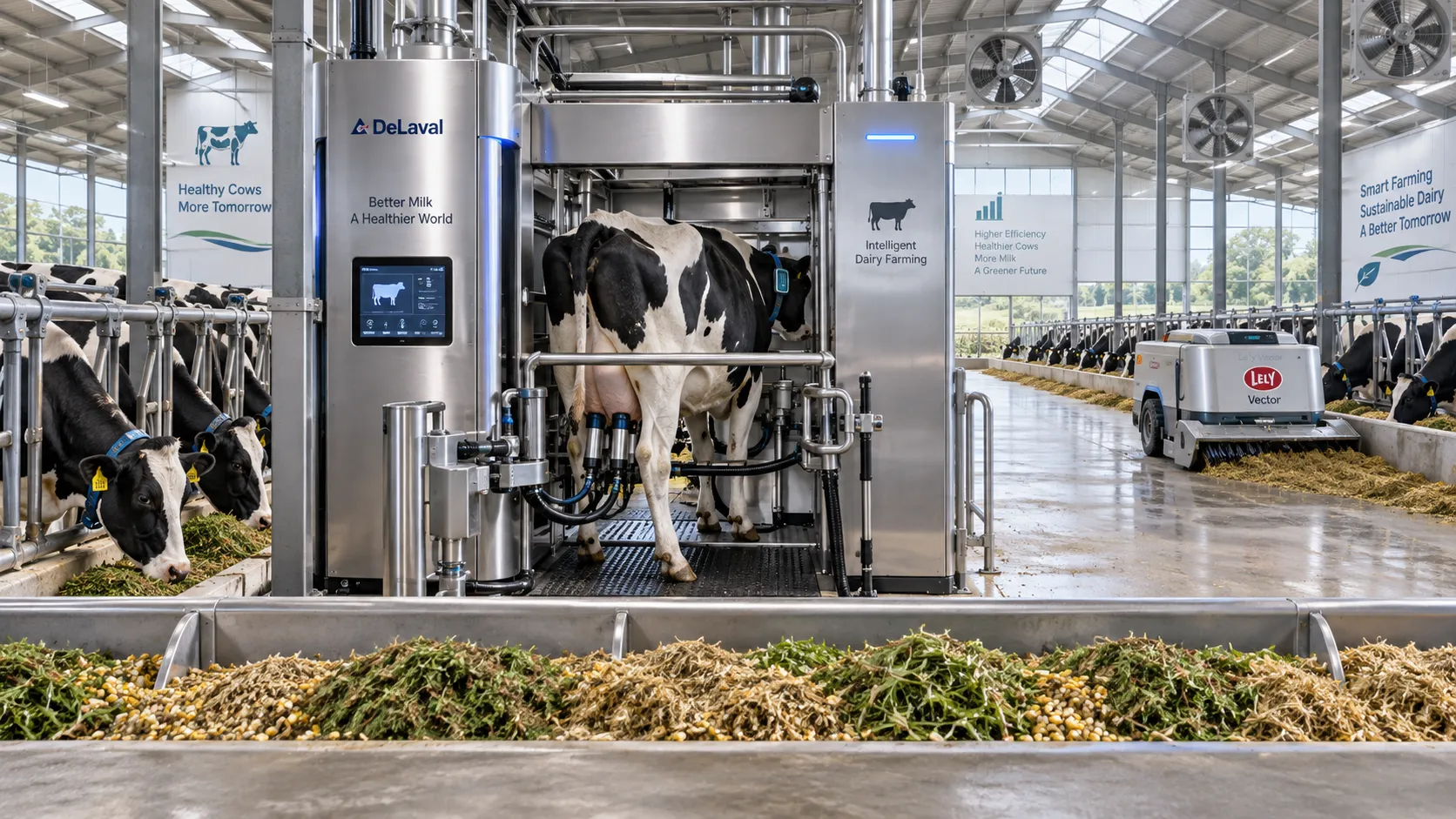
Smart Farming Technology for Dairy Farms: Where Automation Delivers Measurable ROI
Smart farming technology for dairy farms delivers measurable ROI through automation, precision feeding, health monitoring, and data-driven cost control.
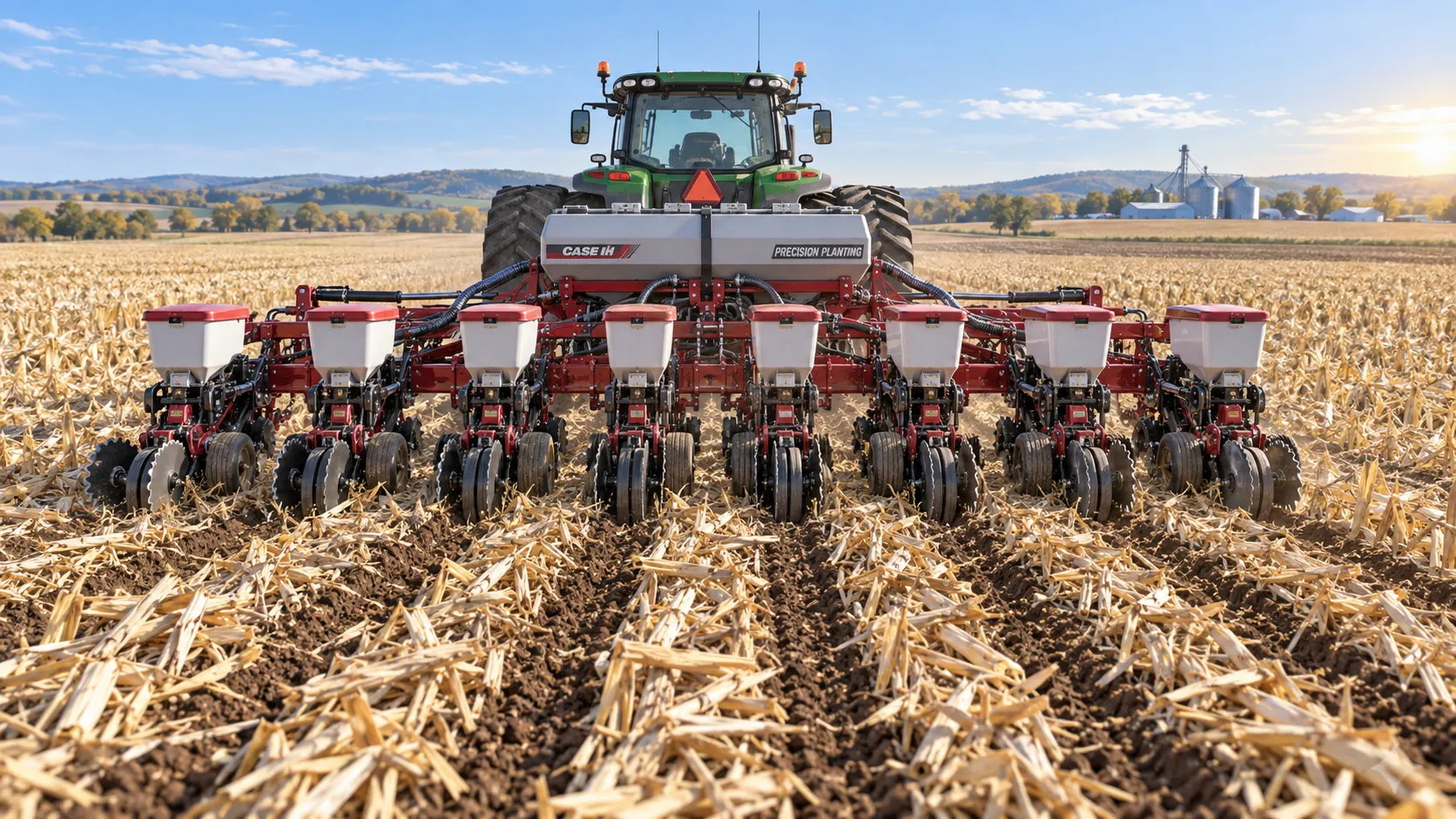
How to Select a Heavy-Duty Seeder for Large Acreage and High-Residue Fields
Heavy duty seeders for large acreage: compare residue handling, depth control, downforce, metering accuracy, and precision features to select the right model.
Related News
- 00
0000-00
Automated Water-Saving Irrigation: How to Cut Water Use Without Reducing Crop Yields - 00
0000-00
How to Evaluate Drip Irrigation System Manufacturers for Large Farm Projects - 00
0000-00
Wireless Agricultural Automation for Remote Irrigation and Field Monitoring - 00
0000-00
Designing Water-Saving Drip Irrigation Systems for High-Value Orchards - 00
0000-00
How to Choose Irrigation Solutions for Arid Regions Based on Water Source and Crop Needs
Popular Tags
Hydrological Resource Strategist
Weekly Insights
Stay ahead with our curated technology reports delivered every Monday.