
OIV Congress to Be Held in Yinchuan, Oct 2026
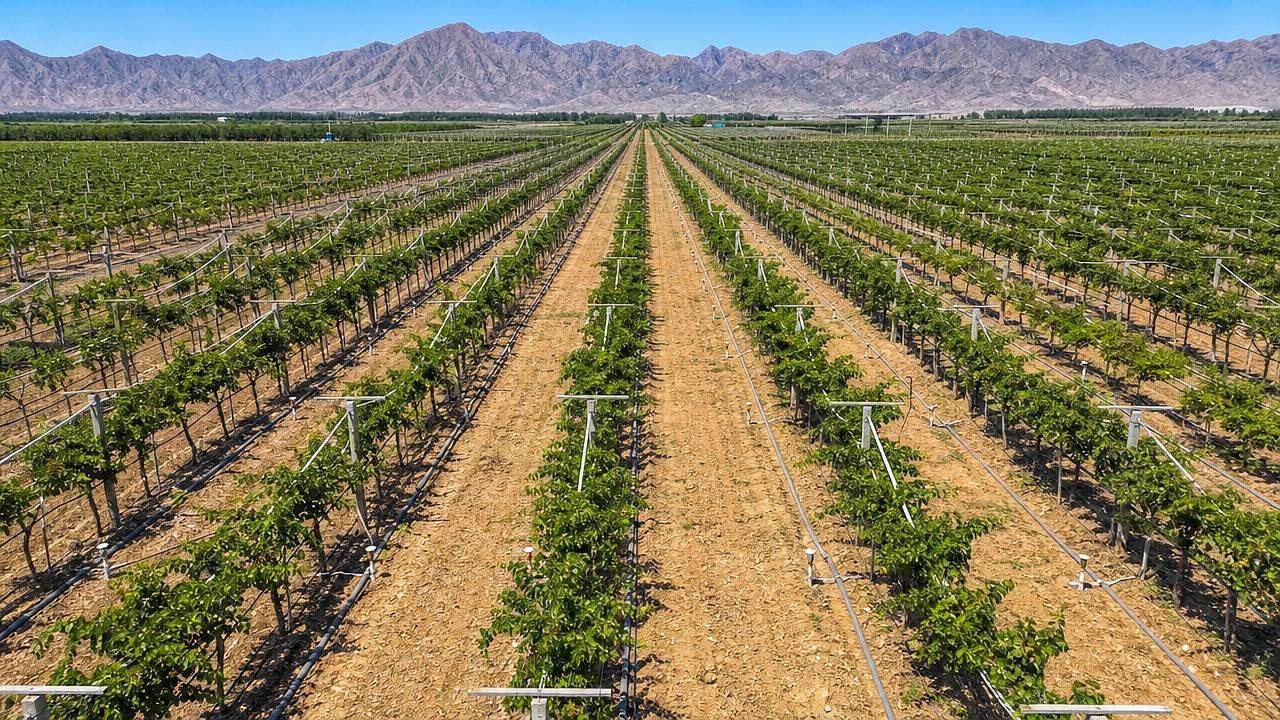




The 47th World Congress on Vine and Wine, hosted by the International Organisation of Vine and Wine (OIV), will take place in Yinchuan, Ningxia, China, from 12 to 16 October 2026. The event — themed ‘Sustainable Development, Shared Future’ — signals heightened international attention on precision viticulture technologies, particularly smart irrigation systems, soil moisture sensing networks, and variable-rate fertilisation. Companies involved in agricultural equipment manufacturing, irrigation technology export, AI-driven farm management software, and wine-sector supply chain services should monitor developments closely, as the congress serves as OIV’s sole global platform for policy dialogue and technical standard-setting — with direct implications for regulatory alignment and market access in key import markets including the EU, US, and Australia.
Event Overview
The 47th World Congress on Vine and Wine and OIV Congress will be held in Yinchuan, Ningxia, from 12 to 16 October 2026. The official theme is ‘Sustainable Development, Shared Future’. Confirmed agenda priorities include smart irrigation systems, soil moisture sensing networks, and variable-rate fertilisation technologies. This congress is designated by the OIV as its only global forum for intergovernmental policy coordination and technical standard development related to vine and wine production. Participating delegations are expected to represent major grape and wine importing markets: the European Union, the United States, and Australia.
Industries Affected
Irrigation Equipment Manufacturers
Manufacturers of smart irrigation hardware — including controllers, drip emitters with integrated sensors, and automated valve systems — may face revised technical specifications or conformity requirements aligned with OIV-endorsed frameworks. Influence stems from the congress’s role in shaping harmonised testing protocols and performance benchmarks adopted by national regulators in OIV member countries.
Agri-Tech Software Providers
Providers of AI-powered farm management platforms — especially those supporting vineyard-specific decision support, water-use optimisation, or nutrient scheduling — may encounter new interoperability expectations or data format standards emerging from OIV working groups. These could affect integration pathways into national digital agriculture infrastructures in target markets.
Winegrape Importers and Sourcing Agents
Importers sourcing bulk wine or fresh table grapes from regions adopting OIV-aligned practices may see shifts in contractual compliance clauses — such as mandatory reporting of irrigation efficiency metrics or soil health monitoring frequency — especially where buyers operate in EU or Australian markets with tightening sustainability due diligence rules.
Agricultural Certification & Compliance Services
Third-party auditors and certification bodies offering sustainability verification for vineyards may need to align assessment criteria with updated OIV guidelines post-congress. This includes potential revisions to water-use efficiency thresholds or sensor-based validation requirements for irrigation claims.
What Stakeholders Should Monitor and Act On
Track official OIV post-congress technical resolutions
Analysis shows that OIV congress outcomes typically translate into formal technical recommendations (e.g., OIV Resolution No. X/2026) within six months. Stakeholders should subscribe to OIV’s official publications channel and monitor updates to documents under the ‘Viticultural Practices’ and ‘Analytical Methods’ series.
Focus on irrigation-related standards affecting EU MRLs and Australian Biosecurity Conditions
Observably, recent OIV guidance has informed revisions to pesticide residue limits (MRLs) and biosecurity documentation for imported grape products. The upcoming congress may yield new language linking irrigation method transparency to risk-assessment frameworks — relevant for exporters preparing documentation under EU Regulation (EC) No 396/2005 or Australia’s Biosecurity Act 2015.
Distinguish between policy signals and enforceable requirements
From industry perspective, OIV resolutions are non-binding but frequently serve as technical baselines for national legislation. Current more appropriate interpretation is that the congress sets de facto reference points — not immediate legal obligations — meaning adoption timelines vary significantly across jurisdictions.
Prepare for pilot-scale validation of sensor network deployments
Current more suitable action is to review existing vineyard sensor deployments against anticipated OIV data-reporting templates (e.g., soil moisture sampling frequency, spatial resolution, calibration traceability). Early alignment supports smoother participation in future OIV-recognised demonstration projects or third-party verification schemes.
Editorial Perspective / Industry Observation
This congress is best understood as a signal — not an implementation milestone. Analysis shows that OIV congresses function primarily as consensus-building forums; binding regulatory effects emerge only through subsequent national transposition or regional harmonisation processes, often taking 18–36 months. Observably, the emphasis on smart irrigation and variable-rate technologies reflects broader agri-environmental policy trends in OIV member states — particularly EU Green Deal-linked initiatives — rather than standalone viticulture mandates. From industry angle, sustained attention is warranted not for immediate compliance pressure, but because the congress shapes the technical vocabulary and measurement logic used in sustainability reporting, public procurement tenders, and trade facilitation dialogues over the medium term.
Conclusion: The 2026 OIV Congress in Yinchuan does not introduce new regulations on its own, but it consolidates and elevates technical expectations around resource-efficient viticulture. Its primary significance lies in standard-setting influence — particularly for irrigation and soil monitoring systems — across major export markets. For stakeholders, this is better interpreted as an early indicator of evolving technical baselines, not an enforcement trigger. Continued observation of OIV’s follow-up publications and national-level regulatory responses remains essential.
Source: Official announcement by the International Organisation of Vine and Wine (OIV); confirmed dates and thematic focus published via OIV website and co-hosting statement by the Ningxia Hui Autonomous Region Government. Pending items for ongoing observation include final agenda details, list of participating national delegations, and post-congress publication schedule for technical resolutions.
Related News
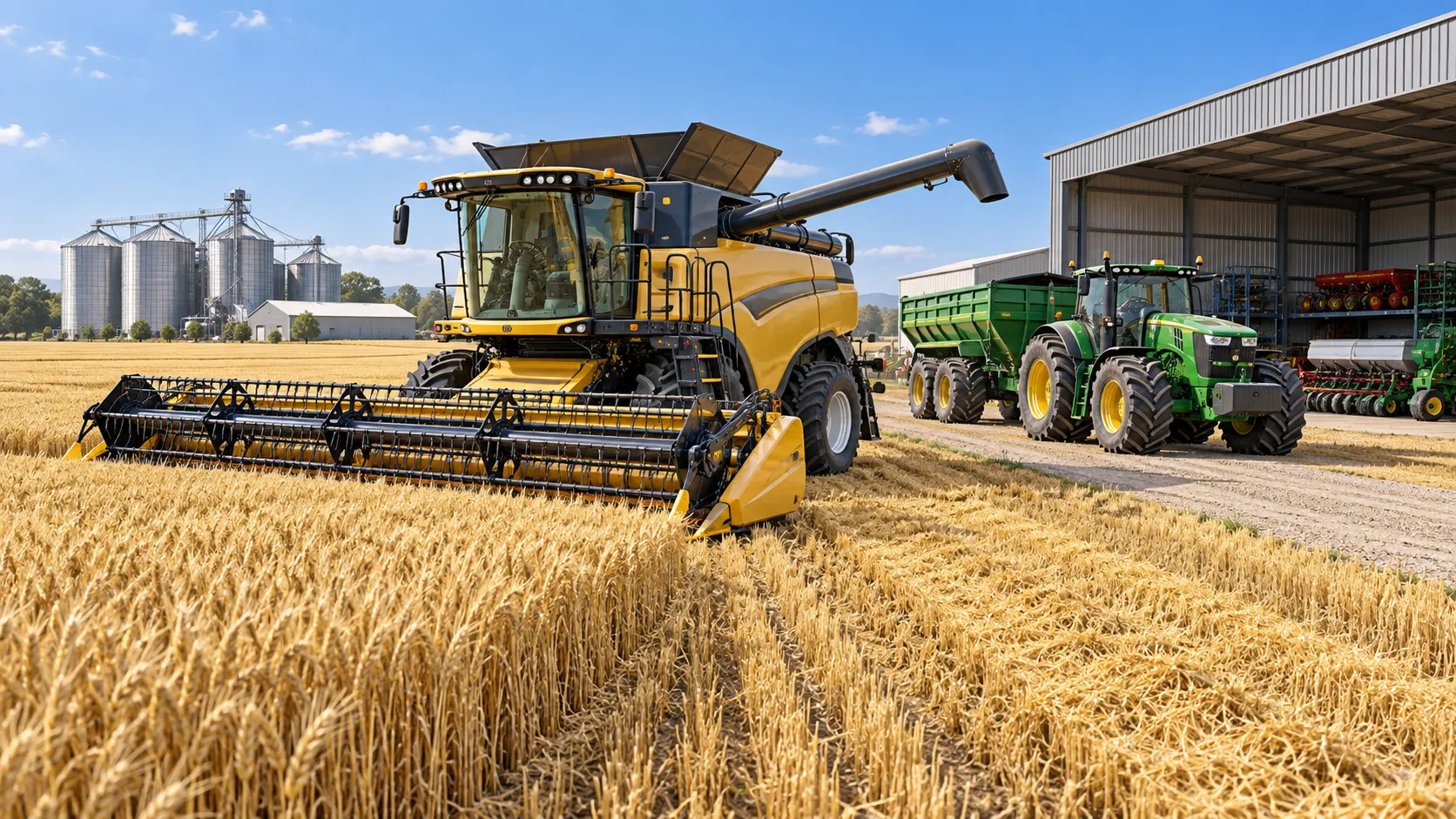
When Does Agricultural Machinery Leasing Cost Less Than Owning Equipment?
Agricultural machinery leasing can lower farm costs when use is seasonal or uncertain. Compare utilization, maintenance, cash flow, and risk to make a smarter equipment decision.
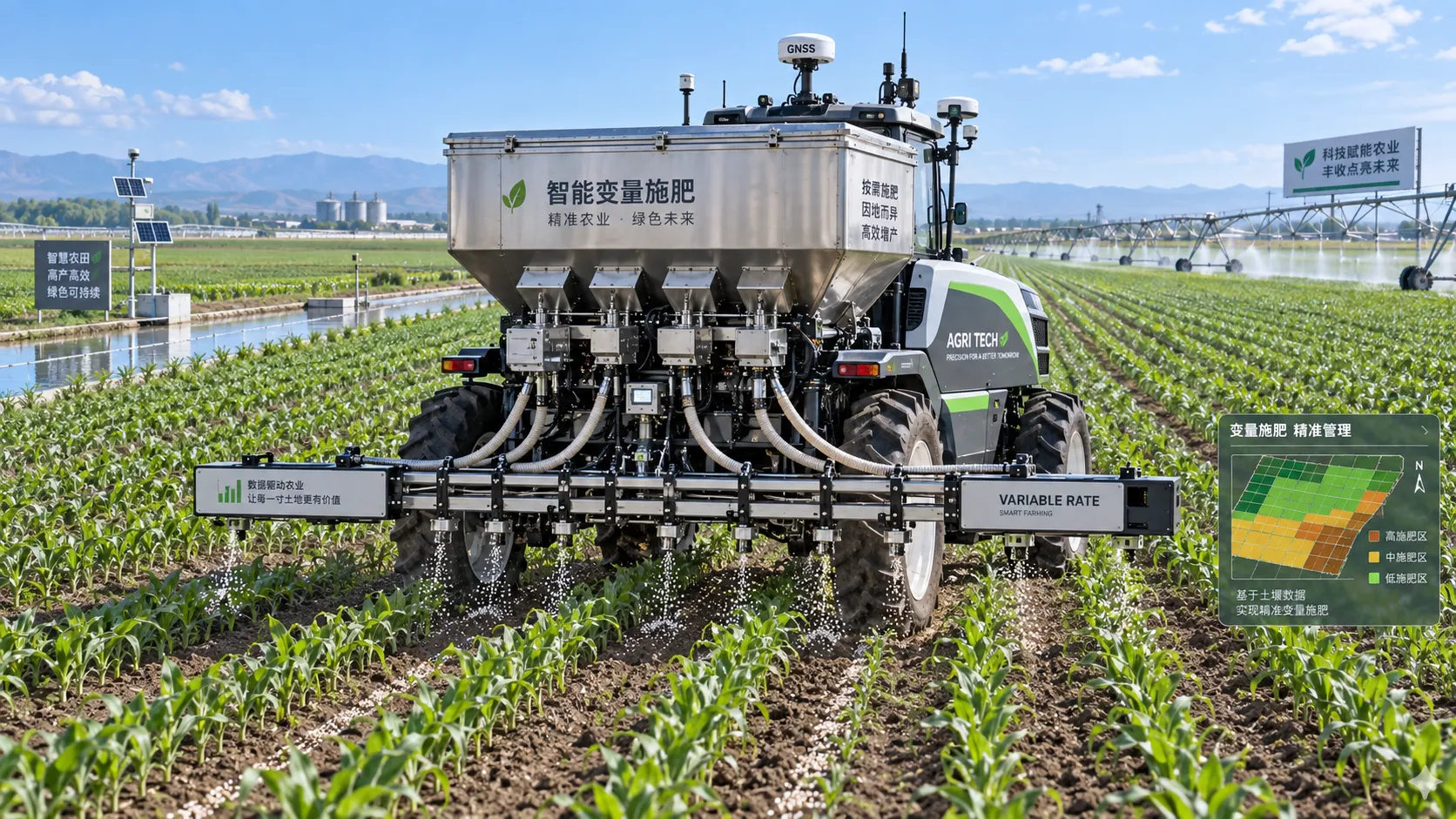
How to Evaluate Precision Fertilization System Suppliers for Farm-Scale Deployment
Precision fertilization systems suppliers: learn how to compare accuracy, integration, uptime, service, and total cost for confident farm-scale deployment.
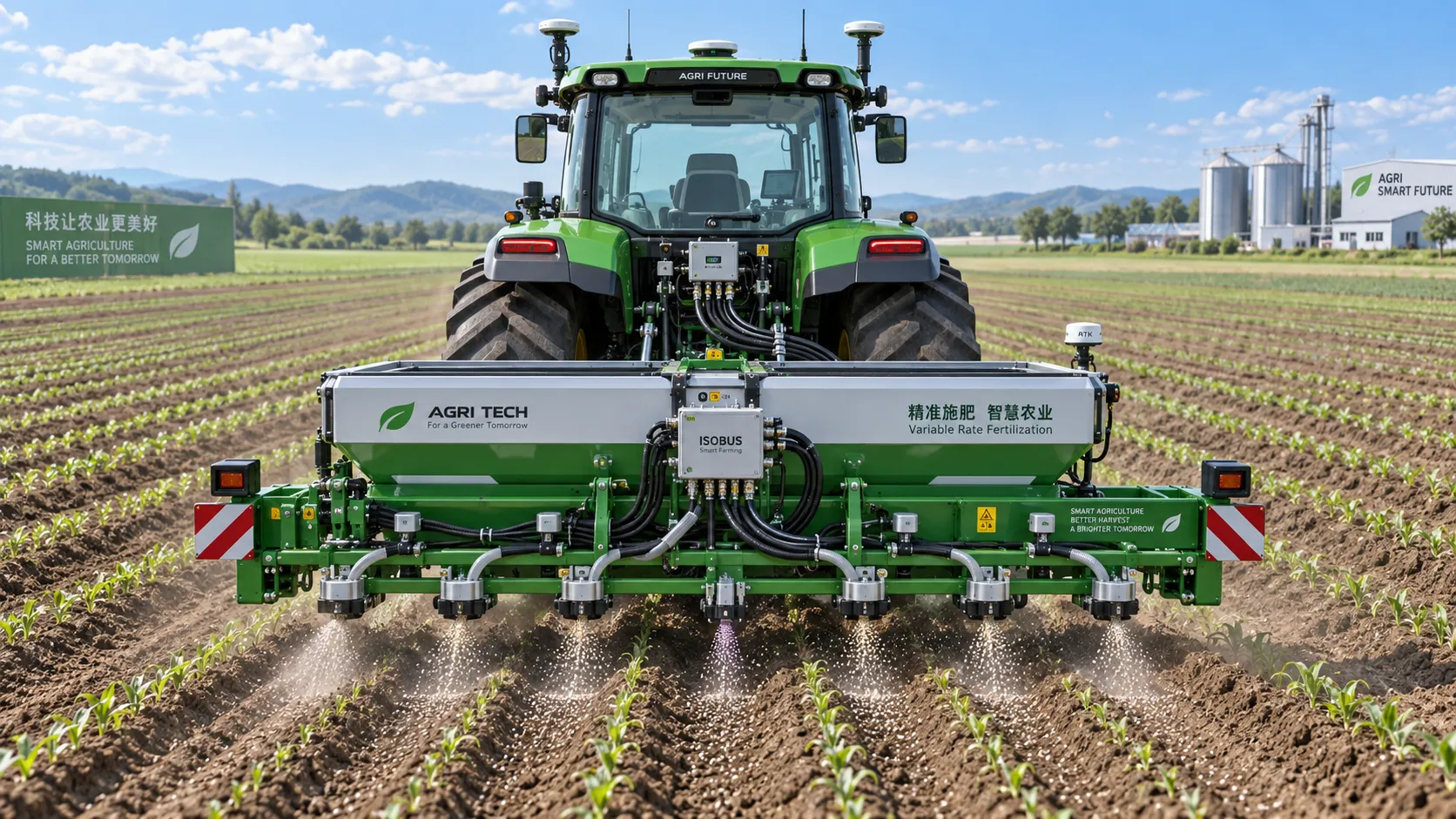
ISOBUS for Smart Agriculture: How It Connects Tractors, Implements, and Farm Data
ISOBUS for smart agriculture connects tractors, implements, terminals, and farm data—helping growers improve precision, documentation, and smarter field decisions.
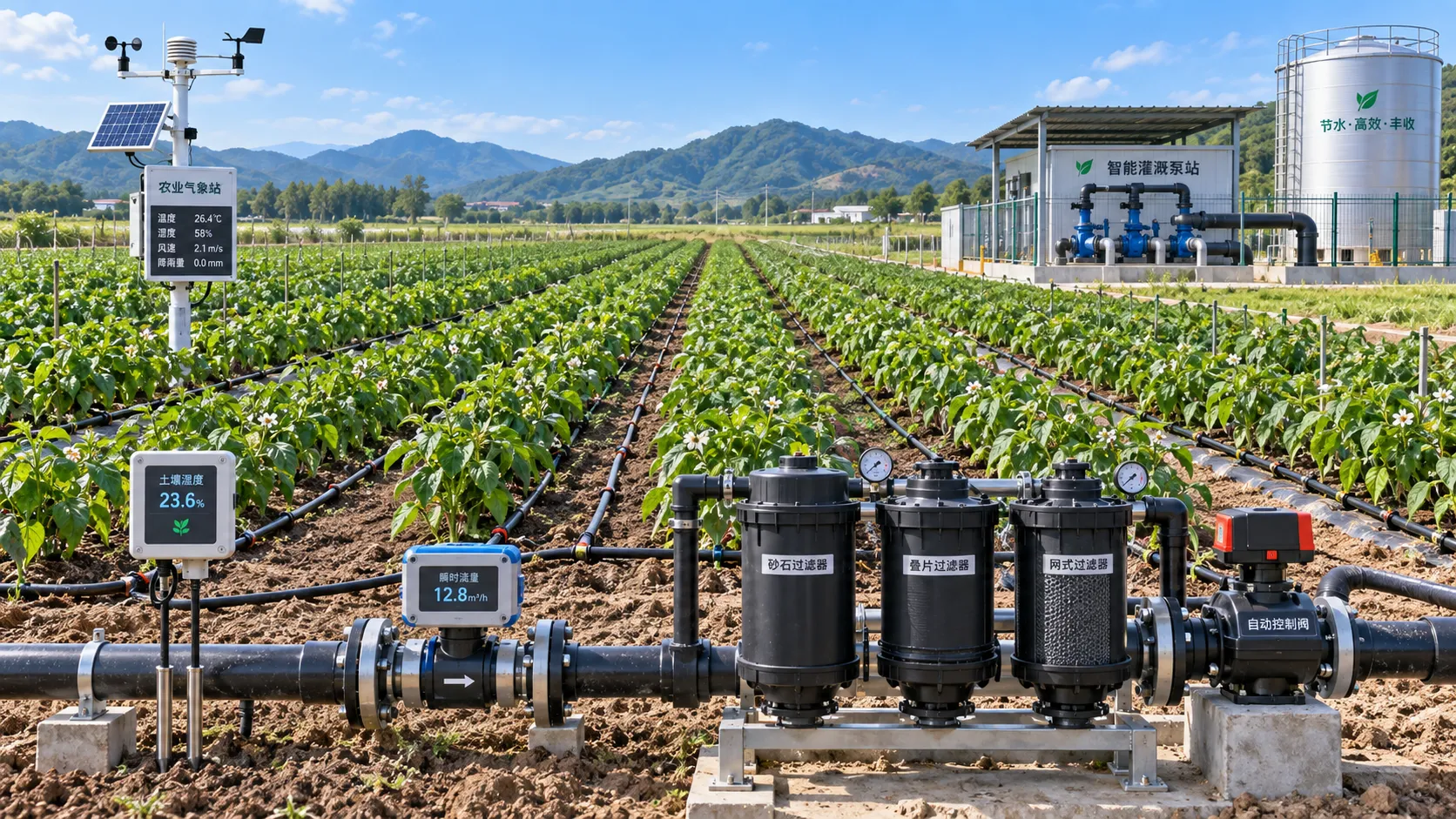
Automated Water-Saving Irrigation: How to Cut Water Use Without Reducing Crop Yields
Automated water-saving irrigation helps farms cut water use, protect crop yields, improve scheduling, and gain reliable control with sensors, flow monitoring, and smart zones.
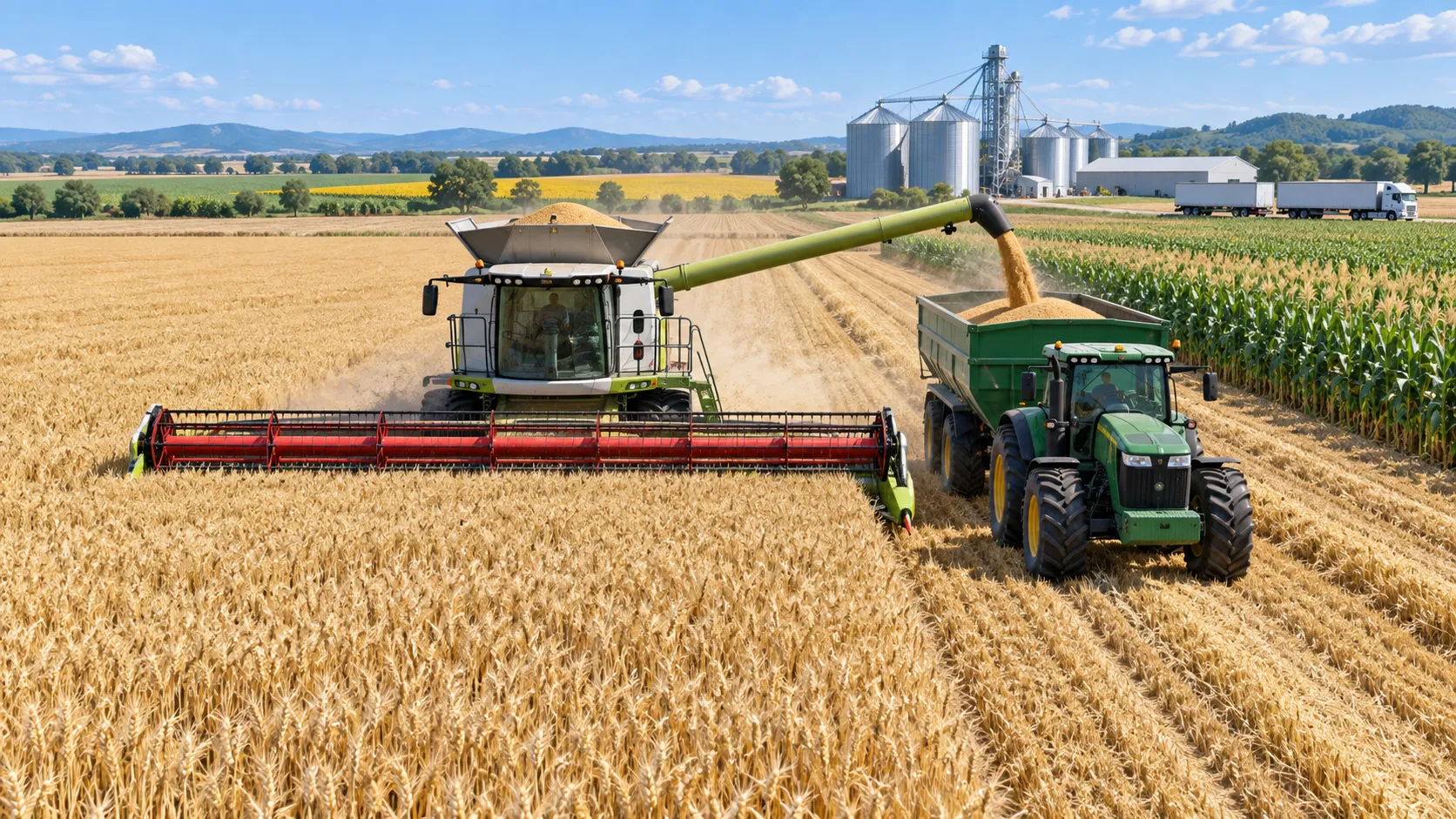
Selecting Grain Farm Equipment by Acreage, Crop Mix, and Harvest Window
Agricultural equipment selection for grain farming: match machinery to acreage, crop mix, and harvest windows to improve uptime, efficiency, and returns.
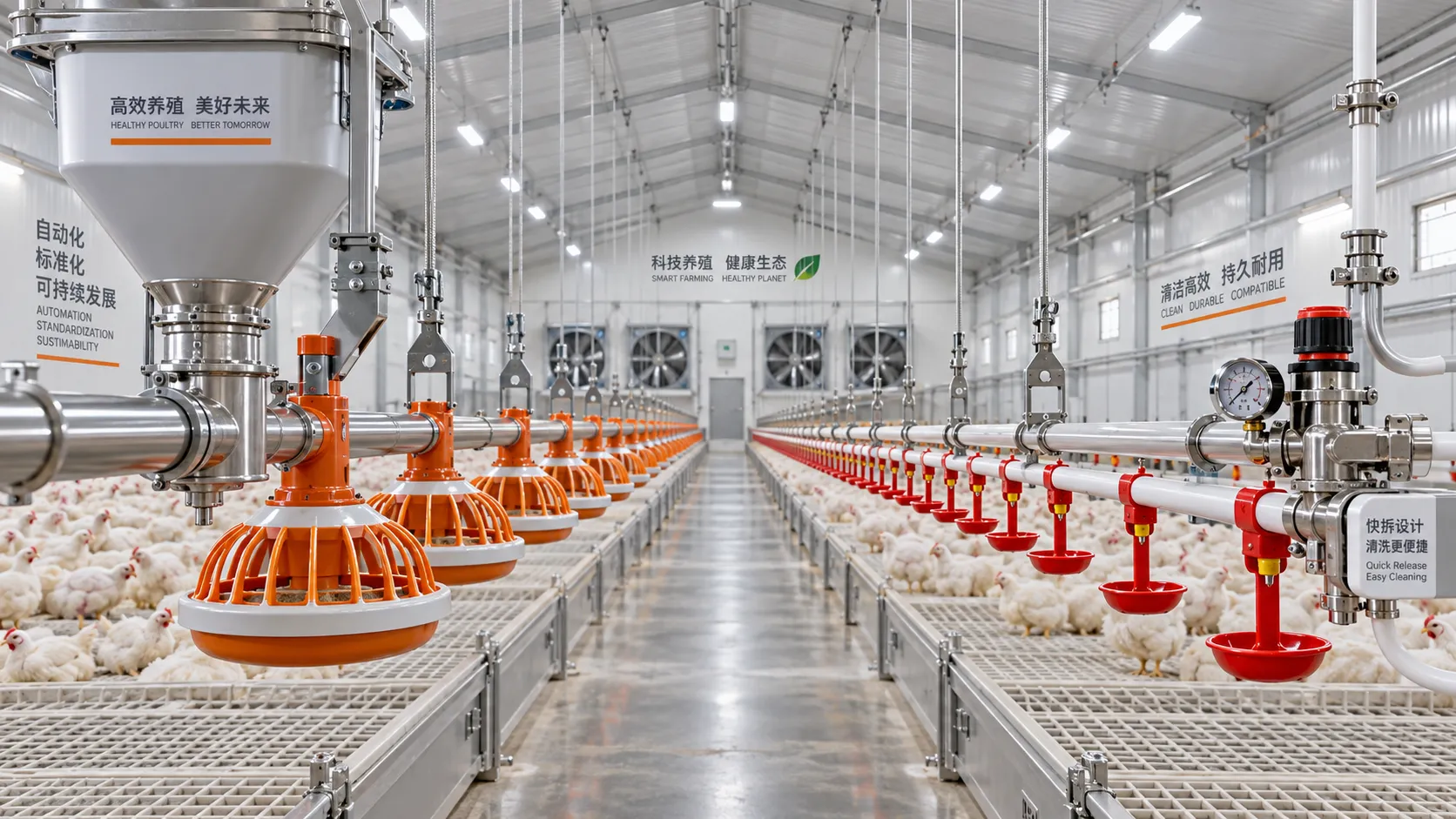
Poultry Equipment Selection: Evaluating Durability, Cleaning, and Compatibility
Poultry equipments selection guide: evaluate durability, cleaning access, and system compatibility to improve hygiene, reduce downtime, and support efficient flock management.
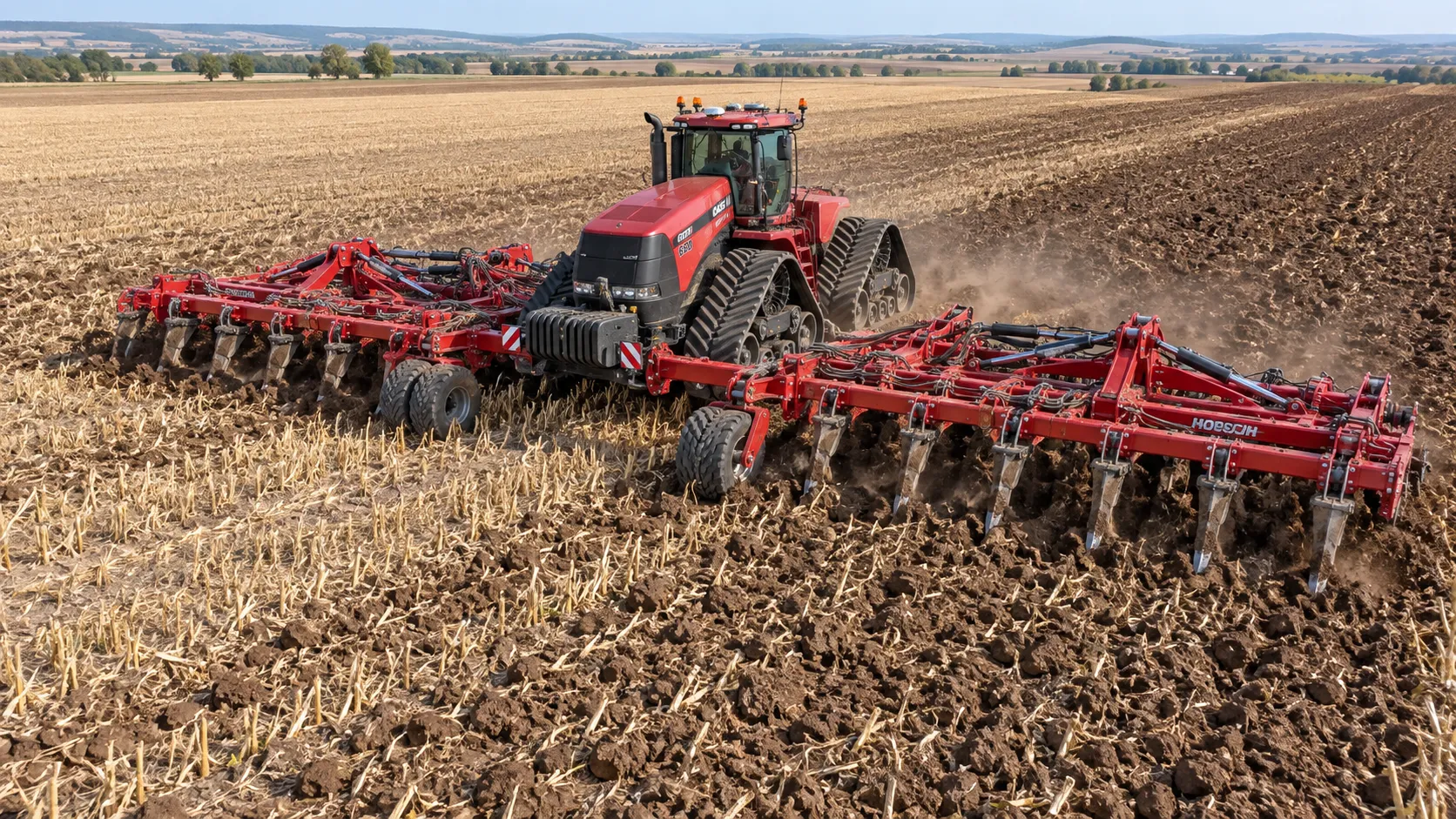
How to Select Heavy-Duty Farm Implements for High-Acreage, High-Horsepower Operations
Heavy duty farm implements: learn how to match draft, hydraulics, hitch capacity, frame strength, and field conditions for reliable high-acreage performance.
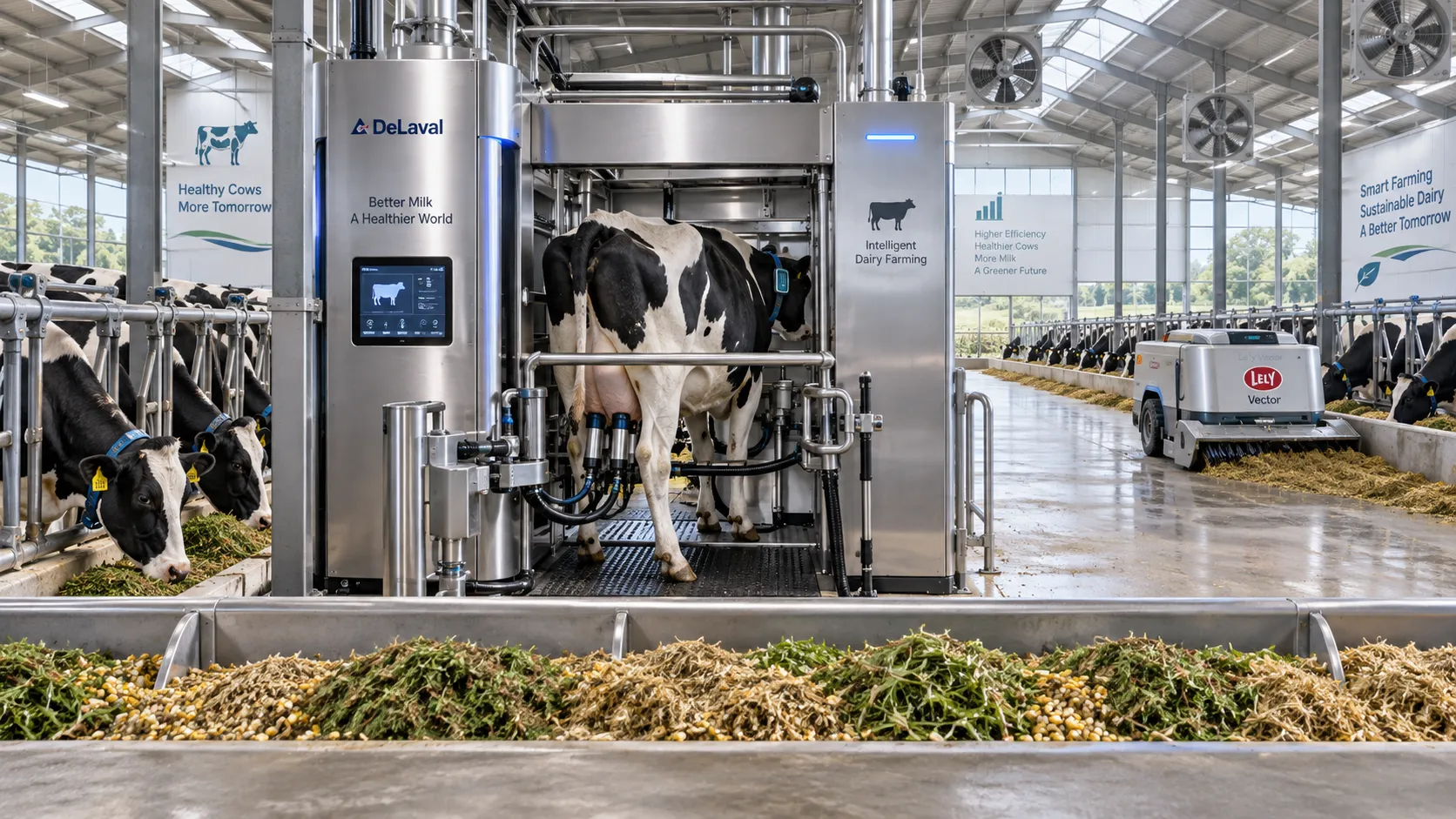
Smart Farming Technology for Dairy Farms: Where Automation Delivers Measurable ROI
Smart farming technology for dairy farms delivers measurable ROI through automation, precision feeding, health monitoring, and data-driven cost control.
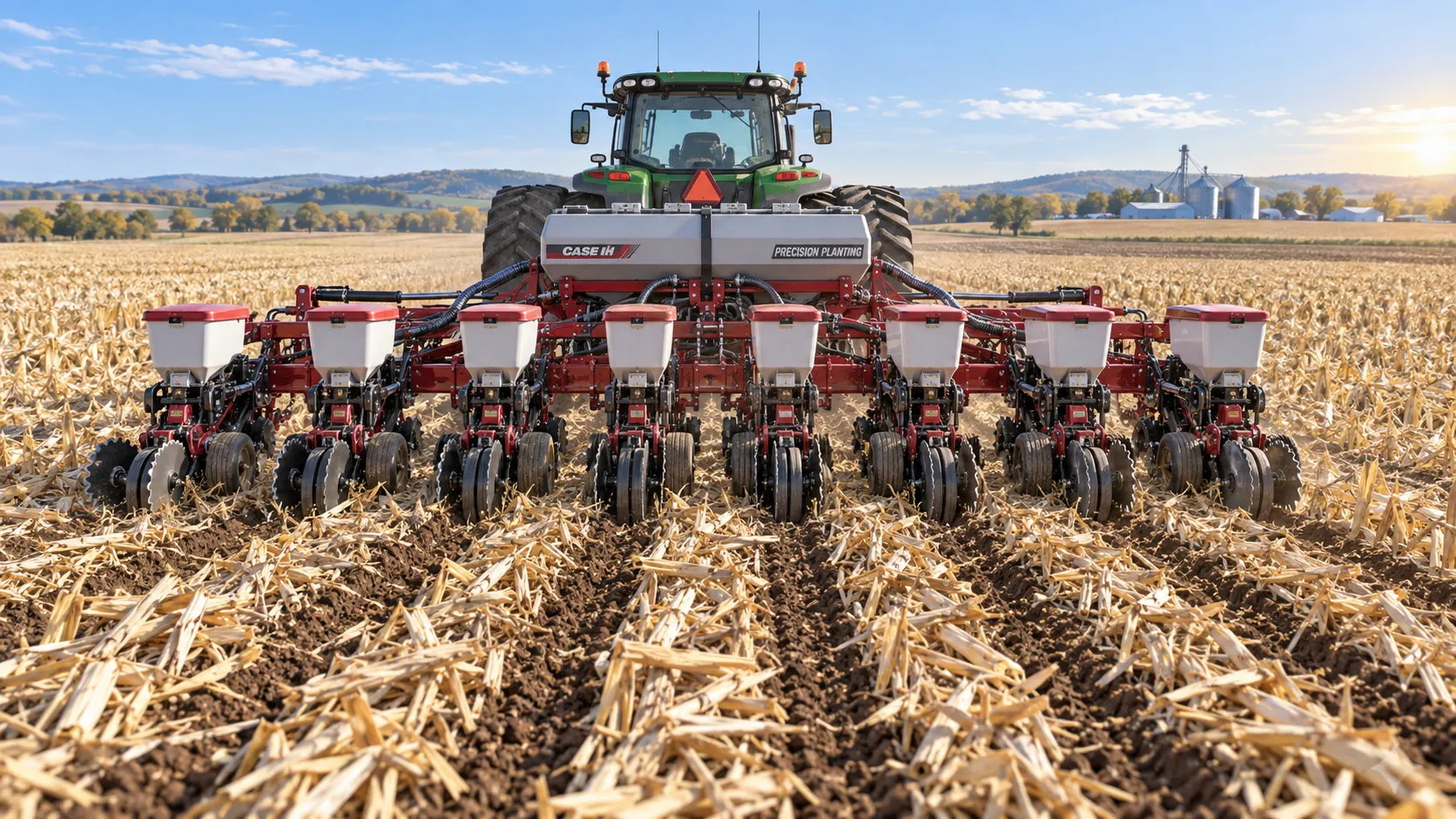
How to Select a Heavy-Duty Seeder for Large Acreage and High-Residue Fields
Heavy duty seeders for large acreage: compare residue handling, depth control, downforce, metering accuracy, and precision features to select the right model.
Related News
- 00
0000-00
Automated Water-Saving Irrigation: How to Cut Water Use Without Reducing Crop Yields - 00
0000-00
How to Evaluate Drip Irrigation System Manufacturers for Large Farm Projects - 00
0000-00
Wireless Agricultural Automation for Remote Irrigation and Field Monitoring - 00
0000-00
Designing Water-Saving Drip Irrigation Systems for High-Value Orchards - 00
0000-00
How to Choose Irrigation Solutions for Arid Regions Based on Water Source and Crop Needs
Popular Tags
Hydrological Resource Strategist
Weekly Insights
Stay ahead with our curated technology reports delivered every Monday.