
Smart Irrigation Networks: What Causes Uneven Field Coverage?





In smart irrigation networks, uneven field coverage rarely comes from a single fault. Operators often face pressure drops, sensor drift, clogged emitters, or poor zoning that quietly reduce uniformity and waste water. This article explains the most common causes behind patchy irrigation performance and shows how to identify them early for more stable, efficient field operations.
Understanding uneven coverage in smart irrigation networks
Smart irrigation networks combine pipes, valves, pumps, filters, emitters, controllers, sensors, and data logic into one operating system for field water delivery. In theory, they should improve uniformity compared with manual irrigation. In practice, many operators discover dry strips, overwatered corners, weak edge coverage, or unstable moisture patterns across the same field. This happens because a smart system is only as uniform as its hydraulic balance, control accuracy, and maintenance discipline.
Uneven field coverage means the crop root zone does not receive the same amount of water at the same time or with the same consistency. For operators, this is not just a technical issue. It affects germination, crop vigor, nutrient movement, disease pressure, energy use, and water productivity. In large-scale agriculture, small irrigation differences can become major yield losses when repeated over many hectares and many cycles.
Within the Agriculture 4.0 environment, smart irrigation networks are expected to support precision farming goals, sustainability targets, and tighter operating costs. That is why coverage uniformity has become a core performance question. A network may be digitally advanced, but if field distribution is physically uneven, the intelligence layer cannot deliver its full value.
Why the industry pays close attention to irrigation uniformity
Across modern farming systems, irrigation is no longer judged only by whether water reaches the field. It is judged by whether water reaches the right zone, at the right time, and in the right amount. This shift matters in regions facing climate variability, water restrictions, rising power costs, and pressure to document efficient resource use.
For operators managing intelligent farm tools and water-saving irrigation systems, poor coverage creates hidden inefficiencies. A moisture map may show field variability, but that variability can be caused by the irrigation network itself rather than by soil or crop differences alone. When that confusion is not recognized, teams may apply the wrong correction, such as increasing total runtime instead of fixing a blocked lateral or a misconfigured pressure zone.
This is especially important for organizations like AP-Strategy that track the connection between mechanical reliability, precision algorithms, and sustainability outcomes. Smart irrigation networks sit exactly at that intersection. Their performance depends on equipment condition, control logic, hydrological behavior, and operator response.
A practical overview of the main causes
Most coverage problems in smart irrigation networks fall into a few repeatable categories. Operators usually see the symptom in the field first, but the real cause may be hydraulic, mechanical, digital, or environmental. The table below provides a field-oriented overview.
Pressure problems are often the first hidden cause
In smart irrigation networks, pressure determines whether each emitter, sprinkler, or pivot outlet can perform as designed. Even a high-quality control platform cannot compensate for unstable hydraulics. If pump output changes, pipe friction is underestimated, elevation shifts are ignored, or too many zones run together, the field will not receive even water distribution.
Pressure loss often appears gradually. Operators may notice weaker application at the far end of a block, longer refill time in pressure-regulated sections, or recurring stress in the same crop rows. In drip irrigation, low pressure can reduce discharge rates. In sprinkler systems, it can change droplet size, throw radius, and overlap pattern. In center pivot or linear systems, pressure variation can distort the intended application profile along the machine span.
The most common pressure-related triggers include undersized mains, partially closed valves, worn pump components, leaks, and poor expansion planning when new sectors are added to an older network. When smart irrigation networks scale up without hydraulic review, uneven coverage becomes more likely.
Clogging and water quality issues reduce uniformity quietly
Clogging is one of the most underestimated causes of uneven field coverage. In many systems, the controller reports normal operation because valves opened and runtime was completed, yet the actual water volume reaching parts of the field is lower than expected. This is common in drip and micro-irrigation but can also affect sprinkler nozzles and filtration assemblies.
The blockage source may be physical, chemical, or biological. Sediment, iron precipitation, algae, biofilm, or fertilizer residues can all restrict flow. Water source variability makes the issue harder to manage. Surface water, recycled water, and poorly filtered reservoir supplies often require more disciplined flushing and filter inspection schedules than operators initially expect.
A useful warning sign is when crop variability follows line patterns rather than soil maps. If dry patches repeat along laterals or appear in clusters around certain submains, the problem may be partial clogging instead of weather stress. Smart irrigation networks benefit from data, but physical inspection remains essential.
Sensor drift and data errors can mislead the whole network
The “smart” part of smart irrigation networks depends on measurement quality. Soil moisture probes, pressure sensors, flow meters, weather stations, and valve position feedback all influence decisions. If one sensor drifts out of calibration or reports unstable values, irrigation timing and dosage may shift without obvious alarm.
This problem is especially serious when operators trust dashboards more than field checks. A sensor installed at the wrong depth, in an unrepresentative soil patch, or too close to an emitter can produce data that look precise but do not represent average root-zone conditions. The result is poor irrigation decisions repeated at scale.
Communication faults also matter. Battery weakness, signal interruption, controller latency, or integration errors between hardware brands can create delayed actions or missing records. In such cases, uneven field coverage is not caused by water delivery hardware alone but by the decision chain that manages it.
Zoning design must match soils, crops, and terrain
Many uneven coverage problems begin at the design stage rather than during daily operation. Smart irrigation networks perform best when each zone groups similar water demand conditions. If one zone combines heavy and light soils, shaded and exposed sections, or flat and sloped ground, a single schedule will rarely fit all parts of that zone.
Operators often inherit these layouts and try to fix them through runtime adjustments. That can help temporarily, but it does not solve the structural mismatch. The wrong zoning strategy forces the system to compromise from the start. One part of the field receives excess water while another remains short.
This is why leading precision agriculture programs increasingly combine satellite imagery, soil conductivity mapping, topographic data, and historical yield layers when evaluating smart irrigation networks. Better zoning is not just a design upgrade; it is a long-term correction for repeat irrigation inefficiency.
Common field situations by irrigation type
Not all smart irrigation networks fail in the same way. Coverage patterns differ by system architecture, which means operators should diagnose by equipment type as well as by symptom.
What uneven coverage means for operators and field performance
For users and machine operators, the effects of uneven irrigation extend beyond water use. Under-irrigated areas may show weak emergence, poor canopy development, shallow rooting, and lower nutrient uptake. Over-irrigated areas may suffer oxygen stress, runoff, leaching, disease pressure, and extra pumping costs. In mixed conditions, harvest timing and crop quality can also become less uniform.
From an operational perspective, smart irrigation networks with poor uniformity generate misleading management signals. Teams may blame seed quality, fertilizer response, or pest pressure when irrigation inconsistency is the real driver. That creates avoidable spending and delays proper correction. In large commercial farming, such misdiagnosis can affect labor scheduling, fertigation plans, and machinery deployment across the season.
Practical steps to identify problems early
Operators do not need to wait for severe crop stress before investigating smart irrigation networks. Early detection comes from combining field observation with structured technical checks. Start with simple comparisons: pressure at the pump versus field ends, flow meter readings versus expected discharge, and sensor records versus manual soil checks.
Walk the field after irrigation events. Look for recurring patterns, not isolated anomalies. If symptoms align with pipe layout, sprinkler spacing, or elevation changes, the network itself is likely involved. If symptoms match soil texture zones or compaction layers, irrigation may be interacting with field conditions rather than failing alone.
A strong routine usually includes filter maintenance logs, seasonal sensor calibration, valve response checks, leak inspection, and periodic distribution testing. In smart irrigation networks, digital records are valuable, but they should be verified by physical measurements and operator experience.
Best-practice guidance for more stable smart irrigation networks
To improve coverage consistency, operators should focus on four priorities. First, protect hydraulic stability by reviewing pump performance, pressure regulation, and pipe sizing whenever the system expands. Second, treat filtration and flushing as core reliability tasks, not as occasional maintenance. Third, validate data quality through calibration and representative sensor placement. Fourth, review zoning logic against real field variability instead of relying only on legacy layouts.
It also helps to build a response hierarchy. Correct physical failures first, then confirm data integrity, and only after that refine irrigation algorithms or schedules. This sequence prevents operators from using software adjustments to hide mechanical or hydraulic weaknesses.
For businesses managing precision agriculture assets, this approach supports both water efficiency and equipment longevity. It also aligns with broader industry goals around sustainability, energy control, and resilient field operations.
Conclusion and next action
Uneven field coverage in smart irrigation networks is rarely random. It usually reflects a combination of pressure imbalance, clogging, sensor error, poor zoning, or overlooked environmental effects. Understanding these causes helps operators move from reactive troubleshooting to planned performance management.
For teams working in modern irrigated agriculture, the goal is not only to automate watering but to make every irrigation event more uniform, measurable, and agronomically useful. If your field shows repeating wet and dry patterns, start with hydraulic checks, data validation, and zone review before changing the entire schedule. A smarter network becomes truly effective when field coverage is as reliable as the software that controls it.
Related News

When Does Agricultural Machinery Leasing Cost Less Than Owning Equipment?
Agricultural machinery leasing can lower farm costs when use is seasonal or uncertain. Compare utilization, maintenance, cash flow, and risk to make a smarter equipment decision.

How to Evaluate Precision Fertilization System Suppliers for Farm-Scale Deployment
Precision fertilization systems suppliers: learn how to compare accuracy, integration, uptime, service, and total cost for confident farm-scale deployment.
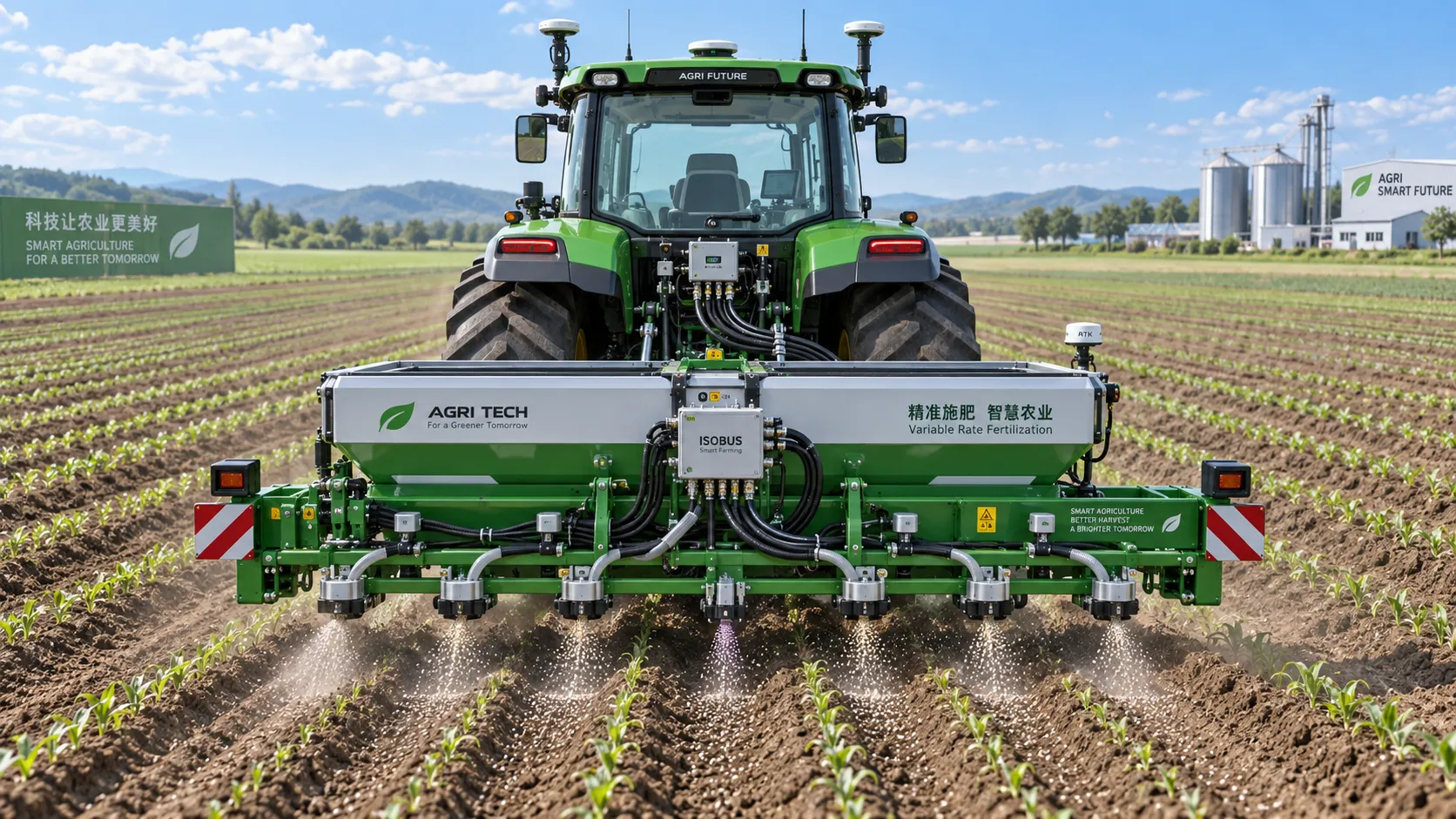
ISOBUS for Smart Agriculture: How It Connects Tractors, Implements, and Farm Data
ISOBUS for smart agriculture connects tractors, implements, terminals, and farm data—helping growers improve precision, documentation, and smarter field decisions.
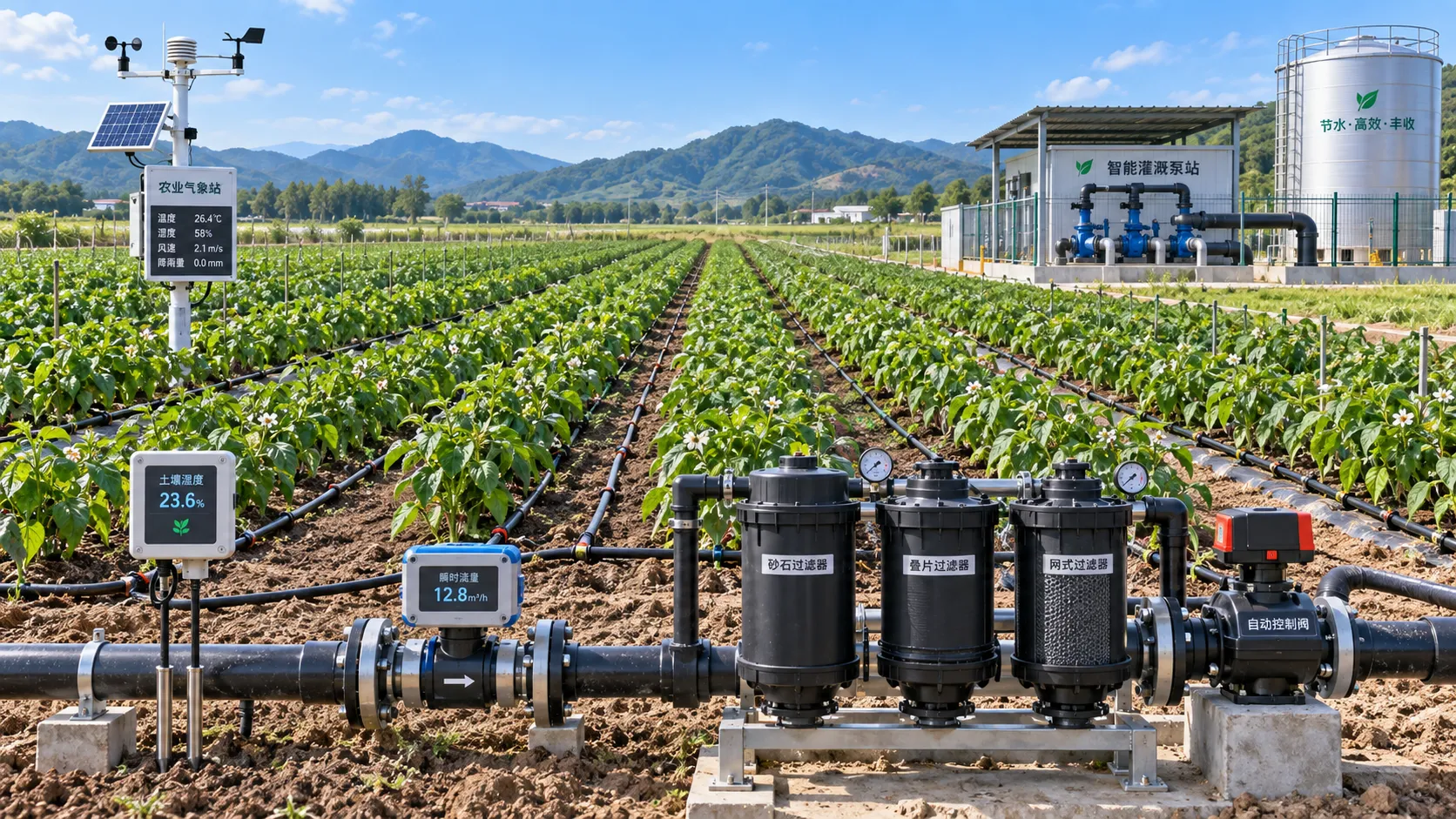
Automated Water-Saving Irrigation: How to Cut Water Use Without Reducing Crop Yields
Automated water-saving irrigation helps farms cut water use, protect crop yields, improve scheduling, and gain reliable control with sensors, flow monitoring, and smart zones.
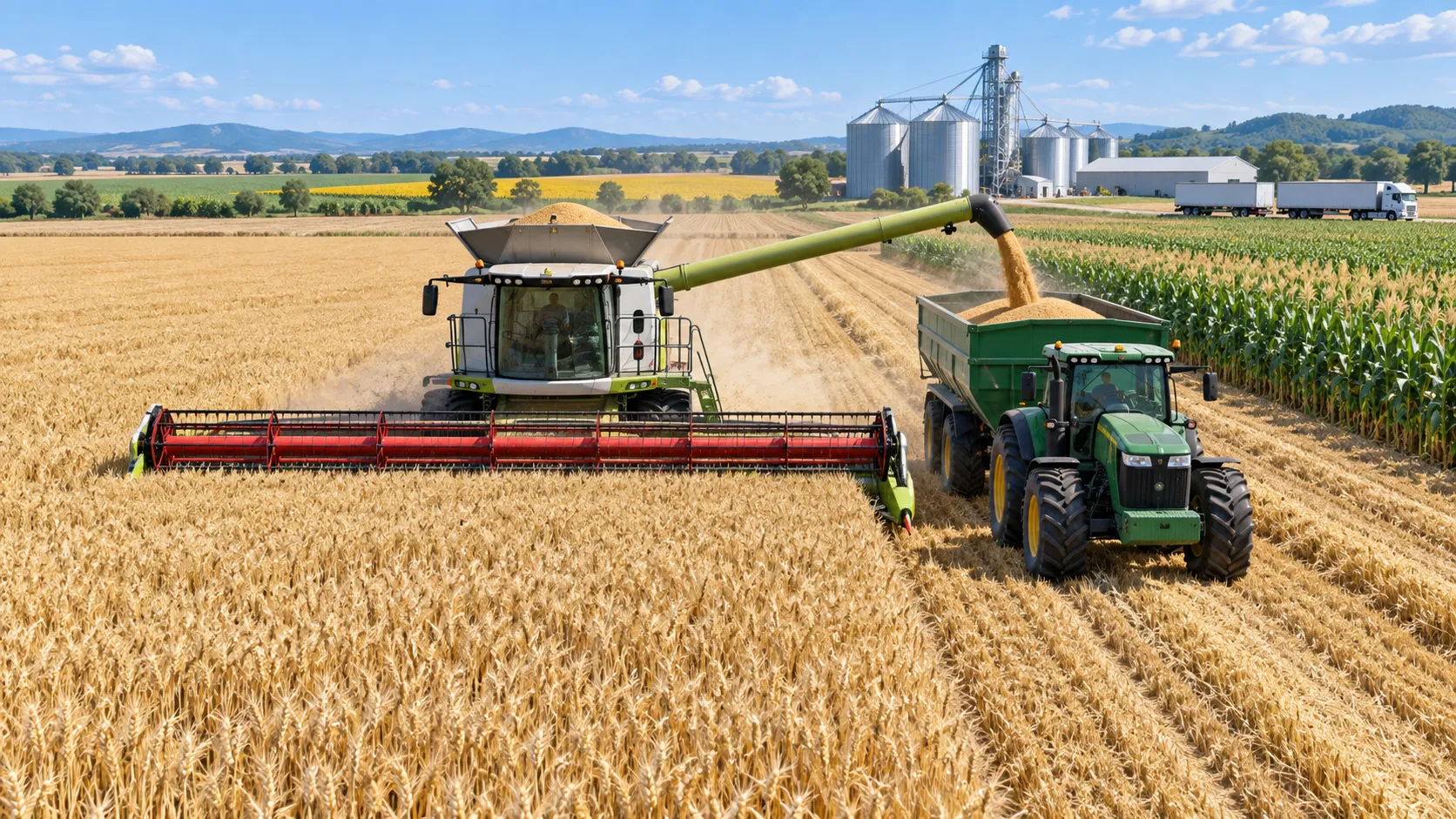
Selecting Grain Farm Equipment by Acreage, Crop Mix, and Harvest Window
Agricultural equipment selection for grain farming: match machinery to acreage, crop mix, and harvest windows to improve uptime, efficiency, and returns.
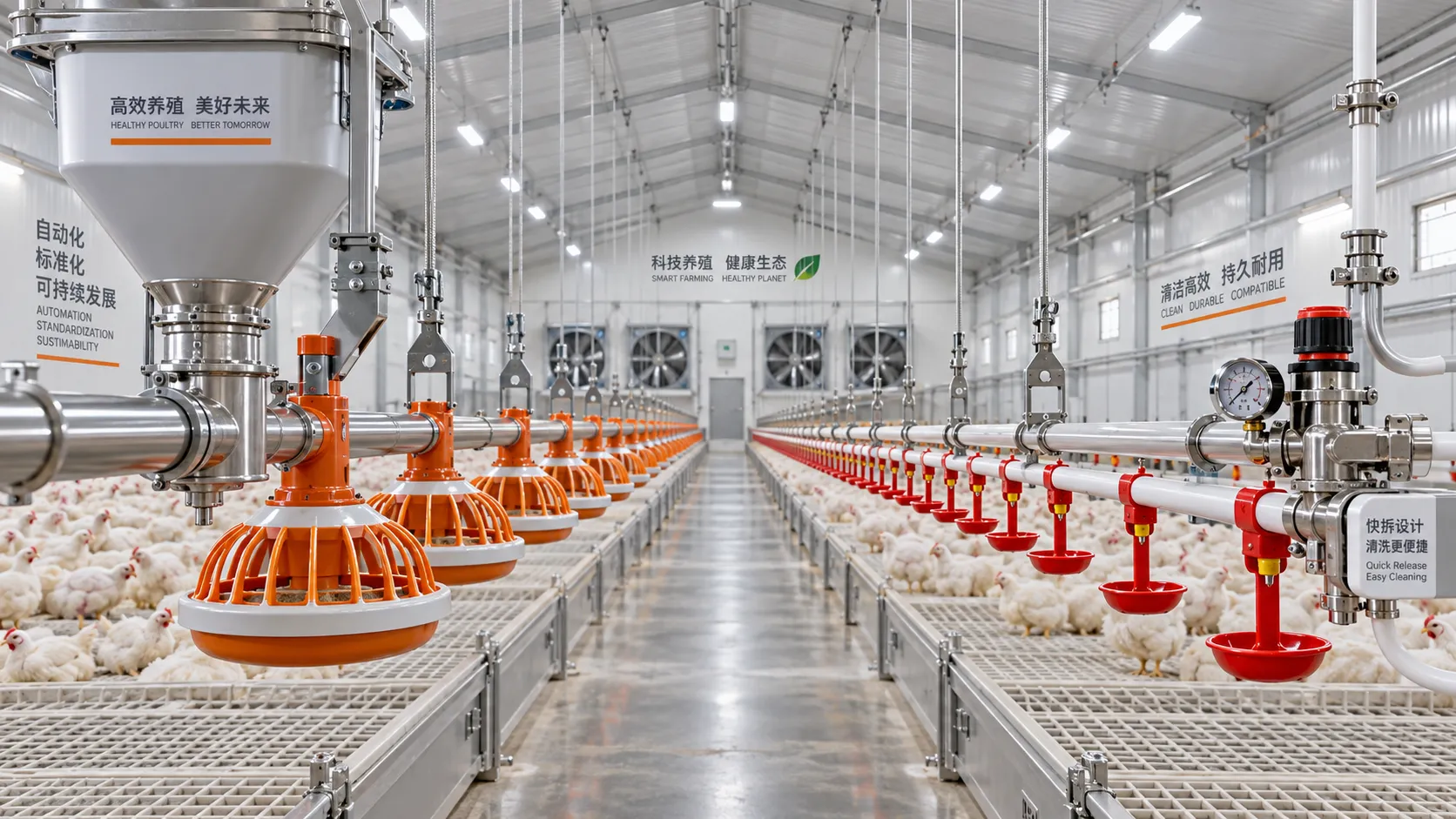
Poultry Equipment Selection: Evaluating Durability, Cleaning, and Compatibility
Poultry equipments selection guide: evaluate durability, cleaning access, and system compatibility to improve hygiene, reduce downtime, and support efficient flock management.
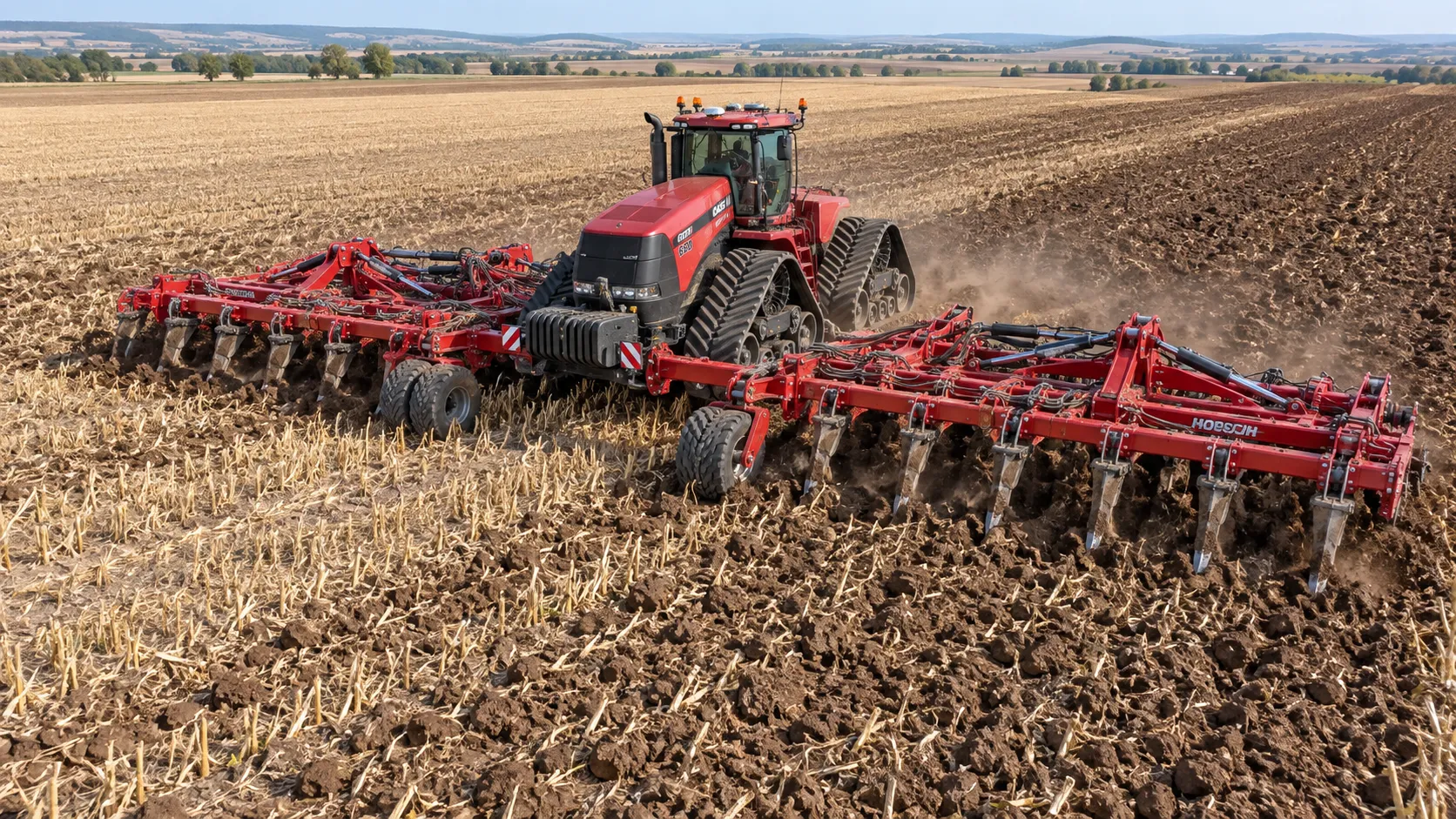
How to Select Heavy-Duty Farm Implements for High-Acreage, High-Horsepower Operations
Heavy duty farm implements: learn how to match draft, hydraulics, hitch capacity, frame strength, and field conditions for reliable high-acreage performance.
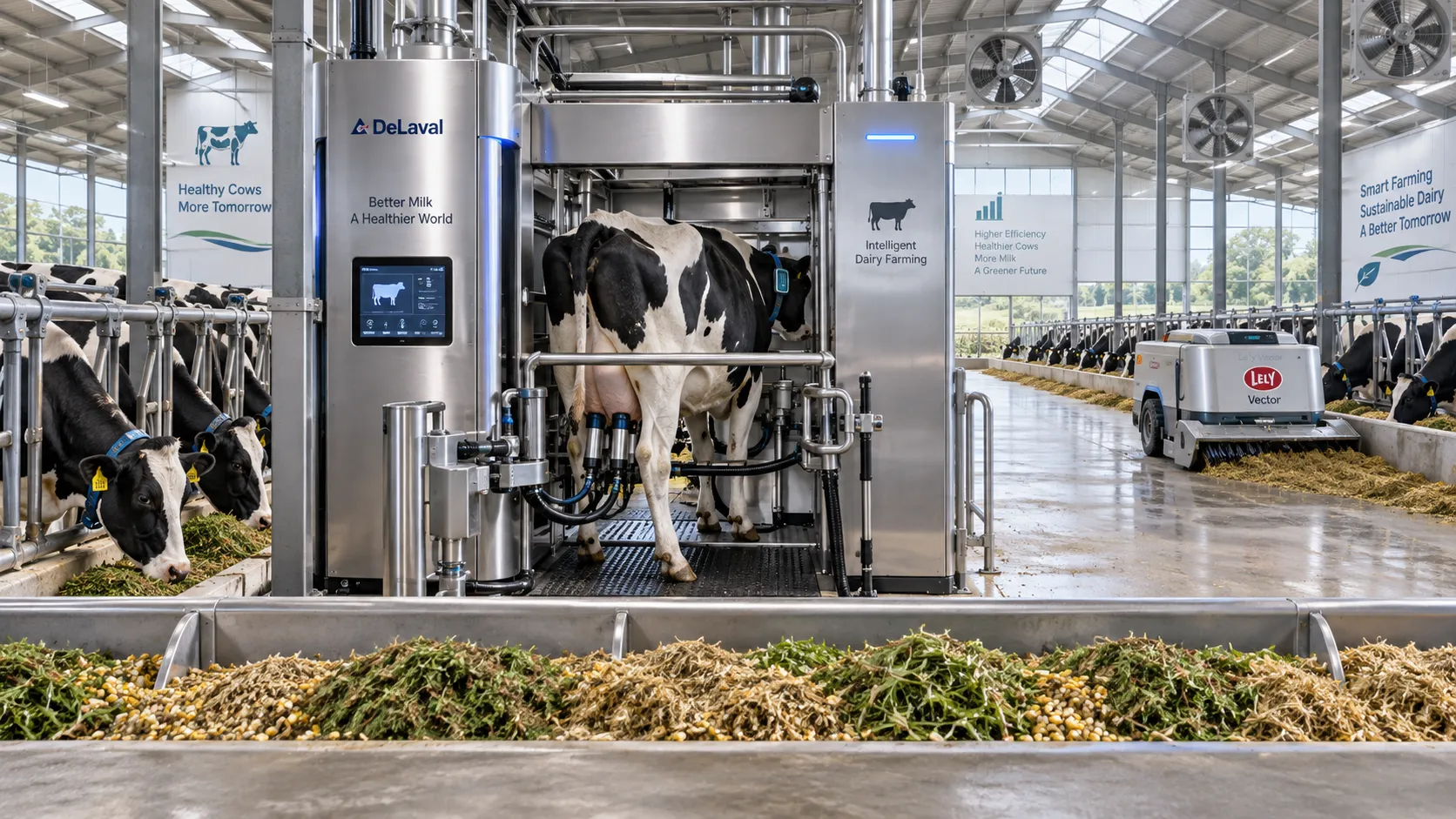
Smart Farming Technology for Dairy Farms: Where Automation Delivers Measurable ROI
Smart farming technology for dairy farms delivers measurable ROI through automation, precision feeding, health monitoring, and data-driven cost control.
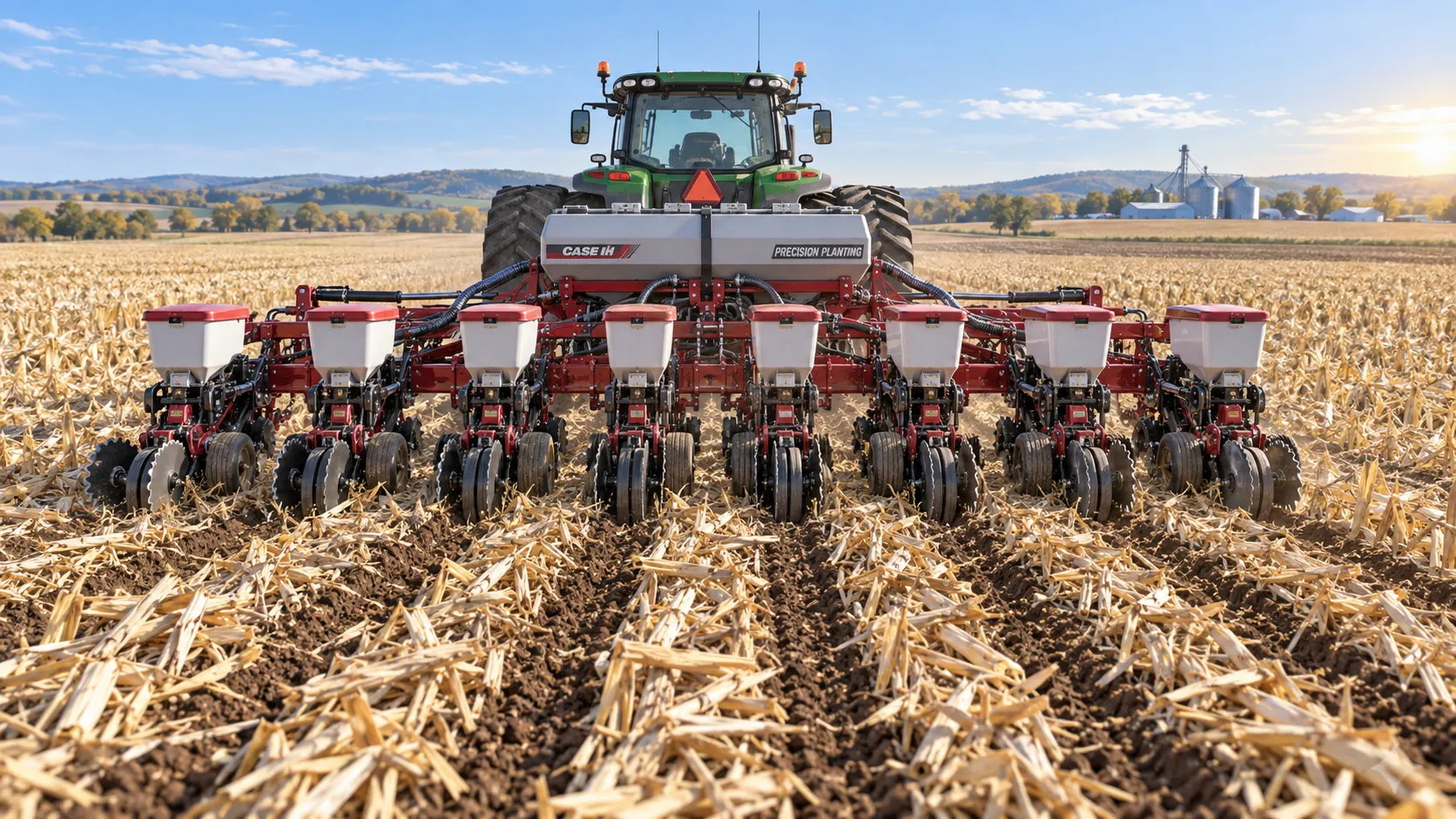
How to Select a Heavy-Duty Seeder for Large Acreage and High-Residue Fields
Heavy duty seeders for large acreage: compare residue handling, depth control, downforce, metering accuracy, and precision features to select the right model.
Related News
- 00
0000-00
Automated Water-Saving Irrigation: How to Cut Water Use Without Reducing Crop Yields - 00
0000-00
How to Evaluate Drip Irrigation System Manufacturers for Large Farm Projects - 00
0000-00
Wireless Agricultural Automation for Remote Irrigation and Field Monitoring - 00
0000-00
Designing Water-Saving Drip Irrigation Systems for High-Value Orchards - 00
0000-00
How to Choose Irrigation Solutions for Arid Regions Based on Water Source and Crop Needs
Popular Tags
Hydrological Resource Strategist
Weekly Insights
Stay ahead with our curated technology reports delivered every Monday.