
EN 13463-1:2026 Published: New EU Explosive Atmospheres Standard Affects Irrigation & Fertigation Equipment
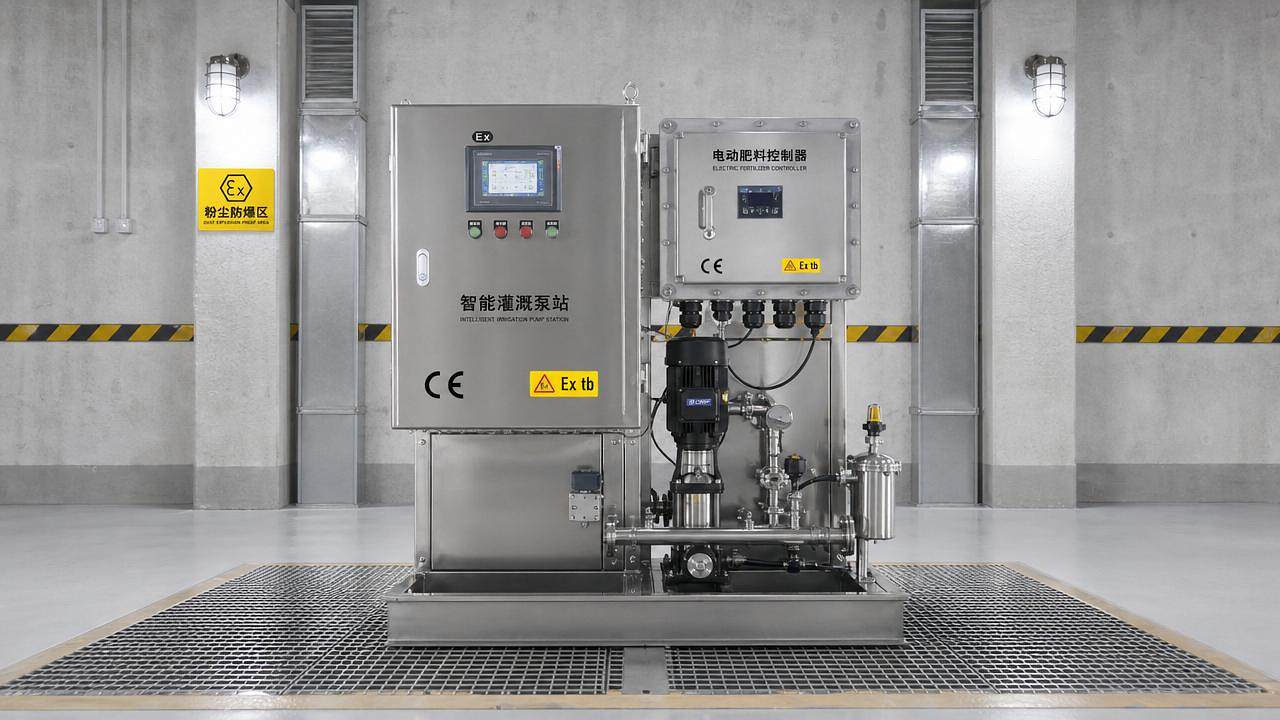




On 1 May 2026, the European Union published EN 13463-1:2026 — the revised standard for non-electrical equipment intended for use in potentially explosive atmospheres. This update introduces specific intrinsic safety requirements for smart irrigation pump stations and electric fertilizer controllers operating in dust explosion hazards (e.g., grain silos, feed mills). Exporters of such equipment from China must complete CE conformity assessment under the new version by November 2026 to remain eligible for EU agricultural infrastructure procurement.
Event Overview
On 1 May 2026, the Official Journal of the European Union published EN 13463-1:2026, titled Non-electrical equipment for use in potentially explosive atmospheres — Part 1: Basic method and requirements. The revision explicitly extends applicability to intelligent irrigation pump stations and electric fertilizer controllers deployed in combustible dust environments. It mandates intrinsic safety certification for these devices where used in zones classified under EN 60079-10-2 (dust explosion hazard areas). No further official guidance or transitional arrangements beyond the 2026-11 deadline have been published as of the date of publication.
Industries Affected by Sector
Export-oriented manufacturing enterprises (China-based)
These firms produce irrigation pump stations and electric fertilizer controllers destined for EU markets. They are directly affected because EN 13463-1:2026 is now a harmonized standard under the EU ATEX Directive (2014/34/EU); compliance is mandatory for CE marking. Non-compliance after November 2026 may result in customs rejection or exclusion from public tenders for EU rural development and agri-infrastructure projects.
EU-based agricultural infrastructure contractors and system integrators
Contractors sourcing equipment for grain handling facilities, feed production lines, or automated farm storage systems must verify that newly procured pump and fertigation control units meet EN 13463-1:2026. Procurement specifications issued after May 2026 are increasingly likely to reference the 2026 edition, making legacy-certified units ineligible for bid submissions unless grandfathered under specific project clauses.
CE conformity assessment bodies and notified bodies
Testing laboratories authorized under the ATEX Directive must update their test protocols and technical documentation review criteria to cover the new intrinsic safety provisions for mechanical and electro-mechanical components in dust environments. Their capacity to issue valid certificates under EN 13463-1:2026 — particularly for hybrid devices combining fluid handling, motor control, and wireless communication — is now subject to scrutiny during EU Commission surveillance audits.
What Enterprises and Practitioners Should Focus On — And How to Respond
Confirm current product scope against EN 13463-1:2026’s defined application boundaries
Manufacturers should cross-check whether their irrigation pump stations or electric fertilizer controllers operate in Zone 20, 21, or 22 (per EN 60079-10-2), especially when installed inside or adjacent to grain silos, milling areas, or bulk feed handling zones. Devices used solely in open-field drip systems — outside classified dust zones — fall outside the new scope.
Initiate CE re-testing with an EU-notified body no later than August 2026
Given typical lead times for test scheduling, documentation review, and report issuance (8–12 weeks), firms targeting uninterrupted market access should engage a notified body by mid-August 2026 at the latest. Priority should be given to products already in active EU tender pipelines or covered under multi-year supply agreements.
Review technical files for intrinsic safety evidence beyond electrical isolation
EN 13463-1:2026 requires demonstration that non-electrical ignition sources — e.g., frictional heat from pump impellers, static charge accumulation on plastic housings, or mechanical sparking from actuator gears — are mitigated to safe levels in dust-laden air. Existing technical documentation may lack this analysis; manufacturers should commission updated risk assessments aligned with Annex A of the 2026 edition.
Monitor EU Commission updates on transitional provisions and interpretation guidelines
Although the official text sets 1 November 2026 as the date of application, the European Commission may issue FAQs or guidance clarifying implementation timelines for existing contracts or spare parts. Subscribing to official EU notifications (e.g., NANDO database alerts, CENELEC bulletins) is recommended for timely awareness.
Editorial Perspective / Industry Observation
Observably, EN 13463-1:2026 reflects a tightening of regulatory alignment between mechanical safety and explosion protection in precision agriculture hardware — a trend accelerated by increased automation in grain and feed handling. Analysis shows this is not merely a technical refresh but a deliberate expansion of ATEX’s scope into previously unregulated hybrid devices. From an industry perspective, it signals growing regulatory attention on ‘non-electrical’ elements in digitally enabled farm equipment — especially where physical motion, fluid pressure, and particulate exposure intersect. Current enforcement remains reliant on notified body certification and market surveillance; however, the standard’s inclusion in EU procurement templates suggests early adoption is already underway in public-sector supply chains.
Consequently, this update is best understood not as an isolated compliance checkpoint, but as an indicator of evolving expectations for integrated safety assurance across electromechanical agricultural systems. Its practical impact will intensify only as more EU member states reference the 2026 edition in national procurement rules and as notified bodies finalize internal procedures.
Conclusion: EN 13463-1:2026 marks a procedural milestone rather than an immediate market disruption. Its significance lies in establishing a new baseline for product eligibility in high-risk agricultural infrastructure — one that prioritizes ignition source control beyond electrical circuits alone. For stakeholders, the current priority is verification of applicability, not wholesale redesign; pragmatic response hinges on precise scope mapping and timely engagement with conformity assessment pathways.
Source: Official Journal of the European Union, L 125/1, 1 May 2026 (EN 13463-1:2026); CENELEC website announcement, 1 May 2026. Note: Transitional arrangements, if any, remain pending formal Commission communication and are under observation.
Related News
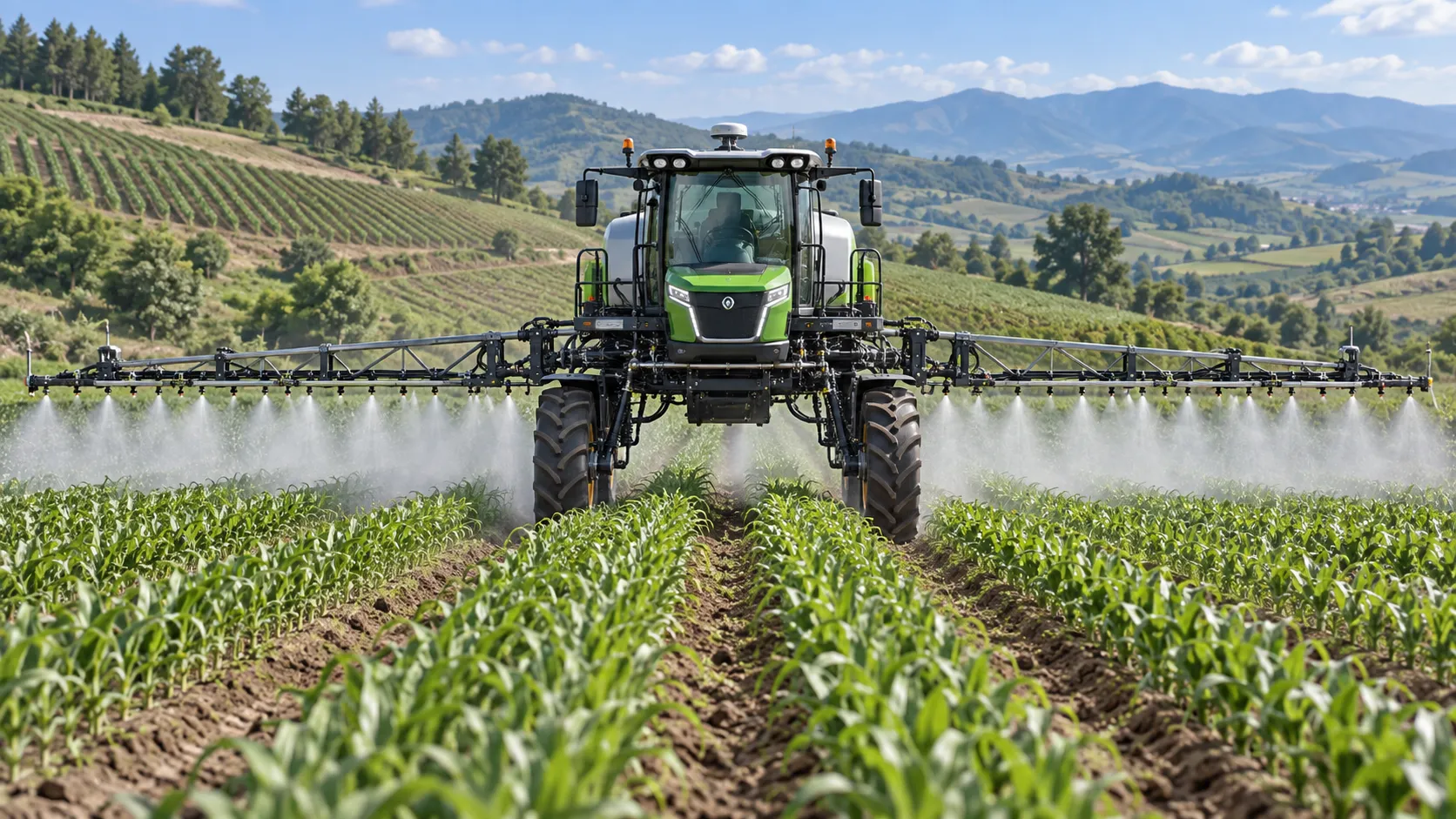
How to Select Precision Crop Protection Equipment for Variable Field Conditions
Precision crop protection equipment selection made simple: compare terrain, canopy, weather, control accuracy, and data workflows for reliable applications.
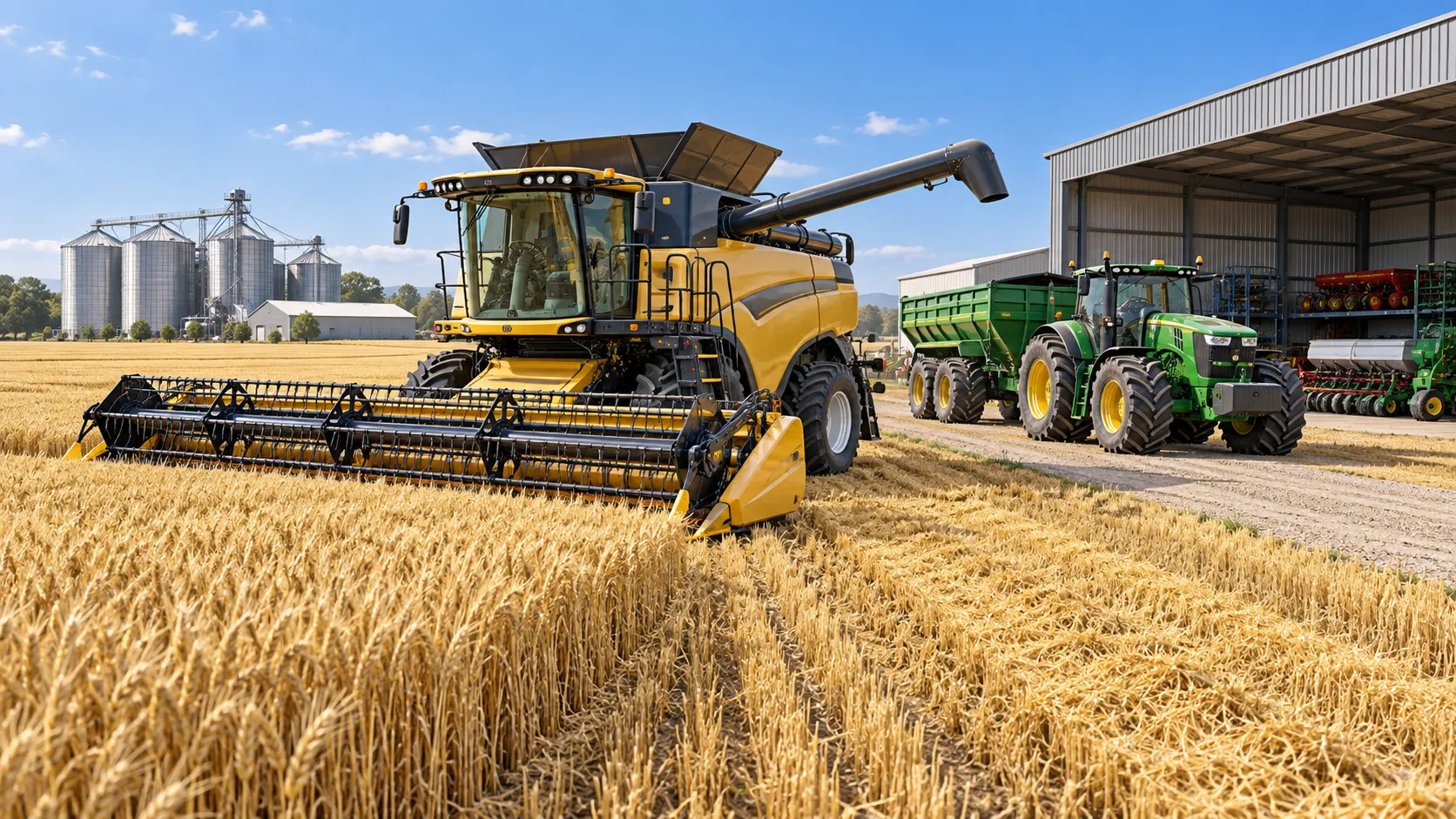
When Does Agricultural Machinery Leasing Cost Less Than Owning Equipment?
Agricultural machinery leasing can lower farm costs when use is seasonal or uncertain. Compare utilization, maintenance, cash flow, and risk to make a smarter equipment decision.
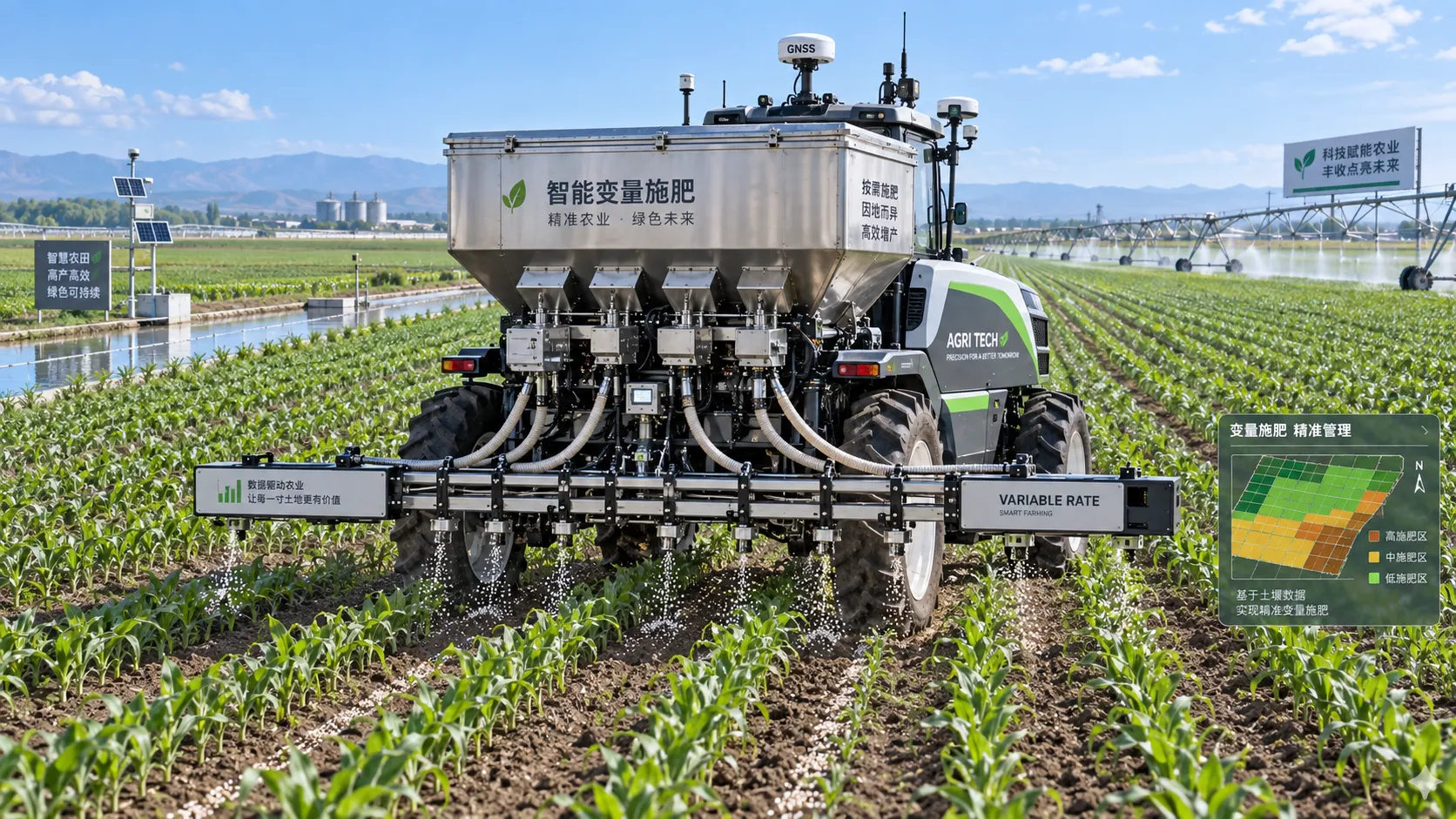
How to Evaluate Precision Fertilization System Suppliers for Farm-Scale Deployment
Precision fertilization systems suppliers: learn how to compare accuracy, integration, uptime, service, and total cost for confident farm-scale deployment.
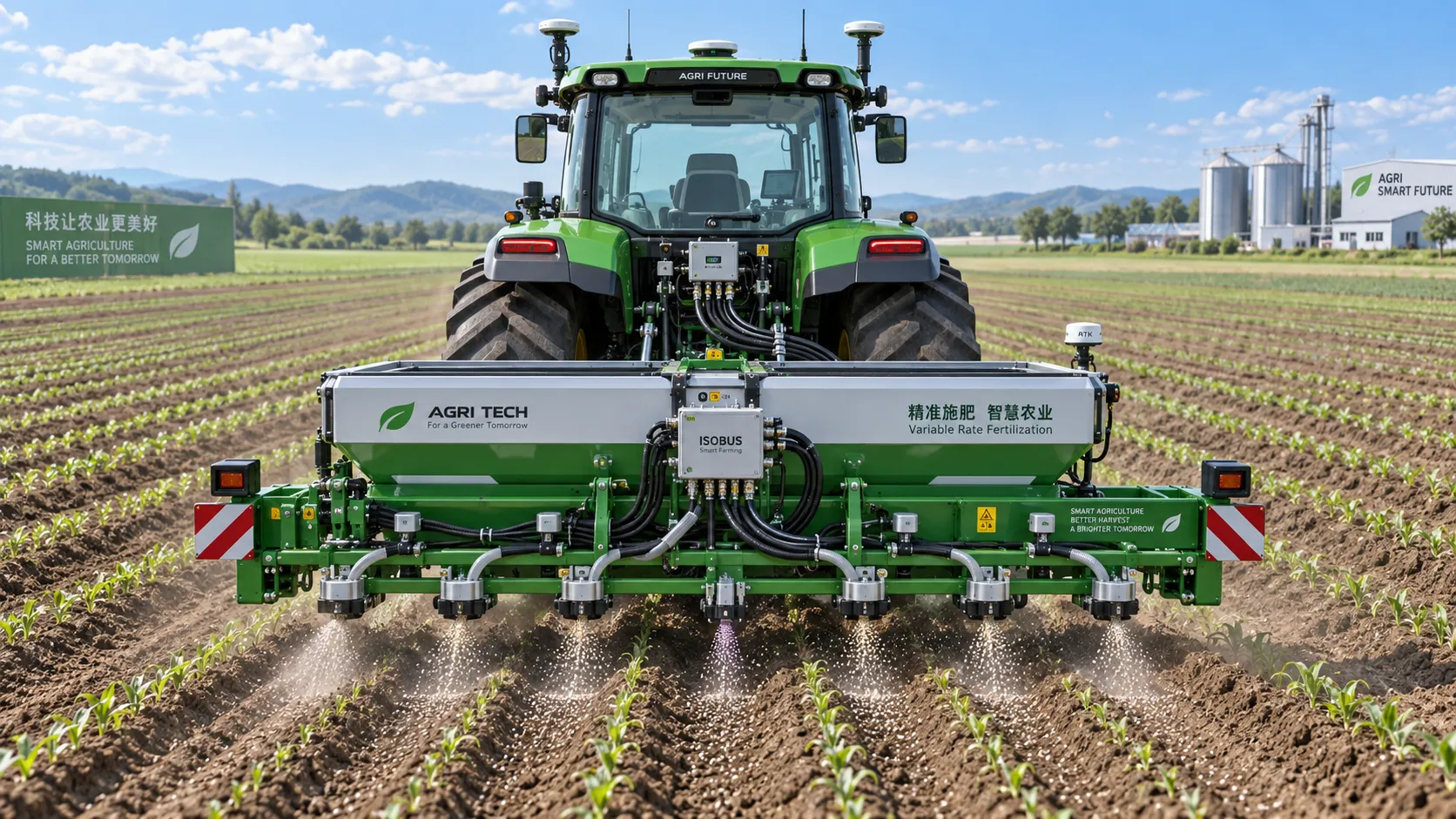
ISOBUS for Smart Agriculture: How It Connects Tractors, Implements, and Farm Data
ISOBUS for smart agriculture connects tractors, implements, terminals, and farm data—helping growers improve precision, documentation, and smarter field decisions.
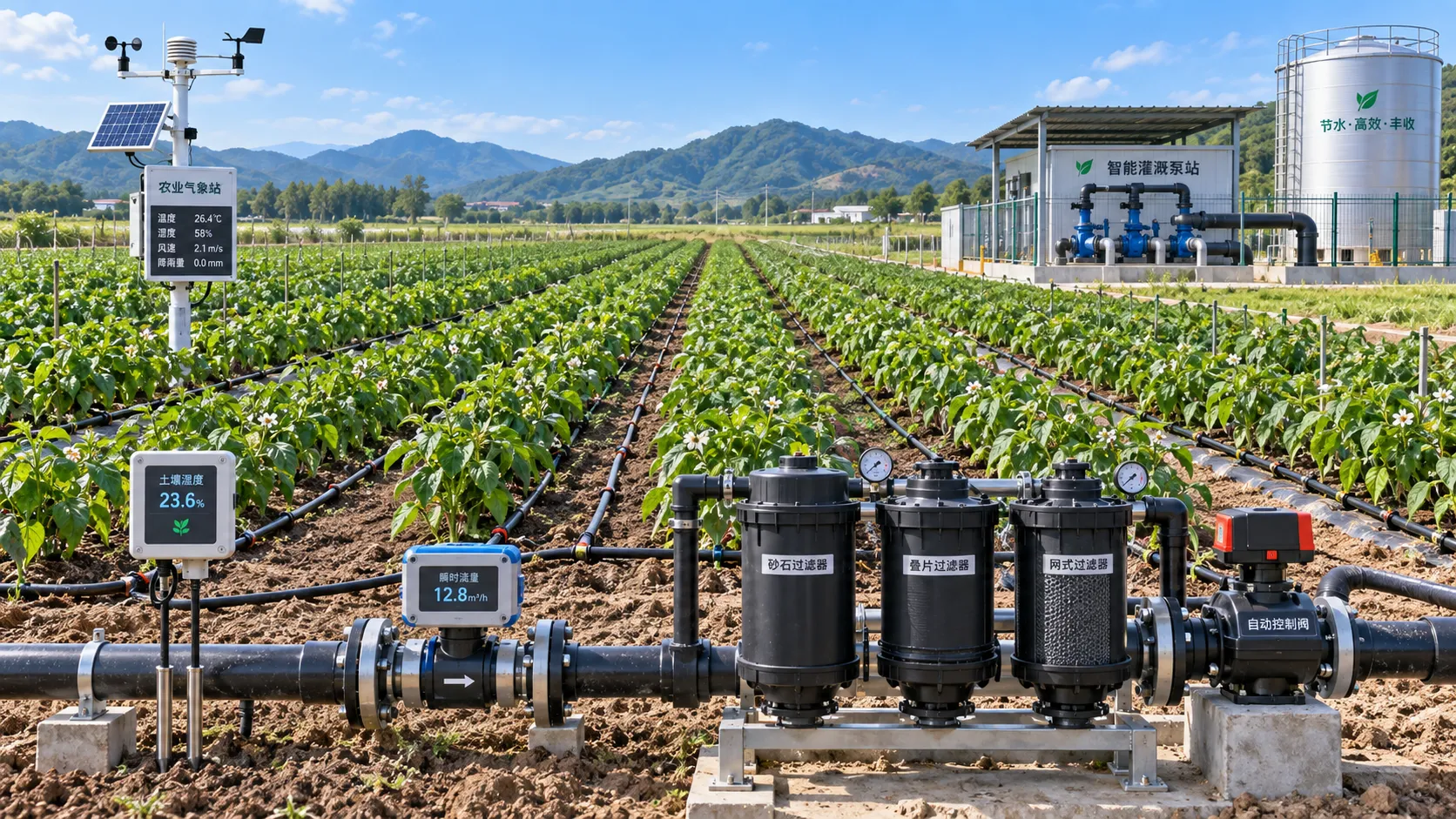
Automated Water-Saving Irrigation: How to Cut Water Use Without Reducing Crop Yields
Automated water-saving irrigation helps farms cut water use, protect crop yields, improve scheduling, and gain reliable control with sensors, flow monitoring, and smart zones.
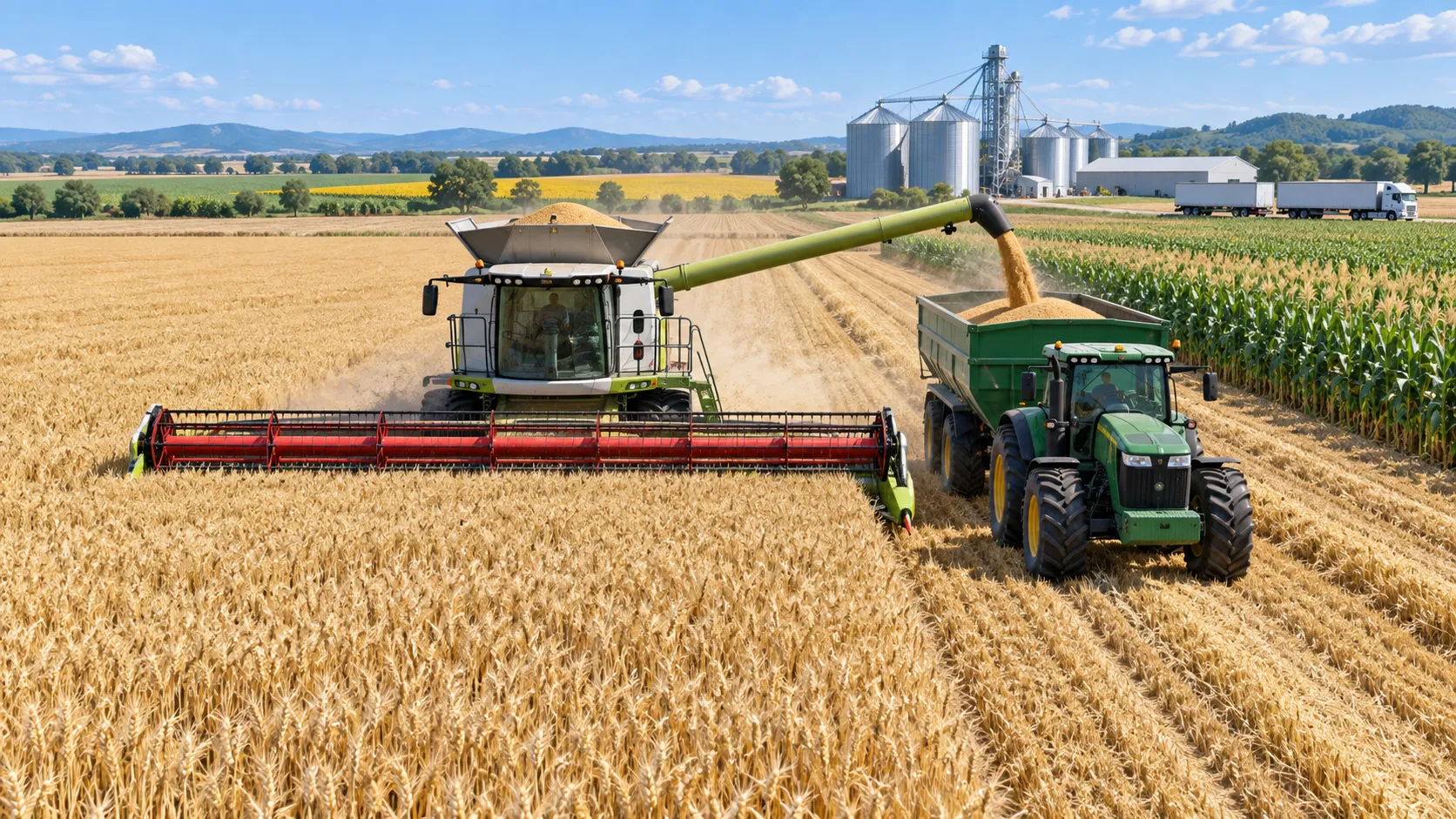
Selecting Grain Farm Equipment by Acreage, Crop Mix, and Harvest Window
Agricultural equipment selection for grain farming: match machinery to acreage, crop mix, and harvest windows to improve uptime, efficiency, and returns.
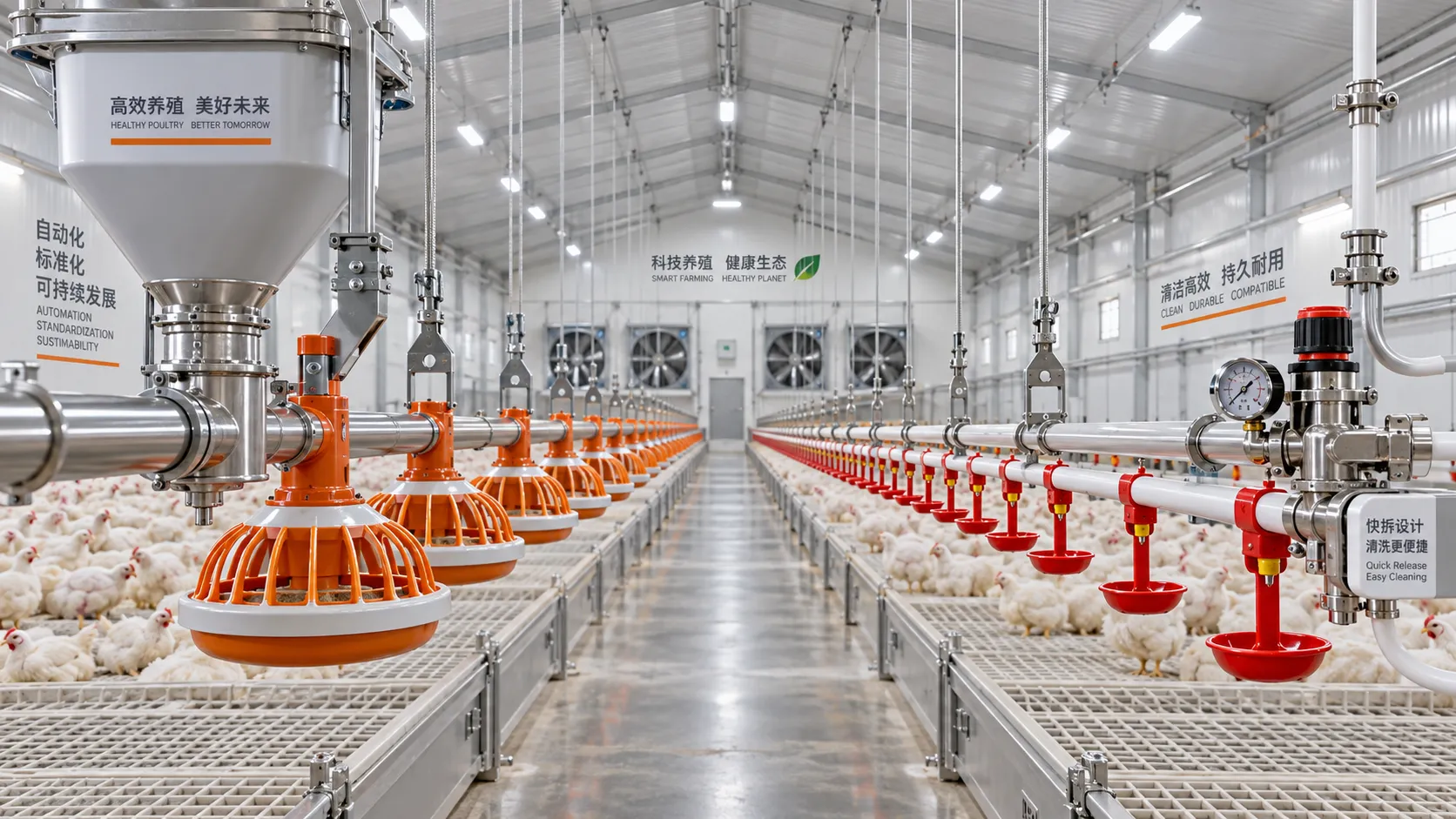
Poultry Equipment Selection: Evaluating Durability, Cleaning, and Compatibility
Poultry equipments selection guide: evaluate durability, cleaning access, and system compatibility to improve hygiene, reduce downtime, and support efficient flock management.
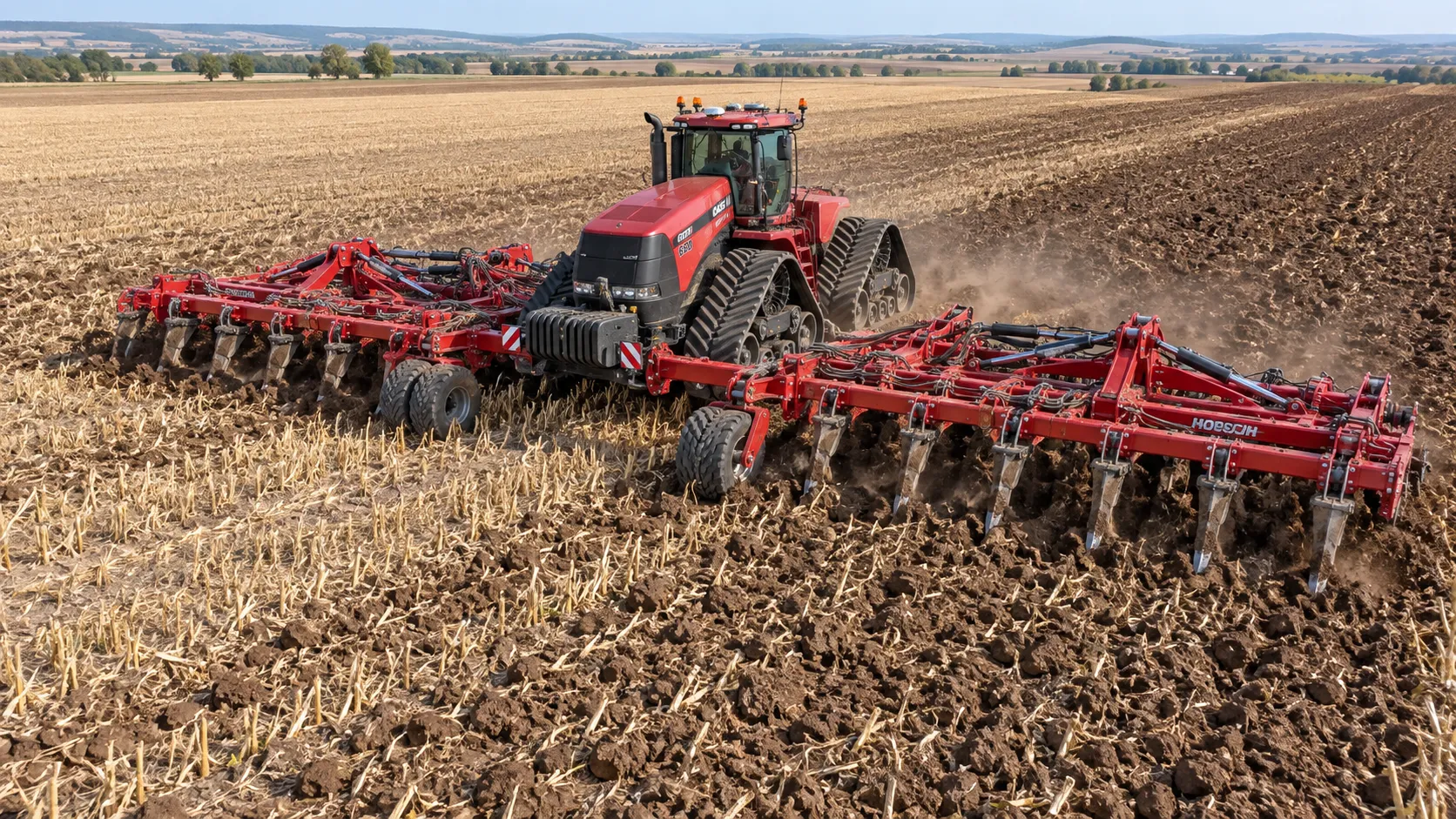
How to Select Heavy-Duty Farm Implements for High-Acreage, High-Horsepower Operations
Heavy duty farm implements: learn how to match draft, hydraulics, hitch capacity, frame strength, and field conditions for reliable high-acreage performance.
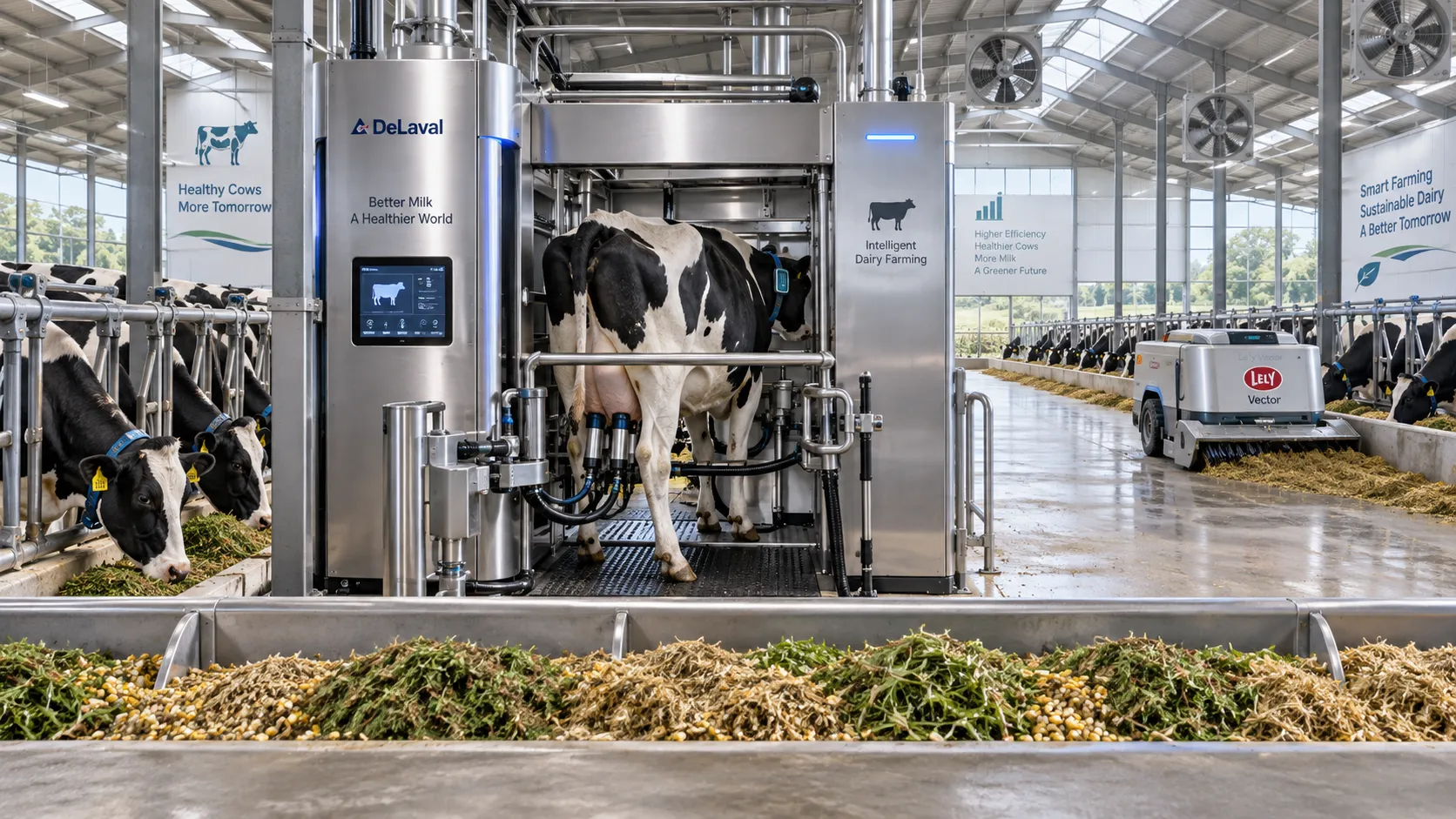
Smart Farming Technology for Dairy Farms: Where Automation Delivers Measurable ROI
Smart farming technology for dairy farms delivers measurable ROI through automation, precision feeding, health monitoring, and data-driven cost control.
Related News
- 00
0000-00
Automated Water-Saving Irrigation: How to Cut Water Use Without Reducing Crop Yields - 00
0000-00
How to Evaluate Drip Irrigation System Manufacturers for Large Farm Projects - 00
0000-00
Wireless Agricultural Automation for Remote Irrigation and Field Monitoring - 00
0000-00
Designing Water-Saving Drip Irrigation Systems for High-Value Orchards - 00
0000-00
How to Choose Irrigation Solutions for Arid Regions Based on Water Source and Crop Needs
Popular Tags
Hydrological Resource Strategist
Weekly Insights
Stay ahead with our curated technology reports delivered every Monday.