
MIIT Launches 'Model-Data Resonance' Initiative for AI in Smart Irrigation & Harvesting
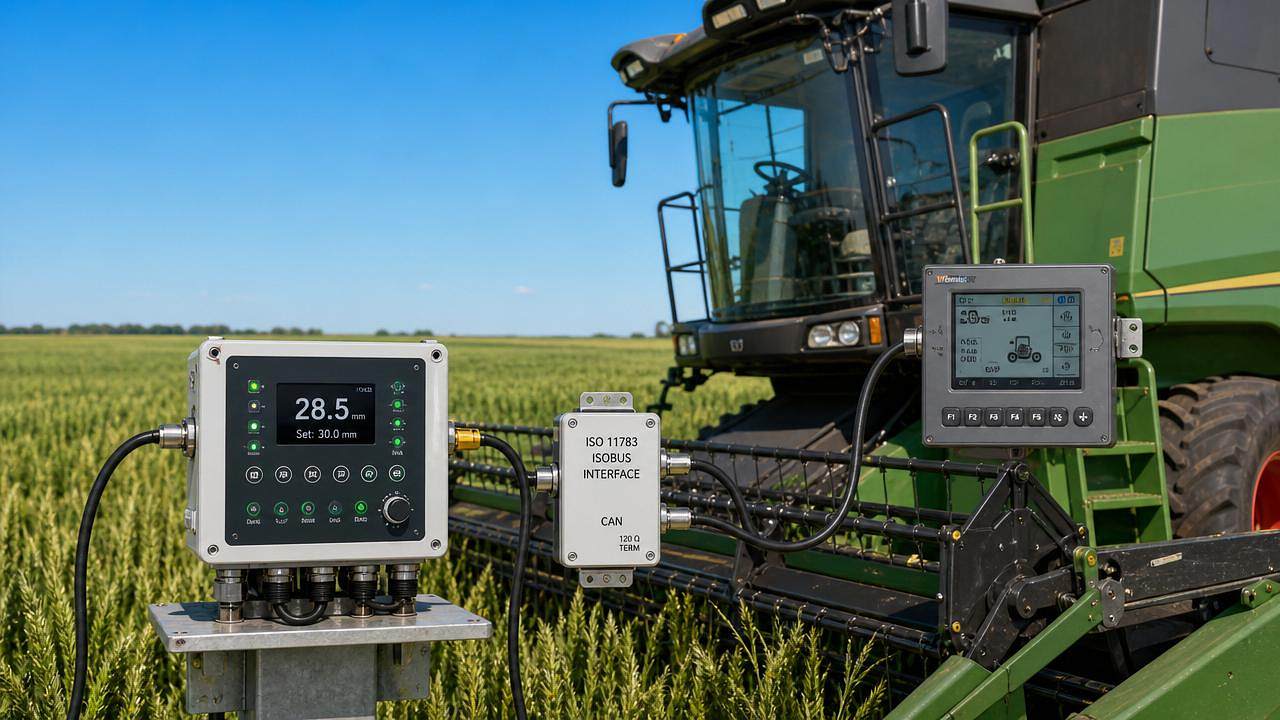




On May 2, 2026, the Ministry of Industry and Information Technology (MIIT) and the National Data Administration jointly launched the 2026 'Model-Data Resonance' initiative — a coordinated effort to align domestic AI models with industrial data infrastructure. The action targets 20 key sectors, with smart irrigation systems and grain combine harvesters designated as core pilot areas in agriculture. This development signals growing integration of AI capabilities into precision farming hardware — particularly for international markets adopting standardized agricultural machinery interfaces.
Event Overview
On May 2, 2026, MIIT and the National Data Administration officially initiated the 2026 'Model-Data Resonance' action. The initiative covers 20 priority industries, including two agricultural equipment categories: smart irrigation systems and grain combine harvesting equipment. It aims to enhance compatibility between domestically developed AI models — such as crop evapotranspiration prediction models and dynamic threshing loss feedback algorithms — and internationally adopted vehicle communication standards, specifically CAN bus protocols and ISO 11783.
Which Subsectors Are Affected
AI model developers serving agricultural equipment OEMs: These firms face new interoperability requirements. Compatibility with ISO 11783 and CAN bus is now a functional prerequisite for deployment in joint harvesting or irrigation control modules — not just a technical option.
Chinese agricultural machinery exporters: Exporters targeting markets using ISO 11783-compliant tractors and harvesters may see accelerated adoption of AI-enabled subsystems, provided their hardware supports standardized data exchange layers.
Aftermarket module integrators: Companies supplying retrofit AI modules (e.g., yield prediction or water-use optimization add-ons) must verify protocol-level alignment with host machine ECUs — especially when targeting overseas customers relying on ISOBUS infrastructure.
What Relevant Enterprises or Practitioners Should Focus On — And How to Respond Now
Monitor official technical specifications released under the initiative
The 'Model-Data Resonance' action is expected to be accompanied by publicly issued interface guidelines or conformance test frameworks. Enterprises should track MIIT and National Data Administration announcements for defined minimum interoperability thresholds — particularly around data schema mapping and real-time inference latency limits within ISO 11783 virtual terminal environments.
Assess current product firmware and ECU architecture against ISO 11783 Part 10 (Virtual Terminal) and Part 12 (Task Controller)
Compatibility is not automatic. Firms deploying AI models into irrigation controllers or harvester monitoring units must audit whether their existing electronic control units support required message sets (e.g., SAE J1939-derived PGNs mapped to ISO 11783), and whether virtual terminal displays can render AI-generated advisories without custom middleware.
Distinguish policy signal from near-term commercial readiness
This initiative reflects strategic alignment, not immediate certification mandates. There is no indication that non-compliant products will be barred from sale. However, early adopters gaining verified compatibility may gain preference in government-backed demonstration projects or export promotion programs — making protocol validation a low-risk, high-signal activity.
Prepare internal cross-functional coordination between AI engineering and embedded systems teams
Effective integration requires joint work on data ingestion pipelines (e.g., sensor fusion from ISO 11783 ECUs), model quantization for edge inference, and deterministic execution timing. Teams previously siloed in algorithm development versus hardware integration should initiate shared test plans focused on CAN bus bandwidth utilization and message queuing behavior under load.
Editorial Perspective / Industry Observation
Observably, this initiative functions primarily as a coordination signal — not a regulatory requirement. It identifies specific technical friction points (model-to-hardware interface standardization) where domestic AI capabilities have lagged behind hardware deployment. From an industry perspective, it formalizes what many OEMs and Tier 1 suppliers have already begun addressing informally: the need for deterministic, standards-based data handshaking between AI logic and agricultural vehicle networks. Analysis shows that its near-term impact lies less in compliance enforcement and more in shaping R&D priorities and influencing public-sector procurement criteria — especially in overseas agricultural modernization programs supported by Chinese institutions.
It is better understood as an enabler than a mandate: it lowers integration risk for vendors building AI-augmented subsystems, but does not guarantee market uptake. Continued observation is warranted regarding whether subsequent phases include test certification pathways or funding mechanisms for protocol-conformant development.
Conclusion
This initiative underscores a shift toward interoperability-as-infrastructure in AI-enabled agri-machinery. Its significance lies not in immediate regulatory weight, but in clarifying the technical baseline for AI model deployment across global farm equipment platforms. For stakeholders, it is more accurately interpreted as a roadmap marker — indicating where convergence between domestic AI innovation and international machinery standards is now being actively prioritized and resourced.
Information Sources
Main source: Official announcement by the Ministry of Industry and Information Technology (MIIT) and the National Data Administration, dated May 2, 2026.
Note: Further technical implementation details, including test procedures or timeline for additional industry expansions, remain pending official release and are subject to ongoing observation.
Related News

When Does Agricultural Machinery Leasing Cost Less Than Owning Equipment?
Agricultural machinery leasing can lower farm costs when use is seasonal or uncertain. Compare utilization, maintenance, cash flow, and risk to make a smarter equipment decision.
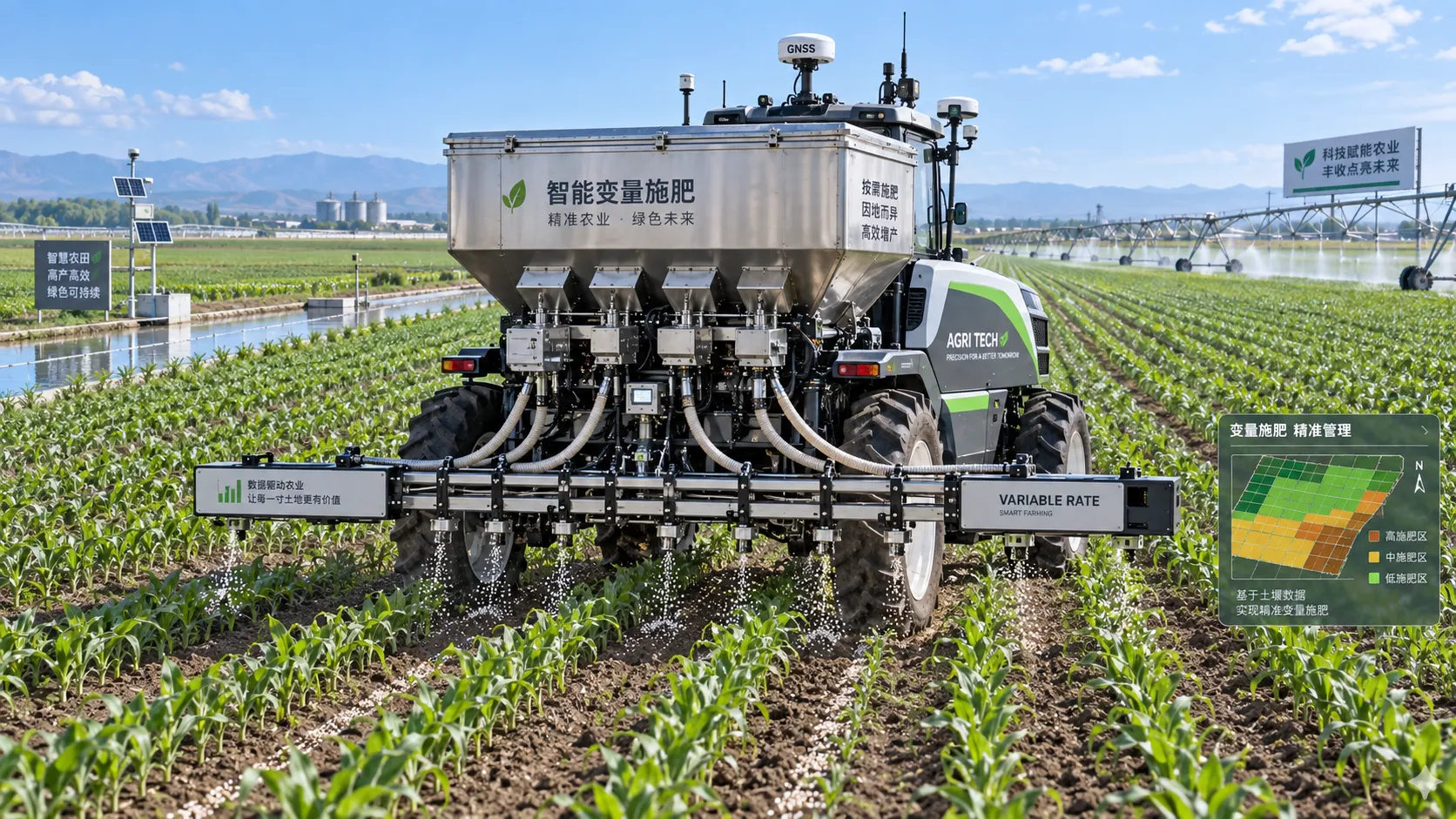
How to Evaluate Precision Fertilization System Suppliers for Farm-Scale Deployment
Precision fertilization systems suppliers: learn how to compare accuracy, integration, uptime, service, and total cost for confident farm-scale deployment.
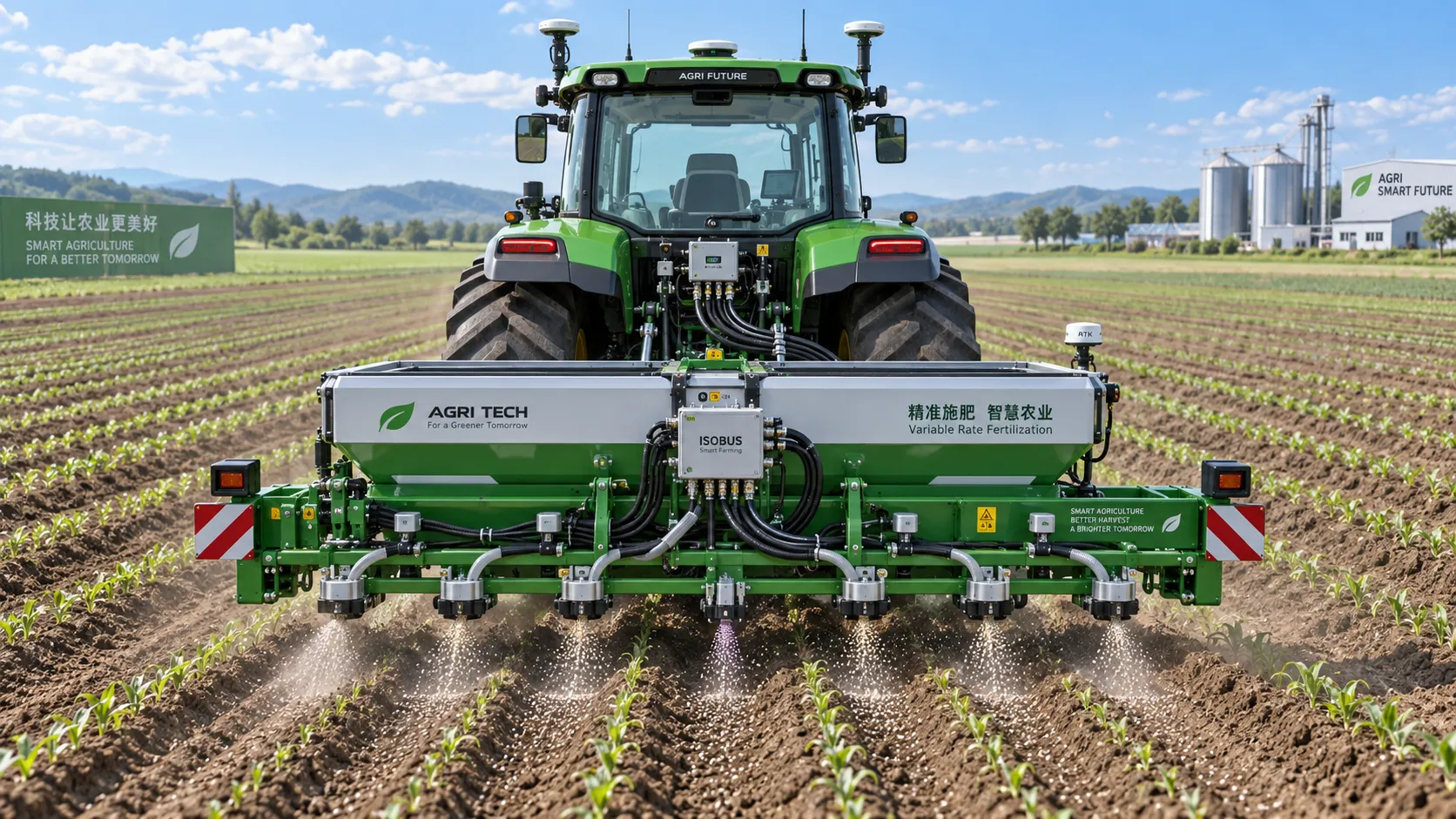
ISOBUS for Smart Agriculture: How It Connects Tractors, Implements, and Farm Data
ISOBUS for smart agriculture connects tractors, implements, terminals, and farm data—helping growers improve precision, documentation, and smarter field decisions.
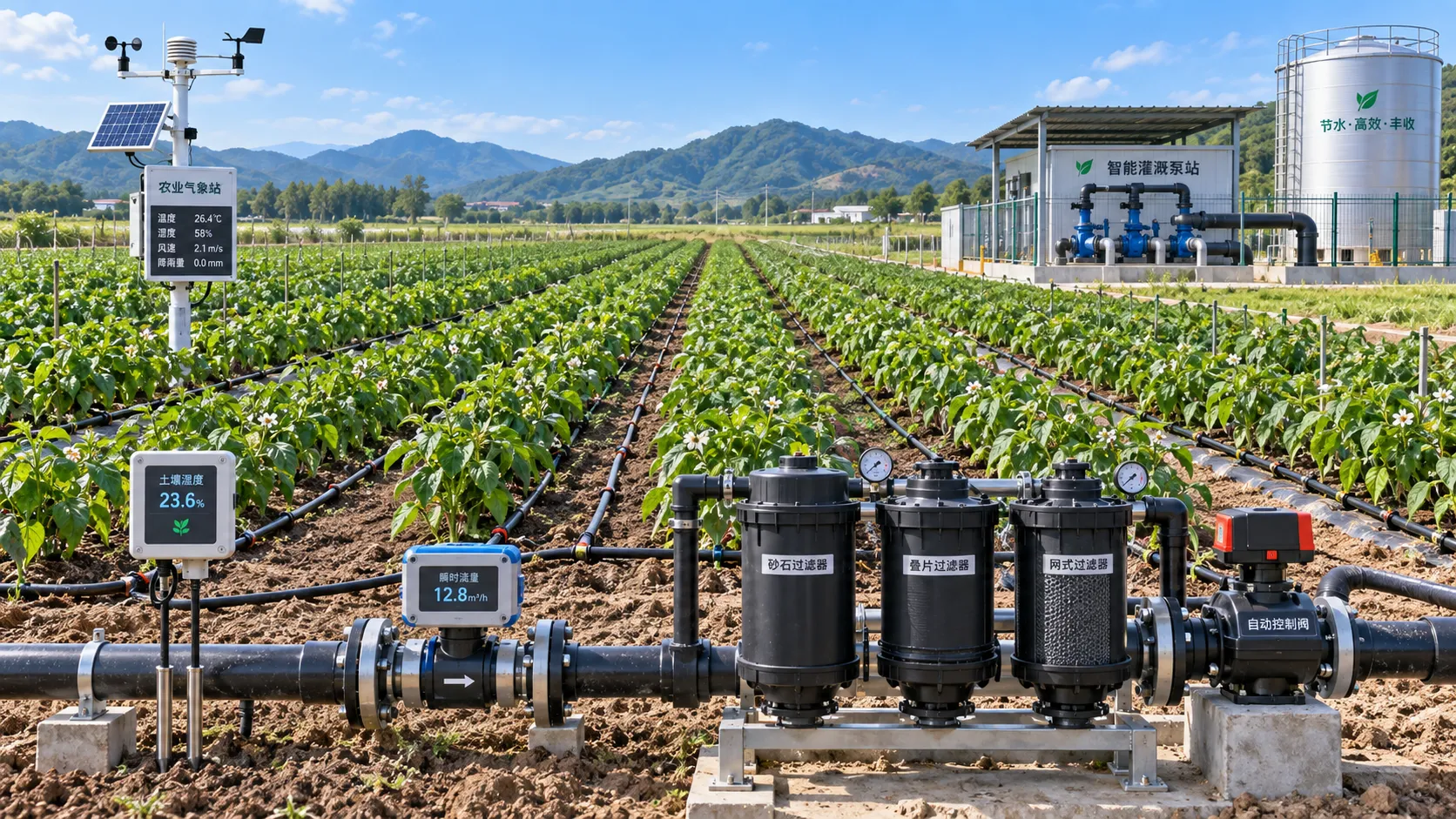
Automated Water-Saving Irrigation: How to Cut Water Use Without Reducing Crop Yields
Automated water-saving irrigation helps farms cut water use, protect crop yields, improve scheduling, and gain reliable control with sensors, flow monitoring, and smart zones.
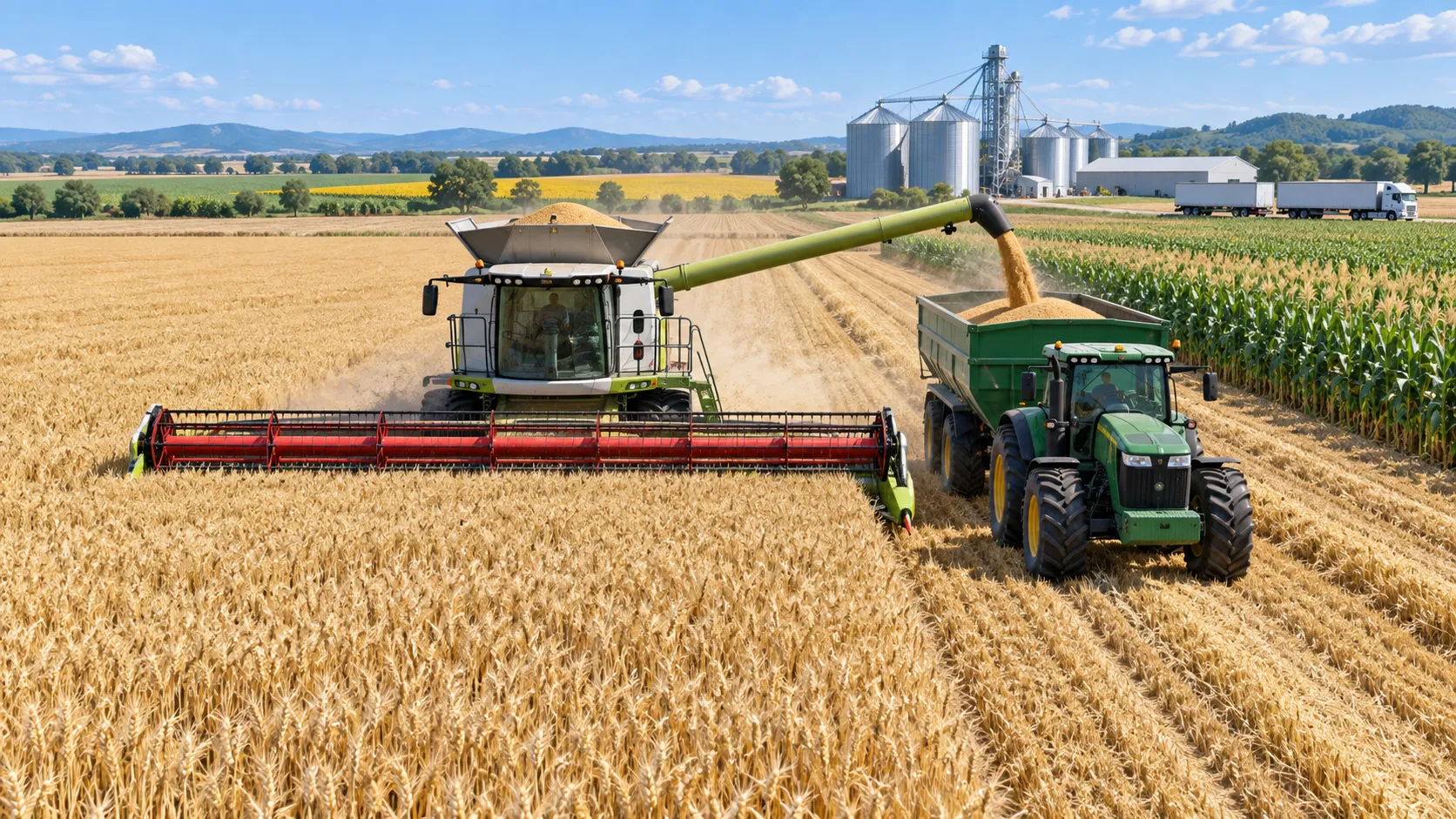
Selecting Grain Farm Equipment by Acreage, Crop Mix, and Harvest Window
Agricultural equipment selection for grain farming: match machinery to acreage, crop mix, and harvest windows to improve uptime, efficiency, and returns.
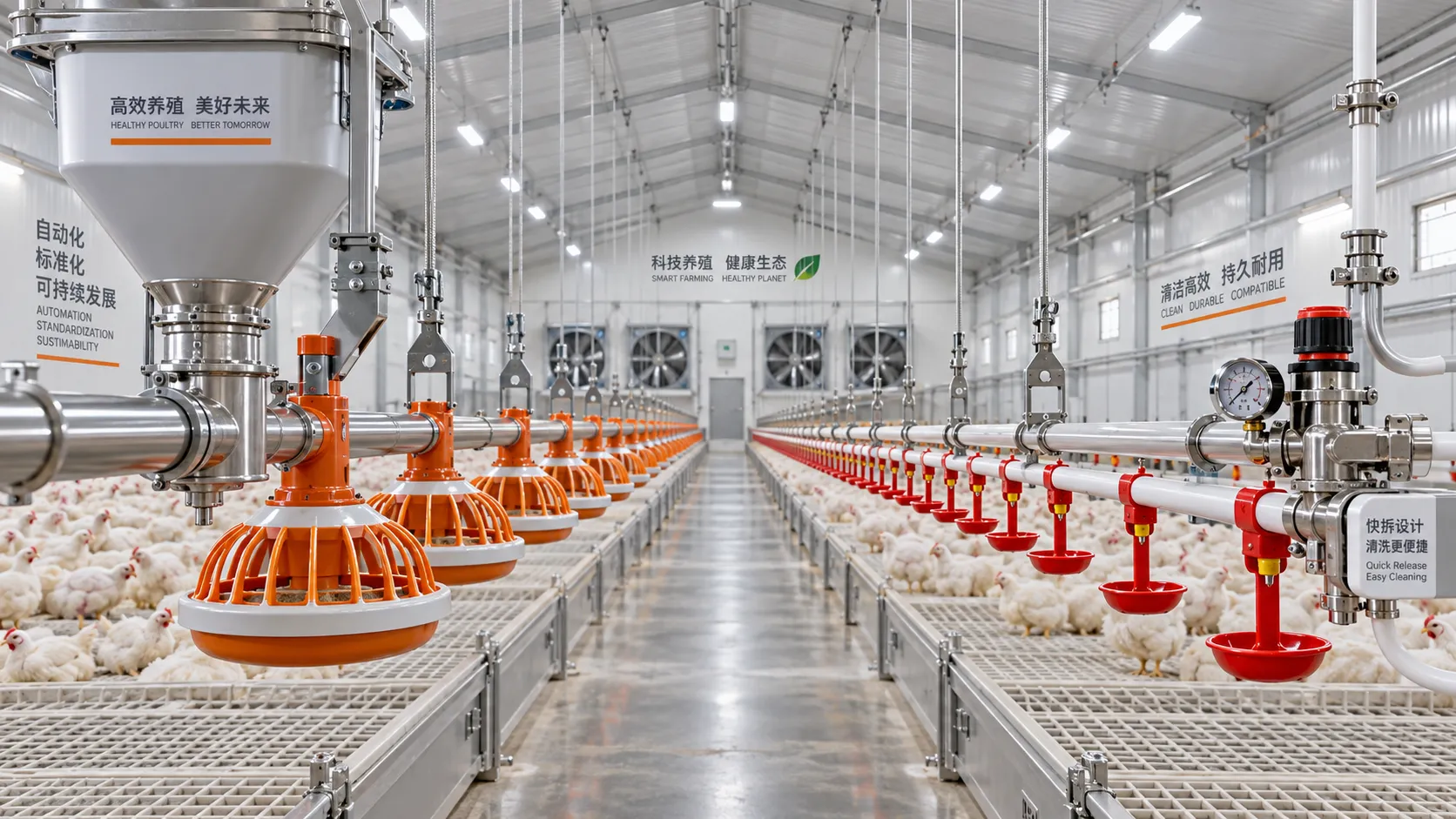
Poultry Equipment Selection: Evaluating Durability, Cleaning, and Compatibility
Poultry equipments selection guide: evaluate durability, cleaning access, and system compatibility to improve hygiene, reduce downtime, and support efficient flock management.
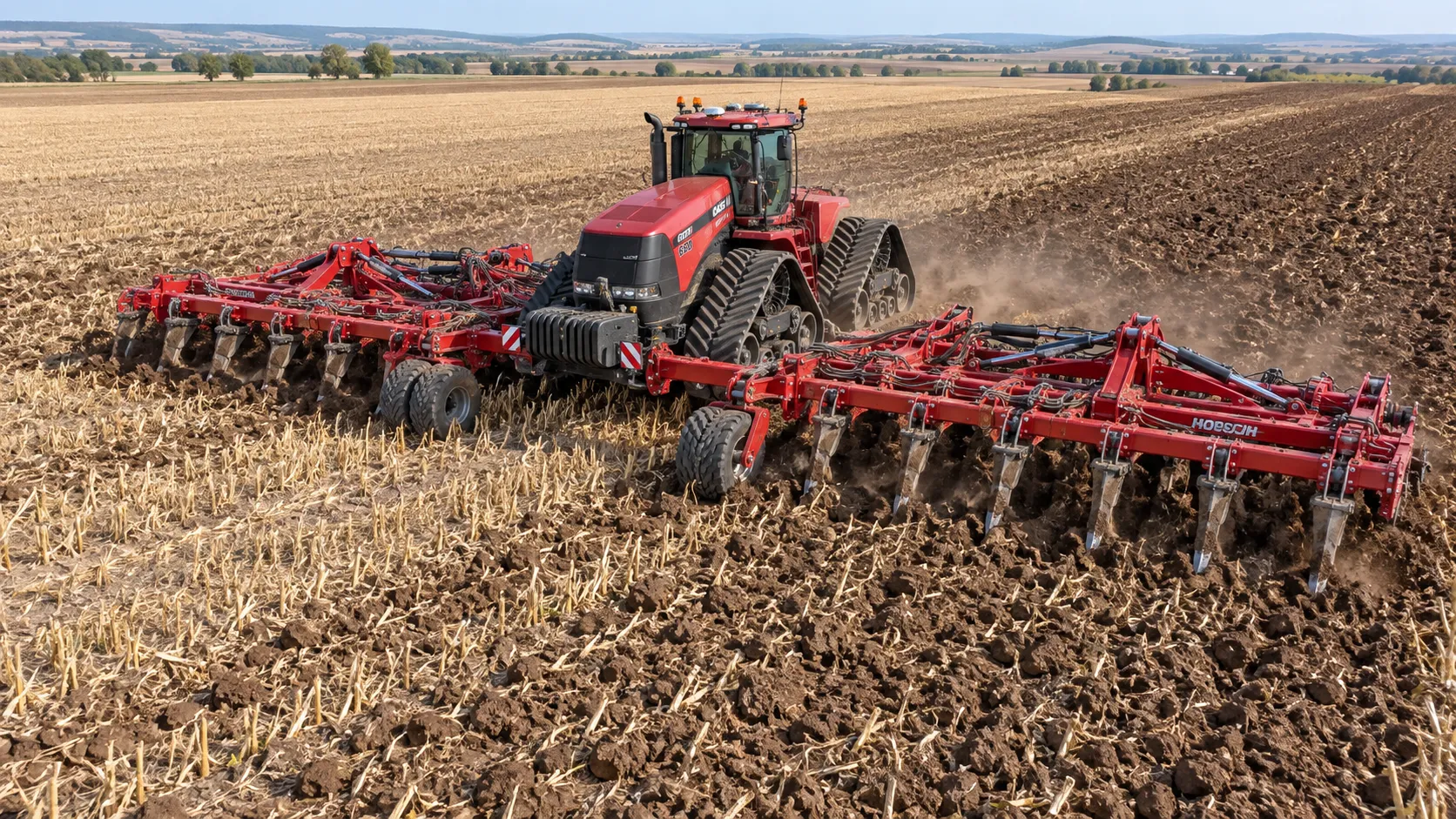
How to Select Heavy-Duty Farm Implements for High-Acreage, High-Horsepower Operations
Heavy duty farm implements: learn how to match draft, hydraulics, hitch capacity, frame strength, and field conditions for reliable high-acreage performance.
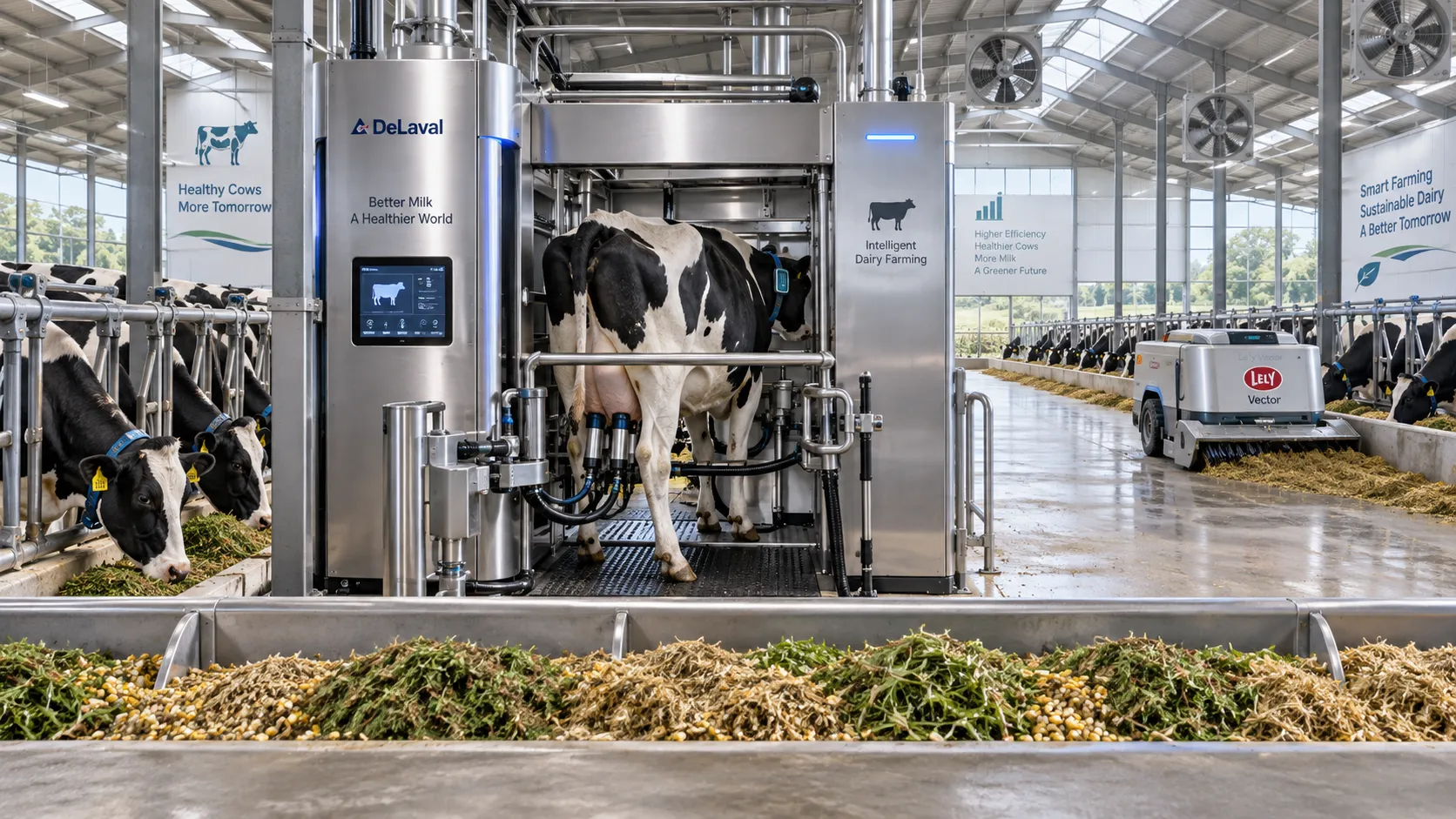
Smart Farming Technology for Dairy Farms: Where Automation Delivers Measurable ROI
Smart farming technology for dairy farms delivers measurable ROI through automation, precision feeding, health monitoring, and data-driven cost control.
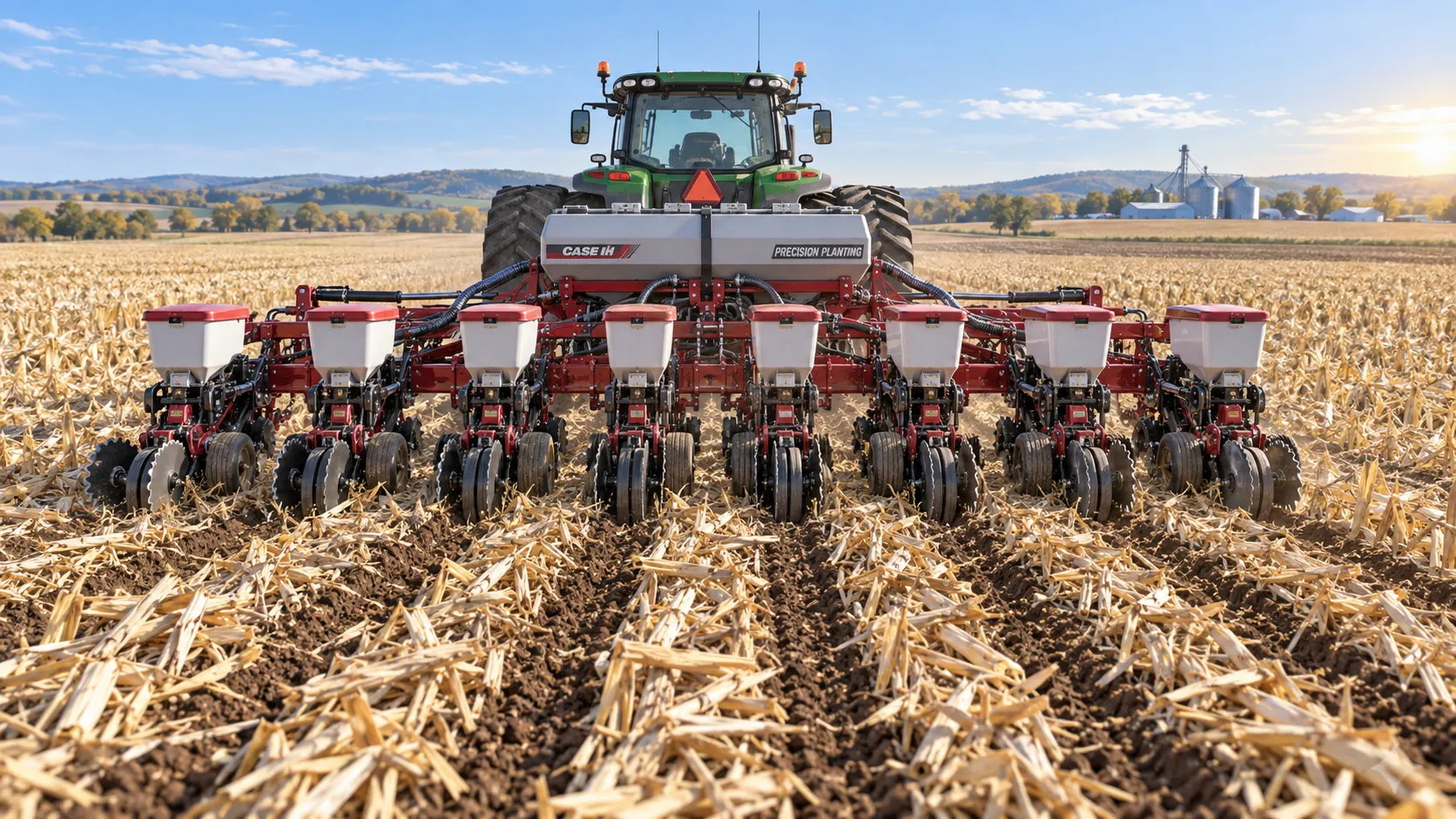
How to Select a Heavy-Duty Seeder for Large Acreage and High-Residue Fields
Heavy duty seeders for large acreage: compare residue handling, depth control, downforce, metering accuracy, and precision features to select the right model.
Related News
- 00
0000-00
Automated Water-Saving Irrigation: How to Cut Water Use Without Reducing Crop Yields - 00
0000-00
How to Evaluate Drip Irrigation System Manufacturers for Large Farm Projects - 00
0000-00
Wireless Agricultural Automation for Remote Irrigation and Field Monitoring - 00
0000-00
Designing Water-Saving Drip Irrigation Systems for High-Value Orchards - 00
0000-00
How to Choose Irrigation Solutions for Arid Regions Based on Water Source and Crop Needs
Popular Tags
Hydrological Resource Strategist
Weekly Insights
Stay ahead with our curated technology reports delivered every Monday.