
Indonesia BPOM Accelerates Approval of Chinese Smart Irrigation Water Quality Monitor
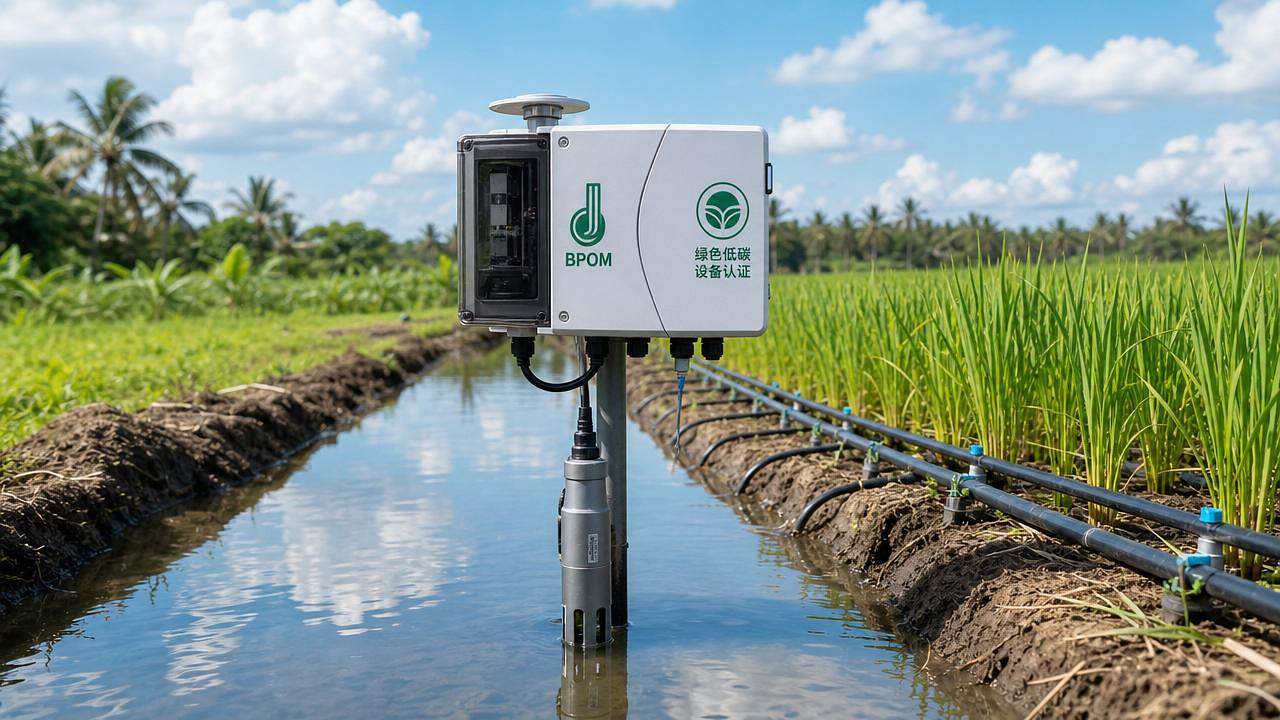




On May 12, 2026, Indonesia’s National Agency of Drug and Food Control (BPOM) launched a fast-track pathway for green product certification in collaboration with China—marking the first implemented case of mutual recognition of green standards under the Belt and Road Initiative. This development is especially relevant for agricultural technology exporters, precision irrigation equipment manufacturers, water quality sensor suppliers, and certification service providers operating across Southeast Asia and China.
Event Overview
On May 12, 2026, Indonesia’s BPOM announced the activation of a China–Indonesia Green Product Certification Fast Track. The first approved product was a Chinese-made smart irrigation water quality monitor. Under this arrangement, the device is permitted to use China’s ‘Green Low-Carbon Equipment Certification Mark’ in lieu of local type-testing requirements, reducing the approval timeline to within seven working days.
Which Subsectors Are Affected
Direct Exporters of Agricultural IoT Devices
These companies face reduced regulatory entry barriers into Indonesia’s regulated agri-tech market. The impact lies primarily in shortened time-to-market and lower compliance costs for products already certified under China’s green equipment scheme—provided they meet functional and safety alignment with BPOM’s baseline requirements.
Sensor and Embedded System Manufacturers
Suppliers of core components—including water conductivity, pH, turbidity, and nitrogen sensors—may see upstream demand shifts. As Indonesian importers increasingly prioritize BPOM-fast-tracked end products, component-level traceability and conformity documentation aligned with green certification criteria may become de facto prerequisites for inclusion in qualified supply chains.
Certification and Conformity Assessment Service Providers
Firms offering testing, inspection, and certification (TIC) services are affected by the emergence of cross-border recognition mechanisms. The fast track does not eliminate local oversight but redefines its scope: BPOM now accepts certain Chinese certification marks as equivalent to specific domestic verification steps. This could prompt recalibration of service portfolios—particularly around pre-audit support for green mark eligibility and post-certification surveillance coordination.
Agricultural Input Distributors in Indonesia
Distributors handling imported smart irrigation hardware must adapt to new labeling and documentation expectations. Products entering under the fast track must display the Chinese green mark and include bilingual technical summaries verifying functional equivalence. This introduces operational adjustments in customs clearance, warehouse labeling, and B2B technical communication with farmer cooperatives and agritech integrators.
What Relevant Companies or Practitioners Should Focus On Now
Monitor official updates on scope expansion
BPOM’s initial announcement names only one product category—the smart irrigation water quality monitor. Current guidance does not indicate whether other agri-environmental monitoring devices (e.g., soil moisture networks, nutrient leaching sensors) will be added to the fast track. Stakeholders should track BPOM’s quarterly regulatory bulletins and joint working group statements issued with China’s State Administration for Market Regulation (SAMR).
Verify alignment between existing Chinese green certifications and BPOM’s technical baselines
The fast track applies only where China’s ‘Green Low-Carbon Equipment Certification’ covers functional, electrical safety, and environmental durability criteria that BPOM considers equivalent. Companies should obtain side-by-side gap analyses—not assumptions—from authorized certification bodies before submitting applications, as equivalence is assessed per product family, not per national program.
Distinguish policy signal from operational readiness
While the fast track is active, BPOM has not published detailed procedural manuals, application templates, or designated contact points for cross-border green mark validation. Until such resources are publicly available, early applicants should engage BPOM’s International Cooperation Division directly and retain records of all correspondence to establish audit trails.
Prepare documentation workflows for dual-marking and bilingual technical files
Products approved under the fast track must retain both the Chinese green mark and standard BPOM registration numbers. Supporting documents—including test reports, risk assessments, and user manuals—must be submitted in Bahasa Indonesia and English. Exporters should initiate internal localization reviews now, particularly for firmware interface language packs and safety warning labels.
Editorial Perspective / Industry Observation
Observably, this is not yet a broad-based regulatory harmonization—but rather a targeted, pilot-phase mutual recognition arrangement anchored to a single, well-defined product type. Analysis shows the initiative functions less as a fully operationalized trade facilitation tool and more as a confidence-building measure between two national standard-setting authorities. From an industry perspective, its significance lies in precedent-setting: it confirms that green certification frameworks can serve as interoperable trust anchors—even where full regulatory alignment remains distant. Continued attention is warranted because follow-up decisions—such as whether to extend the mechanism to other ASEAN members or to integrate it with ASEAN’s own AgriTech Mutual Recognition Arrangement—will likely hinge on implementation fidelity over the next 12–18 months.
It is more accurate to interpret this development as an institutional signal than as an immediate commercial lever. Its real-world utility depends on transparency in execution, consistency in equivalence determinations, and responsiveness to stakeholder feedback during the pilot phase.
For stakeholders, the current value is largely anticipatory: it reveals a viable path toward regulatory streamlining for environmentally focused agri-tech hardware—and underscores that green credentials are evolving from marketing differentiators into tangible compliance assets in emerging markets.
Concluding, this milestone reflects a procedural breakthrough—not a systemic shift. It signals growing administrative willingness to treat verified green performance as a proxy for localized conformity assessment, but only within tightly bounded parameters. For now, it is best understood as a narrow, high-visibility test case—one that validates the feasibility of green standard reciprocity, while also highlighting the remaining gaps in documentation infrastructure, technical alignment, and cross-agency coordination.
Information Source: Official announcement issued by Indonesia’s National Agency of Drug and Food Control (BPOM), May 12, 2026. Note: Expansion of the fast track to additional product categories, participating agencies, or jurisdictions remains unconfirmed and is subject to ongoing intergovernmental consultation.
Related News
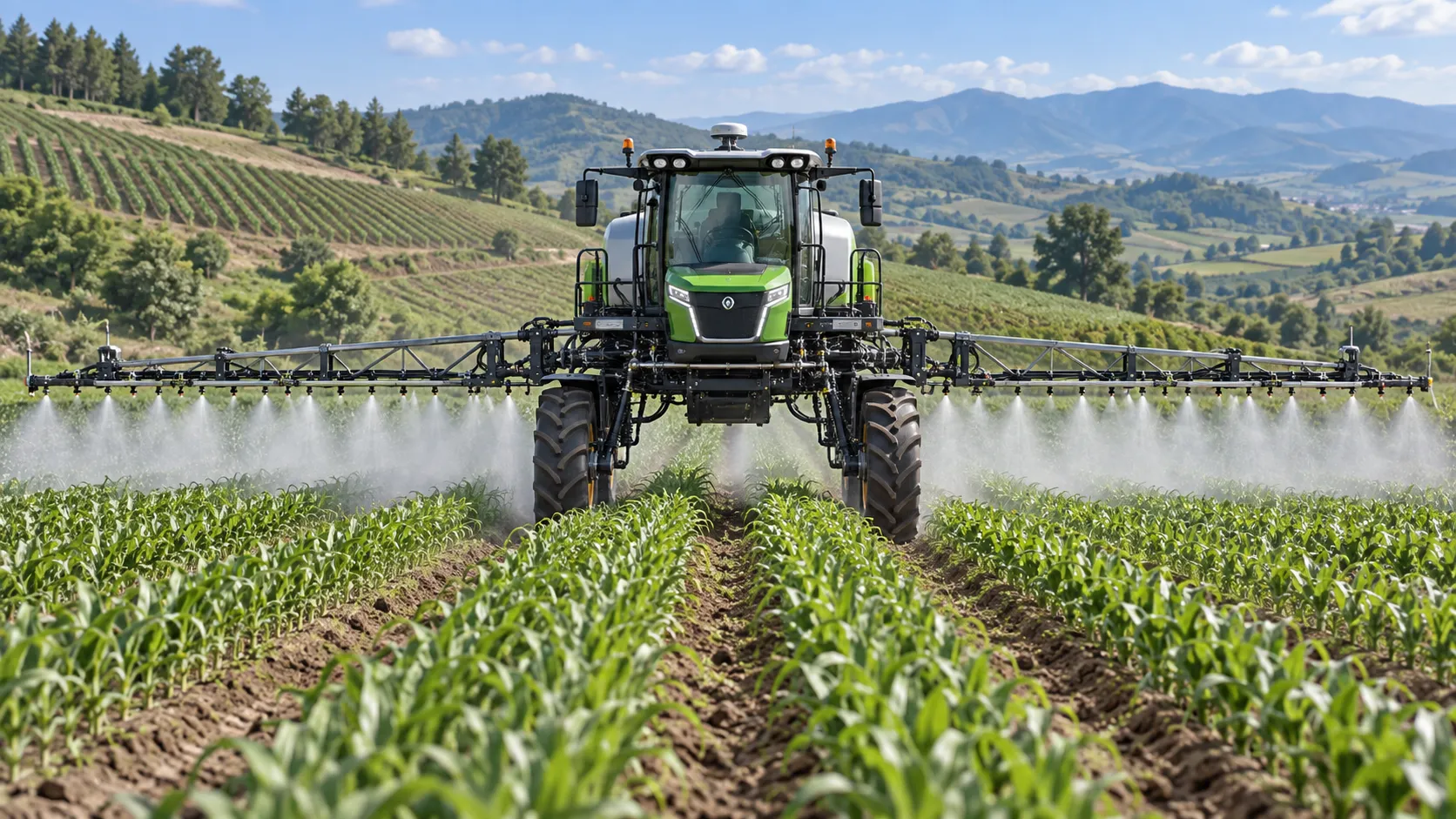
How to Select Precision Crop Protection Equipment for Variable Field Conditions
Precision crop protection equipment selection made simple: compare terrain, canopy, weather, control accuracy, and data workflows for reliable applications.

When Does Agricultural Machinery Leasing Cost Less Than Owning Equipment?
Agricultural machinery leasing can lower farm costs when use is seasonal or uncertain. Compare utilization, maintenance, cash flow, and risk to make a smarter equipment decision.
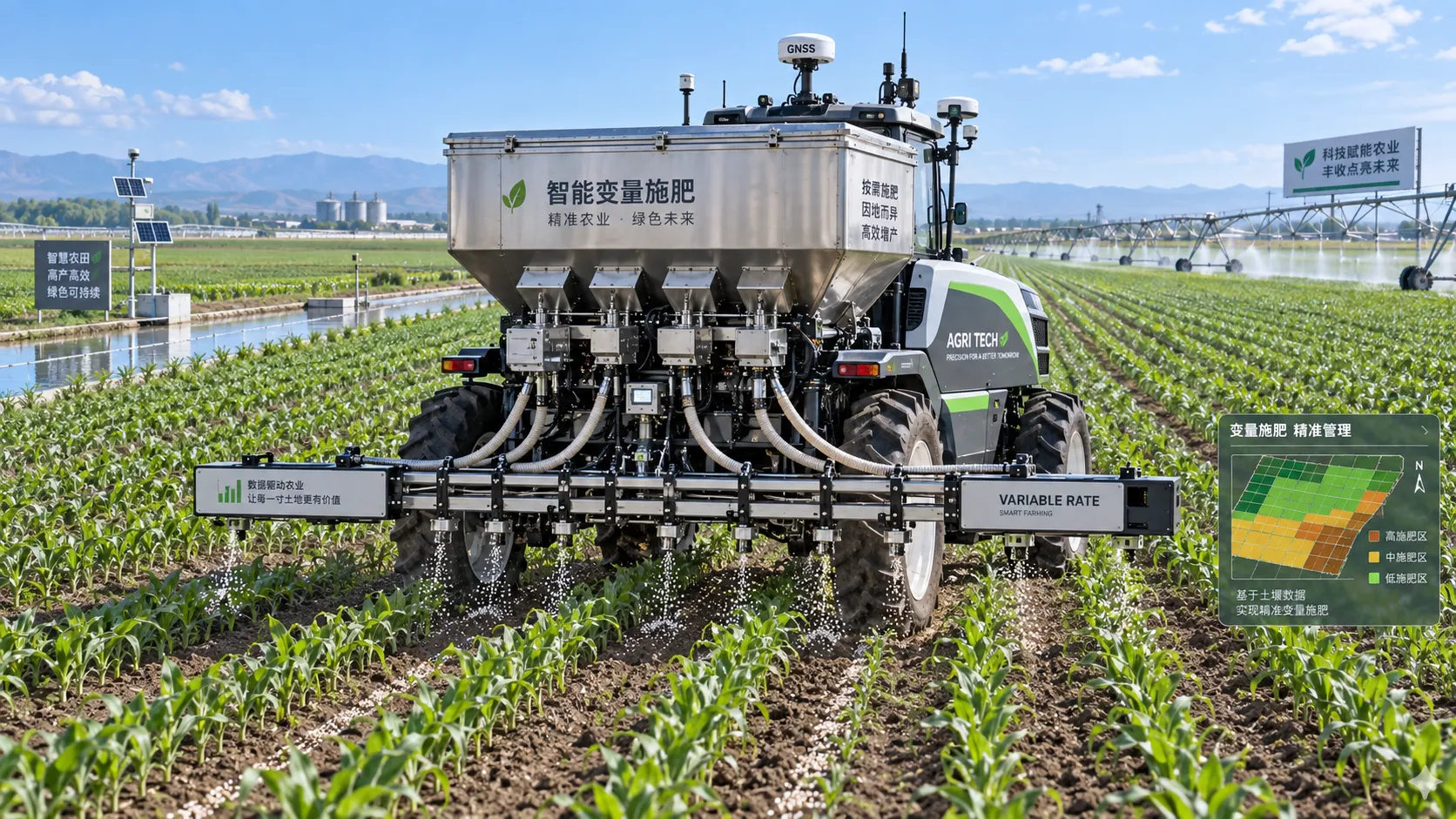
How to Evaluate Precision Fertilization System Suppliers for Farm-Scale Deployment
Precision fertilization systems suppliers: learn how to compare accuracy, integration, uptime, service, and total cost for confident farm-scale deployment.
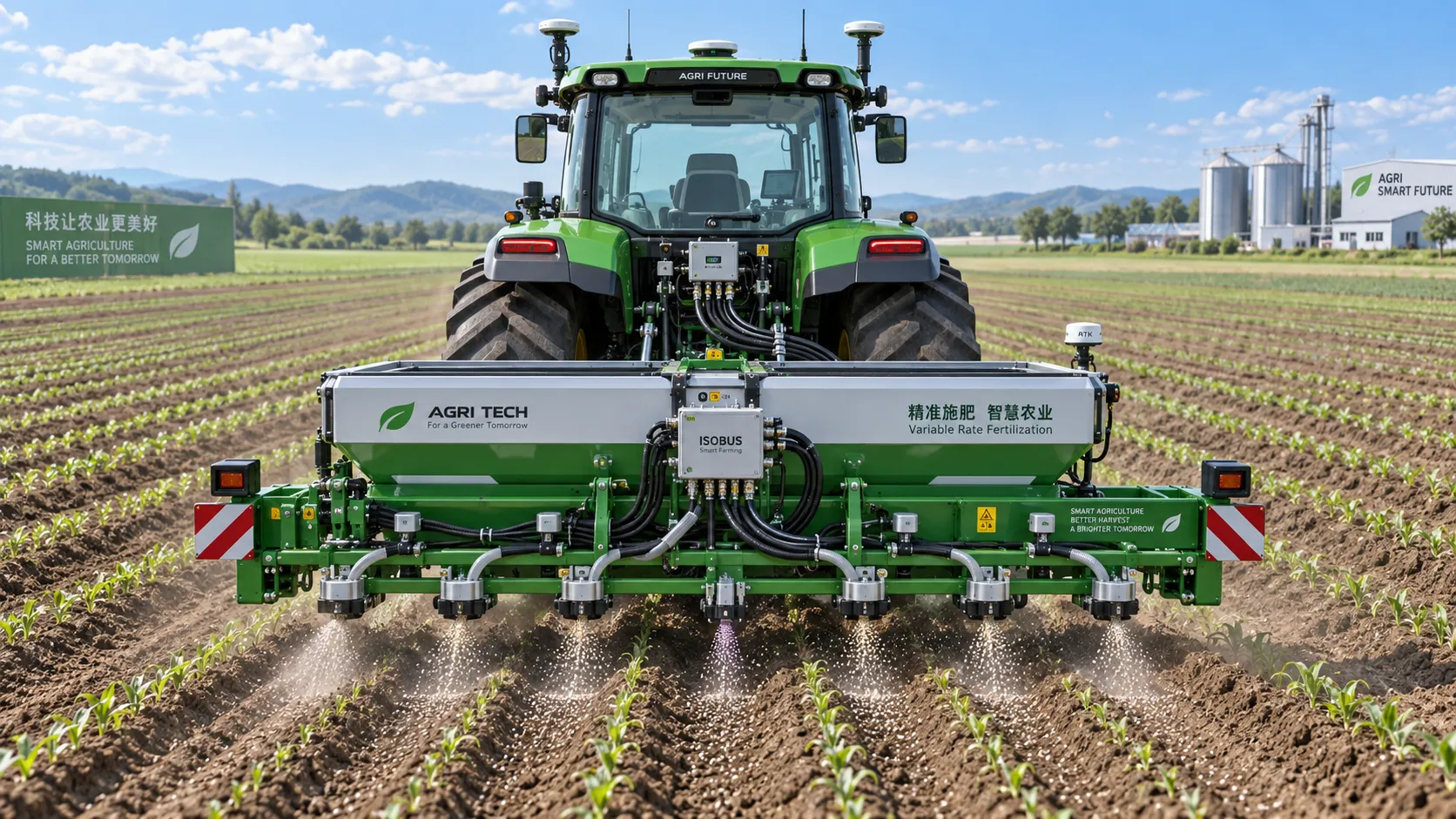
ISOBUS for Smart Agriculture: How It Connects Tractors, Implements, and Farm Data
ISOBUS for smart agriculture connects tractors, implements, terminals, and farm data—helping growers improve precision, documentation, and smarter field decisions.
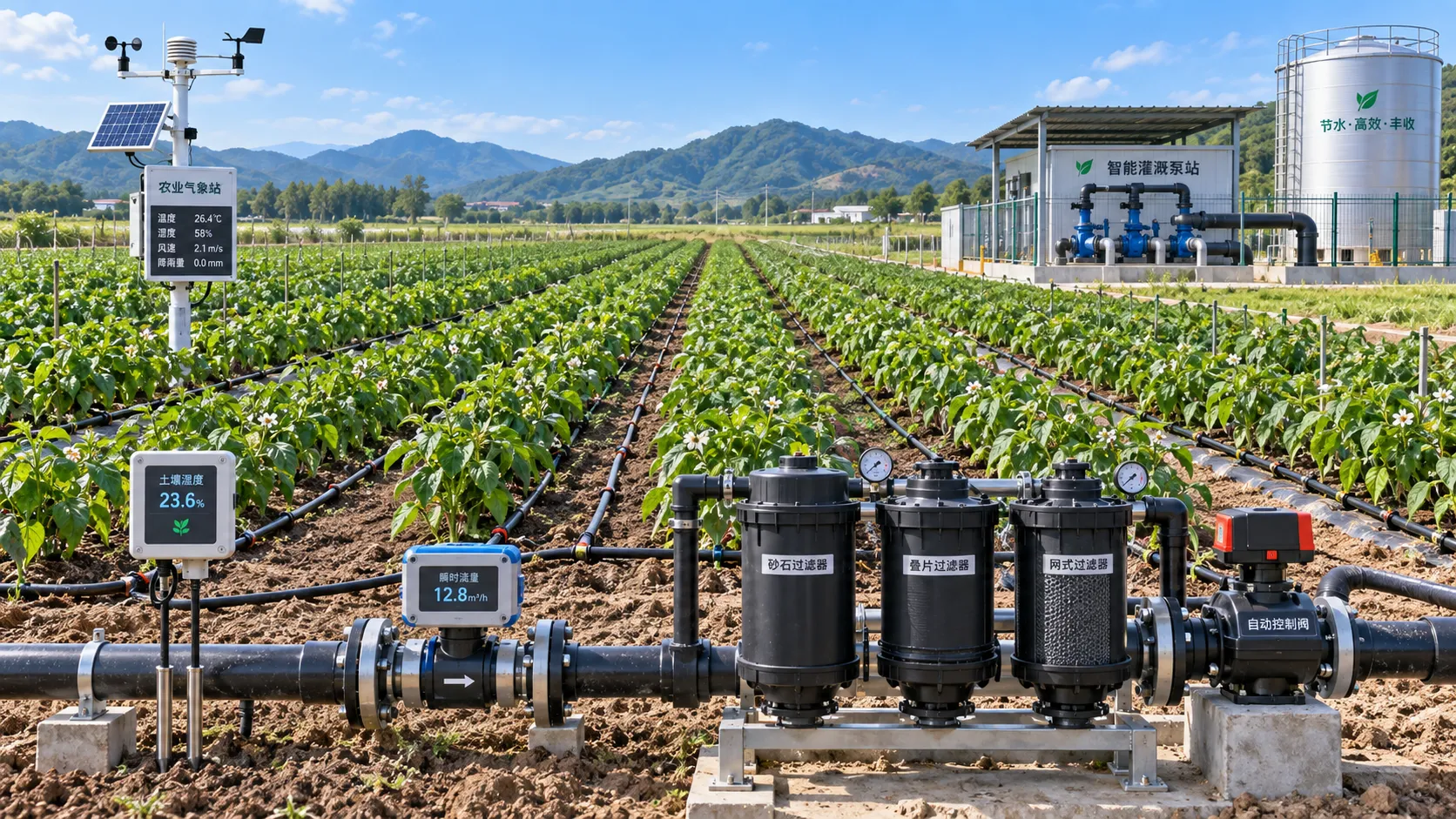
Automated Water-Saving Irrigation: How to Cut Water Use Without Reducing Crop Yields
Automated water-saving irrigation helps farms cut water use, protect crop yields, improve scheduling, and gain reliable control with sensors, flow monitoring, and smart zones.

Selecting Grain Farm Equipment by Acreage, Crop Mix, and Harvest Window
Agricultural equipment selection for grain farming: match machinery to acreage, crop mix, and harvest windows to improve uptime, efficiency, and returns.
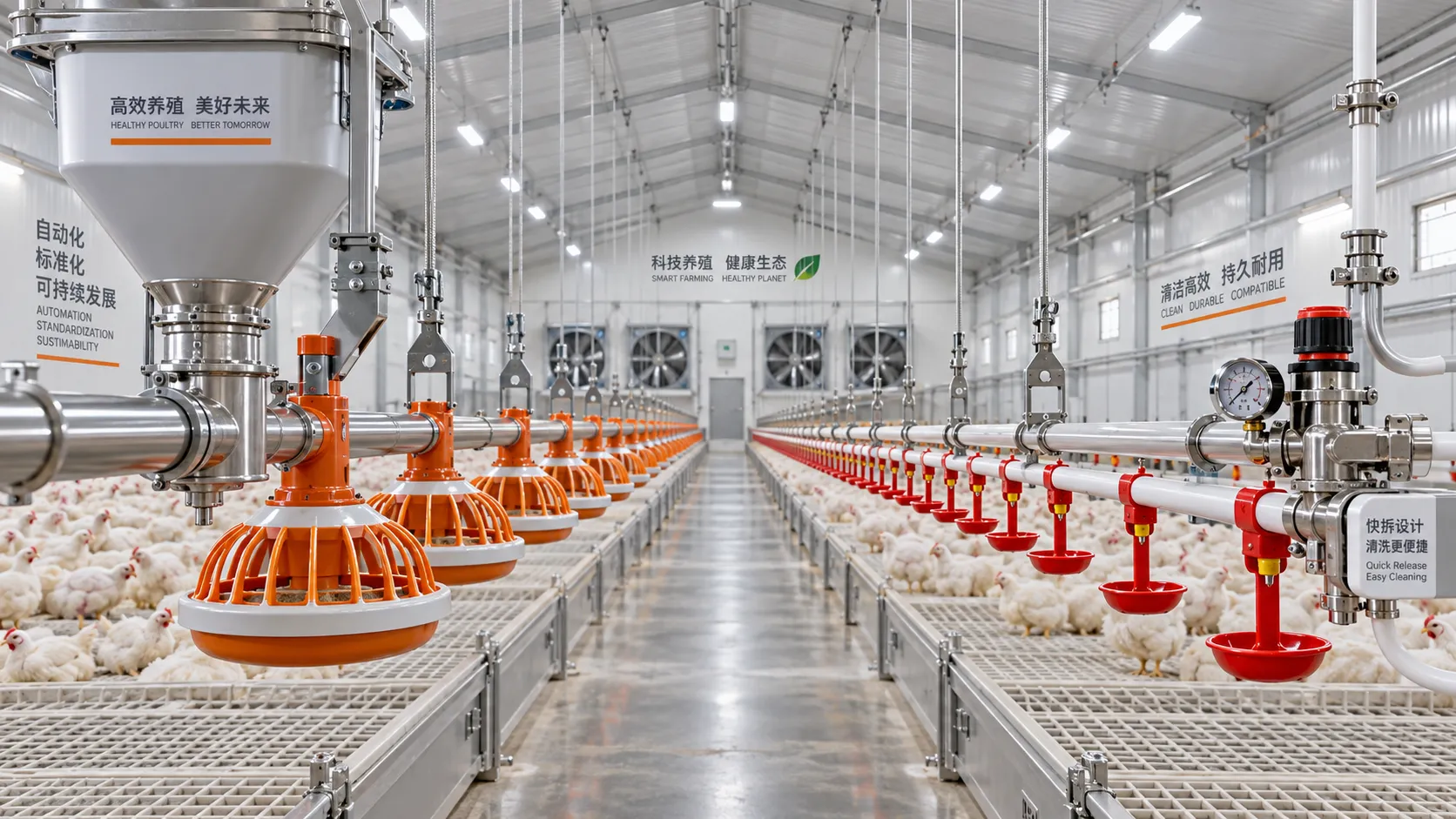
Poultry Equipment Selection: Evaluating Durability, Cleaning, and Compatibility
Poultry equipments selection guide: evaluate durability, cleaning access, and system compatibility to improve hygiene, reduce downtime, and support efficient flock management.

How to Select Heavy-Duty Farm Implements for High-Acreage, High-Horsepower Operations
Heavy duty farm implements: learn how to match draft, hydraulics, hitch capacity, frame strength, and field conditions for reliable high-acreage performance.
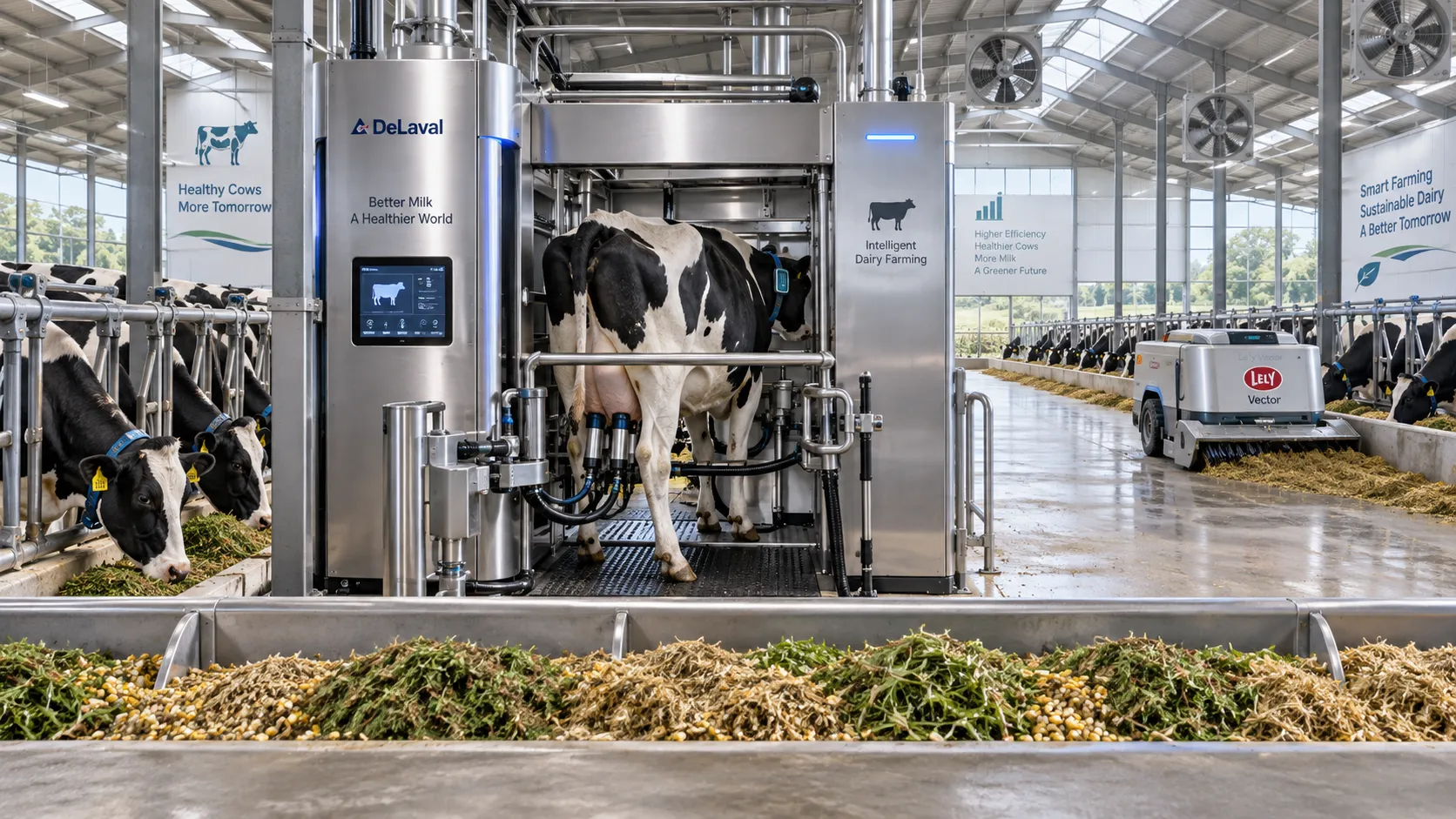
Smart Farming Technology for Dairy Farms: Where Automation Delivers Measurable ROI
Smart farming technology for dairy farms delivers measurable ROI through automation, precision feeding, health monitoring, and data-driven cost control.
Related News
- 00
0000-00
Automated Water-Saving Irrigation: How to Cut Water Use Without Reducing Crop Yields - 00
0000-00
How to Evaluate Drip Irrigation System Manufacturers for Large Farm Projects - 00
0000-00
Wireless Agricultural Automation for Remote Irrigation and Field Monitoring - 00
0000-00
Designing Water-Saving Drip Irrigation Systems for High-Value Orchards - 00
0000-00
How to Choose Irrigation Solutions for Arid Regions Based on Water Source and Crop Needs
Popular Tags
Hydrological Resource Strategist
Weekly Insights
Stay ahead with our curated technology reports delivered every Monday.