
EU Introduces EMC Mandate for Soil Moisture Sensors
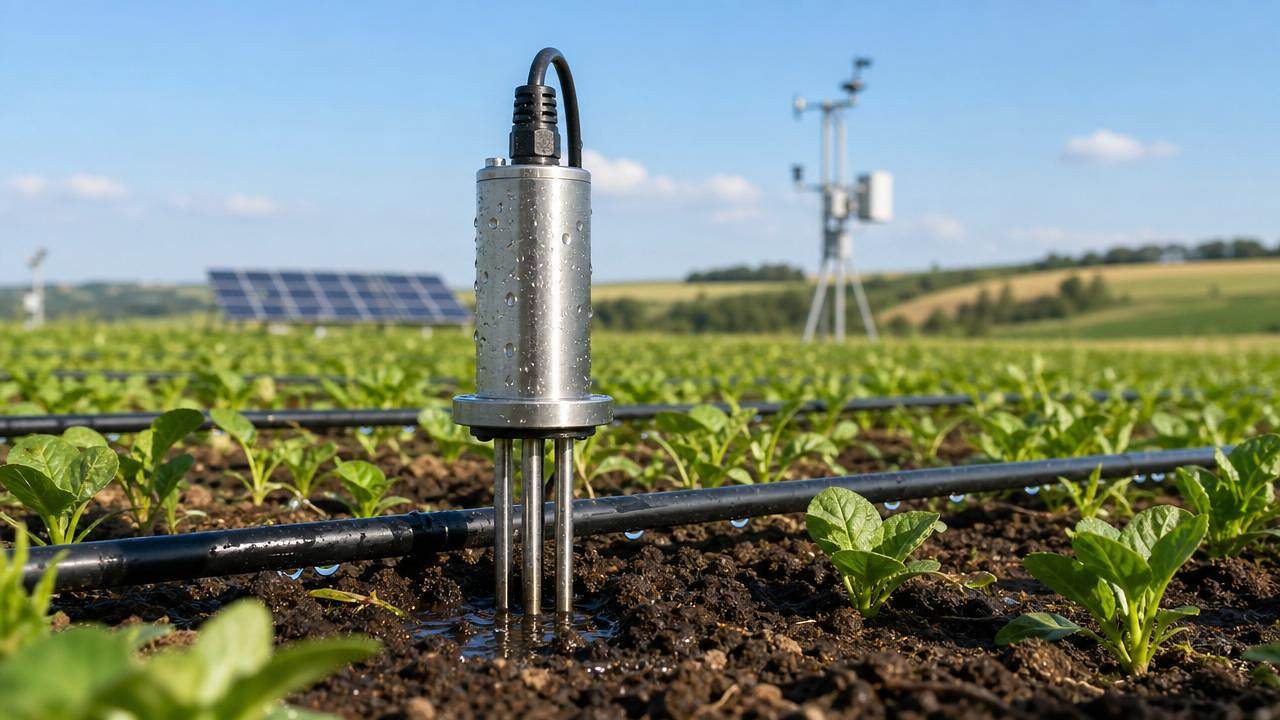




The European Committee for Standardization (CEN) officially published EN 17892-3:2026 on 14 May 2026, introducing mandatory electromagnetic compatibility (EMC) immunity certification for soil moisture sensors — the first time such a requirement applies to this sensor category. Effective 1 January 2027, all newly imported soil moisture sensors and associated smart irrigation systems entering the EU market must comply with Class 3 industrial-environment immunity testing per EN 61000-4 series standards. This regulatory shift directly impacts China’s export supply chain for precision agriculture hardware targeting EU member states.
Event Overview
CEN released EN 17892-3:2026 on 14 May 2026. The standard specifies EMC immunity requirements — specifically electrostatic discharge (ESD), radiated RF fields, and fast transient bursts — for soil moisture sensors operating in agricultural and horticultural environments. Compliance is mandatory for new product imports as of 1 January 2027. Non-compliant devices will be denied customs clearance or subject to post-market withdrawal under Regulation (EU) 2019/1020 on market surveillance.
Industries Affected
Direct Exporters & Trading Companies: These firms face immediate compliance gatekeeping at EU borders. Certification status must now be declared in customs documentation; failure to provide valid test reports from EU-recognized Notified Bodies may trigger detention or rejection. Contractual liabilities with EU distributors — including indemnity clauses tied to CE marking validity — are also heightened.
Raw Material & Component Suppliers: Suppliers of PCBs, signal-conditioning ICs, and encapsulation materials must now align technical specifications (e.g., grounding layout, shielding integrity, transient voltage suppression) with Class 3 immunity thresholds. Requests for pre-compliance validation data and traceable material certifications (e.g., conductive fillers, EMI gasket performance) are increasing among downstream OEMs.
Manufacturers & OEMs: Device-level redesign is required for many existing models — particularly those using unshielded analog front-ends or non-isolated power supplies. Time-to-market for new variants is extended by 8–12 weeks due to iterative pre-scan and formal test cycles at accredited labs. Firmware updates alone cannot resolve hardware-level coupling vulnerabilities.
Supply Chain Service Providers: Third-party testing labs, certification consultants, and logistics providers specializing in EU regulatory support report rising demand for integrated EMC readiness assessments — including pre-audit gap analysis, test scheduling coordination, and technical file compilation per Annex II of Directive 2014/30/EU (EMC Directive). Capacity constraints at major EU-accredited labs are already emerging.
Key Considerations and Recommended Actions
Verify Product Scope and Applicability
Not all soil moisture sensing technologies fall under EN 17892-3:2026. Only devices intended for permanent outdoor installation in industrial-agricultural settings — including capacitance, TDR, and FDR types — are covered. Portable handheld meters and laboratory-grade instruments remain exempt. Exporters should formally confirm classification with their Notified Body before initiating testing.
Prioritize Pre-Compliance EMC Screening
Given lab backlogs, manufacturers are advised to conduct in-house or third-party pre-compliance screening (e.g., radiated emissions scans, ESD immunity sweeps) during early prototyping. Identifying layout- or shielding-related failures at this stage reduces formal test iterations and avoids late-stage redesign costs.
Update Technical Documentation and CE Declaration
The EU Declaration of Conformity must explicitly reference EN 17892-3:2026 alongside EN 61000-6-2 (immunity) and EN 61000-6-4 (emissions). Technical files must include full test reports, circuit diagrams annotated for EMC-critical paths, and risk assessment documentation addressing interference scenarios specific to field-deployed soil sensors (e.g., proximity to variable-frequency drives in irrigation pumps).
Editorial Perspective / Industry Observation
Observably, this standard reflects a broader regulatory trend: the EU is progressively extending EMC requirements beyond traditional industrial equipment into domain-specific IoT endpoints. Unlike previous horizontal EMC directives, EN 17892-3:2026 embeds application context — defining ‘industrial environment’ not by location but by functional exposure (e.g., proximity to motors, solar inverters, radio base stations common in modern farms). Analysis shows that this contextual framing increases design complexity more than raw test severity — requiring system-level rather than component-level thinking. From an industry perspective, it signals growing alignment between environmental resilience and digital agri-infrastructure policy, especially under the EU Green Deal’s ‘Farm to Fork’ monitoring targets.
Conclusion
This mandate marks a structural inflection point: soil moisture sensors are no longer treated as passive measurement tools but as interoperable, mission-critical nodes in automated agricultural ecosystems. For exporters, compliance is not merely a conformity checkbox — it is becoming a prerequisite for participation in EU-funded smart farming tenders and subsidy-linked deployment programs. A rational interpretation is that regulatory maturity in agritech is converging with industrial automation standards — and lagging preparation carries tangible commercial, not just legal, consequences.
Source Attribution
Official publication: CEN website (www.cen.eu), EN 17892-3:2026 document record, dated 14 May 2026. Supporting references: EU Commission Guidance Document on EMC Directive 2014/30/EU (2022/C 350/01); Notified Body List maintained by NANDO (ec.europa.eu/nando). Note: Transitional arrangements for legacy stock and software-defined reconfiguration pathways remain under consultation — stakeholders should monitor CEN/CENELEC Joint Working Group JWG 11 updates through Q3 2026.
Related News
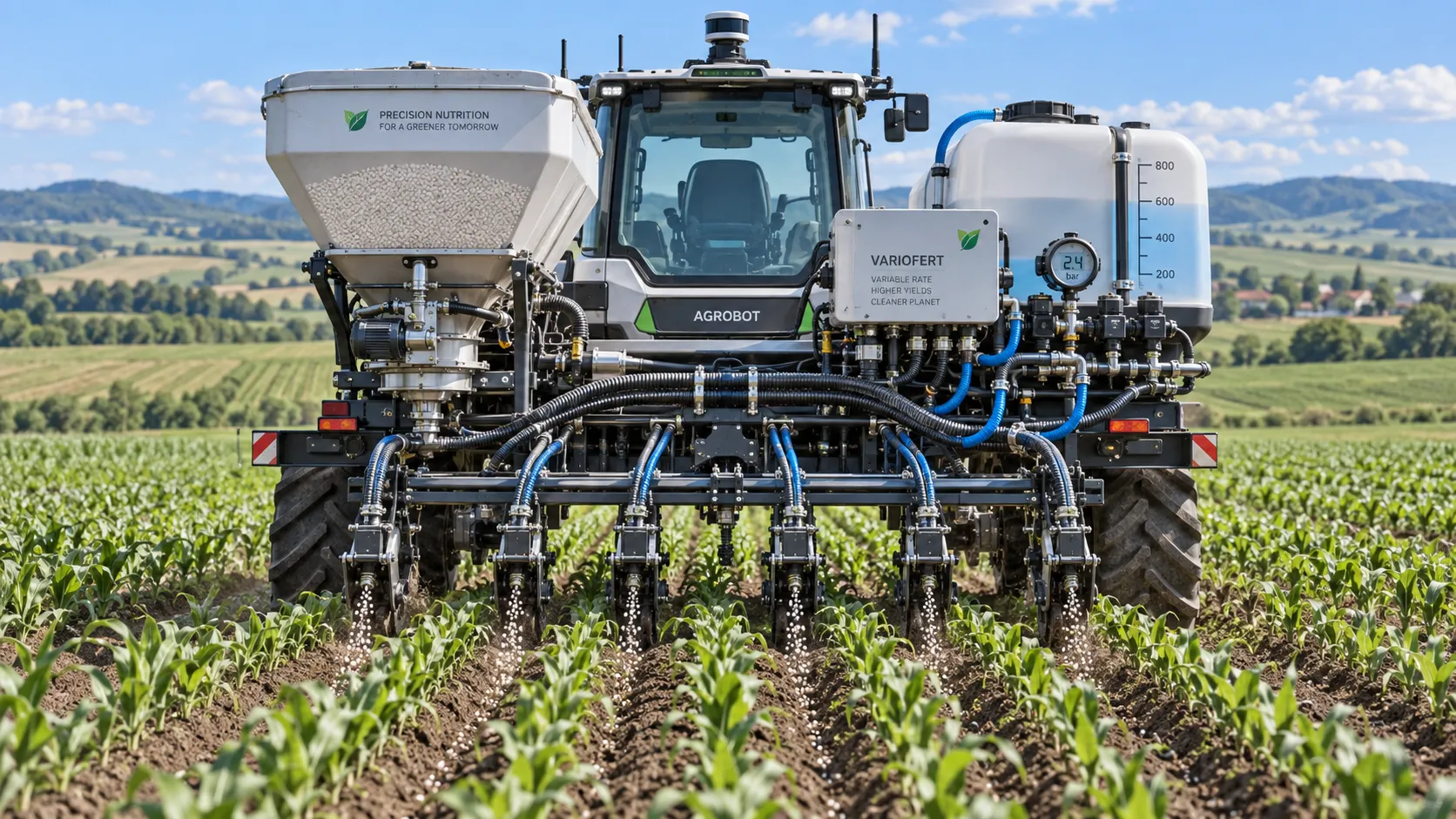
How Sensor Feedback Enables Accurate Variable-Rate Fertilization in Field Conditions
Precision fertilization systems with sensor feedback improve variable-rate accuracy by verifying flow, managing latency, and ensuring reliable field application.
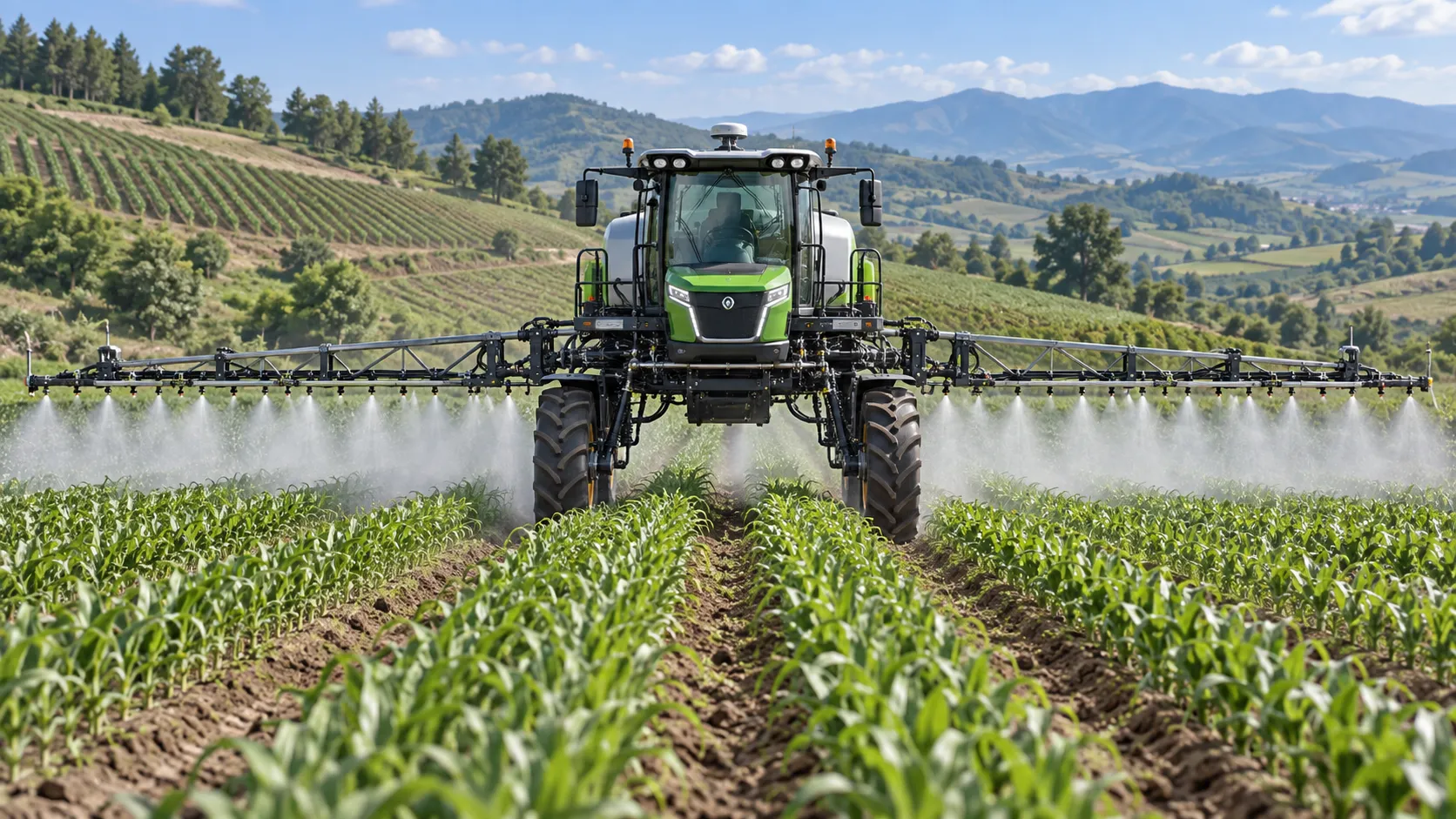
How to Select Precision Crop Protection Equipment for Variable Field Conditions
Precision crop protection equipment selection made simple: compare terrain, canopy, weather, control accuracy, and data workflows for reliable applications.

When Does Agricultural Machinery Leasing Cost Less Than Owning Equipment?
Agricultural machinery leasing can lower farm costs when use is seasonal or uncertain. Compare utilization, maintenance, cash flow, and risk to make a smarter equipment decision.
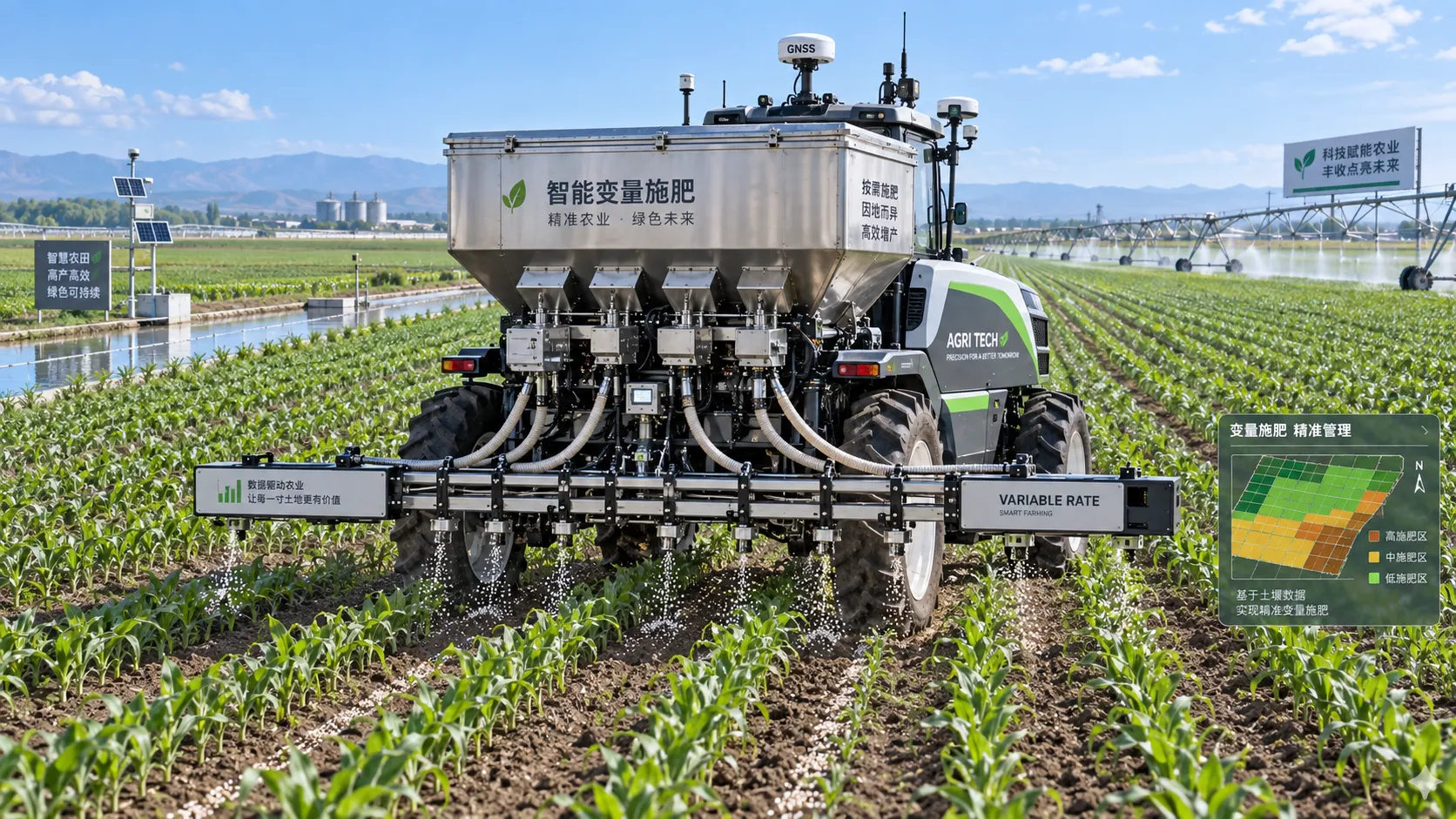
How to Evaluate Precision Fertilization System Suppliers for Farm-Scale Deployment
Precision fertilization systems suppliers: learn how to compare accuracy, integration, uptime, service, and total cost for confident farm-scale deployment.
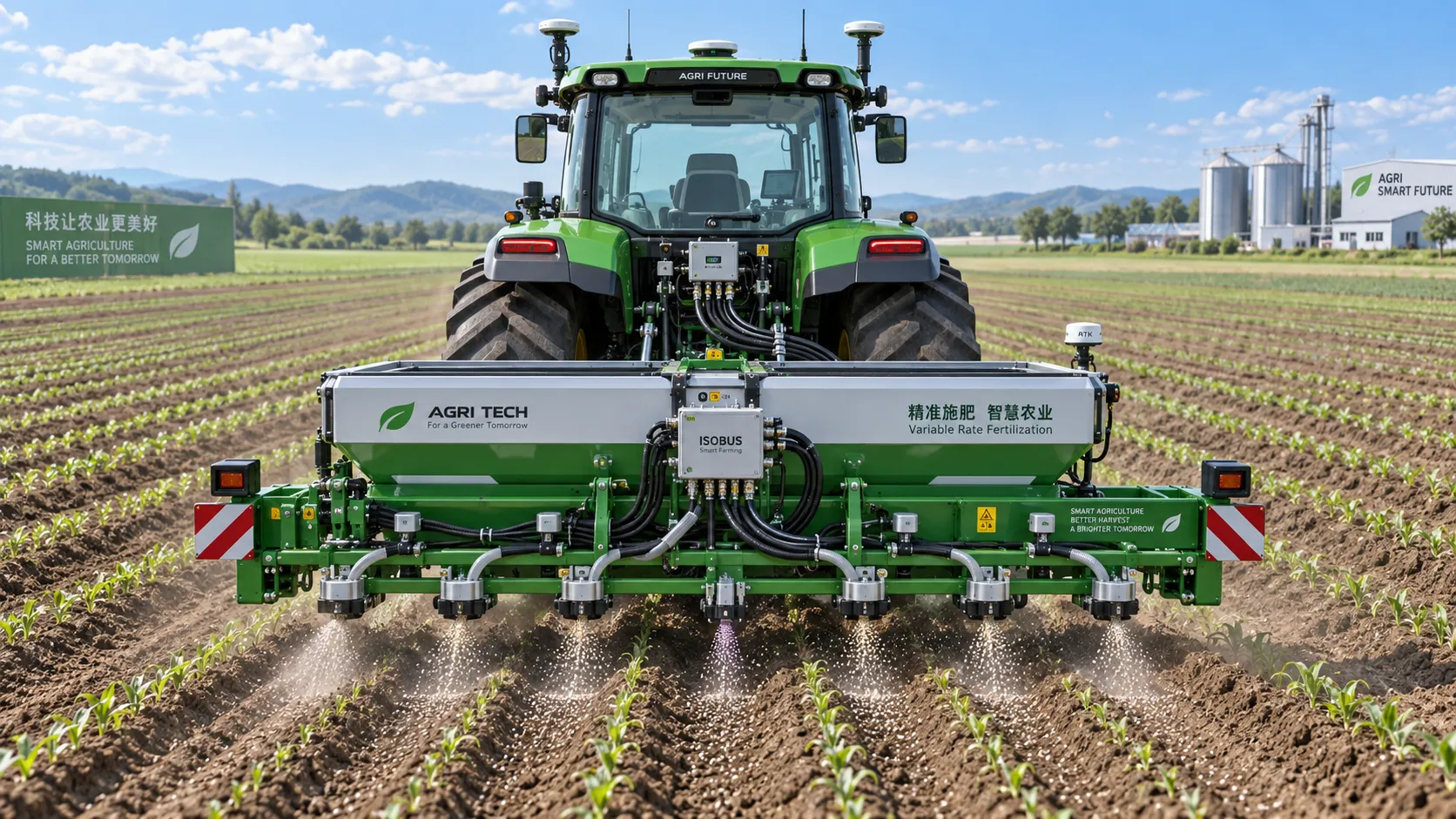
ISOBUS for Smart Agriculture: How It Connects Tractors, Implements, and Farm Data
ISOBUS for smart agriculture connects tractors, implements, terminals, and farm data—helping growers improve precision, documentation, and smarter field decisions.
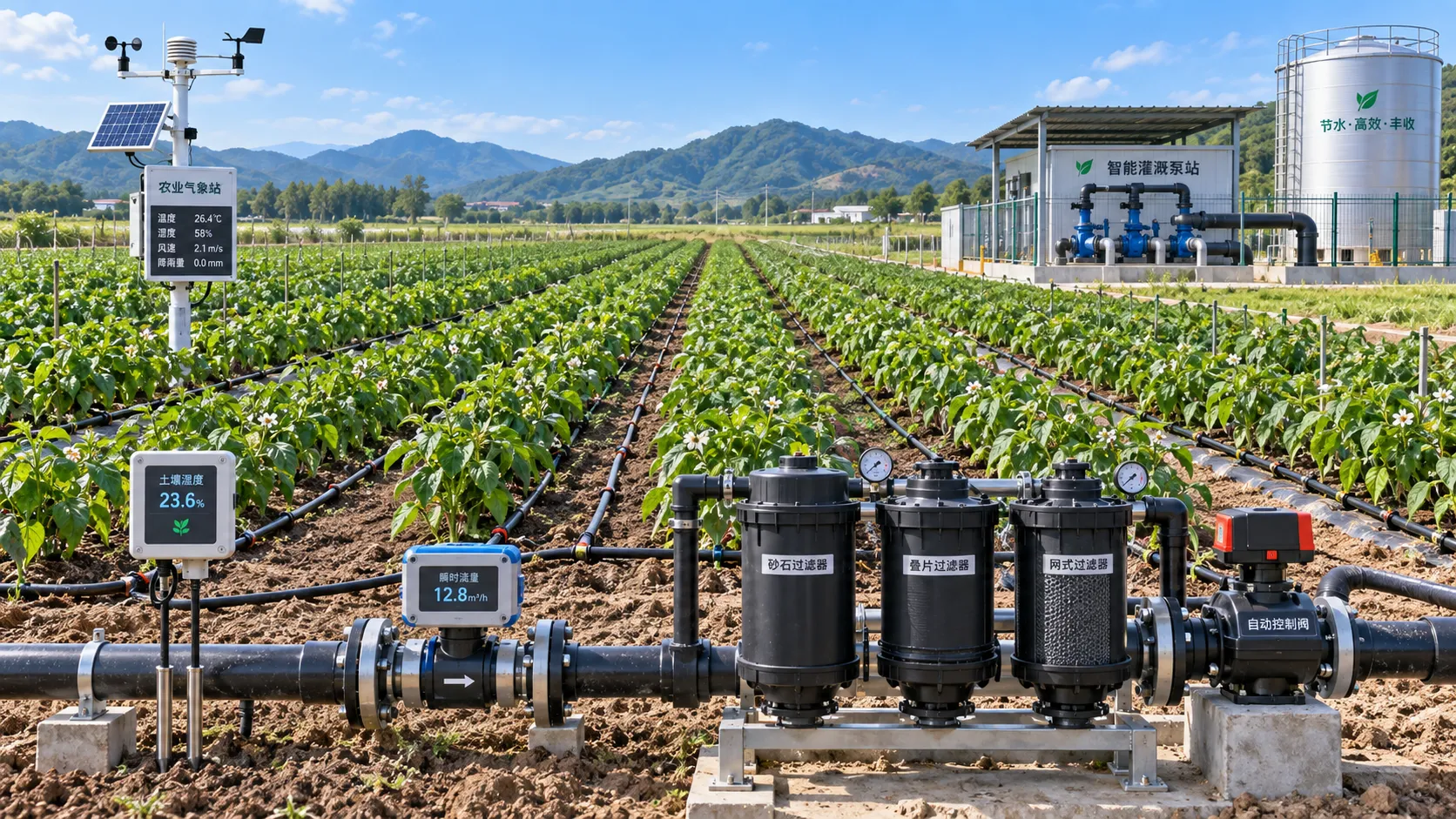
Automated Water-Saving Irrigation: How to Cut Water Use Without Reducing Crop Yields
Automated water-saving irrigation helps farms cut water use, protect crop yields, improve scheduling, and gain reliable control with sensors, flow monitoring, and smart zones.

Selecting Grain Farm Equipment by Acreage, Crop Mix, and Harvest Window
Agricultural equipment selection for grain farming: match machinery to acreage, crop mix, and harvest windows to improve uptime, efficiency, and returns.
Poultry Equipment Selection: Evaluating Durability, Cleaning, and Compatibility
Poultry equipments selection guide: evaluate durability, cleaning access, and system compatibility to improve hygiene, reduce downtime, and support efficient flock management.
How to Select Heavy-Duty Farm Implements for High-Acreage, High-Horsepower Operations
Heavy duty farm implements: learn how to match draft, hydraulics, hitch capacity, frame strength, and field conditions for reliable high-acreage performance.
Related News
- 00
0000-00
Selecting Real-Time Soil Moisture Sensors for Irrigation Zone Control - 00
0000-00
How Does Climate-Smart Farming Reduce Water Use in Semi-Arid Areas? - 00
0000-00
USDA Rule Takes Effect: Dual FCC and NRCS Approval for Soil Moisture Sensors - 00
0000-00
EU Rule Takes Effect: Soil Moisture Sensors Need Revised CE-EMC Certification - 00
0000-00
How to Choose Wireless Smart Irrigation Systems for Better Water Control
Popular Tags
Hydrological Resource Strategist
Weekly Insights
Stay ahead with our curated technology reports delivered every Monday.