
Red Sea Crisis Spurs 210% Freight Surge for Agri-Smart Pump Stations




Red Sea Crisis Spurs 210% Freight Surge for Agri-Smart Pump Stations
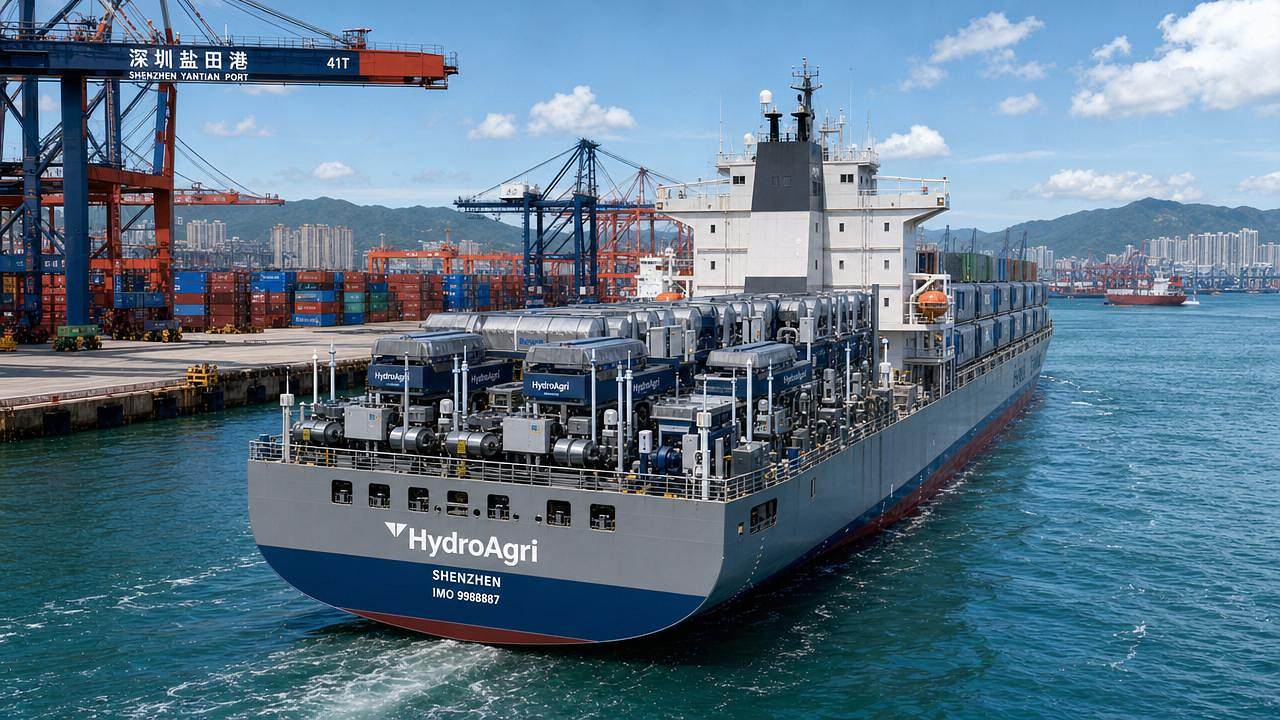
On May 13, 2026, escalating security risks in the Red Sea triggered a sharp rise in maritime freight costs for agricultural smart pump stations transiting the Suez Canal — with containerized shipping rates surging 210% year-on-year. This development is significantly reshaping logistics strategies across the global irrigation equipment supply chain, particularly for exporters serving Middle Eastern markets.
Event Overview
According to the joint shipping bulletin issued by Maersk and COSCO Shipping on May 13, 2026, sea freight rates for agricultural smart pump stations — including Center Pivot Systems drive units and remote control modules — increased by 210% year-on-year on the Suez Canal route. Average delivery lead times extended by 14–21 days. In response, multiple importers in the Middle East have activated direct shipment agreements from South China ports, prioritizing fast-track services via the Shenzhen and Nansha–Jebel Ali routes.
Impact on Key Industry Segments
Direct trading enterprises: Exporters of irrigation systems face compressed margins due to non-recoverable freight cost spikes and delayed revenue recognition from extended transit times. Those lacking contractual freight pass-through clauses are absorbing cost increases, while others are renegotiating Incoterms to shift freight risk to buyers — especially where long-term contracts with Gulf-based distributors are under review.
Raw material procurement enterprises: Firms sourcing precision components (e.g., IoT-enabled controllers, high-torque gearmotors) from European or Turkish suppliers — historically routed via Suez — now confront longer lead times and higher landed costs. This pressures just-in-time procurement models and may accelerate dual-sourcing initiatives toward Southeast Asian or domestic alternatives.
Manufacturing enterprises: OEMs assembling smart pivot systems in Guangdong and Zhejiang report increased pressure on production scheduling, as inbound component delays and outbound shipment uncertainty disrupt batch planning. Some are adjusting inventory buffers for critical subassemblies but remain cautious about overstocking given volatile demand signals from key export markets.
Supply chain service enterprises: Logistics providers specializing in agri-tech exports are reallocating capacity toward South China–Middle East fast lanes, while scaling back Suez-dependent routing support. Customs brokers and freight forwarders report rising demand for origin documentation expertise related to China’s new export classification codes for smart irrigation hardware — a factor influencing transit speed at Jebel Ali.
Key Considerations and Response Measures
Reassess port-of-loading strategy
Exporters should evaluate operational feasibility of shifting primary loading points from Shanghai/Ningbo to Shenzhen or Nansha — factoring in inland transport time, terminal handling efficiency, and availability of dedicated weekly sailings to Jebel Ali. Early adopters report reduced transit variance (±2 days vs. ±7 days on Suez reroutes), though inland haulage costs require recalibration.
Review and revise Incoterm® usage
Firms currently operating under CIF or CFR terms for Middle East deliveries should consider transitioning to FCA (Shenzhen/Nansha) or DAP (Jebel Ali) to clarify freight liability boundaries and improve cost predictability — particularly amid ongoing volatility in bunker surcharges and war-risk premiums.
Strengthen regional after-sales logistics partnerships
Given extended delivery windows, manufacturers must coordinate more closely with local service partners in the UAE and Saudi Arabia to pre-position spare parts and technical support resources — reducing time-to-resolution for post-delivery commissioning issues, which otherwise compound customer dissatisfaction.
Editorial Perspective / Industry Observation
Observably, this freight shock is accelerating structural shifts already underway: the de facto regionalization of smart irrigation supply chains. While the Red Sea disruption is acute, its impact extends beyond short-term cost inflation — it is testing the resilience of centralized manufacturing hubs reliant on single maritime corridors. Analysis shows that firms with diversified port access, modular product architectures, and embedded telematics (enabling remote diagnostics and configuration) are better positioned to absorb logistical friction without compromising service-level commitments. Current developments are less about temporary rerouting and more about revealing latent dependencies in global agri-tech infrastructure.
Conclusion
This episode underscores that for high-value, low-volume agricultural technology exports, logistics reliability now carries strategic weight comparable to product performance or pricing. The shift toward South China–Middle East direct lanes is not merely a cost-avoidance tactic — it reflects an emerging recalibration of geographic advantage in precision agriculture trade. A rational interpretation is that port selection, customs agility, and regional service integration are becoming core competitive differentiators — not ancillary functions.
Source Attribution
Primary source: Joint shipping bulletin issued by Maersk and COSCO Shipping, dated May 13, 2026. Data reflects spot-rate assessments for 40-foot containers carrying assembled smart pivot system units (HS Code 8413.70 + 8537.10). Ongoing monitoring is recommended for updates on Egyptian Suez Canal Authority’s revised transit protocols, UAE’s updated import licensing requirements for IoT-integrated farm equipment, and potential revisions to China’s export tax rebate schedule for agricultural automation hardware.
Related News

How to Select Precision Crop Protection Equipment for Variable Field Conditions
Precision crop protection equipment selection made simple: compare terrain, canopy, weather, control accuracy, and data workflows for reliable applications.

When Does Agricultural Machinery Leasing Cost Less Than Owning Equipment?
Agricultural machinery leasing can lower farm costs when use is seasonal or uncertain. Compare utilization, maintenance, cash flow, and risk to make a smarter equipment decision.
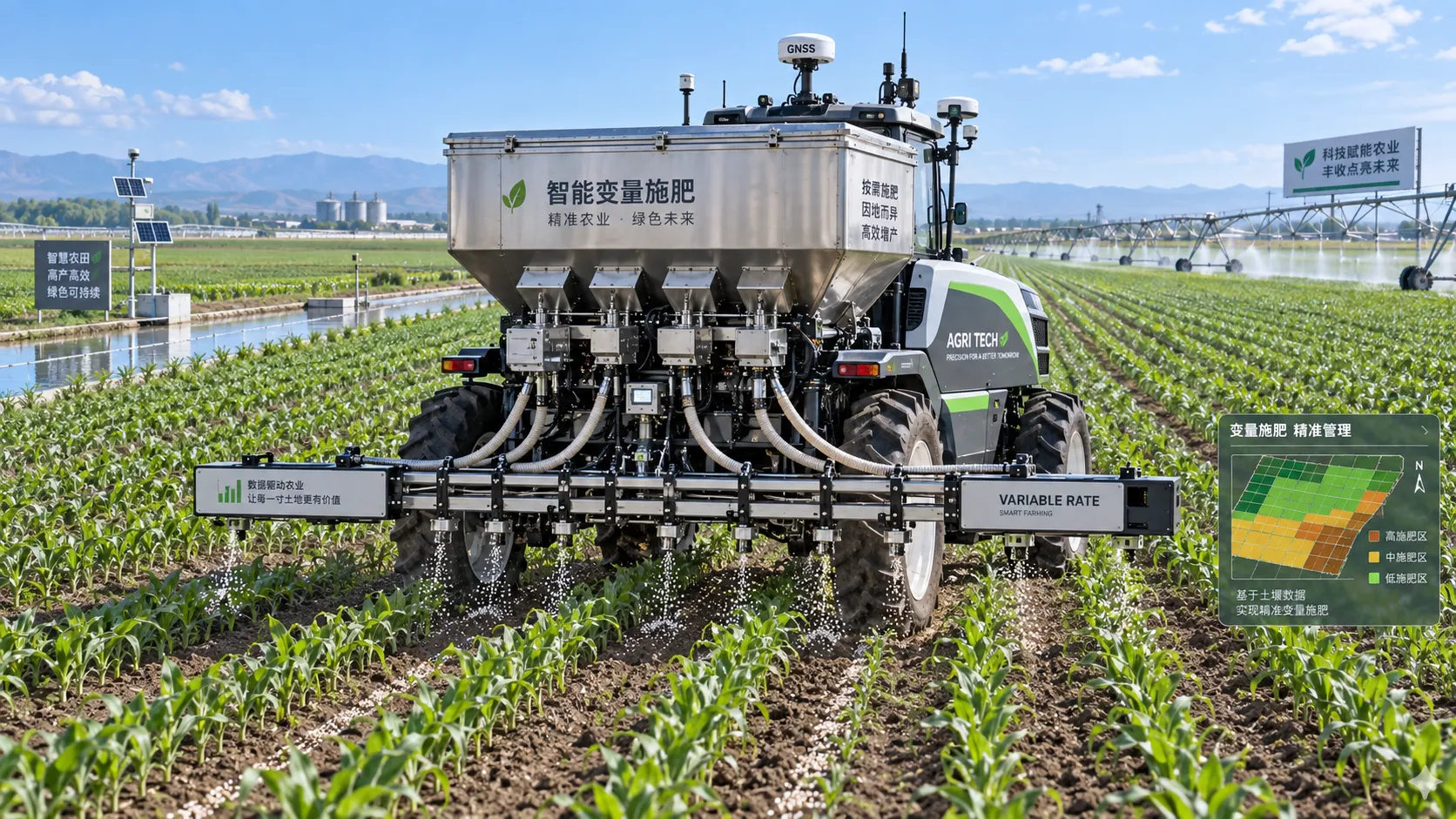
How to Evaluate Precision Fertilization System Suppliers for Farm-Scale Deployment
Precision fertilization systems suppliers: learn how to compare accuracy, integration, uptime, service, and total cost for confident farm-scale deployment.

ISOBUS for Smart Agriculture: How It Connects Tractors, Implements, and Farm Data
ISOBUS for smart agriculture connects tractors, implements, terminals, and farm data—helping growers improve precision, documentation, and smarter field decisions.
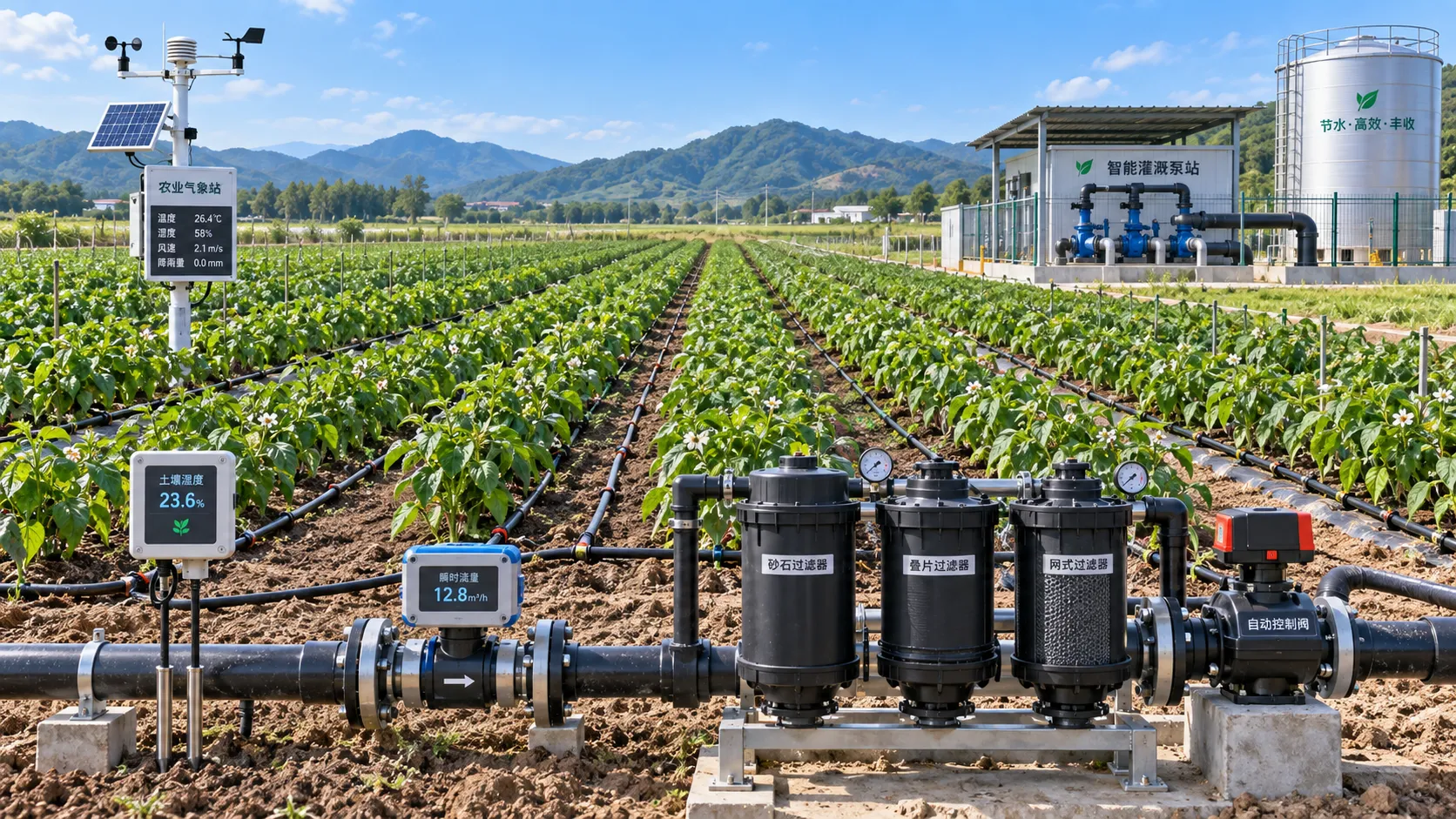
Automated Water-Saving Irrigation: How to Cut Water Use Without Reducing Crop Yields
Automated water-saving irrigation helps farms cut water use, protect crop yields, improve scheduling, and gain reliable control with sensors, flow monitoring, and smart zones.

Selecting Grain Farm Equipment by Acreage, Crop Mix, and Harvest Window
Agricultural equipment selection for grain farming: match machinery to acreage, crop mix, and harvest windows to improve uptime, efficiency, and returns.
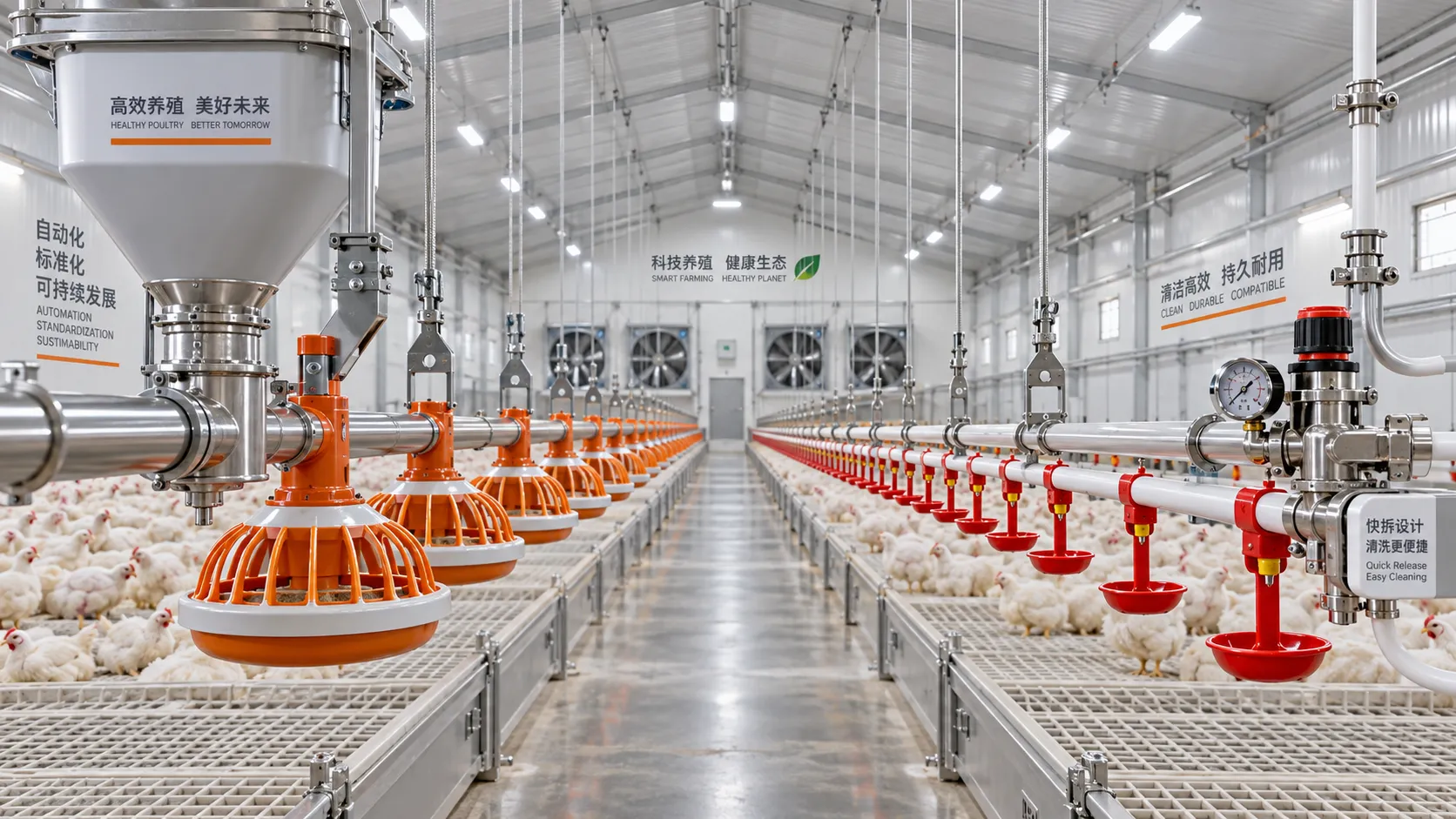
Poultry Equipment Selection: Evaluating Durability, Cleaning, and Compatibility
Poultry equipments selection guide: evaluate durability, cleaning access, and system compatibility to improve hygiene, reduce downtime, and support efficient flock management.
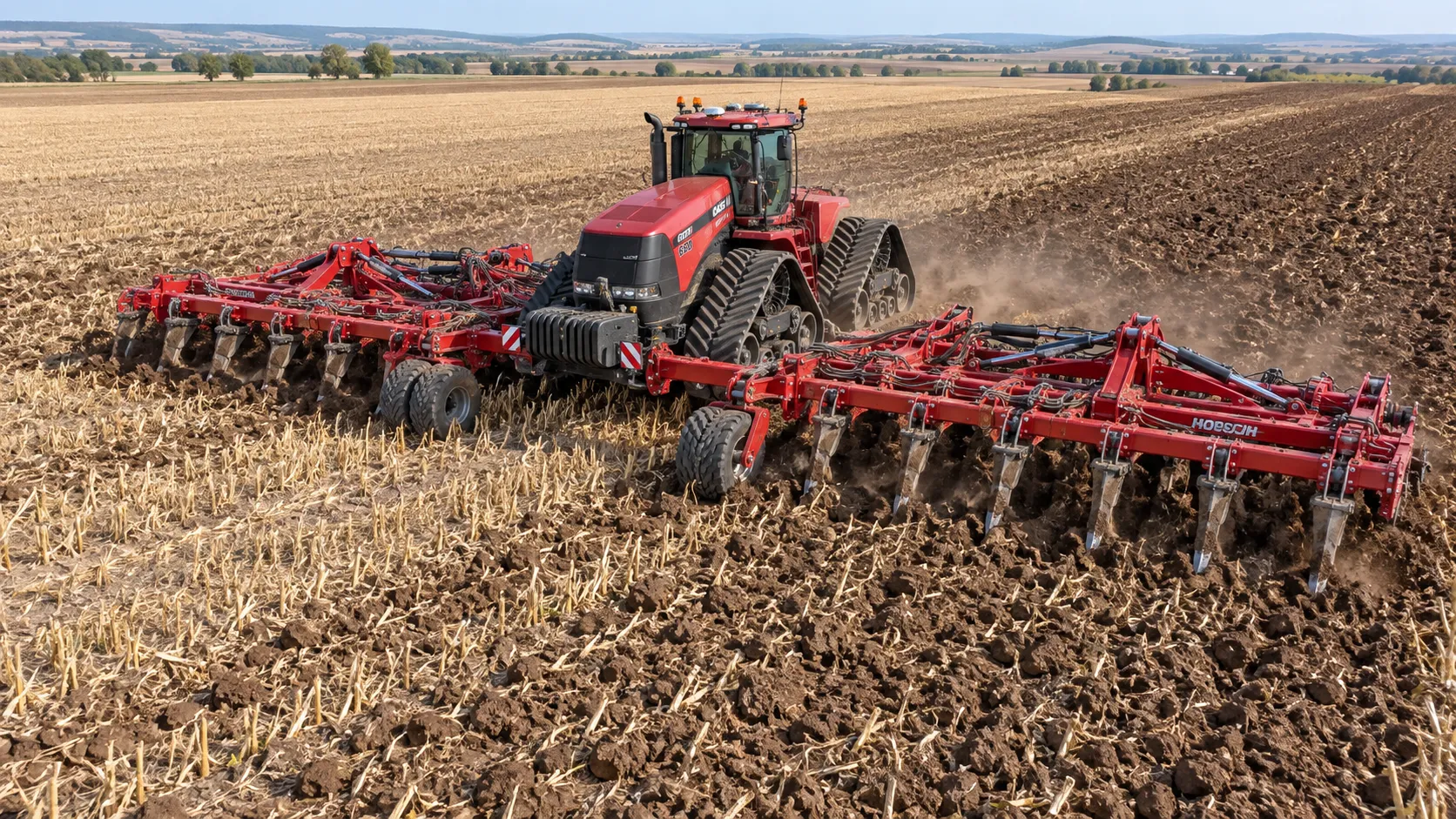
How to Select Heavy-Duty Farm Implements for High-Acreage, High-Horsepower Operations
Heavy duty farm implements: learn how to match draft, hydraulics, hitch capacity, frame strength, and field conditions for reliable high-acreage performance.
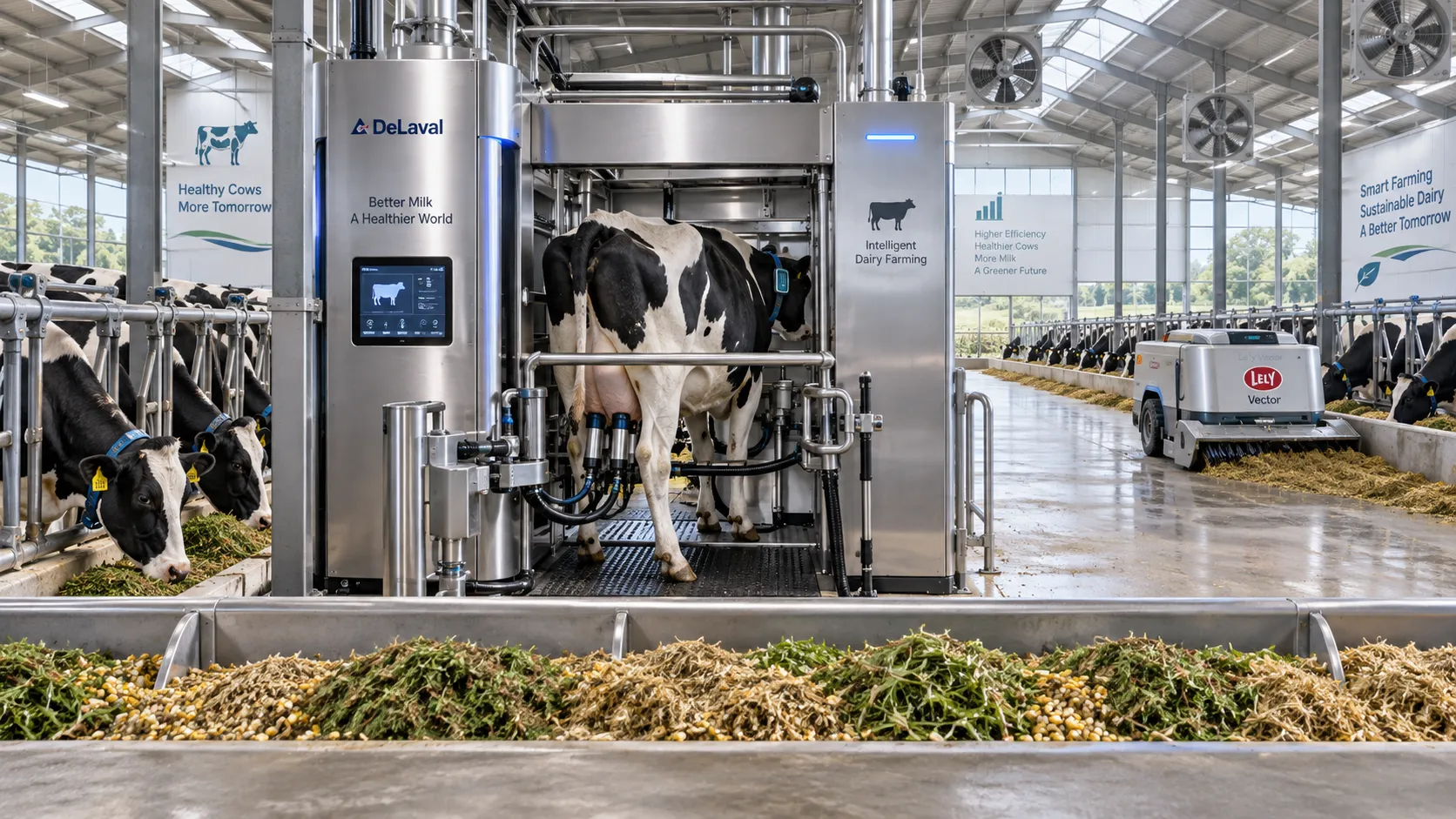
Smart Farming Technology for Dairy Farms: Where Automation Delivers Measurable ROI
Smart farming technology for dairy farms delivers measurable ROI through automation, precision feeding, health monitoring, and data-driven cost control.
Related News
- 00
0000-00
India Opens Duty Relief for Center Pivot Imports - 00
0000-00
What to Check Before Working With a Precision Irrigation Systems Factory - 00
0000-00
Red Sea Shock Tightens CPS Capacity, Rates Jump 37% - 00
0000-00
Red Sea Escalation Tightens Center Pivot Shipping - 00
0000-00
Red Sea Disruption Extends Center Pivot Transit to 42 Days
Popular Tags
Hydrological Resource Strategist
Weekly Insights
Stay ahead with our curated technology reports delivered every Monday.