
India Expands Kisan Drone & Smart Irrigation Mission with VRT Controller Procurement
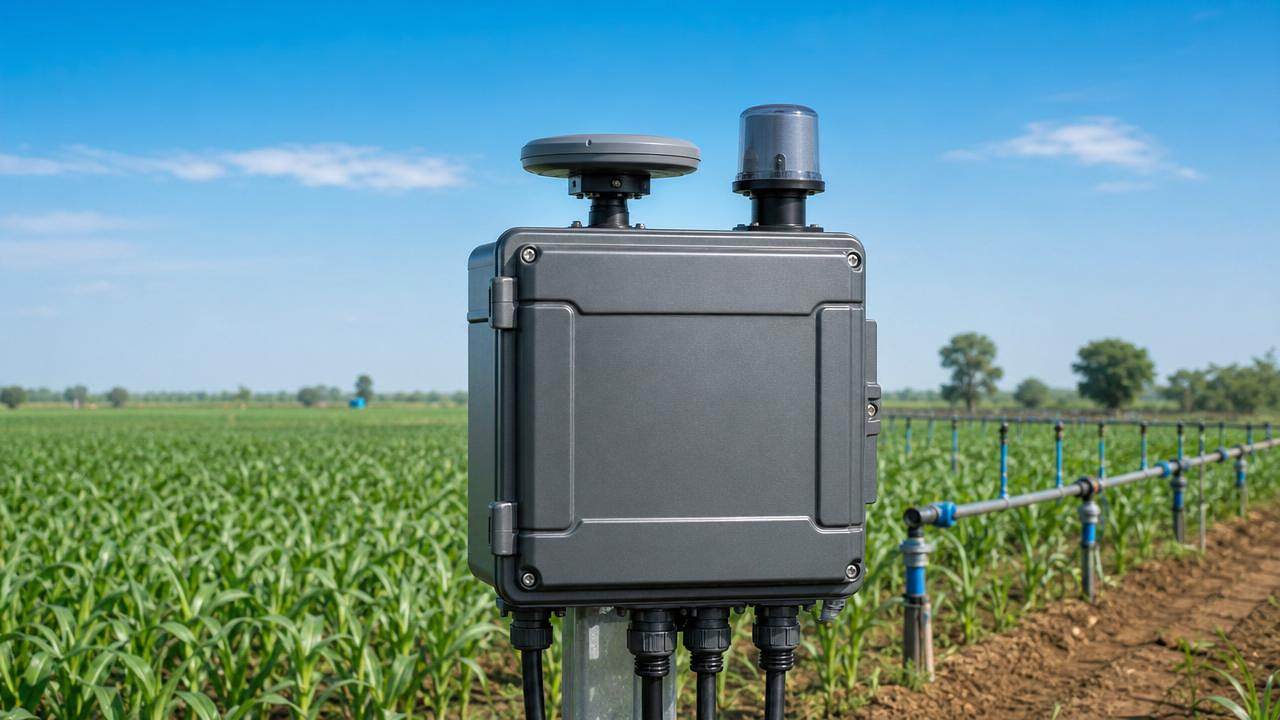




On May 14, 2026, India’s Ministry of Agriculture and Farmers’ Welfare (MAFFW) announced a ₹12 billion budget enhancement to the Kisan Drone & Smart Irrigation Mission, explicitly adding Variable Rate Technology (VRT) irrigation controllers to its procurement scope. The move signals immediate relevance for global VRT hardware manufacturers—particularly those capable of meeting NavIC+GPS dual-mode positioning and local prescription map import interface requirements—and marks a concrete policy-driven opening in India’s precision agriculture equipment market.
Event Overview
On May 14, 2026, the Ministry of Agriculture and Farmers’ Welfare (MAFFW) of India issued an official announcement extending the Kisan Drone & Smart Irrigation Mission procurement framework to include Variable Rate Technology (VRT) irrigation controllers. A supplementary allocation of ₹12 billion INR was approved. The notice specifies two mandatory technical requirements: (1) support for ISRO’s NavIC satellite navigation system combined with GPS (dual-mode), and (2) a standardized interface for importing locally generated irrigation prescription maps. No further implementation timelines, tender issuance dates, or vendor eligibility criteria were disclosed in the initial announcement.
Which Subsectors Are Affected
Direct Export-Oriented Manufacturing Firms
This update directly affects manufacturers of VRT irrigation controllers headquartered outside India—especially those with existing export capacity to emerging agricultural markets. The inclusion of NavIC+GPS and prescription map interface specifications creates a de facto technical benchmark for market entry. Impact manifests as both opportunity (a defined, budget-backed procurement pathway) and constraint (mandatory compliance with India-specific localization requirements).
Supply Chain Integration Providers
Firms offering embedded GNSS modules, firmware development services, or prescription map data interoperability solutions may see increased demand for India-compliant components or integration support. Since the mission mandates dual-mode (NavIC+GPS) capability and structured map import, suppliers must verify whether their current modules or SDKs meet MAFFW’s stated interface definitions—without assuming backward compatibility with generic GPS-only or ISO-XML-based systems.
Distribution & Channel Partners in India
Indian distributors, system integrators, and agritech solution providers handling irrigation hardware will face revised technical due diligence requirements when onboarding VRT controller SKUs. The mandate for NavIC+GPS and prescription map ingestion means legacy products—even if functionally similar—may no longer qualify for mission-linked tenders unless retrofitted or recertified. This affects inventory planning, technical training, and pre-sales validation workflows.
What Relevant Enterprises or Practitioners Should Focus On Now
Monitor official tender documentation—not just policy announcements
Policy-level expansion does not equate to immediate tender release. Enterprises should track MAFFW’s GeM (Government e-Marketplace) portal and the mission’s dedicated dashboard for formal bid notices, technical evaluation criteria, and certification prerequisites. Past missions indicate that interface specifications (e.g., prescription map schema version, NavIC signal acquisition time thresholds) are often detailed only in tender documents—not in press releases.
Validate NavIC+GPS implementation against India’s operational NavIC coverage and signal integrity
Analysis shows that NavIC’s regional accuracy and availability vary across Indian states, especially under canopy or in high-relief terrain. VRT controller vendors must test real-world positioning performance—not just module datasheet claims—to ensure compliance with field-deployable reliability standards implied by the mission’s farm-scale application context.
Distinguish between ‘prescription map import interface’ as a functional requirement versus a data standard requirement
Observably, MAFFW has not yet published the prescribed format (e.g., GeoJSON schema, pixel resolution tolerance, coordinate reference system) for irrigation prescription maps. Exporters should avoid assuming compatibility with common global formats (e.g., ISO 11783-10, AgLeader ADL) until official specifications are released. Early engagement with Indian agronomy service providers may help anticipate likely local formatting conventions.
Prepare for localized certification and documentation—not just CE/FCC marking
Current more relevant is the likelihood that MAFFW will require domestic type approval or third-party verification by Indian agencies (e.g., STQC, BIS) for NavIC functionality and data interface conformance. Firms should initiate internal readiness checks on documentation traceability, firmware version control, and audit-ready test logs well before tender submission windows open.
Editorial Perspective / Industry Observation
This announcement is best understood not as an immediate procurement trigger, but as a formalized technical signaling mechanism. From an industry perspective, it confirms that India is institutionalizing VRT as part of its national smart irrigation strategy—not merely piloting it. However, analysis shows that actual tender volume, rollout sequencing, and state-level adoption pace remain unconfirmed. The ₹12 billion allocation is a budgetary authorization, not a committed spend; disbursement depends on tender awards, supplier performance, and fiscal year execution. Therefore, this development functions primarily as a forward-looking policy anchor—shaping R&D roadmaps, supply chain investments, and market-entry timing decisions—but not yet as a near-term revenue catalyst.
Conclusion
The MAFFW’s expansion of the Kisan Drone & Smart Irrigation Mission to include VRT irrigation controllers introduces a targeted, specification-defined opportunity for international hardware suppliers. Yet it remains a preparatory milestone rather than an execution-ready directive. For stakeholders, the most rational interpretation is that India has now codified minimum technical baselines for VRT in public-sector irrigation programs—making early alignment with NavIC+GPS and prescription map interoperability a strategic prerequisite, not a speculative advantage.
Information Sources
Primary source: Official announcement issued by the Ministry of Agriculture and Farmers’ Welfare (MAFFW), Government of India, dated May 14, 2026. No secondary or third-party sources were used. Note: Tender issuance schedule, technical specification details beyond NavIC+GPS and prescription map interface, and state-level implementation plans remain pending official disclosure and are subject to ongoing observation.
Related News

How Sensor Feedback Enables Accurate Variable-Rate Fertilization in Field Conditions
Precision fertilization systems with sensor feedback improve variable-rate accuracy by verifying flow, managing latency, and ensuring reliable field application.

How to Select Precision Crop Protection Equipment for Variable Field Conditions
Precision crop protection equipment selection made simple: compare terrain, canopy, weather, control accuracy, and data workflows for reliable applications.

When Does Agricultural Machinery Leasing Cost Less Than Owning Equipment?
Agricultural machinery leasing can lower farm costs when use is seasonal or uncertain. Compare utilization, maintenance, cash flow, and risk to make a smarter equipment decision.

How to Evaluate Precision Fertilization System Suppliers for Farm-Scale Deployment
Precision fertilization systems suppliers: learn how to compare accuracy, integration, uptime, service, and total cost for confident farm-scale deployment.
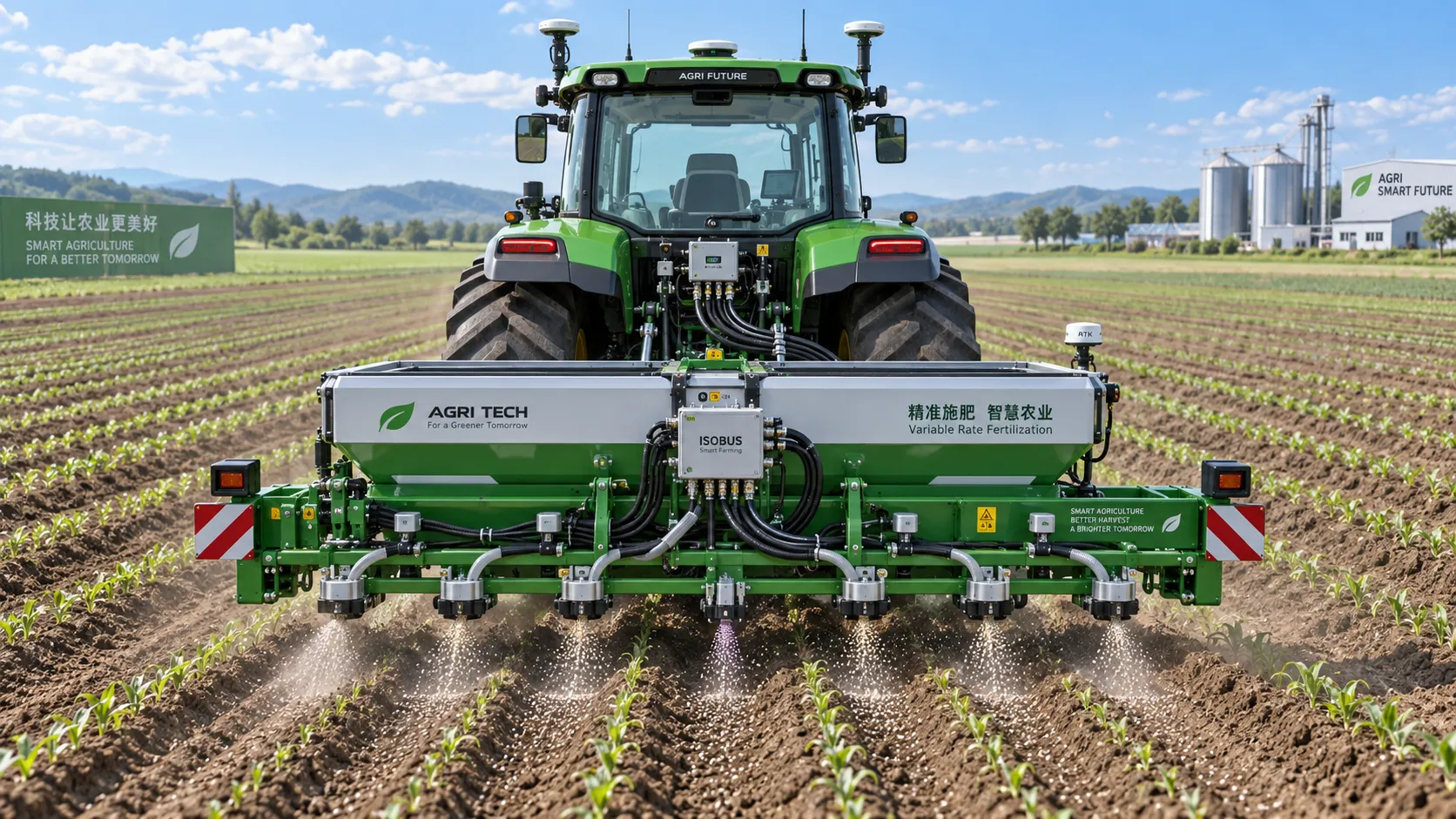
ISOBUS for Smart Agriculture: How It Connects Tractors, Implements, and Farm Data
ISOBUS for smart agriculture connects tractors, implements, terminals, and farm data—helping growers improve precision, documentation, and smarter field decisions.
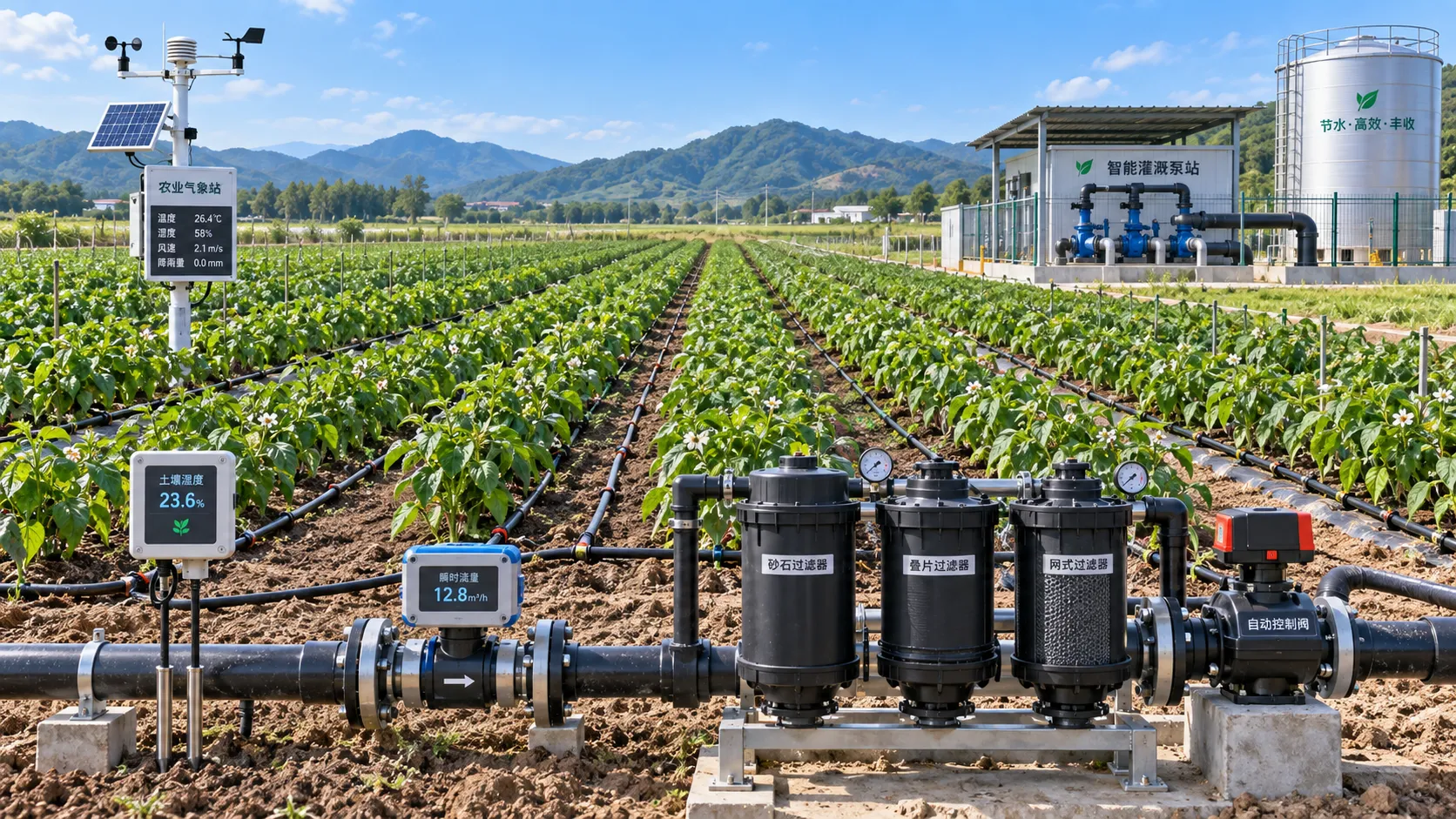
Automated Water-Saving Irrigation: How to Cut Water Use Without Reducing Crop Yields
Automated water-saving irrigation helps farms cut water use, protect crop yields, improve scheduling, and gain reliable control with sensors, flow monitoring, and smart zones.

Selecting Grain Farm Equipment by Acreage, Crop Mix, and Harvest Window
Agricultural equipment selection for grain farming: match machinery to acreage, crop mix, and harvest windows to improve uptime, efficiency, and returns.
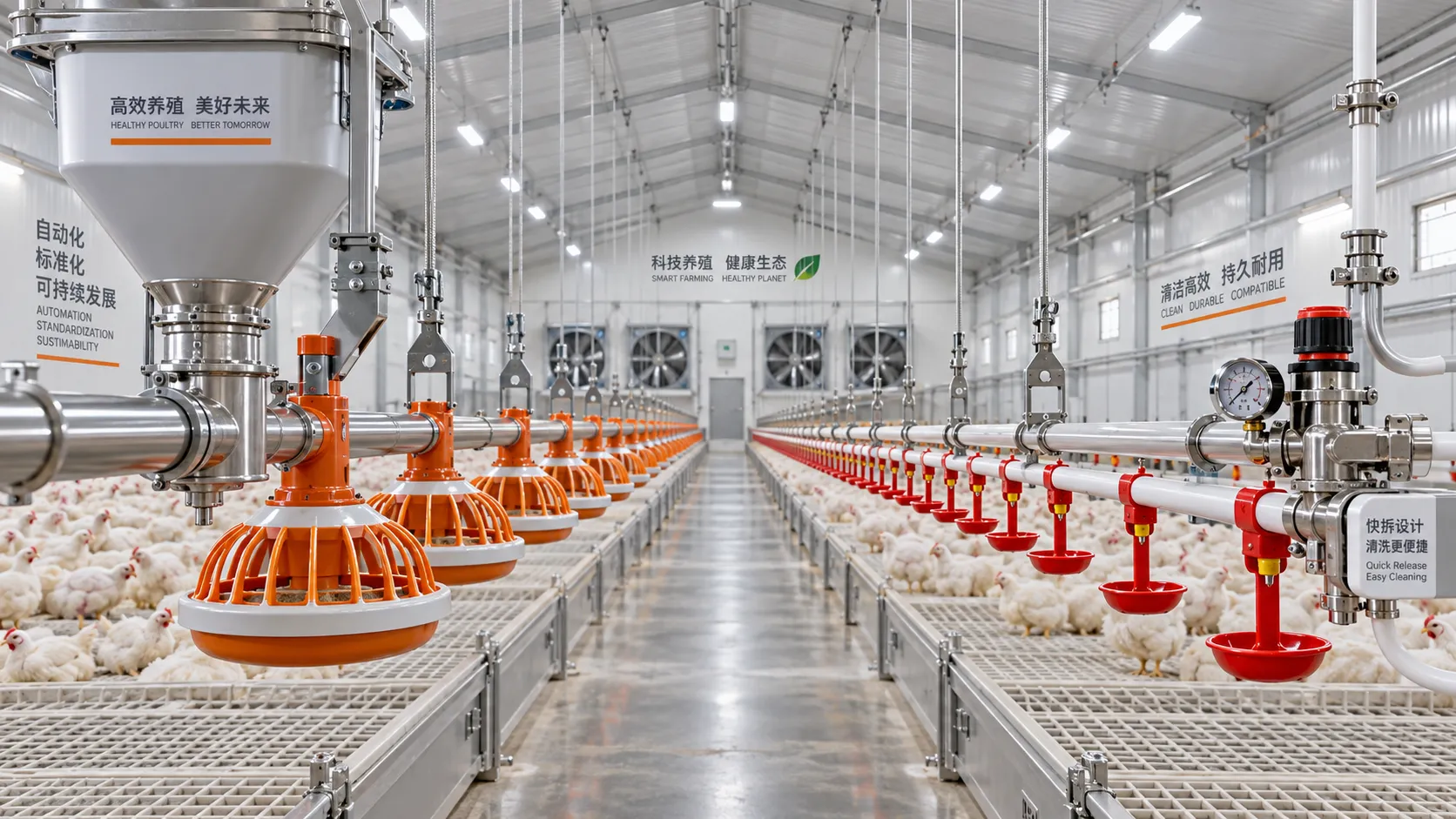
Poultry Equipment Selection: Evaluating Durability, Cleaning, and Compatibility
Poultry equipments selection guide: evaluate durability, cleaning access, and system compatibility to improve hygiene, reduce downtime, and support efficient flock management.
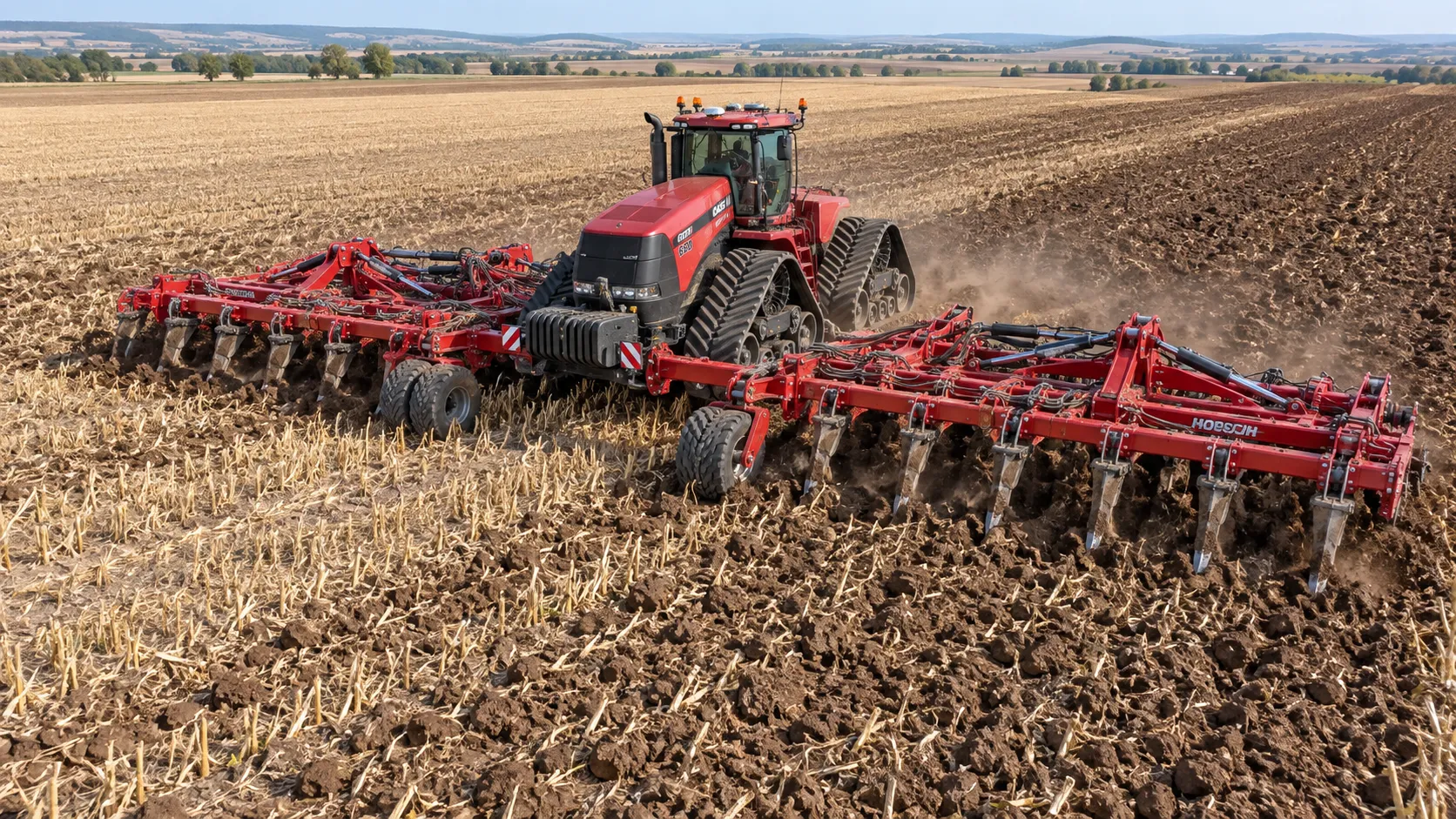
How to Select Heavy-Duty Farm Implements for High-Acreage, High-Horsepower Operations
Heavy duty farm implements: learn how to match draft, hydraulics, hitch capacity, frame strength, and field conditions for reliable high-acreage performance.
Related News
- 00
0000-00
How Sensor Feedback Enables Accurate Variable-Rate Fertilization in Field Conditions - 00
0000-00
How to Select Precision Crop Protection Equipment for Variable Field Conditions - 00
0000-00
How to Evaluate Precision Fertilization System Suppliers for Farm-Scale Deployment - 00
0000-00
How to Select a Precision Fertilization System for Variable Corn Field Conditions - 00
0000-00
When does equipment for sustainable farming justify a higher capital spend?
Popular Tags
Tractor Power Architect
Weekly Insights
Stay ahead with our curated technology reports delivered every Monday.