
India Adds VRT Irrigation Controllers to Kisan Drone Mission
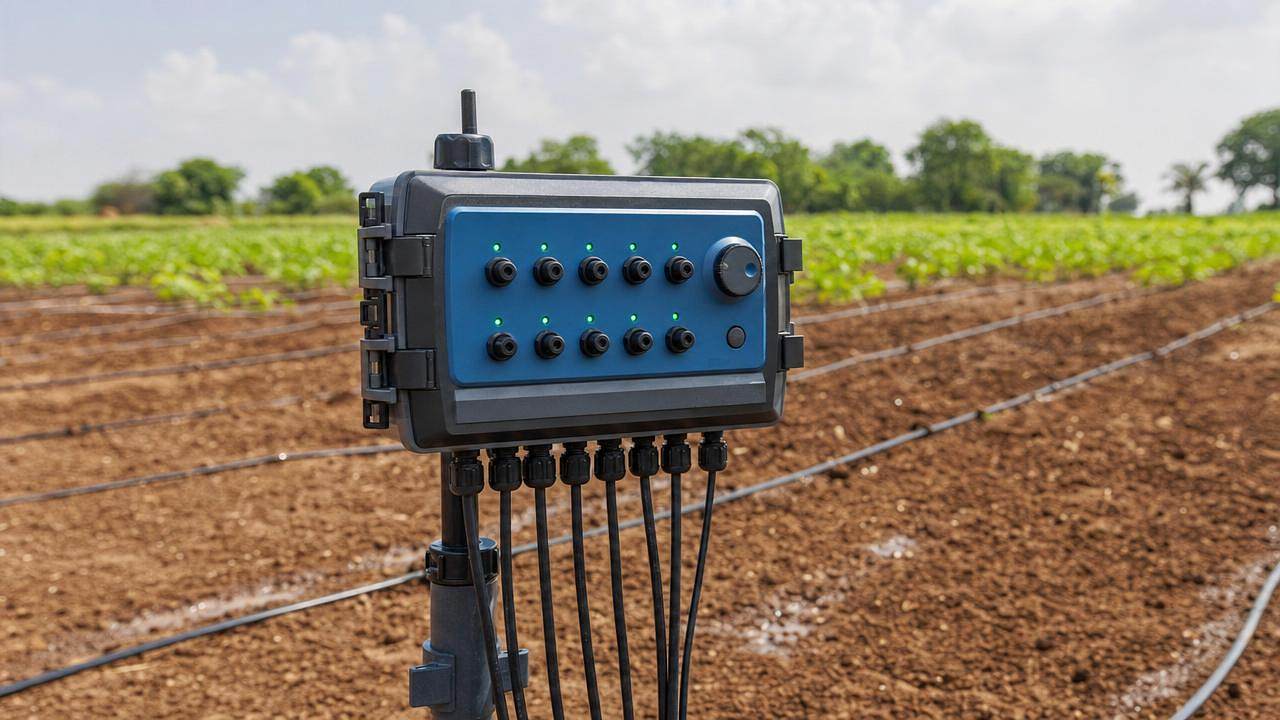




On May 14, 2026, India’s Ministry of Agriculture and Farmers’ Welfare (MoA&FW) expanded the subsidized procurement scope of the ‘Kisan Drone & Smart Irrigation Mission’ to include Variable Rate Technology (VRT) spray irrigation controllers — a newly added category with up to 65% subsidy on ex-works price. This development is particularly relevant for agricultural technology exporters, smart irrigation hardware manufacturers, and supply chain service providers operating in or targeting the Indian market.
Event Overview
On May 14, 2026, the Ministry of Agriculture and Farmers’ Welfare (MoA&FW) announced the formal inclusion of Variable Rate Tech (VRT) spray irrigation controllers into the second-phase subsidized procurement list of the ‘Kisan Drone & Smart Irrigation Mission’. The subsidy covers up to 65% of the equipment’s ex-works price. Prior to this update, VRT controllers were not listed in the mission’s approved product whitelist.
Industries Affected
Direct Exporters and Trade Enterprises
This expansion directly affects companies exporting VRT irrigation controllers to India — especially those manufacturing in China, as the announcement specifically notes that the move opens a potential annual procurement opportunity valued at USD 320 million for Chinese-made VRT controllers. Impact manifests primarily through eligibility for government-subsidized tenders, which may shift competitive dynamics and tender participation requirements.
Manufacturers and OEMs of Smart Irrigation Hardware
Original equipment manufacturers and contract producers of VRT controllers now face revised market access conditions. Inclusion in the mission’s procurement list implies alignment with India’s technical specifications, certification protocols, and localization expectations — potentially triggering updates to product documentation, compliance testing, and after-sales support infrastructure.
Supply Chain and Logistics Service Providers
Service providers supporting cross-border delivery, customs clearance, and last-mile distribution of agricultural hardware may see increased demand for handling VRT-specific shipments — including temperature-sensitive components, calibration tools, and associated software licensing logistics. Volume predictability remains contingent on actual tender releases and state-level implementation timelines.
What Relevant Enterprises or Practitioners Should Focus On
Monitor official tender notifications and technical annexes
The inclusion in the procurement list does not guarantee immediate orders. Enterprises should track subsequent tender documents issued by state agriculture departments or the National e-Governance Division (NeGD), paying close attention to technical parameters, interoperability requirements (e.g., compatibility with existing Indian farm management platforms), and documentation mandates such as BIS certification or local agent registration.
Distinguish between policy listing and operational rollout
Analysis shows that subsidy eligibility under the mission depends on both central-level listing and state-level adoption. Not all Indian states have activated procurement under Phase II yet. Companies should verify whether their target states have allocated budget, finalized vendor selection frameworks, or initiated pilot deployments before committing to localized inventory or marketing investment.
Prepare for compliance-related lead time and documentation
Observably, past experience with similar MoA&FW procurement expansions indicates that achieving conformity with Indian standards (e.g., IS 17839 for smart irrigation devices) and completing required certifications often takes 3–6 months. Firms intending to bid should initiate documentation review and third-party verification processes without waiting for formal tender publication.
Assess channel readiness for post-sale technical support
From an industry perspective, successful participation in subsidized missions increasingly hinges on demonstrable field support capacity — including multilingual user manuals, remote diagnostics integration, and certified local service partners. Companies should evaluate current service coverage in priority states (e.g., Punjab, Maharashtra, Karnataka) and align training or partnership plans accordingly.
Editorial Perspective / Industry Observation
This update is better understood as a policy signal than an immediate commercial trigger. Analysis shows it reflects India’s strategic prioritization of input-use efficiency — particularly water and agrochemical optimization — within its broader digital agriculture agenda. However, actual procurement volume and disbursement pace will depend on fiscal execution at the state level and integration with ongoing soil health card and PM-KISAN data systems. Observably, the 65% subsidy ceiling also suggests strong central emphasis on cost containment, implying tighter evaluation of value-for-money metrics in upcoming tenders. The inclusion of VRT controllers — rather than simpler timer-based systems — signals growing technical maturity in India’s public-sector procurement criteria.
Conclusion: This policy expansion marks a targeted opening for precision irrigation hardware vendors but does not constitute automatic market access. It is more accurately interpreted as a conditional invitation to engage with India’s evolving public procurement ecosystem — one requiring alignment with technical, administrative, and logistical thresholds beyond basic product availability. Current readiness depends less on product capability alone and more on structured responsiveness to India’s layered implementation framework.
Source: Ministry of Agriculture and Farmers’ Welfare (MoA&FW), Government of India — Official press release dated May 14, 2026. Note: State-level implementation status, tender timelines, and final technical specifications remain subject to further official communication and are under ongoing observation.
Related News
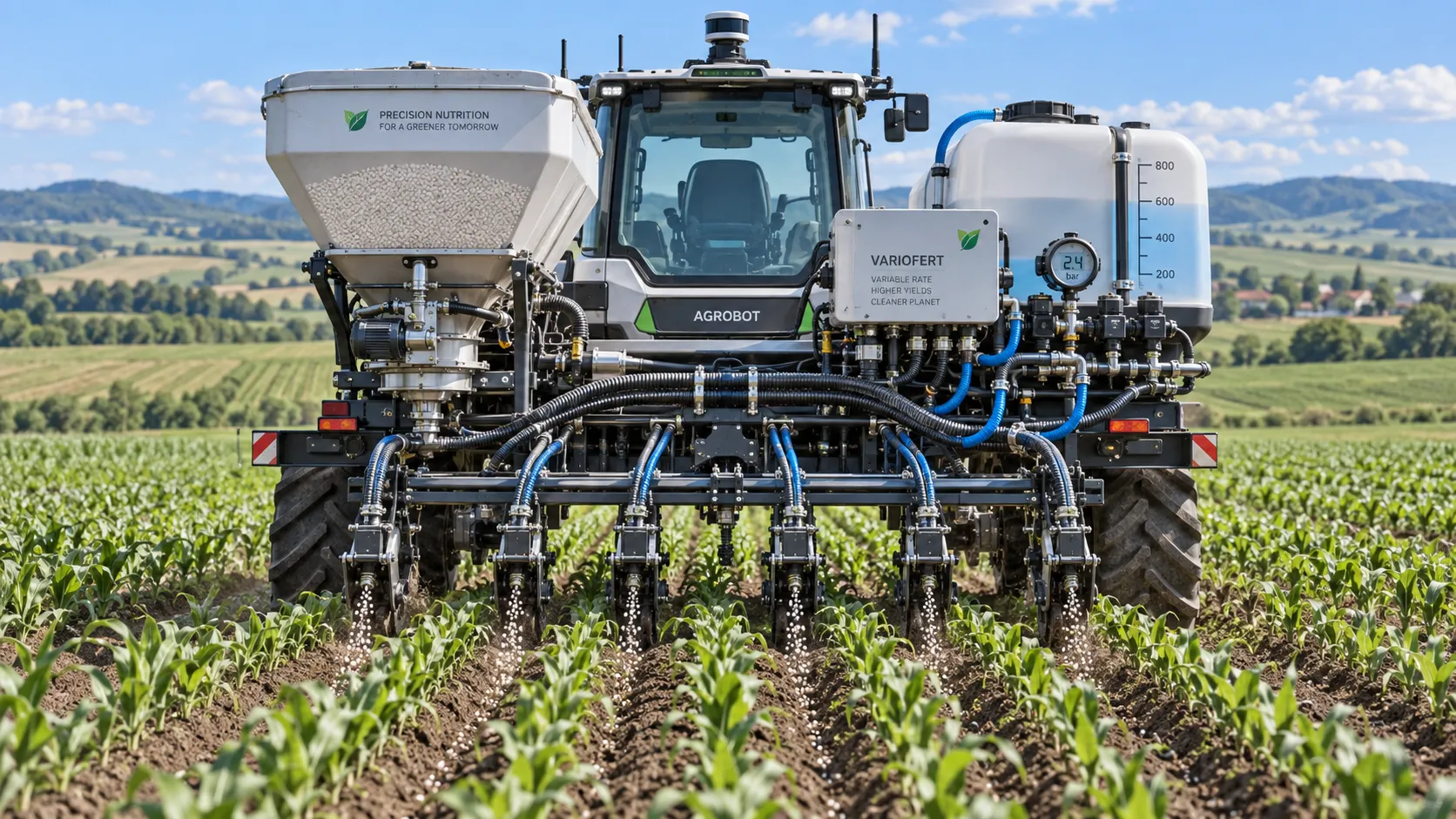
How Sensor Feedback Enables Accurate Variable-Rate Fertilization in Field Conditions
Precision fertilization systems with sensor feedback improve variable-rate accuracy by verifying flow, managing latency, and ensuring reliable field application.
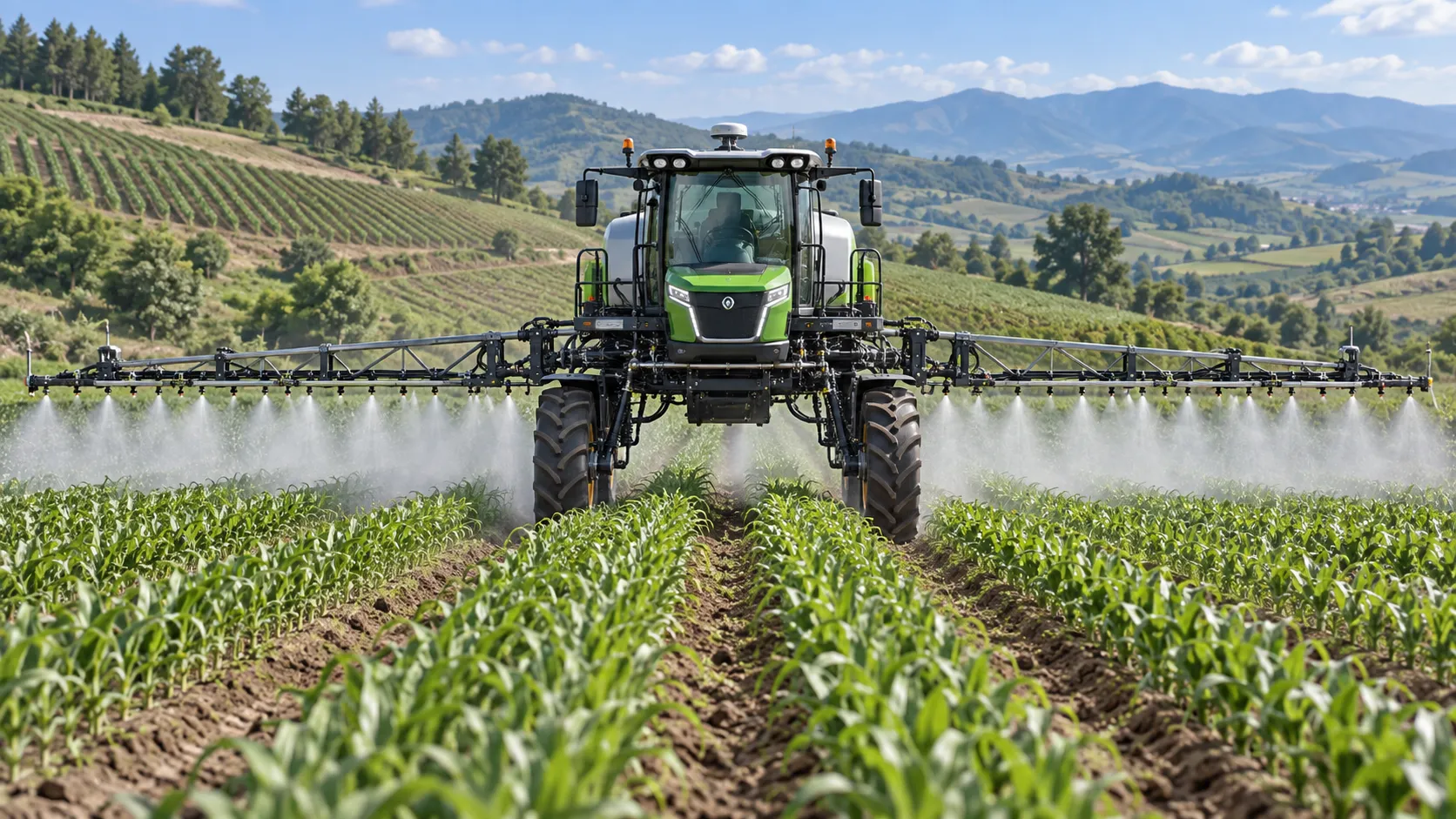
How to Select Precision Crop Protection Equipment for Variable Field Conditions
Precision crop protection equipment selection made simple: compare terrain, canopy, weather, control accuracy, and data workflows for reliable applications.

When Does Agricultural Machinery Leasing Cost Less Than Owning Equipment?
Agricultural machinery leasing can lower farm costs when use is seasonal or uncertain. Compare utilization, maintenance, cash flow, and risk to make a smarter equipment decision.
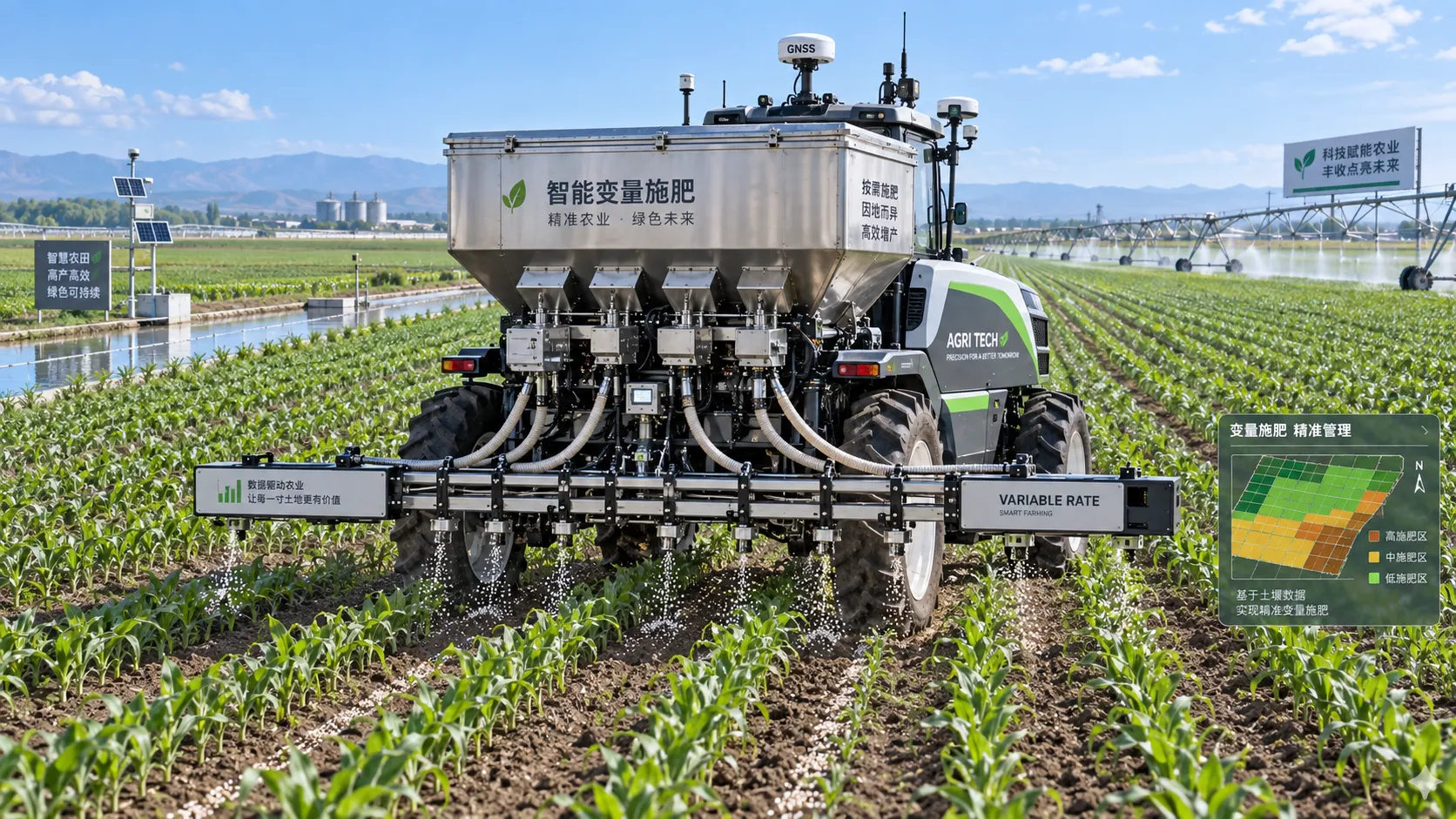
How to Evaluate Precision Fertilization System Suppliers for Farm-Scale Deployment
Precision fertilization systems suppliers: learn how to compare accuracy, integration, uptime, service, and total cost for confident farm-scale deployment.
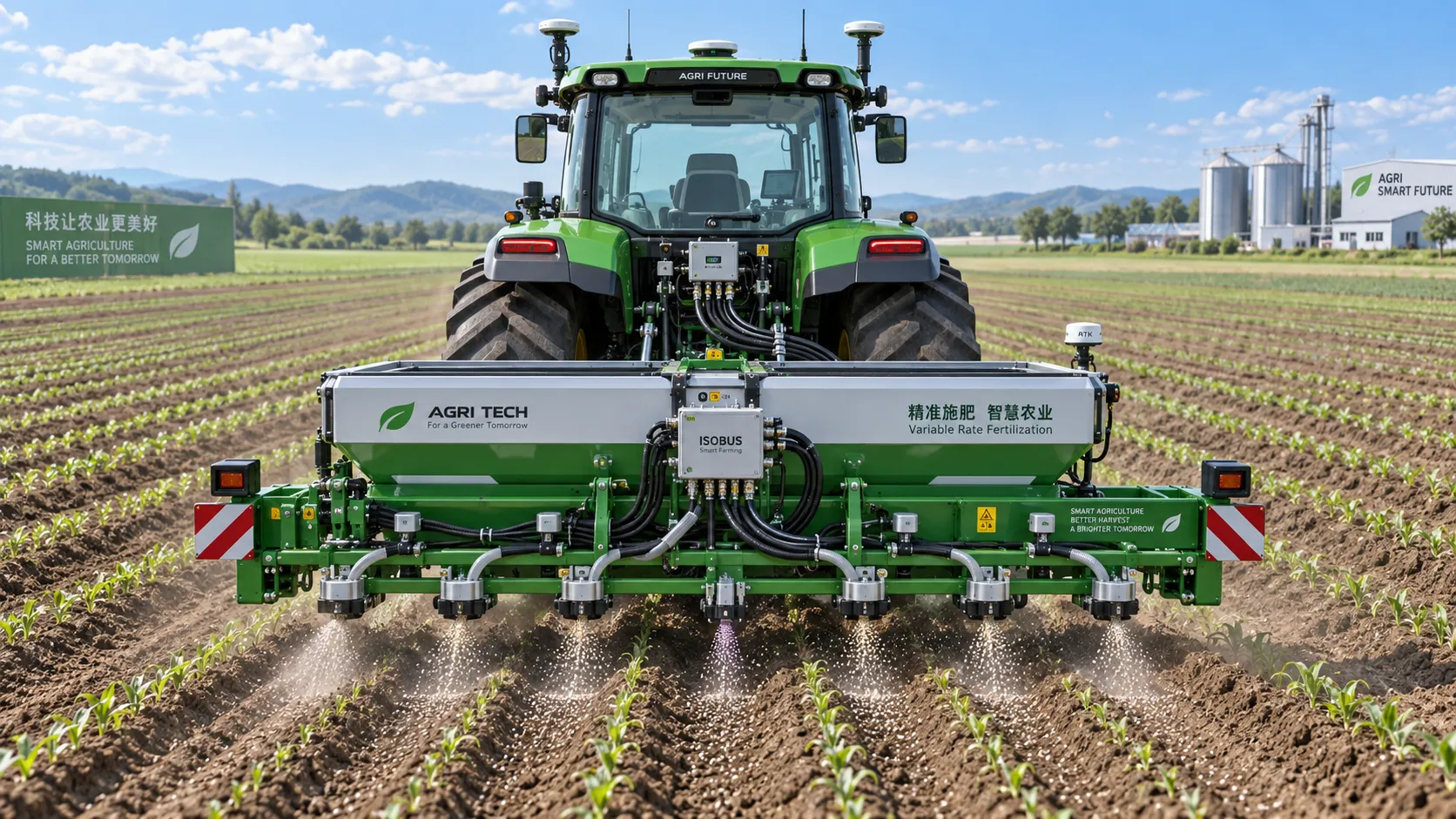
ISOBUS for Smart Agriculture: How It Connects Tractors, Implements, and Farm Data
ISOBUS for smart agriculture connects tractors, implements, terminals, and farm data—helping growers improve precision, documentation, and smarter field decisions.
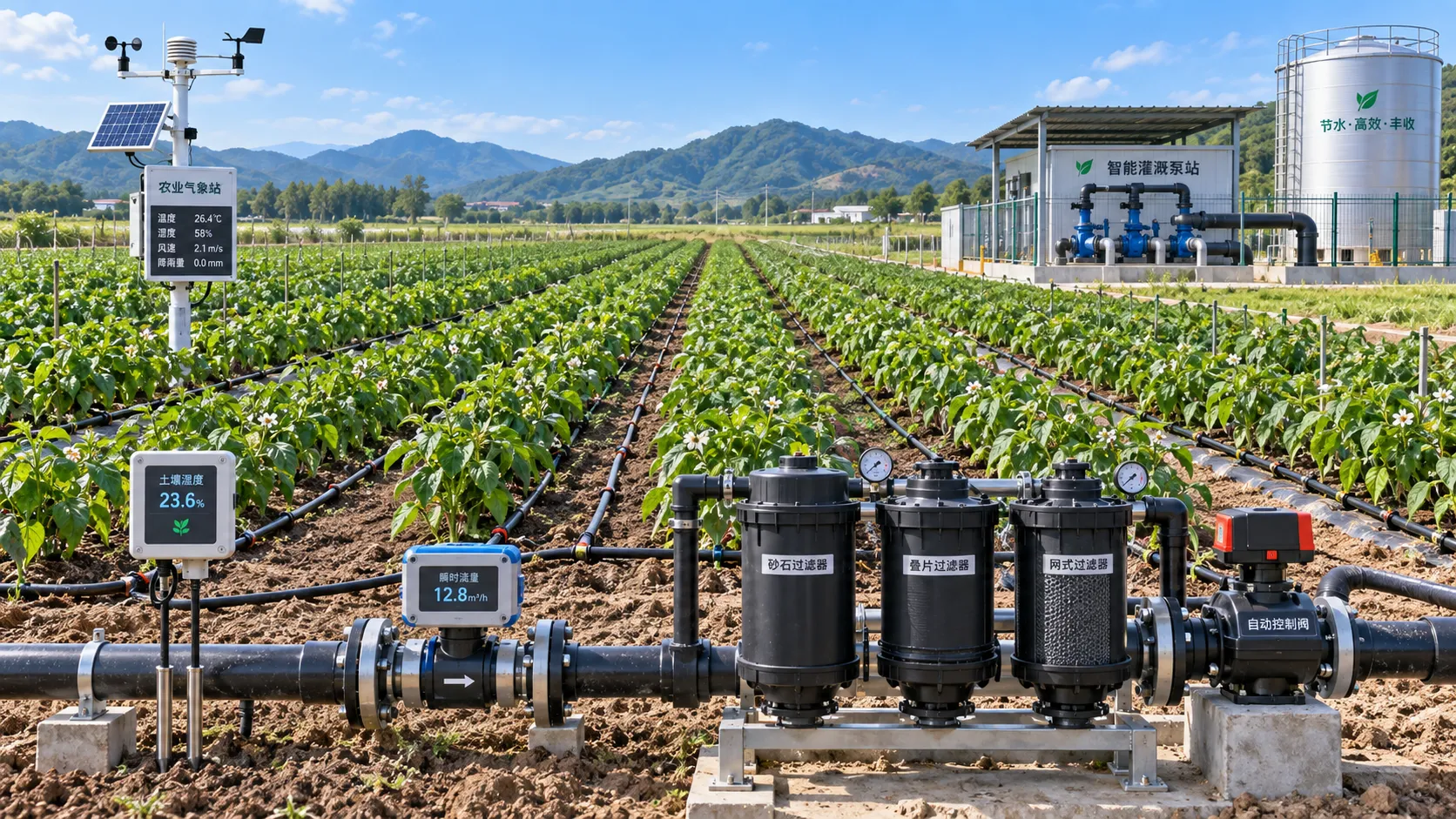
Automated Water-Saving Irrigation: How to Cut Water Use Without Reducing Crop Yields
Automated water-saving irrigation helps farms cut water use, protect crop yields, improve scheduling, and gain reliable control with sensors, flow monitoring, and smart zones.
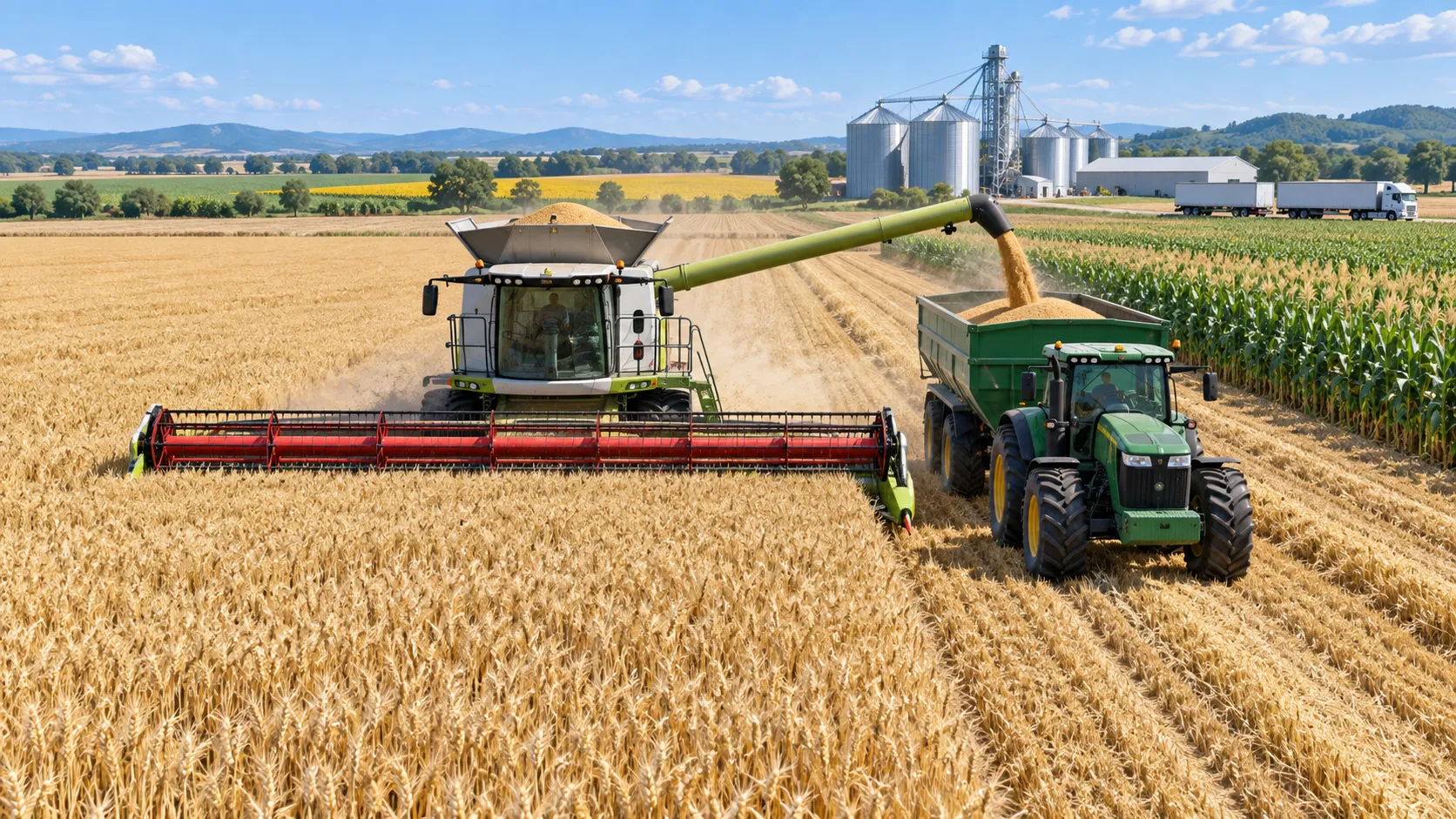
Selecting Grain Farm Equipment by Acreage, Crop Mix, and Harvest Window
Agricultural equipment selection for grain farming: match machinery to acreage, crop mix, and harvest windows to improve uptime, efficiency, and returns.
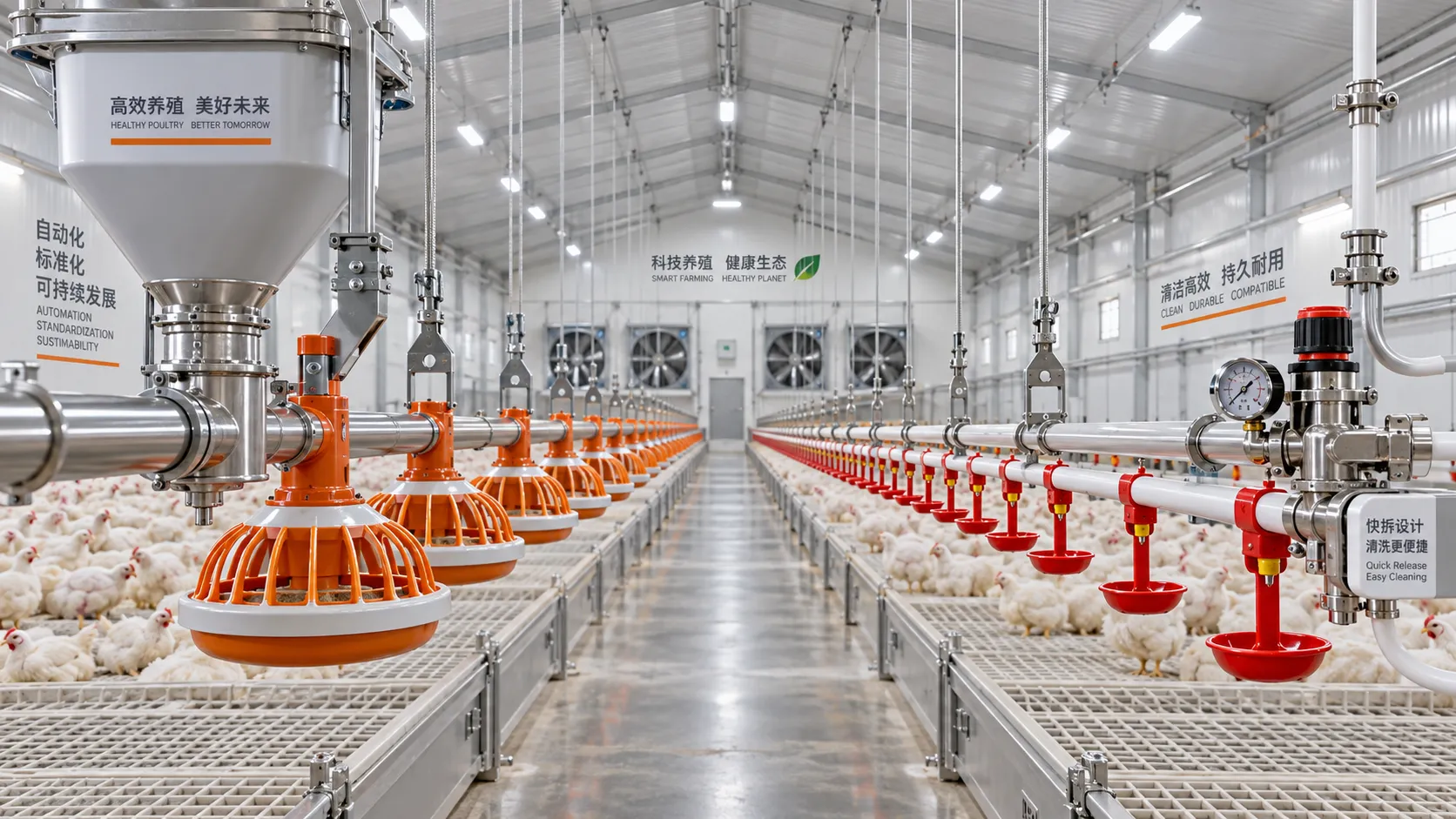
Poultry Equipment Selection: Evaluating Durability, Cleaning, and Compatibility
Poultry equipments selection guide: evaluate durability, cleaning access, and system compatibility to improve hygiene, reduce downtime, and support efficient flock management.
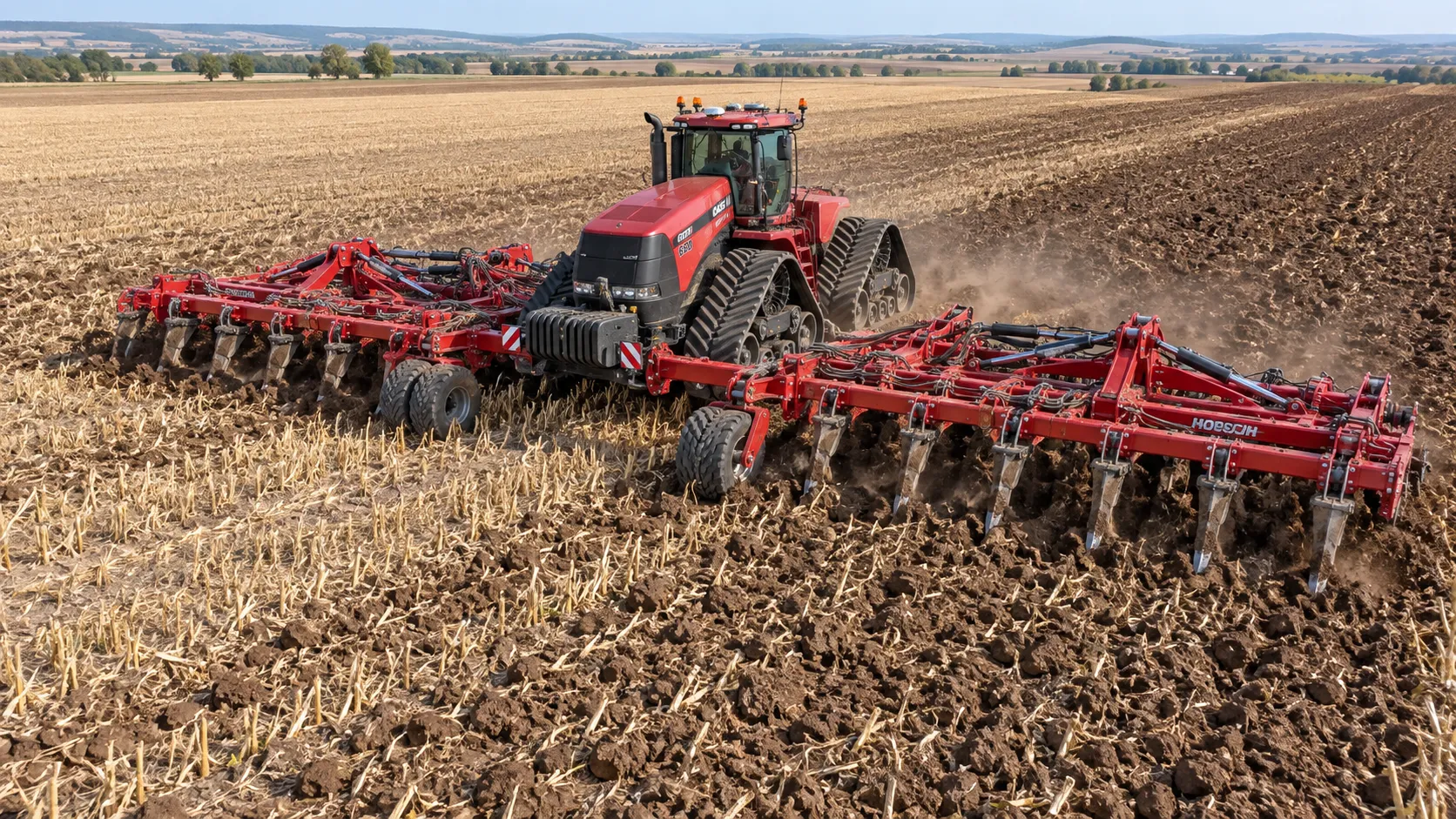
How to Select Heavy-Duty Farm Implements for High-Acreage, High-Horsepower Operations
Heavy duty farm implements: learn how to match draft, hydraulics, hitch capacity, frame strength, and field conditions for reliable high-acreage performance.
Related News
- 00
0000-00
How Sensor Feedback Enables Accurate Variable-Rate Fertilization in Field Conditions - 00
0000-00
How to Select Precision Crop Protection Equipment for Variable Field Conditions - 00
0000-00
How to Evaluate Precision Fertilization System Suppliers for Farm-Scale Deployment - 00
0000-00
How to Select a Precision Fertilization System for Variable Corn Field Conditions - 00
0000-00
When does equipment for sustainable farming justify a higher capital spend?
Popular Tags
Tractor Power Architect
Weekly Insights
Stay ahead with our curated technology reports delivered every Monday.