
GB/T 43215-2026 Released at CIBF2026 for Agricultural Battery Swap Interfaces
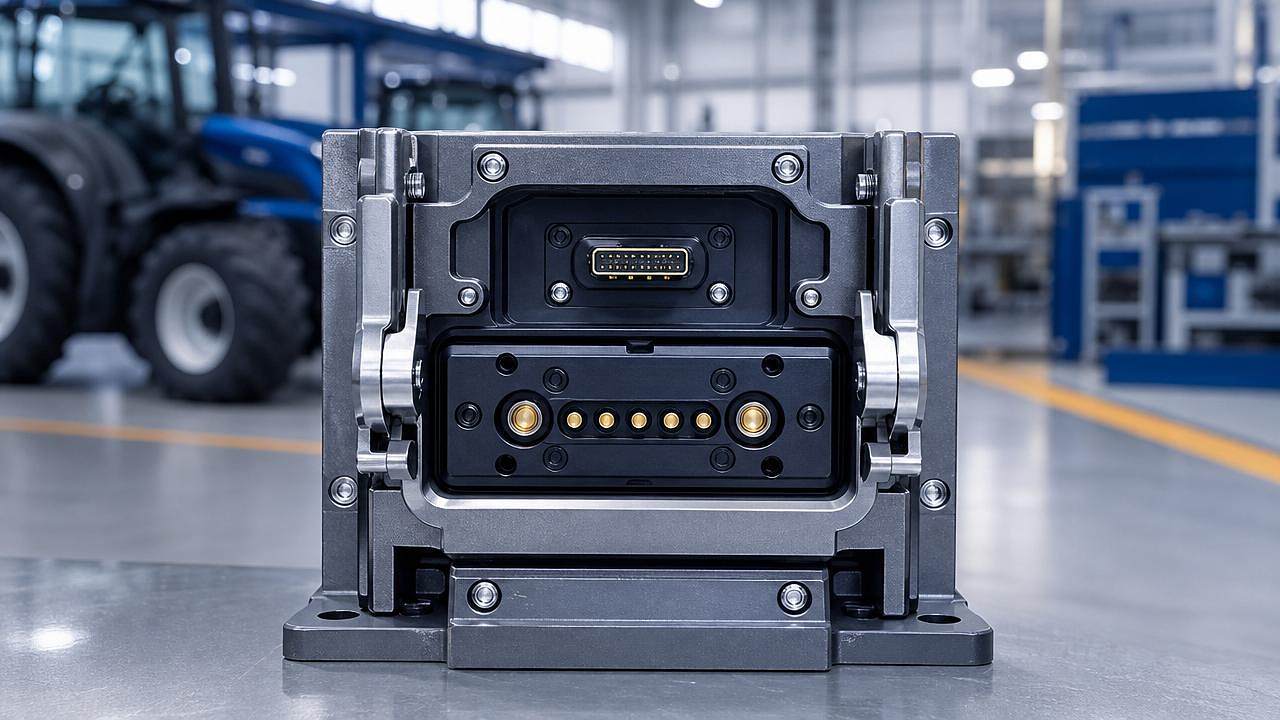




On May 14, 2026, the closing ceremony of the 18th Shenzhen International Battery Fair (CIBF2026) marked the official release of GB/T 43215-2026 — General Technical Specification for Fast-Swap Interfaces of Power Batteries for Agricultural Electric Machinery. Jointly issued by China’s Ministry of Industry and Information Technology (MIIT) and the National Standardization Technical Committee on Electric Bicycles, this national standard defines four core parameters: voltage platform, mechanical locking mechanism, communication protocol, and safety interlock. It is particularly relevant for manufacturers of self-propelled sprayers and autonomous agricultural robots engaged in international markets.
Event Overview
On May 14, 2026, during the closing session of CIBF2026, GB/T 43215-2026 was formally published. The standard specifies technical requirements for fast-swap battery interfaces used in agricultural electric machinery, with mandatory definitions covering voltage platform, mechanical lock design, communication protocol, and safety interlock functionality. No further implementation timelines, compliance deadlines, or enforcement mechanisms were disclosed at the time of release.
Industries Affected
Self-Propelled Sprayer Manufacturers
These OEMs rely on modular battery systems to meet variable field operation demands. The standard introduces interoperability constraints that may affect current battery integration designs — especially where proprietary mechanical or communication interfaces are used. Impact manifests in potential redesign cycles, validation timelines, and compatibility testing against third-party battery modules.
Autonomous Agricultural Robot Developers
For developers building battery-swappable robotic platforms, the standard sets baseline interface specifications that influence mechanical layout, onboard controller firmware, and fleet management system architecture. Non-compliance could limit access to standardized battery infrastructure in export markets adopting similar frameworks.
Battery Module Suppliers Serving Agricultural OEMs
Suppliers must now align mechanical dimensions, connector pinouts, and CAN-based communication message structures with GB/T 43215-2026. This affects product roadmaps, tooling investments, and qualification testing protocols — particularly for modules intended for dual-use (e.g., shared across agricultural and logistics applications).
Export-Oriented Aftermarket & Service Providers
Companies offering battery swapping stations, mobile service units, or spare-part logistics for overseas agricultural equipment will need to verify interface alignment with GB/T 43215-2026 when designing hardware or specifying compatible components for target markets — especially those referencing Chinese standards as de facto benchmarks.
Key Focus Areas and Recommended Actions
Monitor official implementation guidance and timeline announcements
GB/T standards are voluntary unless referenced in regulatory documents or procurement policies. Current status is publication only; no enforcement date or conformity assessment framework has been announced. Stakeholders should track MIIT and SAC (Standardization Administration of China) bulletins for updates on pilot programs or policy linkage.
Assess interface compatibility across existing and near-term product lines
Manufacturers should conduct internal gap analysis comparing current battery interface designs against the four defined parameters — especially mechanical lock geometry and safety interlock logic. Prioritize models scheduled for export to markets with emerging swap infrastructure (e.g., Southeast Asia, Latin America) where Chinese-standardized batteries are increasingly deployed.
Distinguish between standard adoption signals and operational readiness
The release reflects a formalization effort — not immediate market-wide compliance. It signals growing institutional attention to interoperability in agri-electrification but does not yet mandate redesigns. Companies should treat it as a forward-looking benchmark rather than an urgent compliance trigger.
Initiate cross-functional alignment on battery interface specifications
Engineering, procurement, and export compliance teams should jointly review interface documentation against GB/T 43215-2026. Where joint development with battery suppliers is underway, consider incorporating clause-specific verification into technical agreements — especially for communication protocol implementation and safety interlock response timing.
Editorial Observation / Industry Perspective
Observably, GB/T 43215-2026 functions primarily as a coordination signal — not an enforcement instrument. Its value lies in consolidating fragmented interface practices across China’s rapidly expanding agricultural electrification ecosystem. Analysis shows it lowers technical uncertainty for exporters by providing a reference point for hardware interoperability, especially where local battery infrastructure is still nascent. However, its real-world impact remains contingent on adoption by regional regulators, OEM consortia, or charging/swapping network operators — none of which have been confirmed at this stage. From an industry perspective, this standard is better understood as a foundational step toward harmonized agri-battery ecosystems, rather than a near-term compliance milestone.
This release underscores how national standardization efforts are increasingly targeting niche application domains — moving beyond passenger EVs and two-wheelers into specialized machinery. For global agricultural equipment stakeholders, it marks the beginning of a more structured dialogue around battery interchangeability, but one that remains in early-stage alignment rather than mature implementation.
Conclusion
GB/T 43215-2026 represents a formalized technical reference for battery fast-swap interfaces in agricultural electric machinery — not an immediate regulatory requirement. Its significance lies in signaling institutional prioritization of interoperability in a high-growth segment, and in offering a concrete specification for companies planning international expansion or multi-market platform strategies. Currently, it is more appropriately understood as a strategic alignment tool than an operational mandate.
Source Attribution
Main source: Official announcement at the closing ceremony of the 18th Shenzhen International Battery Fair (CIBF2026), held on May 14, 2026.
Note: Implementation schedule, conformity assessment procedures, and regulatory referencing remain unconfirmed and require ongoing observation.
Related News
How Sensor Feedback Enables Accurate Variable-Rate Fertilization in Field Conditions
Precision fertilization systems with sensor feedback improve variable-rate accuracy by verifying flow, managing latency, and ensuring reliable field application.
How to Select Precision Crop Protection Equipment for Variable Field Conditions
Precision crop protection equipment selection made simple: compare terrain, canopy, weather, control accuracy, and data workflows for reliable applications.

When Does Agricultural Machinery Leasing Cost Less Than Owning Equipment?
Agricultural machinery leasing can lower farm costs when use is seasonal or uncertain. Compare utilization, maintenance, cash flow, and risk to make a smarter equipment decision.
How to Evaluate Precision Fertilization System Suppliers for Farm-Scale Deployment
Precision fertilization systems suppliers: learn how to compare accuracy, integration, uptime, service, and total cost for confident farm-scale deployment.
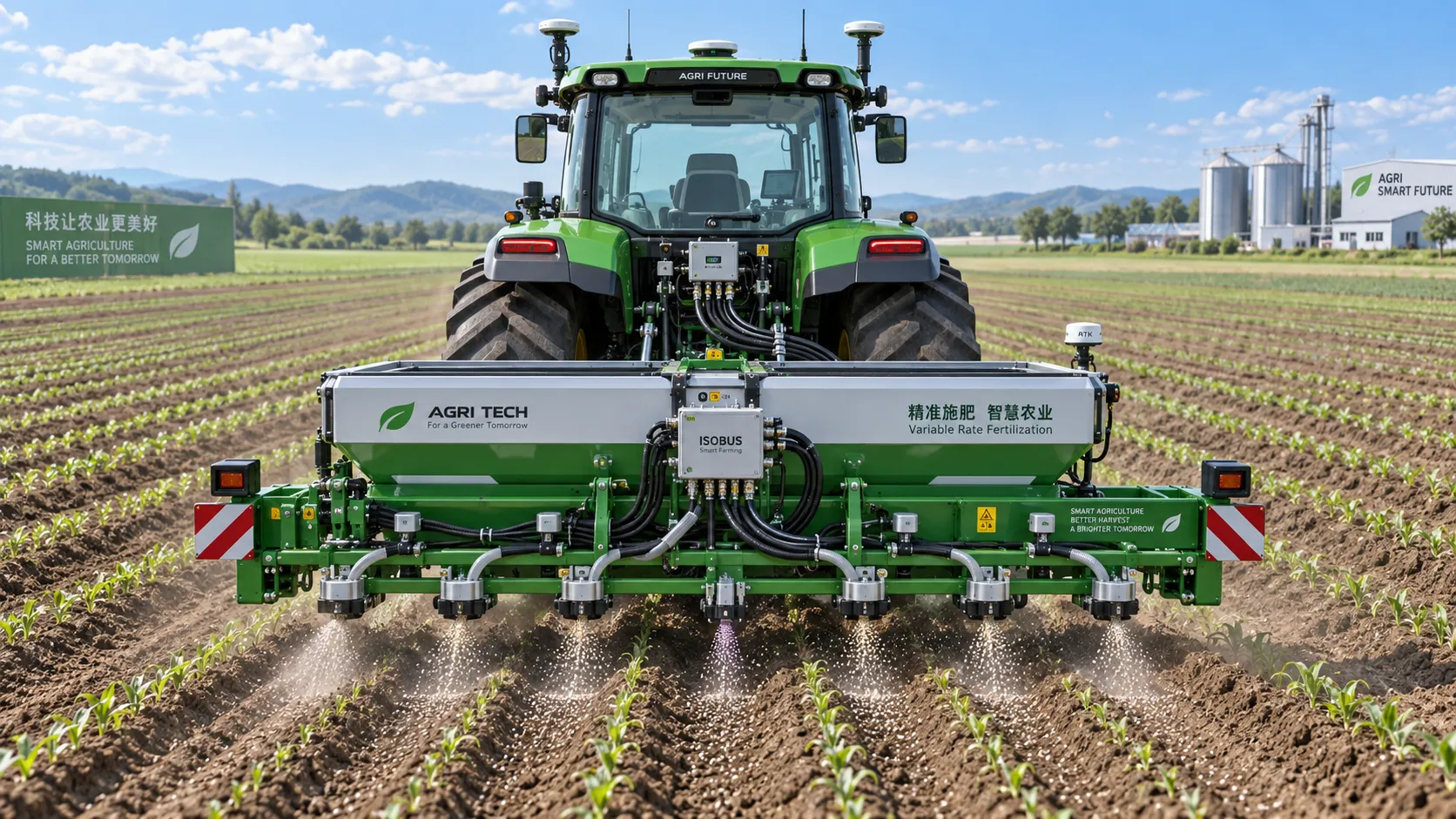
ISOBUS for Smart Agriculture: How It Connects Tractors, Implements, and Farm Data
ISOBUS for smart agriculture connects tractors, implements, terminals, and farm data—helping growers improve precision, documentation, and smarter field decisions.
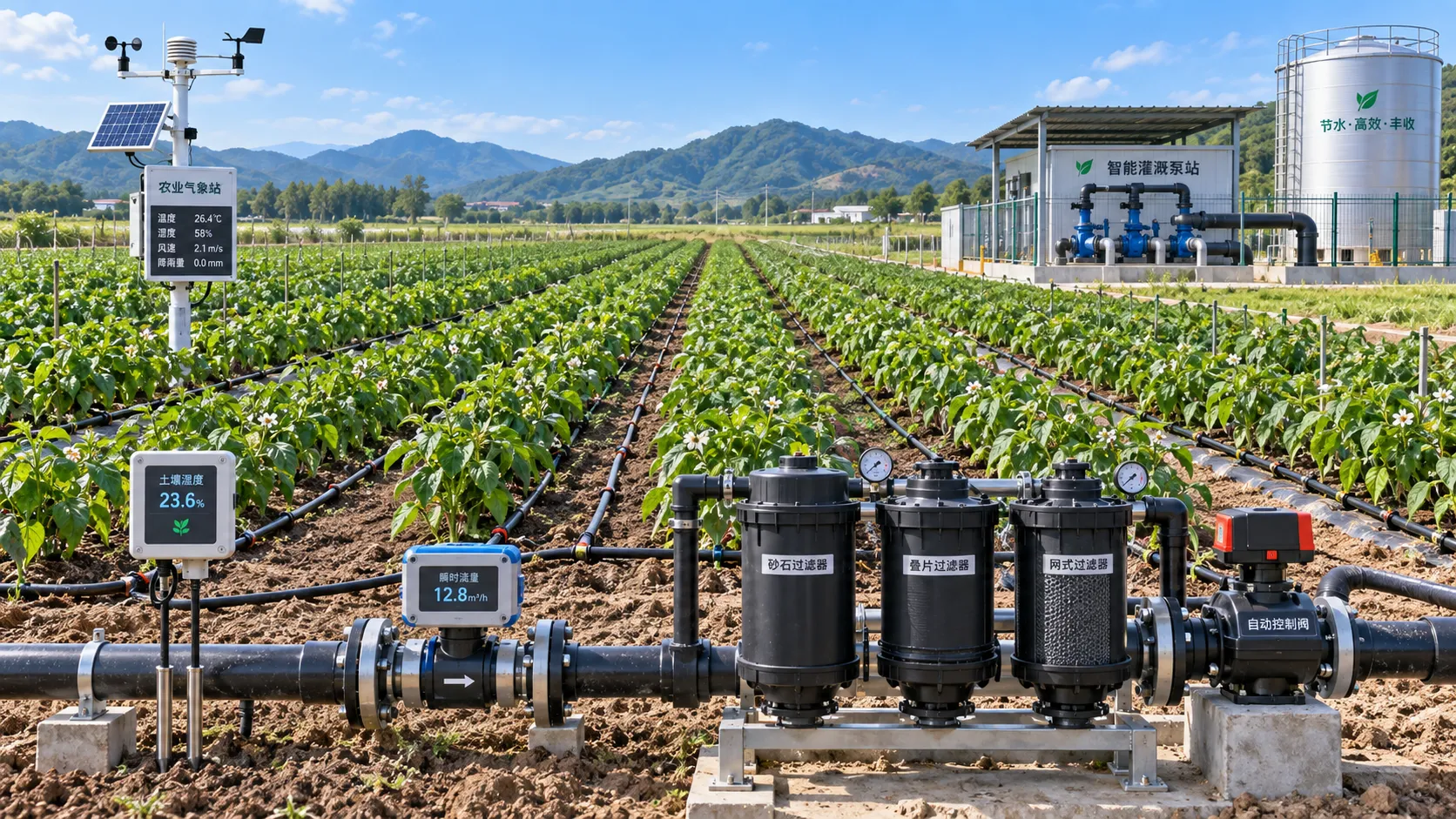
Automated Water-Saving Irrigation: How to Cut Water Use Without Reducing Crop Yields
Automated water-saving irrigation helps farms cut water use, protect crop yields, improve scheduling, and gain reliable control with sensors, flow monitoring, and smart zones.
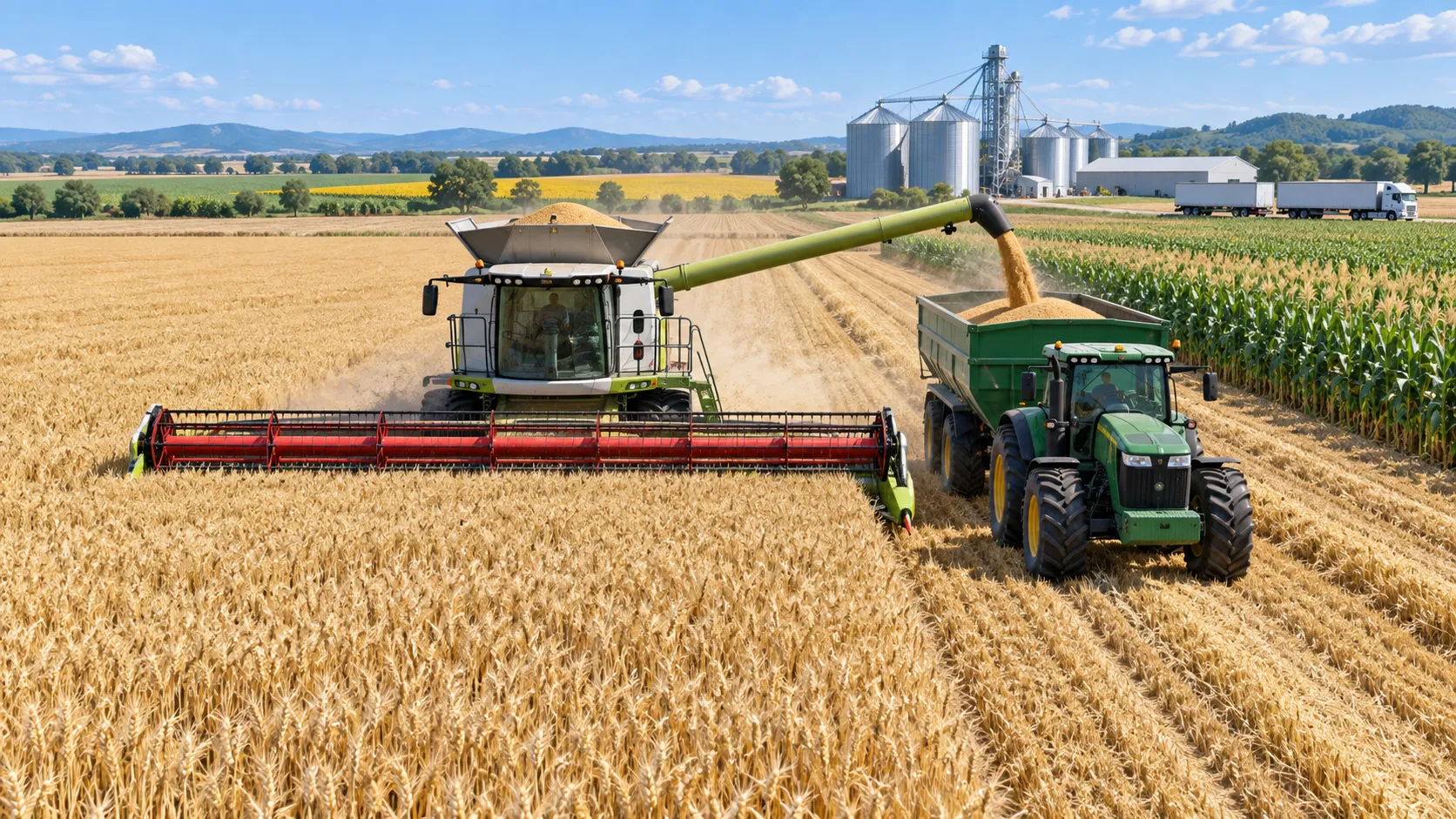
Selecting Grain Farm Equipment by Acreage, Crop Mix, and Harvest Window
Agricultural equipment selection for grain farming: match machinery to acreage, crop mix, and harvest windows to improve uptime, efficiency, and returns.
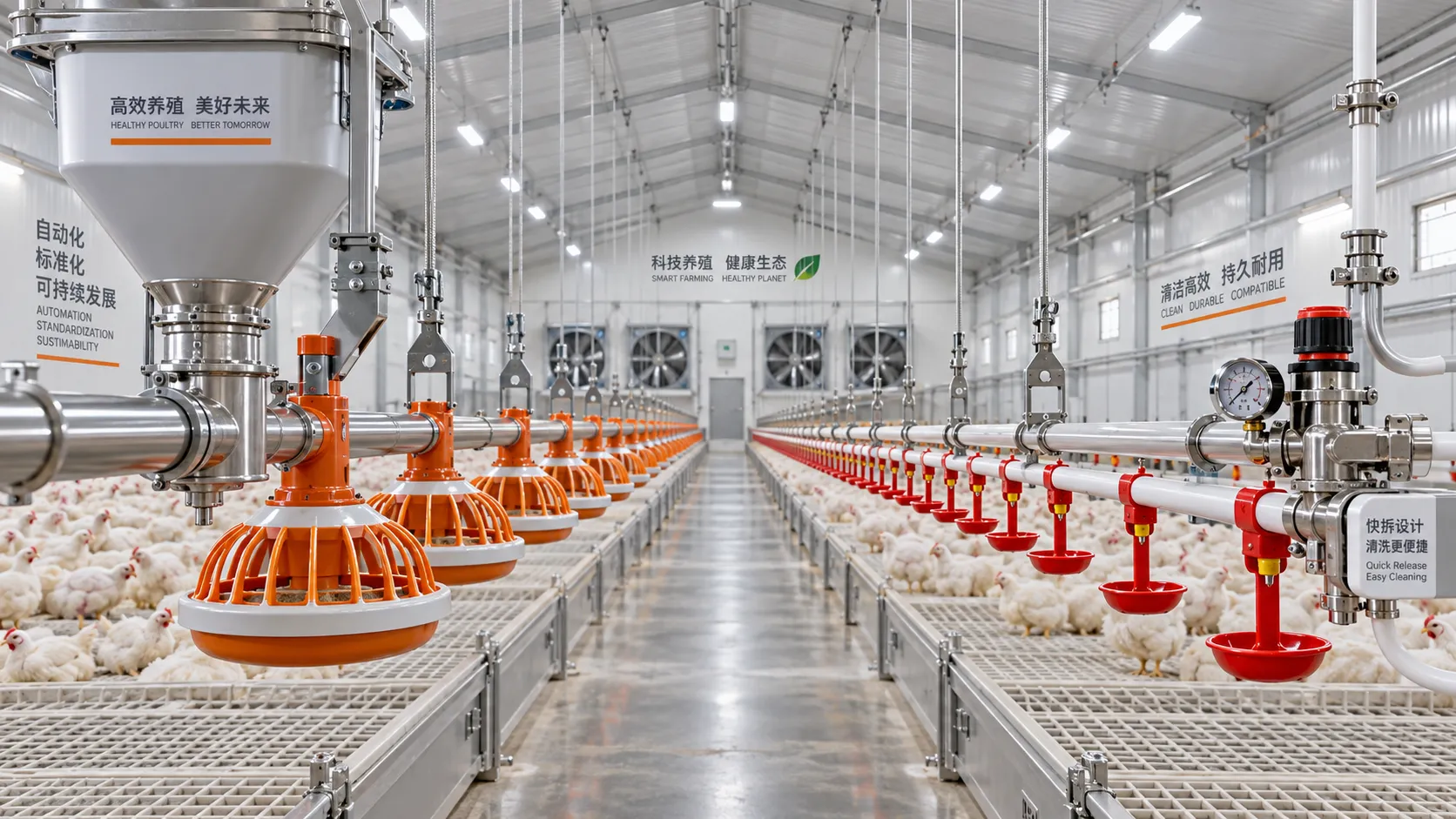
Poultry Equipment Selection: Evaluating Durability, Cleaning, and Compatibility
Poultry equipments selection guide: evaluate durability, cleaning access, and system compatibility to improve hygiene, reduce downtime, and support efficient flock management.
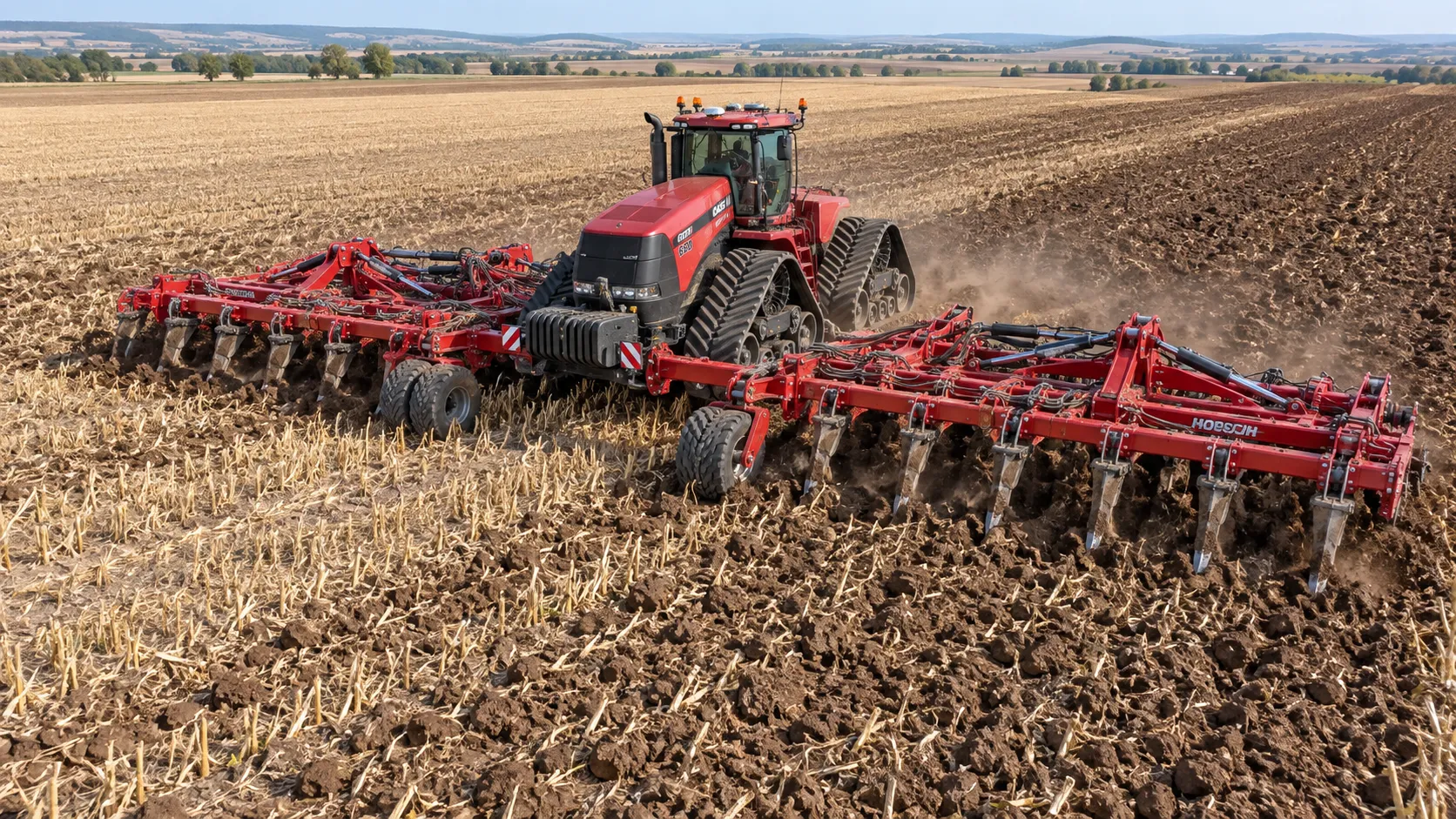
How to Select Heavy-Duty Farm Implements for High-Acreage, High-Horsepower Operations
Heavy duty farm implements: learn how to match draft, hydraulics, hitch capacity, frame strength, and field conditions for reliable high-acreage performance.
Related News
- 00
0000-00
How to Choose Plant Protection Equipment for Vineyard Pests - 00
0000-00
How to Read Agricultural Equipment Specifications for Sprayers Before You Compare Models - 00
0000-00
BIS Extends Fast-Track Approval for Self-Propelled Sprayers - 00
0000-00
Intelligent Sprayer Technology: Which Functions Matter Most for Field Efficiency? - 00
0000-00
How to Choose Plant Protection Equipment for Orchards by Tree Height, Row Spacing, and Spray Drift
Popular Tags
Agri-Mechanization Fellow
Weekly Insights
Stay ahead with our curated technology reports delivered every Monday.