
How to Choose Plant Protection Equipment for Orchards by Tree Height, Row Spacing, and Spray Drift
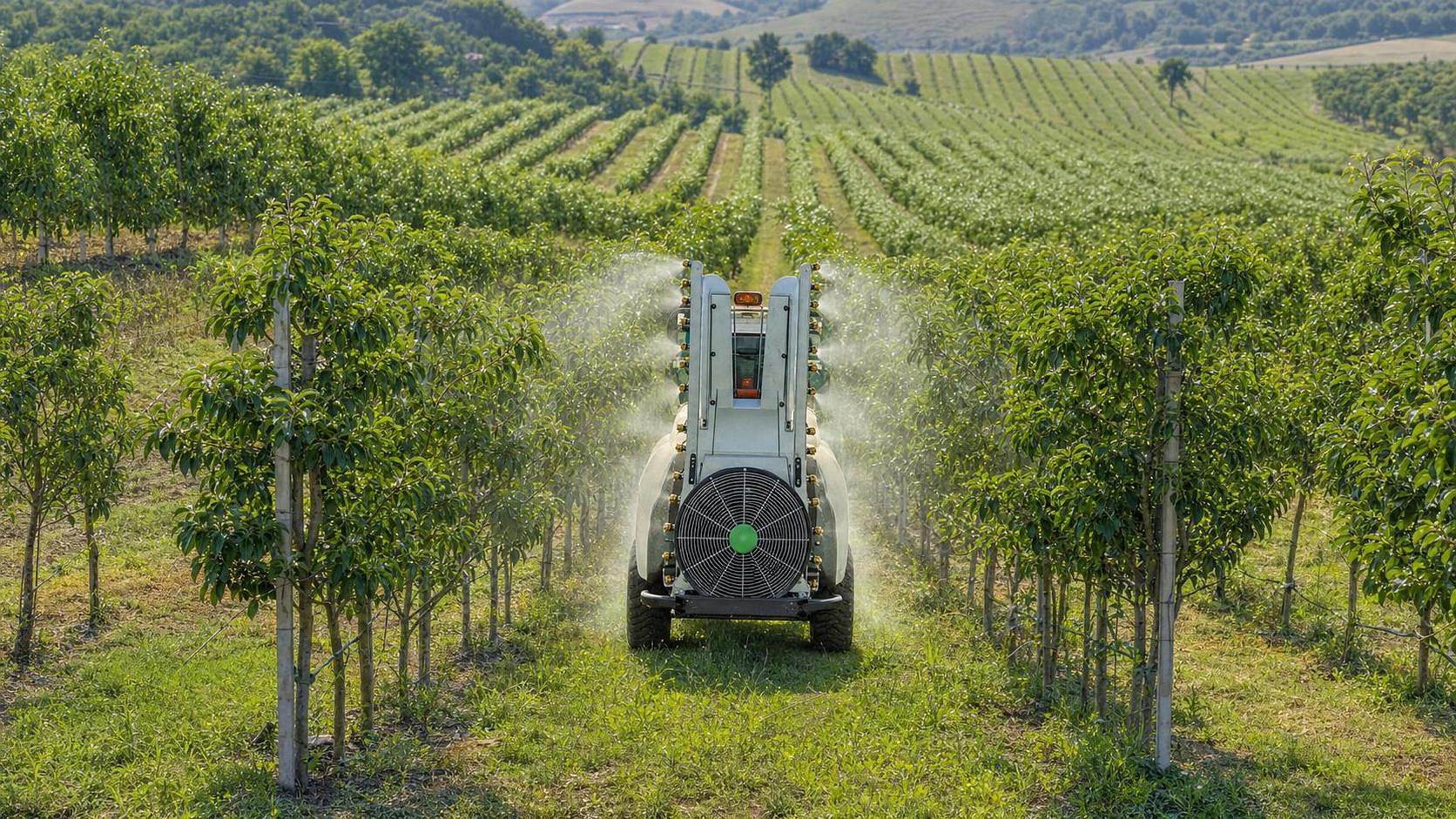




How to Choose Plant Protection Equipment for Orchards by Tree Height, Row Spacing, and Spray Drift
Choosing the right plant protection equipment for orchards requires more than comparing tank volume or engine power.
In technical evaluation, orchard geometry decides whether droplets reach the target, stay on the canopy, and avoid off-target loss.
Tree height, row spacing, canopy density, ground slope, and local drift limits all shape the best equipment choice.
That is why plant protection equipment for orchards should be assessed as a field-fit system, not a standalone machine.
This guide explains how to compare orchard sprayers with a practical decision logic that supports coverage quality, chemical efficiency, and compliance control.
Start with Orchard Structure, Not Equipment Brochures
A strong evaluation starts with the orchard, because structure determines airflow path, nozzle reach, and turning efficiency.
For plant protection equipment for orchards, three structural inputs matter most at the first screening stage.
- Average and maximum tree height
- Effective row spacing and headland width
- Canopy density, shape, and seasonal variability
If these values are unclear, any later comparison of sprayer types will be weak, even when specifications look attractive.
In real orchard operations, poor matching usually shows up as under-covered upper canopy, wasted chemical, or repeated passes.
How Tree Height Changes Equipment Requirements
Tree height is the first hard filter for plant protection equipment for orchards because vertical reach is never only about pressure.
Air volume, fan orientation, droplet size, and deflector design all decide whether the upper canopy receives uniform deposition.
Low-height orchards
Low tree systems usually allow compact axial-fan or cross-flow airblast sprayers with lower air demand.
These orchards often benefit from simpler plant protection equipment for orchards with good nozzle zoning and stable lane access.
Medium-height orchards
Medium-height trees need more precise airflow distribution because the middle and top canopy compete for droplet capture.
This is often the range where adjustable air outlets and sectional nozzle control create measurable performance gains.
Tall orchards
Tall orchards need plant protection equipment for orchards with enough air energy to penetrate vertically without excessive drift.
This usually points to tower sprayers, multi-level outlet systems, or high-capacity air-assist designs with stronger directional control.
If upper canopy coverage matters for disease control, tree height should outweigh tank size in the ranking model.
Why Row Spacing Affects More Than Machine Width
Row spacing is often reduced to transport width, but that misses the real field-performance effect.
For plant protection equipment for orchards, row spacing shapes fan-to-canopy distance, airflow stability, and turning productivity.
Narrow rows
Narrow rows require compact chassis, tight turning radius, and good side clearance around trunks, posts, and irrigation lines.
Overbuilt sprayers may fit on paper, yet still create turbulence, branch damage, or inefficient operator movement.
Wide rows
Wide rows increase the gap between spray source and canopy edge, especially in mature orchards with irregular tree walls.
That means plant protection equipment for orchards may need stronger air-assist or better nozzle targeting to maintain deposition.
More importantly, evaluators should check field capacity by real row geometry, not by straight-line travel speed alone.
Spray Drift Should Be a Core Selection Criterion
Spray drift is no longer a side issue.
It directly affects chemical cost, nearby crop safety, operator exposure, and regional compliance requirements.
When selecting plant protection equipment for orchards, drift control should be scored as both a technical and operational variable.
Key drift-control features to compare
- Air-induction or low-drift nozzle compatibility
- Section shutoff and side-specific control
- Adjustable fan speed for weather and canopy stage
- Directed airflow rather than uncontrolled blast volume
- Sensor-based canopy response in advanced systems
The more exposed the orchard is to wind corridors, water channels, roads, or neighboring blocks, the higher this weighting should be.
A machine that looks aggressive in output can still be weak if it creates high off-target movement.
Match Sprayer Type to Orchard Layout
Different orchard structures naturally favor different sprayer architectures.
This is where plant protection equipment for orchards should be filtered by use-case rather than brand familiarity.
The best plant protection equipment for orchards is usually the one that balances deposition, access, and drift discipline in the same layout.
Evaluate the Spray System, Not Just the Chassis
A strong chassis improves mobility, but spray performance comes from the delivery system.
During selection, plant protection equipment for orchards should be reviewed through several linked technical checkpoints.
- Nozzle configuration: Check spacing, angle, and replacement flexibility for different canopy bands.
- Pump stability: Confirm flow consistency under real operating pressure, not rated peak numbers.
- Air management: Review fan output, directional adjustment, and adaptability to seasonal canopy growth.
- Control interface: Look for section control, rate adjustment, and repeatable calibration workflow.
- Cleaning and maintenance: Verify access to filters, lines, and nozzles for daily service efficiency.
These details often separate reliable orchard sprayers from machines that perform well only in demonstrations.
Build a Practical Selection Matrix
A decision matrix helps turn observations into a repeatable process.
For plant protection equipment for orchards, a useful matrix should score performance under real field constraints.
- Coverage quality by tree height zone
- Suitability for actual row spacing
- Spray drift reduction capability
- Hourly field capacity in orchard conditions
- Calibration stability and operator repeatability
- Maintenance access and spare-part practicality
- Compatibility with precision upgrades
From recent market shifts, more evaluators are also adding data-readiness as a future-proofing criterion.
This matters because orchard plant protection is moving toward more sensor-guided and prescription-based operation.
Common Selection Mistakes to Avoid
Several mistakes appear again and again when comparing plant protection equipment for orchards.
- Choosing by tank capacity while ignoring canopy reach
- Using transport dimensions as the only row-fit indicator
- Assuming higher airflow always means better protection
- Underestimating drift exposure near sensitive boundaries
- Skipping maintenance review during technical scoring
Each of these errors can weaken disease control, raise chemical use, or increase operating cost across the season.
A more reliable approach is to test every machine against orchard structure first, then compare cost and productivity.
Final Decision Logic for Orchard Sprayer Selection
The most effective plant protection equipment for orchards is not the biggest or most automated option.
It is the configuration that fits tree height, works within row spacing, and controls spray drift without compromising coverage.
In practical terms, start with orchard measurements, verify canopy deposition logic, and score drift-control features early.
Then compare control precision, maintenance access, and field efficiency under the real operating window.
That process leads to a more defensible equipment decision and reduces the gap between brochure claims and field results.
For long-term orchard performance, plant protection equipment for orchards should be selected as part of a precision farming system, not as an isolated purchase.
Related News
Climate-Smart Farming for Drought: A Practical Plan for Protecting Yields
Climate-smart farming for drought: build smarter water budgets, protect critical crop stages, improve irrigation uniformity, and safeguard yields with practical field-proven strategies.
How Digital Agriculture Platforms Turn Field Data Into Better Input Decisions
Digital agriculture platforms turn field data into smarter fertilizer, water, seed, and equipment decisions—helping farms cut risk, improve margins, and scale sustainability.
GPS-Guided Farm Machinery: Where It Delivers Measurable Field Efficiency Gains
Agri-mechanization GPS guided systems deliver measurable field efficiency gains through reduced overlap, precise planting, smarter inputs, and reliable farm data.
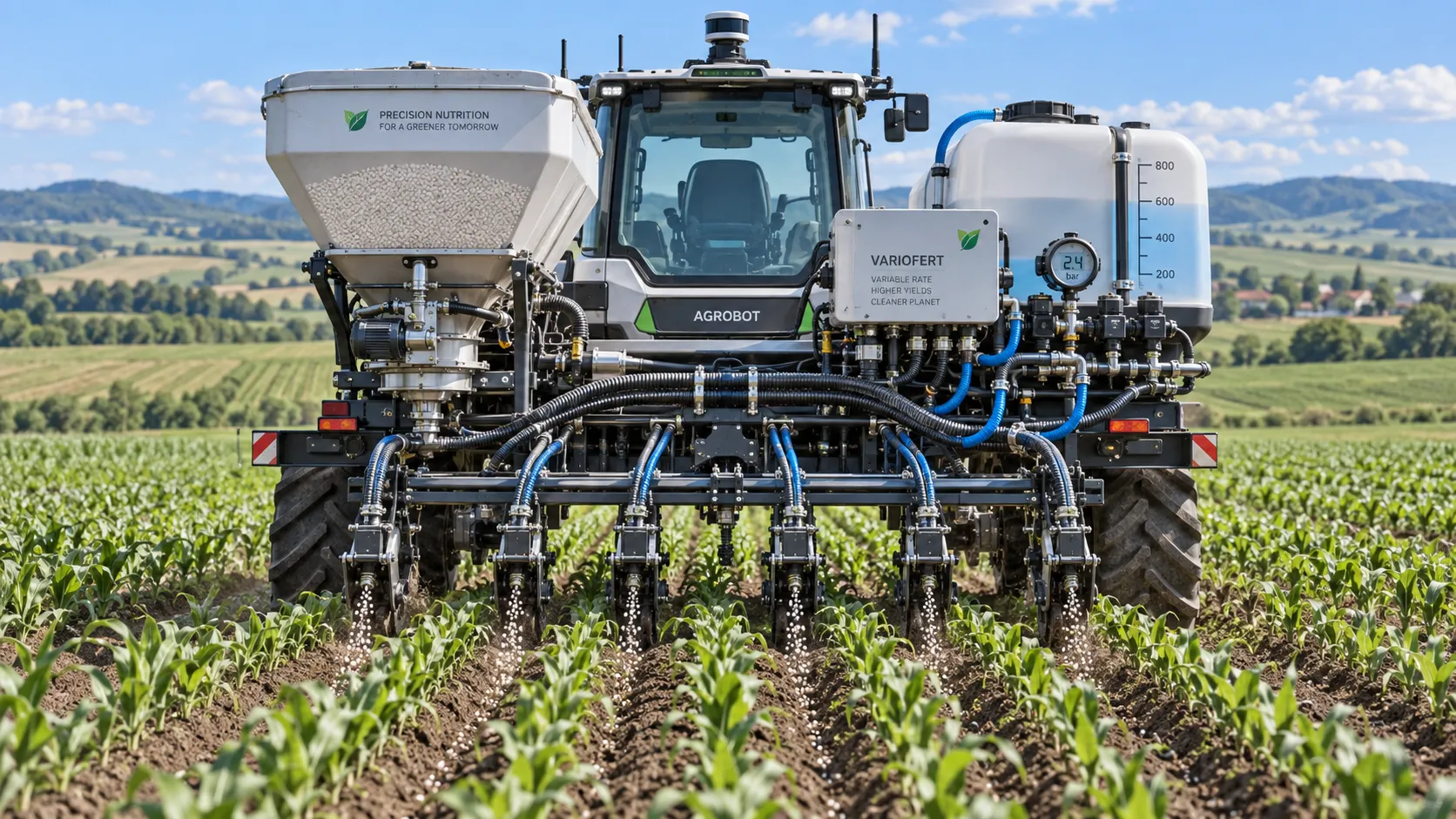
How Sensor Feedback Enables Accurate Variable-Rate Fertilization in Field Conditions
Precision fertilization systems with sensor feedback improve variable-rate accuracy by verifying flow, managing latency, and ensuring reliable field application.
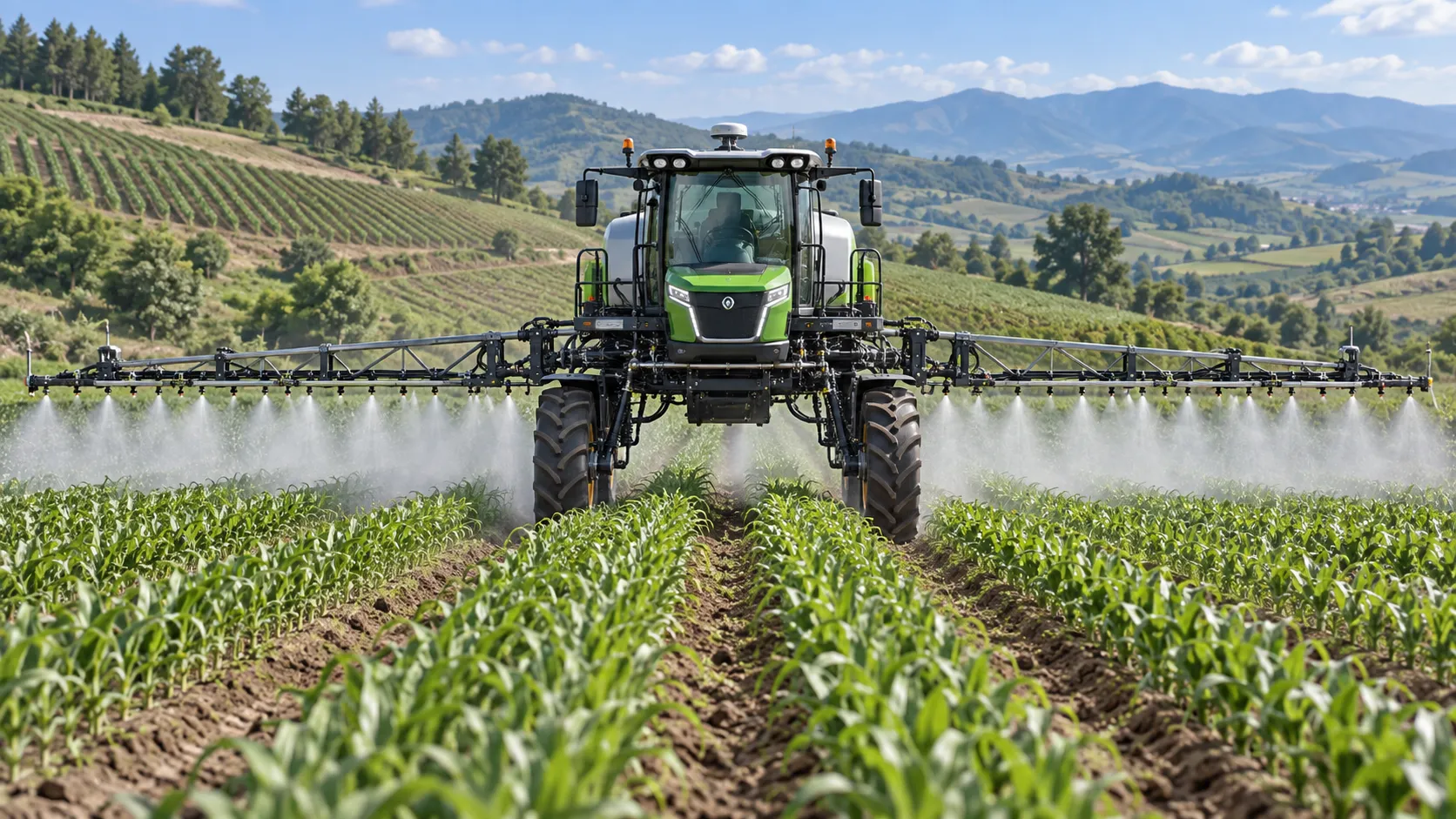
How to Select Precision Crop Protection Equipment for Variable Field Conditions
Precision crop protection equipment selection made simple: compare terrain, canopy, weather, control accuracy, and data workflows for reliable applications.

When Does Agricultural Machinery Leasing Cost Less Than Owning Equipment?
Agricultural machinery leasing can lower farm costs when use is seasonal or uncertain. Compare utilization, maintenance, cash flow, and risk to make a smarter equipment decision.
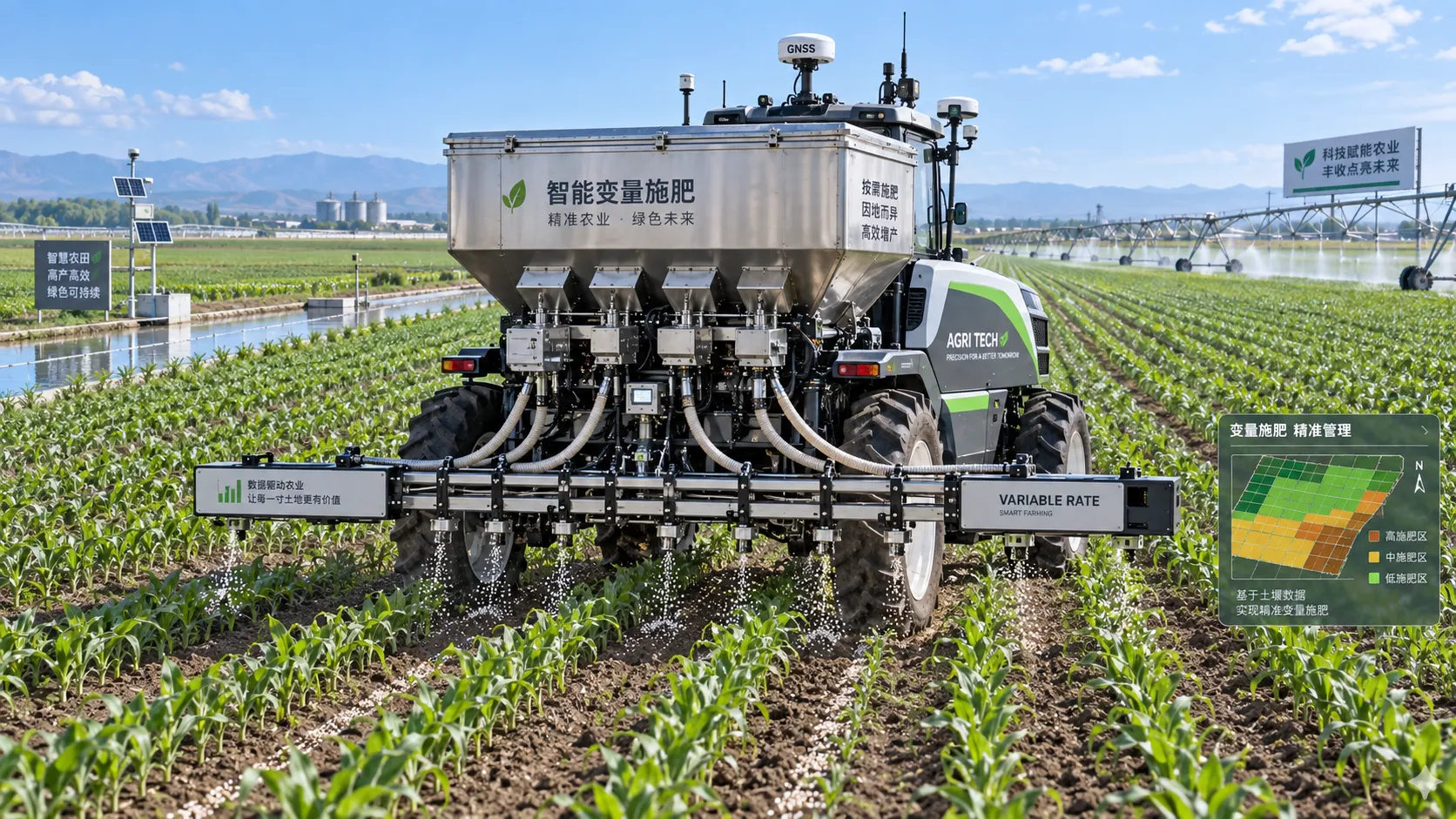
How to Evaluate Precision Fertilization System Suppliers for Farm-Scale Deployment
Precision fertilization systems suppliers: learn how to compare accuracy, integration, uptime, service, and total cost for confident farm-scale deployment.
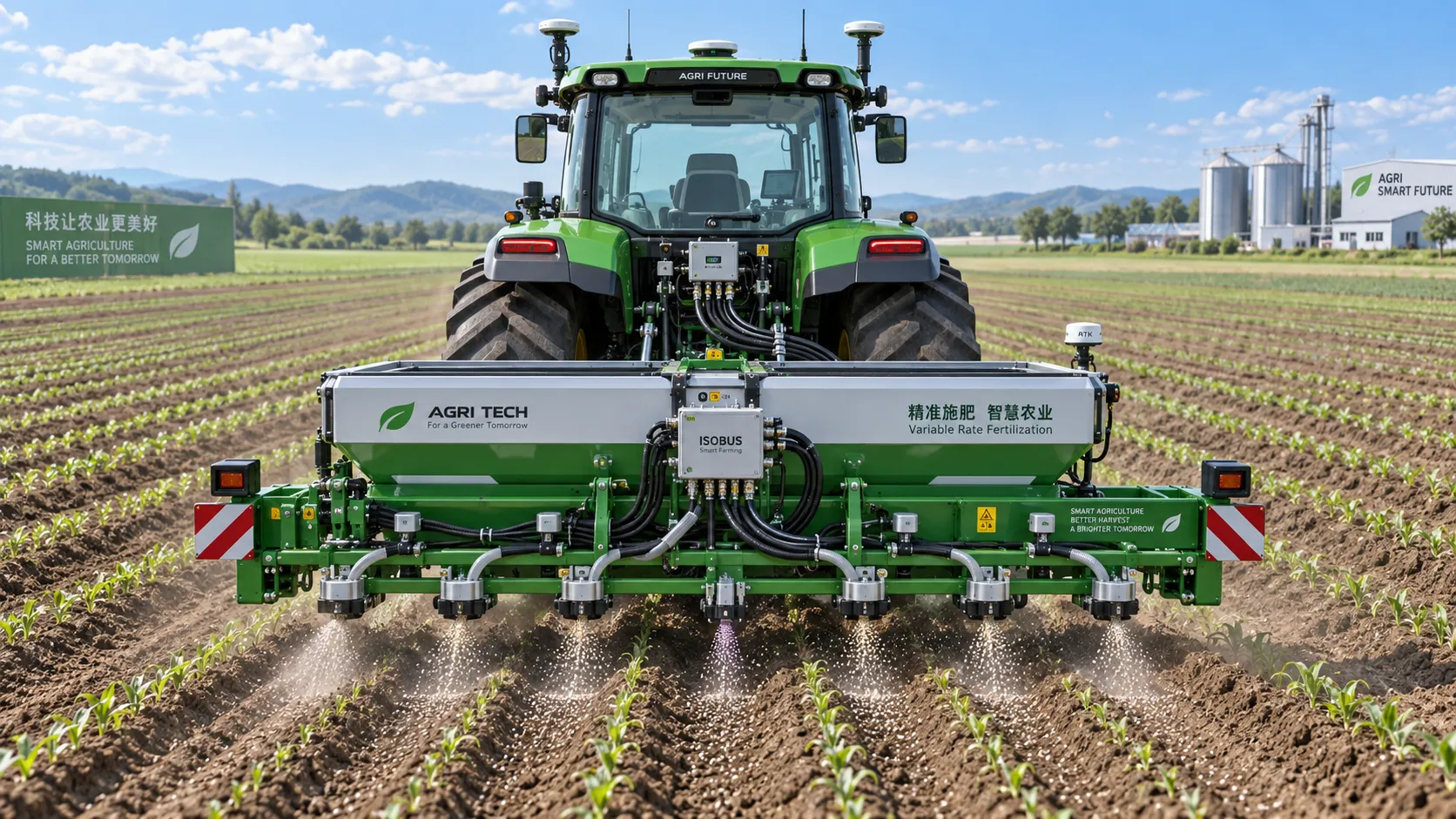
ISOBUS for Smart Agriculture: How It Connects Tractors, Implements, and Farm Data
ISOBUS for smart agriculture connects tractors, implements, terminals, and farm data—helping growers improve precision, documentation, and smarter field decisions.
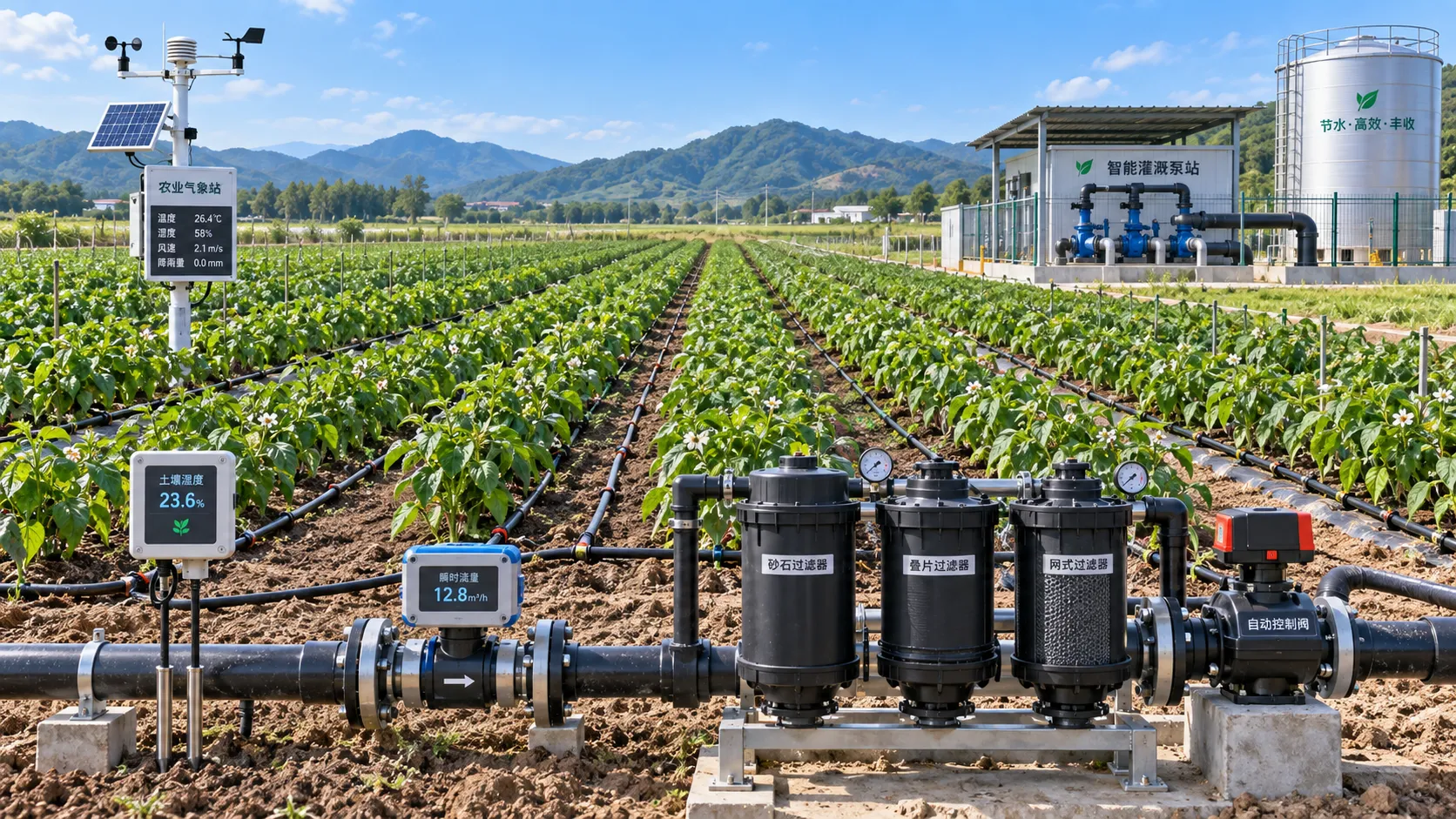
Automated Water-Saving Irrigation: How to Cut Water Use Without Reducing Crop Yields
Automated water-saving irrigation helps farms cut water use, protect crop yields, improve scheduling, and gain reliable control with sensors, flow monitoring, and smart zones.
Related News
- 00
0000-00
How to Choose Plant Protection Equipment for Vineyard Pests - 00
0000-00
How to Read Agricultural Equipment Specifications for Sprayers Before You Compare Models - 00
0000-00
BIS Extends Fast-Track Approval for Self-Propelled Sprayers - 00
0000-00
Intelligent Sprayer Technology: Which Functions Matter Most for Field Efficiency? - 00
0000-00
How to Choose Plant Protection Equipment for Orchards by Tree Height, Row Spacing, and Spray Drift
Popular Tags
Agri-Mechanization Fellow
Weekly Insights
Stay ahead with our curated technology reports delivered every Monday.