
Vietnam Cuts Tariffs on Self-Propelled Sprayers, Adds VRA Interface Rule
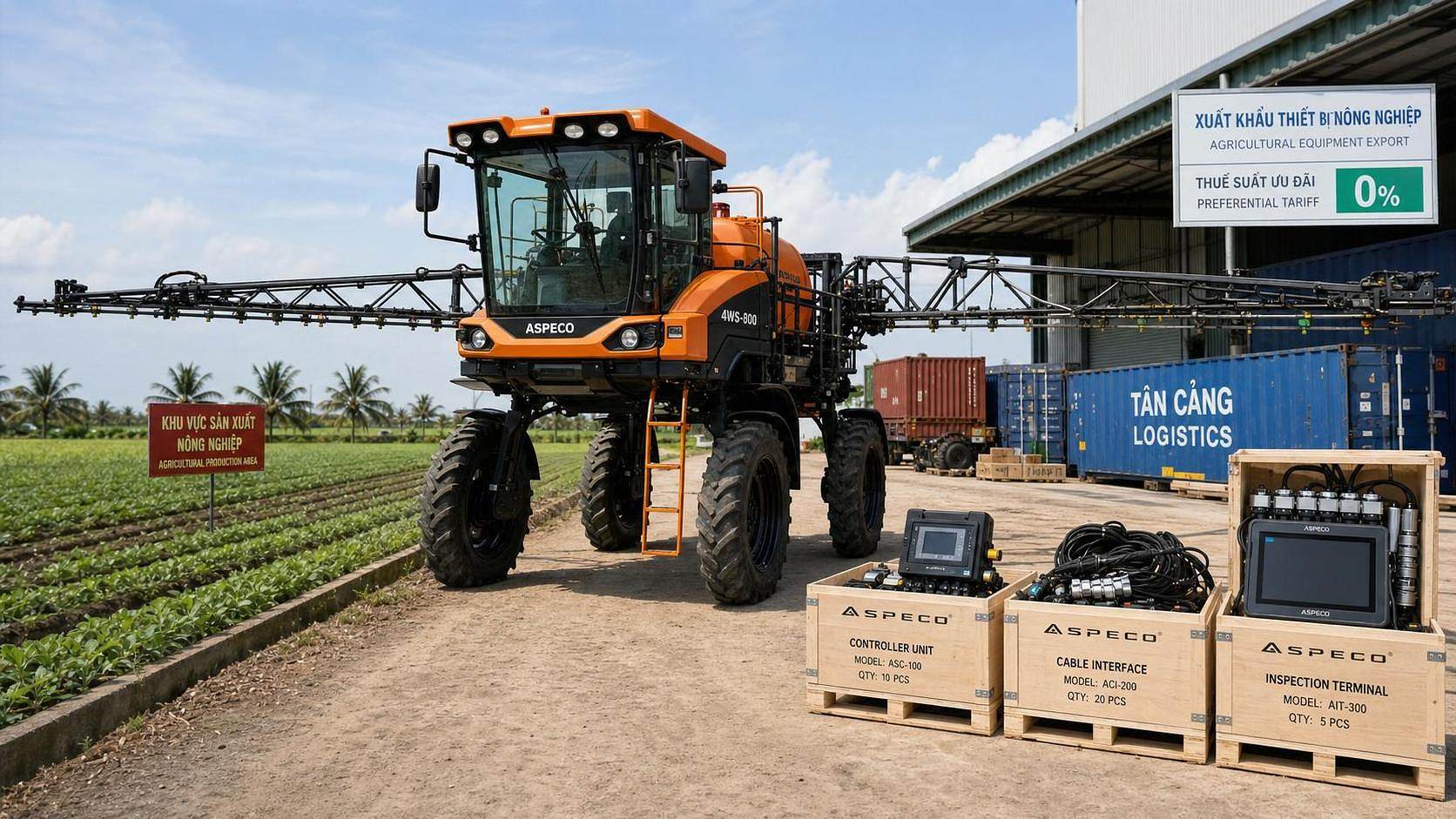




On June 30, 2026, Vietnam’s Ministry of Agriculture and Rural Development (MARD) issued Circular No. 89/2026/TT-BNNPTNT, setting a 0% most-favored-nation import tariff for self-propelled sprayers imported in 2026 and 2027 while also requiring those machines to leave the factory with a variable-rate application communication interface compliant with VRA-2026.1. For exporters, OEM partners, procurement teams, and compliance-related service providers, the point of attention is not only lower import duty, but also the fact that market access is now tied more directly to embedded software and hardware compatibility at the time of delivery.
What the New Rule Actually Changes
The confirmed change has two parts. First, self-propelled sprayers imported into Vietnam during 2026 and 2027 are subject to a 0% MFN tariff. Second, the same products are required to be factory-integrated with a variable-rate application communication interface that complies with the Vietnam VRA-2026.1 protocol.
The required interface specification identified in the provided information is CAN-FD 500kbps plus JSON Schema v3.2. The notification cited in the event summary is Circular No. 89/2026/TT-BNNPTNT, released by MARD on June 30, 2026.
The provided event summary also states that this combination of tariff relief and interface compliance requirements is expected to accelerate China-Vietnam OEM cooperation while raising the integration threshold for exported equipment at the software and hardware level.
Why the Trade Benefit Does Not Stand Alone
Export orders now depend on built-in interface readiness
From an industry perspective, exporters of self-propelled sprayers may be affected because the tariff incentive and the technical requirement move together. A lower tariff can support market entry, but only for equipment that is already delivered with the required VRA-compatible interface. In practical terms, this places more weight on product configuration, pre-shipment technical review, and delivery documentation that can demonstrate the machine was factory-integrated rather than modified later in an ad hoc manner.
OEM and manufacturing teams face a tighter integration task
Manufacturing and OEM participants may see the main impact in product design alignment, controller architecture, interface implementation, and acceptance testing. What deserves closer attention is that the rule is framed around ex-factory integration, which can affect how suppliers define standard configurations, how engineering teams handle firmware and communication layers, and how production planning is organized for Vietnam-bound units.
Procurement and sourcing functions will need specification discipline
Procurement teams and buyers may be affected because purchasing decisions can no longer focus only on equipment price or tariff savings. They will need to verify whether supplier quotations, technical schedules, and purchase specifications clearly state compliance with VRA-2026.1, including the stated CAN-FD 500kbps and JSON Schema v3.2 elements. The business impact is likely to appear in bid comparison, supplier qualification, and handover requirements.
Compliance and after-sales support may move earlier in the delivery cycle
Compliance-related service providers, testing support teams, and after-sales organizations may also be affected. Analysis shows that where interface compatibility becomes a condition attached to import treatment and market delivery, technical files, verification records, and service readiness may need to be prepared earlier. After-sales teams may also need to understand the installed interface architecture because support obligations can extend beyond mechanical performance into communication compatibility.
Where Companies Should Focus Now
Check ex-factory compliance, not only end-market pricing
Companies shipping to Vietnam should review whether their current self-propelled sprayer configurations already include a factory-installed interface aligned with VRA-2026.1. If product variants for different markets are managed separately, Vietnam-dedicated specifications may need to be checked closely before order confirmation and production release.
Align technical documents with the required protocol language
Technical documentation deserves immediate attention. Businesses should examine whether quotations, configuration sheets, interface descriptions, test records, and delivery files clearly reflect the required communication basis of CAN-FD 500kbps and JSON Schema v3.2. Where supporting documents are vague, commercial discussions and downstream acceptance could become more difficult.
Watch for execution language in tenders and purchasing terms
Observably, the next point to monitor is how the rule is reflected in procurement practice. Even without additional details in the current input, companies should expect closer scrutiny of technical specification alignment in tenders, supply agreements, and delivery checklists. This is especially relevant for businesses working through OEM channels or cross-border assembly arrangements.
Prepare for a higher coordination burden across teams
The provided information already indicates a higher software and hardware integration threshold for export equipment. That means internal coordination between engineering, regulatory, sourcing, sales, and service functions may become more important. The immediate issue is less about broad strategy and more about whether the delivered unit, its interface design, and its supporting files remain consistent throughout the order process.
How This Should Be Read at This Stage
Analysis shows that this development is best understood as a rule change with direct commercial relevance rather than a symbolic policy signal. The tariff reduction points to easier import cost conditions, but the mandatory VRA-compatible interface means the commercial benefit is tied to technical preparedness.
At the same time, it is more appropriate to understand this as an implemented change that still requires continued observation in execution. The confirmed facts establish the tariff treatment and the interface requirement, but market participants should continue watching for how those requirements are interpreted in procurement language, compliance checks, and delivery acceptance practice.
What the Market Signal Suggests
For the industry, the practical meaning of this event lies in the combination of trade facilitation and embedded technical conditions. It does not simply lower the import barrier for self-propelled sprayers; it reshapes the entry condition by linking tariff access to factory-level interface readiness.
A neutral reading is that this is both a landed rule change and an execution signal. Companies with products already close to the required interface standard may see a clearer path into the market, while those relying on later-stage adaptation may face a more demanding compliance and delivery process. The key point is not to overstate the outcome, but to recognize that technical conformity is now part of the trade equation.
Basis of This Article and What Still Needs Verification
This article is generated on the basis of the user-provided news title, event date, and event summary. It does not add unverified facts beyond the provided information.
For events of this type, relevant source categories usually include official government notices, releases from regulatory authorities, customs or trade-administration information, industry association updates, standard-setting documents, and reporting by authoritative trade media. A specific official source link was not provided in the input, so it still needs to be verified on an ongoing basis.
What remains worth tracking includes any further policy detail, the practical compliance interpretation of the interface requirement, possible changes in tender wording, market feedback from buyers and OEM partners, and how companies implement the requirement in export delivery and after-sales support.
Related News
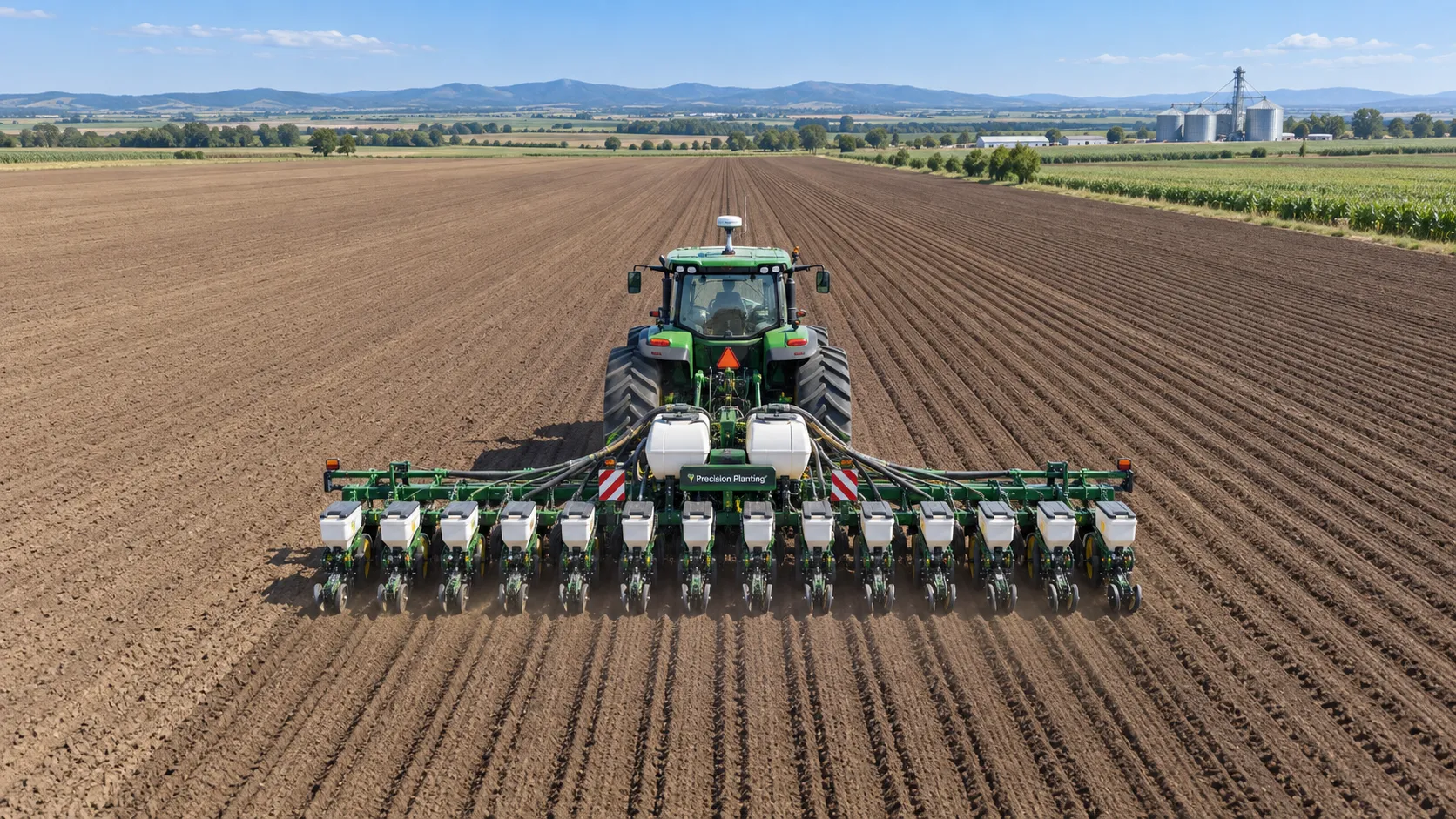
GPS-Guided Farm Machinery: Where It Delivers Measurable Field Efficiency Gains
Agri-mechanization GPS guided systems deliver measurable field efficiency gains through reduced overlap, precise planting, smarter inputs, and reliable farm data.
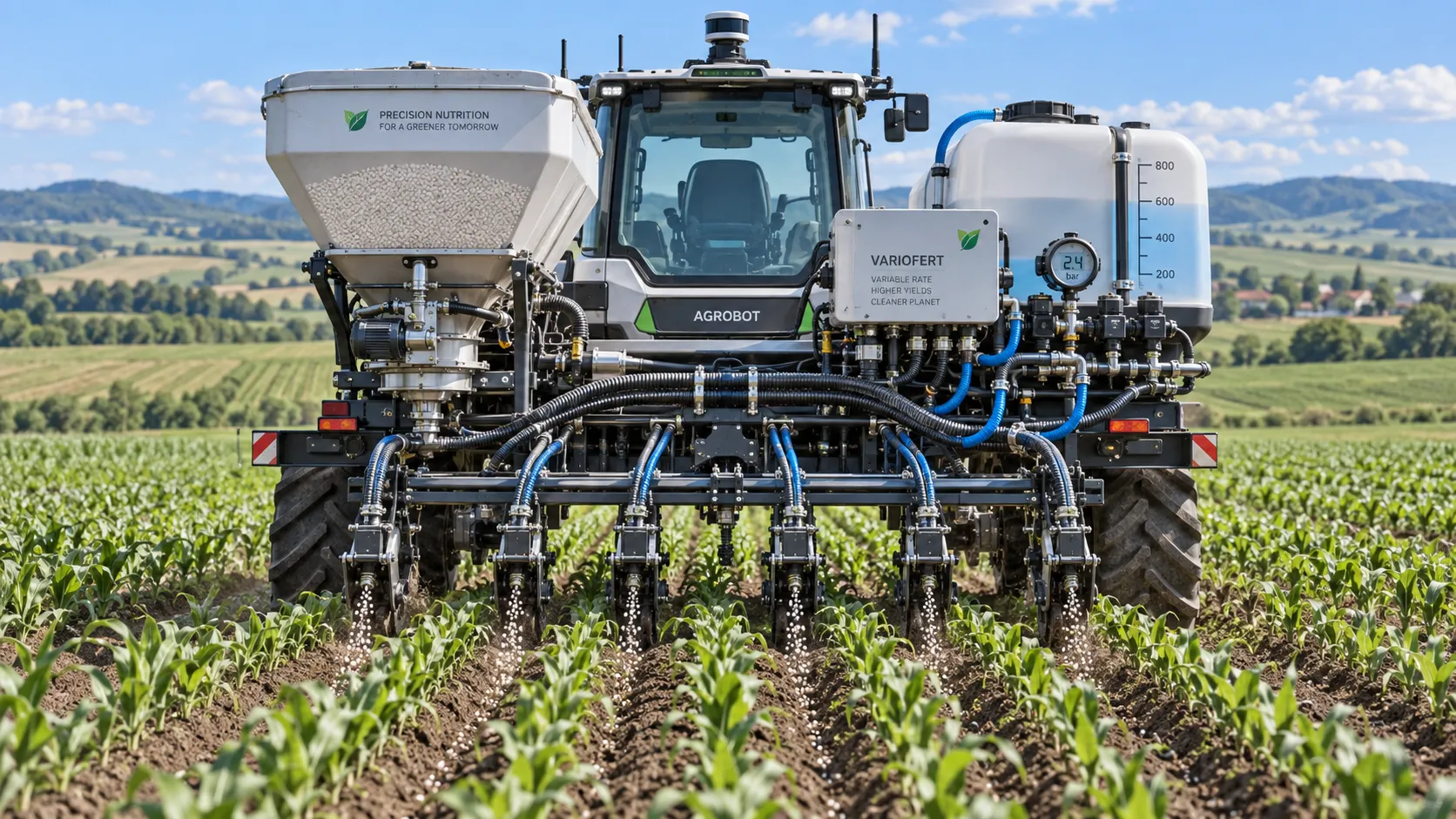
How Sensor Feedback Enables Accurate Variable-Rate Fertilization in Field Conditions
Precision fertilization systems with sensor feedback improve variable-rate accuracy by verifying flow, managing latency, and ensuring reliable field application.

How to Select Precision Crop Protection Equipment for Variable Field Conditions
Precision crop protection equipment selection made simple: compare terrain, canopy, weather, control accuracy, and data workflows for reliable applications.

When Does Agricultural Machinery Leasing Cost Less Than Owning Equipment?
Agricultural machinery leasing can lower farm costs when use is seasonal or uncertain. Compare utilization, maintenance, cash flow, and risk to make a smarter equipment decision.

How to Evaluate Precision Fertilization System Suppliers for Farm-Scale Deployment
Precision fertilization systems suppliers: learn how to compare accuracy, integration, uptime, service, and total cost for confident farm-scale deployment.

ISOBUS for Smart Agriculture: How It Connects Tractors, Implements, and Farm Data
ISOBUS for smart agriculture connects tractors, implements, terminals, and farm data—helping growers improve precision, documentation, and smarter field decisions.
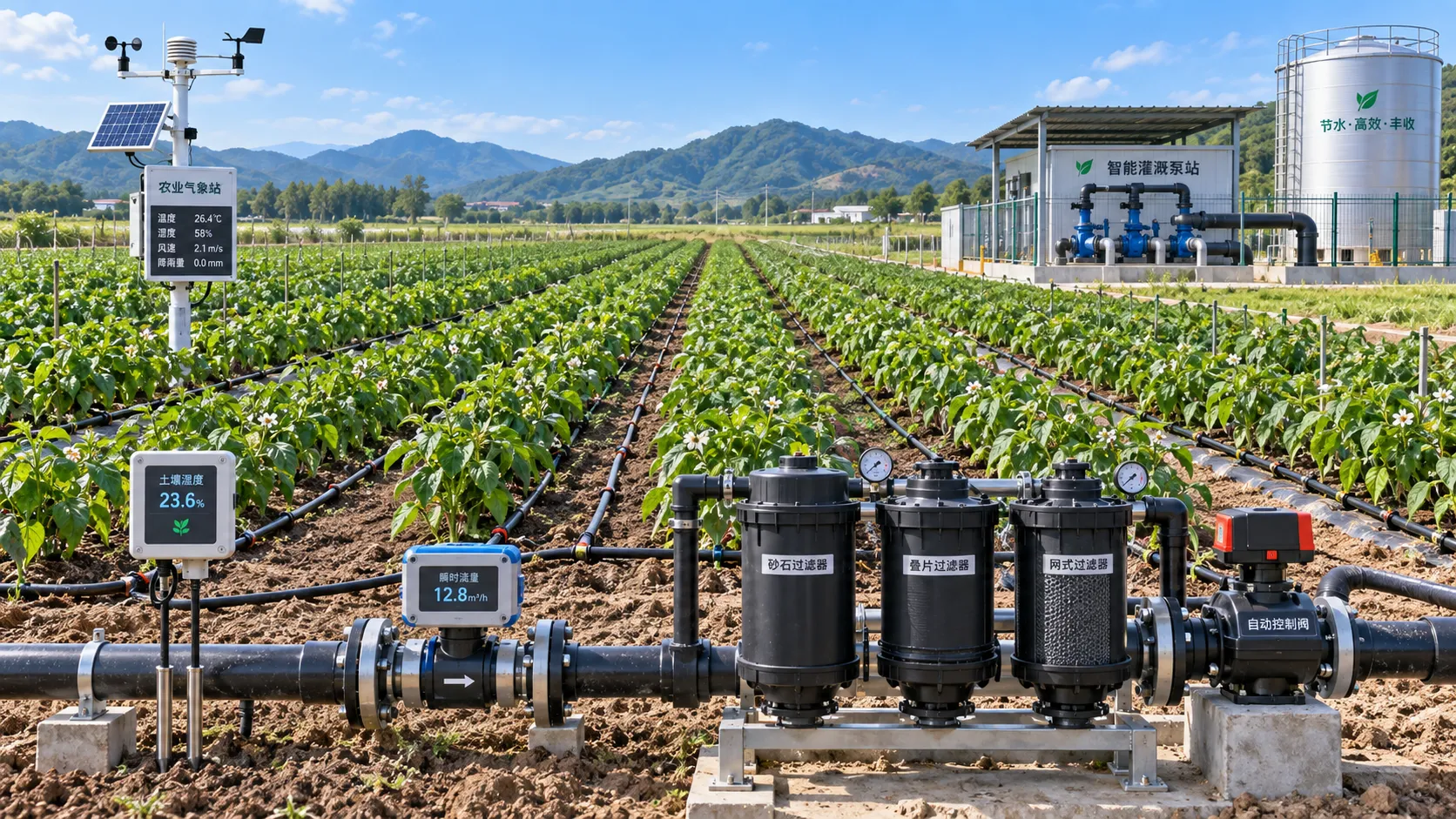
Automated Water-Saving Irrigation: How to Cut Water Use Without Reducing Crop Yields
Automated water-saving irrigation helps farms cut water use, protect crop yields, improve scheduling, and gain reliable control with sensors, flow monitoring, and smart zones.

Selecting Grain Farm Equipment by Acreage, Crop Mix, and Harvest Window
Agricultural equipment selection for grain farming: match machinery to acreage, crop mix, and harvest windows to improve uptime, efficiency, and returns.
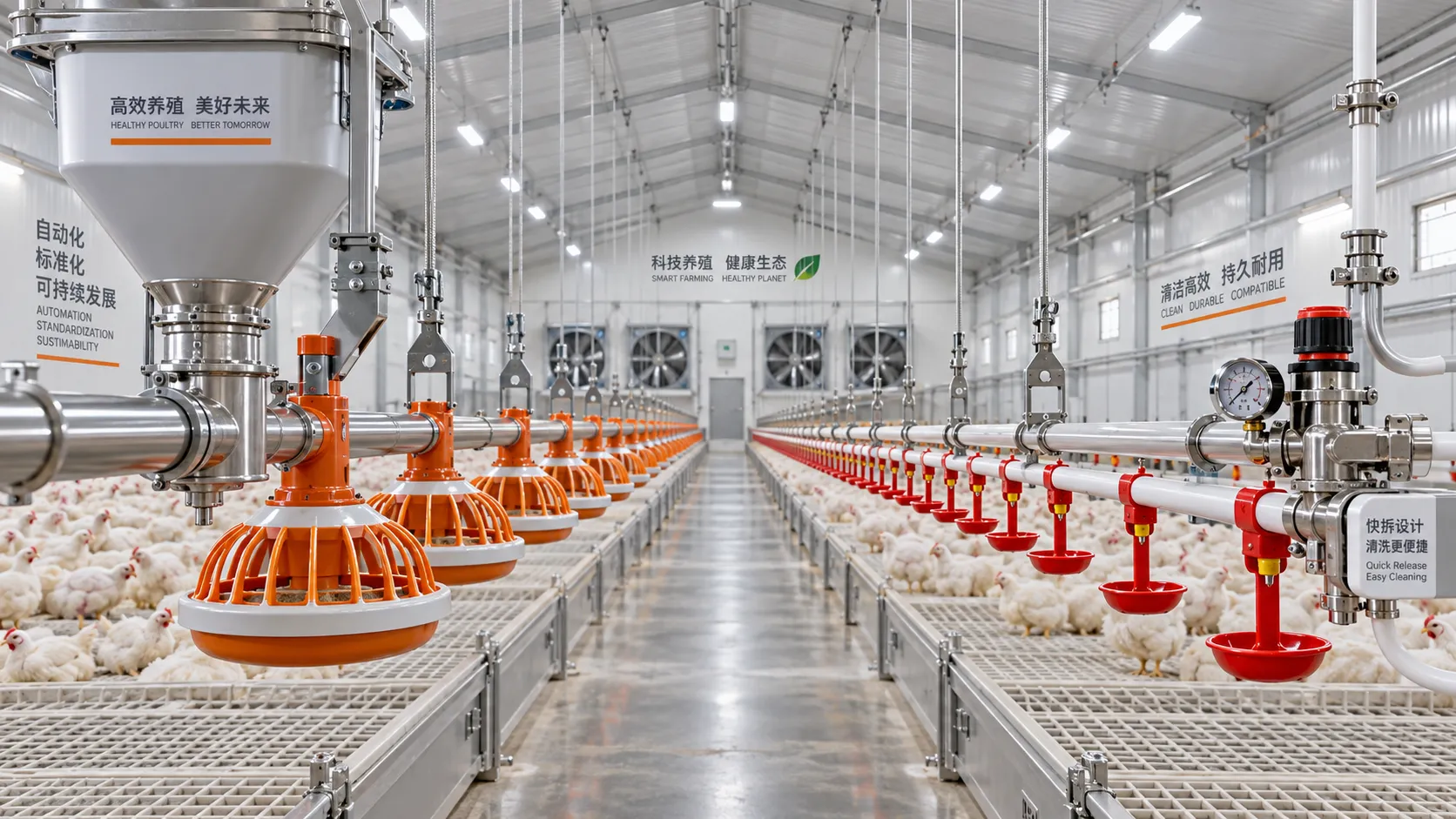
Poultry Equipment Selection: Evaluating Durability, Cleaning, and Compatibility
Poultry equipments selection guide: evaluate durability, cleaning access, and system compatibility to improve hygiene, reduce downtime, and support efficient flock management.
Related News
- 00
0000-00
How to Choose Plant Protection Equipment for Vineyard Pests - 00
0000-00
How to Read Agricultural Equipment Specifications for Sprayers Before You Compare Models - 00
0000-00
BIS Extends Fast-Track Approval for Self-Propelled Sprayers - 00
0000-00
Intelligent Sprayer Technology: Which Functions Matter Most for Field Efficiency? - 00
0000-00
How to Choose Plant Protection Equipment for Orchards by Tree Height, Row Spacing, and Spray Drift
Popular Tags
Agri-Mechanization Fellow
Weekly Insights
Stay ahead with our curated technology reports delivered every Monday.