
When farm machinery intelligence is worth the investment
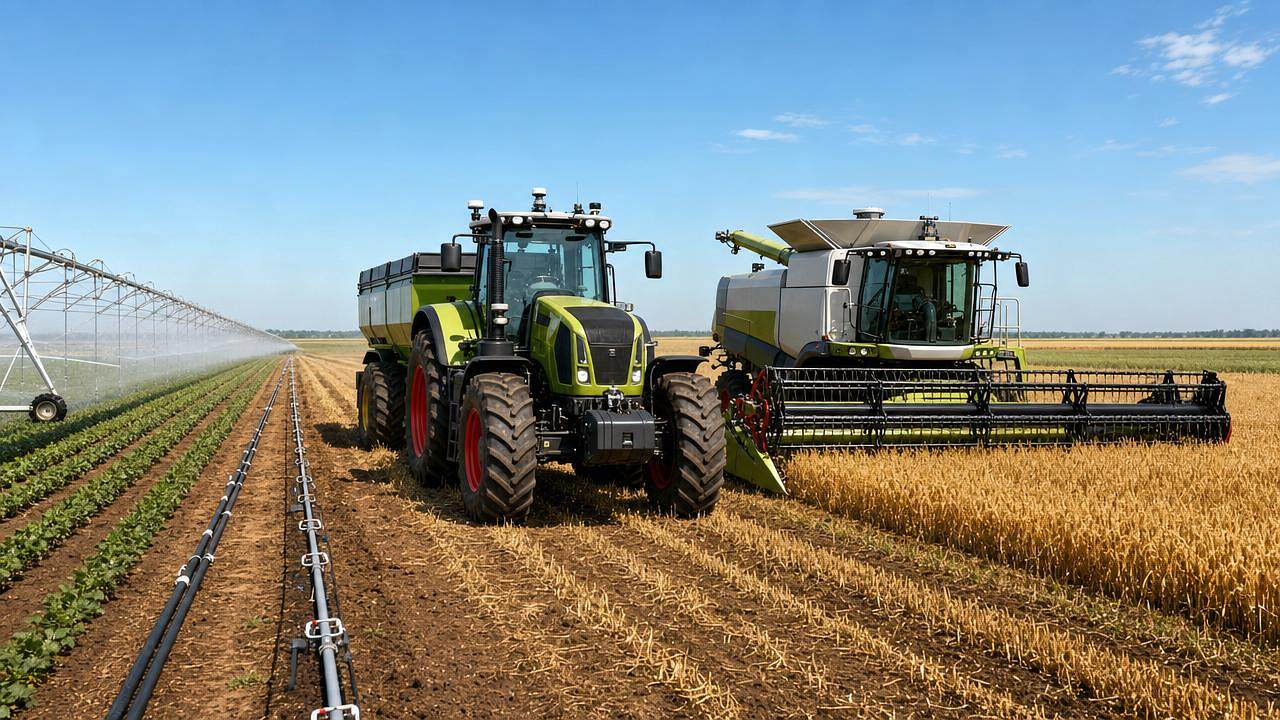




For business evaluators weighing modernization costs against long-term returns, farm machinery intelligence is no longer a future concept but a practical investment question.
From large-scale tractors and combine harvesters to intelligent irrigation systems, connected equipment is changing how field operations are planned, measured, and improved.
The core issue is not whether digital capability matters, but when farm machinery intelligence creates enough operational value to justify capital spending.
In a market shaped by food security pressure, labor shortages, climate variability, and tighter input economics, timing matters as much as technology choice.
What farm machinery intelligence means in practical terms
Farm machinery intelligence combines hardware performance, sensors, software, connectivity, and decision support into a single operating system for agricultural work.
It can include auto-guidance, telematics, yield mapping, machine diagnostics, variable-rate application, irrigation automation, and predictive maintenance tools.
In tractors, intelligence often improves route accuracy, fuel management, and implement coordination under changing soil and load conditions.
In combine harvesters, farm machinery intelligence helps track grain loss, optimize cleaning systems, and adapt settings across variable crop conditions.
In irrigation, it links weather, soil moisture, and flow control to reduce waste while protecting crop performance during water stress periods.
The investment value appears when data turns into repeatable action, not when machines simply collect more information than operators can use.
Why the investment question is more urgent now
Several global trends are pushing farm machinery intelligence from optional upgrade to strategic planning priority.
- Input costs remain volatile, especially fuel, fertilizer, crop protection products, and seasonal labor.
- Weather patterns are less predictable, increasing the value of real-time response and more precise operating windows.
- Equipment fleets are more expensive, making uptime, maintenance planning, and asset utilization critical.
- Sustainability requirements are growing, especially around water use, emissions, soil protection, and traceable field records.
These pressures affect the full value chain, from machinery owners and service providers to grain handlers, irrigation planners, and equipment distributors.
That is why AP-Strategy tracks farm machinery intelligence through both mechanical capability and data-led field execution.
Key market signals linked to intelligent equipment
Where farm machinery intelligence delivers measurable value
The strongest business case appears when intelligent systems improve output, reduce waste, or lower risk in ways that can be tracked over time.
Farm machinery intelligence often creates value in five practical areas.
1. Higher field efficiency
Auto-steering, optimized routes, and implement synchronization reduce overlap, missed zones, idle time, and unnecessary machine passes.
That matters most in large fields, narrow weather windows, and operations where timeliness directly affects yield or crop quality.
2. Lower input loss
Precision application tools reduce overuse of seed, fertilizer, chemicals, fuel, and water.
For combines, better sensing and adjustment can lower grain loss and improve harvesting consistency across changing crop density.
3. Better asset utilization
Telematics reveals engine hours, maintenance needs, downtime causes, and underused equipment across the fleet.
This helps extend service life and improve scheduling before failures interrupt key seasonal operations.
4. Stronger decision quality
Machine data gains value when linked to agronomic maps, weather forecasts, soil conditions, and irrigation demand models.
That connection supports smarter planning for planting, protection, harvest timing, and water allocation.
5. More credible sustainability performance
Farm machinery intelligence can document fuel use, field passes, water consumption, and application accuracy.
These records support compliance, reporting, and stronger value positioning in sustainability-sensitive agricultural markets.
When the investment is usually worth it
Not every operation benefits at the same speed. The return from farm machinery intelligence depends on scale, variability, and management discipline.
The investment is often justified under the following conditions.
- Field operations cover large acreage or multiple sites with tight timing pressure.
- Fuel, labor, grain loss, or water waste already create visible cost leakage.
- Existing machines are modern enough to integrate sensors, guidance, or telematics.
- Management can compare baseline performance against post-upgrade results.
- There is a clear plan for operator training, support, and data use.
The weakest case appears when digital tools are added without process change, staff adoption, or measurable operating targets.
Common indicators of positive return potential
Typical application paths across agricultural equipment
Farm machinery intelligence does not follow one single upgrade path. It usually enters through the most expensive inefficiency.
Large-scale tractors
Priority functions include guidance, implement control, traction optimization, fuel monitoring, and remote diagnostics.
These features are especially valuable in repetitive fieldwork with high pass frequency.
Combine harvesters
The focus is usually throughput, loss monitoring, cleaning adjustment, moisture visibility, and harvest map generation.
Returns increase where crop conditions vary sharply within the same harvest window.
Intelligent farm tools
Variable-rate spreaders, sprayers, and seeders offer strong value when prescription farming is already supported by reliable field data.
Without that data foundation, advanced tools may remain underused.
Water-saving irrigation systems
Sensors, automated valves, and evapotranspiration models help match irrigation to actual crop demand.
This is often one of the clearest use cases for farm machinery intelligence in water-stressed regions.
Practical evaluation points before committing capital
A disciplined review prevents overinvestment and improves adoption quality.
- Measure current losses in fuel, labor hours, water, grain, downtime, and field overlap.
- Prioritize one or two use cases with visible payback rather than a full digital overhaul.
- Check interoperability between tractors, harvesters, tools, irrigation platforms, and data systems.
- Include training, service access, software updates, and data ownership in total cost calculations.
- Set performance targets before purchase, then review results after one full operating cycle.
This approach aligns with AP-Strategy’s view that intelligence only creates durable value when machinery, analytics, and operations advance together.
A grounded next step for strategic planning
Farm machinery intelligence is worth the investment when it solves a defined operating problem and produces measurable improvement at field level.
The best starting point is not the most advanced feature set, but the clearest source of recurring inefficiency.
Review fleet performance, identify the highest-cost losses, and match those gaps to specific intelligent functions in tractors, combines, tools, or irrigation systems.
With a phased plan and reliable intelligence, farm machinery intelligence becomes less of a technology gamble and more of a structured growth decision.
Related News
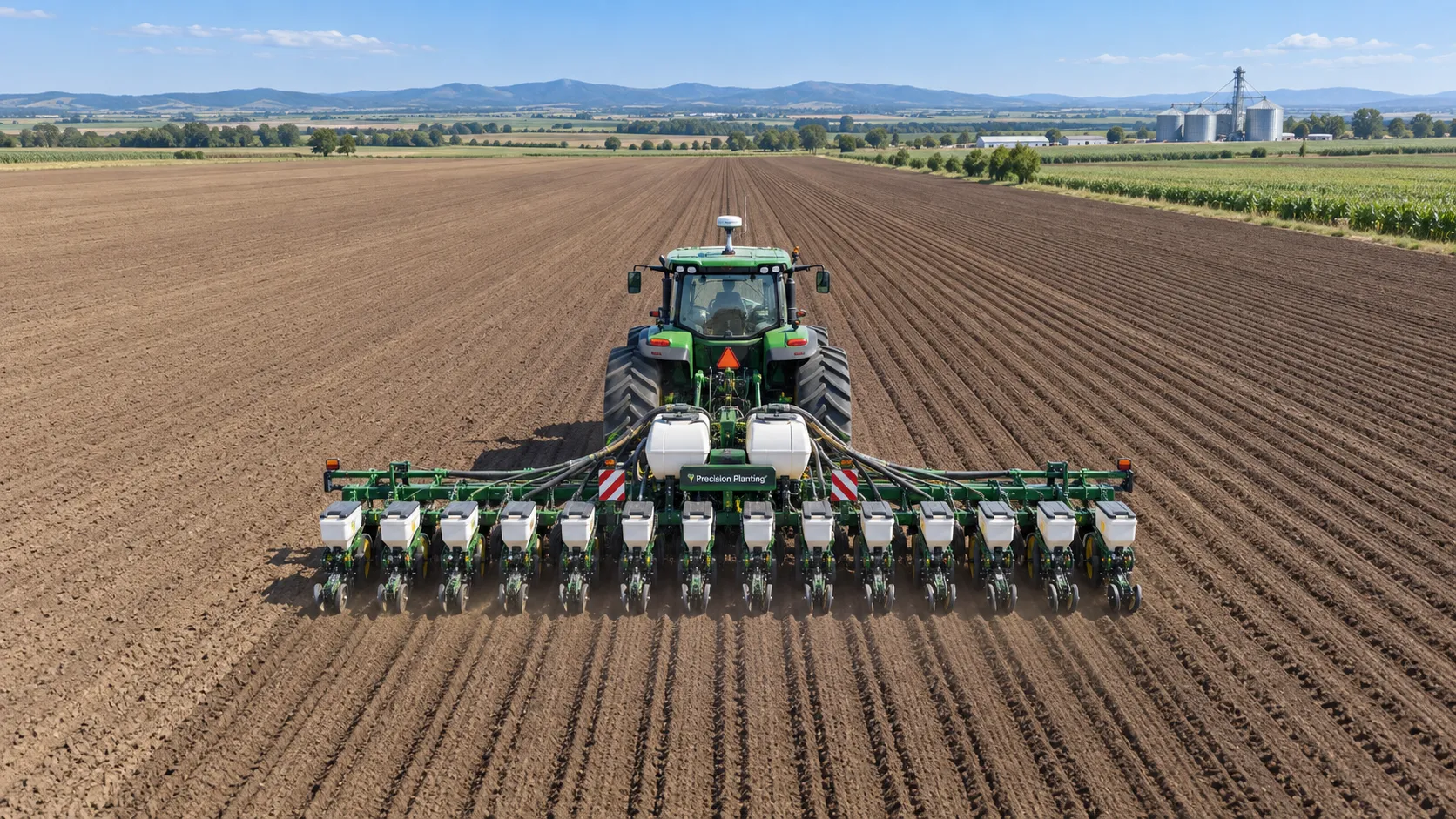
GPS-Guided Farm Machinery: Where It Delivers Measurable Field Efficiency Gains
Agri-mechanization GPS guided systems deliver measurable field efficiency gains through reduced overlap, precise planting, smarter inputs, and reliable farm data.
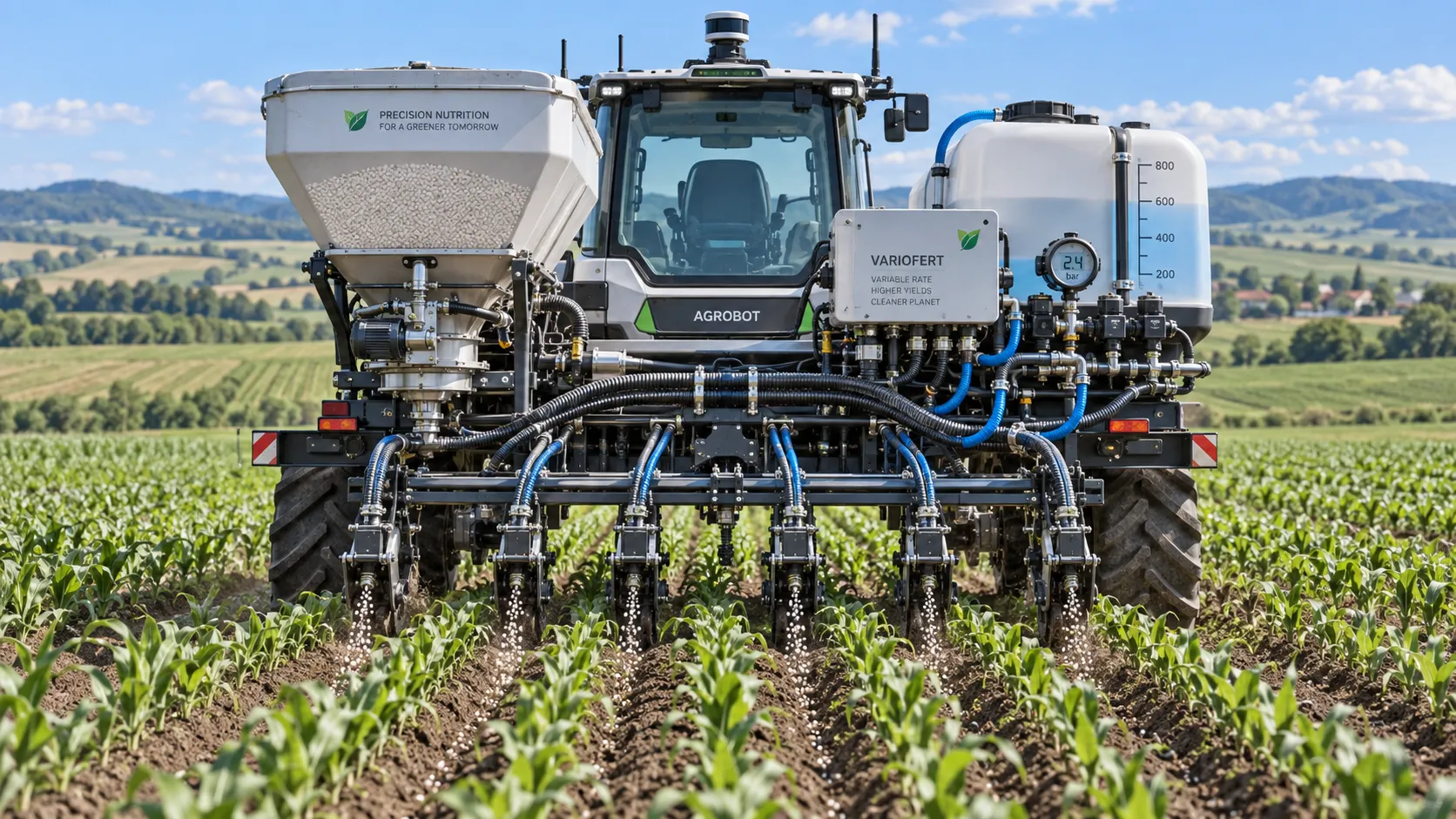
How Sensor Feedback Enables Accurate Variable-Rate Fertilization in Field Conditions
Precision fertilization systems with sensor feedback improve variable-rate accuracy by verifying flow, managing latency, and ensuring reliable field application.
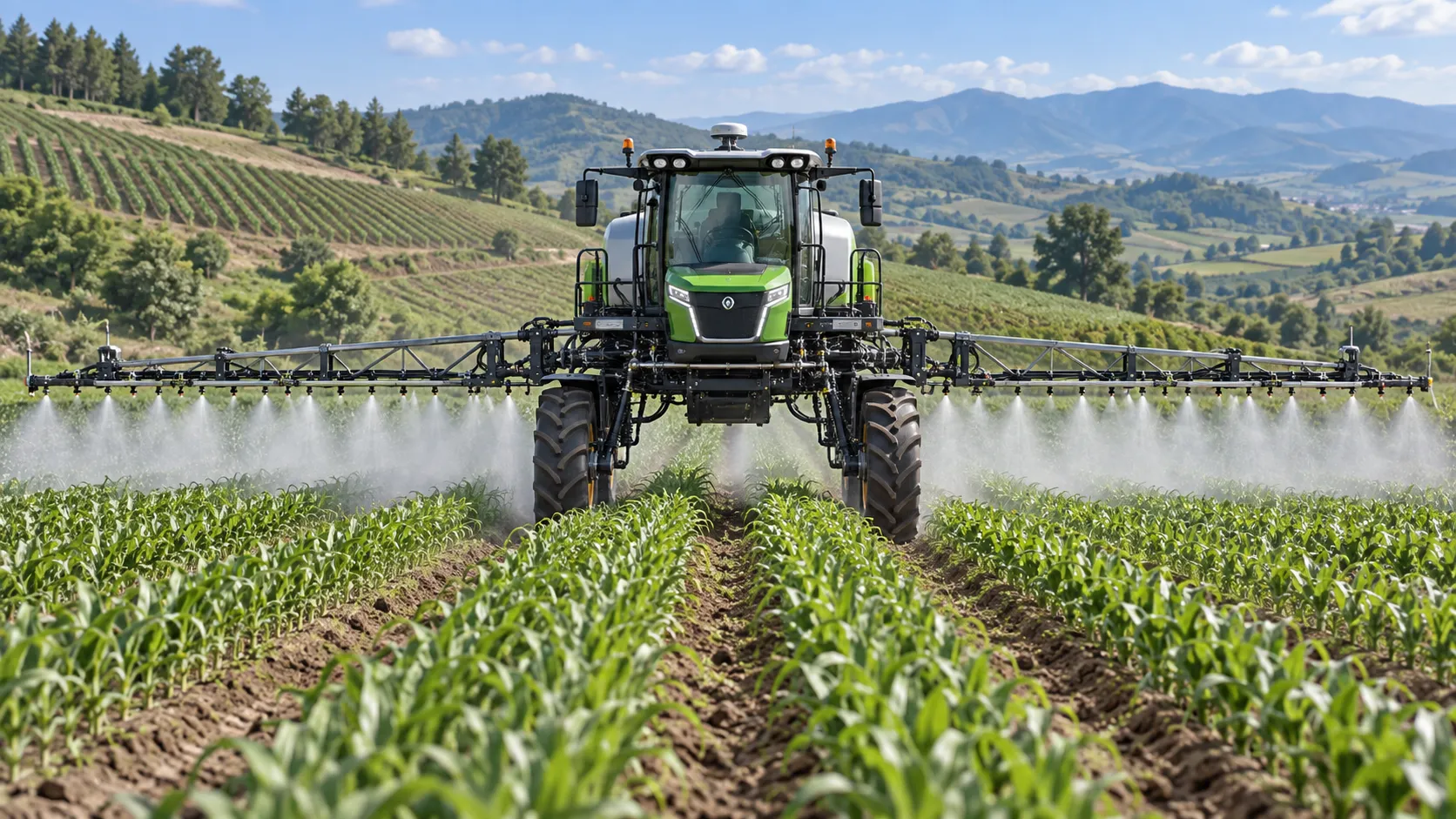
How to Select Precision Crop Protection Equipment for Variable Field Conditions
Precision crop protection equipment selection made simple: compare terrain, canopy, weather, control accuracy, and data workflows for reliable applications.

When Does Agricultural Machinery Leasing Cost Less Than Owning Equipment?
Agricultural machinery leasing can lower farm costs when use is seasonal or uncertain. Compare utilization, maintenance, cash flow, and risk to make a smarter equipment decision.

How to Evaluate Precision Fertilization System Suppliers for Farm-Scale Deployment
Precision fertilization systems suppliers: learn how to compare accuracy, integration, uptime, service, and total cost for confident farm-scale deployment.
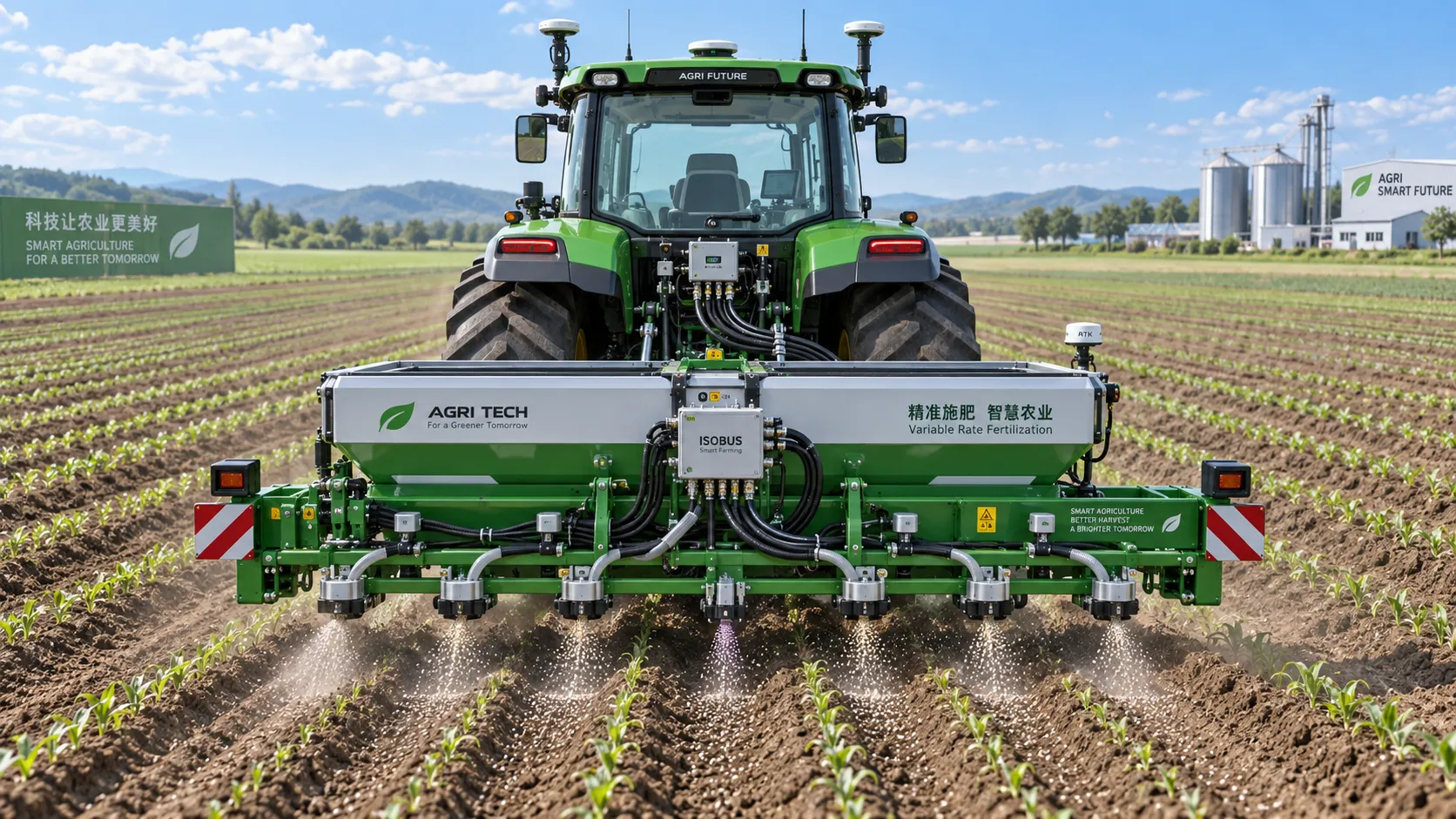
ISOBUS for Smart Agriculture: How It Connects Tractors, Implements, and Farm Data
ISOBUS for smart agriculture connects tractors, implements, terminals, and farm data—helping growers improve precision, documentation, and smarter field decisions.
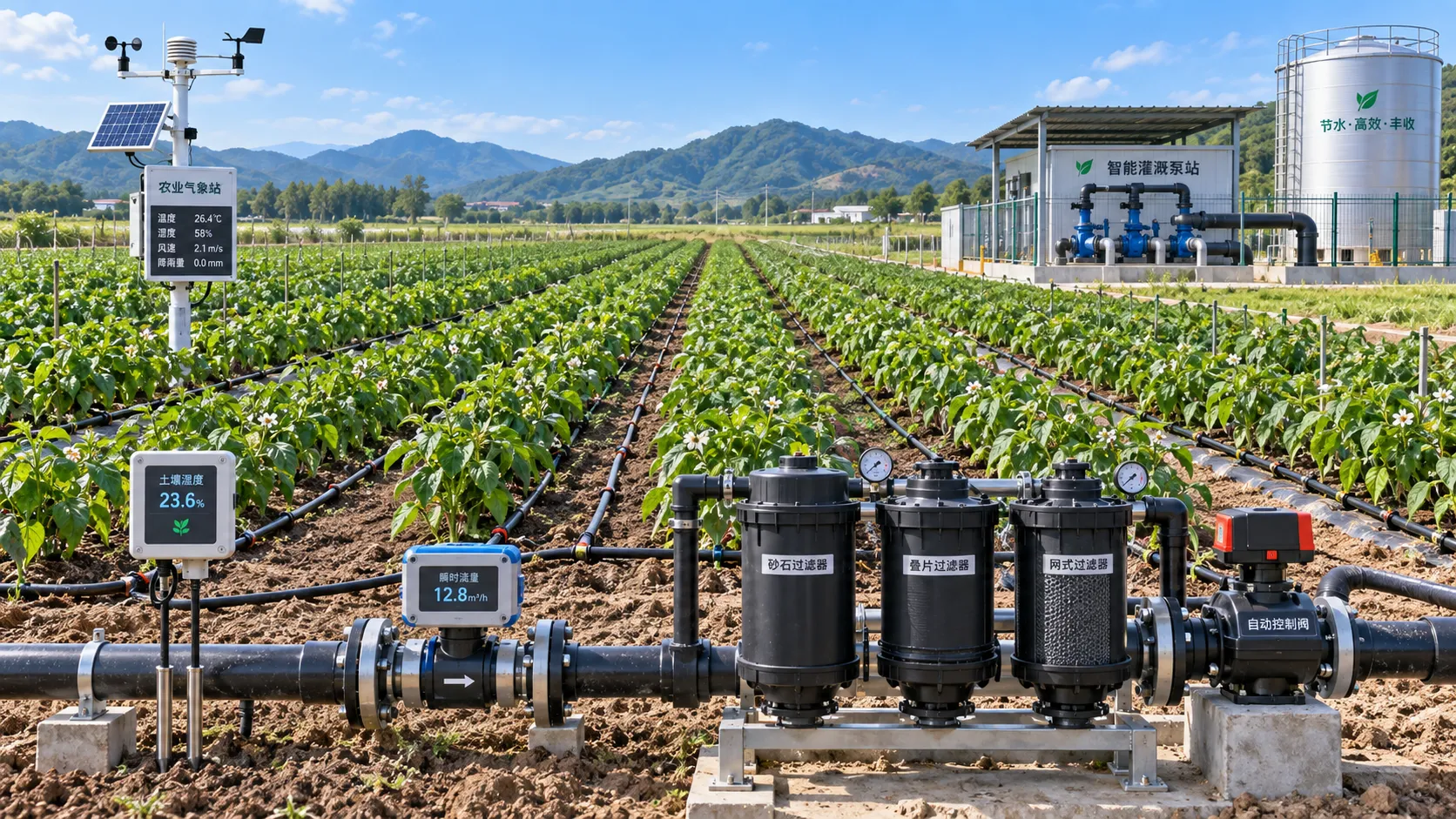
Automated Water-Saving Irrigation: How to Cut Water Use Without Reducing Crop Yields
Automated water-saving irrigation helps farms cut water use, protect crop yields, improve scheduling, and gain reliable control with sensors, flow monitoring, and smart zones.
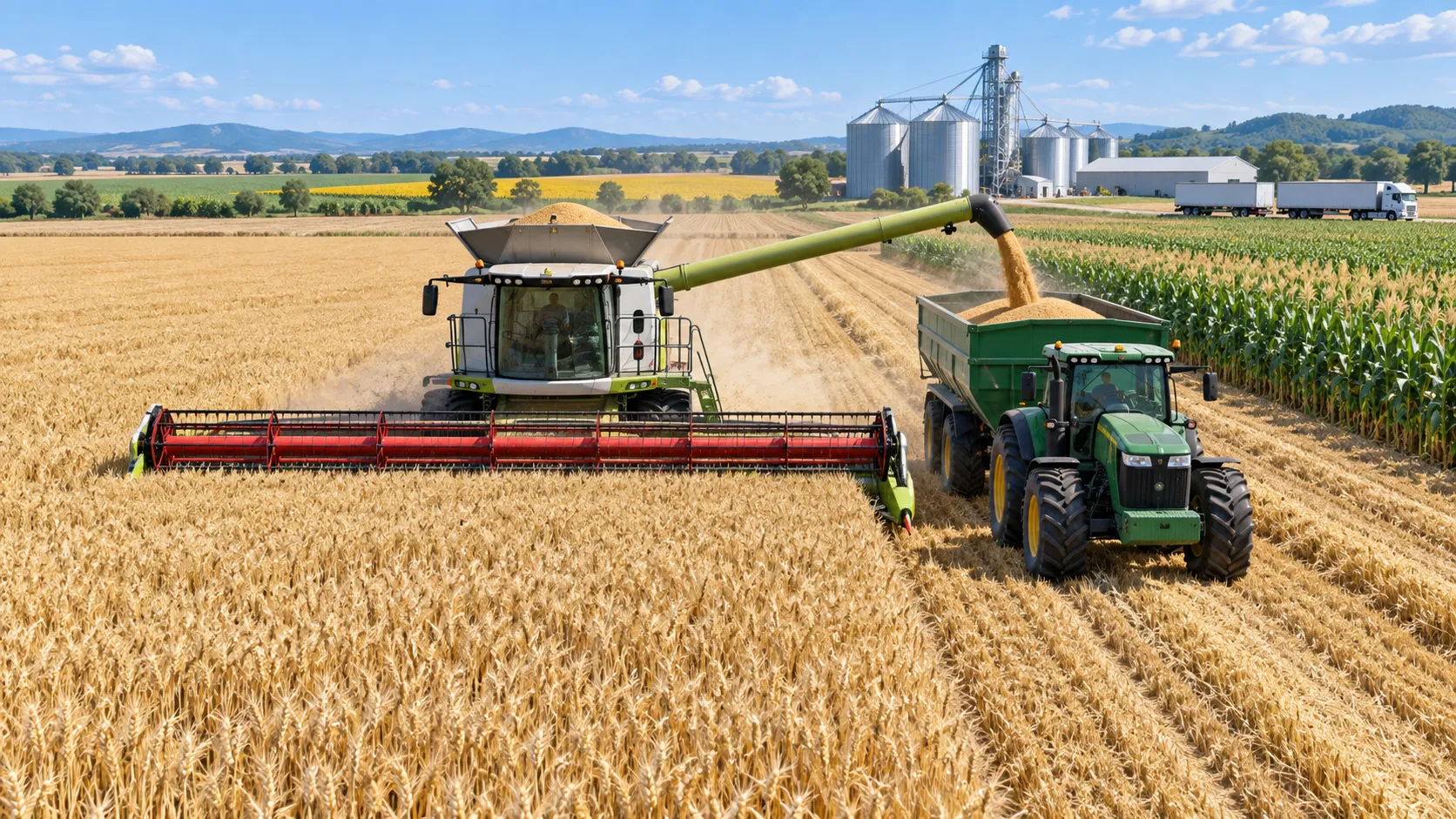
Selecting Grain Farm Equipment by Acreage, Crop Mix, and Harvest Window
Agricultural equipment selection for grain farming: match machinery to acreage, crop mix, and harvest windows to improve uptime, efficiency, and returns.
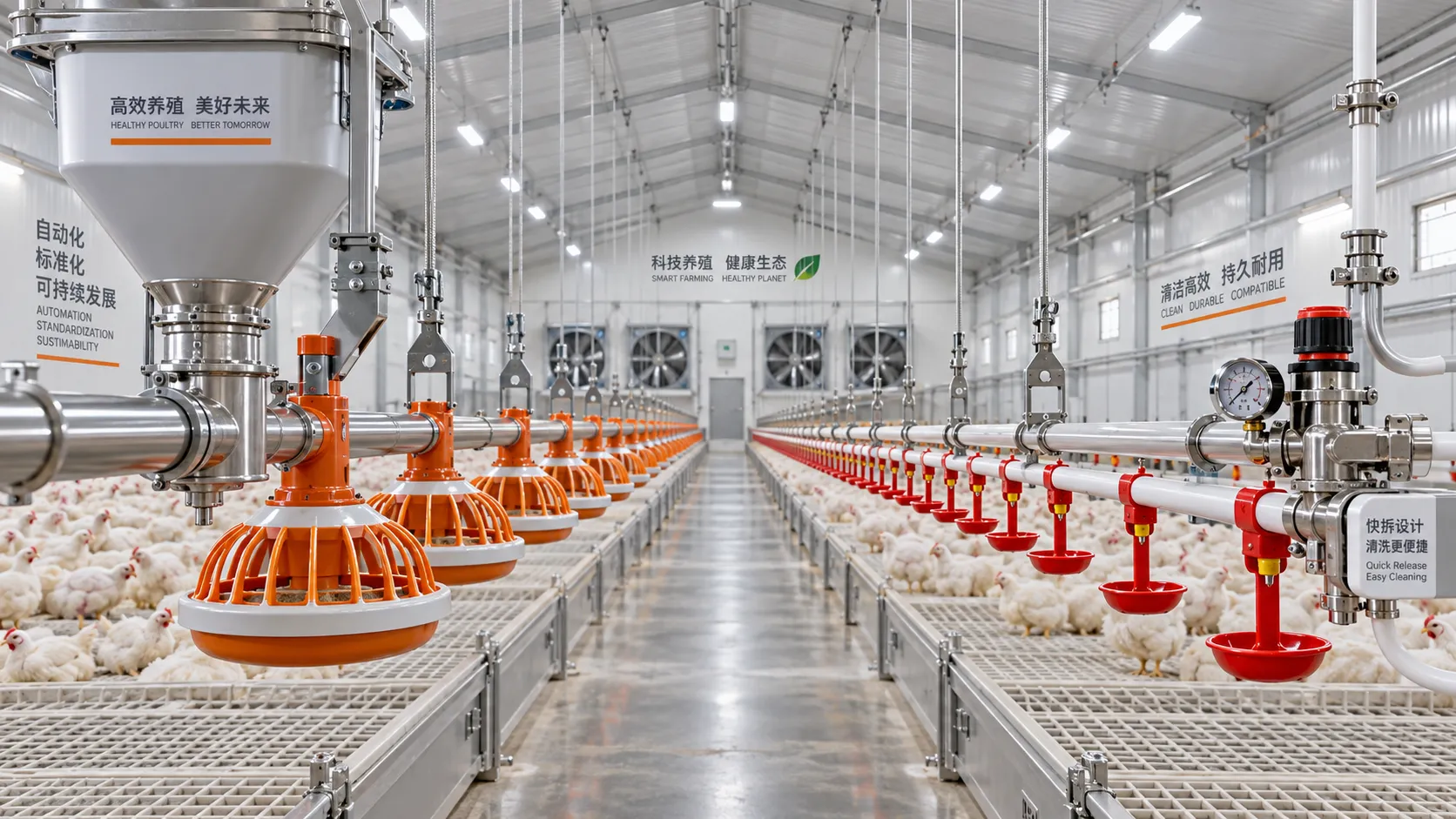
Poultry Equipment Selection: Evaluating Durability, Cleaning, and Compatibility
Poultry equipments selection guide: evaluate durability, cleaning access, and system compatibility to improve hygiene, reduce downtime, and support efficient flock management.
Related News
- 00
0000-00
When Does Agricultural Machinery Leasing Cost Less Than Owning Equipment? - 00
0000-00
Selecting Grain Farm Equipment by Acreage, Crop Mix, and Harvest Window - 00
0000-00
Poultry Equipment Selection: Evaluating Durability, Cleaning, and Compatibility - 00
0000-00
How to Select Heavy-Duty Farm Implements for High-Acreage, High-Horsepower Operations - 00
0000-00
Smart Farming Technology for Dairy Farms: Where Automation Delivers Measurable ROI
Popular Tags
Ms. Elena Rodriguez
Weekly Insights
Stay ahead with our curated technology reports delivered every Monday.