
What crop monitoring systems can reveal before yields drop
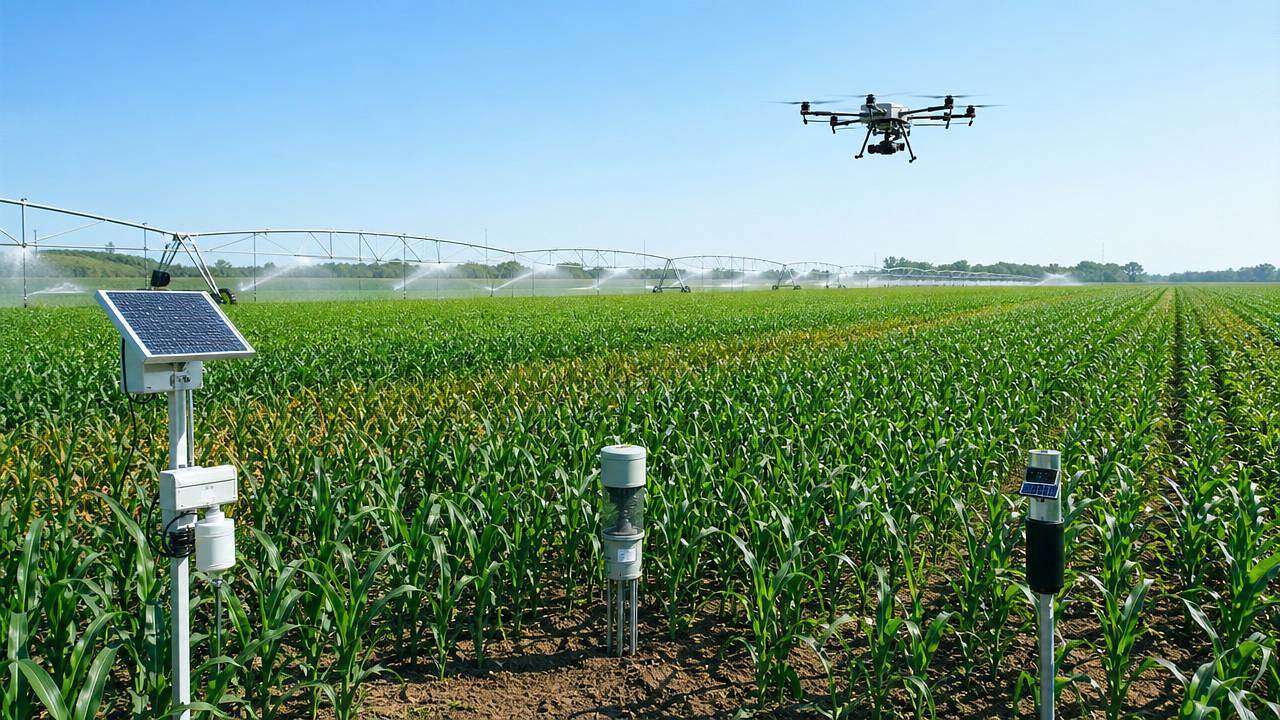




Before harvest losses become visible, crop monitoring systems often detect the quieter signals first. Changes in canopy temperature, uneven emergence, soil moisture decline, nutrient stress, disease pressure, and machine variability can all appear days or weeks before yield maps confirm the damage. In Agriculture 4.0, that earlier visibility matters because intervention windows are short, input costs are high, and field conditions rarely stay stable for long.
For a platform such as AP-Strategy, the value of crop monitoring systems is not limited to field scouting. These systems connect agronomic sensing, equipment behavior, and irrigation logic into one decision chain. When interpreted correctly, they reveal where risk is forming, how fast it is spreading, and which action is most likely to protect yield, resource efficiency, and operational timing.
Why crop monitoring systems need a checklist-based approach
Raw field data is abundant, but useful interpretation is harder. Satellite imagery, drone surveys, probe data, telematics, and weather feeds can each signal stress. Without a checklist, teams may react to noise, miss early-stage anomalies, or treat symptoms instead of causes.
A checklist-based review helps separate random variability from actionable warnings. It also aligns agronomic observations with machinery performance and irrigation scheduling. That matters across large-scale operations, where a delayed decision on one block can cascade into lower field efficiency, poorer water use, and uneven harvest quality.
Core checklist: what crop monitoring systems can reveal before yields drop
Use the following checklist to evaluate whether crop monitoring systems are capturing pre-yield warning signals instead of just documenting damage after it occurs.
- Track emergence uniformity early, because patchy stand establishment often predicts later competition, inconsistent maturity, and lower harvest efficiency long before final yield numbers decline.
- Compare canopy temperature zones daily, since heat signatures can reveal stomatal closure, irrigation gaps, root restriction, or disease stress before leaves visibly wilt.
- Measure soil moisture by depth, not just surface condition, because many crop monitoring systems miss subsurface depletion that quietly limits root activity and nutrient uptake.
- Watch vegetation index trends over time, because sudden drops in NDVI or related metrics may indicate stress acceleration even when overall field color still looks normal.
- Check nutrient variability against application records, because spatial imbalance can point to spreader overlap, blocked delivery, leaching zones, or incorrect prescription execution.
- Flag disease-prone microclimates quickly, as humidity pockets, drainage issues, and dense canopy areas can trigger infection before symptoms become visible from ground level.
- Review pest-related feeding patterns spatially, because irregular defoliation or localized biomass loss often emerges as a map anomaly earlier than manual scouting confirms it.
- Correlate crop stress with machine paths, since compaction, skipped passes, row-unit inconsistency, and sprayer misses can create repeatable stress signatures across the field.
- Monitor irrigation distribution uniformity, because pressure loss, clogged emitters, or pivot performance issues can reduce plant resilience before visible drought symptoms spread.
- Validate weather-driven stress forecasts, because crop monitoring systems become more useful when current field sensing is linked to evapotranspiration and heat-risk models.
- Analyze growth stage synchronization, because fields with uneven development face harder timing decisions for fertilization, plant protection, and combine harvesting setup.
- Compare historical yield zones with current stress maps, because recurring weak areas often indicate structural issues that seasonal treatments alone will not solve.
What these signals mean in different operating scenarios
Large-scale row crop fields
In broadacre operations, crop monitoring systems are especially valuable for identifying spatial inconsistency. A field may appear healthy from the road, yet multisource data can reveal recurring strips of lower vigor tied to planter setup, drainage limitations, or wheel-track compaction.
Early insight supports targeted correction instead of uniform treatment. Variable-rate nutrition, selective scouting, and revised traffic patterns can often protect yield more effectively than broad input increases applied after stress becomes visible.
Intelligent irrigation systems
For irrigated agriculture, crop monitoring systems reveal more than whether plants need water. They show whether water is reaching the right depth, at the right time, and with enough uniformity to maintain transpiration and nutrient mobility.
This is where AP-Strategy’s focus on smart irrigation becomes relevant. If canopy stress rises while total water application looks adequate, the issue may be emitter clogging, pressure imbalance, salinity buildup, or poor scheduling against weather demand.
High-capacity harvesting systems
Crop monitoring systems also influence harvest performance before the combine enters the field. Uneven maturity maps, lodging risk, and localized biomass variability help define harvest sequence, machine settings, and labor timing.
When pre-harvest monitoring is ignored, losses often show up as grain quality inconsistency, slower field speed, cleaning overload, or higher separation losses. In that sense, crop monitoring systems support harvesting efficiency as much as agronomy.
Mixed climate and sustainability-driven operations
Under variable climate conditions, crop monitoring systems help distinguish temporary weather stress from longer structural decline. That distinction matters for water-saving strategies, carbon-aware input management, and annual planning resilience.
Repeated seasonal comparisons can identify whether a field problem is becoming chronic. That may justify drainage upgrades, different hybrids, revised tillage intensity, or new irrigation infrastructure rather than repeated short-term correction.
Commonly overlooked risks when using crop monitoring systems
One common mistake is relying on a single data layer. A vegetation map may suggest stress, but without soil moisture, weather, and machine context, the diagnosis can remain incomplete and lead to the wrong intervention.
Another risk is poor timing. Some crop monitoring systems capture images frequently, yet field teams review them too late. In fast-moving stress events, delayed interpretation can erase the advantage of early detection.
Calibration is also easy to overlook. Sensors, probes, and telematics streams require periodic validation. If the system drifts, decision quality falls quietly, which is often more dangerous than having no data at all.
A further weakness is separating agronomy from equipment intelligence. Stress signatures caused by clogged nozzles, planter depth variation, or irrigation pressure loss are often misread as purely biological problems.
Finally, many operations collect data but fail to build threshold rules. If crop monitoring systems do not trigger action points, the result is attractive reporting without real protection against yield decline.
Practical execution steps
- Define three to five leading indicators, such as canopy temperature, root-zone moisture, stand uniformity, and machine pass anomalies.
- Set review intervals by crop stage, increasing frequency during emergence, flowering, and pre-harvest stress windows.
- Connect imagery, sensor feeds, weather data, and equipment records in one workflow instead of separate dashboards.
- Create field-specific thresholds that trigger scouting, irrigation adjustment, machine inspection, or variable-rate correction.
- Compare every intervention with later yield results to refine which crop monitoring systems signals are most predictive.
Conclusion: turn early signals into protected yield
The real strength of crop monitoring systems is not simply better visibility. It is earlier, more confident action. When signals from plant health, water status, field variability, and equipment behavior are interpreted together, they can reveal risk before yield loss becomes irreversible.
For modern agriculture, that makes crop monitoring systems a strategic decision layer rather than a passive reporting tool. The next step is straightforward: identify the warning indicators that matter most, link them to operational responses, and review them before stress turns into harvest loss.
In an environment shaped by food security demands, climate pressure, and precision mechanization, early insight is operational leverage. That is exactly where crop monitoring systems deliver value.
Related News
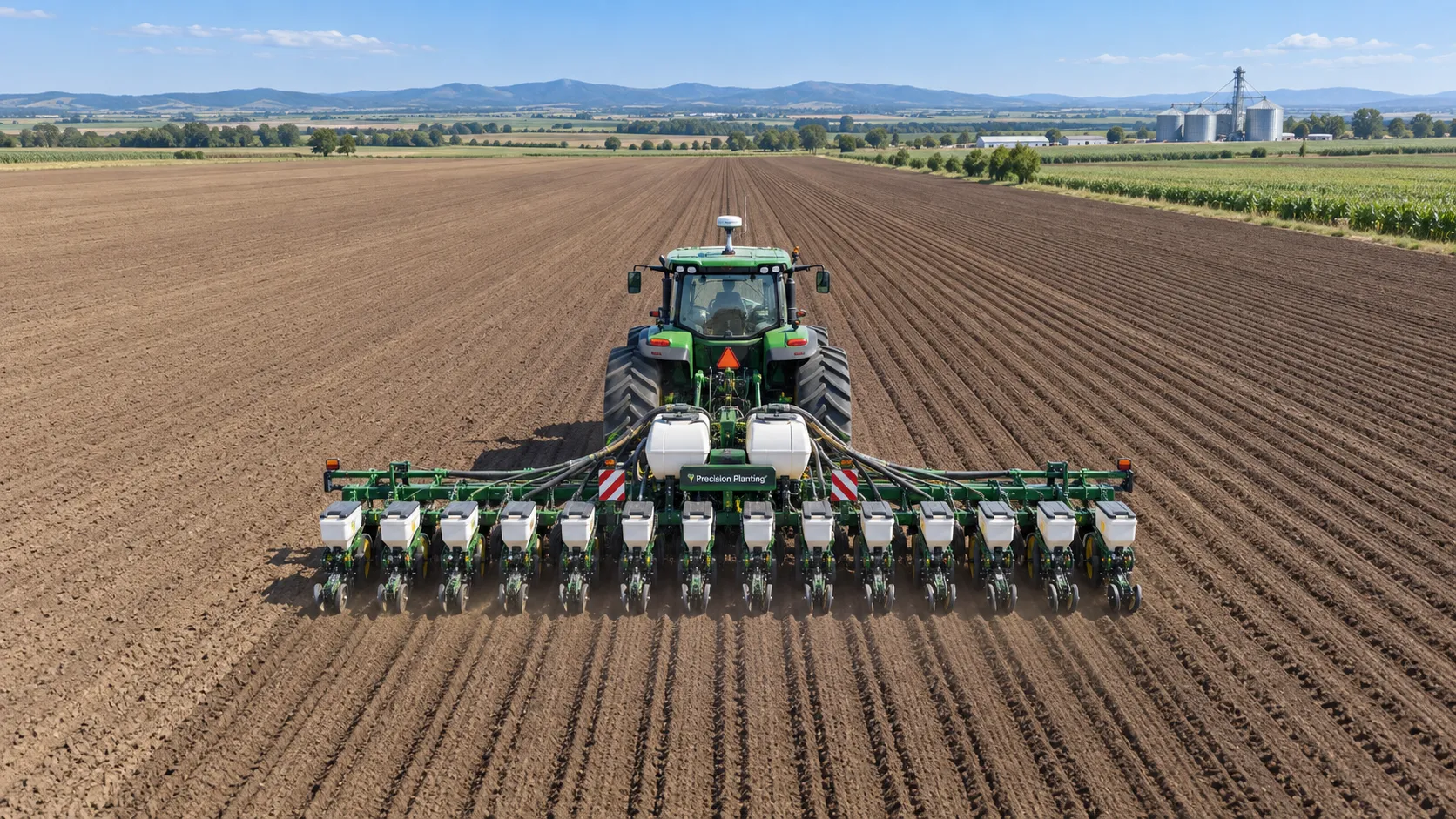
GPS-Guided Farm Machinery: Where It Delivers Measurable Field Efficiency Gains
Agri-mechanization GPS guided systems deliver measurable field efficiency gains through reduced overlap, precise planting, smarter inputs, and reliable farm data.
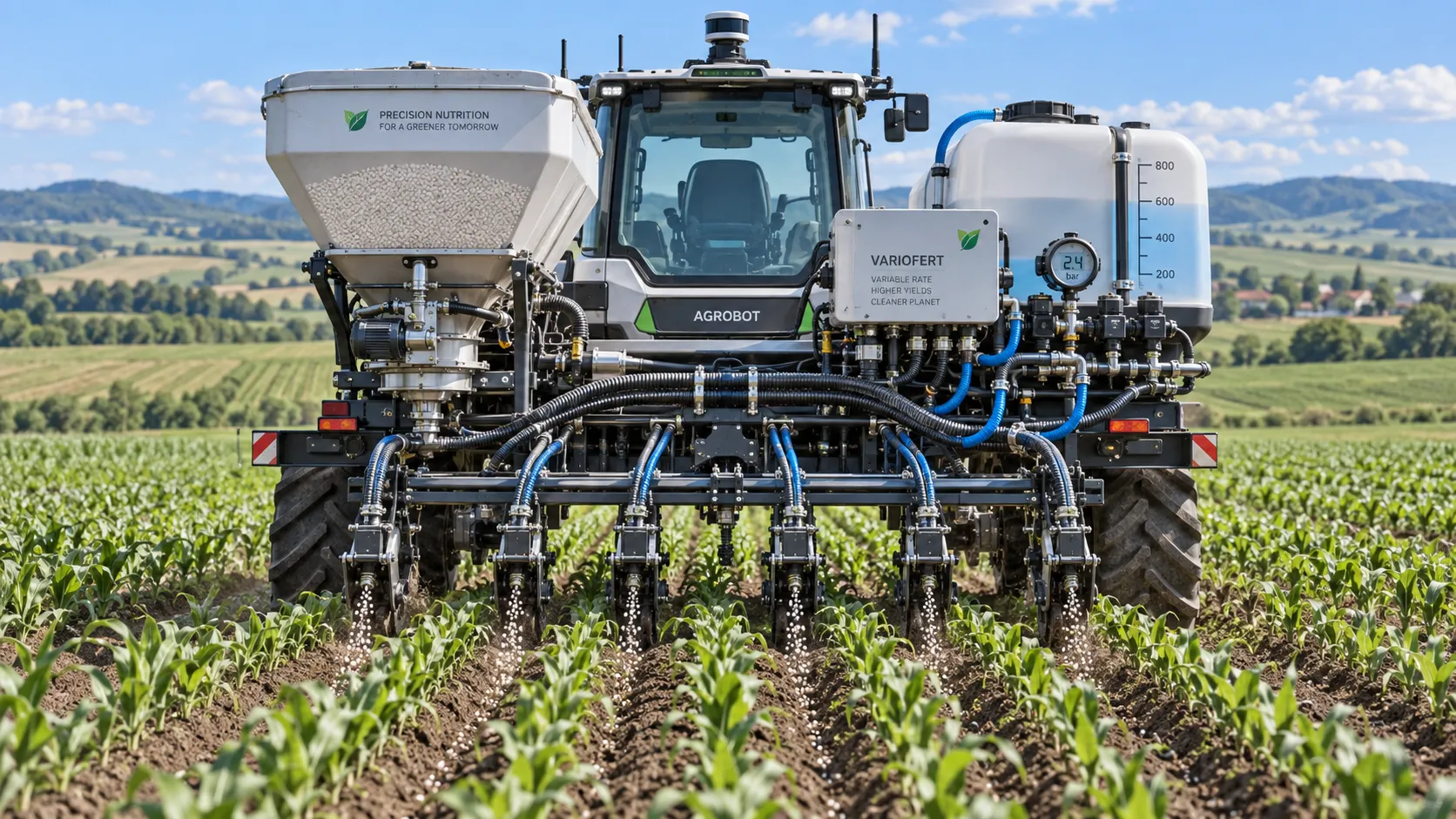
How Sensor Feedback Enables Accurate Variable-Rate Fertilization in Field Conditions
Precision fertilization systems with sensor feedback improve variable-rate accuracy by verifying flow, managing latency, and ensuring reliable field application.
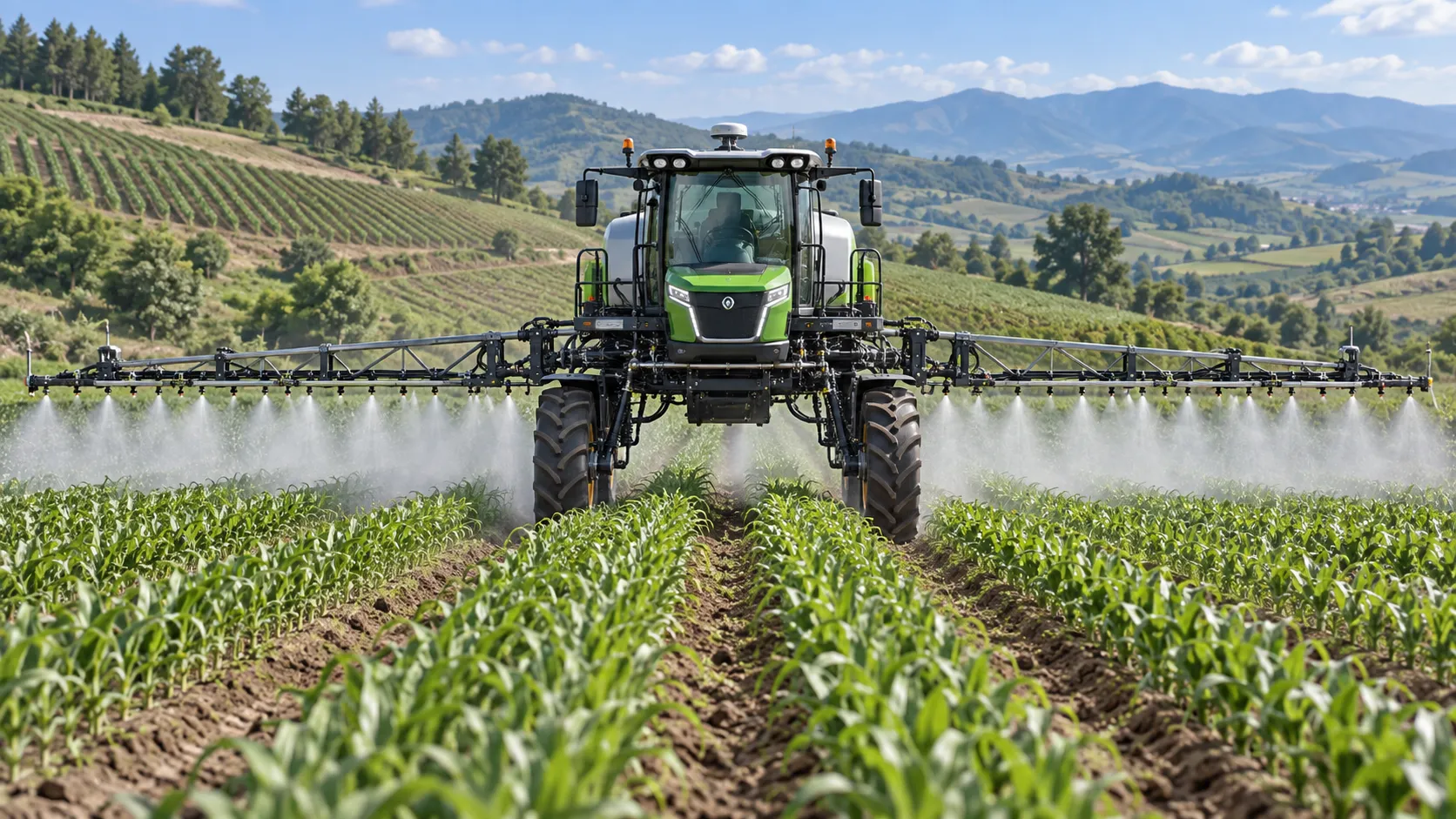
How to Select Precision Crop Protection Equipment for Variable Field Conditions
Precision crop protection equipment selection made simple: compare terrain, canopy, weather, control accuracy, and data workflows for reliable applications.
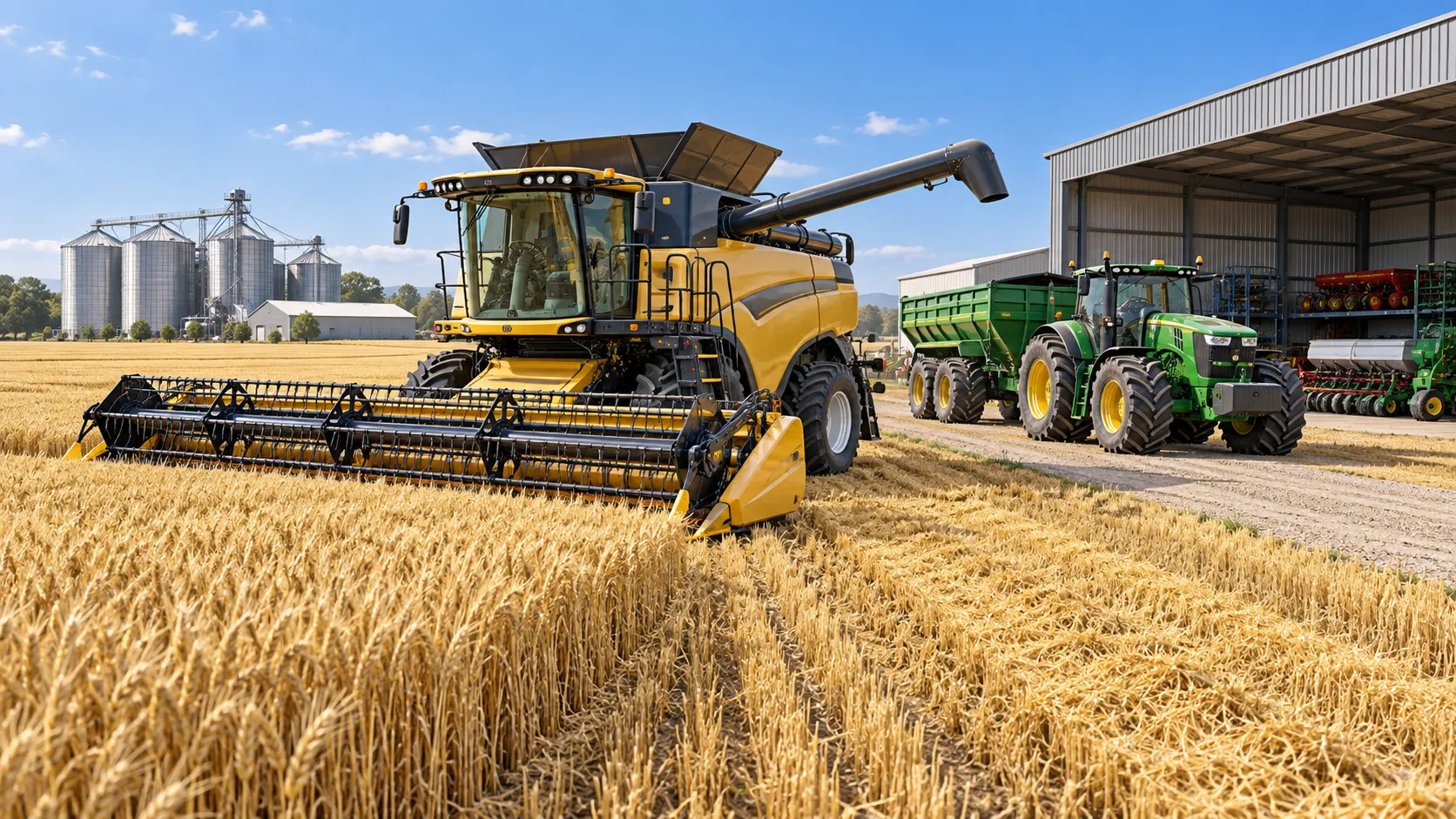
When Does Agricultural Machinery Leasing Cost Less Than Owning Equipment?
Agricultural machinery leasing can lower farm costs when use is seasonal or uncertain. Compare utilization, maintenance, cash flow, and risk to make a smarter equipment decision.
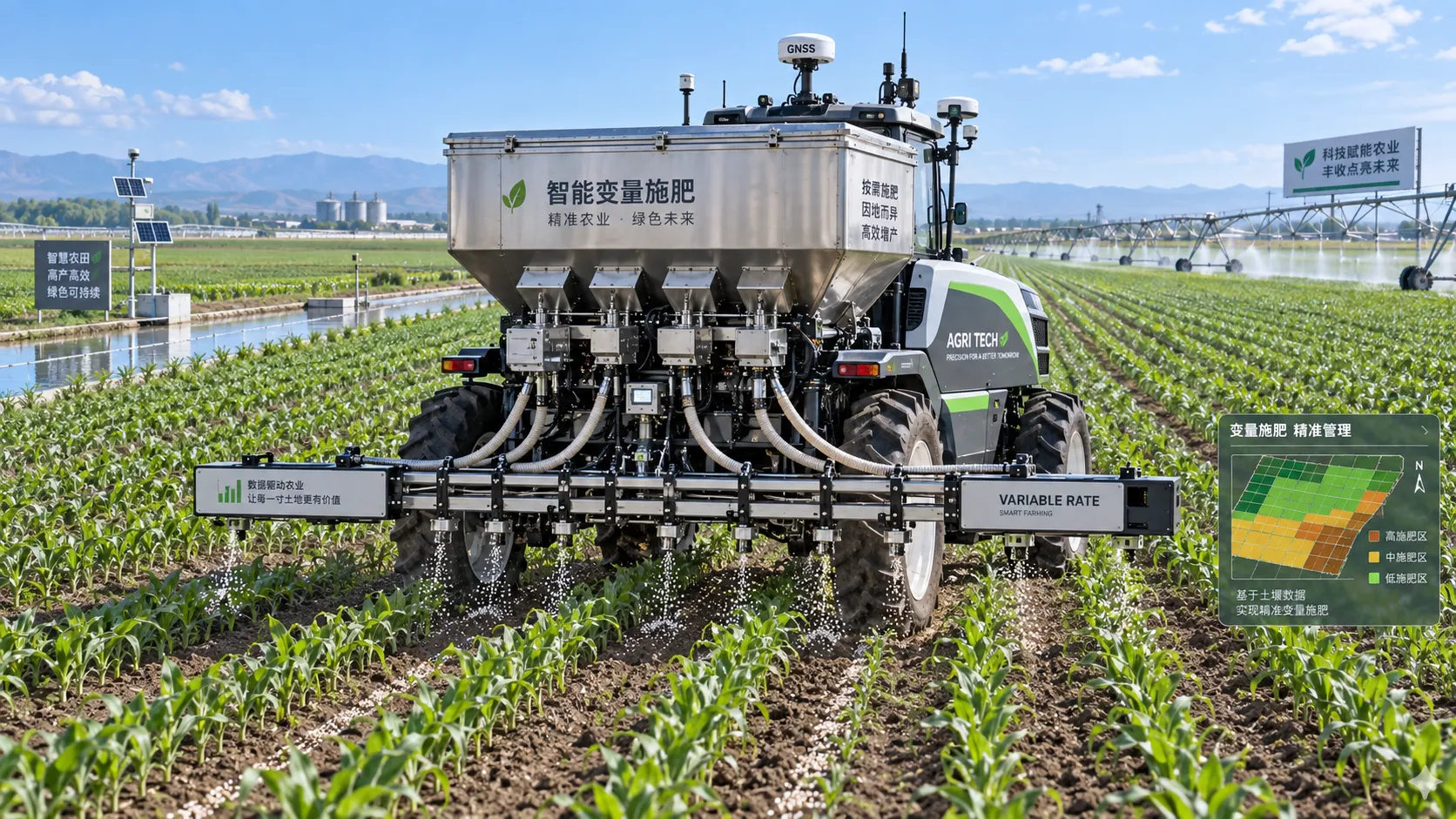
How to Evaluate Precision Fertilization System Suppliers for Farm-Scale Deployment
Precision fertilization systems suppliers: learn how to compare accuracy, integration, uptime, service, and total cost for confident farm-scale deployment.
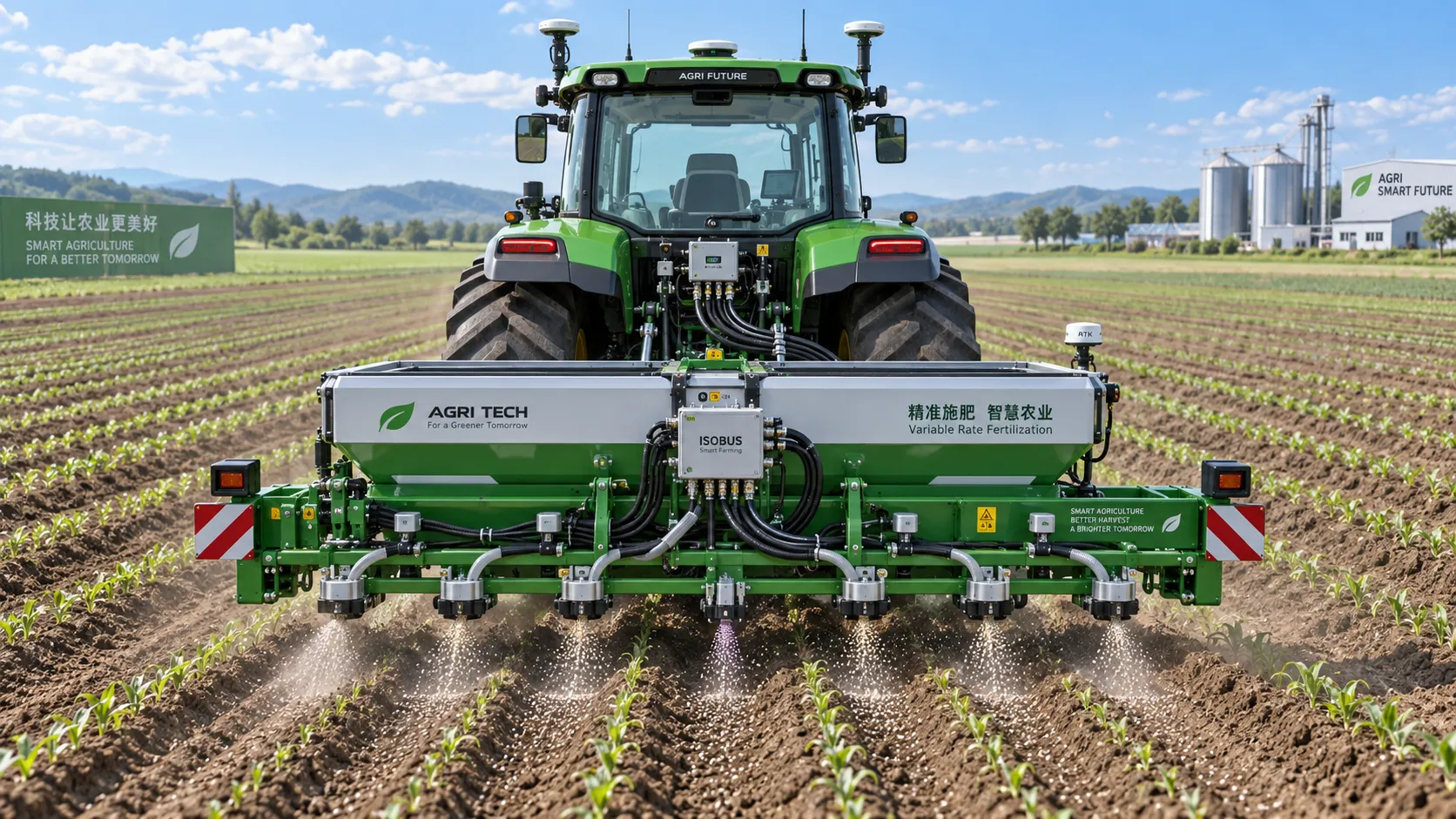
ISOBUS for Smart Agriculture: How It Connects Tractors, Implements, and Farm Data
ISOBUS for smart agriculture connects tractors, implements, terminals, and farm data—helping growers improve precision, documentation, and smarter field decisions.
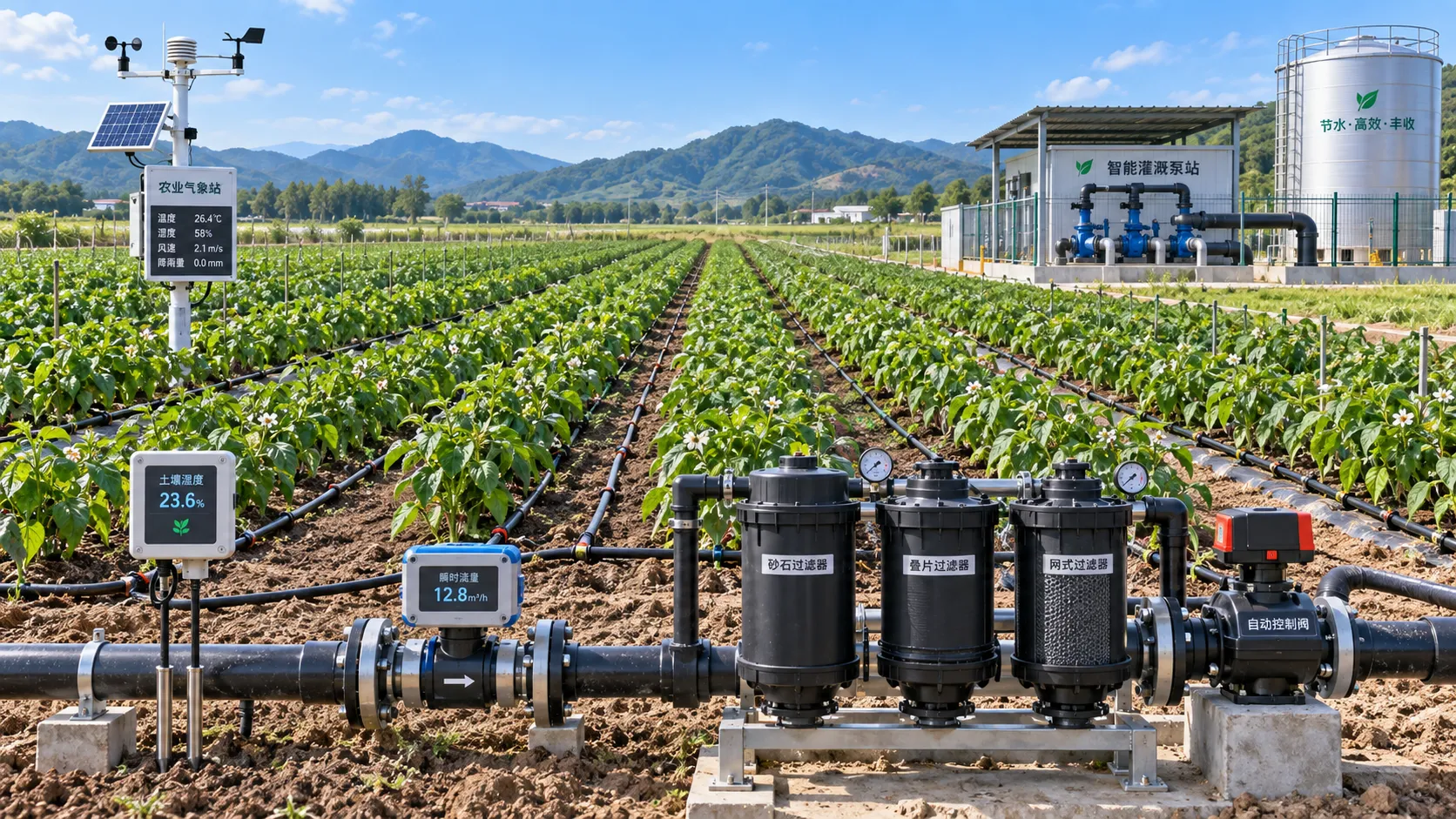
Automated Water-Saving Irrigation: How to Cut Water Use Without Reducing Crop Yields
Automated water-saving irrigation helps farms cut water use, protect crop yields, improve scheduling, and gain reliable control with sensors, flow monitoring, and smart zones.
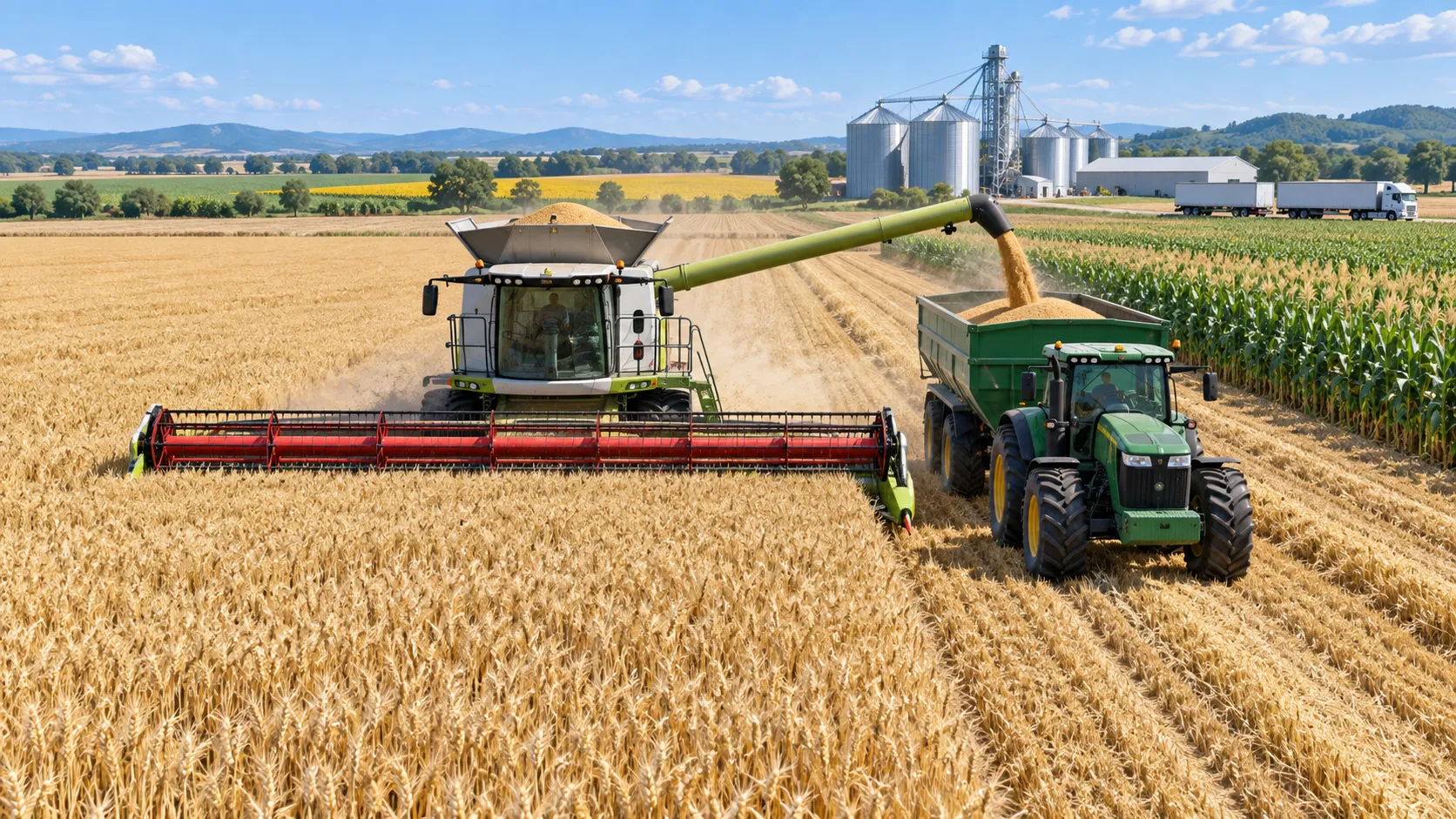
Selecting Grain Farm Equipment by Acreage, Crop Mix, and Harvest Window
Agricultural equipment selection for grain farming: match machinery to acreage, crop mix, and harvest windows to improve uptime, efficiency, and returns.
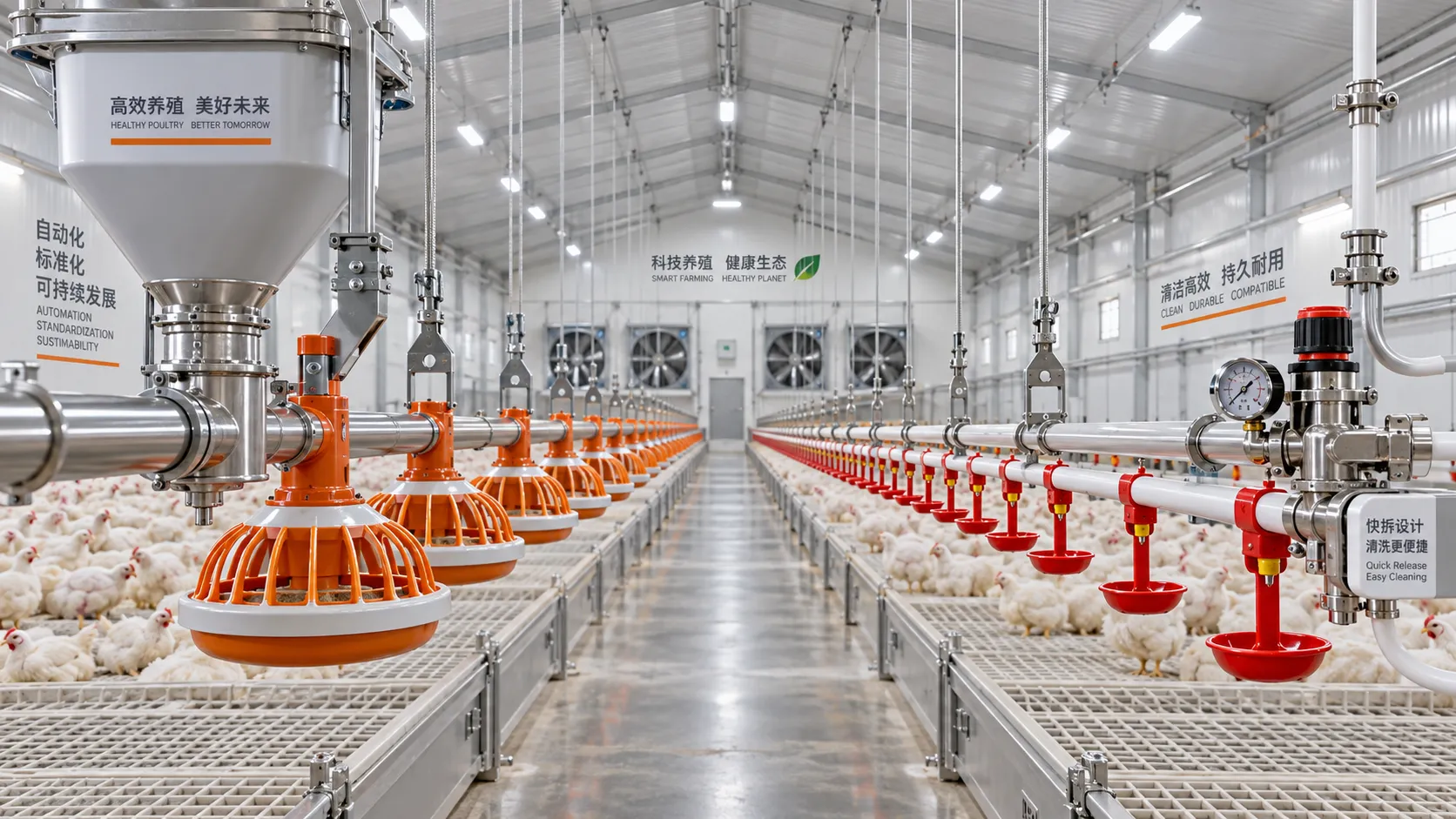
Poultry Equipment Selection: Evaluating Durability, Cleaning, and Compatibility
Poultry equipments selection guide: evaluate durability, cleaning access, and system compatibility to improve hygiene, reduce downtime, and support efficient flock management.
Related News
- 00
0000-00
GPS-Guided Farm Machinery: Where It Delivers Measurable Field Efficiency Gains - 00
0000-00
How Sensor Feedback Enables Accurate Variable-Rate Fertilization in Field Conditions - 00
0000-00
How to Select Precision Crop Protection Equipment for Variable Field Conditions - 00
0000-00
When Does Agricultural Machinery Leasing Cost Less Than Owning Equipment? - 00
0000-00
How to Evaluate Precision Fertilization System Suppliers for Farm-Scale Deployment
Popular Tags
Industry Global
Weekly Insights
Stay ahead with our curated technology reports delivered every Monday.