
How sustainable agriculture equipment cuts long term costs
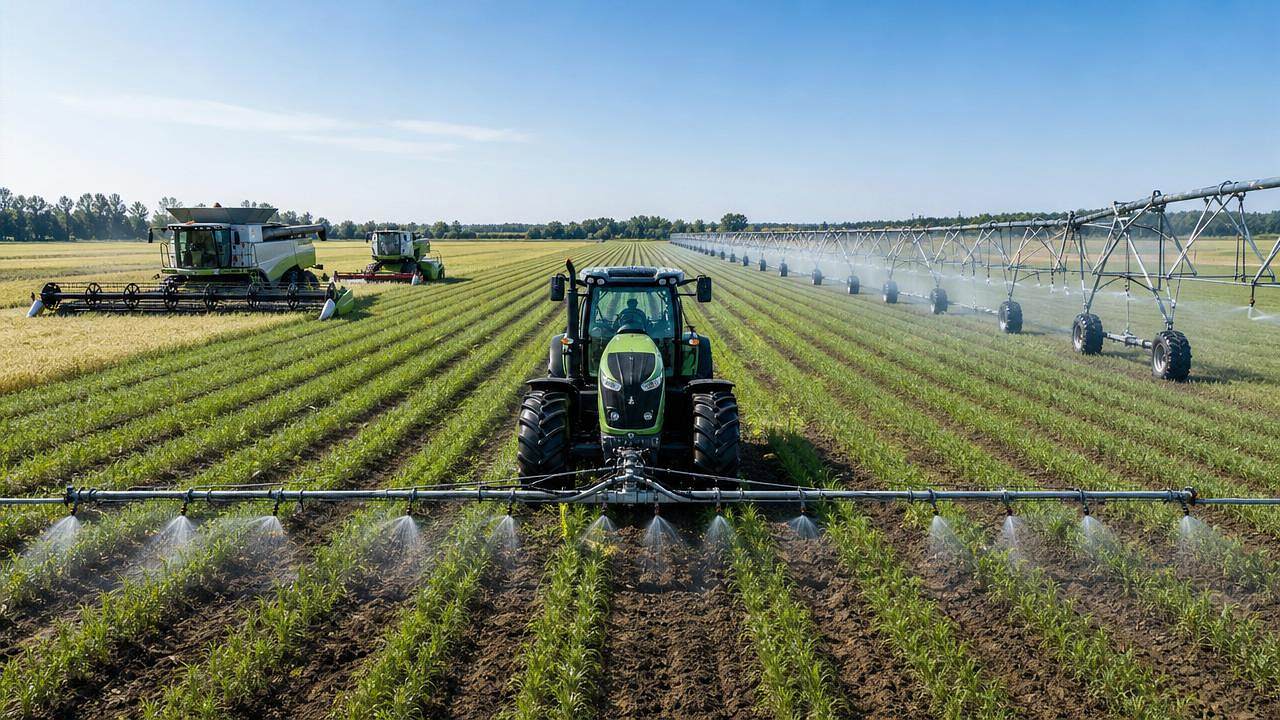




For finance approvers, sustainable agriculture equipment is no longer just an environmental upgrade—it is a long-term cost-control strategy. From fuel-efficient tractor chassis to precision irrigation and low-loss harvesting systems, the right investment can reduce operating expenses, extend asset life, and improve return visibility. This article explains how sustainable agriculture equipment turns capital spending into measurable financial resilience.
Understanding sustainable agriculture equipment in cost terms
Sustainable agriculture equipment includes machines and systems designed to reduce fuel, water, chemicals, labor hours, and field losses.
It covers efficient tractor chassis, combine harvesters, intelligent farm tools, sensor-led spraying, and water-saving irrigation networks.
The term also includes data functions.
Telematics, rate control, auto-steering, and performance monitoring help operators use equipment with fewer costly errors.
In financial analysis, sustainable agriculture equipment matters because it shifts spending from repeated waste toward controlled, measurable efficiency.
That shift improves total cost of ownership.
Instead of judging a machine only by purchase price, better evaluation tracks fuel burn, repair frequency, input savings, utilization rates, and resale value.
Core cost drivers affected by sustainable equipment
- Fuel consumption during tillage, transport, and harvesting
- Water use in irrigation-intensive operations
- Seed, fertilizer, and crop protection overapplication
- Crop loss from poor cutting, threshing, or cleaning performance
- Unexpected downtime and emergency maintenance
- Asset replacement caused by premature wear
Why the market is focusing on sustainable agriculture equipment
Agriculture is facing tighter margins, climate volatility, and stronger pressure to prove resource efficiency.
Those forces make sustainable agriculture equipment a practical response, not a branding exercise.
Across global operations, attention is moving toward machinery that protects yield while lowering variable cost per hectare.
This is where intelligence platforms such as AP-Strategy add value.
They connect mechanical performance, precision farming algorithms, and sustainability demands into clearer investment decisions.
How sustainable agriculture equipment cuts long term costs
The strongest savings usually come from five areas.
1. Lower fuel and power consumption
Modern tractor chassis and harvesting systems deliver more work per liter through better transmissions, hydraulic efficiency, and engine load management.
Auto-guidance also reduces overlap and idle movement.
That means fewer machine hours for the same field result.
2. Reduced input waste
Precision tools apply seeds, nutrients, and crop protection products where they are needed, and avoid overuse where they are not.
Even small rate corrections can create major annual savings across large acreage.
3. Lower crop loss at harvest
Combine harvesters with stronger sensing and cleaning control can cut grain loss in difficult field conditions.
Recovered yield is often overlooked in financial reviews.
Yet reduced loss directly improves revenue without expanding planted area.
4. Longer service life and fewer repairs
Sustainable agriculture equipment often uses smarter load balancing, diagnostics, and maintenance alerts.
That lowers stress on driveline, hydraulics, and wear components.
Planned maintenance is usually cheaper than seasonal failure.
5. Better use of water and energy
Intelligent irrigation systems use soil, weather, and crop data to deliver water with greater precision.
This reduces pumping time, water waste, runoff risk, and uneven crop performance.
In water-stressed regions, this can be one of the fastest payback areas.
Business value across common equipment categories
Not every asset saves money in the same way.
The table below shows how sustainable agriculture equipment creates value across major categories.
Indirect financial gains also matter
- Stronger asset residual value
- More reliable seasonal planning
- Cleaner sustainability reporting
- Lower exposure to compliance-related disruptions
- Better financing narrative for future upgrades
Typical scenarios where sustainable agriculture equipment pays back faster
Payback speed depends on field scale, crop type, resource pressure, and machine utilization.
Still, several situations consistently favor sustainable agriculture equipment.
- Large operations with repeated field passes and high annual fuel use
- Regions where irrigation is expensive or water access is unstable
- Harvest windows where downtime causes immediate quality or yield loss
- Mixed-field environments needing precise rate adjustments
- Operations replacing aging machinery with rising maintenance burden
In each case, the savings come from avoiding recurring leakage in the operating model.
That is why sustainable agriculture equipment should be assessed against baseline inefficiency, not against an idealized average.
Practical evaluation points before investment
A strong decision framework is essential.
Purchase price alone can hide the real economics of sustainable agriculture equipment.
Use a total-cost review
- Estimate annual fuel, water, and input savings
- Model reduced repair events and lower downtime
- Include avoided crop loss where harvest technology improves recovery
- Compare resale potential after planned ownership period
Check data compatibility
Savings improve when equipment data can be compared across fleets, tools, and irrigation systems.
Disconnected systems reduce visibility and weaken ROI tracking.
Match technology to operational bottlenecks
If water is the main constraint, irrigation modernization may outperform a drivetrain upgrade.
If harvest loss is high, combine optimization may return value faster.
Plan training and service support
Even the best sustainable agriculture equipment underperforms when calibration, maintenance, and software settings are neglected.
Support quality influences long-term savings more than many buyers expect.
A disciplined next step for cost-focused adoption
The most reliable path is to start with measured inefficiencies.
Track fuel per hectare, water use, field overlap, harvest loss, repair history, and seasonal downtime.
Then compare those losses against equipment options built for efficiency, precision, and durability.
Sustainable agriculture equipment delivers the strongest return when it addresses a visible operational leak.
For deeper benchmarking, AP-Strategy provides structured intelligence across large-scale machinery, combine harvesting technology, tractor chassis, intelligent farm tools, and water-saving irrigation systems.
That kind of analysis supports better capital timing, clearer ROI assumptions, and stronger long-term cost control.
In practical terms, sustainable agriculture equipment is not just about doing less harm.
It is about running agricultural assets with less waste, more predictability, and better financial endurance over time.
Related News
GPS-Guided Farm Machinery: Where It Delivers Measurable Field Efficiency Gains
Agri-mechanization GPS guided systems deliver measurable field efficiency gains through reduced overlap, precise planting, smarter inputs, and reliable farm data.
How Sensor Feedback Enables Accurate Variable-Rate Fertilization in Field Conditions
Precision fertilization systems with sensor feedback improve variable-rate accuracy by verifying flow, managing latency, and ensuring reliable field application.
How to Select Precision Crop Protection Equipment for Variable Field Conditions
Precision crop protection equipment selection made simple: compare terrain, canopy, weather, control accuracy, and data workflows for reliable applications.

When Does Agricultural Machinery Leasing Cost Less Than Owning Equipment?
Agricultural machinery leasing can lower farm costs when use is seasonal or uncertain. Compare utilization, maintenance, cash flow, and risk to make a smarter equipment decision.
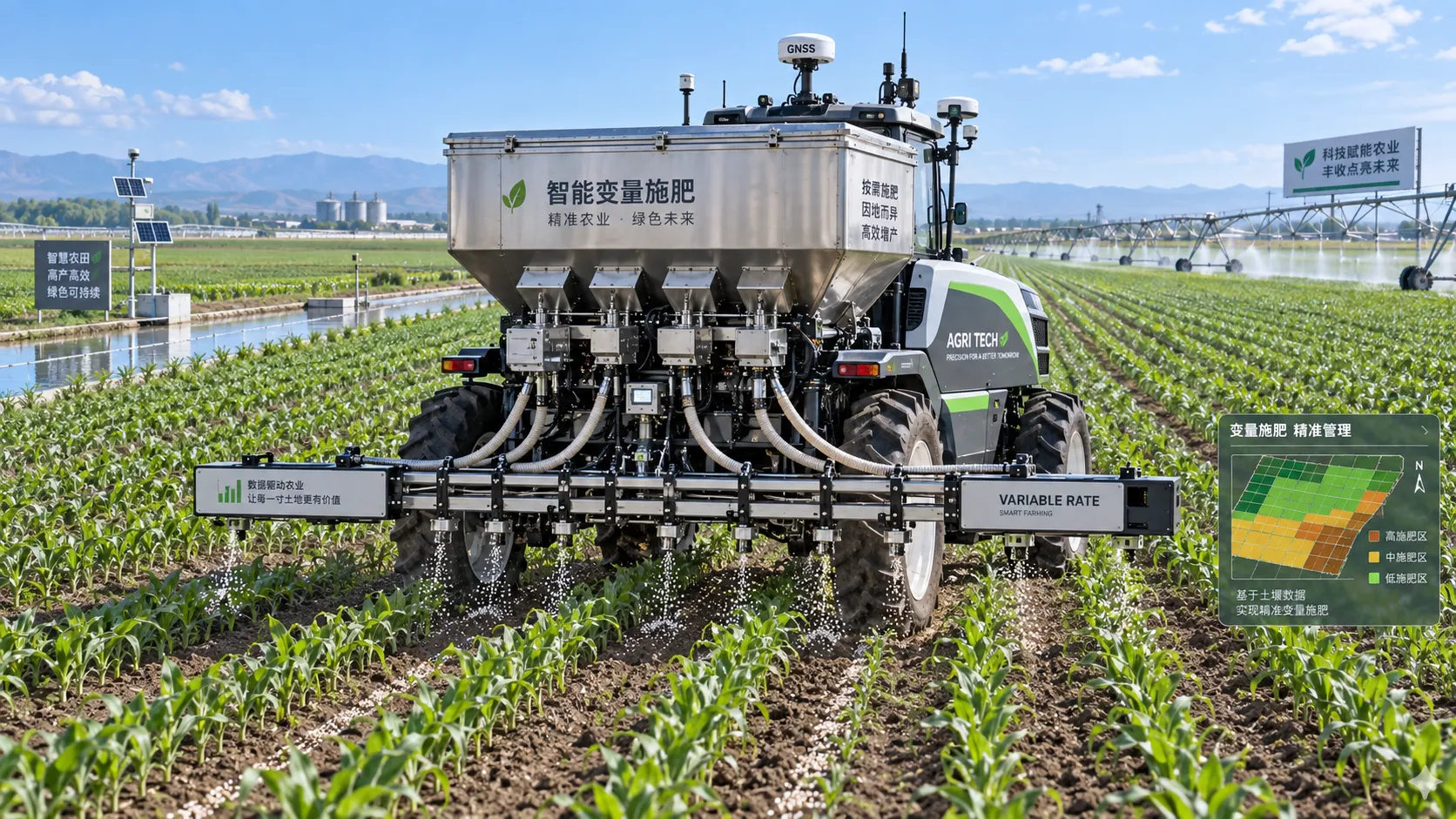
How to Evaluate Precision Fertilization System Suppliers for Farm-Scale Deployment
Precision fertilization systems suppliers: learn how to compare accuracy, integration, uptime, service, and total cost for confident farm-scale deployment.
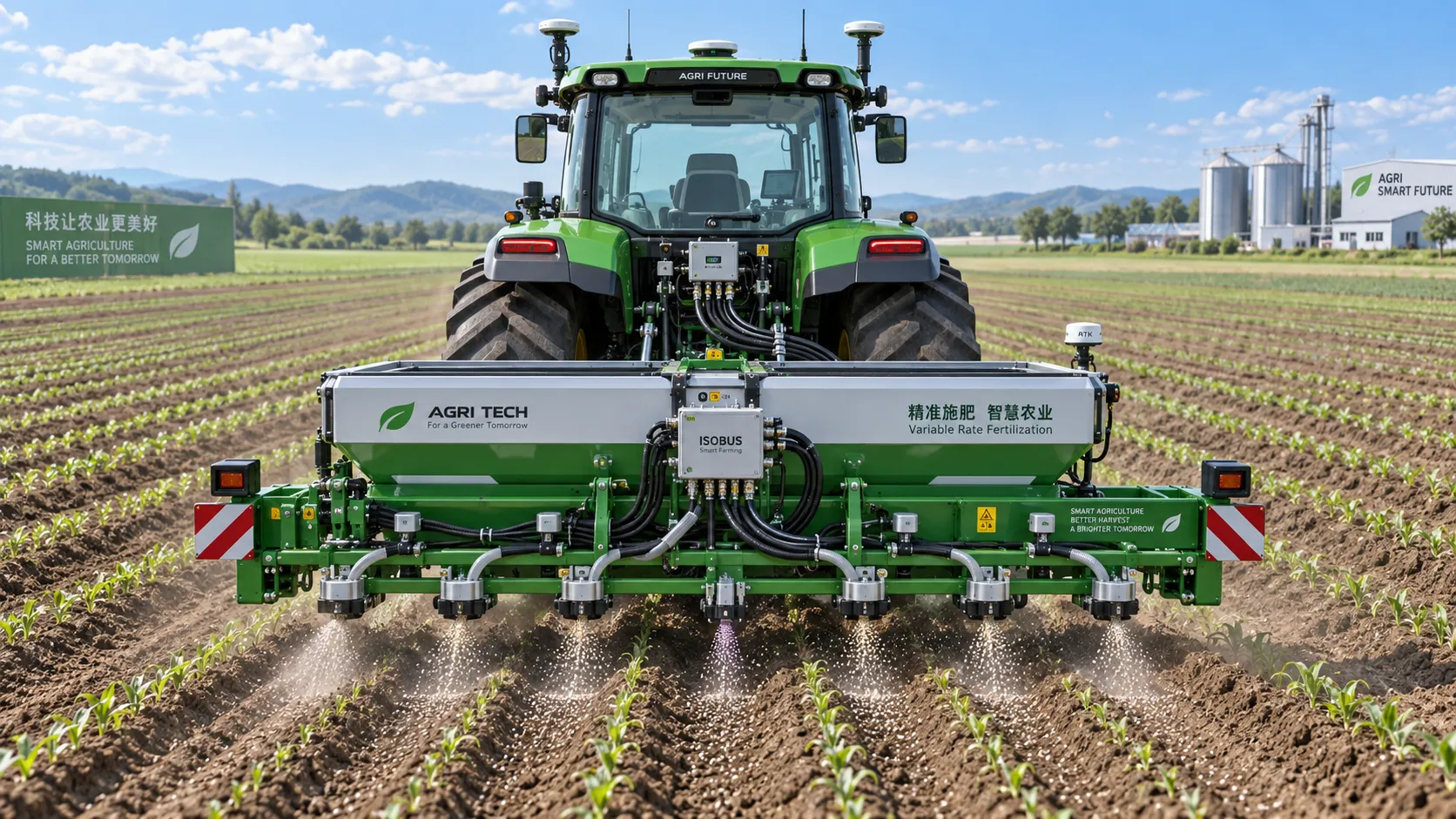
ISOBUS for Smart Agriculture: How It Connects Tractors, Implements, and Farm Data
ISOBUS for smart agriculture connects tractors, implements, terminals, and farm data—helping growers improve precision, documentation, and smarter field decisions.
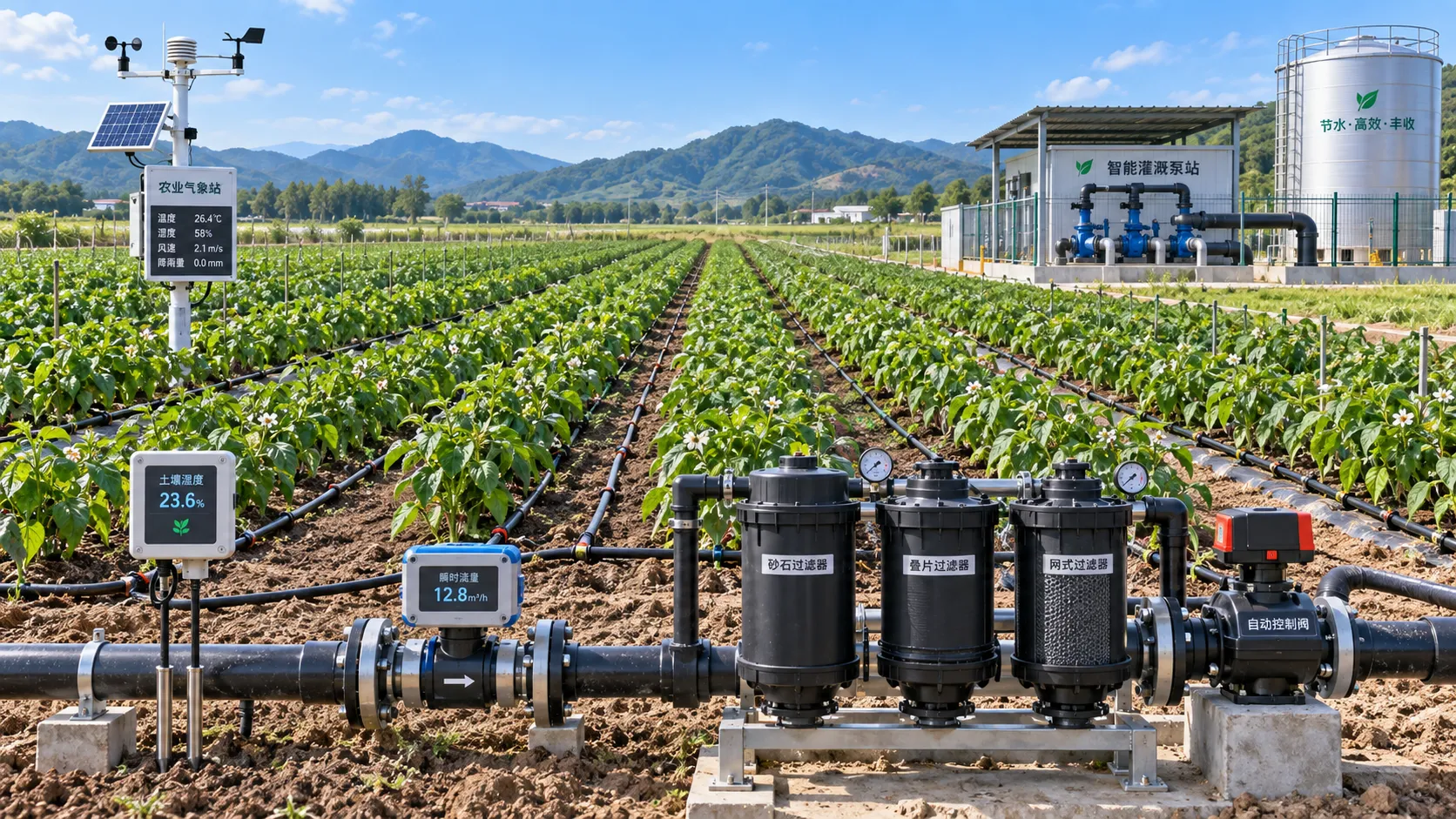
Automated Water-Saving Irrigation: How to Cut Water Use Without Reducing Crop Yields
Automated water-saving irrigation helps farms cut water use, protect crop yields, improve scheduling, and gain reliable control with sensors, flow monitoring, and smart zones.
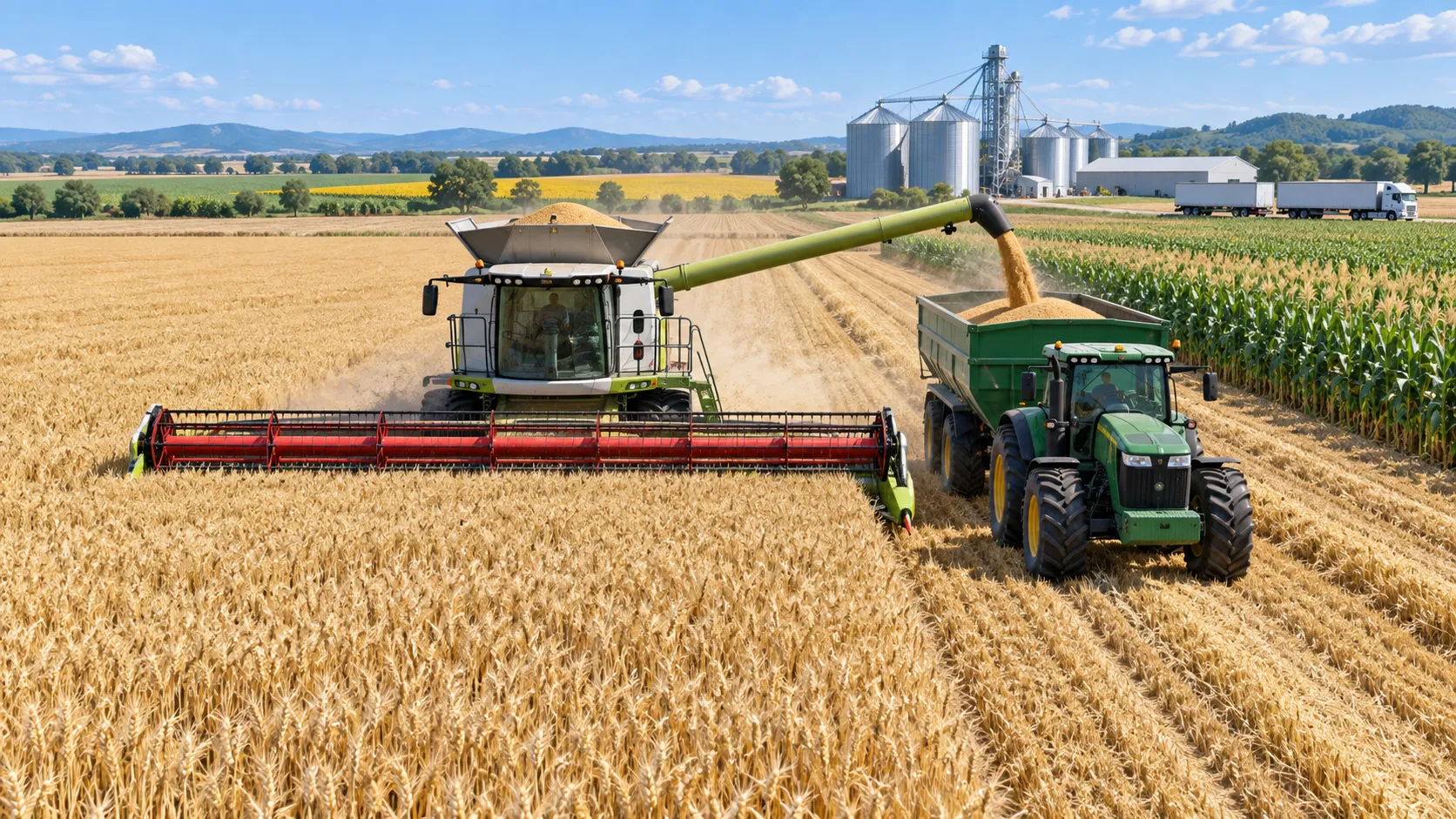
Selecting Grain Farm Equipment by Acreage, Crop Mix, and Harvest Window
Agricultural equipment selection for grain farming: match machinery to acreage, crop mix, and harvest windows to improve uptime, efficiency, and returns.
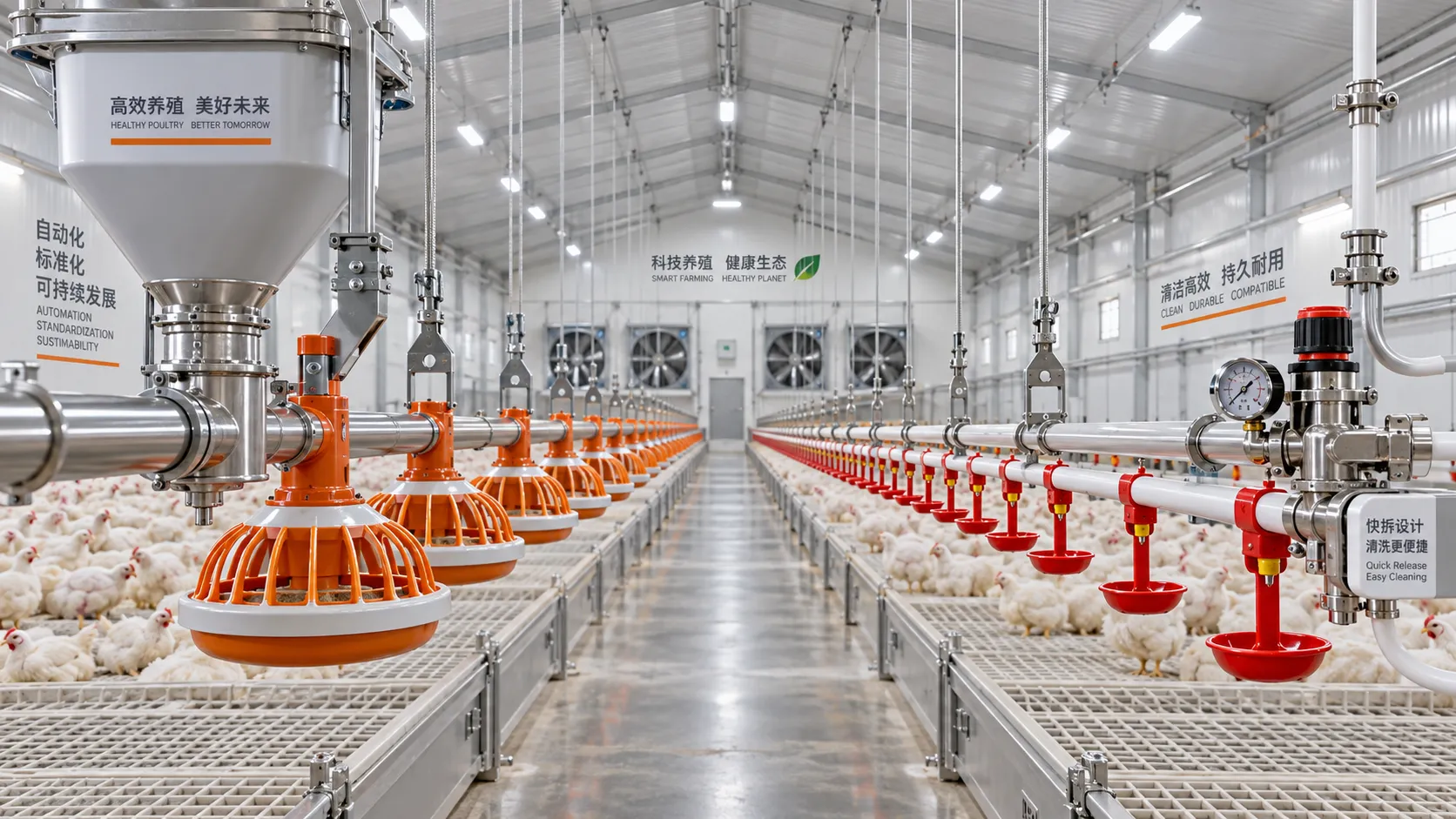
Poultry Equipment Selection: Evaluating Durability, Cleaning, and Compatibility
Poultry equipments selection guide: evaluate durability, cleaning access, and system compatibility to improve hygiene, reduce downtime, and support efficient flock management.
Related News
- 00
0000-00
When Does Agricultural Machinery Leasing Cost Less Than Owning Equipment? - 00
0000-00
Selecting Grain Farm Equipment by Acreage, Crop Mix, and Harvest Window - 00
0000-00
Poultry Equipment Selection: Evaluating Durability, Cleaning, and Compatibility - 00
0000-00
How to Select Heavy-Duty Farm Implements for High-Acreage, High-Horsepower Operations - 00
0000-00
Smart Farming Technology for Dairy Farms: Where Automation Delivers Measurable ROI
Popular Tags
Ms. Elena Rodriguez
Weekly Insights
Stay ahead with our curated technology reports delivered every Monday.