
Indonesia BPOM Fast-Tracks Approval of Chinese Smart Irrigation Water Quality Monitors
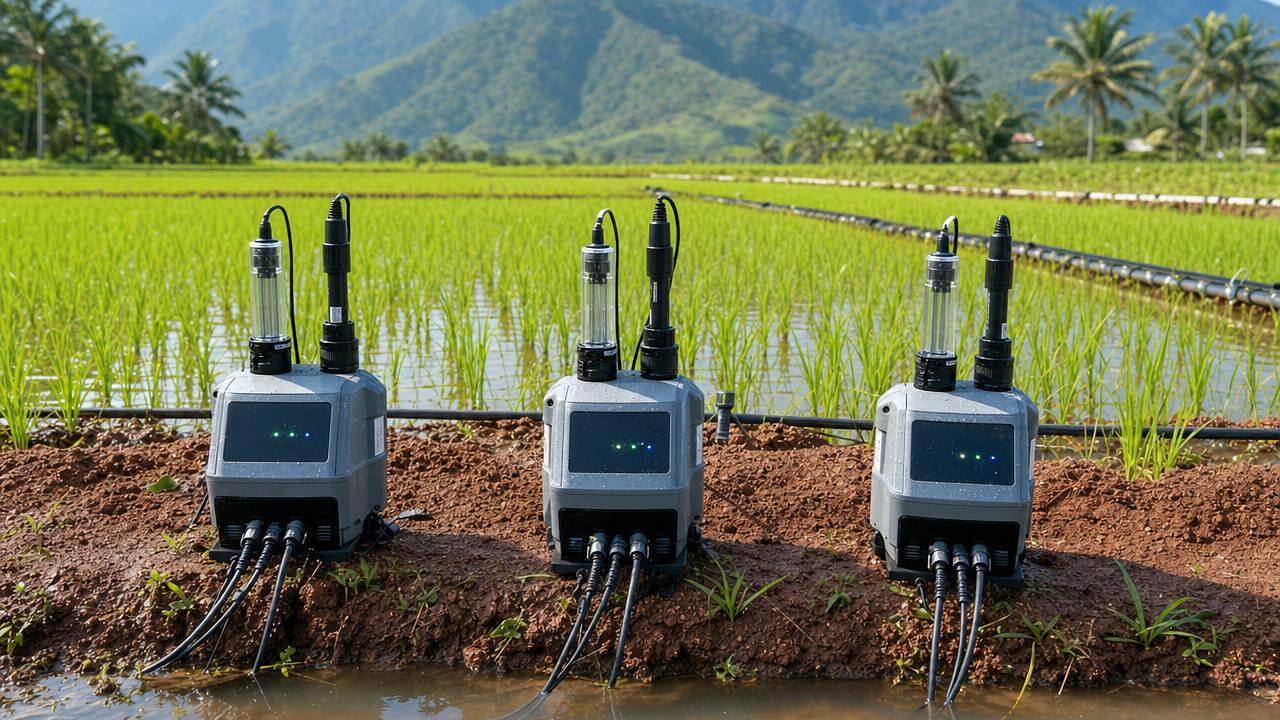




On May 16, 2026, Indonesia’s National Agency of Drug and Food Control (BPOM) granted expedited regulatory approval to smart irrigation water quality monitoring devices from three Chinese manufacturers — the first implementation of the China–Indonesia Green Product Certification Mutual Recognition Memorandum of Understanding (signed in 2025). This development signals a shift in regulatory alignment for environmental technology exports and is particularly relevant for agricultural IoT equipment manufacturers, green certification service providers, and exporters targeting ASEAN markets.
Event Overview
On May 16, 2026, BPOM announced that three Chinese enterprises’ smart irrigation water quality monitoring instruments had entered its fast-track review pathway. The average evaluation cycle was reduced to nine working days. Approval is conditional upon compliance with China’s national standard GB/T 32100–2025 on ecological design requirements.
Impact on Specific Industry Segments
Direct Exporters of Agricultural IoT Equipment
These companies face newly streamlined market access into Indonesia but must now ensure their products are certified to GB/T 32100–2025 prior to submission. The impact lies not only in faster time-to-market but also in tighter alignment between domestic eco-design compliance and overseas regulatory expectations.
Manufacturers of Embedded Sensors and Monitoring Hardware
Suppliers providing core components (e.g., pH/EC/turbidity sensors, data loggers) for irrigation monitors may see increased demand — yet only if their downstream integrators maintain full traceability and documentation supporting GB/T 32100–2025 conformity. Component-level certifications alone do not suffice under the current framework.
Certification and Conformity Assessment Service Providers
Firms offering green product certification, especially those accredited for GB/T 32100–2025, may experience rising client inquiries related to BPOM submissions. However, no new BPOM-accredited bodies have been publicly designated; current approvals rely on mutual recognition of existing Chinese certification outcomes.
Distributors and Local Regulatory Representatives in Indonesia
Local partners handling BPOM registration must now verify whether submitted devices reference GB/T 32100–2025 explicitly in technical dossiers. Absence of this reference — even if functional performance meets local specs — may disqualify applications from the fast-track process.
What Relevant Enterprises or Practitioners Should Focus On and How to Respond
Monitor official updates on BPOM’s implementation guidelines
The MoU enables mutual recognition, but BPOM has not yet published formal procedural documents outlining eligibility criteria, dossier templates, or scope limitations for future fast-track cases. Enterprises should track BPOM’s official announcements and consult Indonesia’s Ministry of Trade for any supplementary circulars.
Verify GB/T 32100–2025 compliance readiness across product lines
Only devices already assessed against GB/T 32100–2025 qualify for the current fast-track mechanism. Companies intending to leverage this pathway should confirm internal testing records, technical files, and third-party certification reports align with all mandatory clauses — particularly energy efficiency, material recyclability, and hazardous substance restrictions defined in the standard.
Distinguish between policy signal and operational scalability
This is the first batch under the MoU; it does not imply automatic fast-tracking for all green-certified Chinese agri-tech products. Analysis shows BPOM’s current approach remains case-specific and limited to pre-vetted product categories. Broader applicability will depend on joint technical reviews scheduled for late 2026.
Prepare documentation packages aligned with both Chinese and Indonesian requirements
While GB/T 32100–2025 serves as the technical anchor, BPOM still requires localized labeling, Bahasa Indonesia user manuals, and local representative authorization letters. Cross-border teams should coordinate early to avoid delays at the final submission stage — even with accelerated review timelines.
Editorial Perspective / Industry Observation
Observably, this event functions primarily as a regulatory pilot rather than an established channel. It confirms institutional willingness to reduce duplication in green product assessments between China and Indonesia, but it does not yet reflect harmonized standards or automated equivalence. From an industry perspective, it is better understood as an early indicator of de facto regulatory interoperability emerging through bilateral agreements — not a fully operationalized system. Continued attention is warranted because follow-up actions (e.g., expansion to additional product categories, inclusion of other ASEAN regulators) could reshape certification strategies across Southeast Asia.
Concluding, this approval marks the first tangible outcome of the China–Indonesia green certification MoU, demonstrating how bilateral recognition frameworks can compress regulatory timelines for environmentally aligned hardware. However, its immediate effect remains narrow in scope and contingent on strict adherence to a single Chinese standard. For now, it is more accurately interpreted as a procedural precedent than a scalable market access solution.
Source: Official announcement by Indonesia’s National Agency of Drug and Food Control (BPOM), dated May 16, 2026.
Note: Expansion beyond the initial three approved products, inclusion of additional standards, or extension to other ASEAN regulators remains unconfirmed and is subject to ongoing observation.
Related News
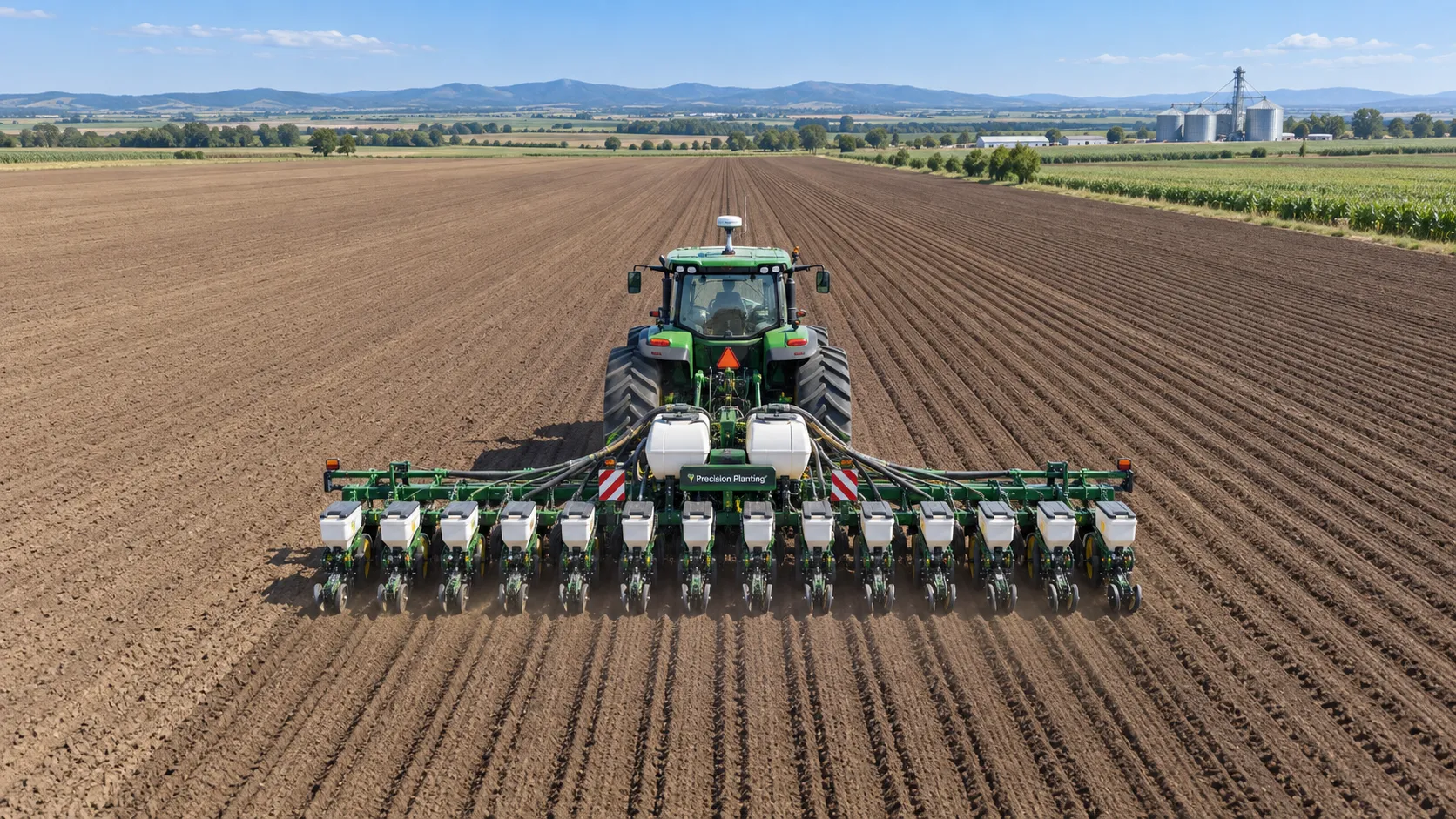
GPS-Guided Farm Machinery: Where It Delivers Measurable Field Efficiency Gains
Agri-mechanization GPS guided systems deliver measurable field efficiency gains through reduced overlap, precise planting, smarter inputs, and reliable farm data.
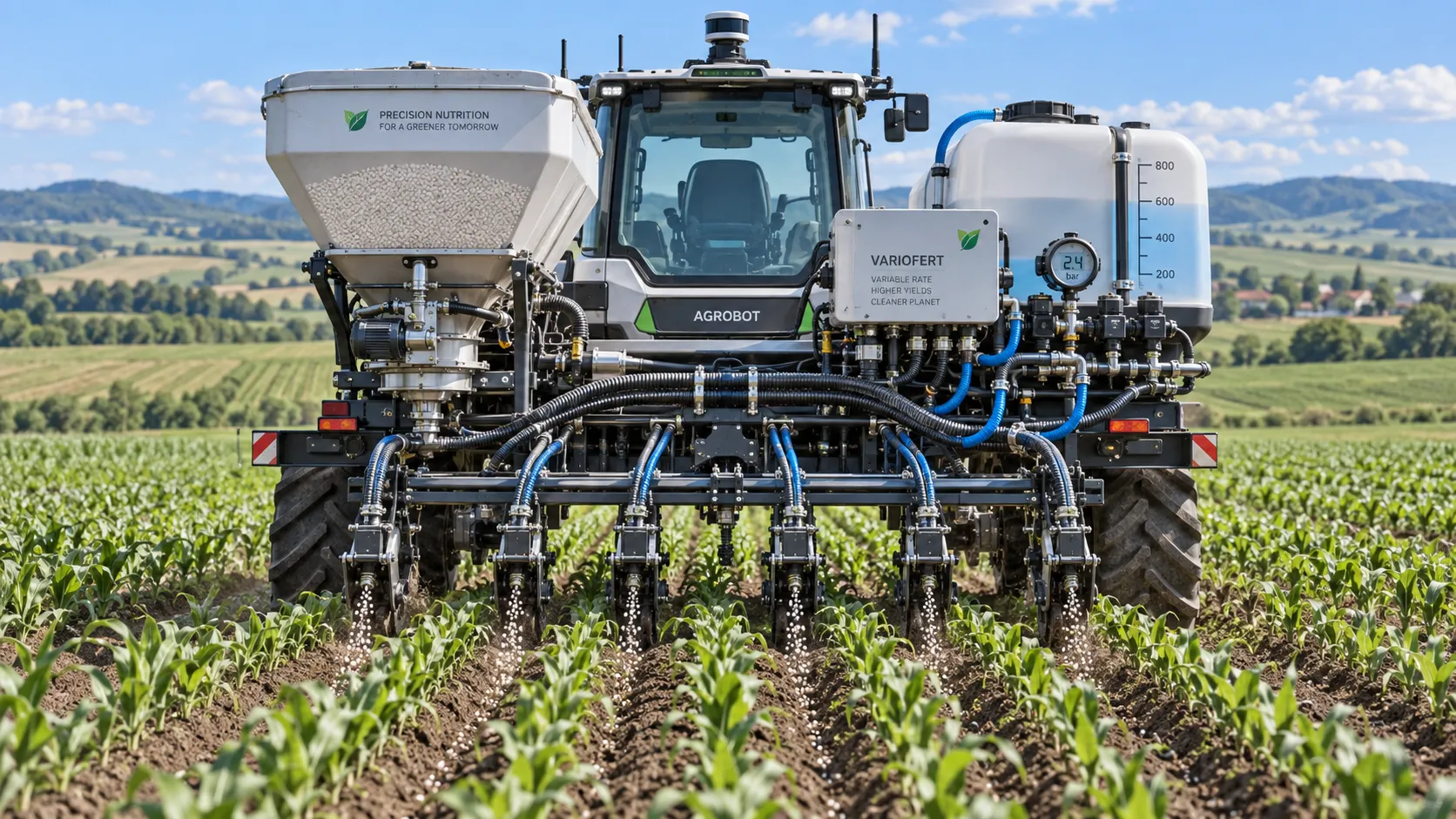
How Sensor Feedback Enables Accurate Variable-Rate Fertilization in Field Conditions
Precision fertilization systems with sensor feedback improve variable-rate accuracy by verifying flow, managing latency, and ensuring reliable field application.
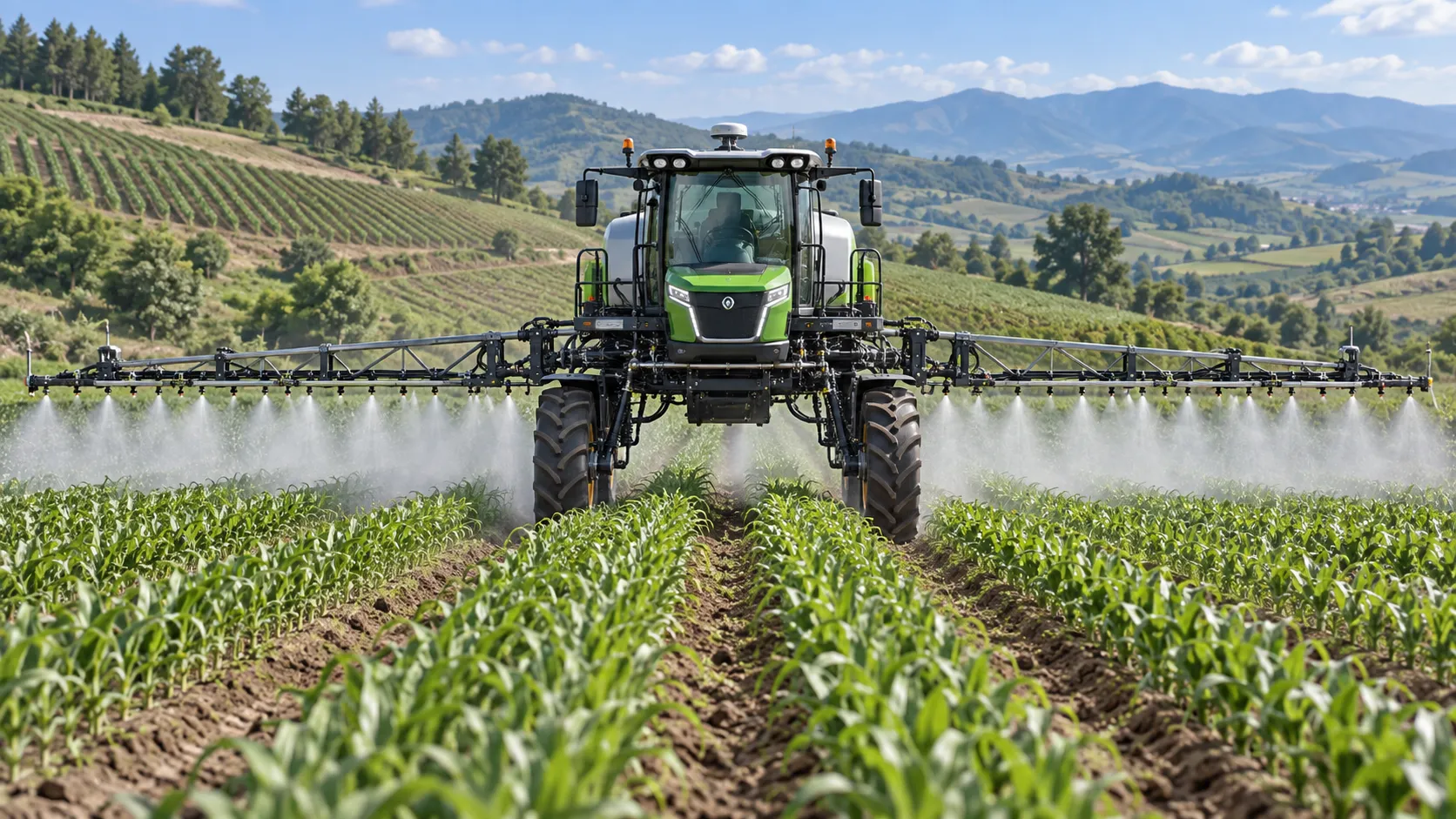
How to Select Precision Crop Protection Equipment for Variable Field Conditions
Precision crop protection equipment selection made simple: compare terrain, canopy, weather, control accuracy, and data workflows for reliable applications.

When Does Agricultural Machinery Leasing Cost Less Than Owning Equipment?
Agricultural machinery leasing can lower farm costs when use is seasonal or uncertain. Compare utilization, maintenance, cash flow, and risk to make a smarter equipment decision.
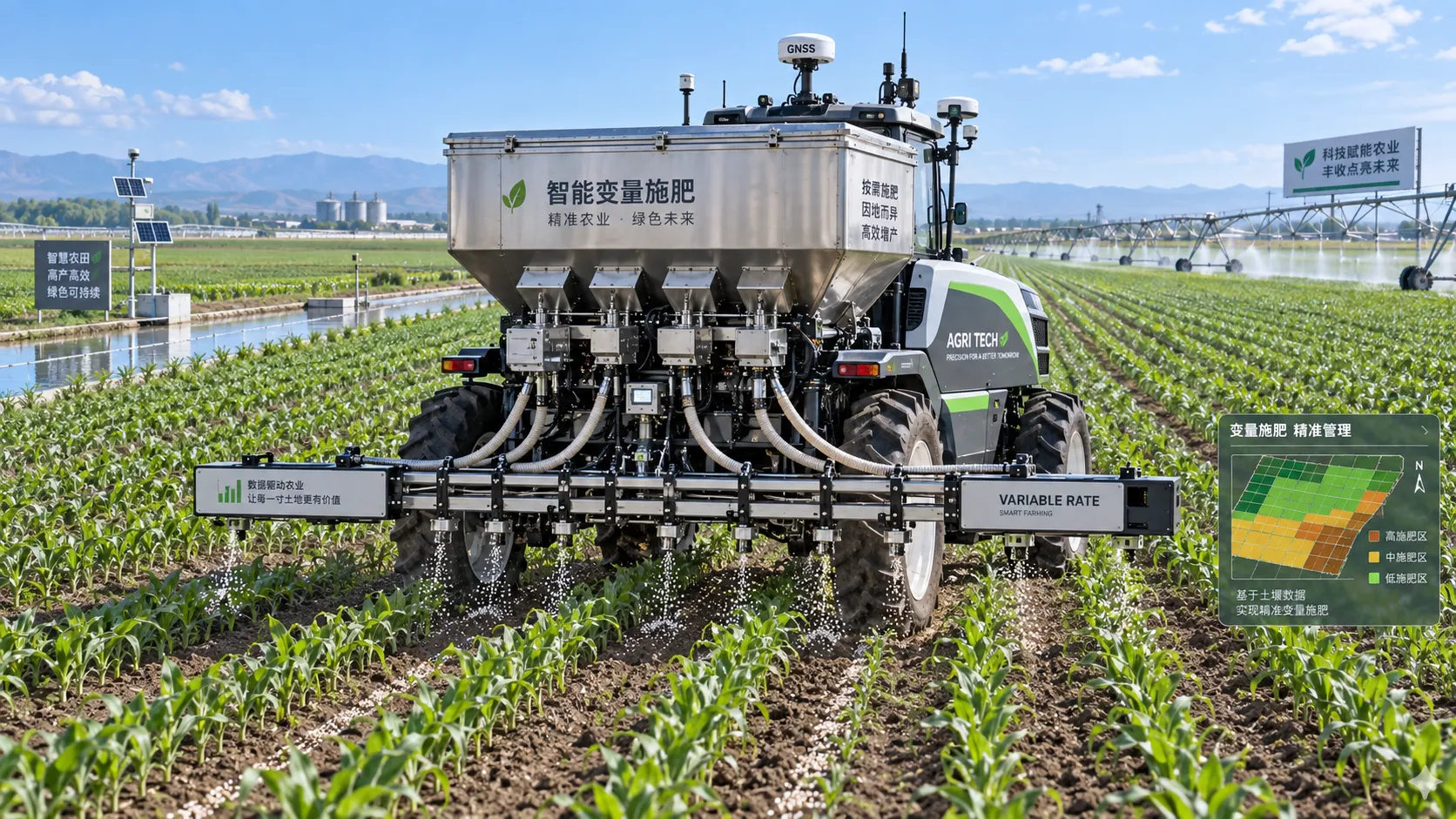
How to Evaluate Precision Fertilization System Suppliers for Farm-Scale Deployment
Precision fertilization systems suppliers: learn how to compare accuracy, integration, uptime, service, and total cost for confident farm-scale deployment.
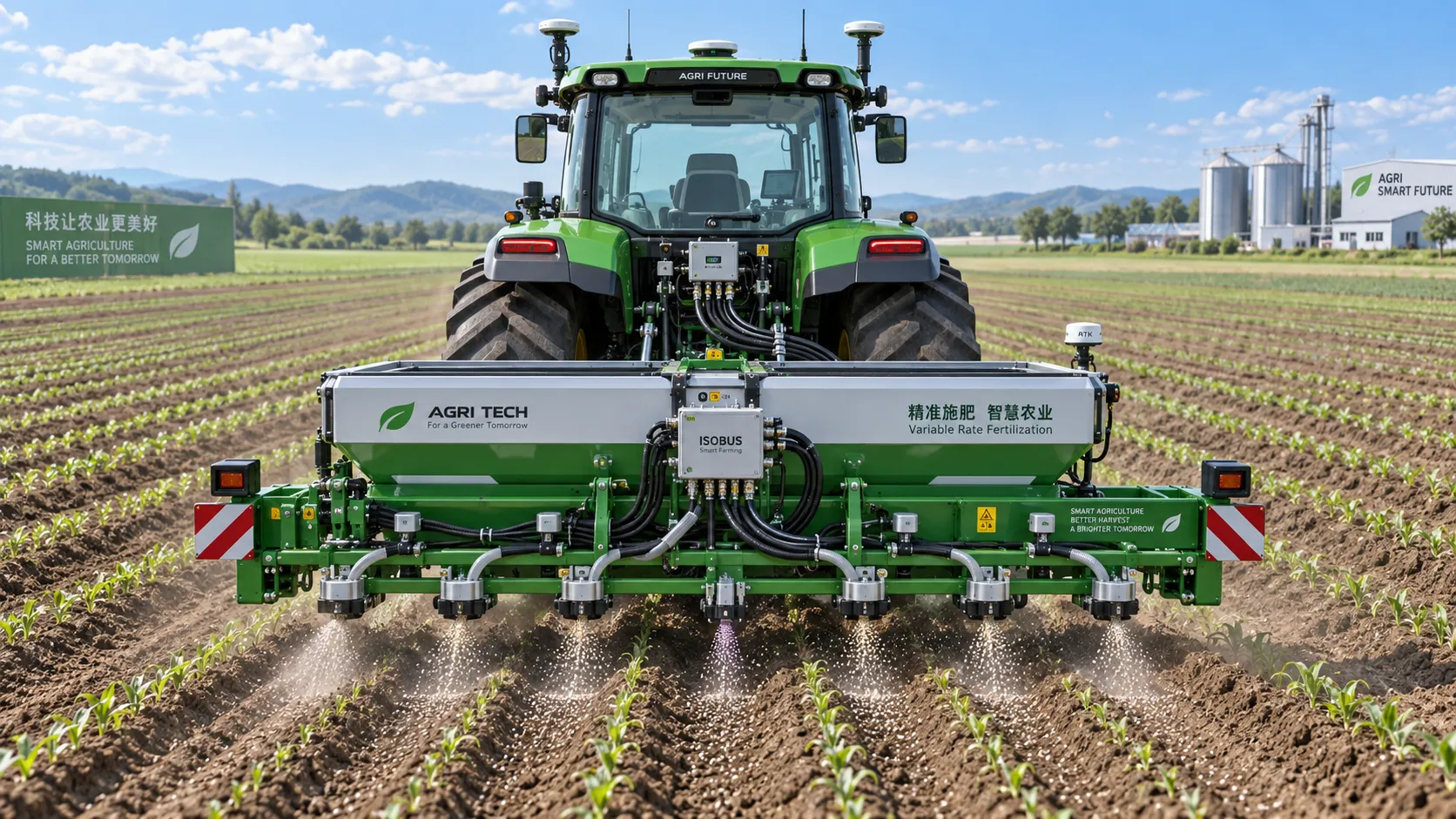
ISOBUS for Smart Agriculture: How It Connects Tractors, Implements, and Farm Data
ISOBUS for smart agriculture connects tractors, implements, terminals, and farm data—helping growers improve precision, documentation, and smarter field decisions.
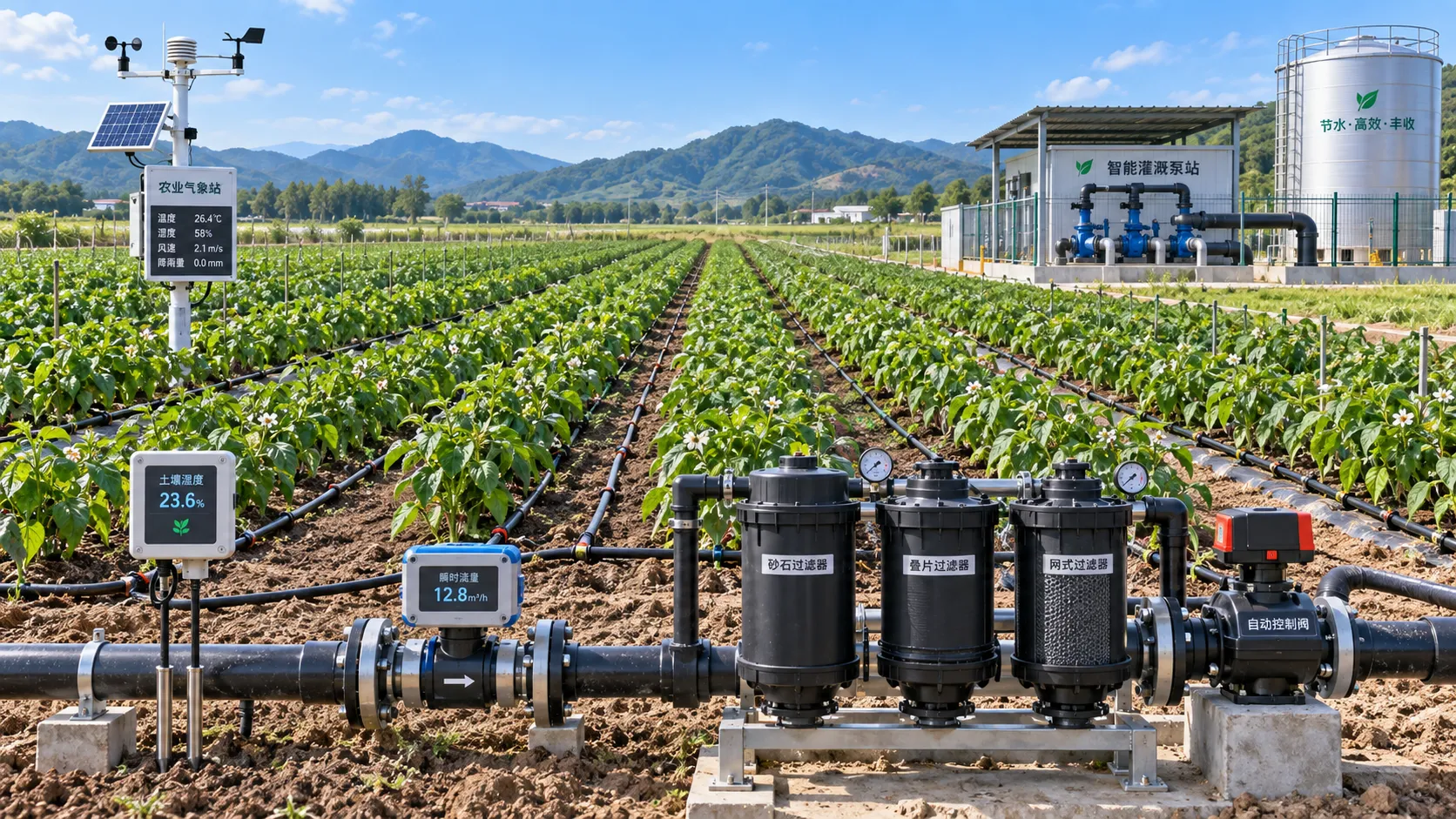
Automated Water-Saving Irrigation: How to Cut Water Use Without Reducing Crop Yields
Automated water-saving irrigation helps farms cut water use, protect crop yields, improve scheduling, and gain reliable control with sensors, flow monitoring, and smart zones.

Selecting Grain Farm Equipment by Acreage, Crop Mix, and Harvest Window
Agricultural equipment selection for grain farming: match machinery to acreage, crop mix, and harvest windows to improve uptime, efficiency, and returns.
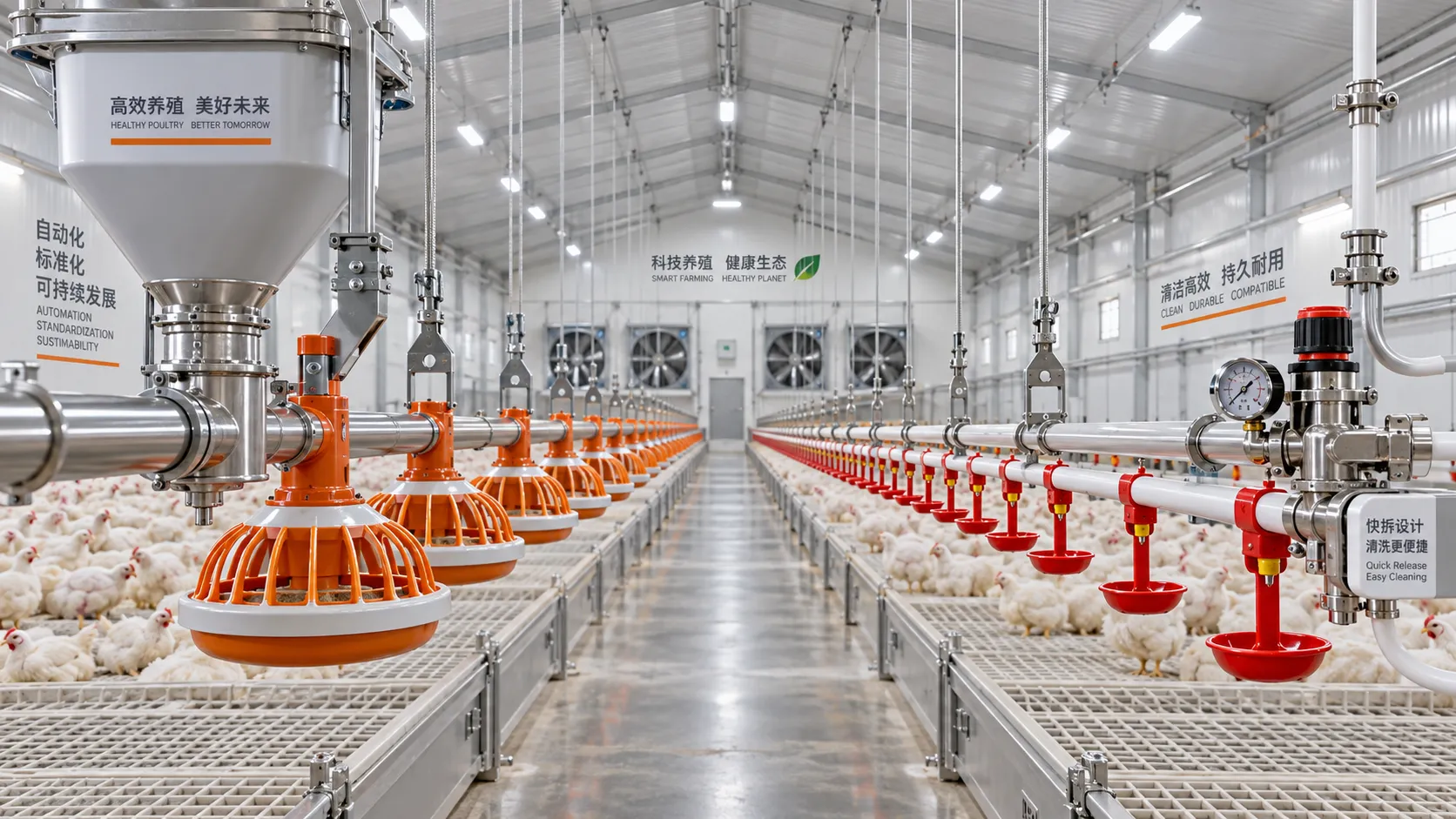
Poultry Equipment Selection: Evaluating Durability, Cleaning, and Compatibility
Poultry equipments selection guide: evaluate durability, cleaning access, and system compatibility to improve hygiene, reduce downtime, and support efficient flock management.
Related News
- 00
0000-00
Automated Water-Saving Irrigation: How to Cut Water Use Without Reducing Crop Yields - 00
0000-00
How to Evaluate Drip Irrigation System Manufacturers for Large Farm Projects - 00
0000-00
Wireless Agricultural Automation for Remote Irrigation and Field Monitoring - 00
0000-00
Designing Water-Saving Drip Irrigation Systems for High-Value Orchards - 00
0000-00
How to Choose Irrigation Solutions for Arid Regions Based on Water Source and Crop Needs
Popular Tags
Hydrological Resource Strategist
Weekly Insights
Stay ahead with our curated technology reports delivered every Monday.