
How precision agriculture technology builds climate resilience
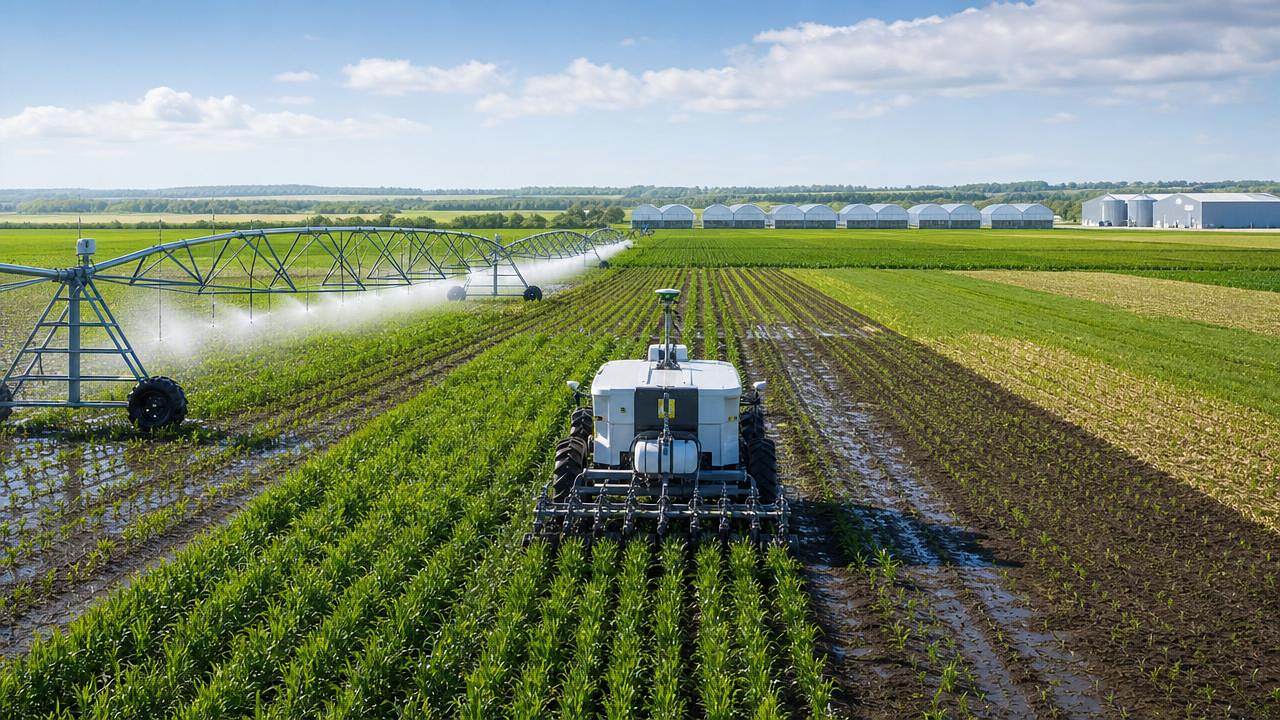




As climate volatility reshapes farming decisions, precision agriculture technology for climate resilience is no longer optional. It helps farms protect yield, manage water, reduce input waste, and respond faster to weather shocks.
For large-scale operations, resilience depends on timing, visibility, and control. Data-led machinery, intelligent irrigation, and sensor-based decisions now define how farms stay productive under pressure.
This shift matters across the wider agricultural value chain. Platforms such as AP-Strategy track how equipment performance, field analytics, and sustainability targets increasingly move together.
Why climate resilience now depends on field-specific decisions
Climate stress does not hit every field equally. Two farms in one region may face different soil moisture deficits, pest pressure, drainage limits, and harvesting windows.
That is why precision agriculture technology for climate resilience focuses on local variation. It turns broad weather risk into measurable field conditions and practical machine actions.
The value is especially high when operations are large. Small timing errors across irrigation, planting, spraying, or harvesting can quickly become major financial losses.
Precision systems reduce that uncertainty through satellite positioning, telematics, variable-rate control, machine feedback, and predictive models. Each tool improves response speed under unstable climate conditions.
What climate pressure looks like in practical farm operations
- Longer dry periods increase irrigation demand and pumping costs.
- Sudden rainfall narrows workable field windows for heavy machinery.
- Heat stress reduces crop uniformity and complicates harvest planning.
- Shifting pest and disease cycles require more accurate scouting.
- Input prices amplify the cost of every mistimed decision.
Scenario 1: Water-stressed regions need intelligent irrigation, not more guesswork
In drought-prone areas, irrigation decisions can no longer rely on fixed calendars. Precision agriculture technology for climate resilience improves water allocation based on crop stage, soil status, and evapotranspiration trends.
Sensor networks, weather-linked controllers, and flow monitoring reveal where water is lost and where it adds the most yield value. This supports better scheduling and stronger drought response.
Core judgment points for irrigation resilience
- Can irrigation zones be adjusted by soil variability?
- Is water use measured in real time?
- Do forecasts link to automatic scheduling?
- Can the system detect leakage or pressure loss early?
For climate resilience, the goal is not only saving water. It is protecting yield per unit of water while keeping energy and labor use predictable.
Scenario 2: Large grain operations need smarter machinery timing during unstable weather windows
Rain delays, lodging, and rapid moisture changes create harvesting risk. In these conditions, precision agriculture technology for climate resilience supports faster, lower-loss operations across large acreages.
Combine harvesters with loss monitoring, yield mapping, and adaptive settings help maintain throughput without sacrificing grain quality. Tractor chassis performance also matters when fields become soft or uneven.
Core judgment points for machinery-led resilience
- Can harvesting parameters adjust to changing crop moisture?
- Does telematics show machine bottlenecks in real time?
- Are traffic patterns planned to reduce compaction after rain?
- Can operators compare field-by-field performance quickly?
When weather windows shrink, machine intelligence becomes a resilience tool. It protects timeliness, fuel efficiency, and post-harvest quality at the same time.
Scenario 3: Input-intensive farms need variable-rate control to reduce climate-related waste
Climate volatility increases the risk of overapplying fertilizer, crop protection products, and water. Variable-rate technologies help match inputs to actual field conditions rather than field averages.
This is where precision agriculture technology for climate resilience delivers both economic and environmental value. It reduces runoff risk, improves nutrient efficiency, and supports compliance with stricter sustainability expectations.
Typical upgrade indicators
- Frequent yield gaps within the same field.
- Rising fertilizer costs with inconsistent response.
- Drainage or erosion issues after intense rainfall.
- Pressure to document resource efficiency more clearly.
How scenario needs differ across climate-exposed farming systems
Not every operation should prioritize the same tools first. The best path depends on exposure type, field scale, crop sensitivity, and operational complexity.
Practical adaptation advice for selecting the right resilience pathway
The strongest results often come from phased adoption. Farms do not need every system at once. They need the right sequence based on climate pain points.
Recommended action sequence
- Map the biggest climate-related losses by operation stage.
- Identify where visibility is weakest today.
- Start with technologies that improve timing decisions.
- Connect machine data, field data, and water data.
- Measure results using yield stability, not yield alone.
For many operations, intelligent irrigation and machine telematics offer the fastest returns. Variable-rate control usually delivers more value once field variability is already measured well.
This is also where intelligence platforms add value. AP-Strategy monitors how harvesting technology, tractor systems, and smart irrigation evolve under global climate pressure.
Common mistakes when applying precision agriculture technology for climate resilience
A common mistake is buying advanced hardware without a clear resilience objective. More data does not help if it does not support a specific timing or resource decision.
Another mistake is treating climate resilience as only a water issue. Harvest timing, traffic control, nutrient placement, and equipment uptime are equally important under volatile conditions.
Some operations also ignore interoperability. If sensors, irrigation controls, and machinery platforms cannot exchange data, resilience gains stay limited and fragmented.
Often overlooked signals
- Repeated delays after moderate rainfall.
- Uneven crop maturity across similar blocks.
- High fuel use during short weather windows.
- Water application that looks equal but performs unevenly.
The next step: turn climate pressure into measurable operating strategy
Precision agriculture technology for climate resilience works best when it is tied to real operating scenarios. The key question is not whether climate pressure exists, but where it hurts most.
Start by reviewing irrigation performance, field variability, machine timing losses, and harvest bottlenecks. Then prioritize technologies that improve response speed and resource precision first.
As Agriculture 4.0 matures, resilience will increasingly depend on connected machinery, intelligent water systems, and decision-grade field intelligence. That is the direction AP-Strategy continues to follow closely.
In a changing climate, stronger farms will not simply work harder. They will work with sharper data, better machine coordination, and more adaptive resource control.
Related News
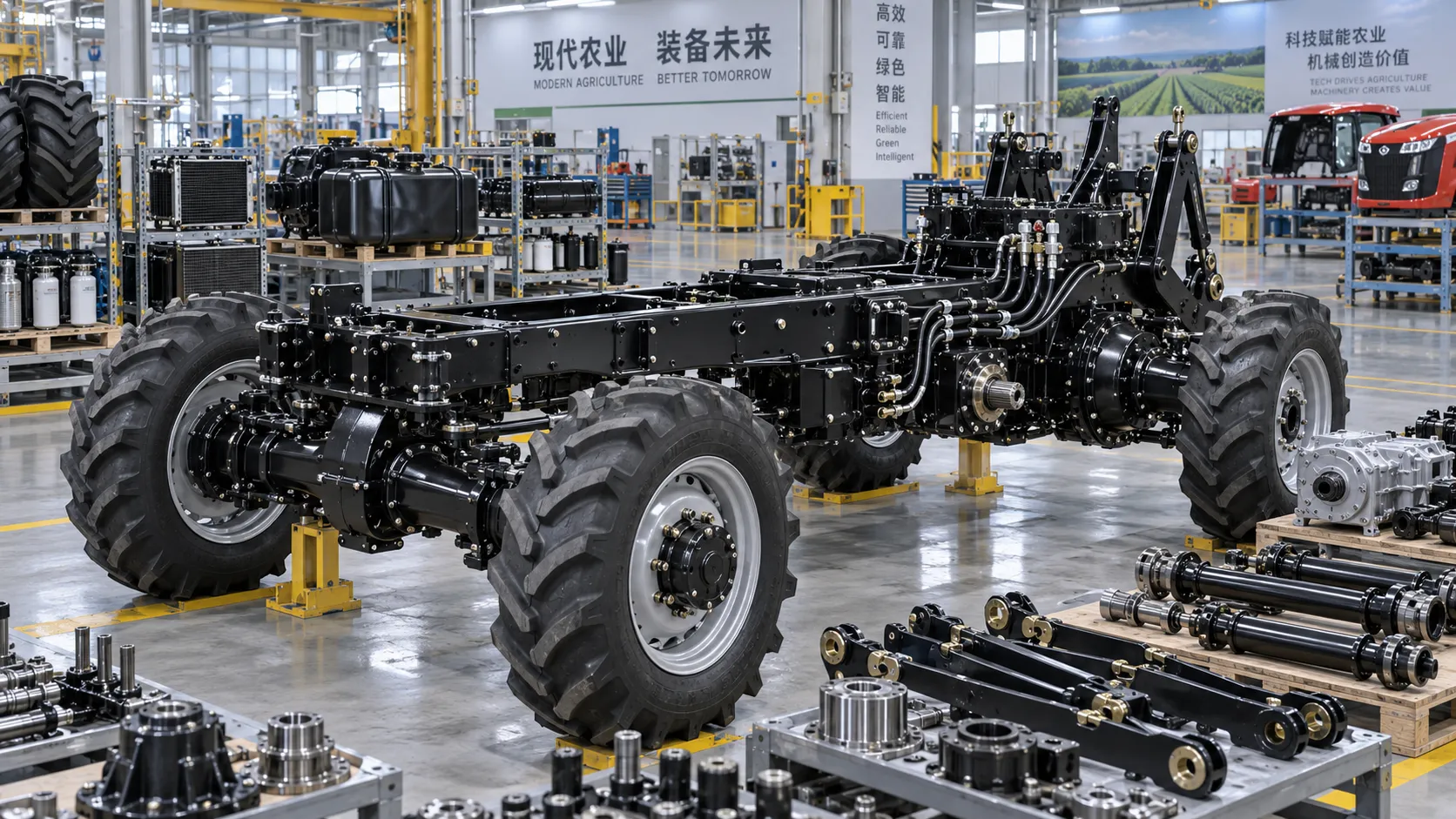
Tractor Chassis Price: What Buyers Should Compare Beyond the Initial Quote
Tractor chassis price is only the start. Compare load capacity, compatibility, durability, and lifecycle costs to choose a reliable, high-value chassis.
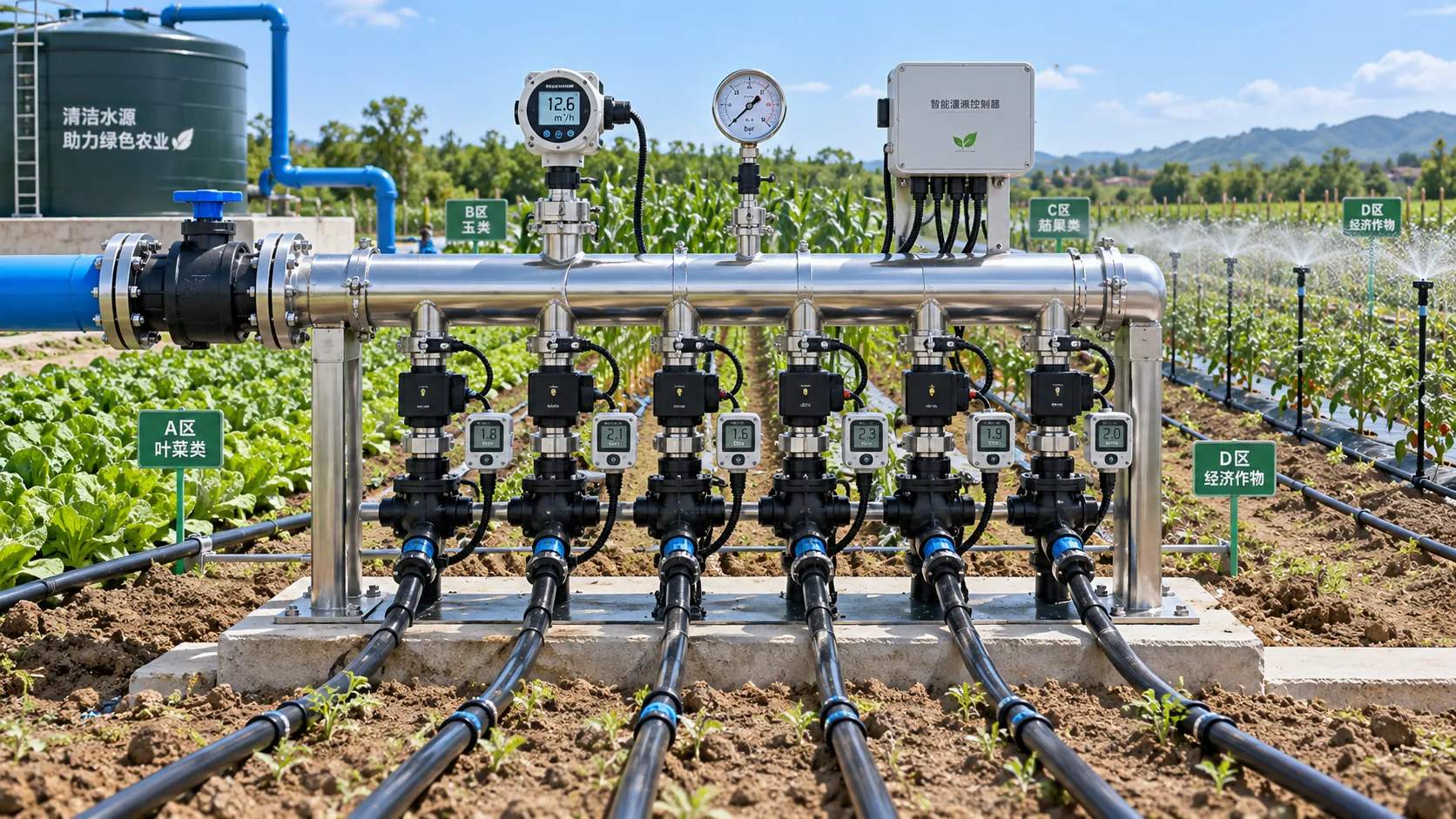
How to Select Smart Irrigation Valves for Multi-Zone Water Management?
Intelligent irrigation systems valves: learn how to match smart valves with multi-zone flow, pressure, control, feedback, and communication needs for reliable water management.
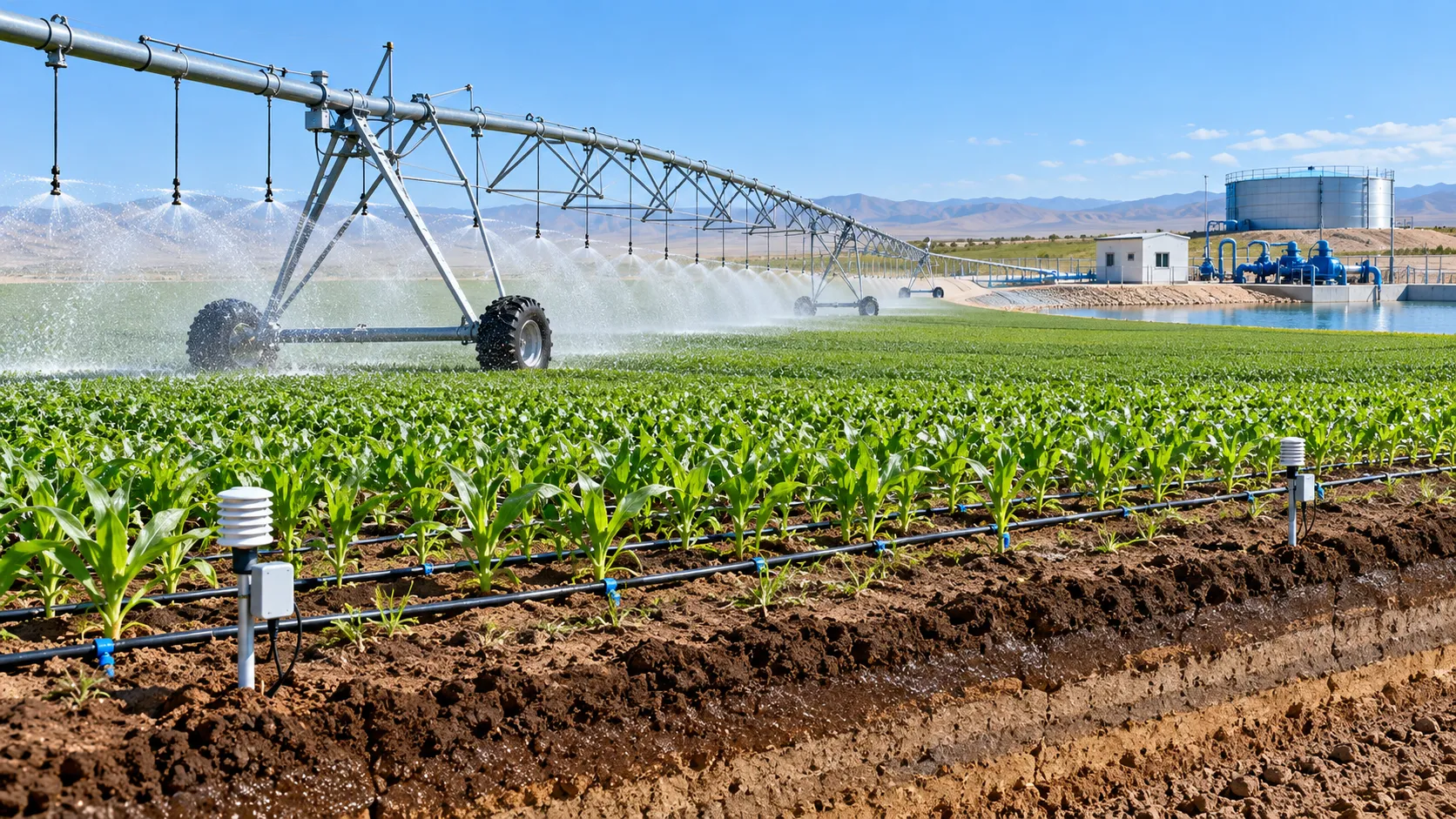
Climate-Smart Farming for Drought: A Practical Plan for Protecting Yields
Climate-smart farming for drought: build smarter water budgets, protect critical crop stages, improve irrigation uniformity, and safeguard yields with practical field-proven strategies.
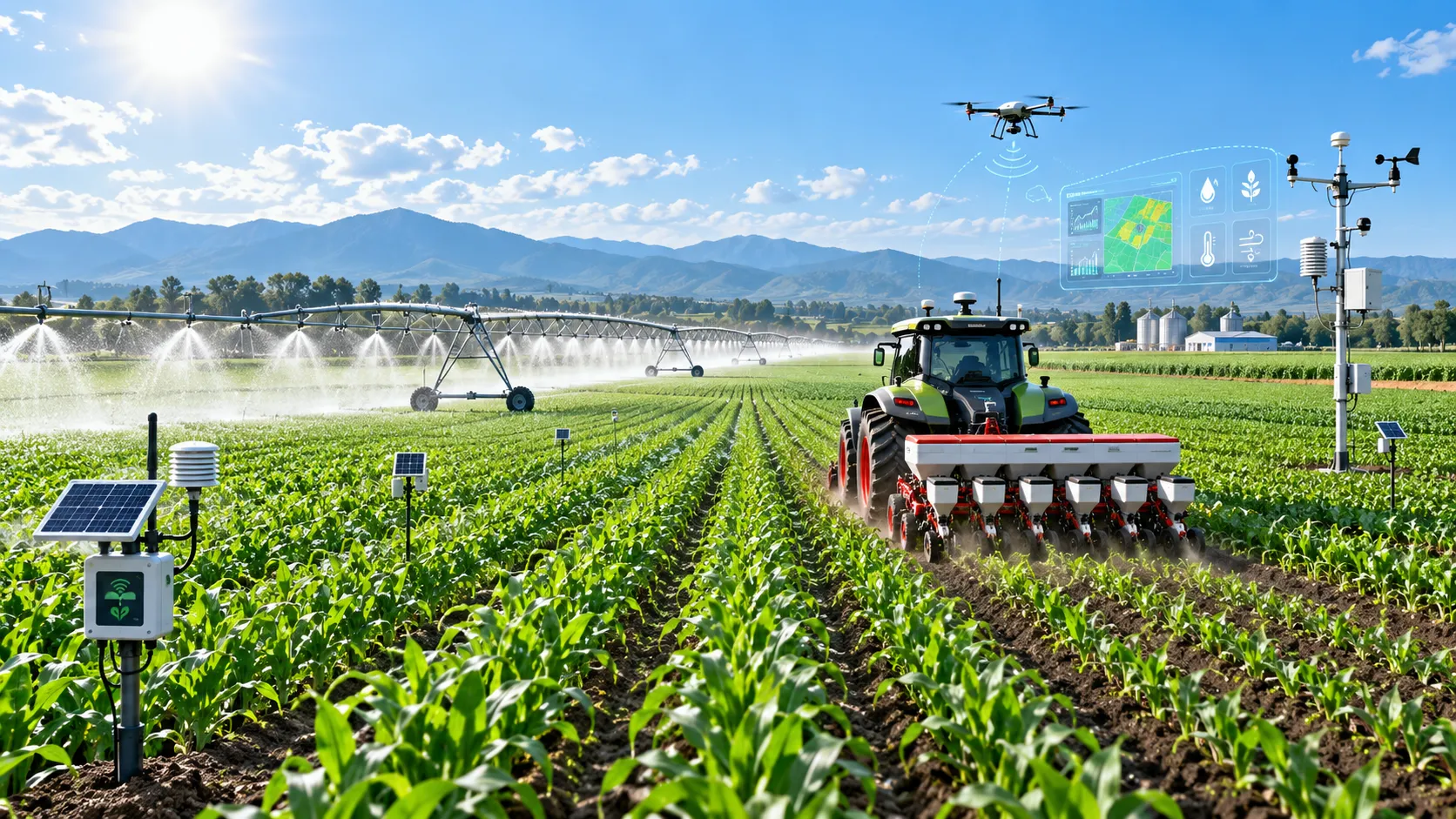
How Digital Agriculture Platforms Turn Field Data Into Better Input Decisions
Digital agriculture platforms turn field data into smarter fertilizer, water, seed, and equipment decisions—helping farms cut risk, improve margins, and scale sustainability.
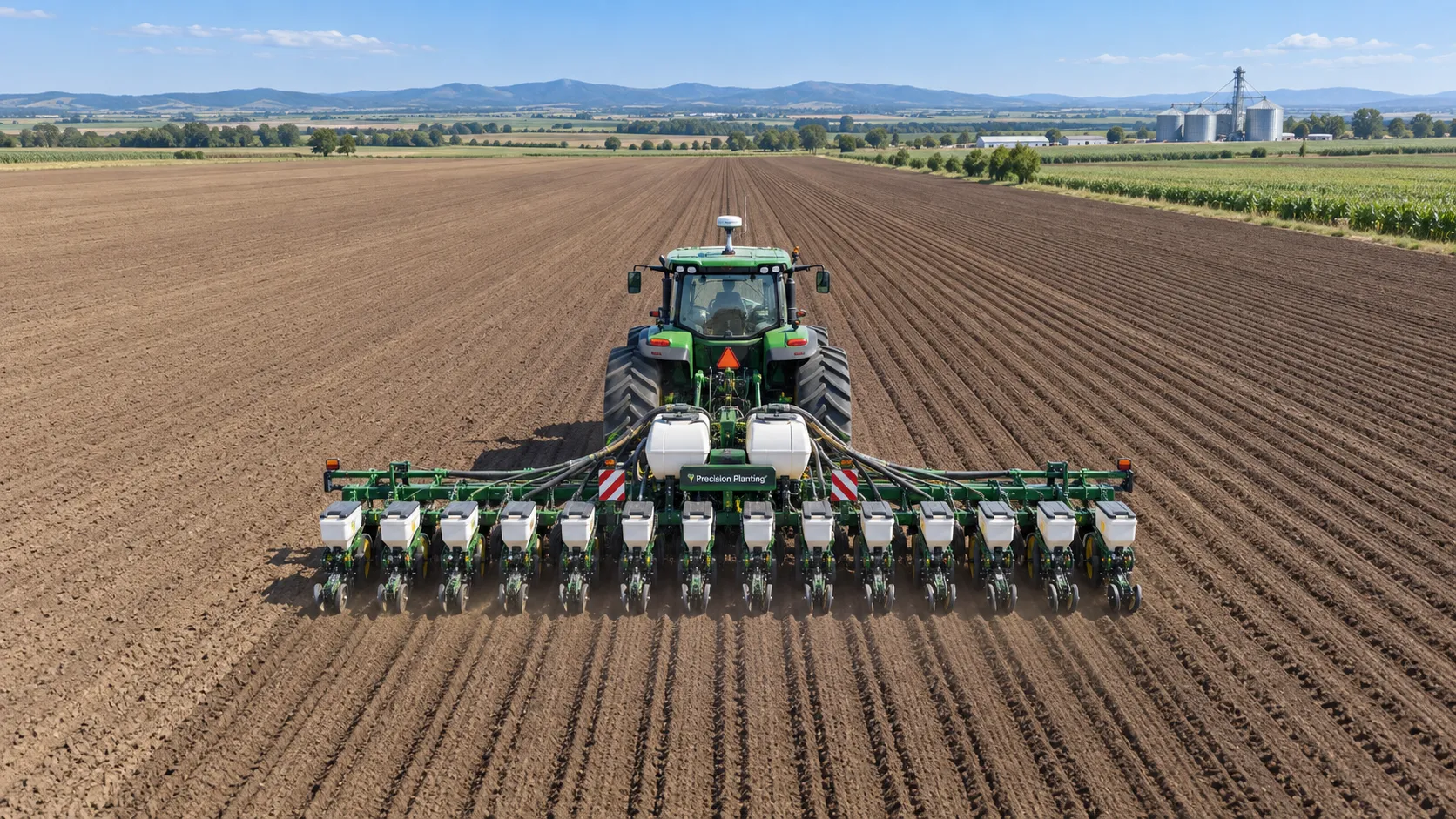
GPS-Guided Farm Machinery: Where It Delivers Measurable Field Efficiency Gains
Agri-mechanization GPS guided systems deliver measurable field efficiency gains through reduced overlap, precise planting, smarter inputs, and reliable farm data.
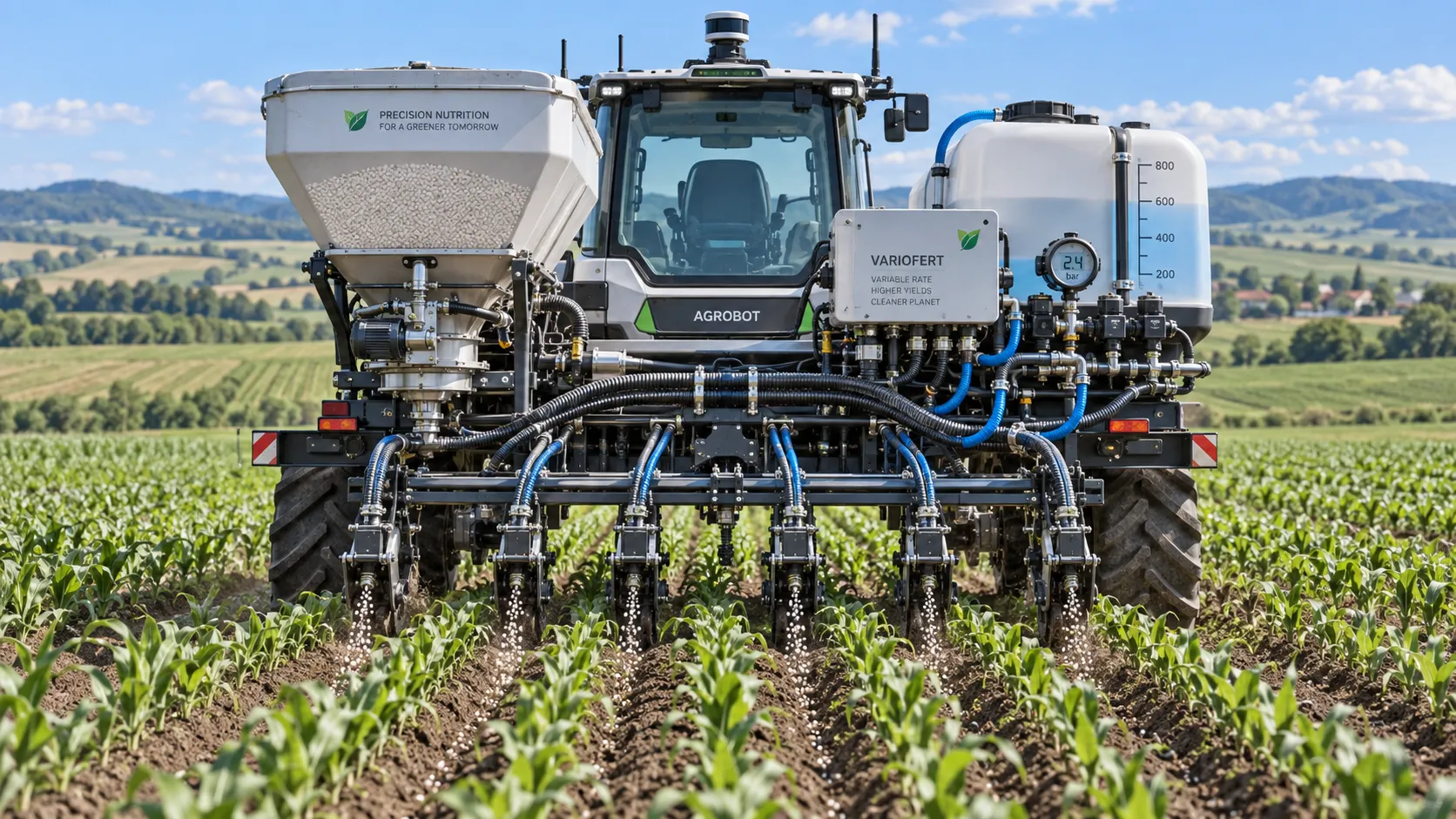
How Sensor Feedback Enables Accurate Variable-Rate Fertilization in Field Conditions
Precision fertilization systems with sensor feedback improve variable-rate accuracy by verifying flow, managing latency, and ensuring reliable field application.
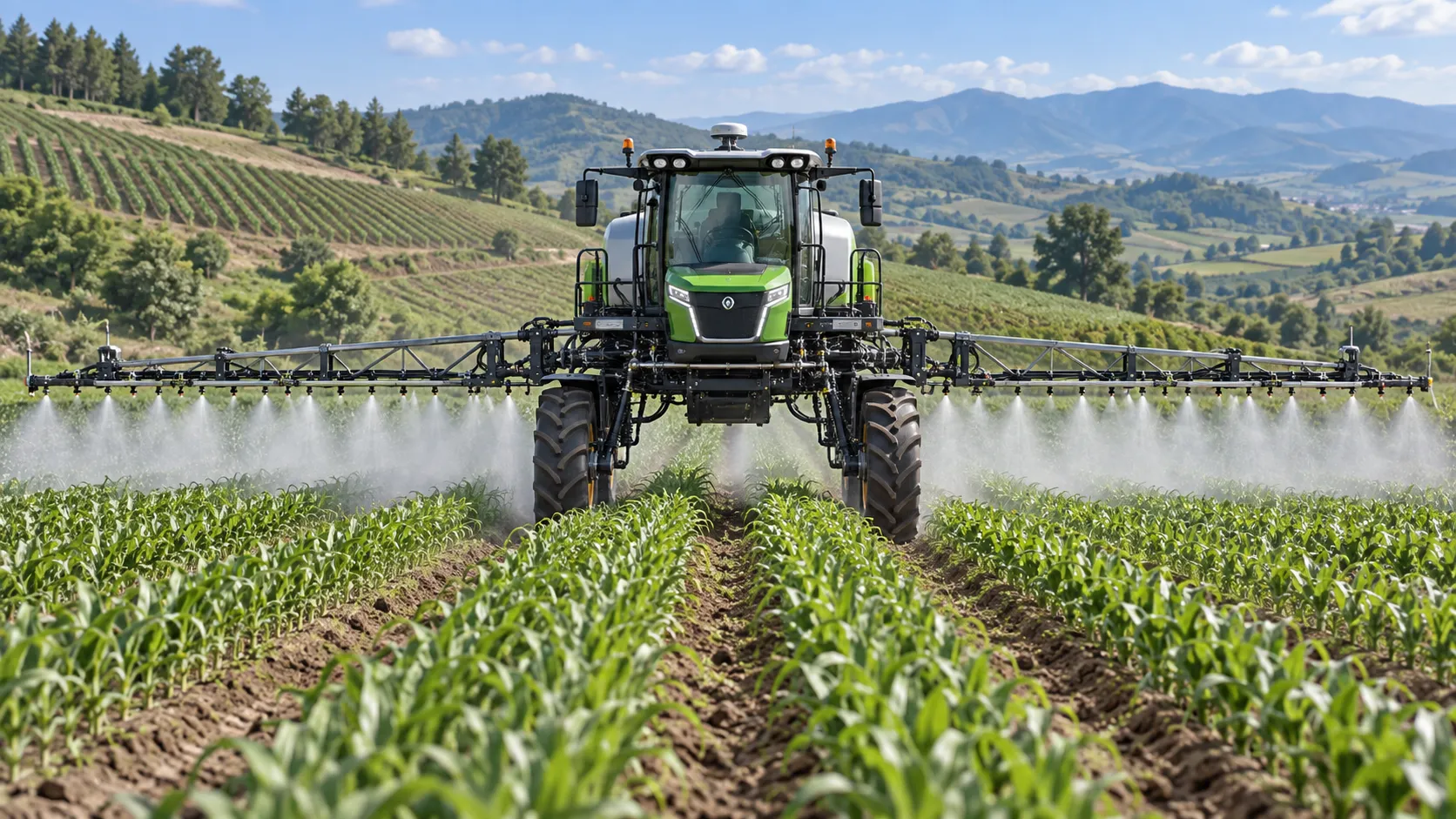
How to Select Precision Crop Protection Equipment for Variable Field Conditions
Precision crop protection equipment selection made simple: compare terrain, canopy, weather, control accuracy, and data workflows for reliable applications.
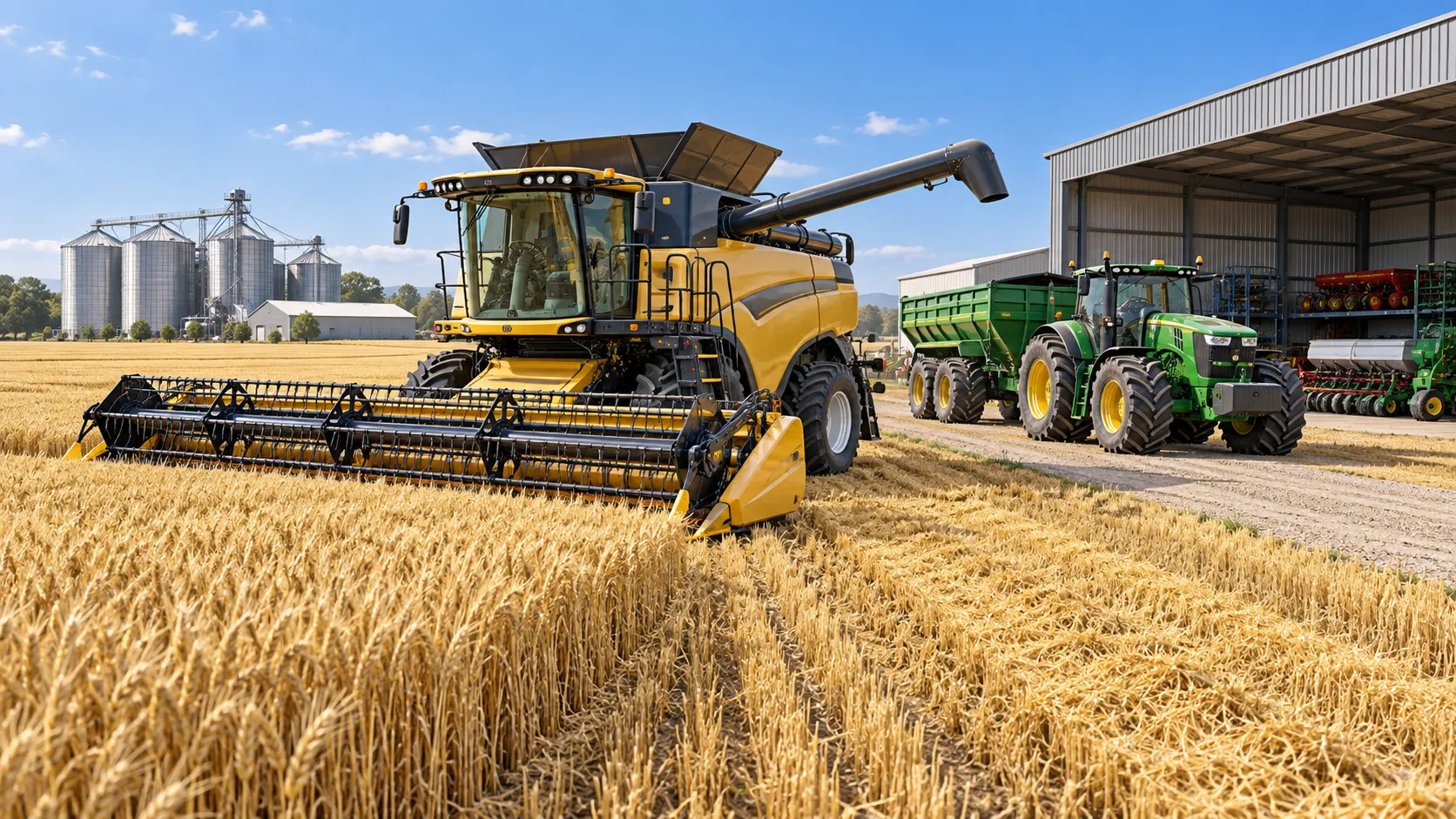
When Does Agricultural Machinery Leasing Cost Less Than Owning Equipment?
Agricultural machinery leasing can lower farm costs when use is seasonal or uncertain. Compare utilization, maintenance, cash flow, and risk to make a smarter equipment decision.
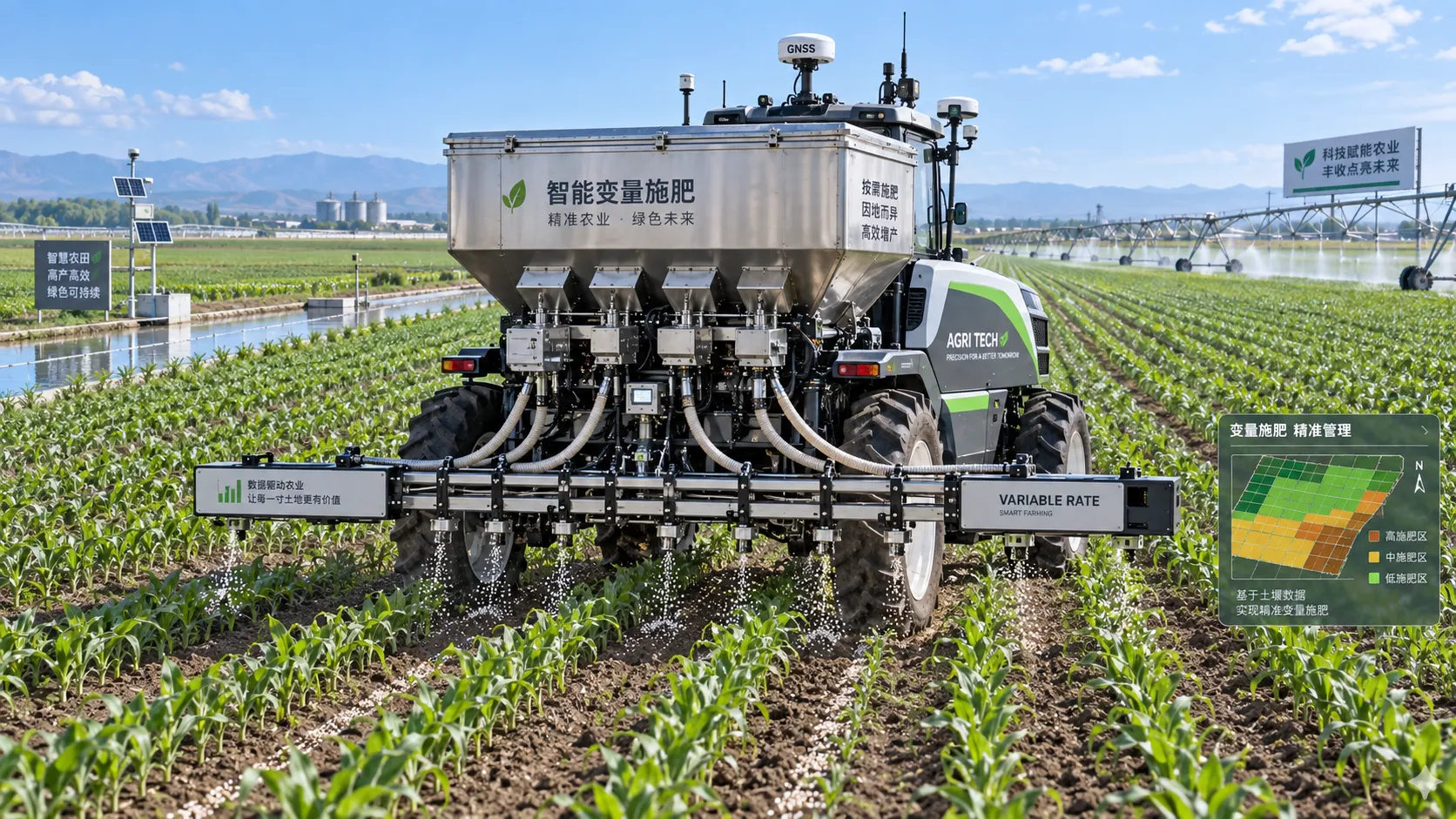
How to Evaluate Precision Fertilization System Suppliers for Farm-Scale Deployment
Precision fertilization systems suppliers: learn how to compare accuracy, integration, uptime, service, and total cost for confident farm-scale deployment.
Related News
- 00
0000-00
How Sensor Feedback Enables Accurate Variable-Rate Fertilization in Field Conditions - 00
0000-00
How to Select Precision Crop Protection Equipment for Variable Field Conditions - 00
0000-00
How to Evaluate Precision Fertilization System Suppliers for Farm-Scale Deployment - 00
0000-00
How to Select a Precision Fertilization System for Variable Corn Field Conditions - 00
0000-00
When does equipment for sustainable farming justify a higher capital spend?
Popular Tags
Tractor Power Architect
Weekly Insights
Stay ahead with our curated technology reports delivered every Monday.