
What makes precision agriculture more sustainable now?
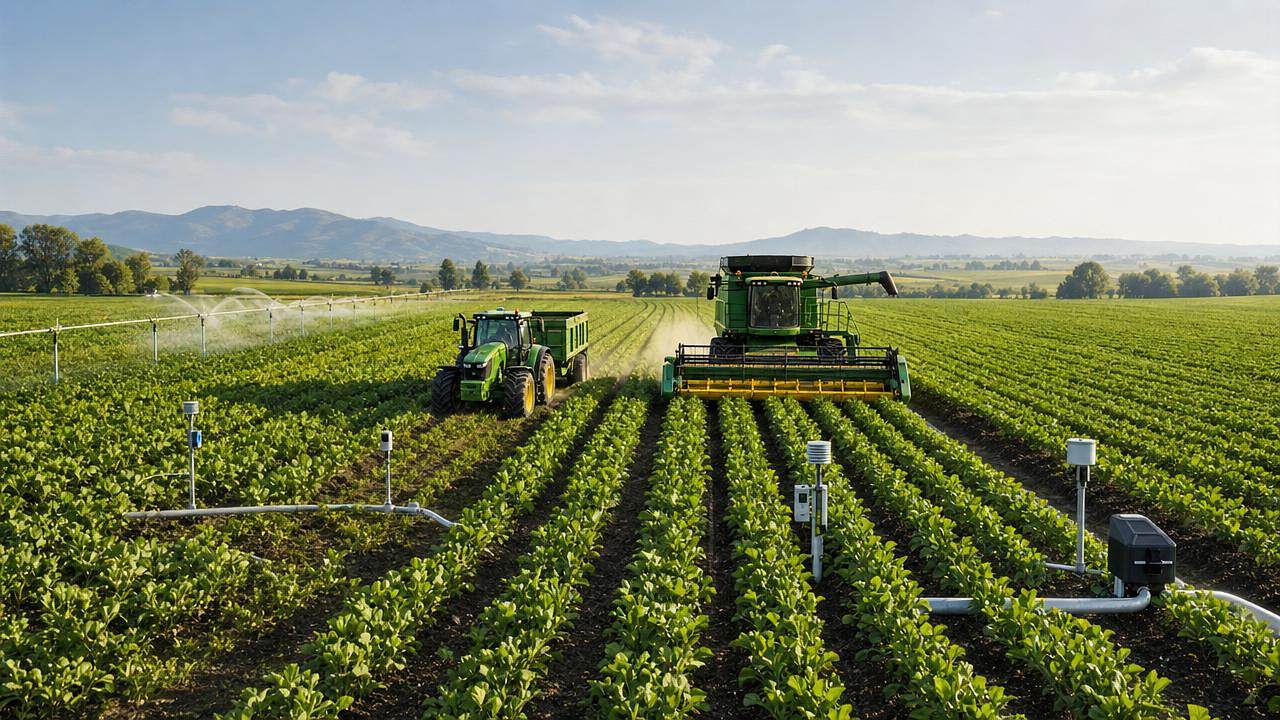




Precision agriculture is becoming more sustainable because data, machinery, and resource management now operate as one coordinated system across the farm.
Today, precision agriculture technology for sustainable farming delivers measurable improvements in fertilizer accuracy, irrigation timing, fuel efficiency, soil protection, and harvest consistency.
This shift matters across the broader agricultural landscape, from tractor chassis performance to combine harvesting analytics and intelligent water-saving irrigation networks.
For AP-Strategy, the topic is not only technical. It also connects global food security, operating resilience, environmental accountability, and long-cycle equipment investment decisions.
Foundation of Precision Agriculture and Sustainability
Precision agriculture means applying the right input, in the right place, at the right time, and in the right quantity.
Earlier versions focused mainly on GPS guidance. Current systems combine sensing, automation, machine control, agronomic modeling, and continuous performance feedback.
That integration makes precision agriculture technology for sustainable farming far more effective than isolated digital tools used in the past.
Sustainability in farming is also broader now. It includes yield reliability, lower chemical waste, reduced soil disturbance, smarter water use, and better machine utilization.
In practical terms, sustainability improves when every pass, every liter, and every kilogram can be measured and optimized.
Why the current generation is different
- Sensors now capture field variability in real time.
- Machines can adjust rates automatically during operation.
- Cloud platforms compare field data across seasons.
- Irrigation systems respond to moisture and weather signals.
- Harvest analytics reveal loss points and operational inefficiencies.
These capabilities turn sustainability from a reporting concept into an operating discipline backed by traceable field evidence.
Current Industry Drivers Behind More Sustainable Precision Farming
Several pressures are accelerating adoption of precision agriculture technology for sustainable farming across large-scale and mixed farming systems.
The strongest trend is convergence. Hardware, agronomy, telematics, and environmental metrics are no longer separate domains.
This is why precision agriculture technology for sustainable farming now creates broader value than simple guidance or mapping alone.
Technology Elements Making Precision Agriculture More Sustainable
Sensor networks and field intelligence
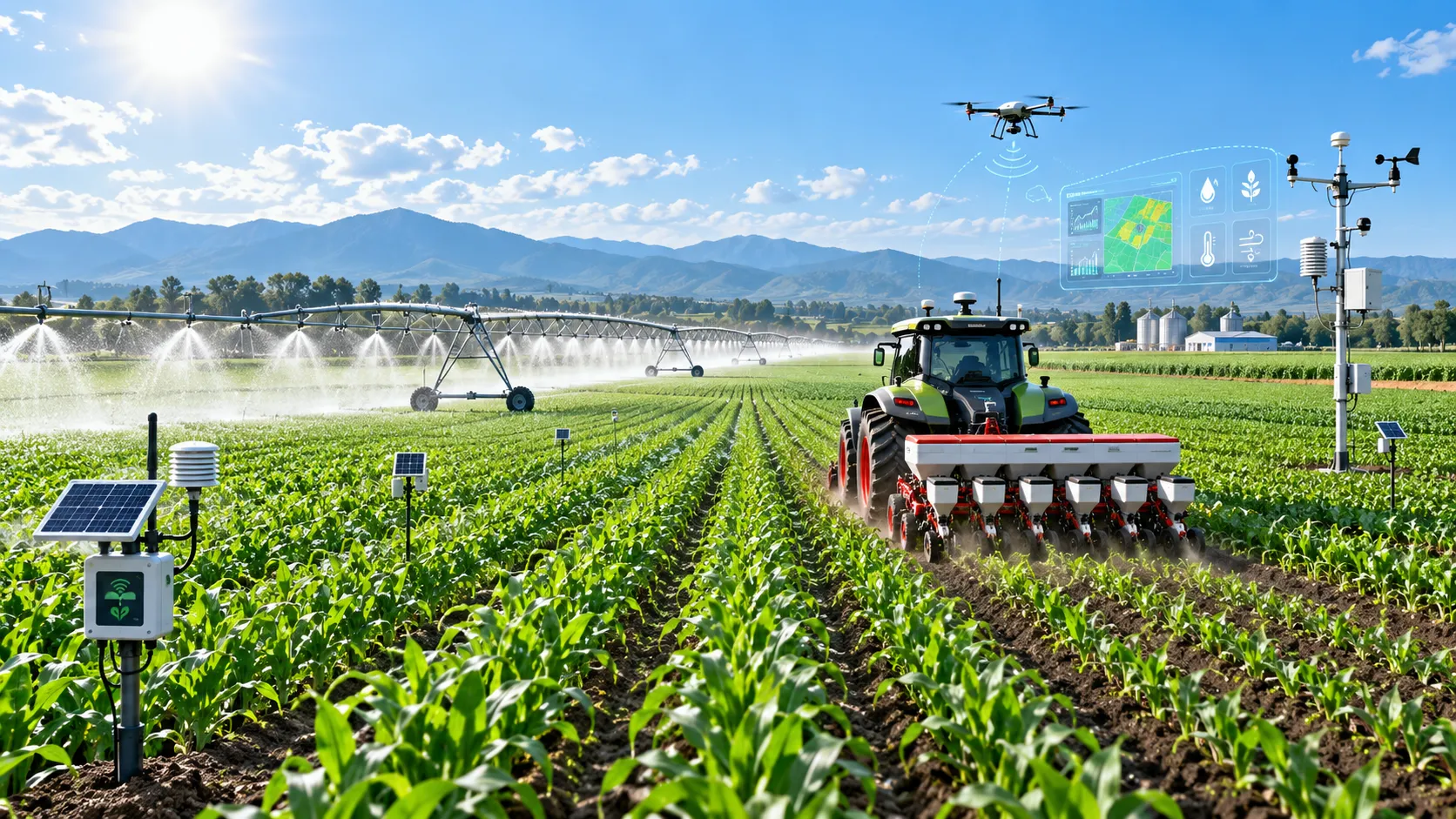
Soil sensors, crop imaging, weather stations, and machine-mounted monitors provide continuous visibility into field variability.
Instead of assuming uniform conditions, operators can identify stress zones, compaction risks, nutrient gaps, and irrigation timing windows.
Variable-rate application systems
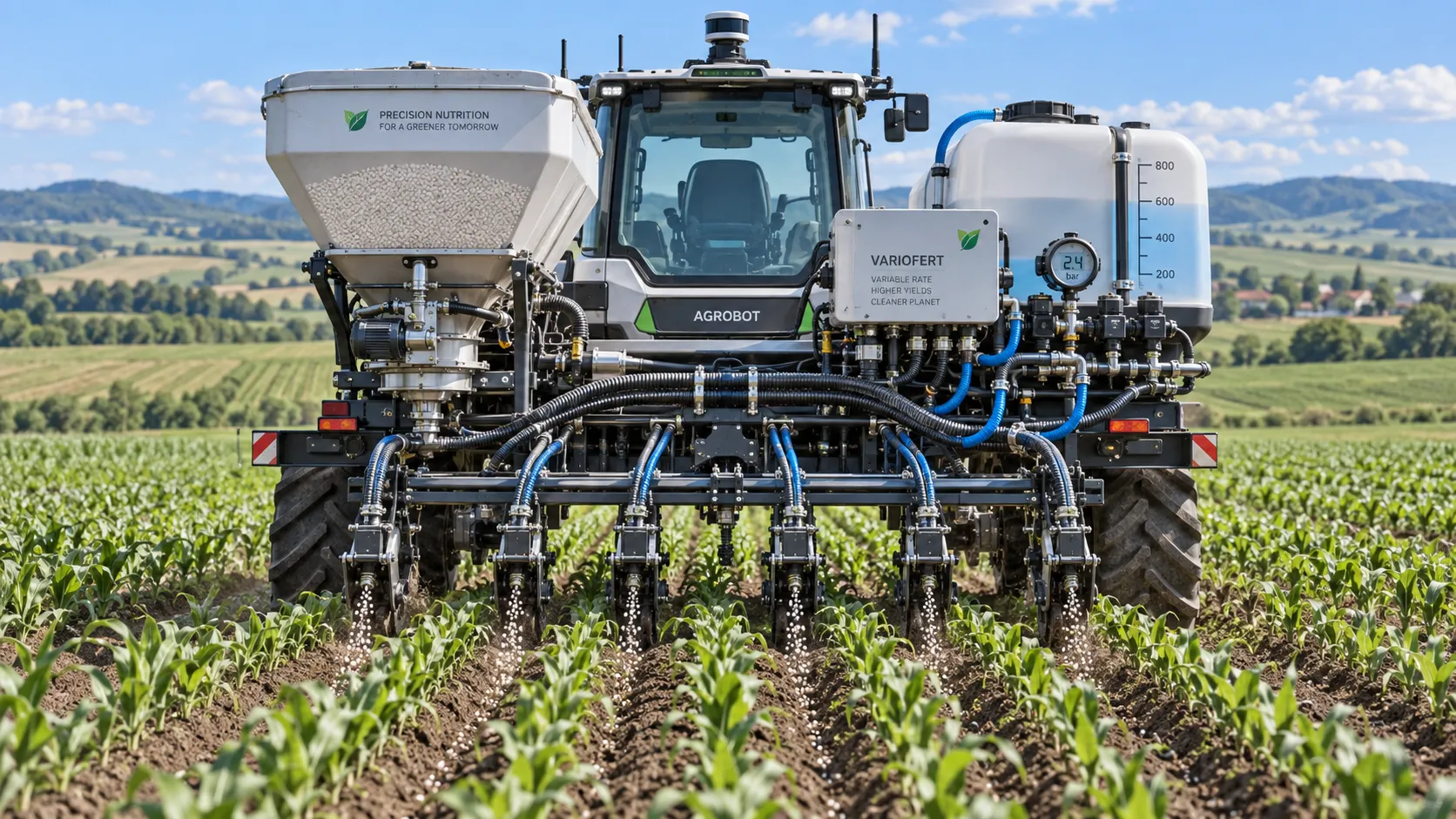
Variable-rate seeding, fertilization, and crop protection reduce blanket applications that often waste inputs and increase environmental pressure.
When application maps align with real field conditions, input efficiency improves without sacrificing crop performance.
Guidance, autonomy, and machine control
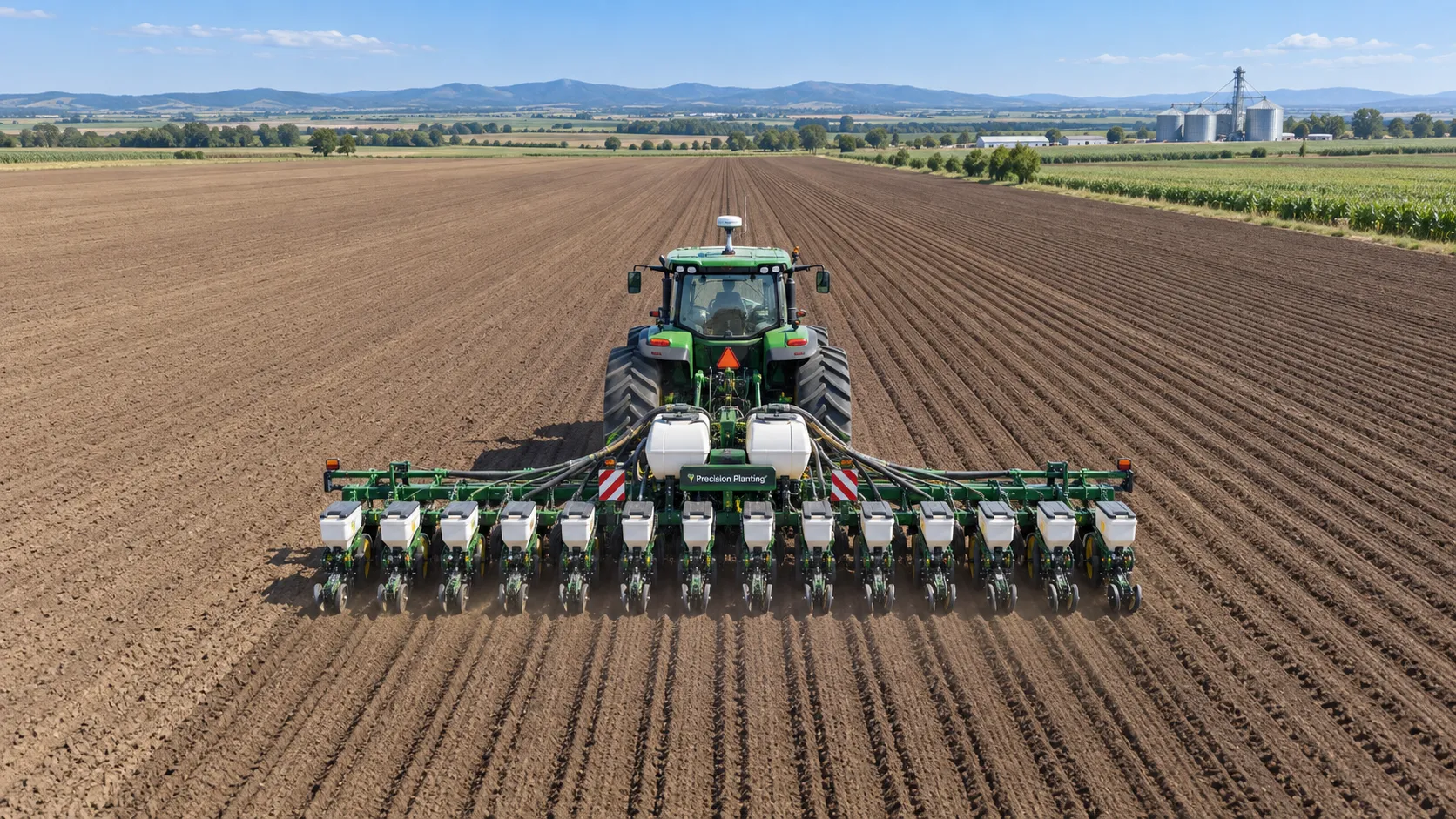
Auto-steering and section control lower overlap, reduce skipped zones, and maintain accurate working widths during long operating hours.
This directly supports precision agriculture technology for sustainable farming by cutting fuel waste, operator fatigue, and unnecessary field traffic.
Intelligent irrigation platforms
Smart irrigation combines evapotranspiration models, soil moisture readings, weather forecasts, and valve automation.
Water is applied according to crop demand, not fixed calendars. That is critical under tightening climate and resource constraints.
Harvest analytics and equipment diagnostics
Modern combines can track grain loss, throughput, moisture, and cleaning system performance across changing crop conditions.
These insights help reduce field loss, improve fuel use, and support better pre-season machine setup for future cycles.
Operational Value Across the Farming System
The sustainability case becomes stronger when precision tools are evaluated across the whole production chain rather than single tasks.
- Soil preparation benefits from controlled traffic and reduced compaction.
- Planting improves through accurate depth, spacing, and seed placement.
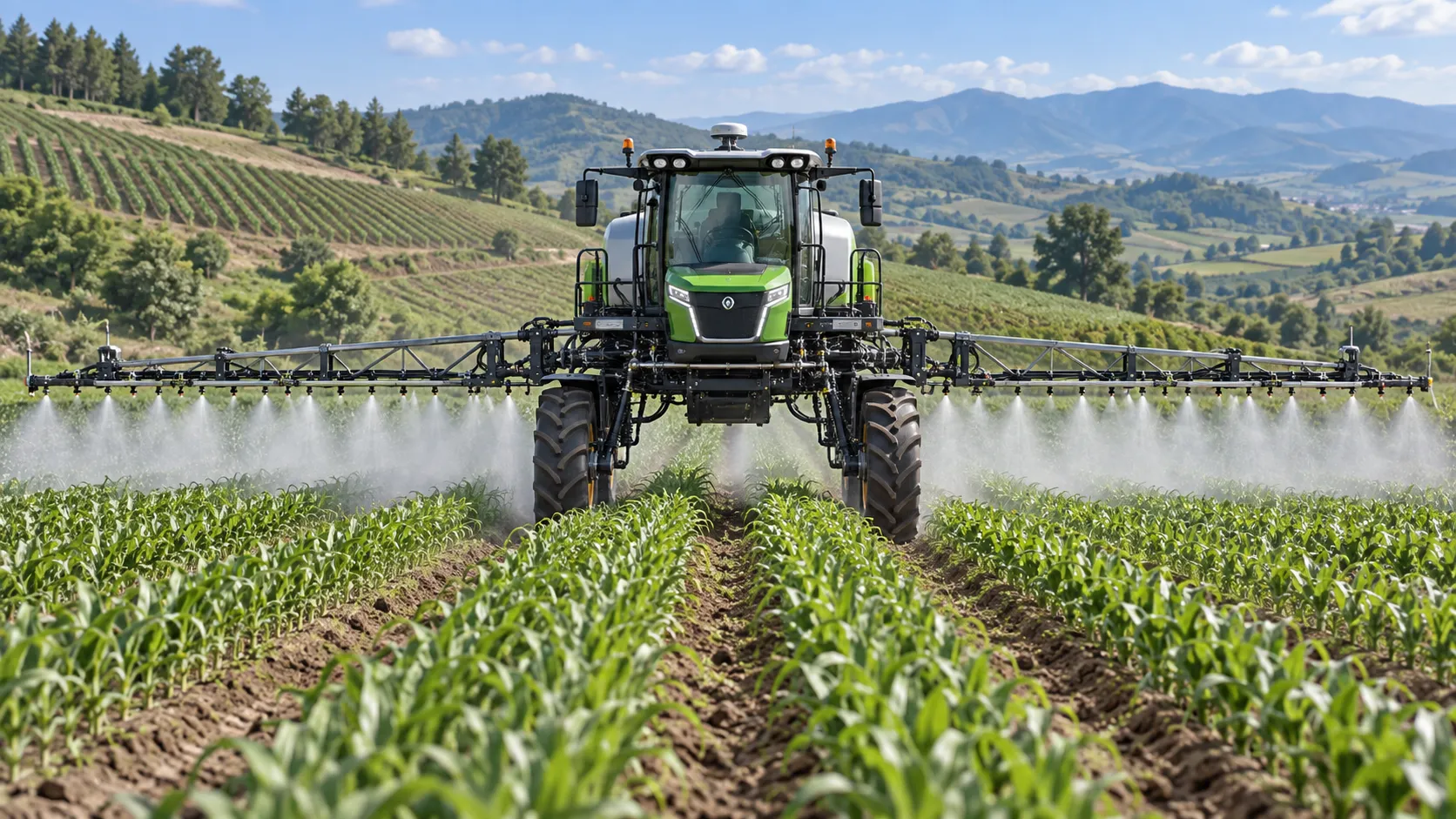
- Crop care becomes more selective through targeted nutrient and chemical delivery.
- Irrigation shifts from routine watering to demand-based scheduling.
- Harvesting gains from loss monitoring and optimized machine settings.
This systems view is central to precision agriculture technology for sustainable farming because inefficiency in one stage affects every later stage.
Better planting supports better irrigation response. Better harvest data improves next season’s input strategy. Better machine data improves fleet utilization.
Representative Application Scenarios
Each scenario shows that sustainability improves when decisions are based on measurable field differences rather than broad assumptions.
Implementation Priorities and Common Cautions
Not every digital tool creates sustainability value immediately. Results depend on system compatibility, agronomic relevance, and disciplined data use.
Practical priorities
- Start with the highest-cost or highest-risk field operation.
- Connect agronomic maps with machine execution data.
- Use clear baseline metrics before evaluating performance.
- Prioritize irrigation and nutrient accuracy in stressed regions.
- Review machine maintenance data alongside field outcomes.
Common cautions
- Poor data quality can produce misleading prescriptions.
- Disconnected platforms reduce decision speed and usefulness.
- Uncalibrated equipment can erase expected sustainability gains.
- Technology without operator discipline often underperforms.
Precision agriculture technology for sustainable farming works best when the field, the machine, and the data model are calibrated together.
Strategic Outlook and Next-Step Focus
What makes precision agriculture more sustainable now is not one device. It is the maturity of connected decisions across land, water, machinery, and crops.
As Agriculture 4.0 advances, the strongest performers will likely be operations that combine reliable equipment with accurate field intelligence and accountable resource management.
For ongoing evaluation, focus on measurable indicators such as input use per hectare, water productivity, harvest loss, fuel consumption, and yield stability.
That framework gives precision agriculture technology for sustainable farming a practical basis for comparison, investment planning, and long-term operational improvement.
AP-Strategy continues tracking these developments through intelligence on farm equipment, combine harvesting systems, tractor platforms, precision tools, and smart irrigation evolution.
The next useful step is to map current field operations, identify the largest efficiency gap, and align technology adoption with measurable sustainability outcomes.
Related News
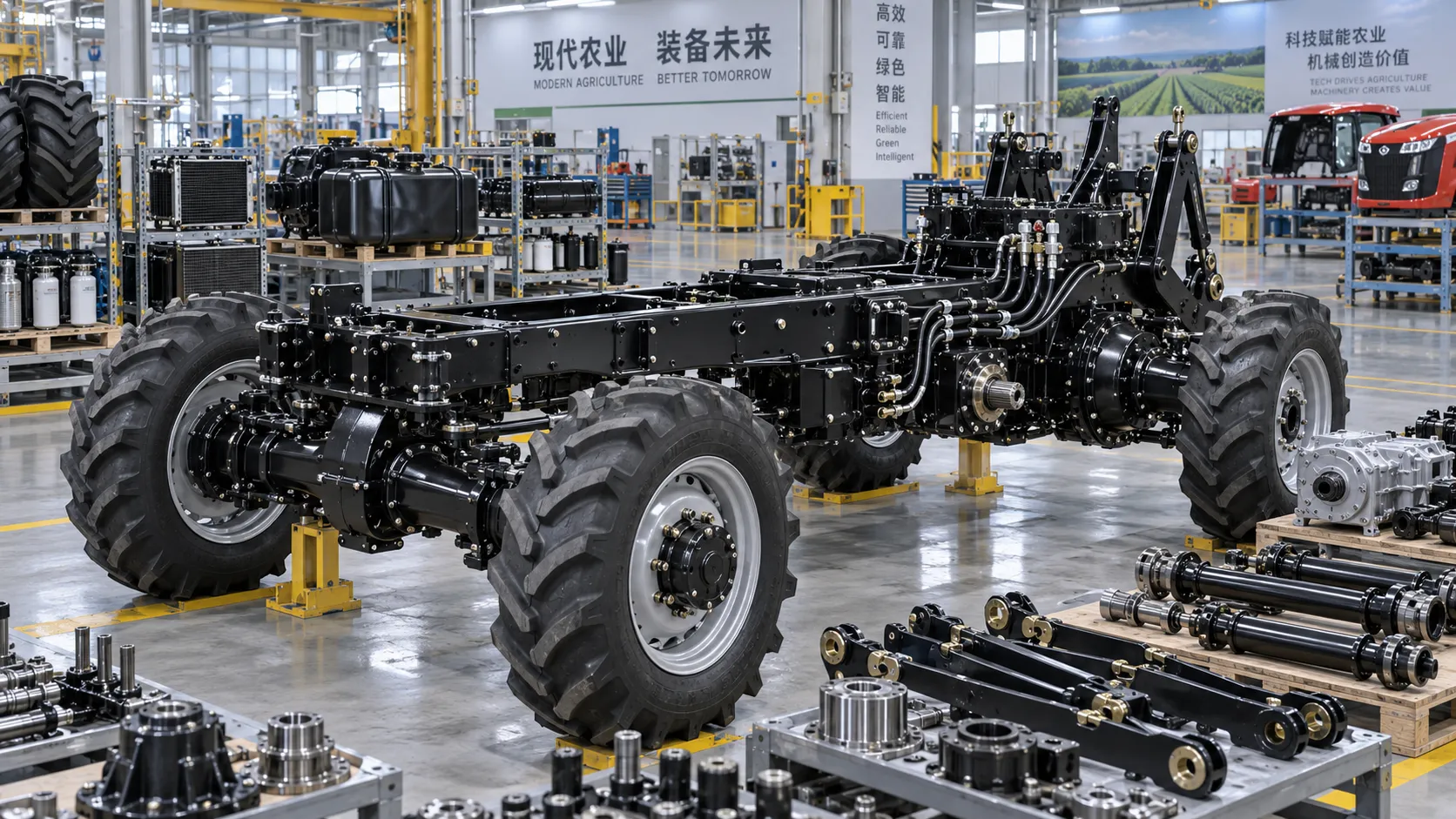
Tractor Chassis Price: What Buyers Should Compare Beyond the Initial Quote
Tractor chassis price is only the start. Compare load capacity, compatibility, durability, and lifecycle costs to choose a reliable, high-value chassis.
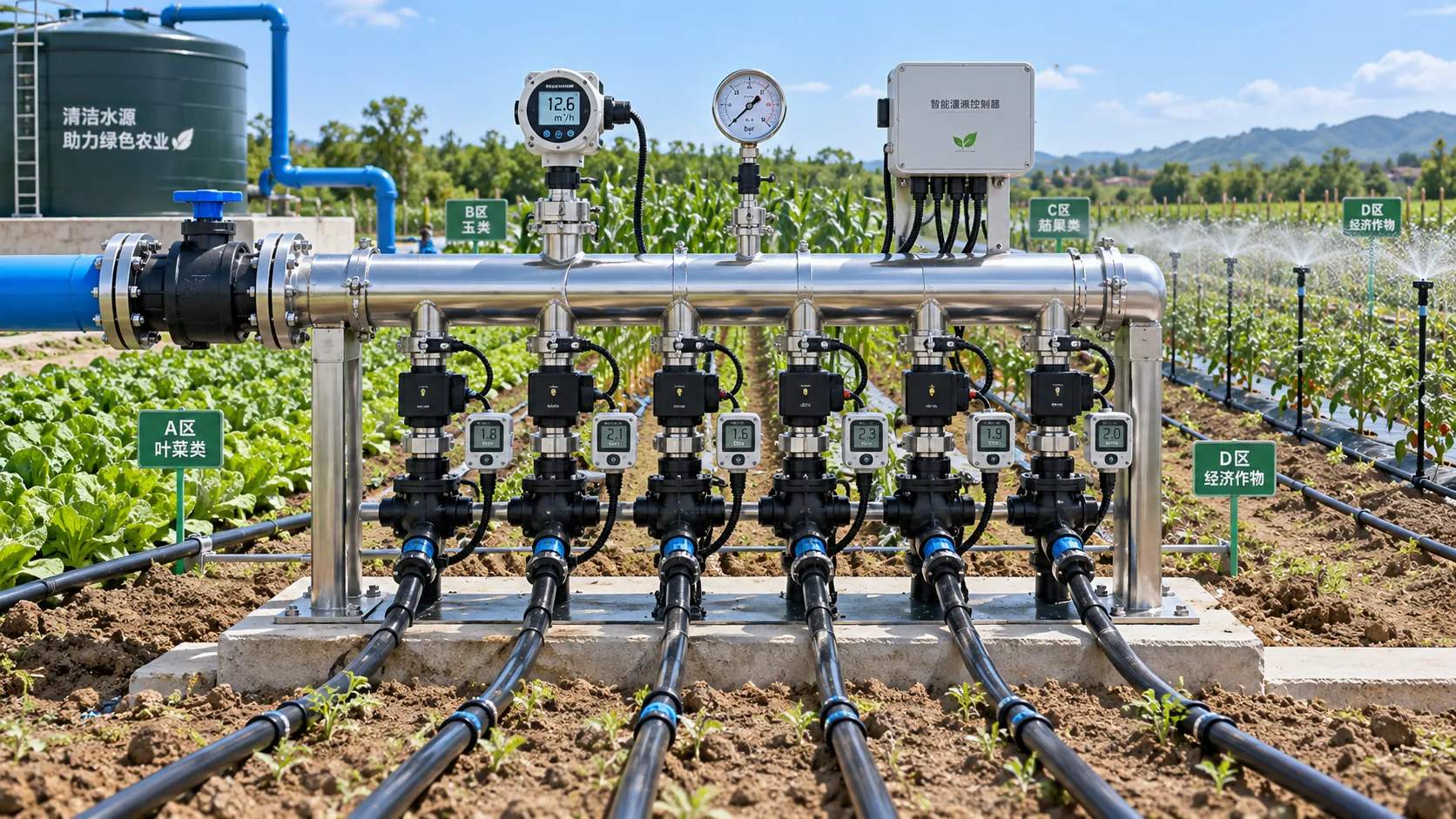
How to Select Smart Irrigation Valves for Multi-Zone Water Management?
Intelligent irrigation systems valves: learn how to match smart valves with multi-zone flow, pressure, control, feedback, and communication needs for reliable water management.
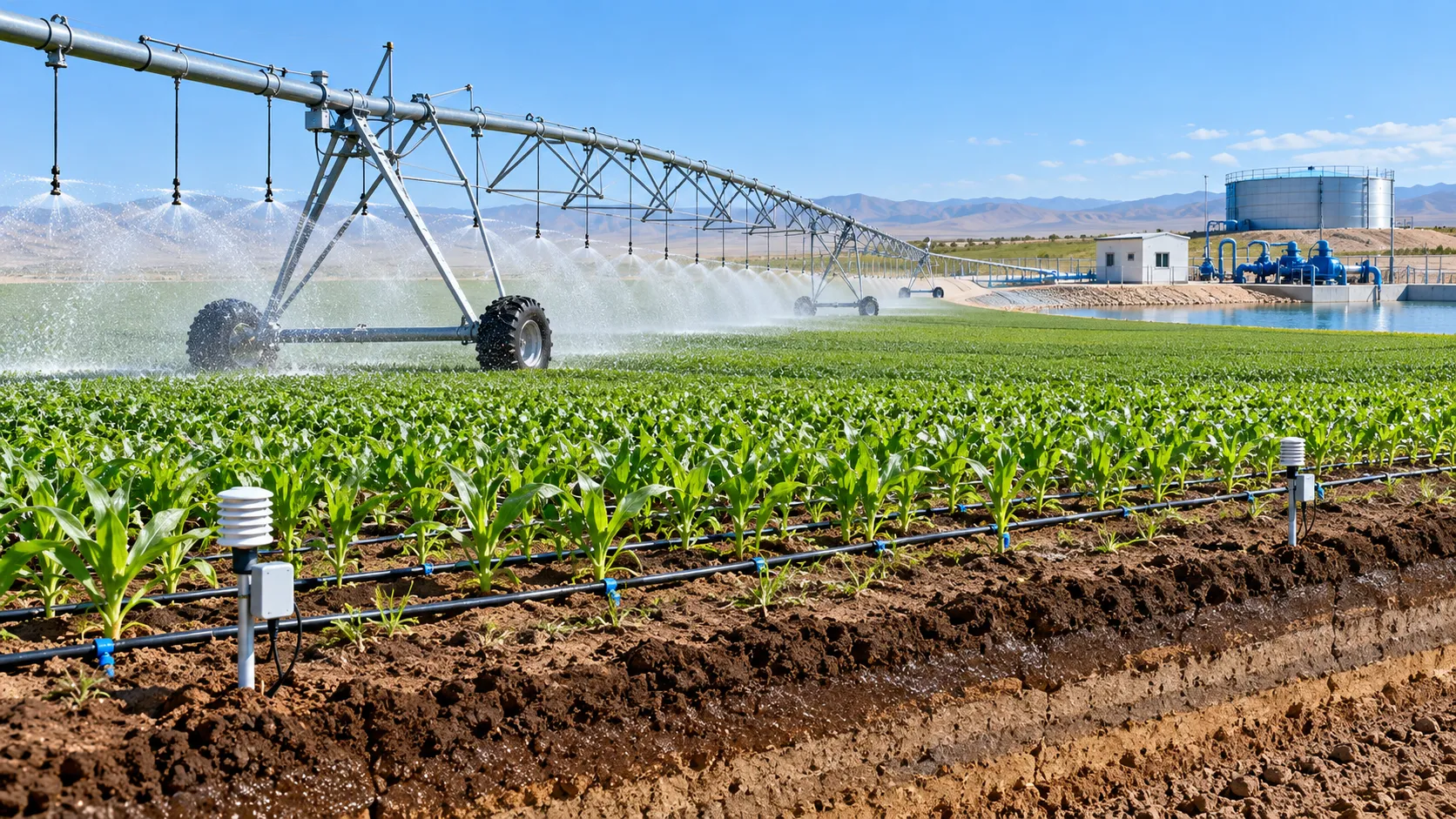
Climate-Smart Farming for Drought: A Practical Plan for Protecting Yields
Climate-smart farming for drought: build smarter water budgets, protect critical crop stages, improve irrigation uniformity, and safeguard yields with practical field-proven strategies.
How Digital Agriculture Platforms Turn Field Data Into Better Input Decisions
Digital agriculture platforms turn field data into smarter fertilizer, water, seed, and equipment decisions—helping farms cut risk, improve margins, and scale sustainability.
GPS-Guided Farm Machinery: Where It Delivers Measurable Field Efficiency Gains
Agri-mechanization GPS guided systems deliver measurable field efficiency gains through reduced overlap, precise planting, smarter inputs, and reliable farm data.
How Sensor Feedback Enables Accurate Variable-Rate Fertilization in Field Conditions
Precision fertilization systems with sensor feedback improve variable-rate accuracy by verifying flow, managing latency, and ensuring reliable field application.
How to Select Precision Crop Protection Equipment for Variable Field Conditions
Precision crop protection equipment selection made simple: compare terrain, canopy, weather, control accuracy, and data workflows for reliable applications.
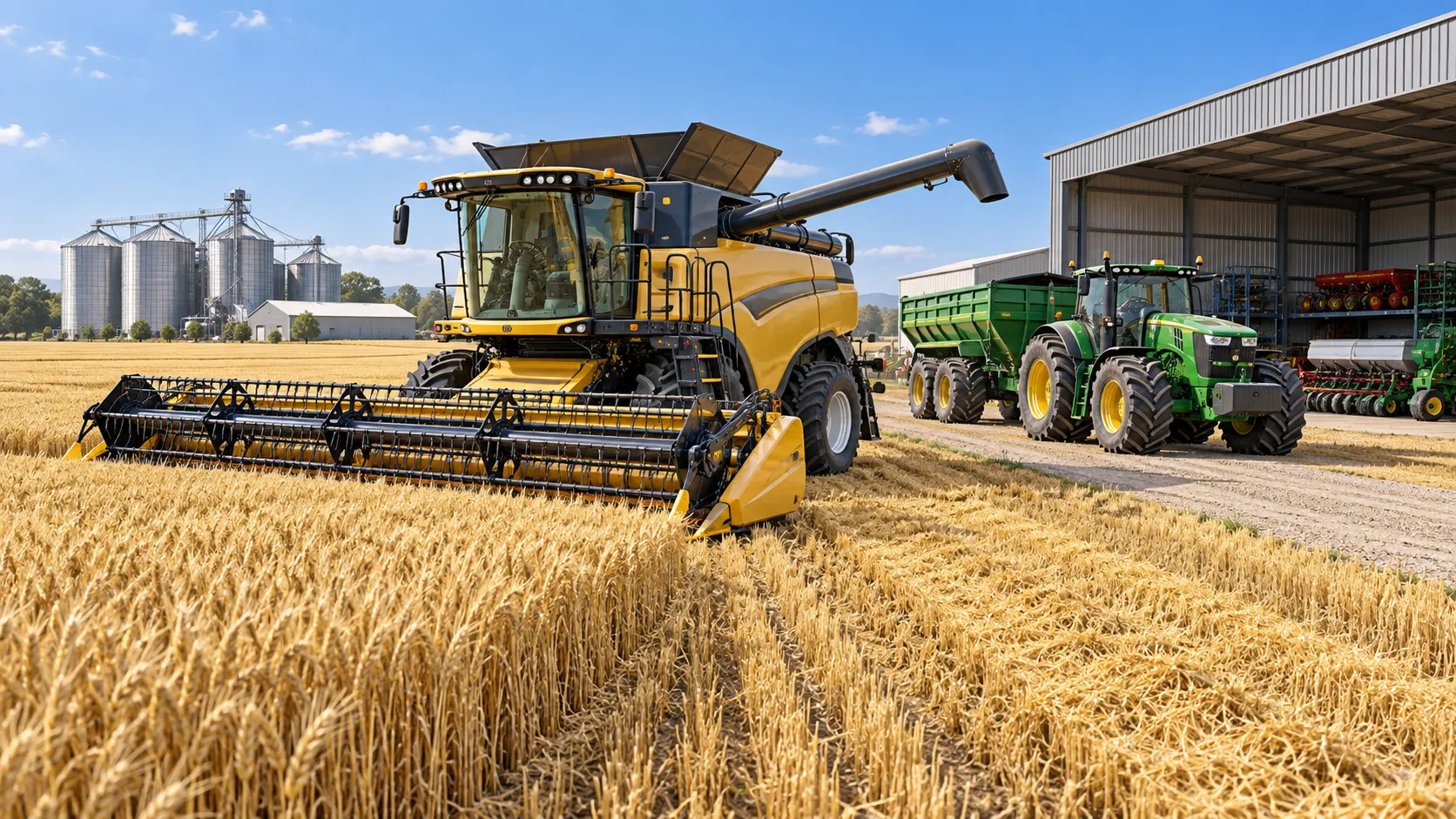
When Does Agricultural Machinery Leasing Cost Less Than Owning Equipment?
Agricultural machinery leasing can lower farm costs when use is seasonal or uncertain. Compare utilization, maintenance, cash flow, and risk to make a smarter equipment decision.
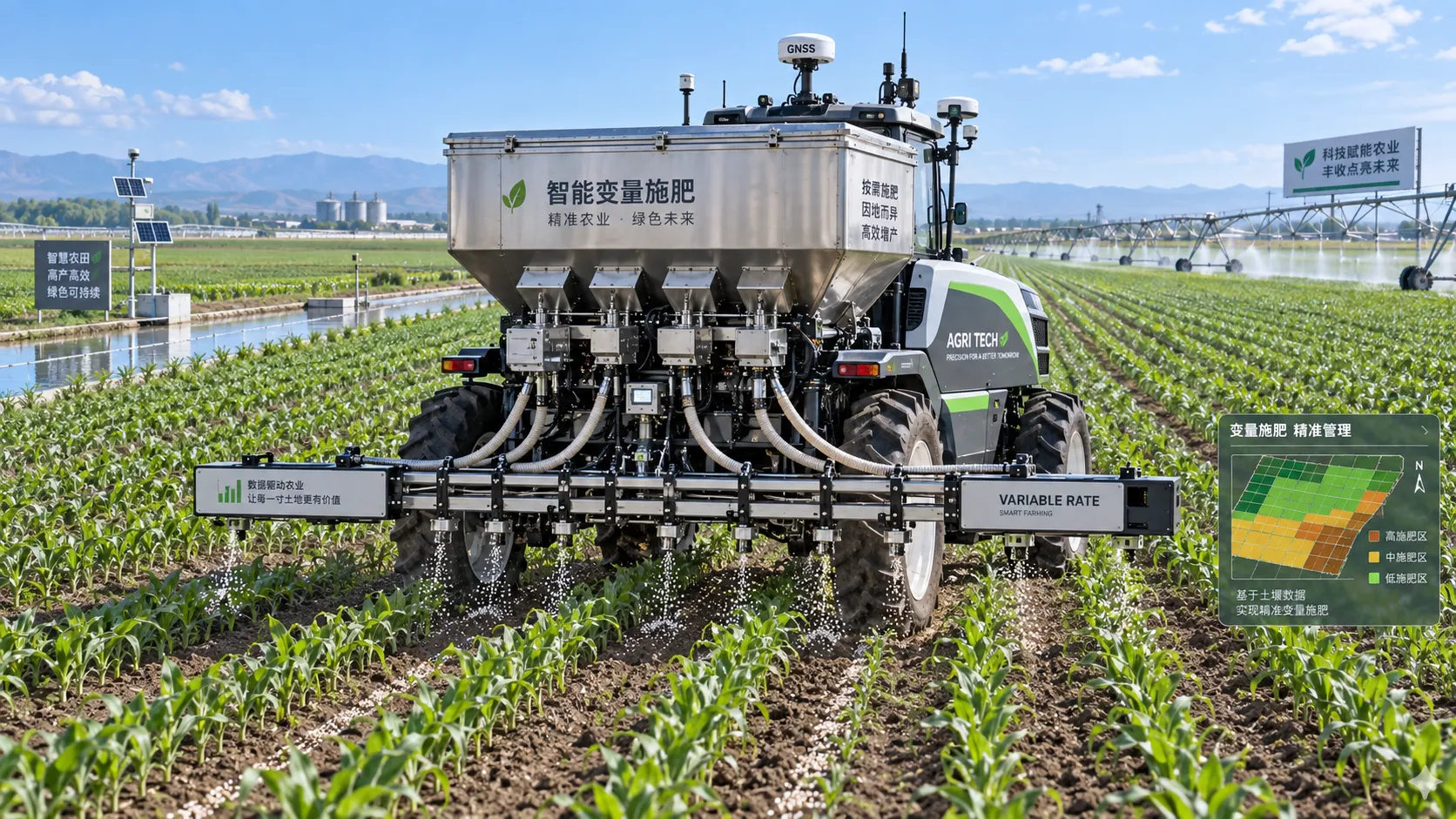
How to Evaluate Precision Fertilization System Suppliers for Farm-Scale Deployment
Precision fertilization systems suppliers: learn how to compare accuracy, integration, uptime, service, and total cost for confident farm-scale deployment.
Related News
- 00
0000-00
How Sensor Feedback Enables Accurate Variable-Rate Fertilization in Field Conditions - 00
0000-00
How to Select Precision Crop Protection Equipment for Variable Field Conditions - 00
0000-00
How to Evaluate Precision Fertilization System Suppliers for Farm-Scale Deployment - 00
0000-00
How to Select a Precision Fertilization System for Variable Corn Field Conditions - 00
0000-00
When does equipment for sustainable farming justify a higher capital spend?
Popular Tags
Tractor Power Architect
Weekly Insights
Stay ahead with our curated technology reports delivered every Monday.