
Soil prep mistakes that weaken climate smart farming
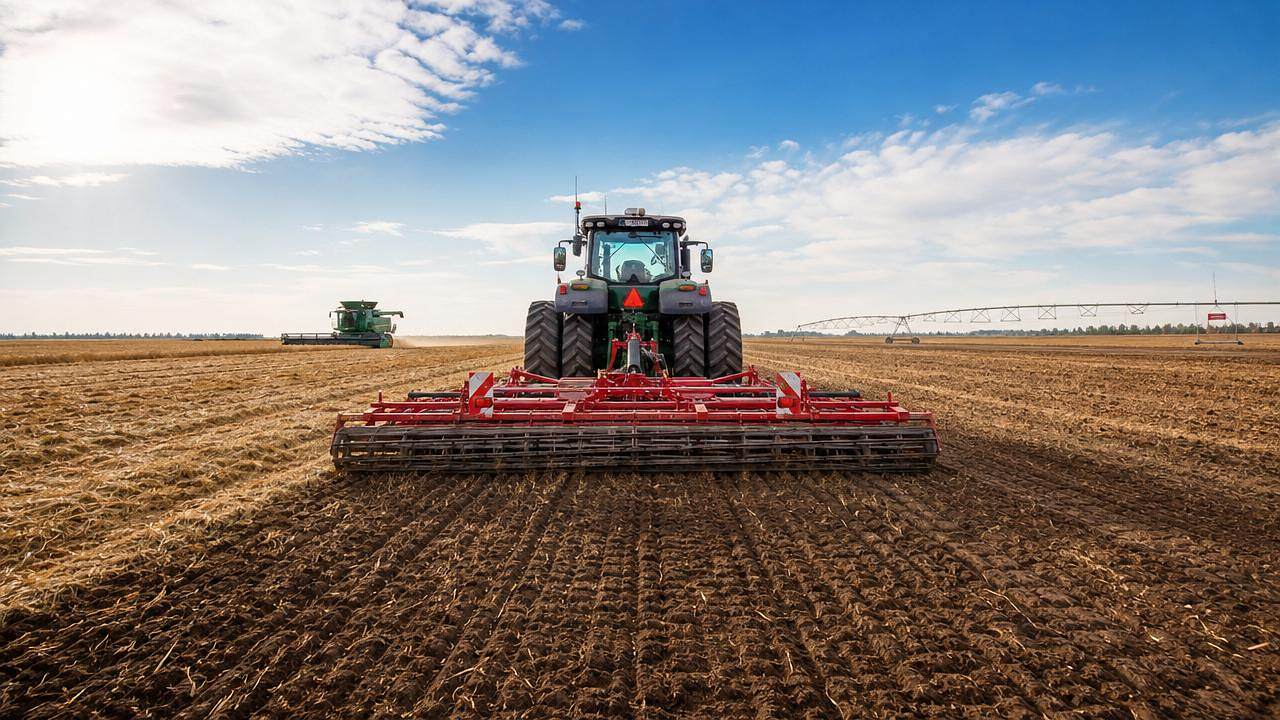




Small mistakes during soil work often create large downstream losses. Poor timing, uneven residue handling, and hidden compaction can reduce infiltration, waste fuel, and weaken crop resilience.
That is why soil preparation techniques for climate-smart farming matter far beyond the seedbed. They influence machinery efficiency, irrigation response, nutrient cycling, and yield stability across seasons.
For operations shaped by Agriculture 4.0, better soil decisions also improve data accuracy, implement performance, and long-term field sustainability. The questions below explain the most common mistakes and practical ways to avoid them.
What does climate-smart soil preparation really mean?
Climate-smart soil preparation is not simply less tillage or more technology. It means preparing fields to protect moisture, reduce erosion, support roots, and improve operational efficiency.
Effective soil preparation techniques for climate-smart farming align soil condition, implement choice, traffic control, weather windows, and crop residue strategy.
The goal is balanced performance. Fields must remain workable for heavy equipment while retaining biological function and water-holding capacity.
This approach is especially important where large tractors, combine harvesters, and intelligent irrigation systems must work together under variable rainfall and rising heat stress.
Core principles
- Disturb only as much soil as needed.
- Preserve surface cover where possible.
- Avoid traffic on wet ground.
- Match tillage depth to the actual constraint.
- Use field data to guide passes and timing.
Why is working the soil at the wrong moisture level such a costly mistake?
One of the most damaging errors is entering the field too wet. Wet tillage smears soil, seals pores, and creates dense layers that roots struggle to penetrate.
The surface may look acceptable after drying. Yet subsurface structure often remains damaged, reducing infiltration and increasing runoff during later storms.
This undermines soil preparation techniques for climate-smart farming because the field loses both trafficability and water resilience.
Typical signals of wrong timing
- Shiny smeared walls in furrows or slot edges.
- Large hard clods after drying.
- Standing water after moderate rainfall.
- Restricted root depth in crop scouting.
A simple field check helps. Form a ball of soil by hand. If it stays plastic and shiny, conditions are usually too wet for aggressive tillage.
In large-scale operations, timing should combine weather forecasts, in-field moisture sensing, and machine scheduling. Delaying one pass can prevent months of structural damage.
Better practice
Use shallower operations when moisture is marginal. Reduce axle loads where possible. Prioritize the driest zones first, then return to heavier ground later.
How does poor residue management weaken climate-smart results?
Residue is often treated as a cleanup issue. In reality, it is a moisture, temperature, erosion, and nutrient management tool.
Too little residue cover exposes soil to crusting, evaporation, and wind damage. Too much poorly distributed residue can block seed placement and delay warming.
Balanced residue handling is central to soil preparation techniques for climate-smart farming because it affects both biological protection and equipment consistency.
Common residue mistakes
- Leaving heavy windrows after harvest.
- Mixing residue too deeply without need.
- Burning protective cover in dry regions.
- Ignoring the interaction with planter or strip-till setup.
Combine harvester distribution quality matters here. Uneven chaff and straw spread can create alternating wet and dry zones, uneven emergence, and variable nutrient release.
Where intelligent farm tools are available, residue maps can support zone-specific tillage intensity. That lowers unnecessary disturbance and improves pass efficiency.
Is compaction still a major risk when fields look fine on the surface?
Yes. Surface appearance can be misleading. Deep compaction often remains invisible until crops show stress during heat or uneven rainfall.
Heavy tractors, grain carts, and repeated wheel tracks can compress subsoil layers. This limits rooting depth, slows drainage, and weakens the benefits of smart irrigation.
Even strong soil preparation techniques for climate-smart farming cannot deliver full value if traffic damage keeps restricting root and water movement.
How to judge compaction risk
The best response is prevention. Controlled traffic farming, tire inflation management, track systems, and fewer unnecessary passes usually outperform repeated corrective tillage.
Can too much tillage be as harmful as too little tillage?
Absolutely. Excessive tillage breaks aggregates, accelerates moisture loss, increases oxidation of soil organic matter, and leaves the surface vulnerable to erosion.
Too little tillage can also be problematic when severe ruts, compaction, or residue bottlenecks are ignored. The issue is not ideology. The issue is fit-for-purpose intervention.
This is where soil preparation techniques for climate-smart farming require judgment. The correct system depends on soil type, crop rotation, rainfall pattern, and machine fleet capacity.
A practical comparison
The best systems use agronomic diagnosis first, then equipment settings second. More passes do not automatically mean better preparation.
How should equipment and irrigation planning influence soil preparation choices?
Soil work should never be planned in isolation. Tillage depth, surface roughness, and residue cover all affect irrigation uniformity, infiltration speed, and traffic demand later in the season.
For example, a compacted layer can force irrigation water to pond rather than infiltrate. A rough, cloddy finish may create uneven seeding depth and irregular moisture access.
Well-designed soil preparation techniques for climate-smart farming connect machinery capability with hydrological behavior and crop establishment goals.
Key coordination points
- Match implement width and tractor power to soil resistance.
- Use guidance systems to minimize overlap.
- Align residue strategy with planter opener design.
- Review irrigation infiltration after major field operations.
- Track fuel use and pass count as soil health indicators.
At an operational level, data from moisture sensors, yield maps, telematics, and traffic logs can reveal where soil preparation is helping and where it is quietly creating losses.
What is the best decision framework for avoiding soil prep mistakes?
A reliable framework starts with diagnosis, not habit. First identify the real field constraint. Then choose the lightest effective intervention.
This method strengthens soil preparation techniques for climate-smart farming because it turns each pass into a measured response rather than a routine action.
The strongest fields are rarely the most aggressively tilled. They are the most carefully observed, least unnecessarily disturbed, and best aligned with equipment, weather, and water strategy.
To move forward, audit one field by moisture timing, residue distribution, compaction zones, and traffic intensity. Then adjust the next operation using evidence, not tradition.
That is how soil preparation techniques for climate-smart farming deliver practical gains: stronger infiltration, better machine efficiency, lower risk, and more resilient production over time.
Related News
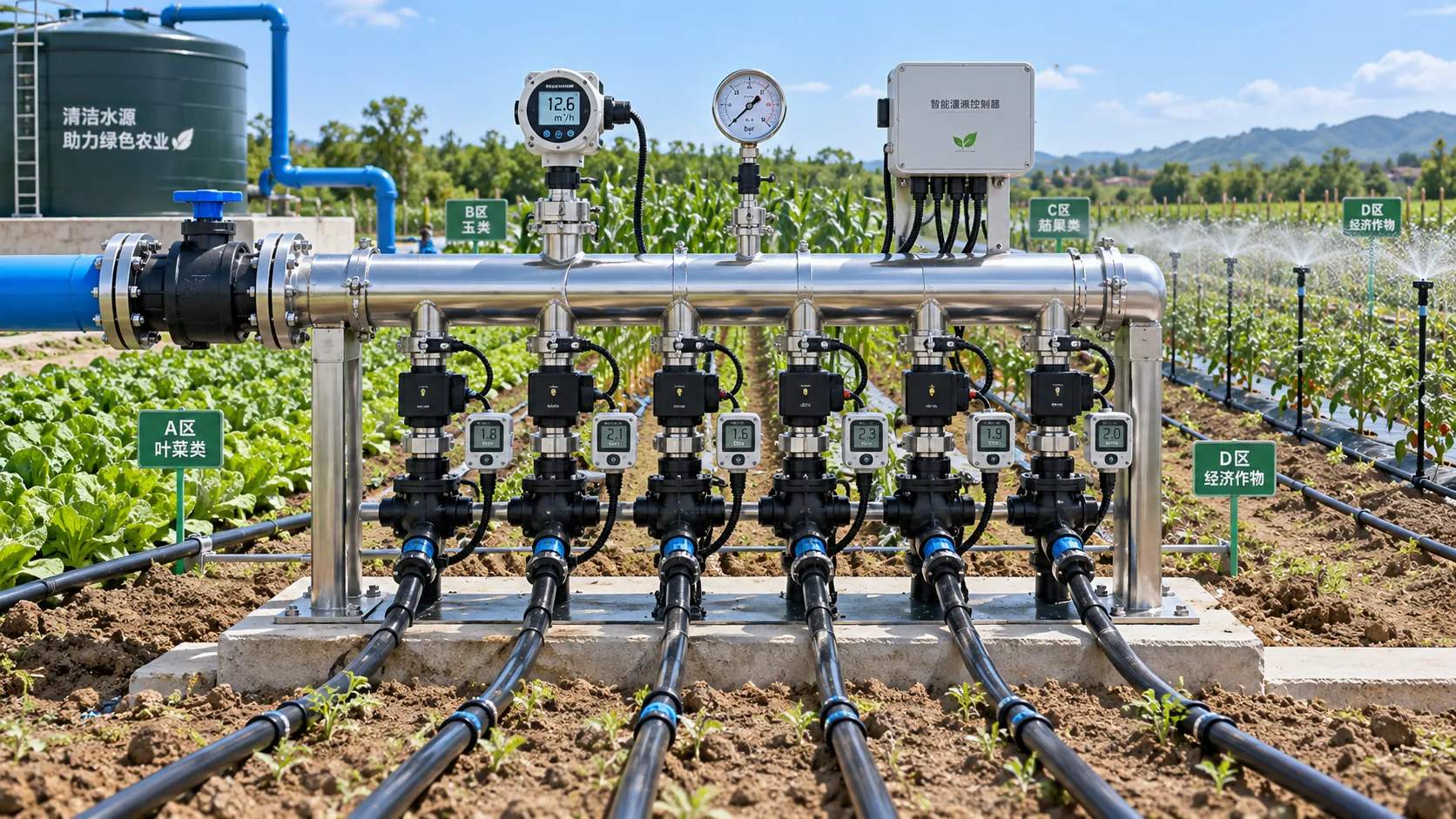
How to Select Smart Irrigation Valves for Multi-Zone Water Management?
Intelligent irrigation systems valves: learn how to match smart valves with multi-zone flow, pressure, control, feedback, and communication needs for reliable water management.
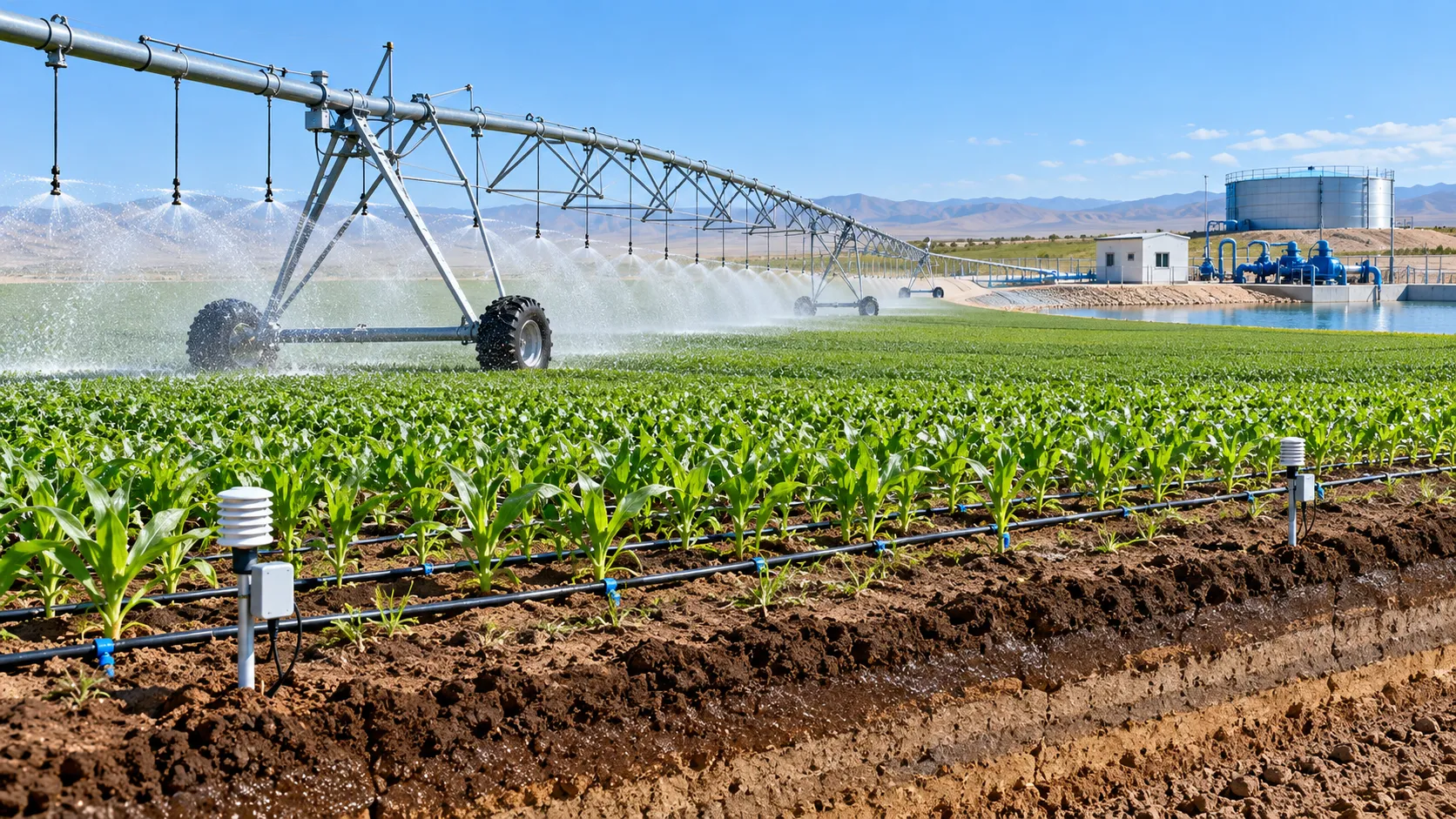
Climate-Smart Farming for Drought: A Practical Plan for Protecting Yields
Climate-smart farming for drought: build smarter water budgets, protect critical crop stages, improve irrigation uniformity, and safeguard yields with practical field-proven strategies.
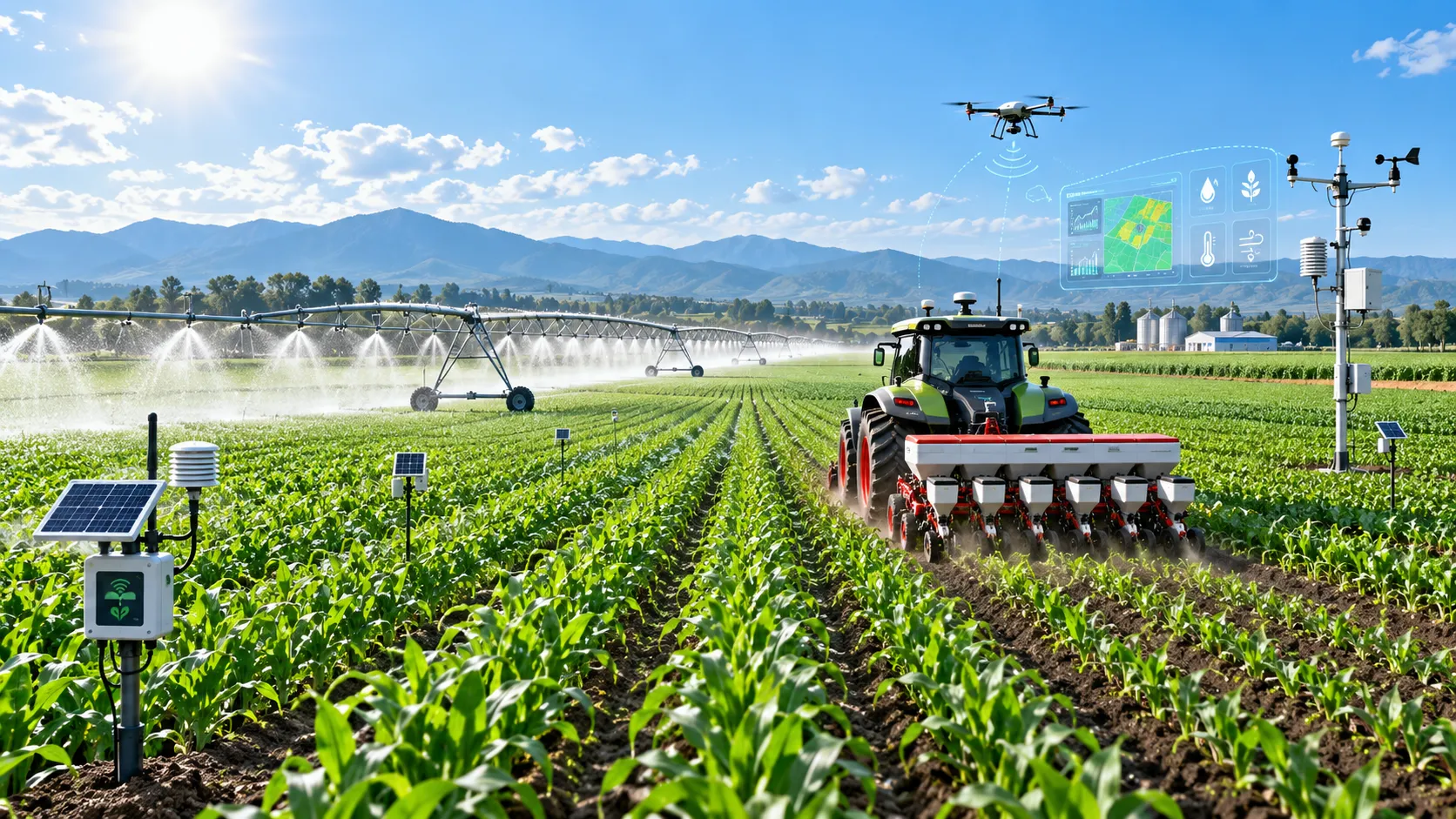
How Digital Agriculture Platforms Turn Field Data Into Better Input Decisions
Digital agriculture platforms turn field data into smarter fertilizer, water, seed, and equipment decisions—helping farms cut risk, improve margins, and scale sustainability.
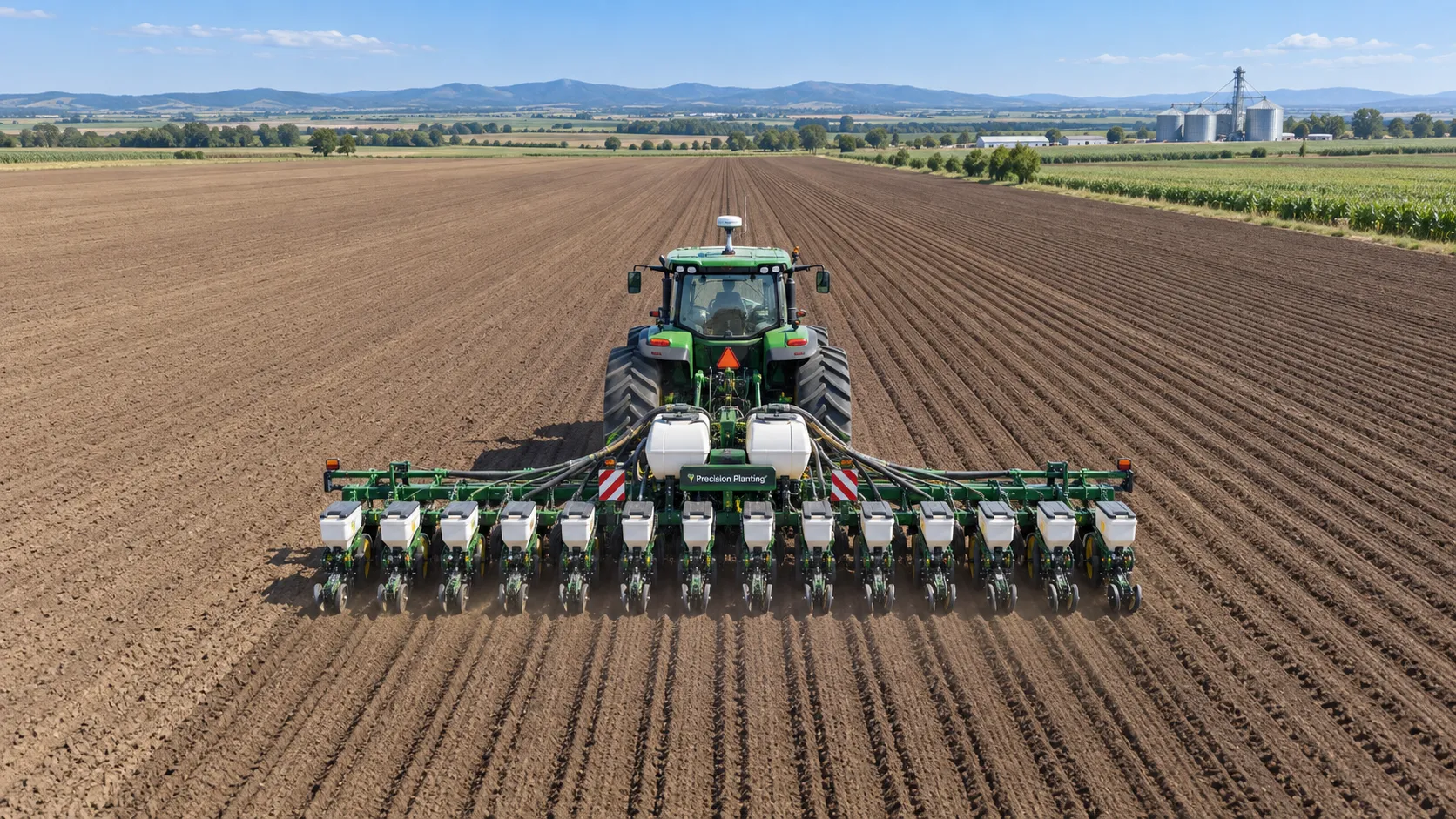
GPS-Guided Farm Machinery: Where It Delivers Measurable Field Efficiency Gains
Agri-mechanization GPS guided systems deliver measurable field efficiency gains through reduced overlap, precise planting, smarter inputs, and reliable farm data.
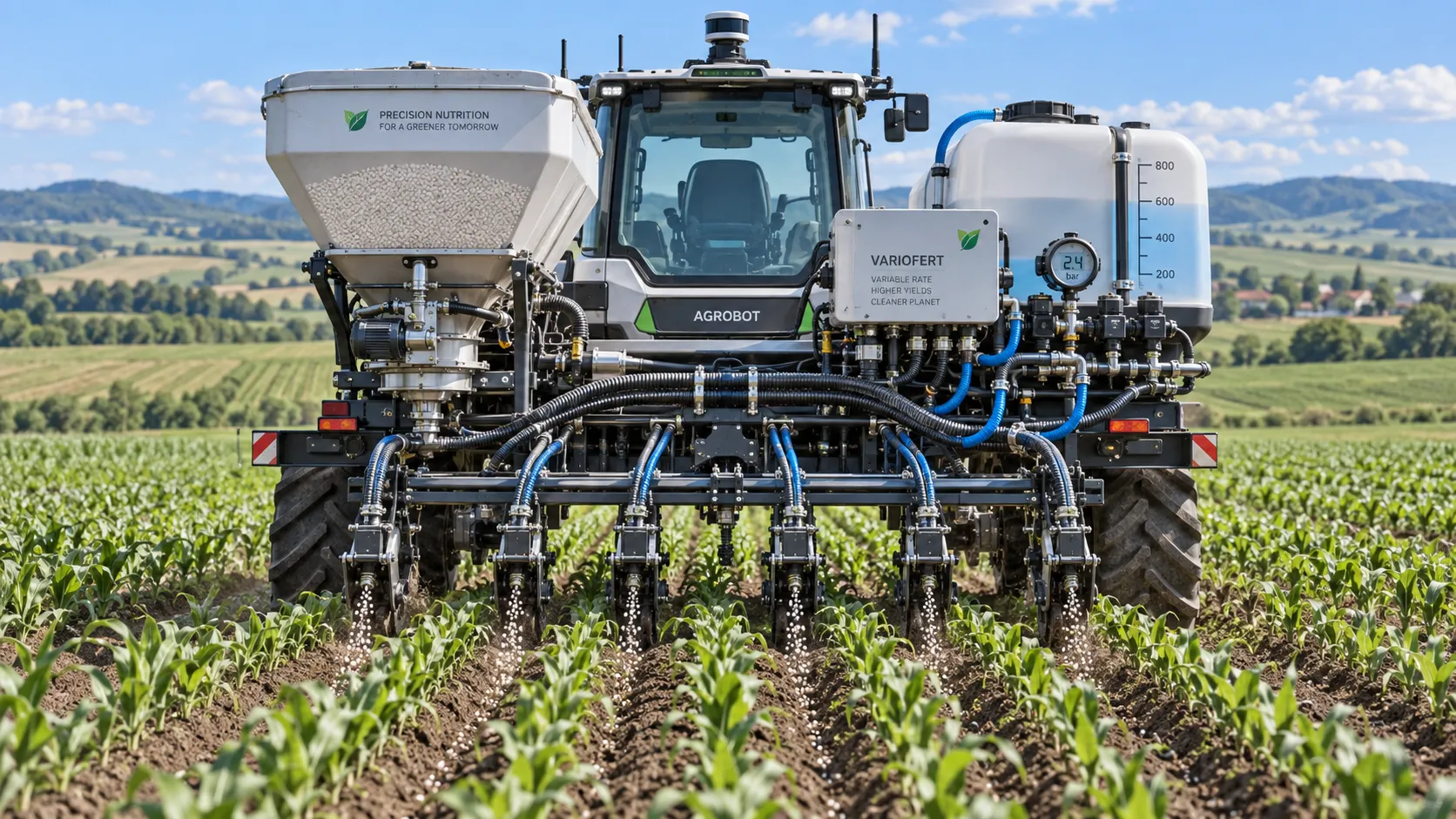
How Sensor Feedback Enables Accurate Variable-Rate Fertilization in Field Conditions
Precision fertilization systems with sensor feedback improve variable-rate accuracy by verifying flow, managing latency, and ensuring reliable field application.
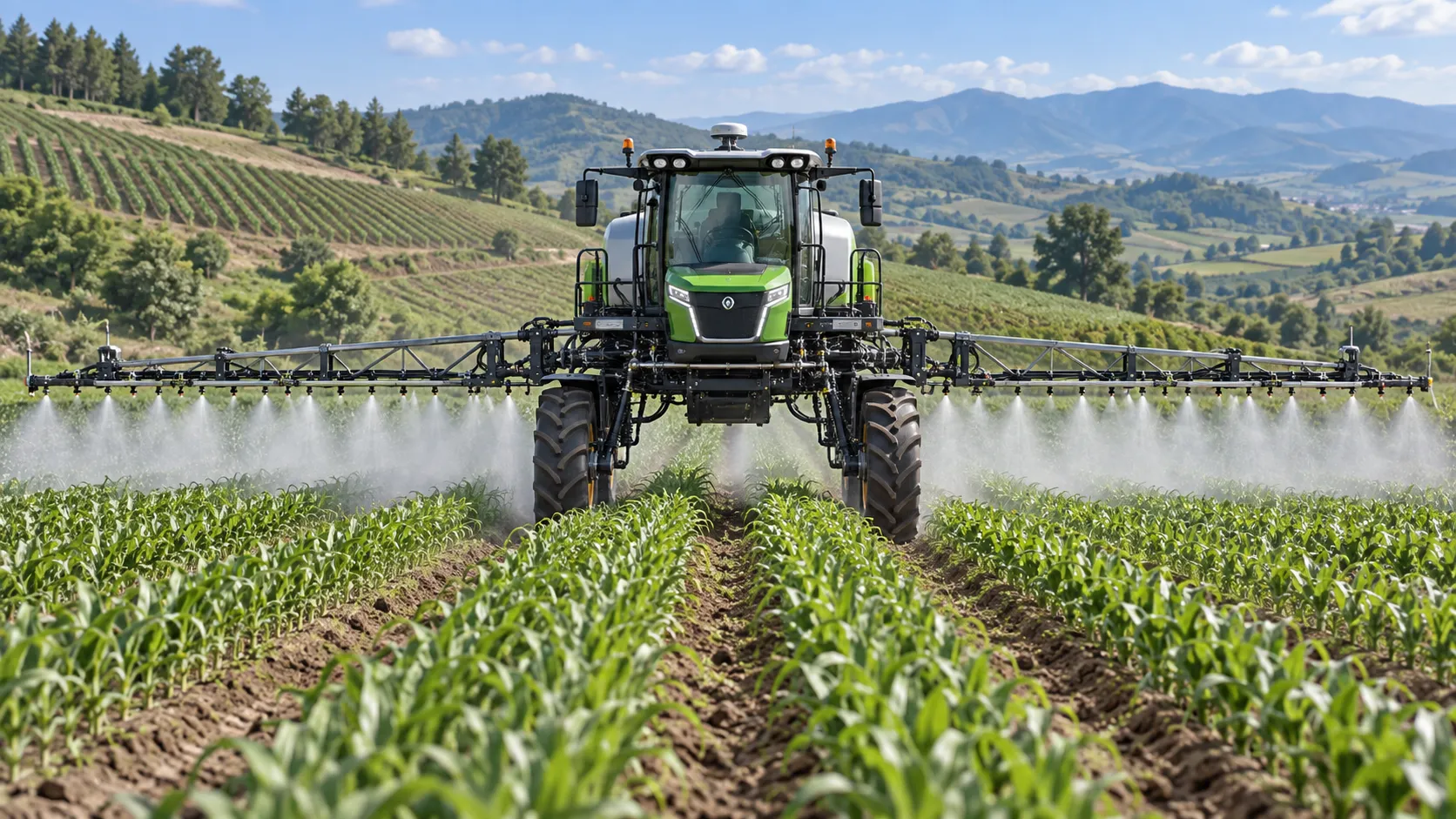
How to Select Precision Crop Protection Equipment for Variable Field Conditions
Precision crop protection equipment selection made simple: compare terrain, canopy, weather, control accuracy, and data workflows for reliable applications.
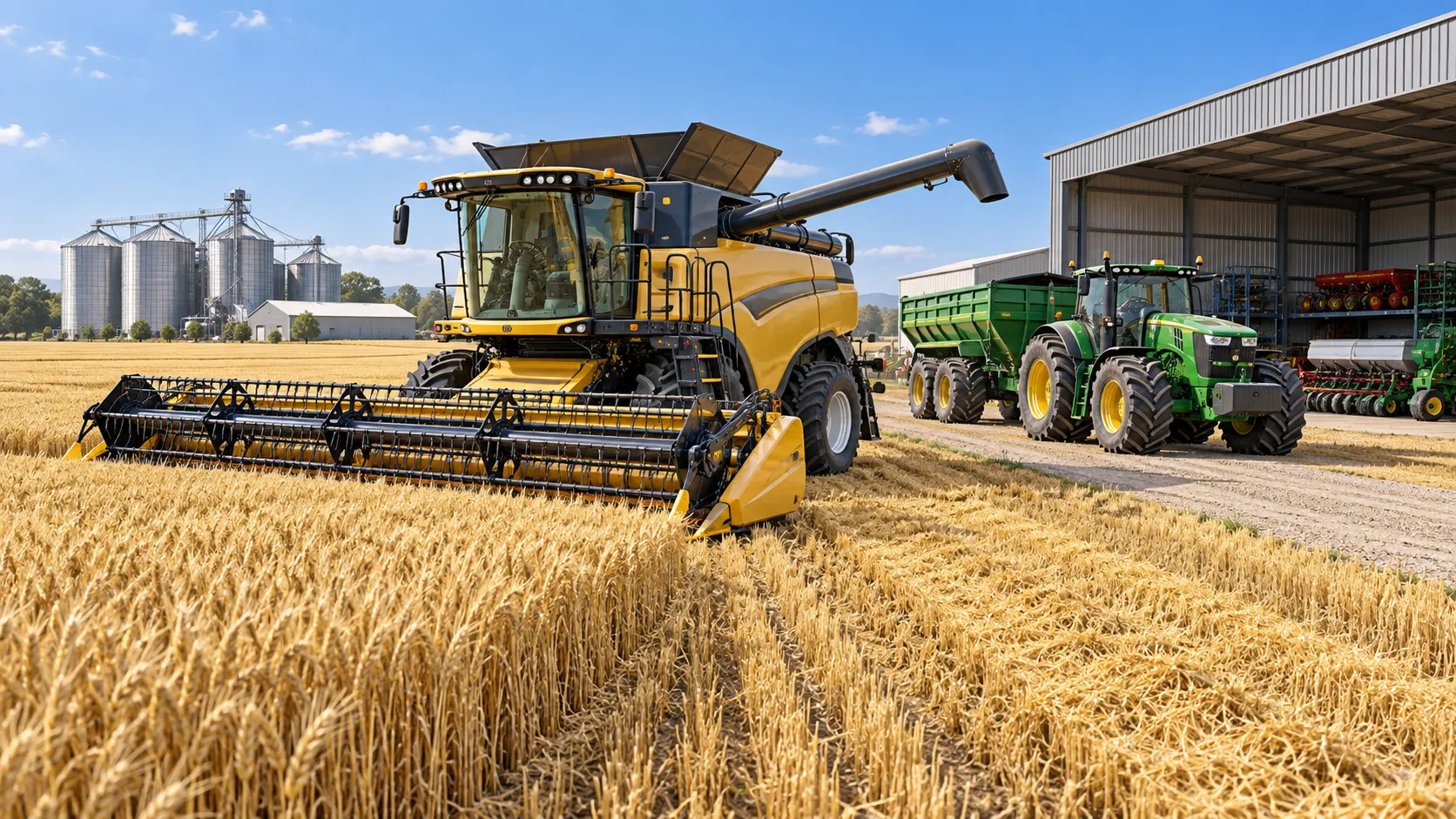
When Does Agricultural Machinery Leasing Cost Less Than Owning Equipment?
Agricultural machinery leasing can lower farm costs when use is seasonal or uncertain. Compare utilization, maintenance, cash flow, and risk to make a smarter equipment decision.
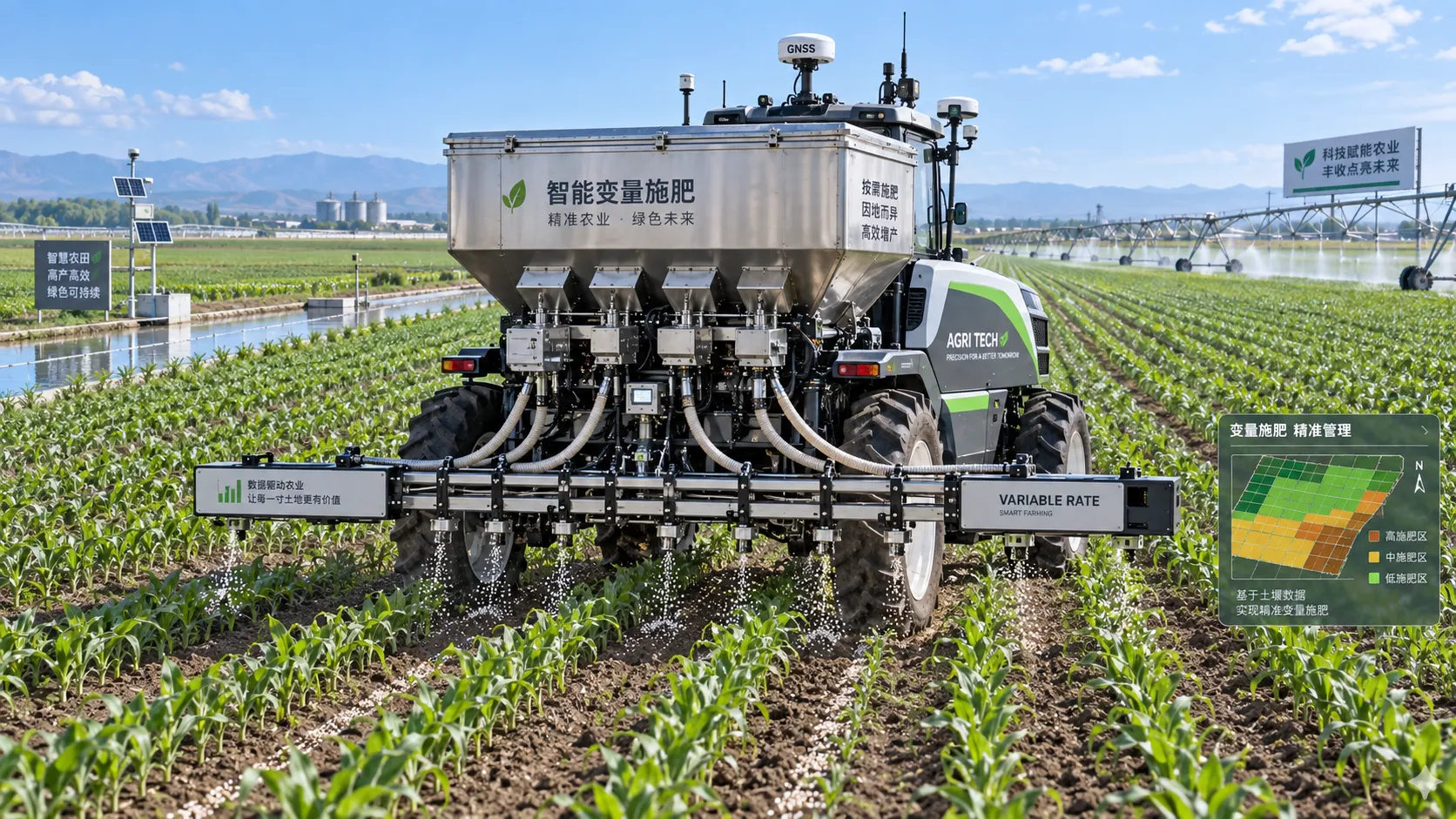
How to Evaluate Precision Fertilization System Suppliers for Farm-Scale Deployment
Precision fertilization systems suppliers: learn how to compare accuracy, integration, uptime, service, and total cost for confident farm-scale deployment.
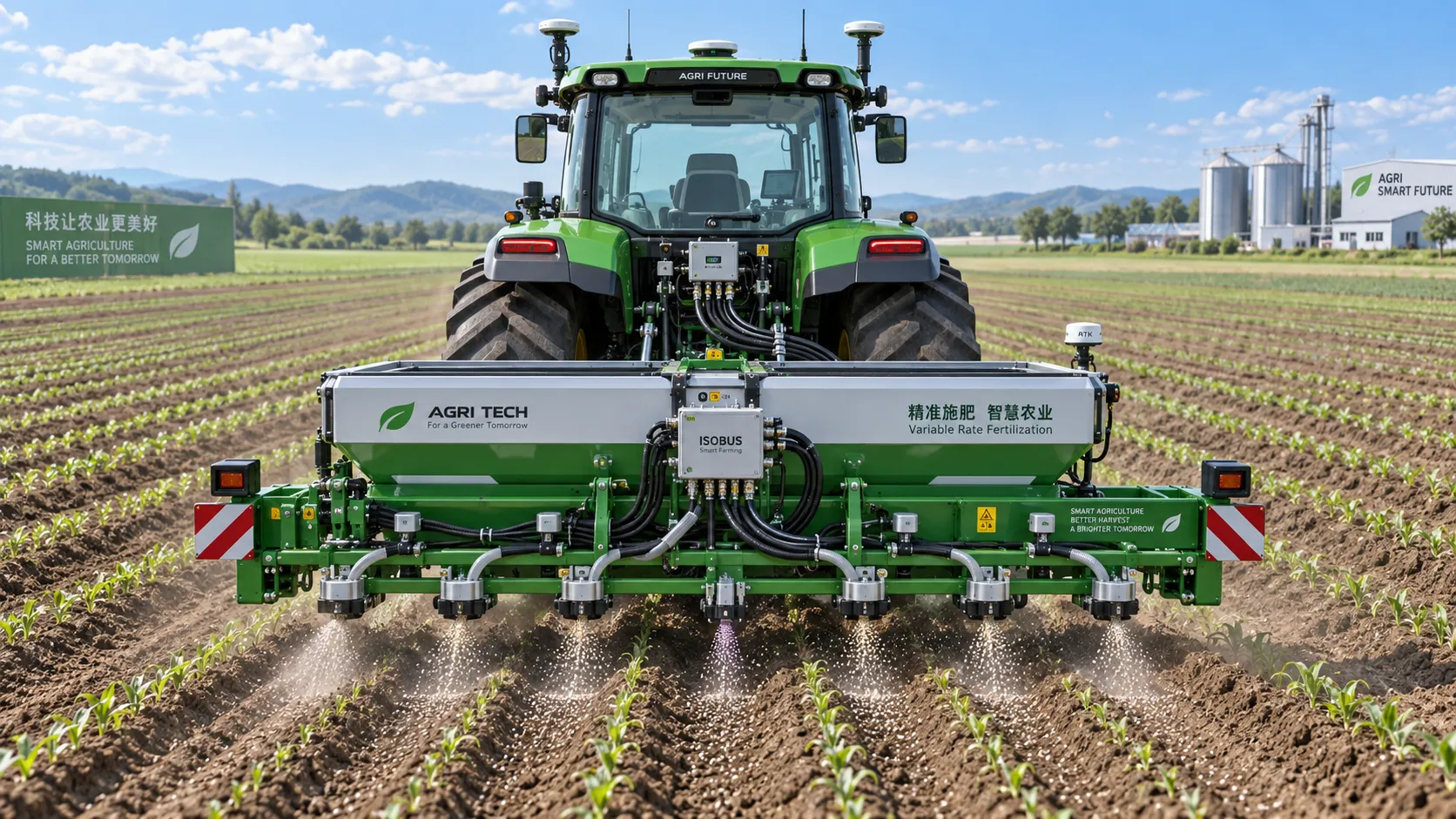
ISOBUS for Smart Agriculture: How It Connects Tractors, Implements, and Farm Data
ISOBUS for smart agriculture connects tractors, implements, terminals, and farm data—helping growers improve precision, documentation, and smarter field decisions.
Related News
- 00
0000-00
What Tractor Horsepower Is Needed for a Three-Bottom Moldboard Plow? - 00
0000-00
What Is the Difference Between No-Till and Conventional Tillage? - 00
0000-00
Does No-Till Farming Reduce Erosion on Hilly Farmland? - 00
0000-00
India BIS Tightens Soil Tiller Labeling for Imports - 00
0000-00
Vietnam Requires Vietnamese Warning Labels for Imported Soil Tillers
Popular Tags
Agri-Mechanization Fellow
Weekly Insights
Stay ahead with our curated technology reports delivered every Monday.