
When soil preparation equipment improves precision results
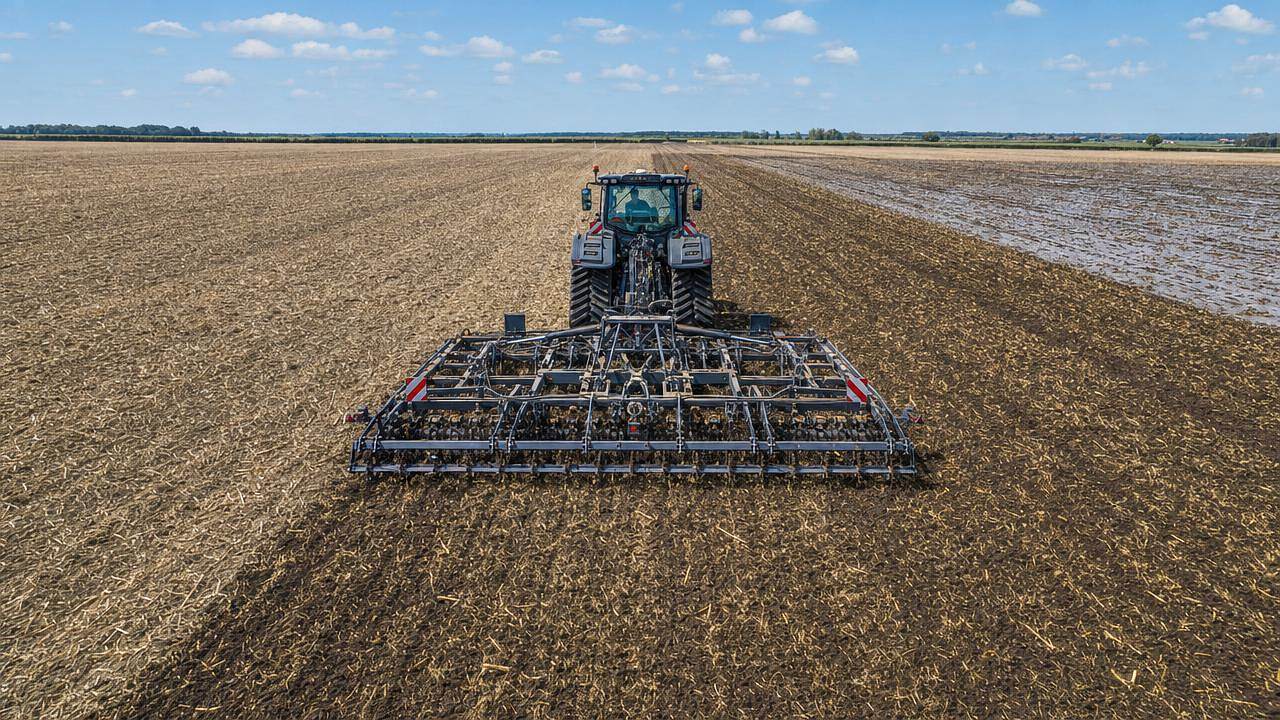




For operators aiming to improve field consistency and reduce input waste, soil preparation equipment for precision agriculture is becoming a practical game changer. From better depth control to more uniform seedbed conditions, the right equipment helps turn variable soil into predictable performance. This shift matters across the broader agricultural value chain, where machine efficiency, crop establishment, and sustainability targets increasingly depend on accurate field preparation.
Why field conditions change the value of soil preparation equipment for precision agriculture
Not every field requires the same setup. Soil texture, residue load, slope, moisture, and crop rotation all change what “good preparation” really means.
In one field, precision means shallow residue mixing. In another, it means deeper loosening without destroying soil structure. That is why soil preparation equipment for precision agriculture must be judged by scenario, not by brand claims alone.
AP-Strategy tracks this shift closely. In Agriculture 4.0, precision starts before planting. Accurate tillage, leveling, and compaction control influence later performance in seeding, irrigation, and harvesting.
Scenario 1: High-residue fields need controlled mixing, not aggressive disturbance
After corn, wheat, or high-biomass cover crops, residue can block seed placement and create uneven emergence. Here, soil preparation equipment for precision agriculture should manage surface material with consistency.
The key judgment point is residue distribution. If stalks stay concentrated in strips or piles, seedbed quality suffers even when tillage depth looks acceptable.
What to prioritize in this scenario
- Uniform cutting and mixing across the full working width
- Stable depth at varying travel speeds
- Low risk of hair-pinning or residue dragging
- Surface finish that supports accurate row-unit contact
In these conditions, precision results often come from adjustment discipline. Gang angle, working depth, and leveling settings must match residue load, not just calendar timing.
Scenario 2: Compacted zones require targeted loosening with measurable depth control
Headlands, traffic lanes, and repeated heavy axle loads often create compaction layers. Yield loss follows when roots, water movement, and nutrient access become restricted.
In this case, soil preparation equipment for precision agriculture should not simply work deeper everywhere. It should break limiting layers where needed, while avoiding unnecessary fuel use and moisture loss.
Core judgment points
- Is compaction shallow, mid-profile, or deep?
- Does the field show random or repeatable traffic patterns?
- Will deep loosening improve infiltration before the next rain event?
- Can guidance and mapping reduce overlap in heavy-draft passes?
Precision here means matching tool geometry and draft demand to actual soil resistance. Sensor-informed passes and historical field maps can prevent expensive over-tillage.
Scenario 3: Variable-moisture fields demand timing more than raw machine power
Many large fields do not dry evenly. Low areas stay wet, ridges dry quickly, and shaded zones behave differently after rainfall or irrigation.
Under these conditions, soil preparation equipment for precision agriculture performs best when operators adapt timing, speed, and depth to soil readiness.
If tools enter wet soil too early, smearing and clod formation can increase. If work starts too late, the seedbed may become rough, dry, and difficult to close after planting.
Practical signals to monitor
- Wheel slip and draft spikes
- Clod size behind the machine
- Surface sealing risk after rainfall
- Variability shown by soil moisture maps
This is where integrated thinking matters. Precision soil preparation connects directly with water-saving irrigation systems, because better infiltration and uniformity improve later water management efficiency.
Scenario 4: Seedbed-sensitive crops reward fine finishing and repeatable uniformity
Vegetables, small grains, and crops with narrow emergence windows often require a more refined finish. Here, surface levelness and aggregate size influence stand quality fast.
For these operations, soil preparation equipment for precision agriculture should deliver repeatable tilth, low ridging, and consistent depth control across changing textures.
The main judgment point is emergence sensitivity. If a crop responds sharply to small changes in seeding depth or moisture contact, field finishing becomes a high-value precision task.
How demand shifts across common field scenarios
How to choose soil preparation equipment for precision agriculture by field need
Selection becomes easier when decisions start from field variability. A machine is “precise” only when its adjustment range fits the real operating environment.
Useful selection criteria
- Depth stability across uneven ground
- Compatibility with GPS guidance and field maps
- Residue clearance at practical operating speeds
- Hydraulic adjustment simplicity during long workdays
- Power match with tractor chassis and traction conditions
- Ability to maintain a uniform finish over full width
AP-Strategy often sees strong results where machine choice is linked to the whole farming system. Tractor hydraulics, guidance accuracy, and later planting requirements should be considered together.
Common misjudgments that reduce precision results
One common error is assuming deeper tillage always solves inconsistency. In reality, excessive disturbance can create new variability and raise operating cost.
Another mistake is judging performance only by visual appearance. A smooth surface may hide compaction, poor mixing, or unstable depth beneath the top layer.
A third issue is ignoring season-to-season data. The best soil preparation equipment for precision agriculture should be reviewed against emergence maps, yield patterns, and irrigation response.
There is also a timing trap. Even advanced machines cannot compensate for working outside suitable soil moisture conditions. Precision begins with field readiness, not just machine sophistication.
Action steps for improving precision in the next field pass
Start with a simple field diagnosis. Identify residue pressure, compaction zones, moisture variation, and crop sensitivity before setting tillage depth or speed.
- Map recurring weak zones using past yield and traffic data.
- Match tool type and depth range to the limiting condition.
- Check tractor chassis capacity for draft, ballast, and hydraulic demand.
- Run a short test pass and inspect residue flow, clod size, and finish.
- Adjust based on measured results, not assumptions.
When evaluated through real field scenarios, soil preparation equipment for precision agriculture becomes more than a tillage category. It becomes a decision tool for consistency, efficiency, and stronger downstream performance.
That is why AP-Strategy continues to connect machinery intelligence, field variability, and sustainability goals. Better soil preparation supports better planting, better water use, and better harvest outcomes across modern large-scale farming systems.
Related News
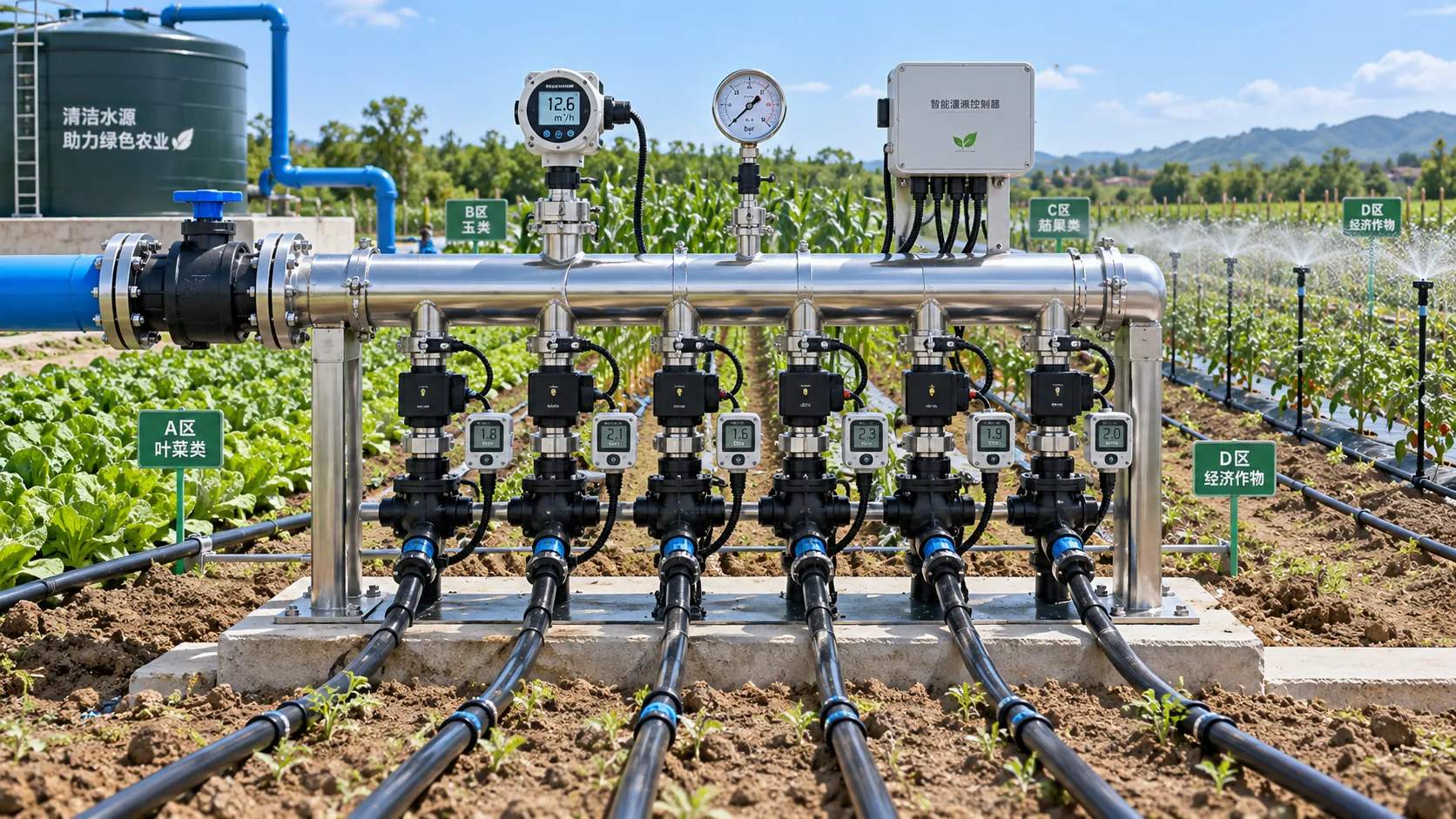
How to Select Smart Irrigation Valves for Multi-Zone Water Management?
Intelligent irrigation systems valves: learn how to match smart valves with multi-zone flow, pressure, control, feedback, and communication needs for reliable water management.
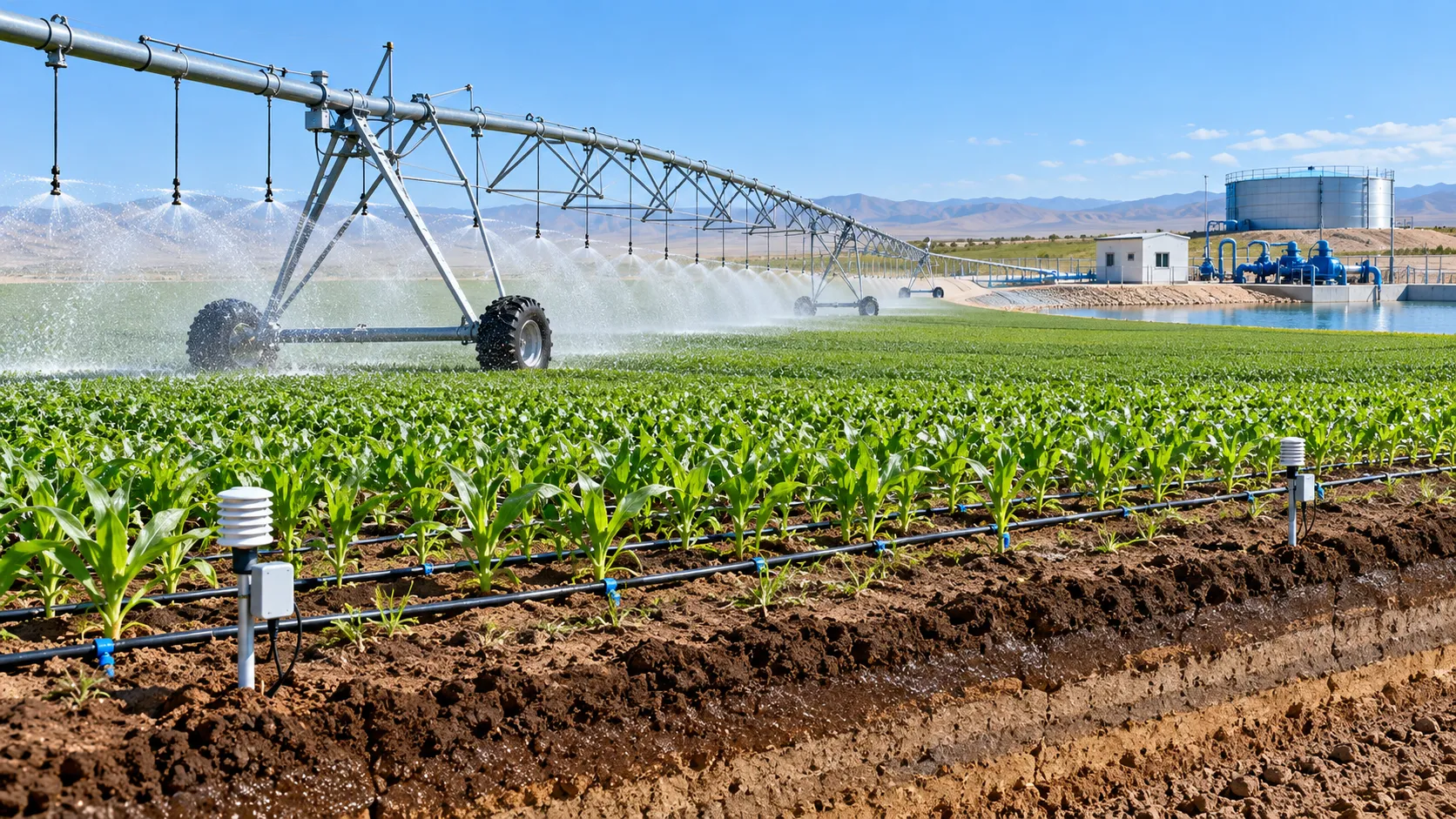
Climate-Smart Farming for Drought: A Practical Plan for Protecting Yields
Climate-smart farming for drought: build smarter water budgets, protect critical crop stages, improve irrigation uniformity, and safeguard yields with practical field-proven strategies.
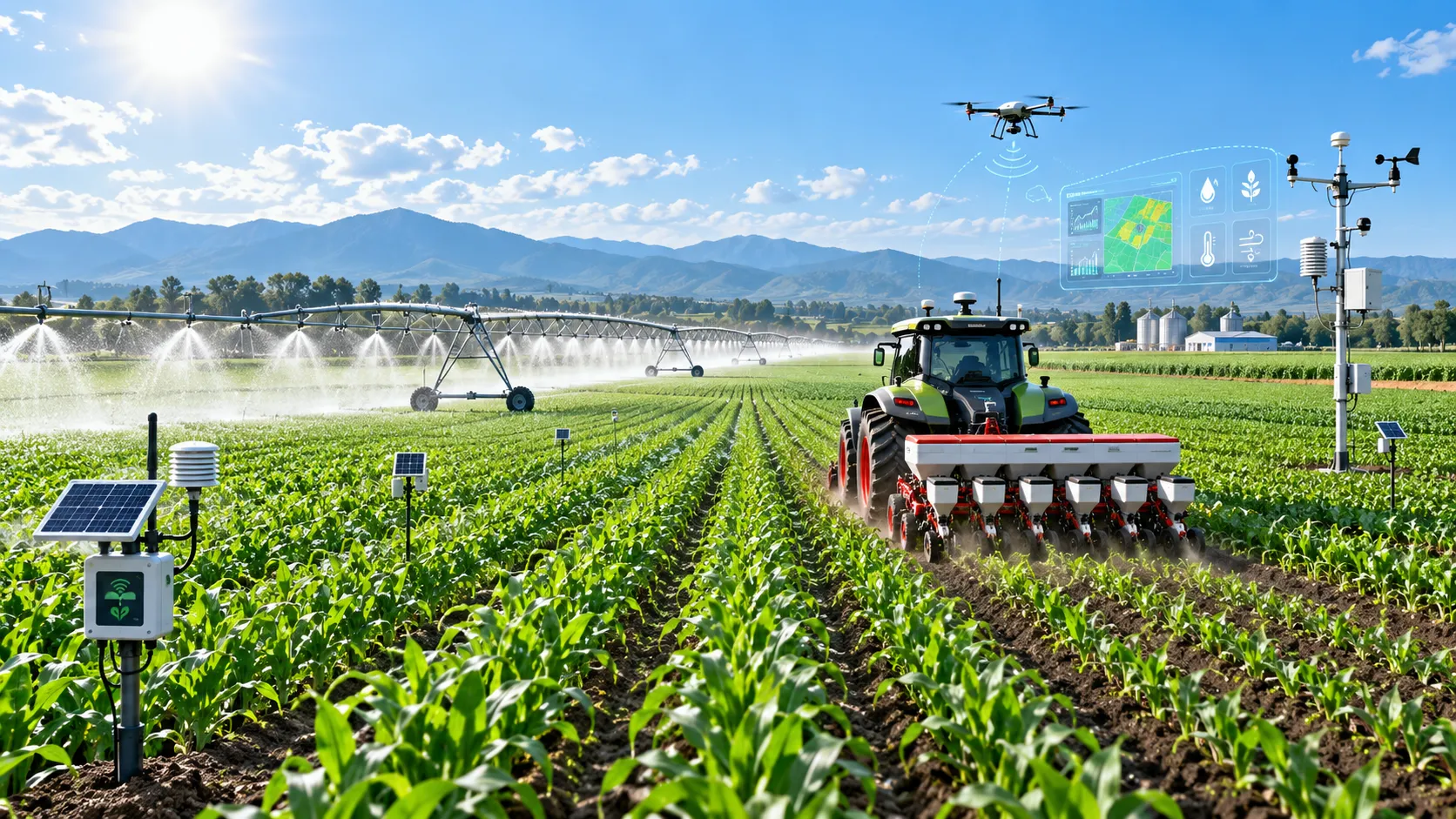
How Digital Agriculture Platforms Turn Field Data Into Better Input Decisions
Digital agriculture platforms turn field data into smarter fertilizer, water, seed, and equipment decisions—helping farms cut risk, improve margins, and scale sustainability.
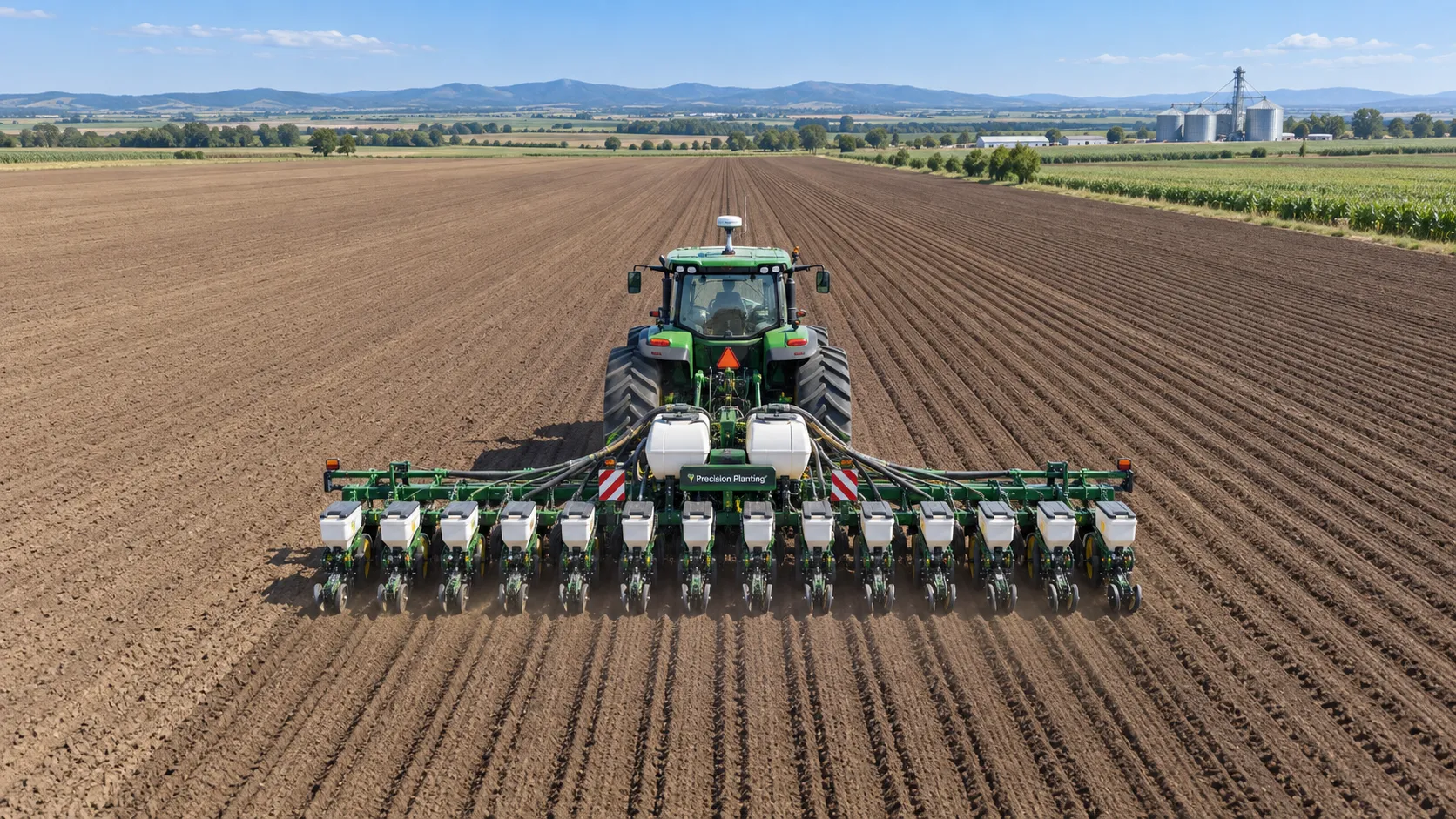
GPS-Guided Farm Machinery: Where It Delivers Measurable Field Efficiency Gains
Agri-mechanization GPS guided systems deliver measurable field efficiency gains through reduced overlap, precise planting, smarter inputs, and reliable farm data.
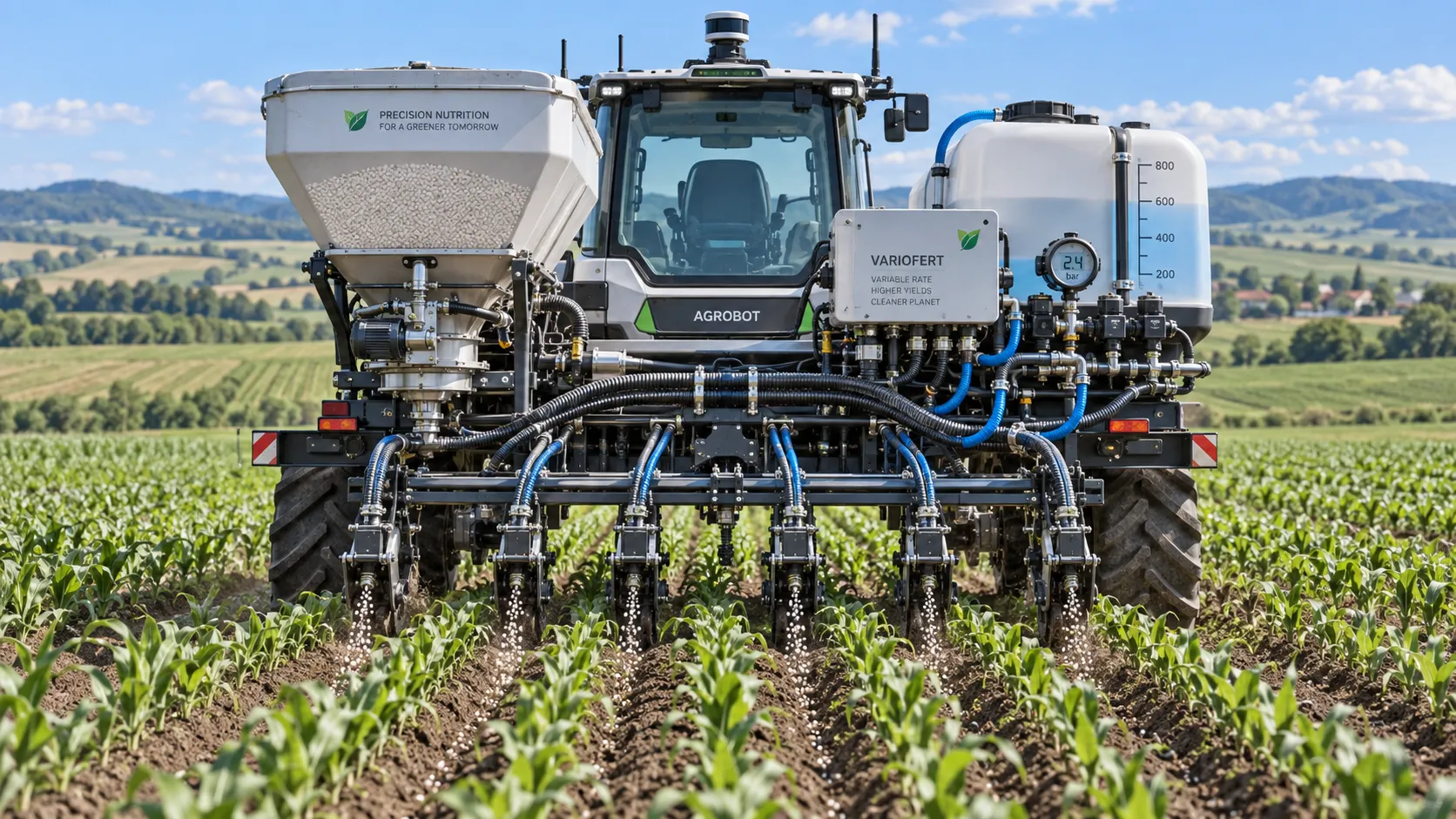
How Sensor Feedback Enables Accurate Variable-Rate Fertilization in Field Conditions
Precision fertilization systems with sensor feedback improve variable-rate accuracy by verifying flow, managing latency, and ensuring reliable field application.
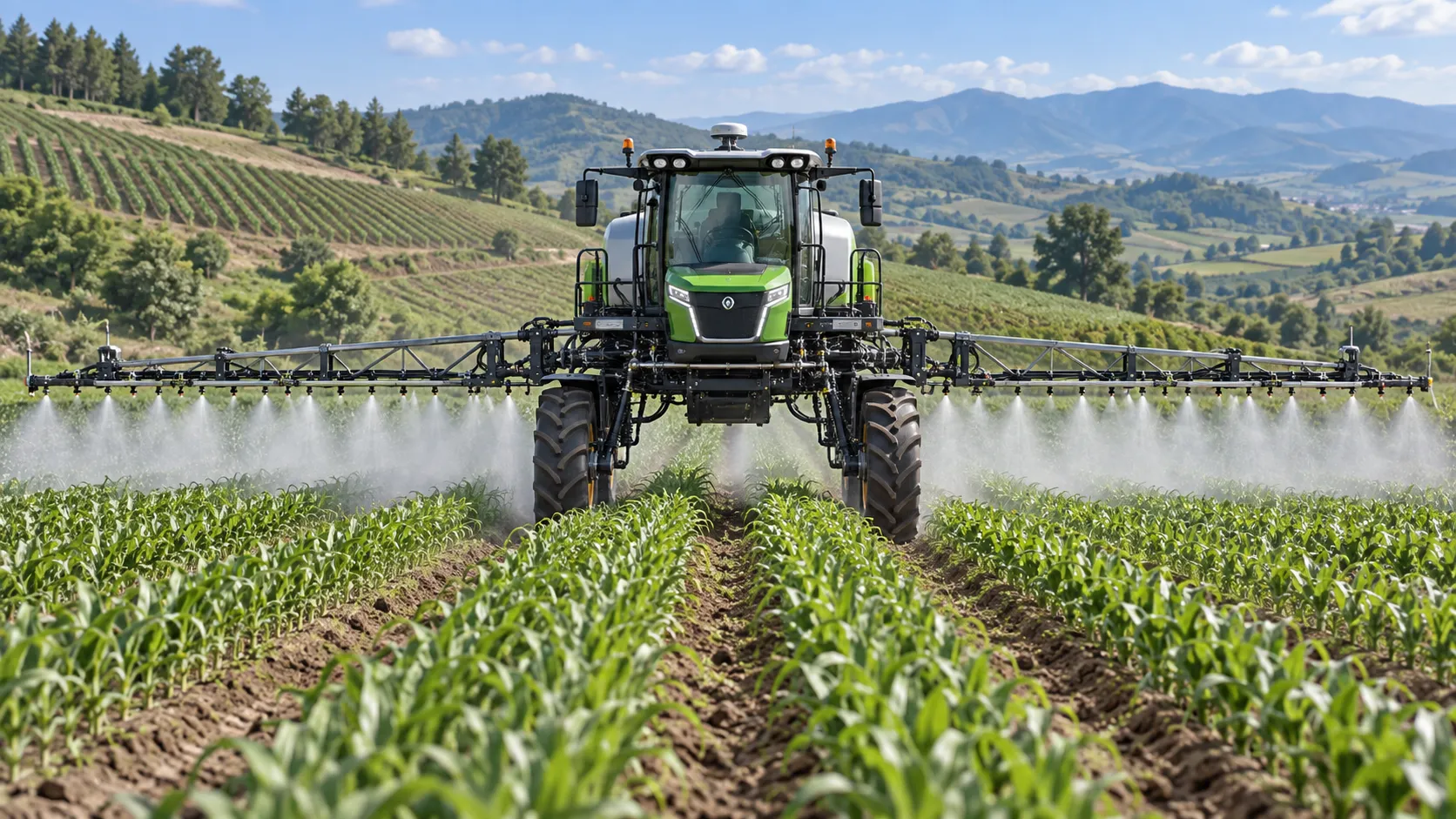
How to Select Precision Crop Protection Equipment for Variable Field Conditions
Precision crop protection equipment selection made simple: compare terrain, canopy, weather, control accuracy, and data workflows for reliable applications.
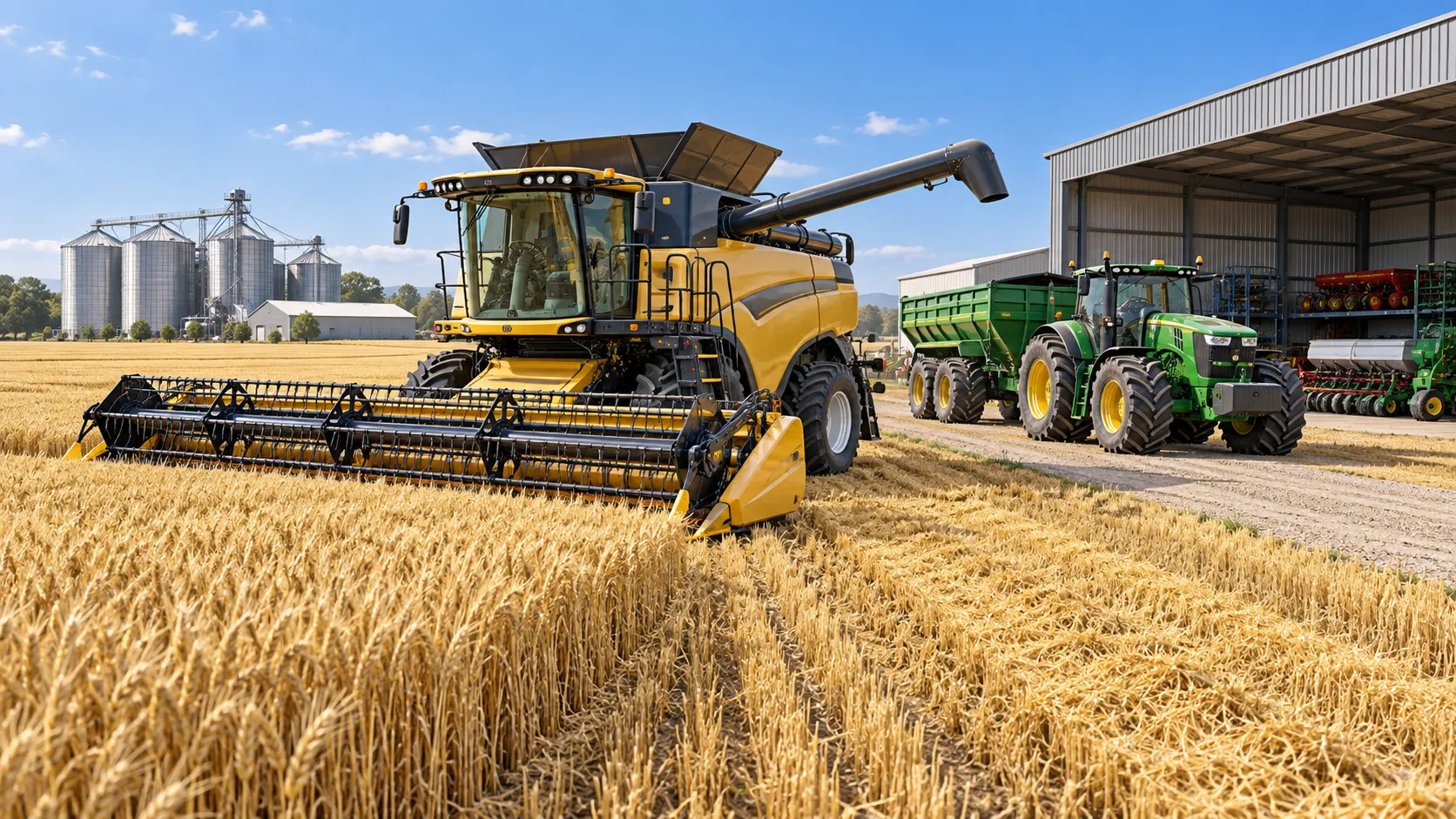
When Does Agricultural Machinery Leasing Cost Less Than Owning Equipment?
Agricultural machinery leasing can lower farm costs when use is seasonal or uncertain. Compare utilization, maintenance, cash flow, and risk to make a smarter equipment decision.
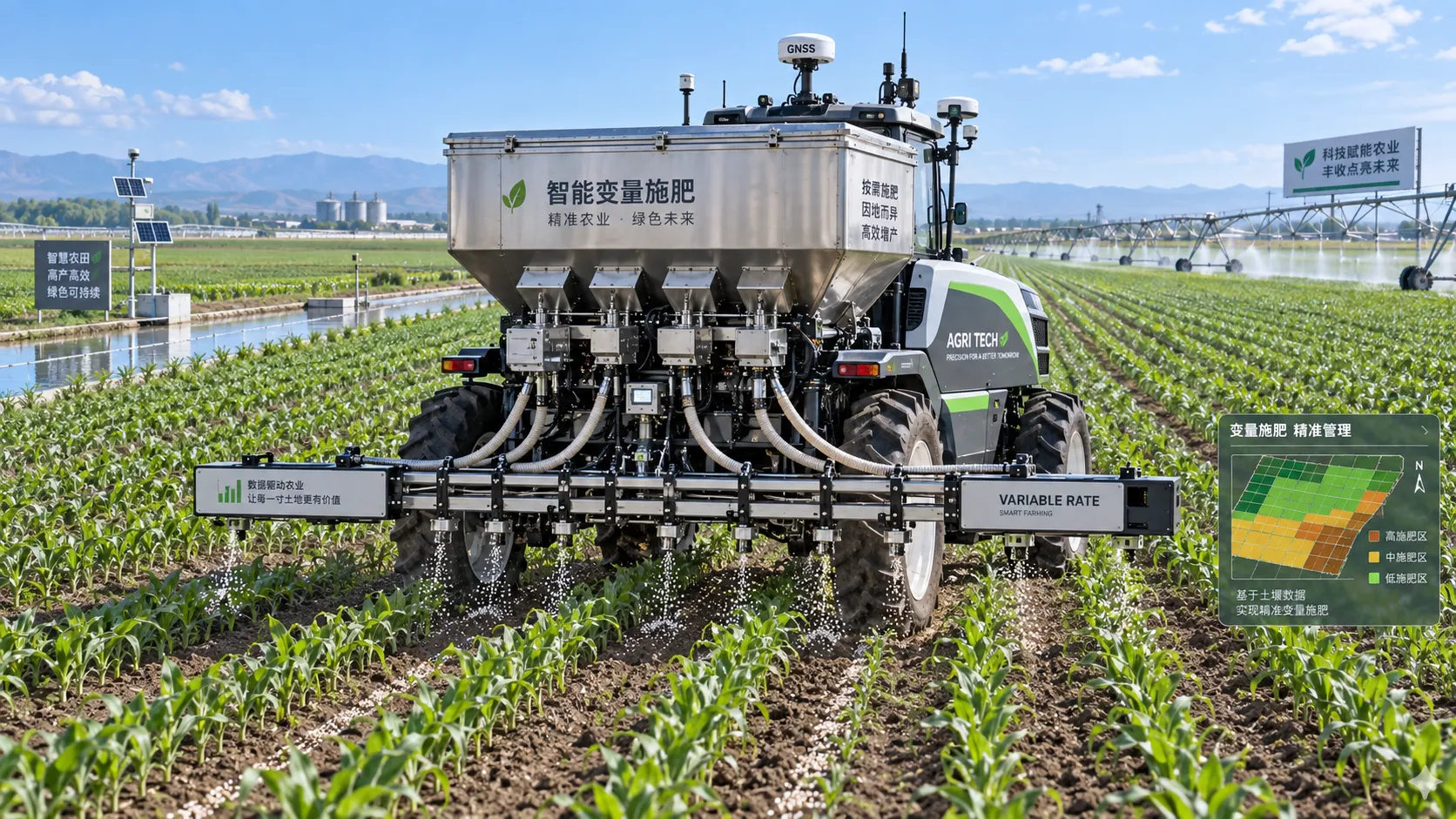
How to Evaluate Precision Fertilization System Suppliers for Farm-Scale Deployment
Precision fertilization systems suppliers: learn how to compare accuracy, integration, uptime, service, and total cost for confident farm-scale deployment.
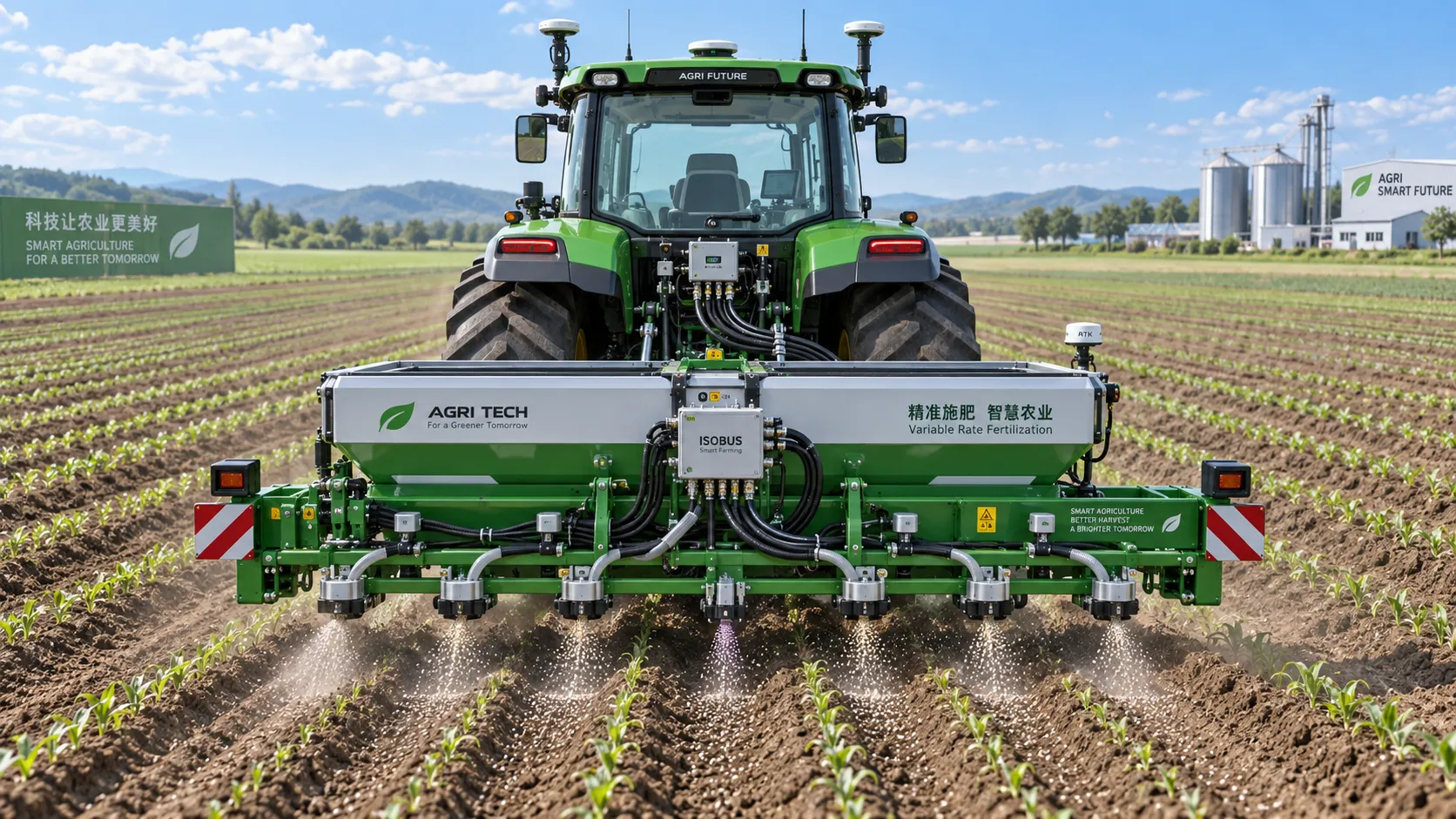
ISOBUS for Smart Agriculture: How It Connects Tractors, Implements, and Farm Data
ISOBUS for smart agriculture connects tractors, implements, terminals, and farm data—helping growers improve precision, documentation, and smarter field decisions.
Related News
- 00
0000-00
What Tractor Horsepower Is Needed for a Three-Bottom Moldboard Plow? - 00
0000-00
What Is the Difference Between No-Till and Conventional Tillage? - 00
0000-00
Does No-Till Farming Reduce Erosion on Hilly Farmland? - 00
0000-00
India BIS Tightens Soil Tiller Labeling for Imports - 00
0000-00
Vietnam Requires Vietnamese Warning Labels for Imported Soil Tillers
Popular Tags
Agri-Mechanization Fellow
Weekly Insights
Stay ahead with our curated technology reports delivered every Monday.