
How to vet climate smart equipment suppliers with confidence
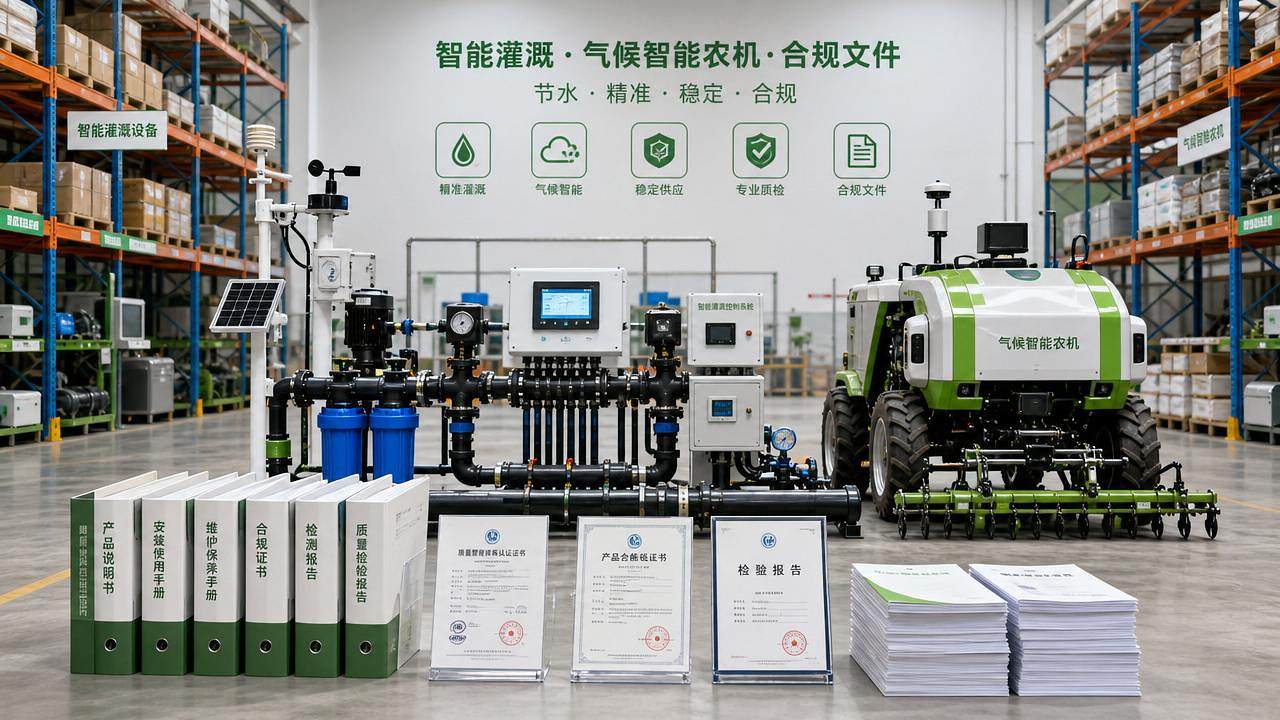




For dealers, distributors, and agents, choosing reliable climate-smart farming equipment suppliers is no longer just about price or product range—it is a strategic decision tied to performance, compliance, and long-term market trust. This guide explains how to assess supplier capability with confidence, from technical strength and sustainability credentials to after-sales support and global adaptability in an evolving Agriculture 4.0 landscape.
Why buyers search for climate-smart farming equipment suppliers in the first place
The core search intent behind this topic is practical supplier evaluation, not general sustainability education. Readers want a reliable way to separate credible partners from vendors using climate claims as a sales label.
For dealers and distributors, the question is direct: which supplier can support market demand, reduce warranty risk, satisfy compliance expectations, and still deliver equipment that performs in real field conditions?
That means the real decision is commercial as much as technical. A weak supplier can damage your brand, create spare-parts gaps, increase service costs, and undermine customer confidence across multiple seasons.
What dealers, distributors, and agents care about most
If you sell or represent equipment, you are not only buying machines. You are buying product reliability, documentation quality, training support, parts continuity, and the supplier’s ability to stand behind performance claims.
In the case of climate-smart farming equipment suppliers, buyers usually focus on six issues: proven field performance, sustainability credibility, regulatory readiness, service response, market fit, and long-term partnership stability.
Price still matters, of course. But for most serious channel partners, a lower purchase price loses value quickly if breakdowns increase, software support is weak, or the product fails local agronomic needs.
Start with a simple rule: verify performance before you verify promises
The most confident vetting process begins with technical evidence. Before discussing margins, exclusivity, or branding rights, ask whether the equipment has delivered measurable results in conditions comparable to your target market.
For example, if the supplier offers intelligent irrigation systems, request evidence on water-use efficiency, energy consumption, maintenance intervals, and control accuracy under different crop and climate conditions.
If the focus is tractors, harvesters, or smart implements, review fuel efficiency, emissions profile, compaction impact, machine uptime, input-saving capability, telematics stability, and operator usability in commercial farm settings.
Climate-smart claims should always connect to a measurable operational outcome. Better water efficiency, lower fuel use, reduced input waste, improved timing, and lower field losses are stronger signals than broad green marketing language.
How to tell whether a supplier’s climate-smart claim is real
Not every supplier defining itself as sustainable is truly climate-smart. A credible supplier should explain how its products help farms adapt to climate volatility, reduce resource waste, or cut operational emissions.
Ask for specifics. Does the equipment support variable-rate application, precision irrigation scheduling, reduced tillage compatibility, automated section control, low-loss harvesting, or improved power efficiency through smarter drivetrain design?
Then go one level deeper. Request case data, pilot results, third-party tests, or deployment references. If a supplier cannot connect sustainability language to product engineering and field outcomes, the claim is probably shallow.
Also review whether the climate-smart value is built into the machine architecture or added only as a brochure feature. Integrated design usually signals stronger long-term performance than cosmetic sustainability messaging.
Technical due diligence should go beyond brochures
Brochures help you understand positioning, but they do not replace due diligence. Your evaluation should include product specifications, component sourcing, software architecture, maintenance design, and integration requirements.
For machinery with digital functions, ask how sensors are calibrated, how data is stored, how software updates are delivered, and what happens when connectivity is poor in remote agricultural regions.
For irrigation systems, investigate pump efficiency, filtration design, leak detection logic, automation reliability, and resistance to variable water quality. For combines and tractors, inspect drivetrain durability and hydraulic system consistency.
It is also wise to review the supplier’s engineering change process. If product issues appear in the field, can the company update components quickly and communicate the fix clearly across dealer networks?
Check whether the supplier is prepared for your market, not just any market
Many equipment manufacturers look impressive globally but remain poorly adapted to local farming realities. A supplier that succeeds in one region may struggle in another because of crop types, field sizes, terrain, labor availability, or regulation.
That is why market-fit assessment matters. Confirm whether the supplier understands your local customer base, service expectations, financing conditions, and environmental pressures such as water scarcity or emission restrictions.
For climate-smart farming equipment suppliers, this is especially important. A precision tool that works well in large consolidated farms may not fit fragmented landholding systems or low-connectivity rural operating environments.
Ask whether the company can localize software interfaces, agronomic presets, operator training materials, and service manuals. Localization capacity often reveals whether a supplier is serious about channel development.
After-sales support is often the deciding factor
Many distributors discover too late that the machine was not the main risk—the support system was. Climate-smart equipment often includes electronics, sensors, software, and control systems that require structured technical backup.
Evaluate spare-parts planning, warranty workflows, technician training, remote diagnostics, response times, and escalation procedures. If possible, speak with existing dealers about real service experiences during peak season pressure.
A reliable supplier should provide clear service documentation, parts forecasting support, and training for both sales teams and technicians. This support is essential when introducing advanced equipment to cautious end users.
For channel partners, service weakness quickly becomes a reputation problem. Even a strong product can fail commercially if downtime is high or troubleshooting depends entirely on a distant factory team.
Assess supply chain resilience and manufacturing maturity
Confidence in a supplier also depends on its manufacturing discipline. You need to know whether production quality is consistent, delivery schedules are dependable, and critical components are secured against disruption.
Ask where major parts come from, how inventory risks are managed, and whether alternative component strategies exist. Review lead times not only for machines but also for wear parts, control boards, pumps, and precision electronics.
Factory audits, quality certifications, and process documentation are useful, but practical shipping performance matters just as much. A supplier that misses promised lead times can destabilize your entire sales season.
This is particularly important in agriculture, where purchase windows are narrow. If equipment arrives after planting or irrigation planning deadlines, the commercial loss can be significant for both dealer and farmer.
Compliance and documentation are not minor details
For dealers and agents operating internationally, compliance readiness is a core filter. A climate-smart supplier should be able to provide emissions documents, safety certifications, testing records, and relevant market-entry paperwork.
Do not assume documentation can be arranged later. Missing or weak paperwork can delay customs clearance, create legal exposure, or block access to public procurement and sustainability-linked financing programs.
Also ask whether the supplier tracks changing environmental standards. Regulations related to water efficiency, engine emissions, digital data handling, and product safety are evolving quickly in many agricultural markets.
A supplier with strong compliance support reduces your operational burden. It also signals management maturity, which often correlates with better quality control and more reliable international partnerships.
Reference checks should be structured, not casual
One of the best ways to vet climate-smart farming equipment suppliers is to talk with current channel partners and end users. But reference checks only work if your questions go beyond general satisfaction.
Ask what went wrong in the first year, how fast issues were solved, whether spare parts matched demand, and whether the supplier was transparent about technical limitations or application boundaries.
You should also ask whether the supplier protected channel relationships fairly. Did it respect territory agreements, pricing discipline, and lead-sharing commitments, or did it create conflict through opportunistic direct sales?
Strong references do not mean no problems ever occurred. They mean the supplier handled problems professionally, communicated clearly, and improved product or service processes when issues emerged.
Build a supplier scorecard before entering negotiations
To avoid being swayed by presentation quality alone, create a weighted scorecard. Rate each supplier on technical performance, sustainability evidence, market fit, support capability, compliance readiness, commercial terms, and strategic stability.
This approach helps internal teams compare options objectively. It also makes it easier to explain supplier selection to management, investors, or regional partners who may focus too heavily on initial purchase cost.
A useful scorecard should include both hard criteria and risk indicators. Hard criteria may include uptime data or certification status. Risk indicators may include dependency on single-source components or unclear service responsibility.
When vetting climate-smart farming equipment suppliers, confidence comes from disciplined comparison. A scorecard turns supplier assessment from a sales conversation into a strategic procurement process.
Key warning signs that should slow your decision
Some red flags appear repeatedly in supplier screening. Be cautious if a company makes strong climate claims without field data, avoids technical questions, or cannot identify the limits of its own equipment clearly.
Other warning signs include weak service infrastructure, vague warranty terms, inconsistent pricing, poor spare-parts visibility, or pressure to commit before validation steps are complete. These issues often signal future channel friction.
You should also be careful with suppliers that overpromise digital capability. If telematics, automation, or data tools are central to the product value, the company must prove software support capacity over time.
In fast-changing agricultural markets, confidence is not built by big claims. It is built by transparency, operational readiness, and evidence that the supplier can perform under real commercial conditions.
What a strong supplier partnership looks like in practice
The best supplier relationships are not purely transactional. They combine dependable equipment, realistic commercial planning, technical training, clear escalation paths, and a shared understanding of market development goals.
A strong partner helps you educate growers, adapt product packages, collect field feedback, and refine positioning by crop, climate, and farm scale. That matters greatly for advanced machinery and water-saving systems.
In Agriculture 4.0, the value of a supplier increasingly includes data logic, system compatibility, and agronomic intelligence—not only metal, engines, and mechanical assemblies. Channel partners should evaluate all three together.
For businesses serving modern agriculture, the most reliable climate-smart farming equipment suppliers are those that connect sustainability outcomes with practical field economics and dependable support.
Conclusion: confidence comes from evidence, structure, and market fit
Vetting suppliers with confidence does not require guessing who sounds most innovative. It requires a structured process focused on proof, service capability, compliance readiness, and fit with your customers’ operating reality.
For dealers, distributors, and agents, the right supplier should strengthen your reputation, not test it. That means choosing partners whose climate-smart claims are supported by engineering, data, documentation, and after-sales execution.
If you assess performance first, test support systems early, verify references carefully, and compare suppliers with a disciplined scorecard, you can reduce channel risk and build stronger long-term growth in sustainable agriculture markets.
In a sector shaped by food security, water pressure, and precision technology, confident supplier selection is no longer optional. It is a competitive advantage.
Related News
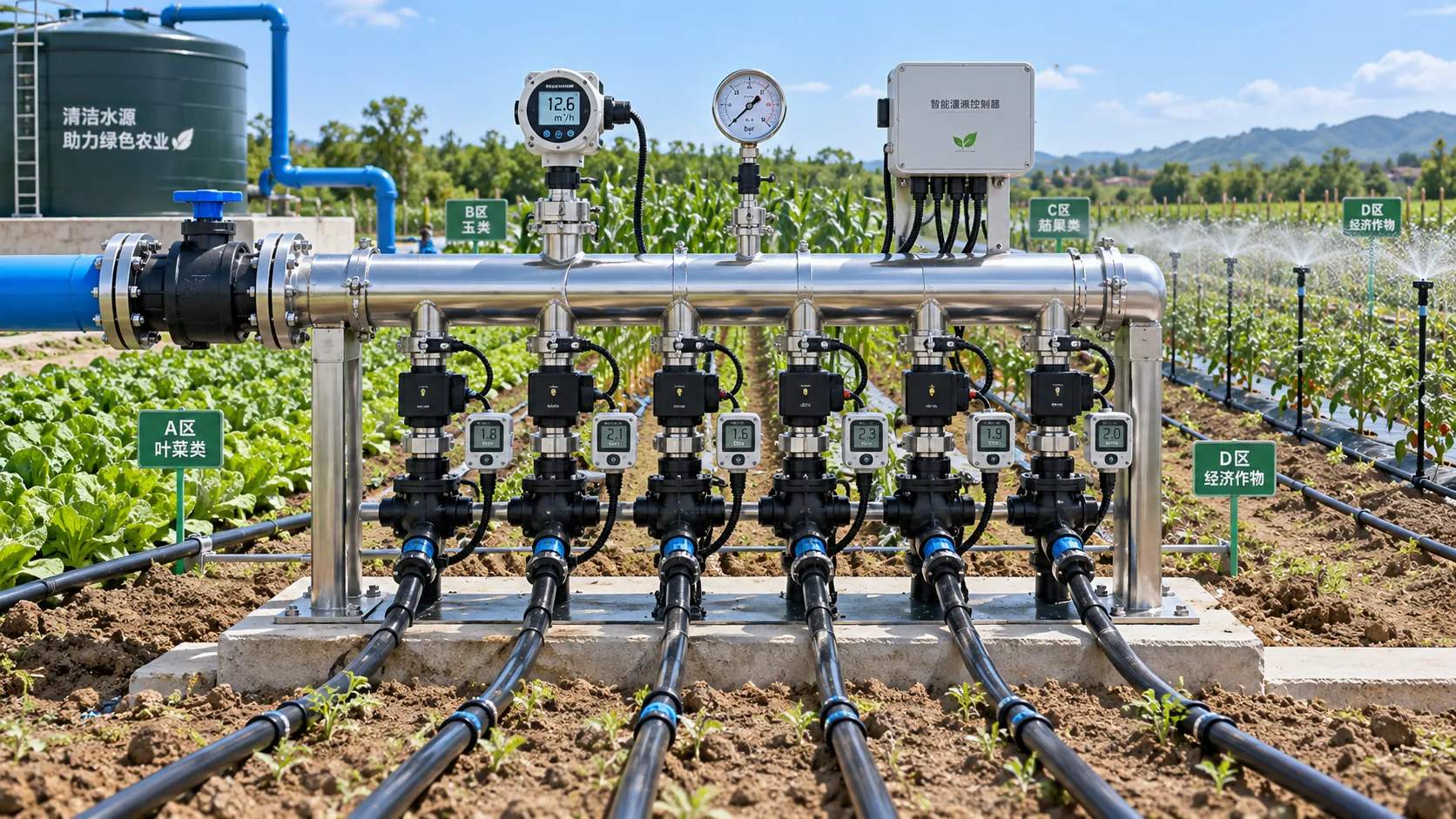
How to Select Smart Irrigation Valves for Multi-Zone Water Management?
Intelligent irrigation systems valves: learn how to match smart valves with multi-zone flow, pressure, control, feedback, and communication needs for reliable water management.
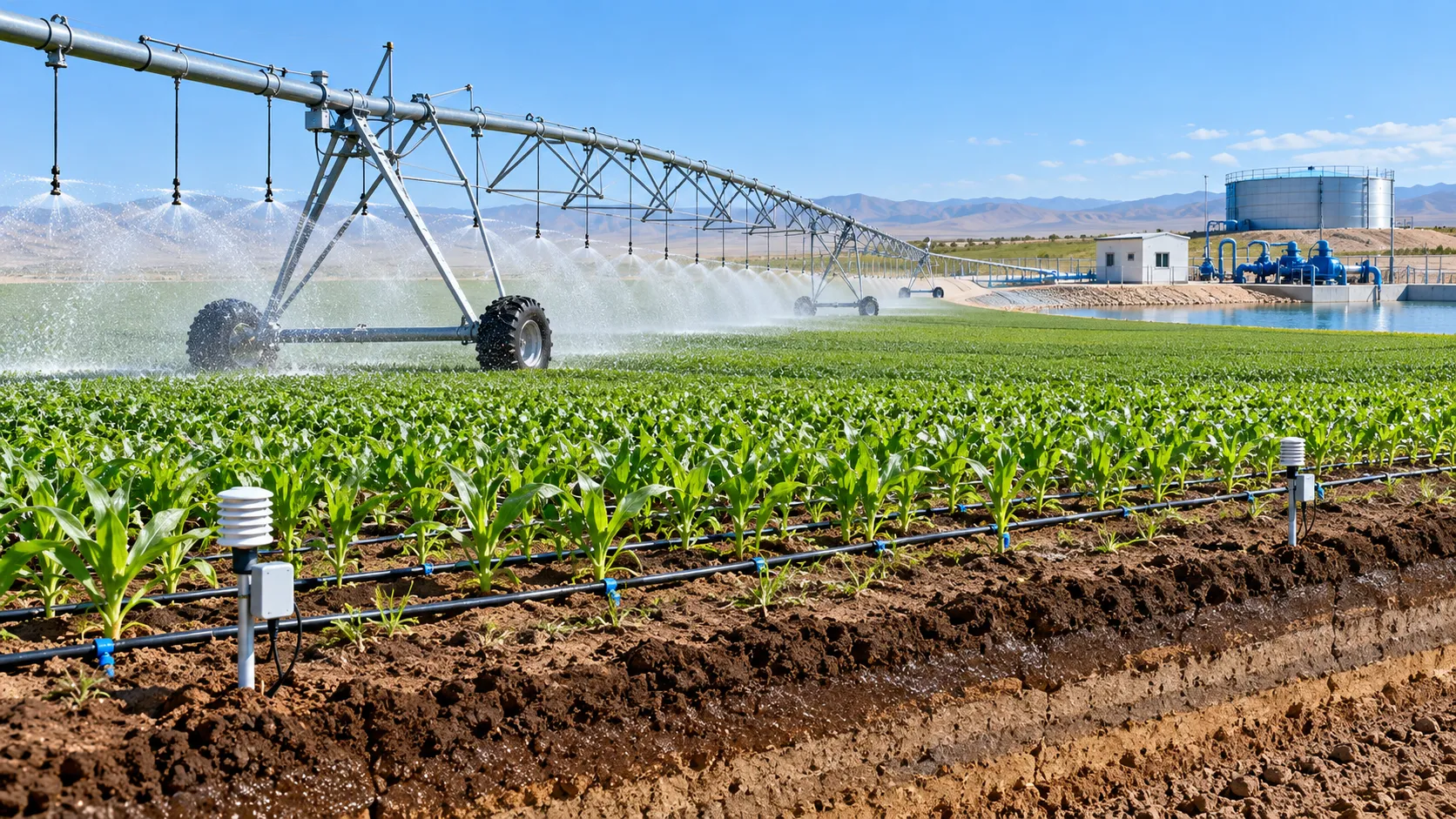
Climate-Smart Farming for Drought: A Practical Plan for Protecting Yields
Climate-smart farming for drought: build smarter water budgets, protect critical crop stages, improve irrigation uniformity, and safeguard yields with practical field-proven strategies.
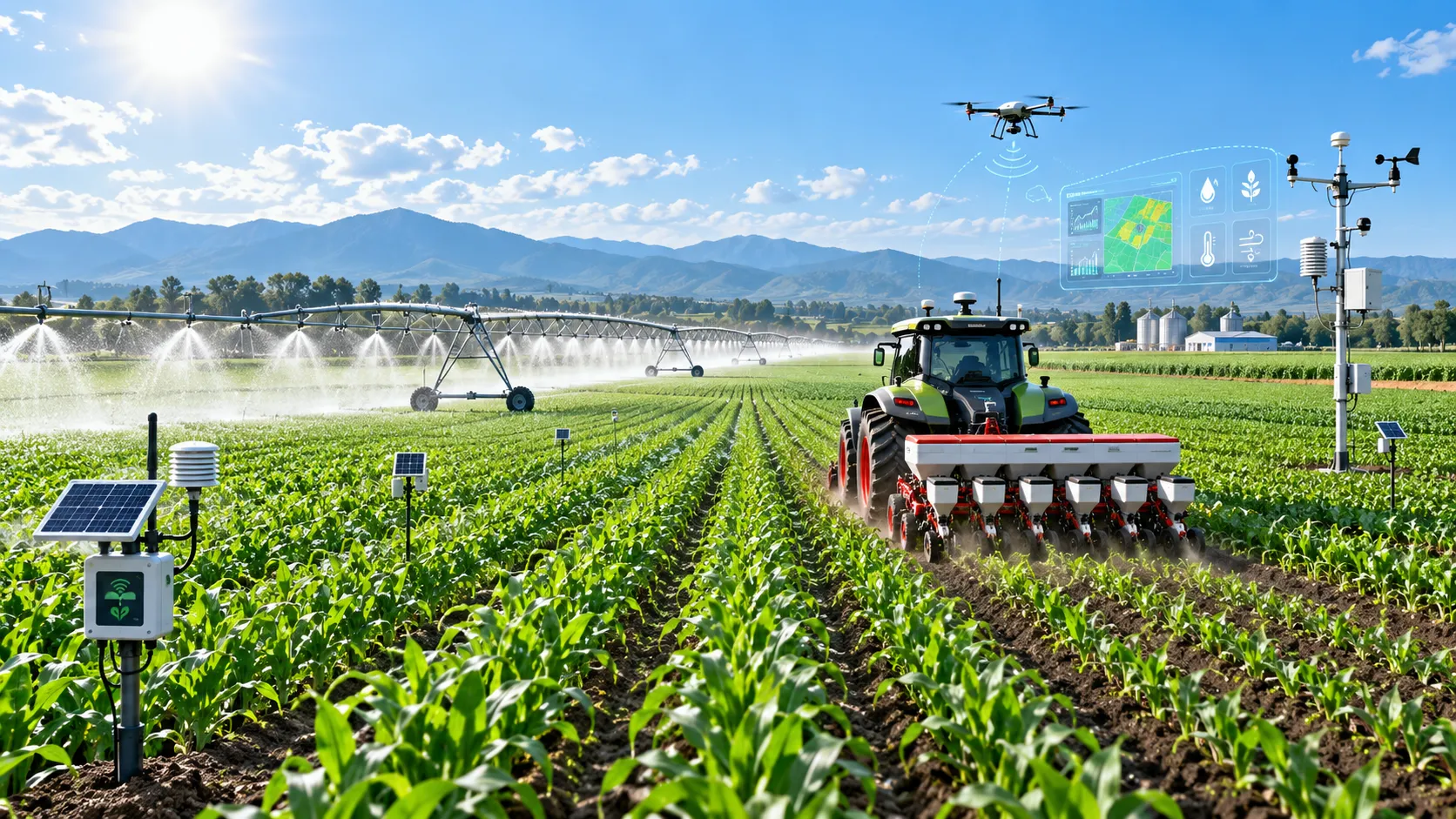
How Digital Agriculture Platforms Turn Field Data Into Better Input Decisions
Digital agriculture platforms turn field data into smarter fertilizer, water, seed, and equipment decisions—helping farms cut risk, improve margins, and scale sustainability.
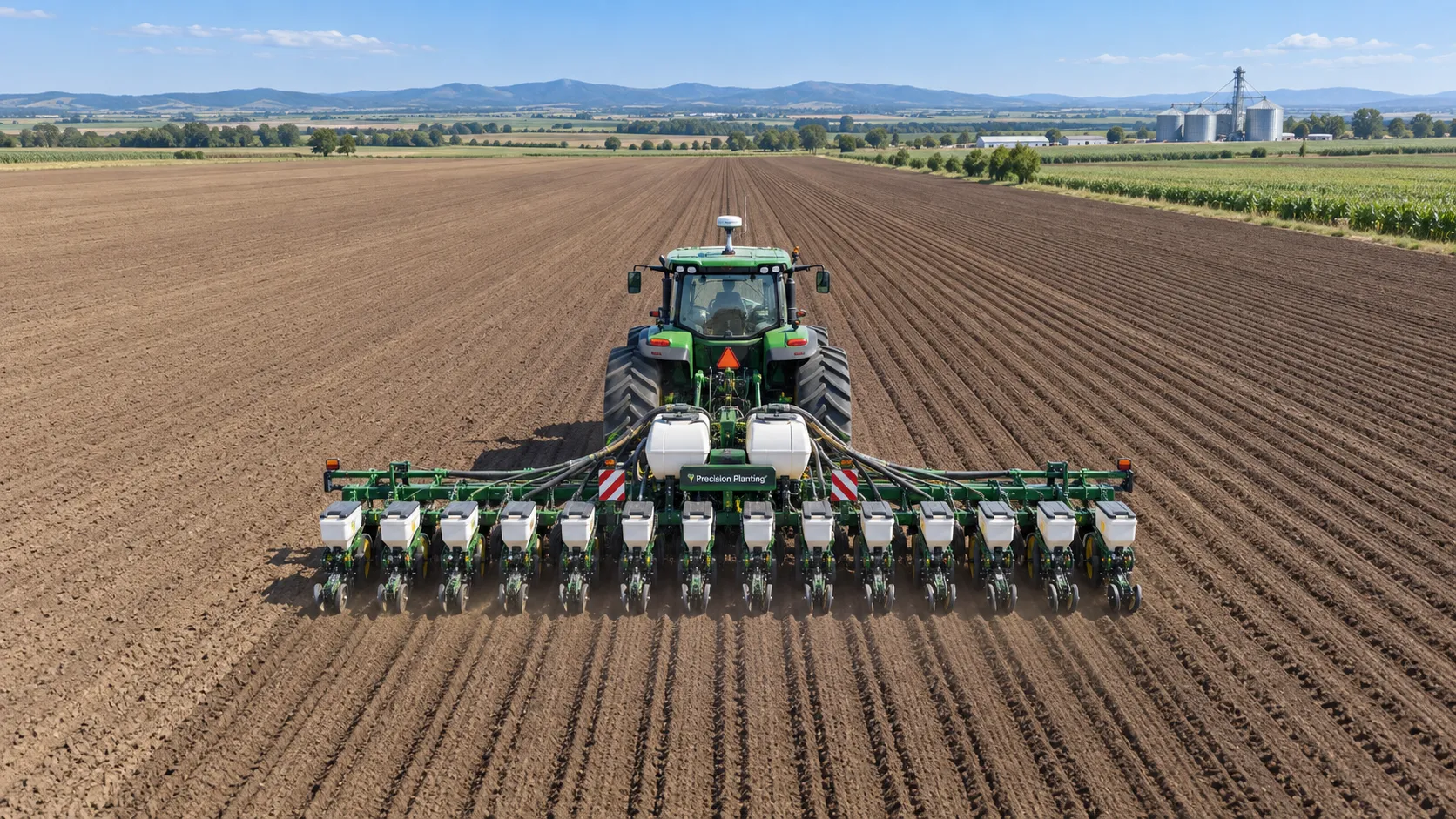
GPS-Guided Farm Machinery: Where It Delivers Measurable Field Efficiency Gains
Agri-mechanization GPS guided systems deliver measurable field efficiency gains through reduced overlap, precise planting, smarter inputs, and reliable farm data.
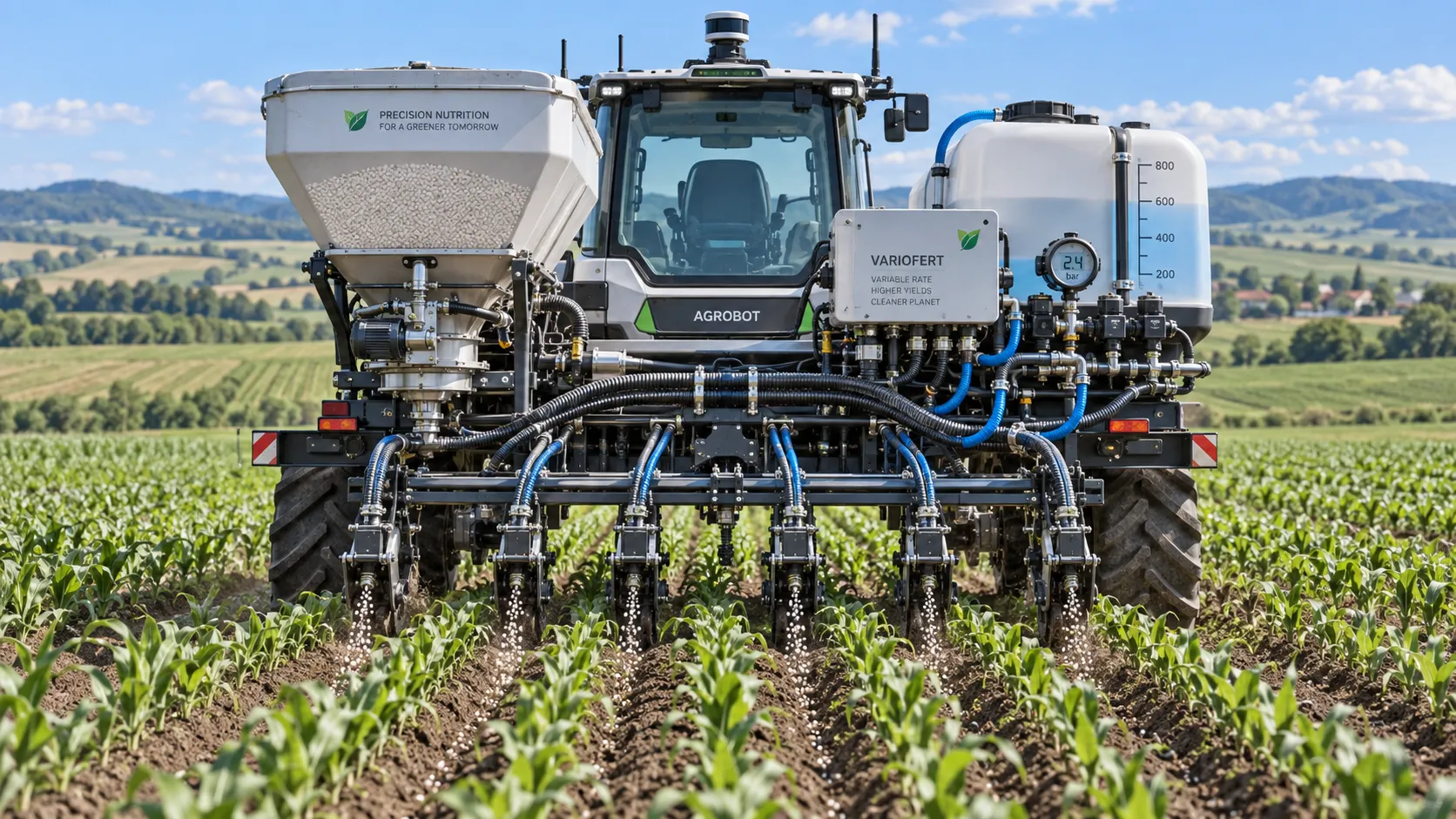
How Sensor Feedback Enables Accurate Variable-Rate Fertilization in Field Conditions
Precision fertilization systems with sensor feedback improve variable-rate accuracy by verifying flow, managing latency, and ensuring reliable field application.
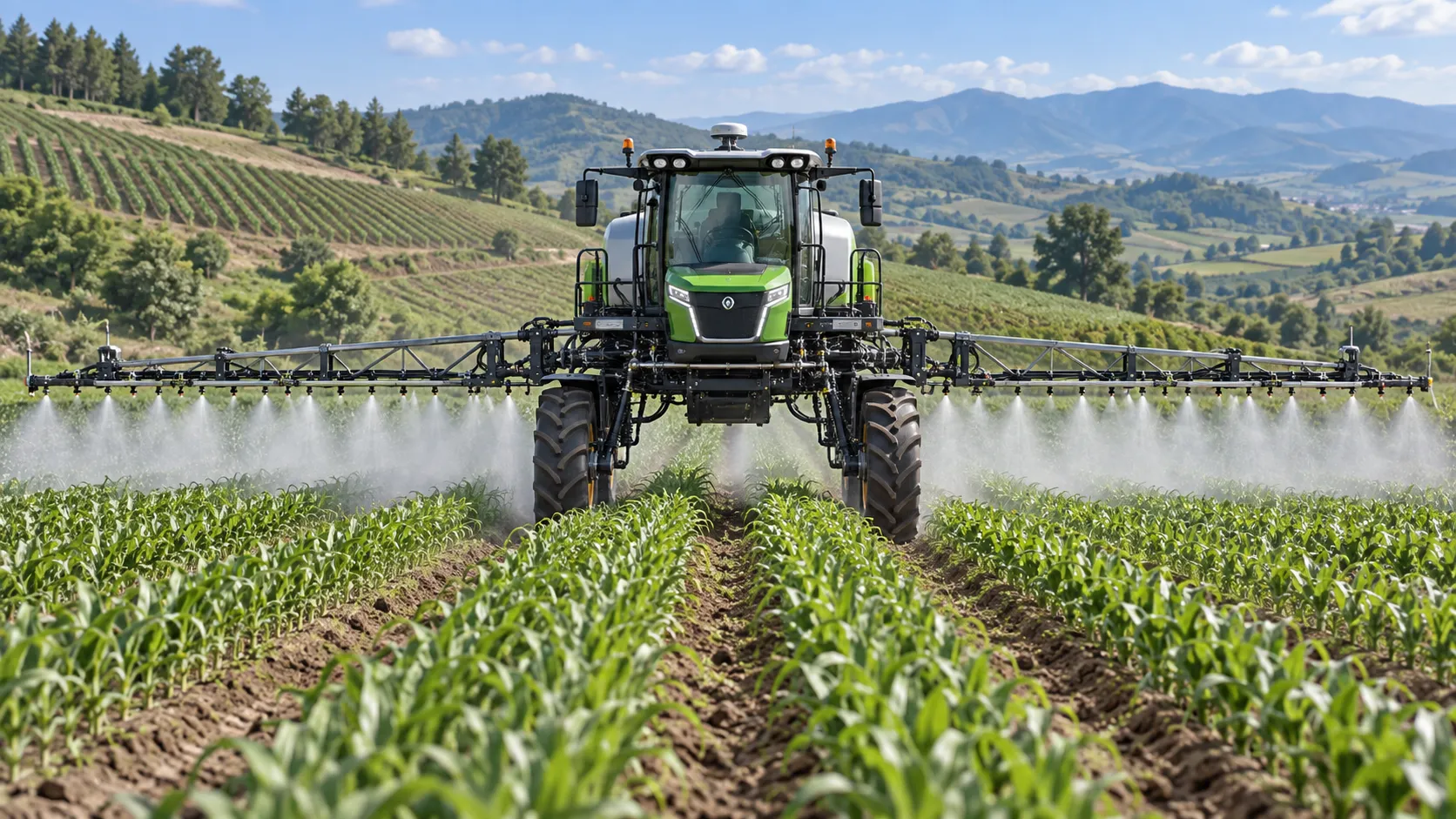
How to Select Precision Crop Protection Equipment for Variable Field Conditions
Precision crop protection equipment selection made simple: compare terrain, canopy, weather, control accuracy, and data workflows for reliable applications.
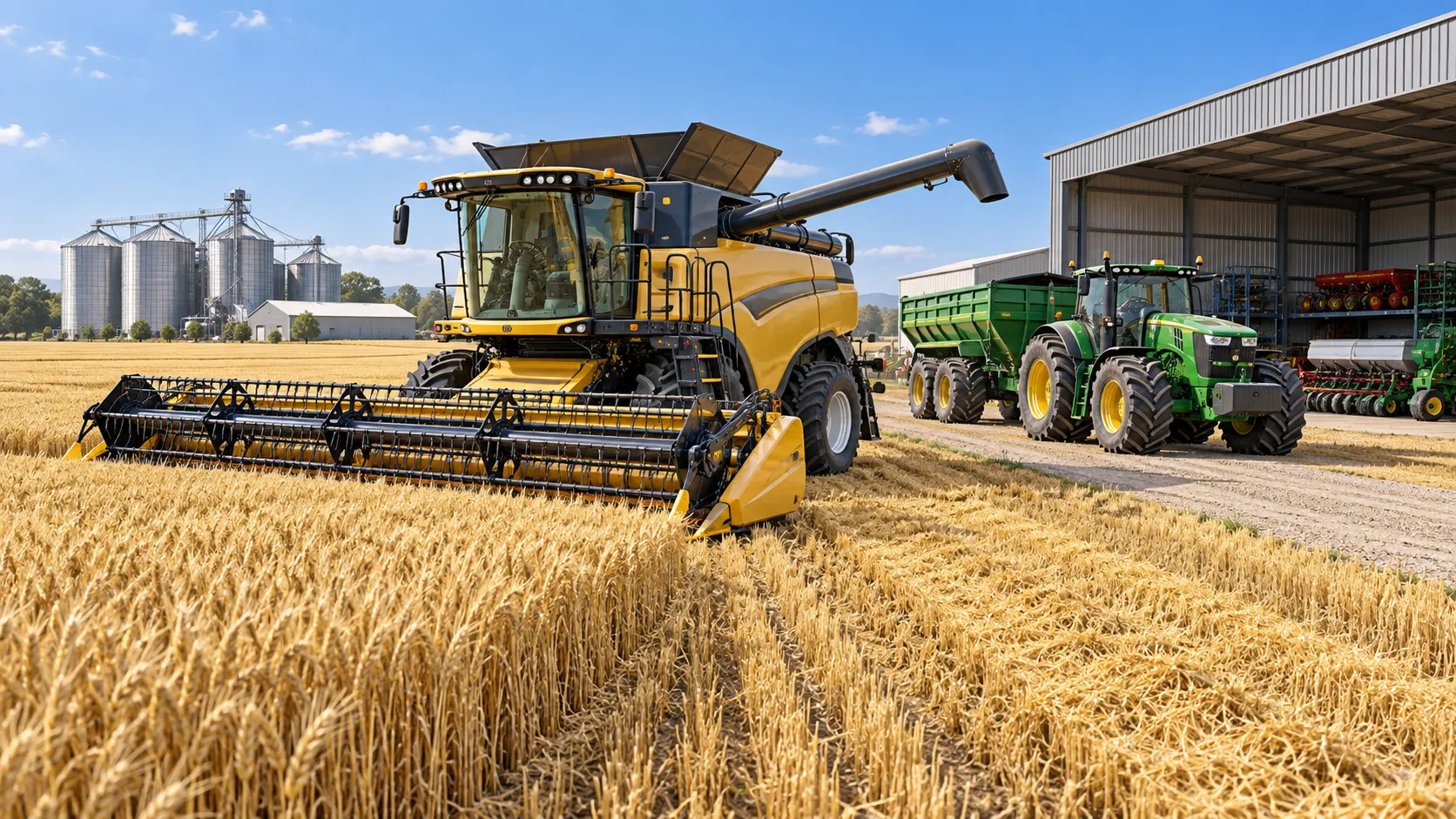
When Does Agricultural Machinery Leasing Cost Less Than Owning Equipment?
Agricultural machinery leasing can lower farm costs when use is seasonal or uncertain. Compare utilization, maintenance, cash flow, and risk to make a smarter equipment decision.
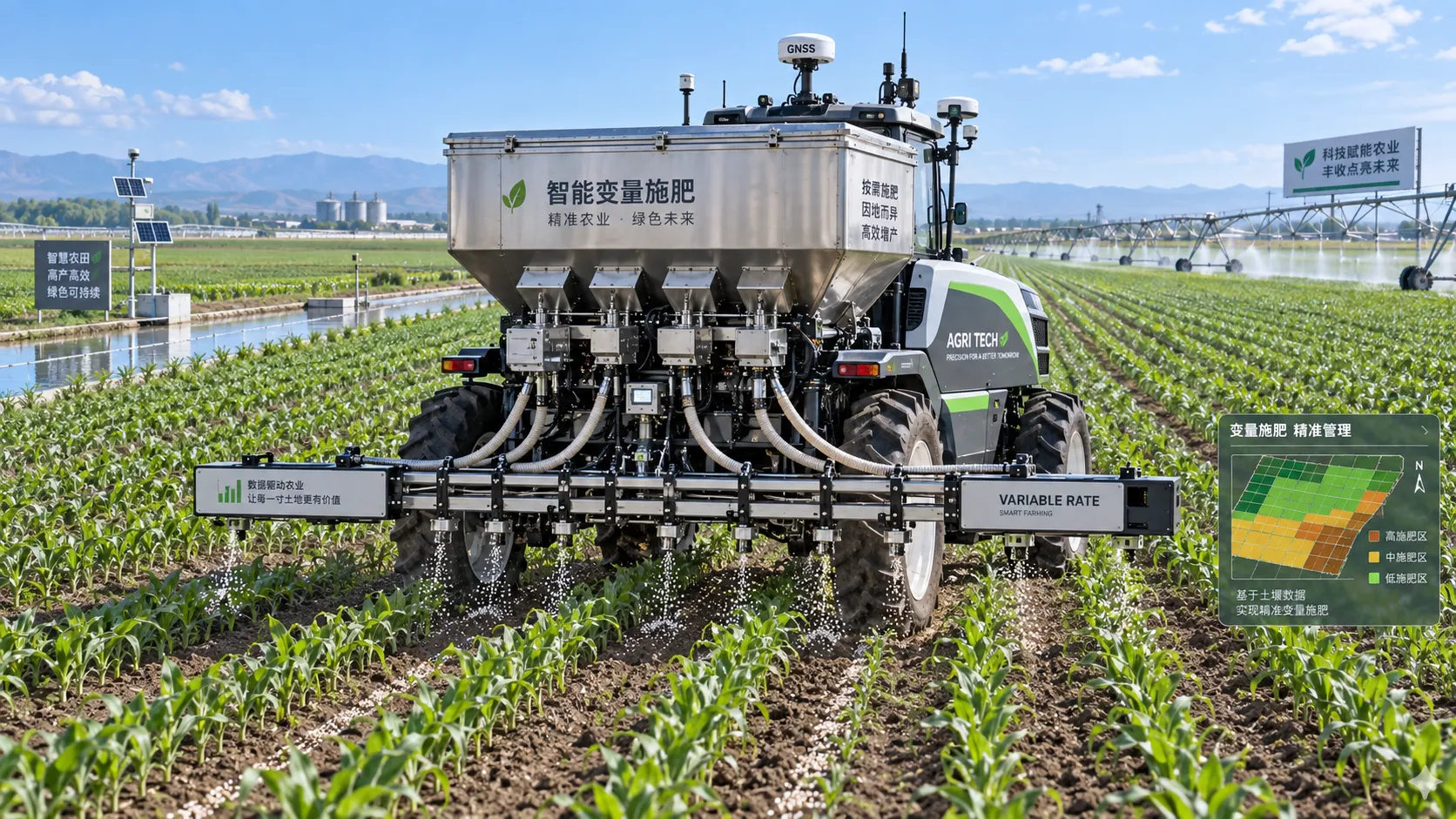
How to Evaluate Precision Fertilization System Suppliers for Farm-Scale Deployment
Precision fertilization systems suppliers: learn how to compare accuracy, integration, uptime, service, and total cost for confident farm-scale deployment.
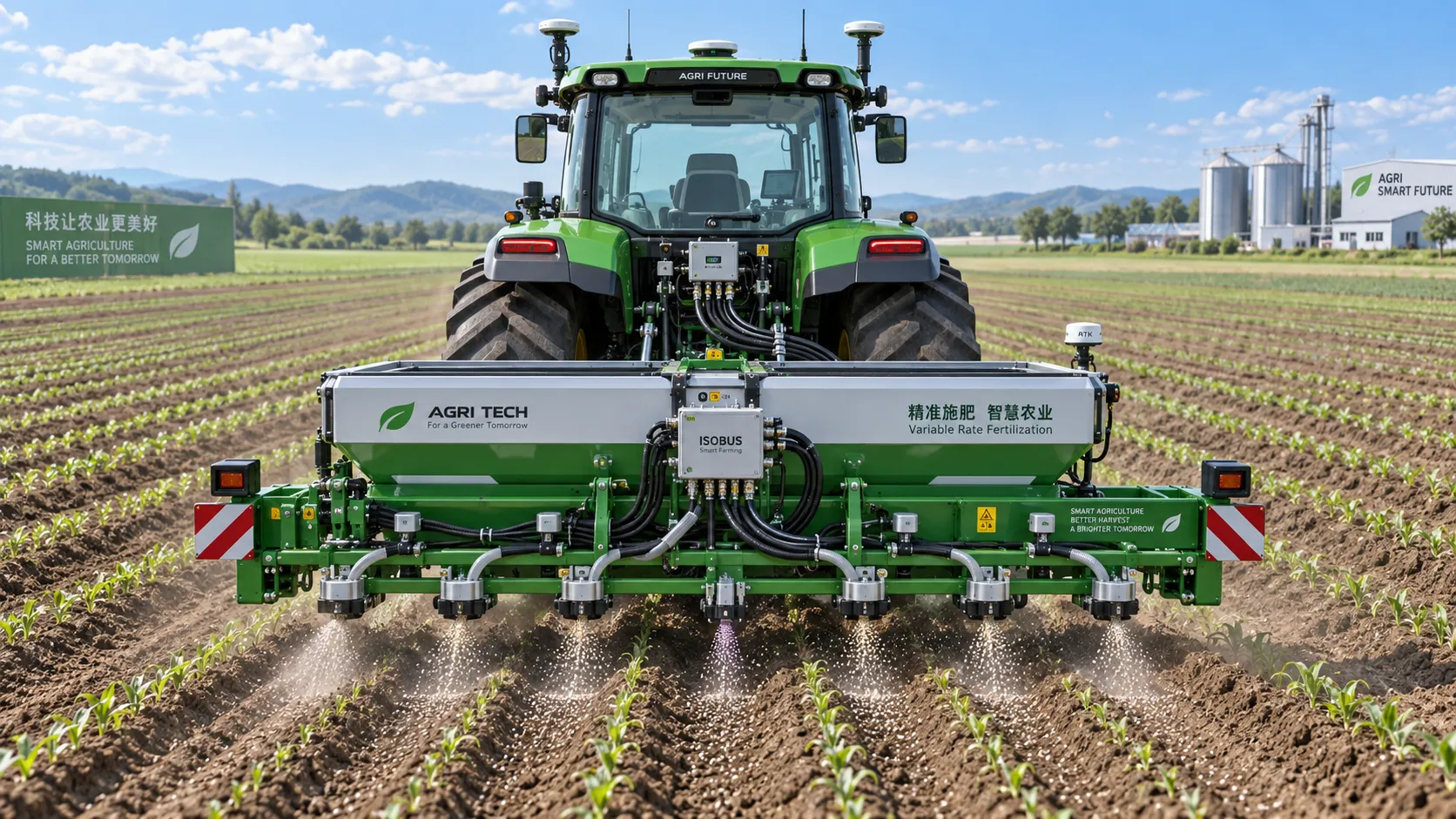
ISOBUS for Smart Agriculture: How It Connects Tractors, Implements, and Farm Data
ISOBUS for smart agriculture connects tractors, implements, terminals, and farm data—helping growers improve precision, documentation, and smarter field decisions.
Related News
- 00
0000-00
How Digital Agriculture Platforms Turn Field Data Into Better Input Decisions - 00
0000-00
When Does Agricultural Machinery Leasing Cost Less Than Owning Equipment? - 00
0000-00
Selecting Grain Farm Equipment by Acreage, Crop Mix, and Harvest Window - 00
0000-00
Poultry Equipment Selection: Evaluating Durability, Cleaning, and Compatibility - 00
0000-00
How to Select Heavy-Duty Farm Implements for High-Acreage, High-Horsepower Operations
Popular Tags
Ms. Elena Rodriguez
Weekly Insights
Stay ahead with our curated technology reports delivered every Monday.